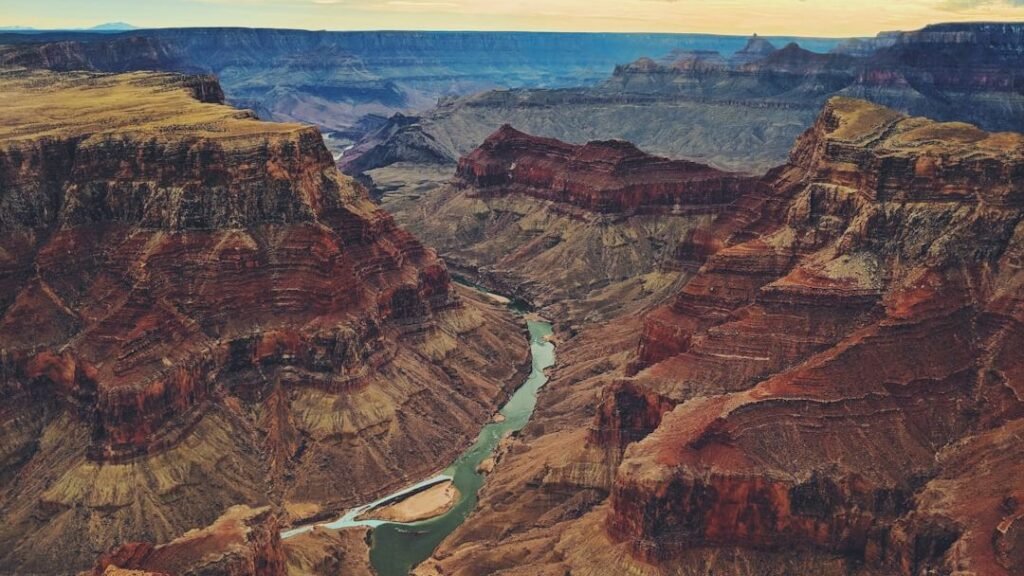

Stand on the edge of the Grand Canyon and it feels like time itself has been sliced open. Most people snap a photo, say it’s beautiful, then move on. But behind that postcard view is a mystery that has quietly shaken geology for decades: we still don’t fully know how old the canyon really is, or exactly how it formed.
That might sound unbelievable in 2026, when we can map Mars in high definition and sequence genomes in a day. Yet this one giant scar in Arizona continues to baffle experts. The deeper scientists look – literally and figuratively – the stranger the canyon’s story becomes, revealing buried oceans, vanished mountains, and even debates that have divided geologists for years.
The Age Puzzle: How Old Is The Grand Canyon Really?
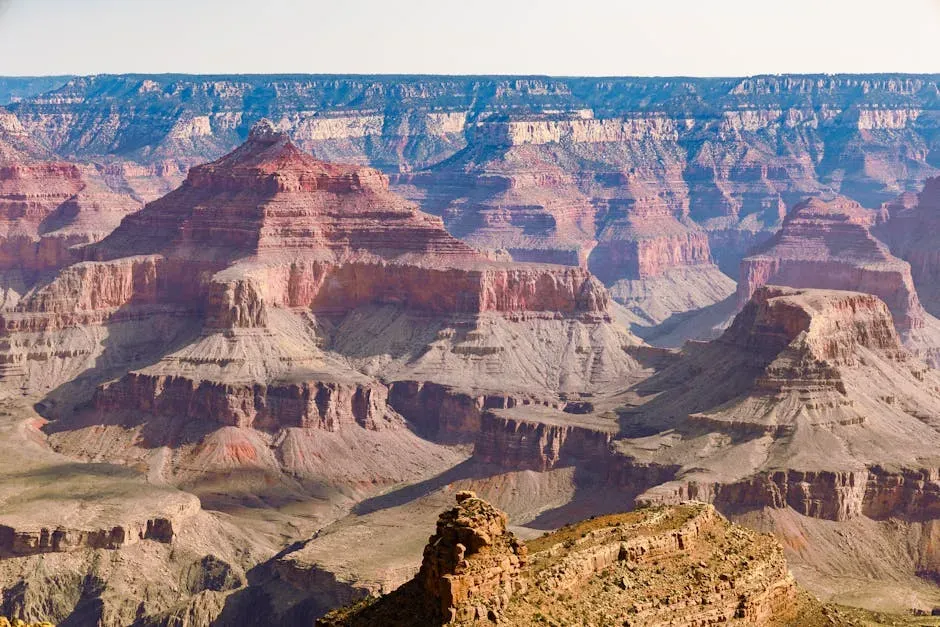
It feels obvious: a canyon this huge has to be unimaginably ancient. For a long time, the simple story was that the Colorado River carved the Grand Canyon about five to six million years ago. Then newer techniques, especially studies of mineral crystals like apatite, suggested parts of the canyon might be tens of millions of years older, maybe over seventy million years in some sections. That bombshell triggered a fierce scientific debate that still hasn’t fully cooled down.
Today, the most careful answer is less satisfying but more honest: different parts of the canyon likely have different ages. Some segments may have been carved much earlier by ancient rivers, while others were cut more recently as the modern Colorado River tied the pieces together. Instead of a single birthday, the canyon seems to have a staggered, patchwork origin, like a book that was written chapter by chapter over a very long time.
Layers Like a Time Machine: Reading Nearly Two Billion Years of Rock
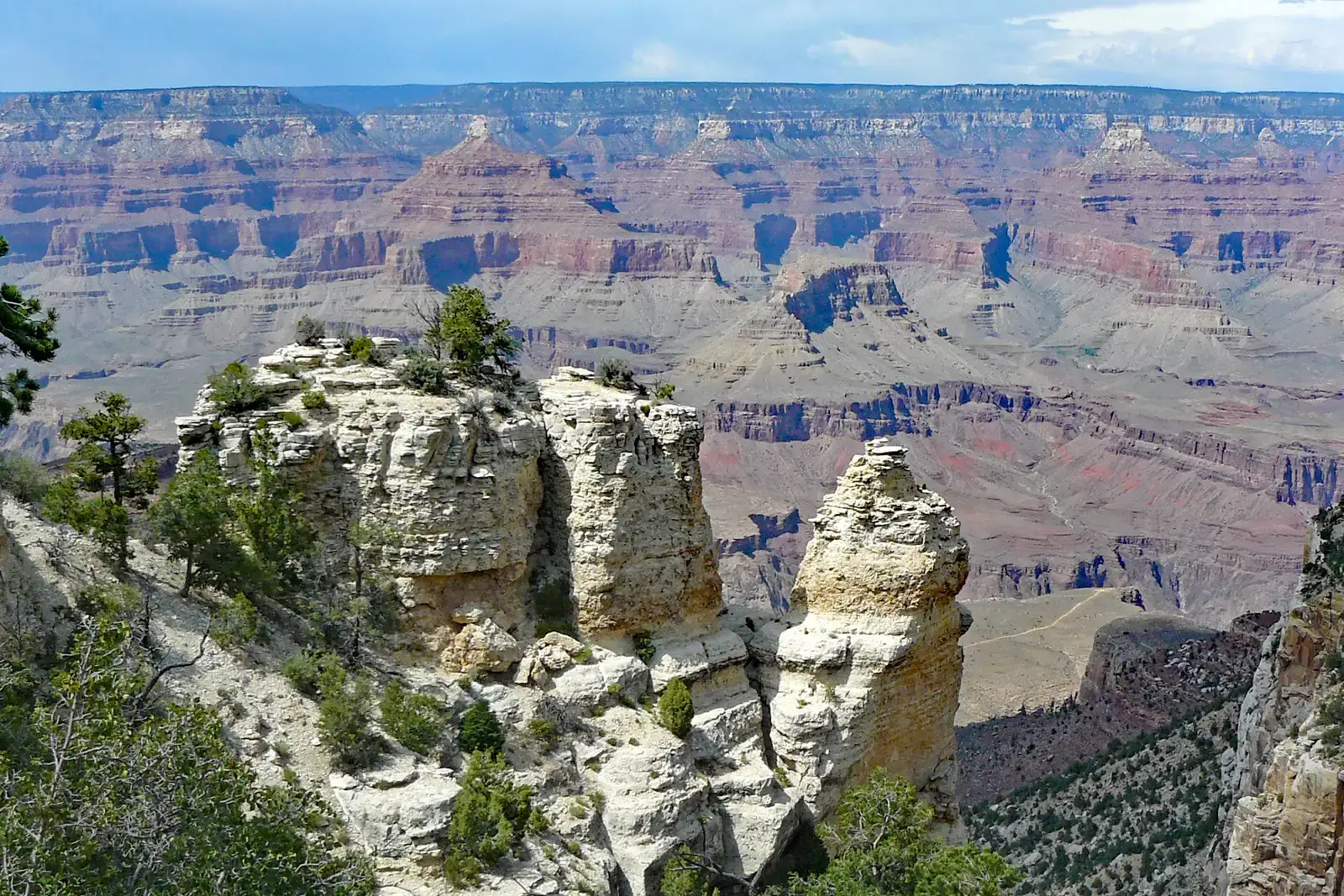
When geologists look at the canyon walls, they don’t just see colors and stripes. They see pages of Earth’s history stacked on top of one another, with the oldest layers at the bottom reaching back close to two billion years. The Grand Canyon exposes an unusually complete rock record, from ancient crystalline basement rocks to younger sedimentary layers that once lay at the bottom of shallow seas and vast deserts.
Each layer tells a different story: tropical coastlines, muddy tidal flats, thick sand dunes, even the quiet settling of sediments in deep water. Many of these environments no longer exist in the same way, so the canyon acts like a portal into vanished worlds. The shocking part is that there are still layers with fossils and mineral signatures that haven’t been fully mapped or analyzed, so new fieldwork continues to tweak the timeline and the details of these ancient landscapes.
Before the Canyon: Lost Mountains and Ancient Continents
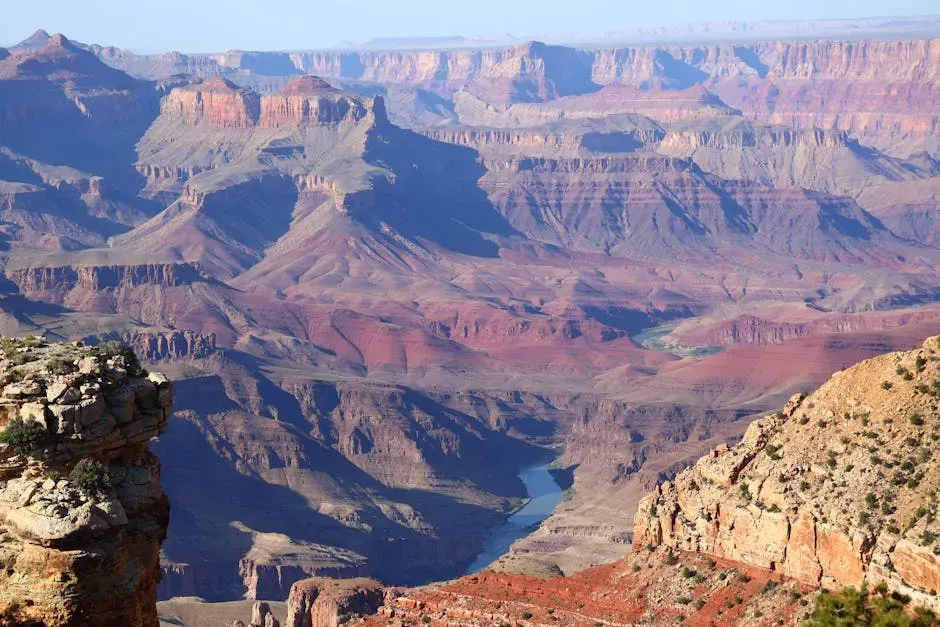
It’s easy to forget that the rocks beneath the canyon existed long before any canyon was carved. Deep down, in the so‑called Vishnu Basement Rocks, lie remnants of old volcanic arcs, crustal collisions, and buried mountain belts that formed when early continental pieces crashed together. These events go back to a time when life was microscopic and continents looked nothing like the map you know today.
Geologists are still piecing together how those proto-continents assembled and broke apart, using chemical fingerprints in the rocks and tiny zircon crystals that can hold radioactive age information for billions of years. In a way, the canyon is less a story about erosion and more a window into the earliest architecture of North America. Behind the tourist views, scientists are trying to reconstruct supercontinents and vanished oceans that existed hundreds of millions, even billions, of years before anyone imagined the word “Arizona.”
The Great Unconformity: A Giant Missing Chapter
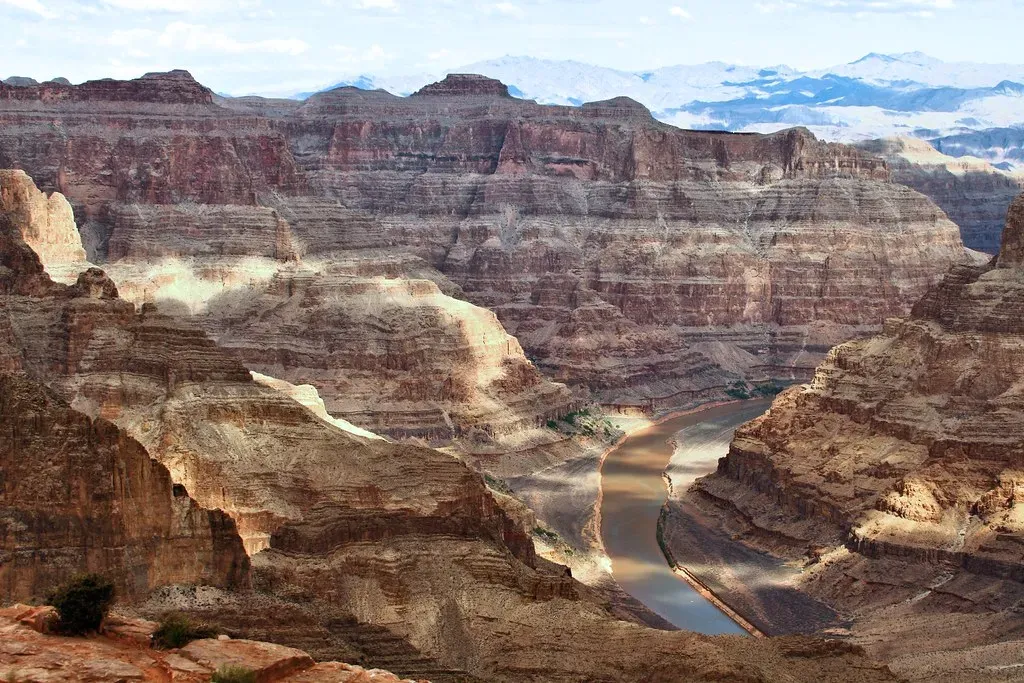
One of the strangest features in the Grand Canyon isn’t what you see, but what you don’t. In many parts of the canyon walls there’s a sharp boundary called the Great Unconformity, where rocks roughly half a billion years old sit directly on top of rocks more than a billion years older. In between, a vast stretch of time has simply vanished from the rock record, like someone ripped out a massive chunk of chapters from Earth’s diary.
What happened during that missing era is still hotly debated. Some researchers think enormous ice sheets and global-scale erosion scraped away those layers, possibly during ancient “snowball Earth” episodes when glaciers may have covered much of the planet. Others propose different sequences of uplift, erosion, and subsidence. The Grand Canyon’s version of the Great Unconformity has become one of the key sites in the world for studying this mystery, and new data from geochemistry and thermochronology continue to reshape the story.
Rivers That Came and Went: Reconstructing Ancient Drainage Systems
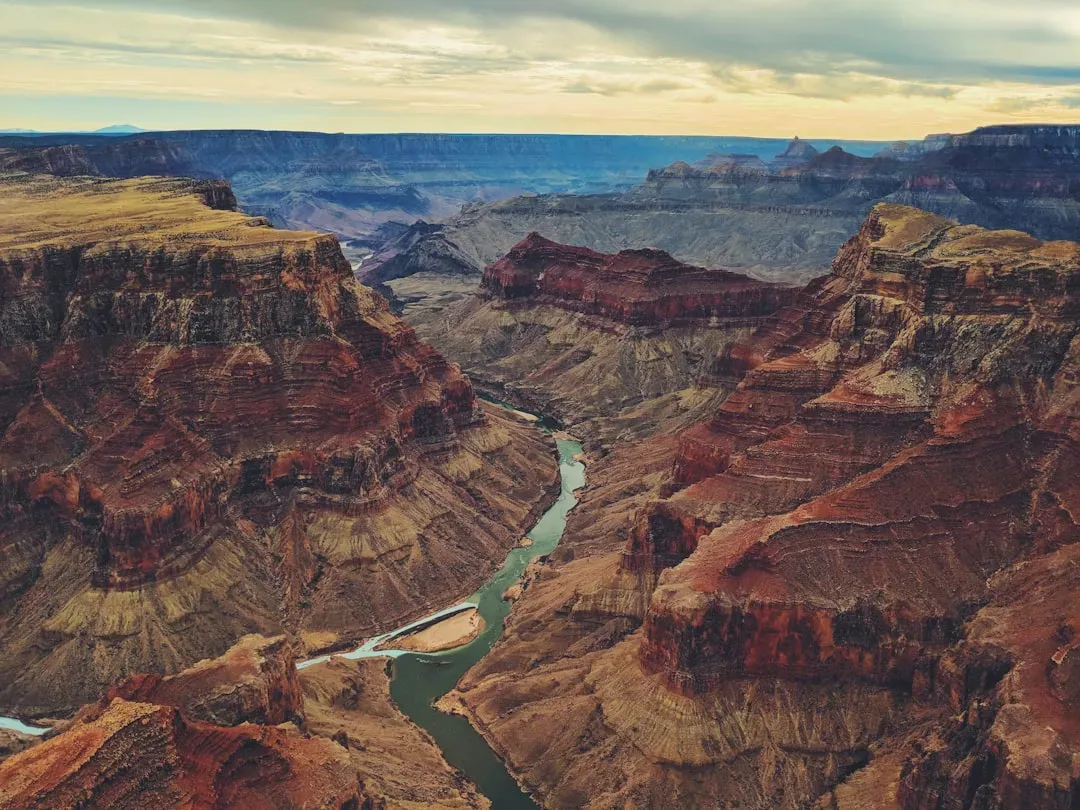
Many school diagrams show a neat Colorado River slicing down over time, but the reality is messier and more surprising. Evidence from sediments, gravel deposits, and rock chemistry suggests that before the modern Colorado River existed, earlier rivers flowed in very different directions across the region. Some ran toward what is now the Gulf of Mexico, others toward interior basins, and some may have been captured and redirected as the landscape shifted.
Geologists talk about river capture, where one river essentially “steals” the drainage of another as tectonic uplift or erosion changes the topography. The Grand Canyon seems to be a product of several of these rearrangements over tens of millions of years. Tracing these ghost rivers through scattered pebbles and buried channels is like trying to reconstruct an old subway map when most of the lines have been erased, and the work is still very much in progress.
Tectonic Uplift: Raising a Plateau, Deepening a Canyon
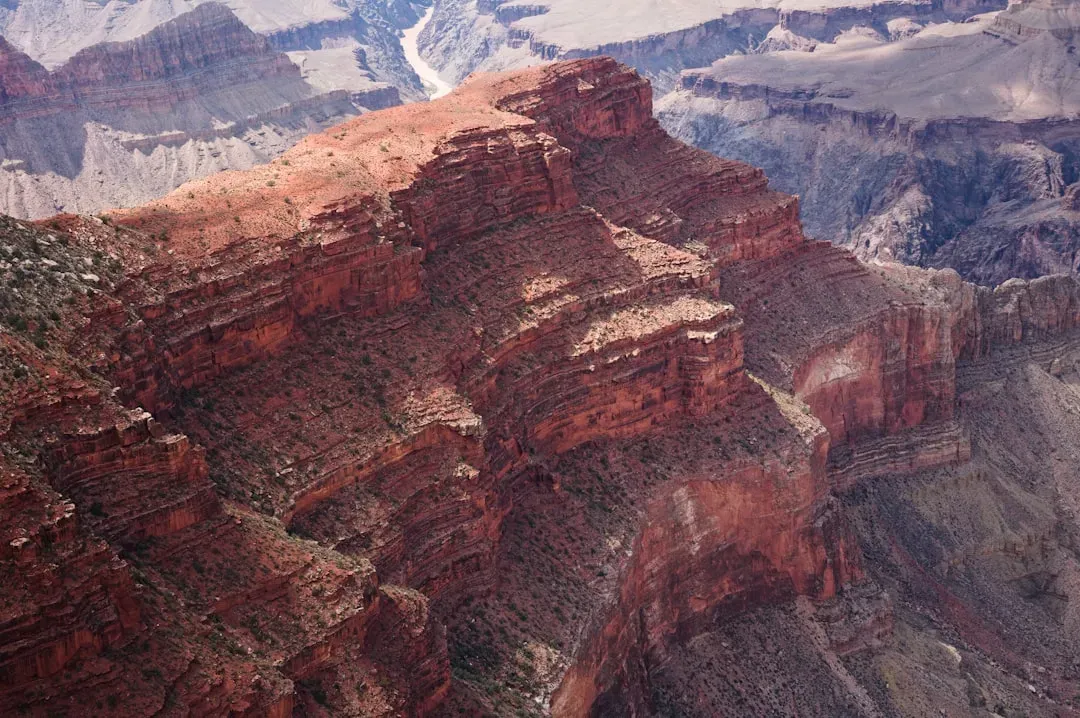
The Grand Canyon doesn’t just owe its existence to water; it also owes a huge debt to the land rising beneath it. The Colorado Plateau, which includes the canyon, was lifted thousands of feet over tens of millions of years. This uplift increased the gradient of the Colorado River, essentially giving it more gravitational “oomph” to cut downward through rock that would otherwise be far more resistant.
Scientists are still working out exactly how and when that uplift happened. Was it a slow, steady rise, or did it come in pulses linked to deeper movements in the Earth’s mantle? Different methods, from seismic imaging to measuring how rocks cooled as they moved closer to the surface, point to a complex story rather than a simple curve. The ongoing challenge is tying the timing of uplift to the timing of canyon cutting, and the details of that match are still being argued in papers and conference halls.
Fossils in the Walls: Ancient Life Along Vanished Shores
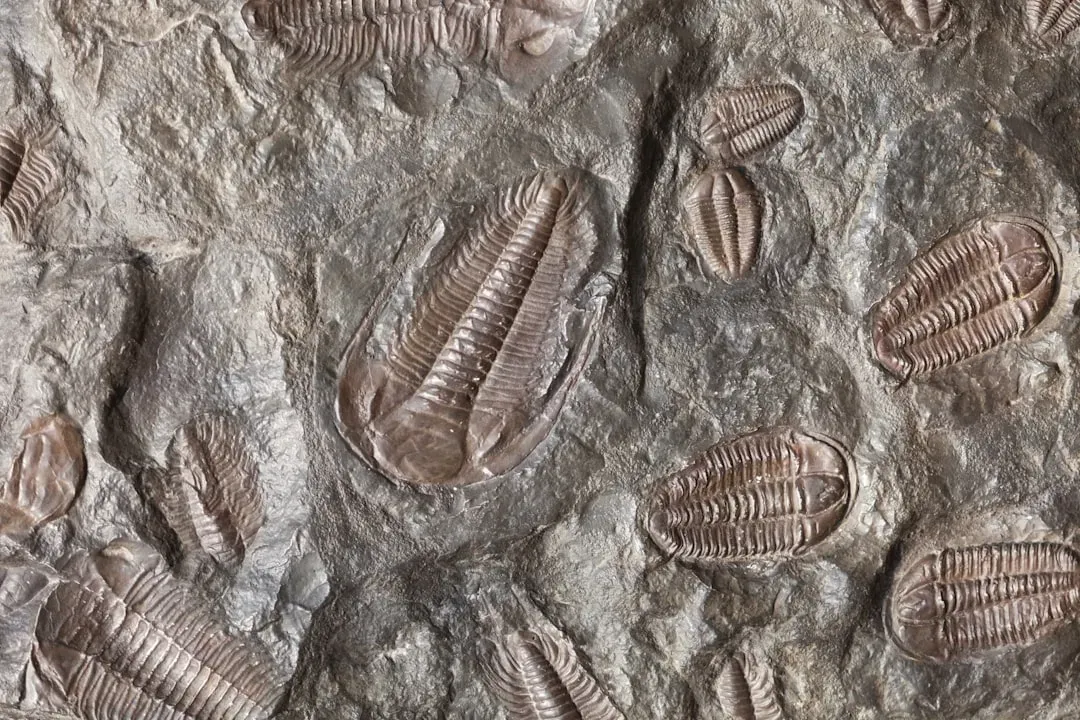
For all the focus on rocks and rivers, the Grand Canyon also holds an extraordinary record of life. In the layered limestones and shales, scientists have found marine fossils from long-gone oceans: trilobites, brachiopods, and early reef builders. Higher up, there are tracks and traces from animals that walked along ancient shorelines or riverbanks, leaving fleeting footprints that hardened into stone.
Not all of these fossils are fully cataloged or understood. Some formations are still being surveyed in detail, and a careful search can reveal new species or better-preserved specimens that refine our picture of evolving ecosystems. Every fossil bed adds another thread to the tapestry, showing how life responded to changing seas, climates, and continents. For geologists and paleontologists, the canyon is less a static attraction and more an active field site where new finds can still rewrite pieces of the story.
Modern Tools, New Surprises: How Technology Is Redrawing the Map
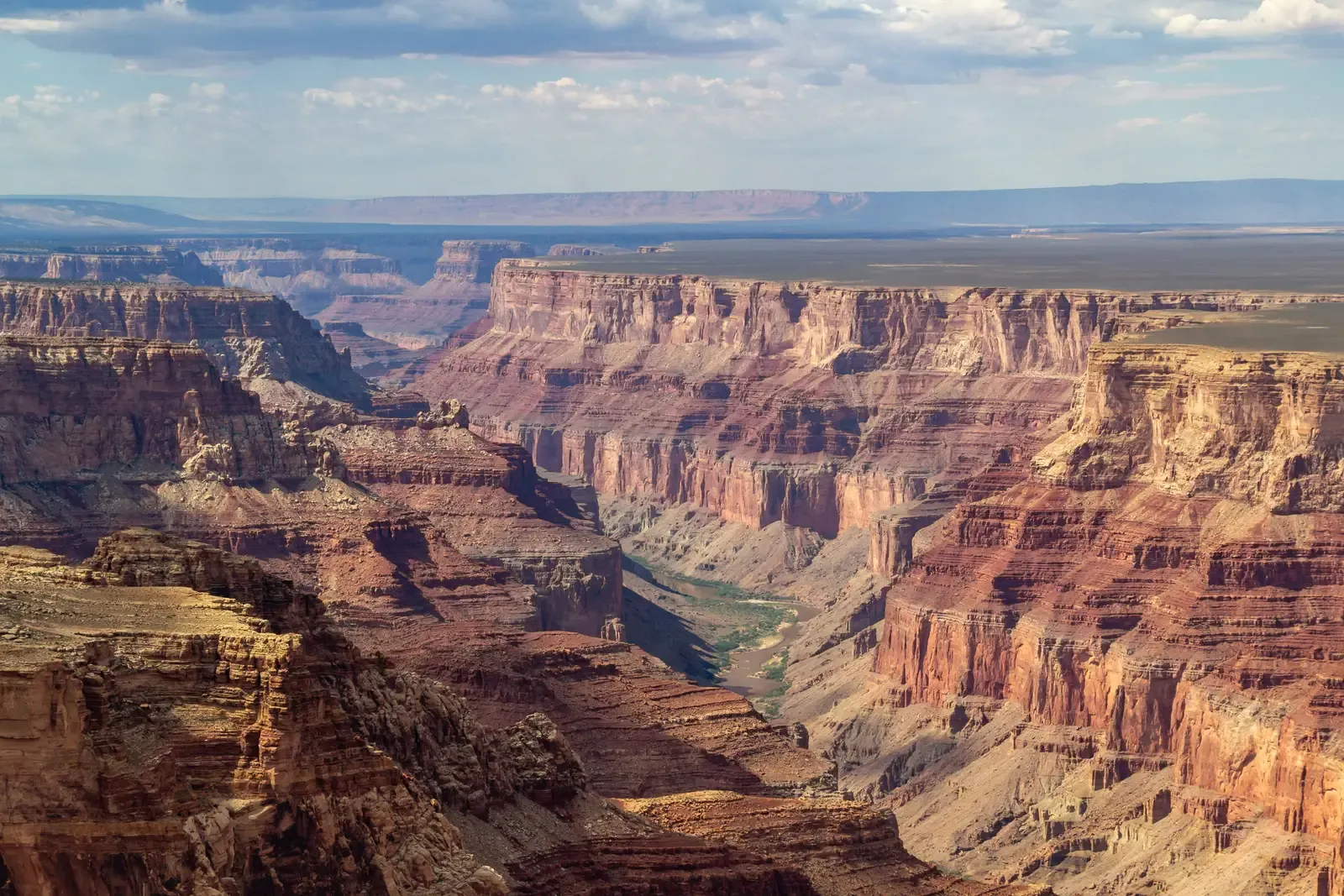
Even though the canyon is exposed and seemingly obvious, recent advances in technology are letting scientists see it in completely new ways. High-resolution lidar (laser-based mapping), satellite imagery, and drone surveys are revealing subtle terraces, hidden faults, and small side canyons that were easy to overlook by eye alone. These features help reconstruct the steps the river took as it cut down, and the stages of erosion that shaped the familiar cliffs and buttes.
On the microscopic side, improved dating techniques use the cooling histories of minerals to track when rocks moved closer to the surface and when erosion accelerated. Combining these tools has already forced revisions to old models that treated the canyon as a single, simple cut. Instead, the emerging picture is one of overlapping processes and reused landscapes, where older valleys were deepened, widened, and repurposed by newer rivers in multiple cycles.
Climate Through Deep Time: What the Canyon Reveals About Earth’s Past
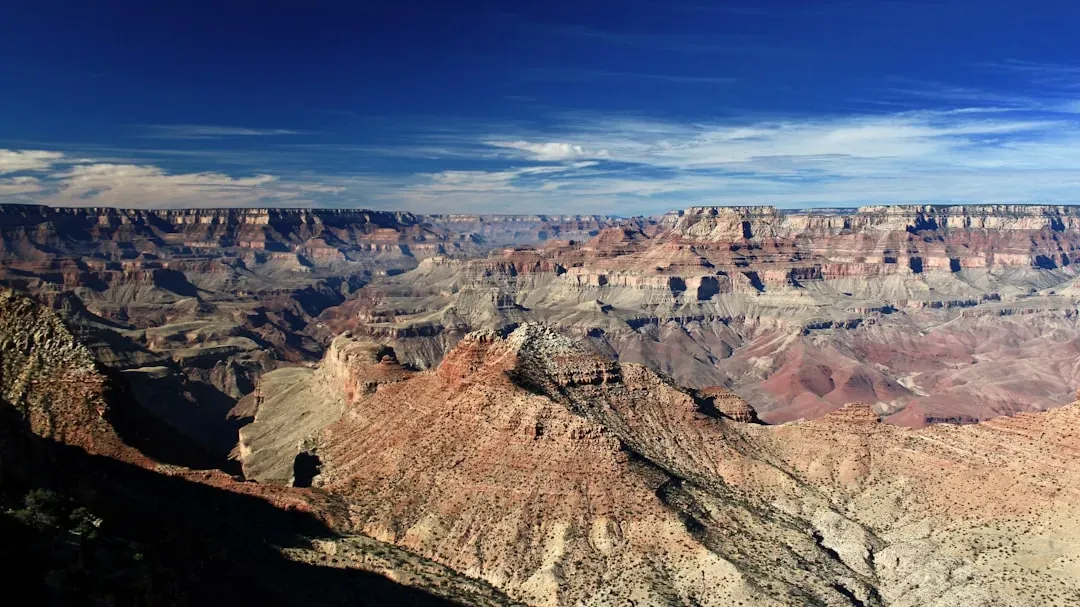
The Grand Canyon is also a climate archive, though not in the same way as ice cores or tree rings. Changes in rock types, sediment textures, and chemical signatures hint at shifting climate conditions over hundreds of millions of years. Some layers speak of warm, shallow seas, others of extensive deserts with towering dunes, still others of river systems under more humid conditions. By reading these patterns, scientists can infer how temperature, rainfall, and sea level changed long before humans appeared.
This deep-time climate perspective is especially valuable today, as we try to understand how Earth systems respond to rapid change. While the timescales are very different, seeing how past climates reshaped ecosystems and erosion patterns provides context for our current era. Researchers still debate the exact links between certain layers and specific global events, but the canyon continues to serve as a giant, open-air archive that grounds climate models in actual rock.
Why the Mystery Matters: A Canyon That Refuses to Be Finished
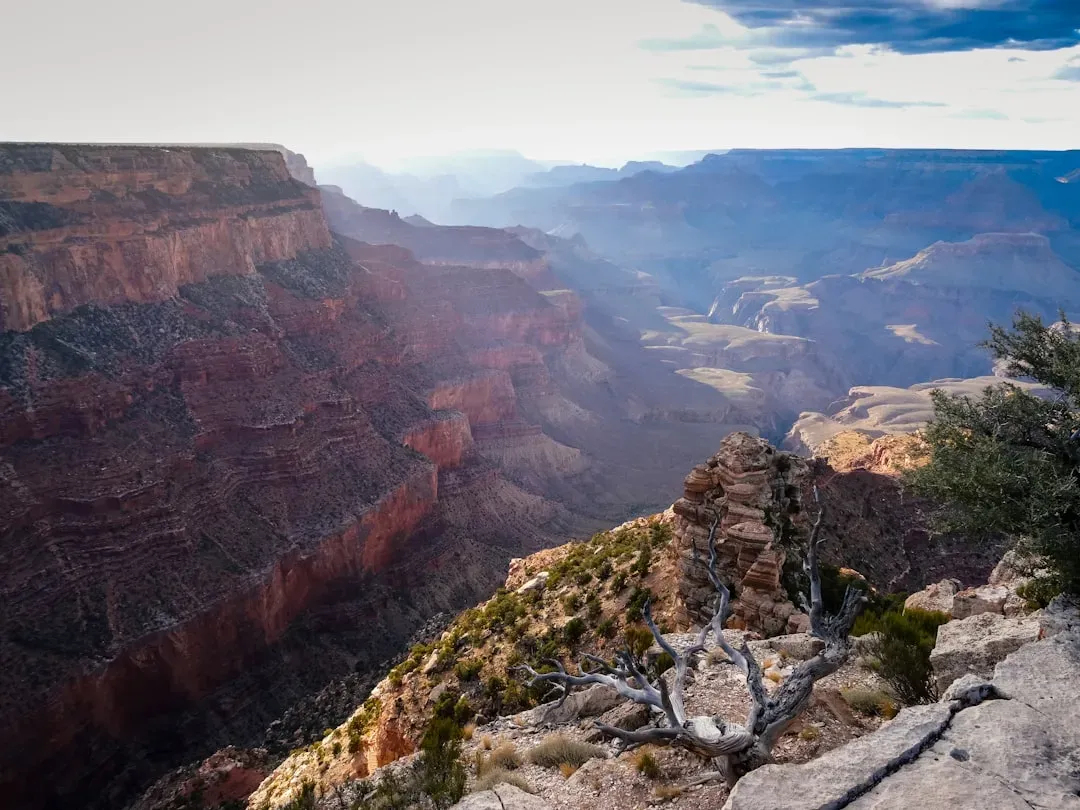
It might be tempting to think of the Grand Canyon as a solved puzzle, a place we’ve photographed from every angle and explained in school textbooks. The reality is almost the opposite: the more precisely geologists measure, the stranger and more layered the story becomes. Arguments over the canyon’s age, the timing of uplift, and the nature of missing rock chapters aren’t just academic squabbles; they force scientists to rethink how landscapes evolve all over the planet.
On a personal level, that uncertainty makes the canyon feel more alive. The last time I stood at the rim, it struck me that even the experts still disagree on how this scene came to be. There’s something oddly comforting in that, as if nature is allowed to keep a few secrets. Next time you look at a photo of the Grand Canyon, maybe you’ll see more than a scenic backdrop – maybe you’ll see a story that’s still being written, one layer, one fossil, one debate at a time. Who would’ve guessed that one of the world’s most famous landscapes is also one of its biggest unfinished mysteries?