Most people stand at the rim of the Grand Canyon, snap a photo, whisper something about how huge it is, and then move on. But beneath that postcard view lies a story that’s far older, far stranger, and honestly far more gripping than most visitors ever hear about. We’re talking about tens of thousands of years of human presence, lost trails, sacred shrines, buried dwellings, and cultural connections that stretch from the high plateaus of the Southwest to ancient peoples hundreds of miles away.
The canyon isn’t just a hole in the ground carved by the Colorado River; it’s a kind of open-air library of human memory. Hidden cliff dwellings, enigmatic rock art, and fragments of everyday objects left behind by ancient families all hint at a deeper narrative of survival, migration, and belief. Once you start seeing the canyon as a lived-in world instead of just a geological wonder, the familiar view suddenly looks completely different.
The First Footsteps: Traces Of The Earliest Peoples
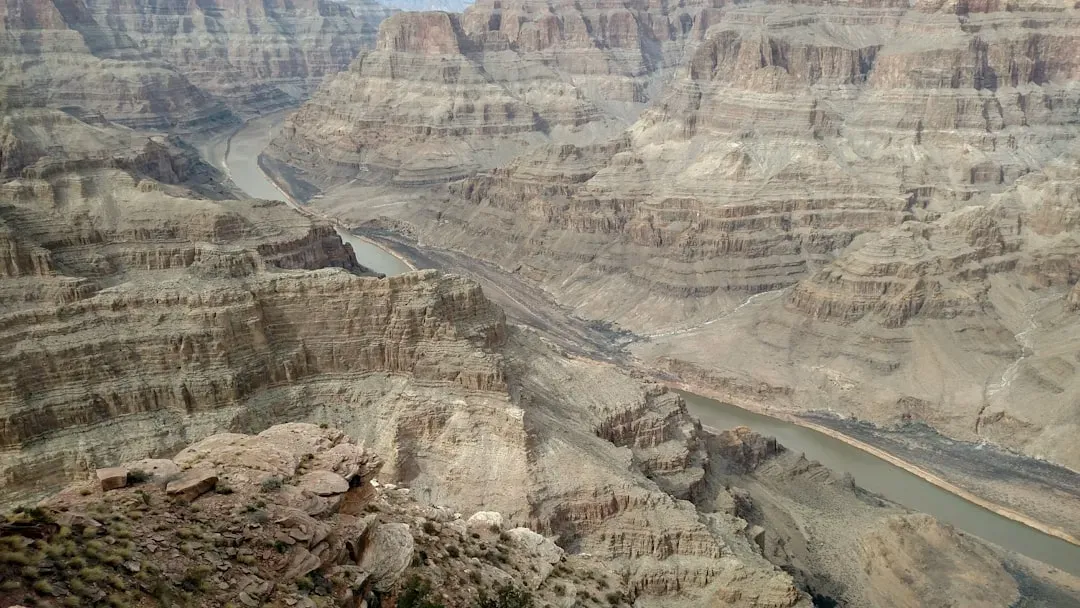
Here’s a wild thought: long before it was a national park or a tourist destination, the Grand Canyon was simply home. Archaeologists have found evidence that humans were around this region at least thousands of years ago, likely including ancient hunter-gatherers following game and seasonal plants along the river and adjacent plateaus. Some stone tools and camp remnants hint at people adapting to dramatic cliffs, scarce water, and massive elevation changes in ways that seem almost unthinkable today.
Instead of roads and railways, early peoples relied on intimate knowledge of ridges, springs, and hidden side canyons. Imagine navigating this brutal, beautiful maze without maps or GPS, just memory and oral tradition. Over time, those first brief visits grew into more permanent seasonal or year-round settlements. You don’t leave grinding stones, food storage pits, and well-used campsites behind unless you intend to come back. The earliest footsteps laid the foundation for cultures that saw the canyon not as an obstacle, but as a living, familiar landscape.
Puebloan Worlds: Cliff Dwellings, Fields, And Skywatchers
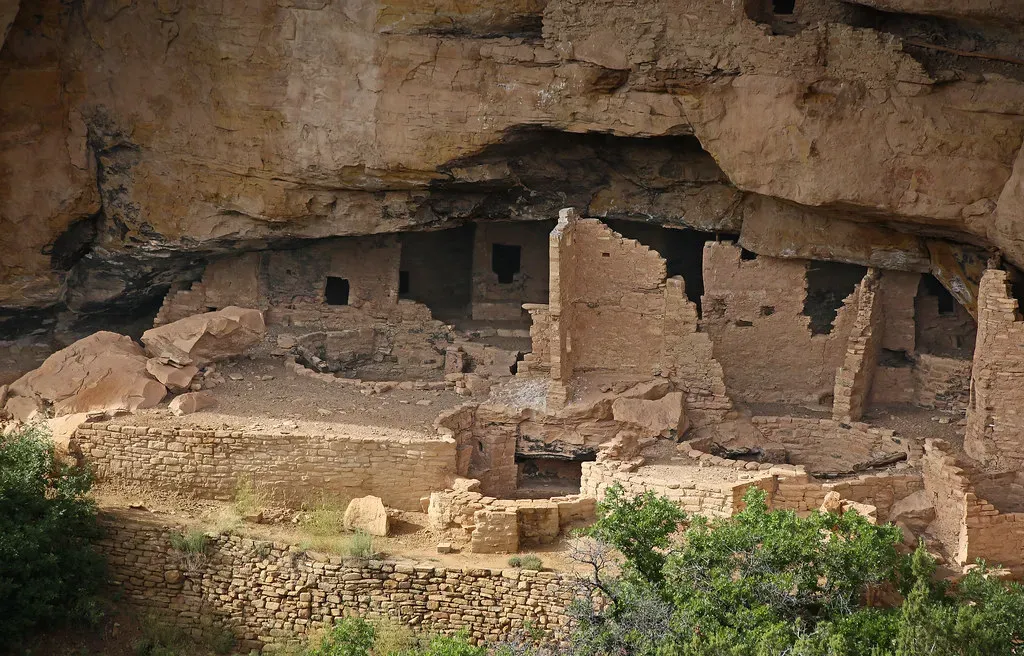
When people talk about ancient American cultures in the Southwest, they’re often thinking of the Ancestral Puebloans, and they absolutely left their mark in and around the Grand Canyon. Their presence is written in small stone dwellings tucked into alcoves, storage rooms perched impossibly on cliff faces, and pottery shards scattered near old habitation sites. These weren’t random shelters; they were parts of communities tied to farming, trade, rituals, and careful observation of the skies.
Up on the rims and nearby plateaus, families carved out a living by growing corn, beans, and squash in soils that, frankly, look too harsh at first glance. Yet they learned how to catch and store every drop of rain, how to work with short growing seasons, and how to move between higher and lower elevations to handle unpredictable weather. Some rock alignments and building orientations suggest that they tracked the sun and seasons with impressive precision. From their vantage points, the canyon wasn’t just scenery; it was a giant calendar, a food source, and a spiritual backdrop all at once.
Hidden Messages In Stone: Rock Art And Petroglyph Mysteries
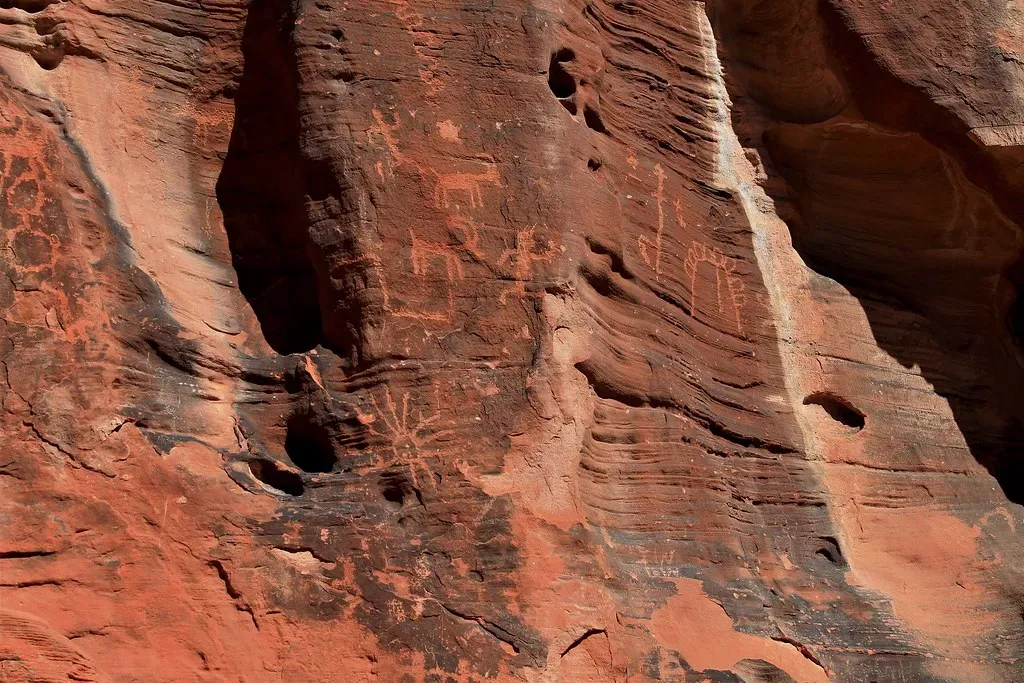
One of the most haunting parts of the Grand Canyon’s hidden history is etched directly into the rock. Petroglyphs (images pecked or carved into stone) and pictographs (images painted with natural pigments) show up on canyon walls, boulders, and overhangs if you know where to look. Spirals, animals, human-like figures, and abstract shapes stare back at you, layered over centuries, sometimes even millennia. They’re like messages from people who fully expected their marks to outlast them.
Experts can give educated guesses – some images likely relate to hunting, migration, clan symbols, or religious stories – but the full meanings are often known only to descendant communities. Outsiders love to speculate, but for many Native peoples, these images are not puzzles to be solved; they’re part of an ongoing relationship with the land. When you stand in front of a weathered spiral that aligns with the sun at certain times of year, it suddenly hits you that this was never random decoration. It was memory, instruction, and ceremony, coded right into the canyon’s skin.
Trade Routes And Cultural Highways Through The Canyon
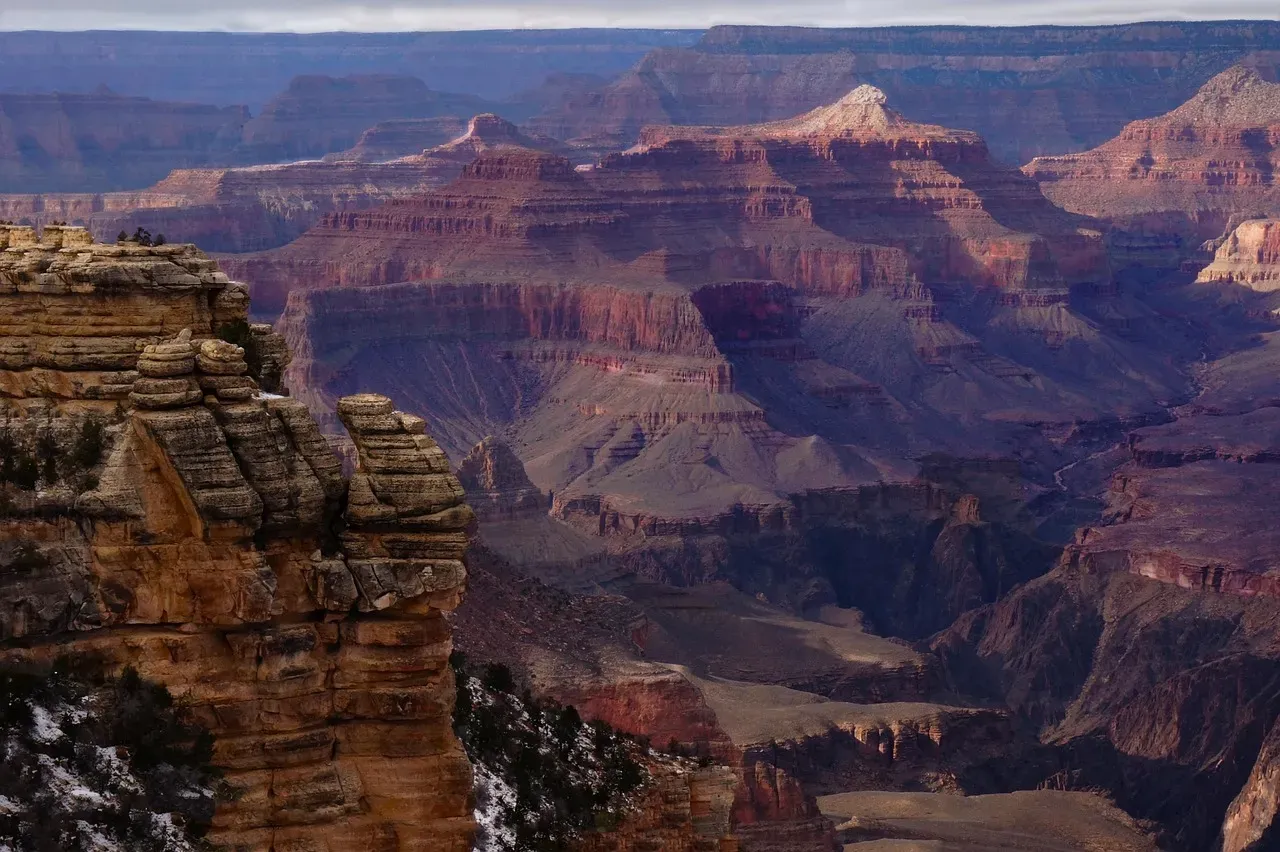
It’s easy to think of the Grand Canyon as a barrier, but ancient peoples often treated it like a crossroads. Archaeologists have found shells originally from distant coasts, turquoise, obsidian, and other traded goods in and around the canyon. Those finds are strong evidence that the area sat along important trade networks that reached far across the Southwest and beyond. People weren’t isolated here; they were connected, talking, trading, and sharing ideas.
Travelers likely followed established trails along ridges and side canyons, some of which evolved into routes that later explorers and ranchers would unknowingly reuse. It’s a bit like discovering that your “new” hiking path was actually a main thoroughfare for centuries. Along these routes, different groups would have met, negotiated, and intertwined their stories. The canyon’s edges became meeting grounds where languages, traditions, and technologies blended, leaving behind a subtle but powerful fingerprint in art styles, building methods, and everyday objects.
Living Descendants: Hopi, Navajo, Havasupai, And Hualapai Connections
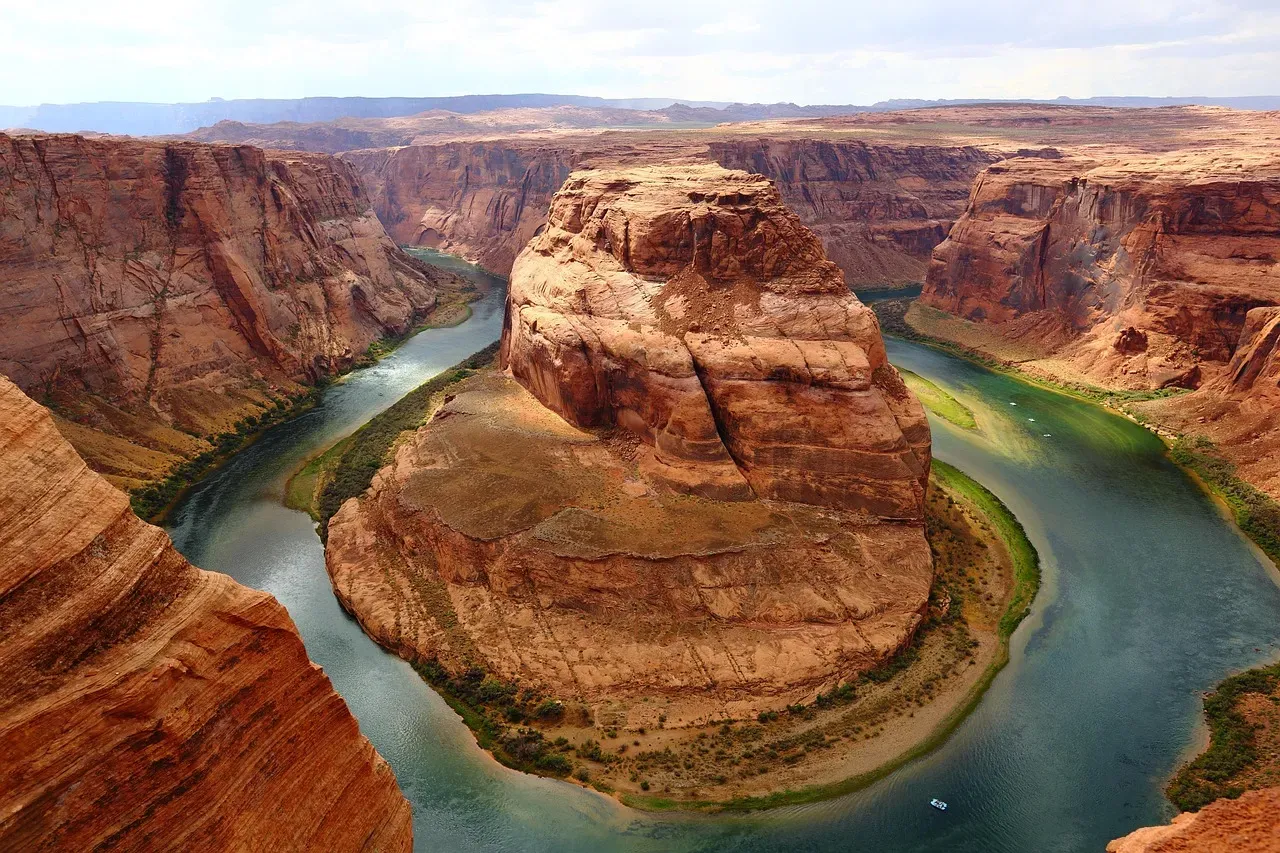
The Grand Canyon’s ancient cultures aren’t just a thing of the past; they have living descendants today who still see the canyon as part of who they are. For the Hopi, for example, stories connect their origins and migrations to this region, and some mesas to the east are still central to their cultural life. The Navajo (Diné) have long-standing ties to the lands around the canyon as well, with place names and oral traditions that map meaning onto specific cliffs, buttes, and rivers. These aren’t just scenic spots; they’re chapters in origin stories and histories.
Inside the canyon itself, the Havasupai and Hualapai have enduring ties that span generations. The Havasupai, whose community is centered in a side canyon with famous blue-green waterfalls, traditionally used vast areas of the plateau and canyon for farming, hunting, and seasonal movement. The Hualapai, whose lands stretch along the western canyon, also carry histories rooted in these cliffs and plateaus. When you listen to these communities describe the canyon, it shifts from being a national park “resource” to something closer to a relative – alive, storied, and deserving of respect rather than just admiration.
Archaeology In A Fragile Landscape: What We Can And Cannot Dig Up
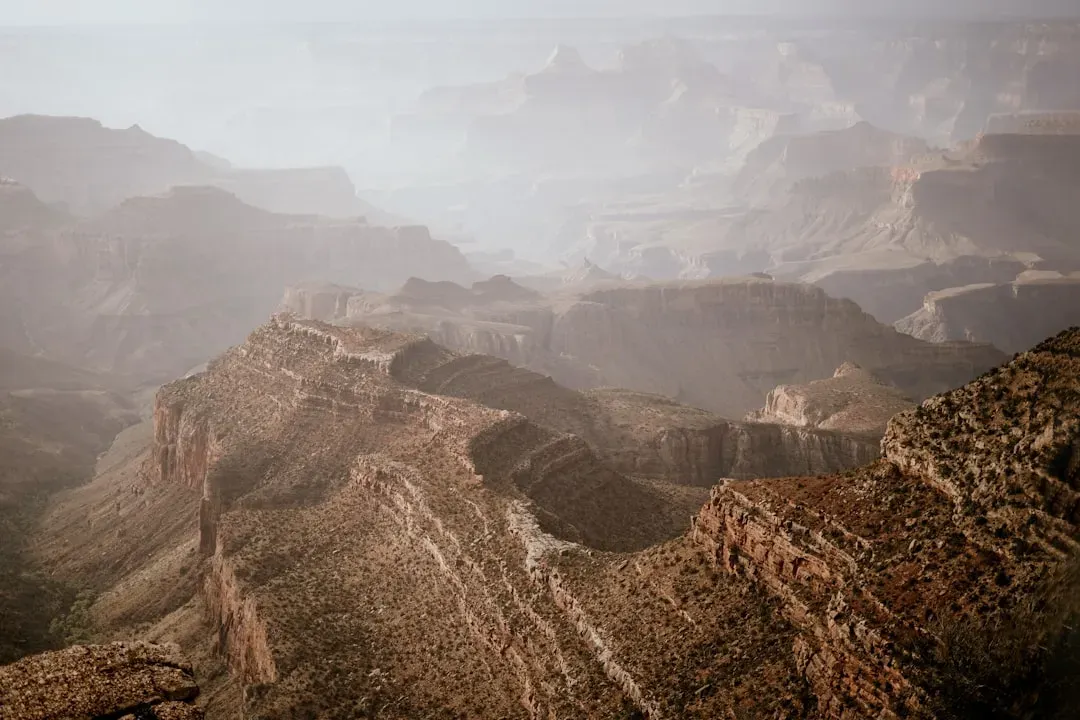
Digging into the canyon’s past isn’t as simple as grabbing a shovel and going for it, and honestly, it shouldn’t be. The landscape is harsh, the sites are often perched in ridiculous places, and every excavation risks damaging something that can never be replaced. Modern archaeologists working in the Grand Canyon have to balance curiosity with caution, often opting for careful surveys, detailed mapping, and non-invasive techniques over big open digs. Sometimes a single pottery shard or a collapsed wall is all they’re willing to disturb, because that might be enough to answer a question without wrecking the rest.
On top of that, there’s a growing recognition that Native communities have a crucial say in what gets studied, how it’s handled, and whether some places should be left alone completely. Sacred sites, burial areas, and ceremonial locations aren’t just “data.” For many descendant peoples, they’re active parts of their spiritual and cultural life, even if tourists walk right by without noticing. This means that some secrets of the canyon’s ancient cultures will probably stay intentionally undisclosed, and that’s part of respecting that this isn’t just old stuff in the ground – it’s a continuing story.
Myths, Legends, And Fringe Theories: Separating Story From Evidence
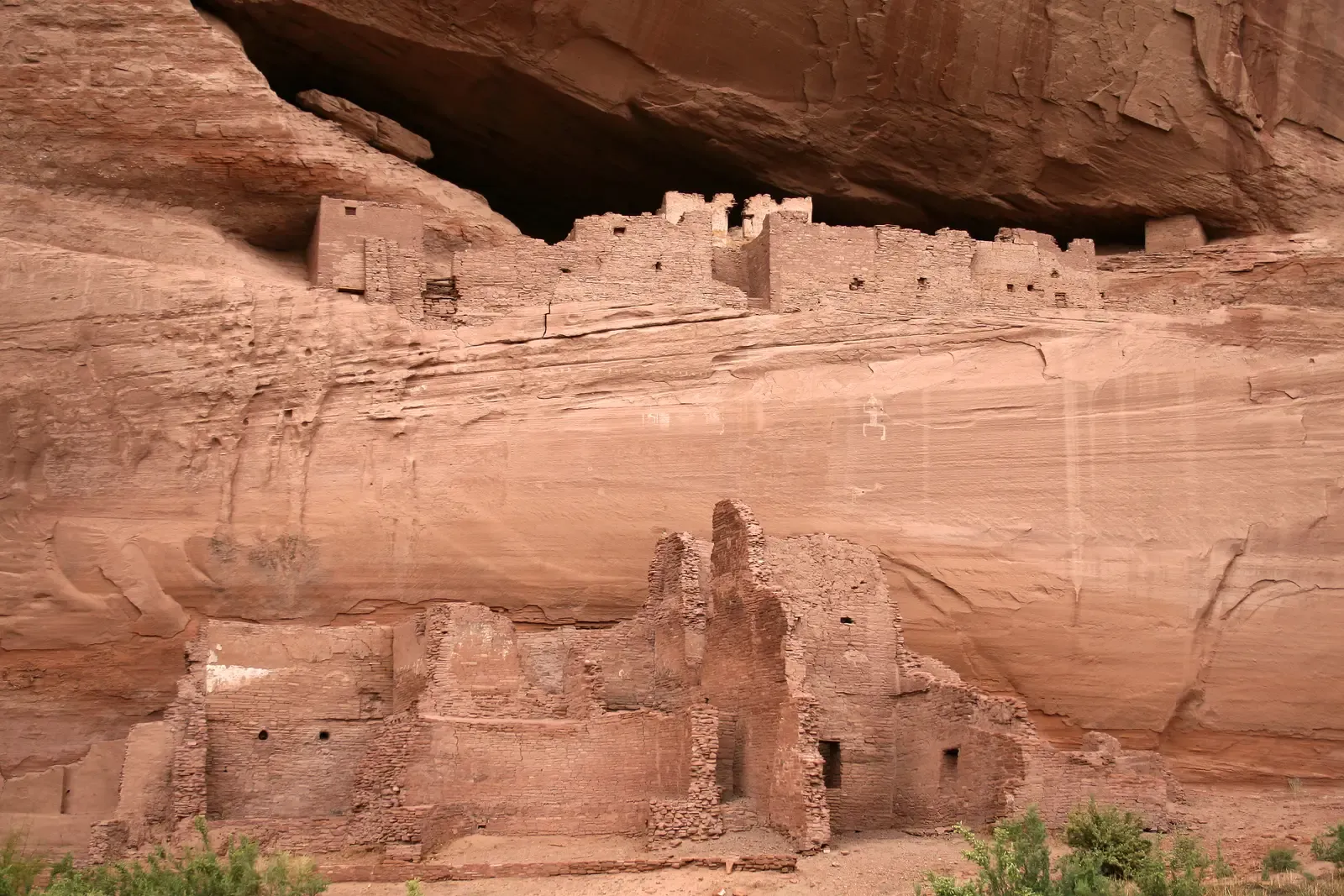
Any place as mysterious as the Grand Canyon will attract wild theories, and it certainly has. Over the years, people have spun tales about lost civilizations, hidden tunnels, and ancient visitors from faraway continents supposedly carving elaborate cities into the cliffs. These stories can be fun to read, but when you look for solid, verifiable evidence, they fall apart quickly. What we actually have are real artifacts, real dwellings, and real cultural connections that are already fascinating without adding imaginary layers on top.
I’ll admit, there’s a certain temptation to want something “bigger” or more sensational than pottery shards and stone tools, as if those aren’t dramatic enough. But when you stand in a tiny ancient room built high above a canyon floor, or see a faint handprint left on a rock wall centuries ago, you realize that the real history is more powerful precisely because it actually happened. The courage, skill, and imagination it took to live here, raise families here, and make meaning here over countless generations is, on its own, astonishing. The canyon doesn’t need lost continents to feel epic; ordinary people already did extraordinary things along its edges.
Why The Canyon’s Ancient Story Still Matters Today
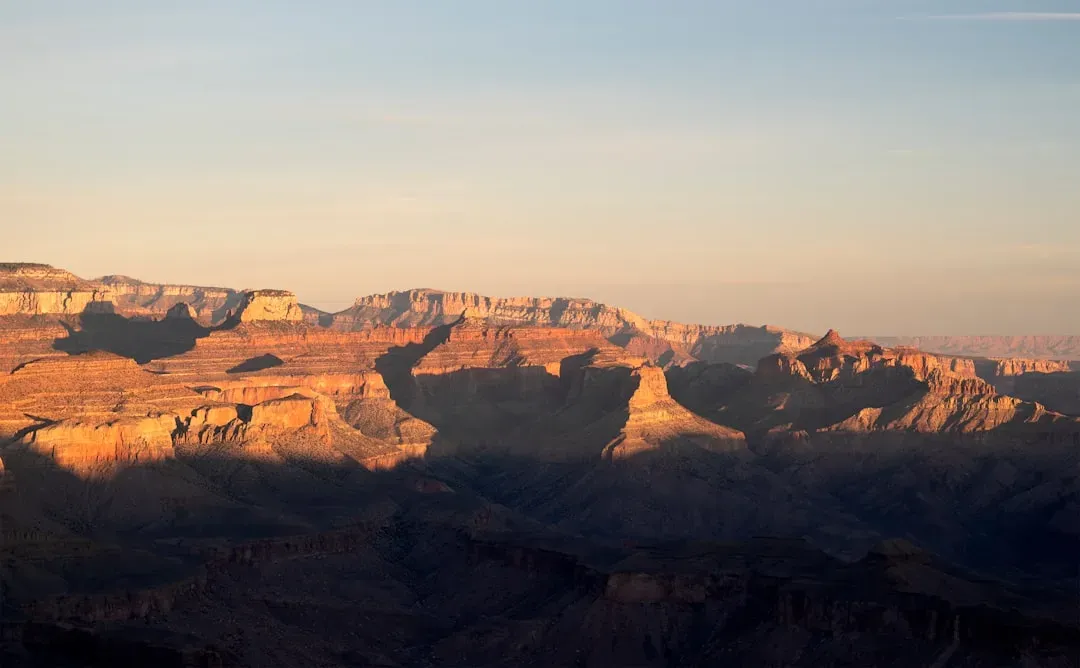
The hidden history of the Grand Canyon isn’t just an interesting side note for hikers and history buffs; it changes how we think about place, time, and belonging. When you realize that people have been adapting to this environment for so long, it puts modern debates about land use, conservation, and tourism into a different light. We’re not the first to ask how to live with this landscape instead of simply taking from it. Earlier cultures managed to embed respect and restraint into their relationship with the canyon, even as they depended on it for survival.
For me, the most striking thing is how the canyon’s ancient story makes the present feel less lonely. We’re walking trails others once walked, looking at star-filled skies they also studied, and facing some of the same basic questions about water, community, and meaning. The difference is we now have the choice to listen to both science and the voices of descendant communities when we decide how to treat this place. In the end, the Grand Canyon’s greatest secret might not be a hidden ruin but a simple reminder: that every landscape we think we’ve “discovered” has already been known, loved, and lived in by people whose stories still echo, whether we hear them or not.