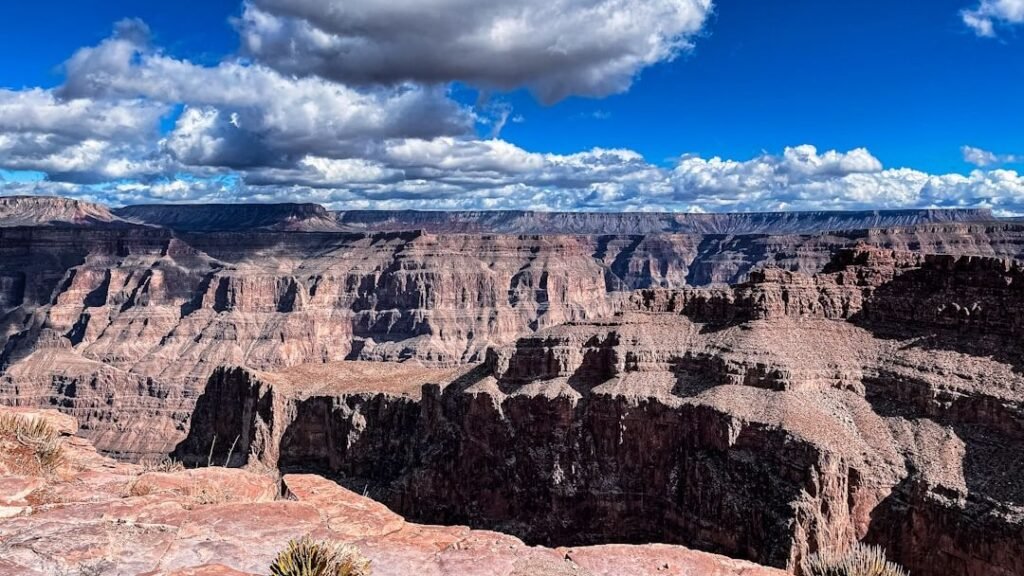

There are places on Earth that stop you cold. Not because they’re dangerous, but because they’re simply too vast for your brain to process all at once. The Grand Canyon is one of those places. You walk up to the rim, and suddenly everything you thought you understood about time and scale quietly rearranges itself.
What you’re looking at isn’t just a stunning hole in the ground. It’s a geological autobiography of our planet, written in colored stone, carved by water, shaped by forces that operated across timescales the human mind struggles to grasp. This is the story of how that happened, and honestly, it’s wilder than most people expect. Let’s dive in.
A Canyon Born From Ancient Collisions – The Vishnu Basement Rocks
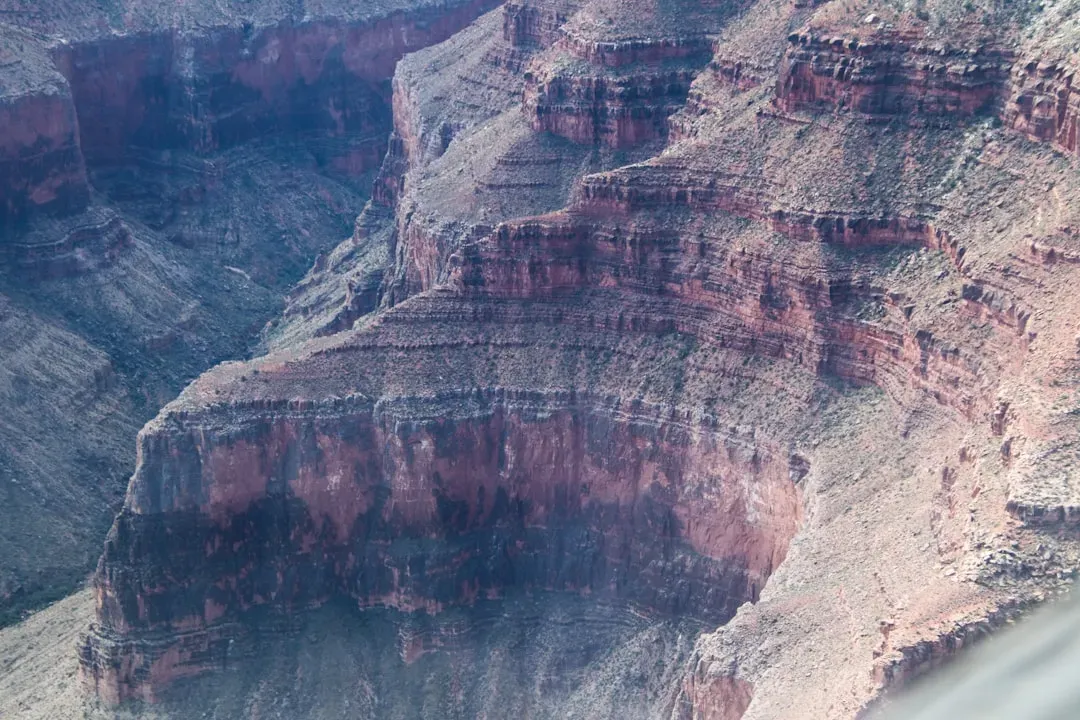
If you ever hike deep into the canyon or raft the Colorado River, you’ll eventually come face to face with some of the oldest material on the continent. The Grand Canyon’s story began nearly two billion years ago, when two plates of Earth’s crust collided. As they came together, rows of volcanic islands smashed together and merged, and under extreme heat and pressure, their rocks transformed into the dark-colored “basement” rocks seen near the bottom of the canyon today – including rocks called the Elves Chasm gneiss, the oldest known in the canyon.
The oldest rocks in the Grand Canyon, found at the bottom, are primarily metamorphic, with igneous intrusions. The intrusive igneous rocks there are called Zoroaster granite. The name given to this entire rock set – the combination of metamorphic and igneous rock found at this location – is the Vishnu Basement Rocks. Think of them as the canyon’s skeleton, the ancient bones upon which everything else was eventually laid. I find it staggering that you can reach out and touch something nearly two billion years old. That’s almost half the age of the entire planet.
Reading the Walls – How Rock Layers Unlock Geological Time
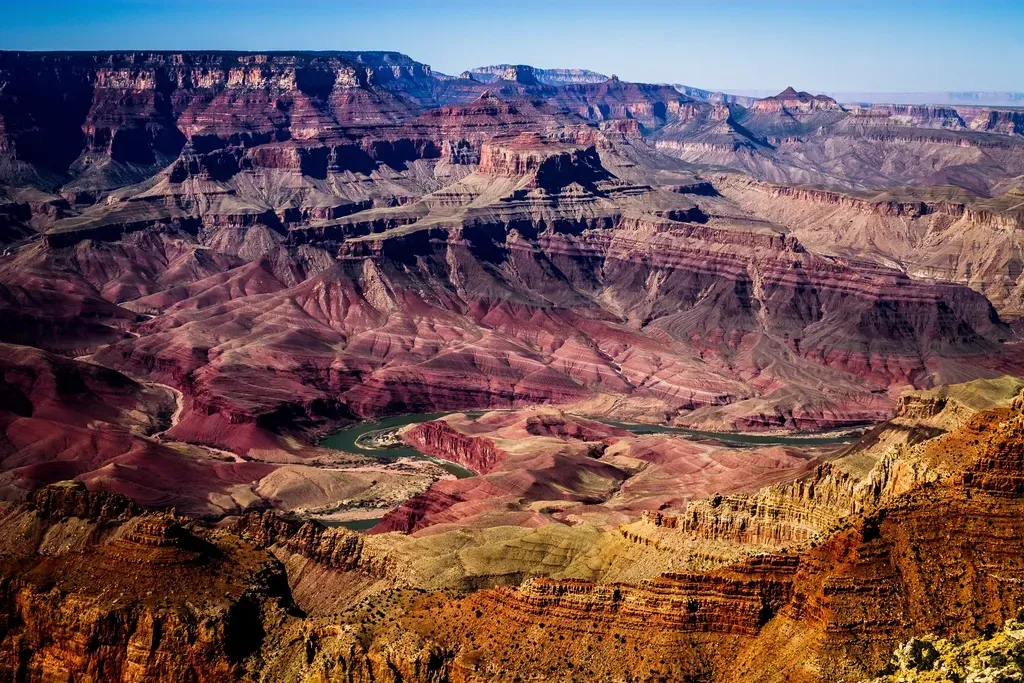
Thinking of the geologic record as a book is a helpful way to understand each page of Earth’s history. The beginning of the story starts at the bottom of the canyon and moves forward in time as you get closer to the rim. It’s an elegant concept, really. You’re not just standing at an overlook – you’re standing at the cover of a book whose opening chapters are buried more than a mile below your feet.
The geology of the Grand Canyon area includes one of the most complete and studied sequences of rock on Earth. The nearly 40 major sedimentary rock layers exposed in the Grand Canyon range in age from about 200 million to nearly 2 billion years old. Most were deposited in warm, shallow seas and near ancient, long-gone sea shores in western North America. Both marine and terrestrial sediments are represented, including lithified sand dunes from an extinct desert. Each layer is a chapter. Each color shift on those canyon walls is a new paragraph in a story that never stops being fascinating.
Ancient Seas Over Arizona – What the Middle Layers Reveal
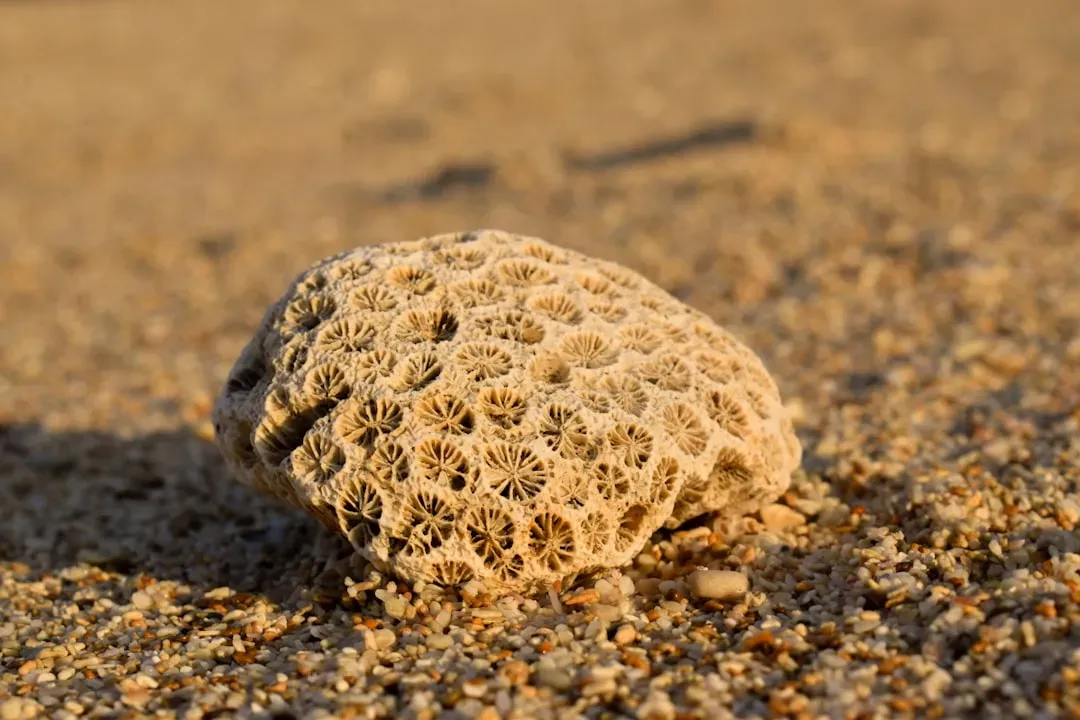
Here’s something that should genuinely blow your mind: Arizona was once underwater. Not metaphorically. Literally. Sandstones are sand compressed together, typically from old sand dunes or beaches. Shales are solidified mud, deposited in the waters of ancient river deltas. Limestones form at the bottom of warm, shallow seas – which tells us Arizona used to be underwater. You can also find many fossils of sea creatures preserved in the rock, like trilobites, brachiopods, and crinoids.
The Paleozoic strata contain many fossils that help scientists learn about the geologic history of North America. Most of the fossils are ocean-dwelling creatures, telling us that the area now in the middle of Arizona was once a sea. The Kaibab Limestone that you actually stand on when you visit the rim? It was laid down about 270 million years ago by an advancing warm, shallow sea, and shark teeth have been found in this formation, as well as abundant fossils of marine invertebrates such as brachiopods, corals, mollusks, sea lilies, and worms. You’re standing on an ancient seafloor. Let that sink in.
The Great Unconformity – Earth’s Most Dramatic Missing Chapter
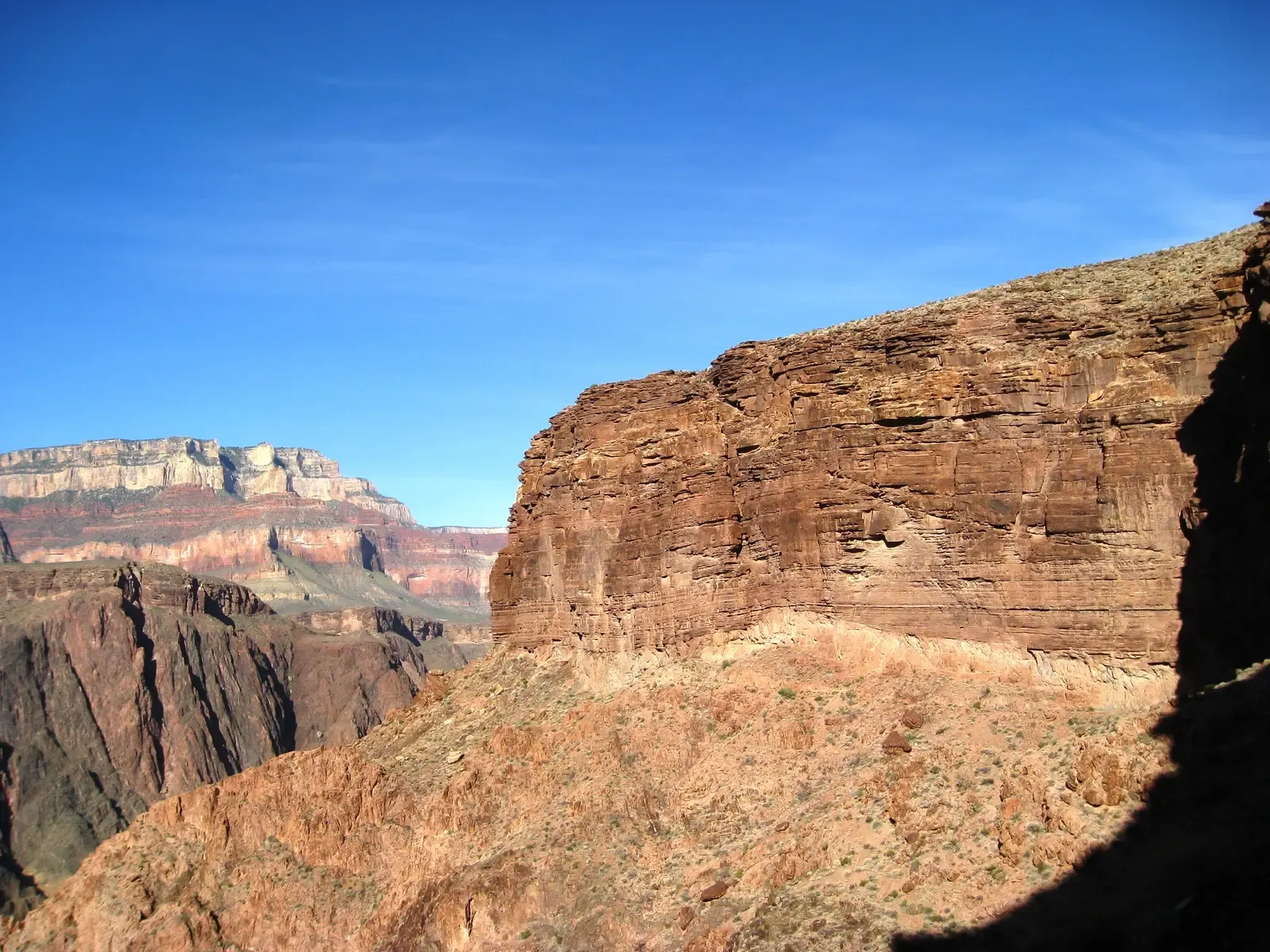
Of all the geological wonders packed into the Grand Canyon, none is more mind-bending than the Great Unconformity. In some parts of the canyon, ancient crystalline basement rocks formed between 1.8 and 1.6 billion years ago lie directly beneath much younger sedimentary rocks dating from the Cambrian period, around 500 million years ago. This means that more than one billion years of geological history have vanished. To put that into perspective, the missing interval represents roughly a quarter of Earth’s entire history.
The Grand Canyon is a layer cake of geological history, with rocks stacked neatly upon one another as they were laid down millions of years ago – that is, until you get deep into the canyon and find the Great Unconformity, a gap between rock layers representing a billion years in some places. Even stranger, the Great Unconformity shows up in rocks worldwide, and always in rocks from the same era: about 550 million years ago and earlier. Scientists are still debating what caused it. Some point to a Snowball Earth glaciation event. Another theory is that the formation of the supercontinent known as Rodinia lifted up the older rocks in a burst of mountain building, exposing them to weathering and erosion. It’s one of geology’s greatest open questions.
The Rise of the Colorado Plateau – Setting the Stage for Everything
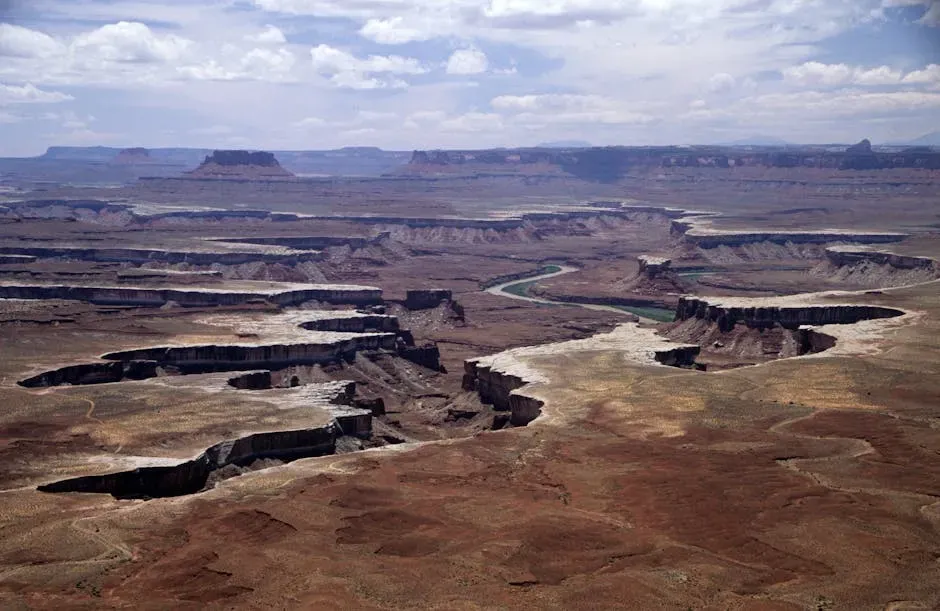
Before a river could carve anything, the land first had to rise. This is something a lot of people don’t think about. Before the river could carve anything, the land had to rise. Between 70 and 30 million years ago, the collision of tectonic plates pushed an enormous block of the Earth’s crust upward, creating the Colorado Plateau. This region lifted relatively evenly, producing a high, flat landscape rather than jagged mountains. That flatness mattered: it meant a river crossing the plateau would cut straight down through the rock rather than flowing around it.
Uplift of the region started about 75 million years ago during the Laramide orogeny, a mountain-building event that is largely responsible for creating the Rocky Mountains to the east. In total, the Colorado Plateau was uplifted an estimated 2 miles. Two miles upward. Imagine the ground beneath your feet – your entire neighborhood, your city, the whole region – being pushed skyward by geological forces over millions of years. That’s what happened here, and it’s what made the Grand Canyon possible.
The Colorado River – Nature’s Most Patient Sculptor
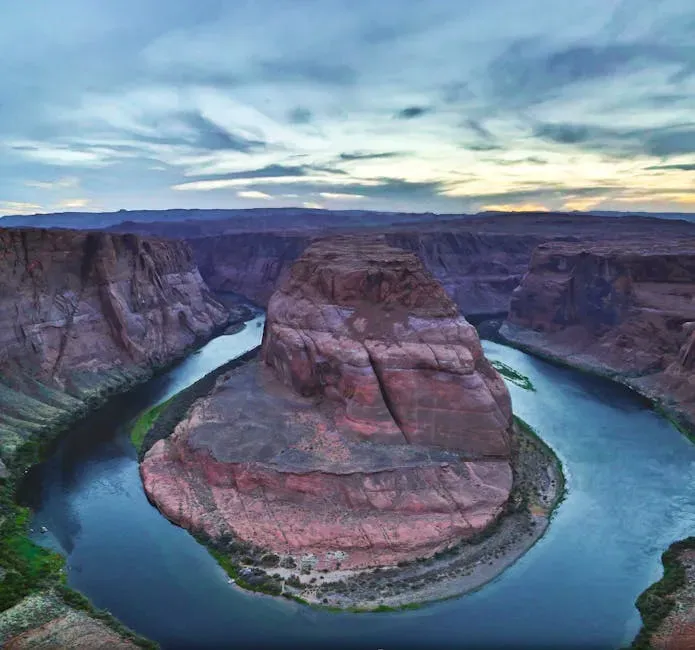
Starting roughly 5 to 6 million years ago, the Colorado River began the process geologists call downcutting. The mechanism is surprisingly physical. During floods, the river picks up large rocks and boulders and carries them downstream. These rocks act like chisels, chipping away at the riverbed as they bounce along the bottom. Over millions of years, this grinding action sliced deeper and deeper into the plateau. It’s basically sandpaper at a planetary scale.
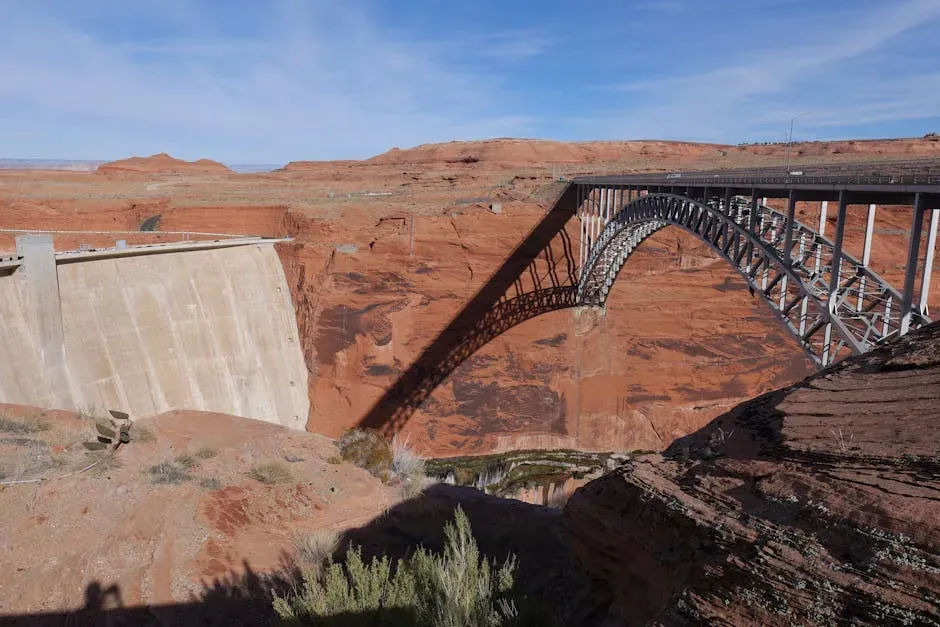
The river alone didn’t create the canyon’s enormous width, though. Side canyons, carved by seasonal thunderstorms and snowmelt pouring down from the rims, are responsible for most of the canyon’s 10 to 16 miles of typical width. These tributary streams eroded the canyon walls outward while the main river cut downward, producing the vast open landscape visitors see today rather than a narrow slot. Before the construction of the Glen Canyon Dam was completed in 1966, the river carried an impressive average of 500,000 tons of sediment per day, showcasing its incredible erosive power. That number is almost incomprehensible.
Volcanic Chaos – When Lava Dammed the River
Most people think of the Grand Canyon as a place of water and stone. What they don’t expect is fire. During the past one million years, occasional volcanic eruptions have occurred near the Grand Canyon, some of which produced lava flows that temporarily dammed the Colorado River. Think about that for a moment. The river that carved this entire canyon was, at certain points in history, completely stopped in its tracks by walls of volcanic lava.
Lava flowed into the western Grand Canyon during the past 600,000 years. This cascade is called Devils Slide. The age of these younger surficial deposits helps researchers understand modern landscape evolution. Each time the lava dam eventually broke – whether by the river’s pressure or by erosion – a sudden release of water would have sent catastrophic floods downstream, deepening and widening the canyon further. It’s a reminder that the Earth’s geological processes are rarely as tidy and slow as we imagine them to be.
The Age Debate – How Old Is the Canyon, Really?
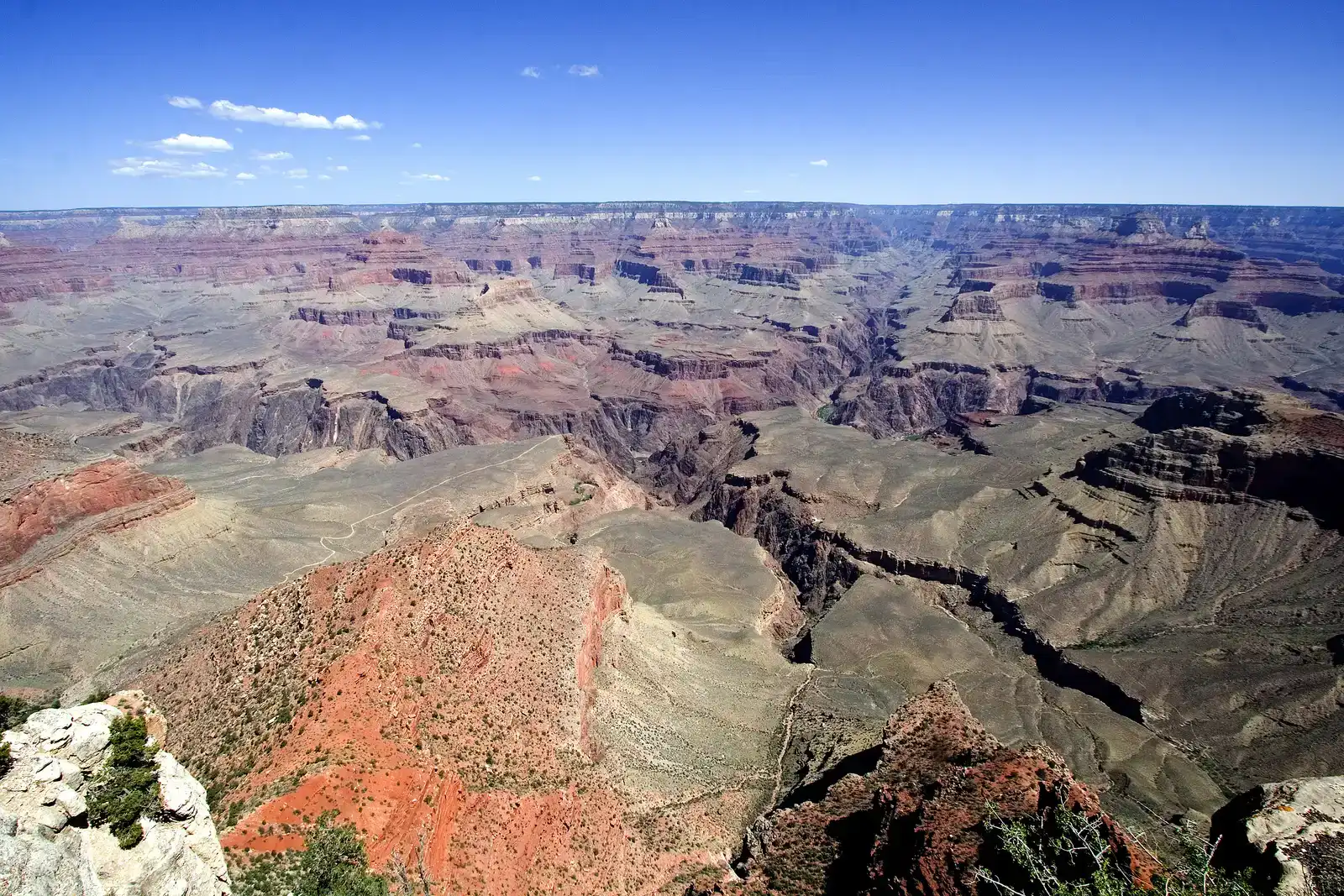
You’d think scientists would have agreed on the age of the Grand Canyon by now. They haven’t – and the debate is genuinely fascinating. For more than 150 years, scientists have gathered data, proposed new ideas, and debated sometimes contentious theories about the geologic origins of the Grand Canyon and the Colorado River. Formation of the Grand Canyon may involve a complex history in which multiple factors and geologic processes have interacted over time. In the most recent round of controversy, researchers have challenged estimates that had placed the age of the canyon at 5 to 6 million years.
The conventional timeline says the canyon is 5 to 6 million years old, but a study from the University of Colorado Boulder challenged that significantly. Researchers Rebecca Flowers and Kenneth Farley analyzed mineral grains from the bottom of the western Grand Canyon using a technique that tracks how radioactive uranium and thorium atoms decay into helium. As rocks cool and move closer to the surface during erosion, helium gets trapped inside the mineral grains, creating a record of when significant excavation occurred. Their conclusion: the western portion of the Grand Canyon was carved to within a few hundred meters of its modern depth roughly 70 million years ago, when dinosaurs were still alive. It’s hard to say for sure which side of this debate will eventually win out, but the science is progressing fast.
A Canyon Still Being Written – The Ongoing Story of Erosion
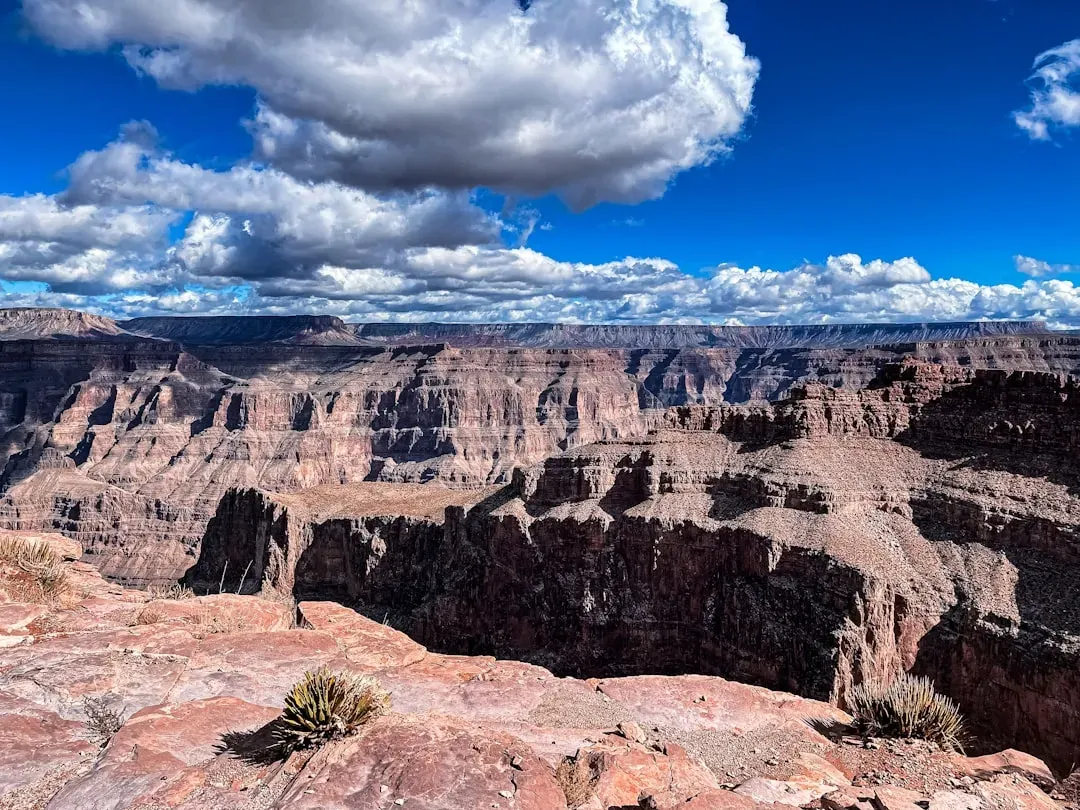
Here’s something people forget: the Grand Canyon isn’t finished. The river continues to be an agent of change, reshaping the canyon over time. The canyon isn’t fully formed as long as there is water flowing. There is ongoing research about river flow, sediments, and geomorphology. Every flash flood, every freeze-thaw cycle in the canyon walls, every spring rainstorm – all of it is still chipping away at the rock, still deepening crevices, still widening side canyons.
Geologists estimate that the Grand Canyon is being eroded at a rate of about one foot every 200 years. The Glen Canyon Dam now controls the Colorado River, providing electricity to six states and changing the natural flow patterns. Since the construction of the dam in 1963, researchers have been studying how changes in river flow affect the erosion and deposition of sediment along the Colorado River. With one of the clearest exposures of the rock record and a long, diverse geologic history, Grand Canyon National Park is an ideal place to gain a sense of geologic time. Rocks exposed in Grand Canyon’s walls record approximately one third of the planet’s history, from the Precambrian to the Permian Period of the Paleozoic Era.
Conclusion
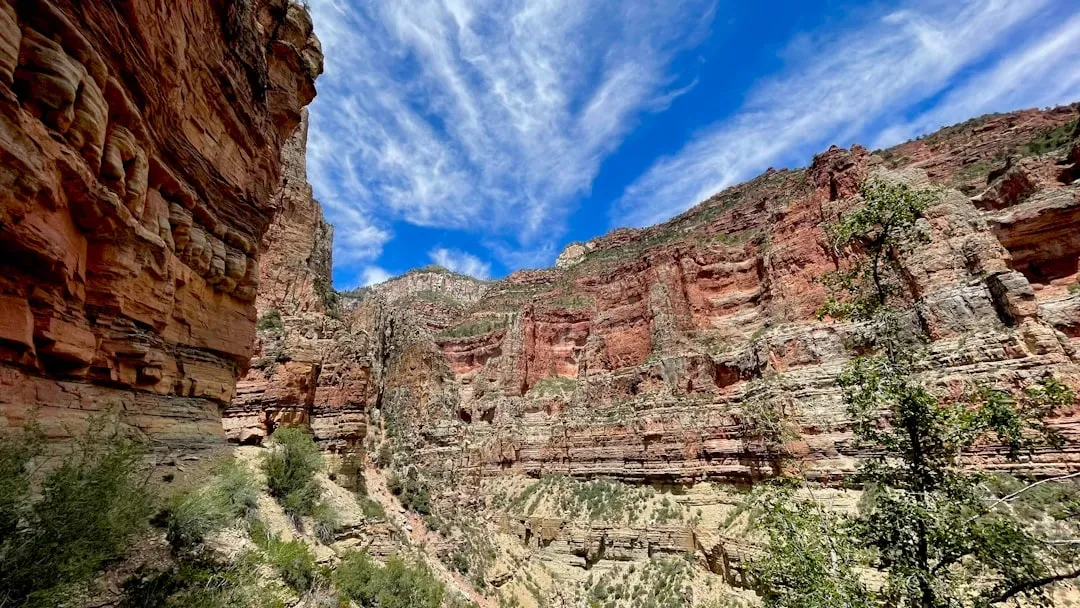
The Grand Canyon is not just a beautiful landscape – it is genuinely one of the most extraordinary scientific documents on Earth. Every layer you can see from the rim carries within it an entire world that no longer exists: ancient seas, vanished deserts, forests of creatures whose names only exist in textbooks. You don’t need a geology degree to feel the weight of it. You just need to stand there and let it register.
What makes the canyon truly astonishing isn’t just what’s there. It’s what’s missing. Billions of years erased, gaps so enormous they represent entire chapters of the planet’s biography, ripped out by forces we are still working to understand. The Grand Canyon doesn’t give up its secrets easily. It rewards patience – and curiosity. So the next time you see a photograph of it, or better yet, stand on its rim yourself, ask the one question that matters most: what else is still hidden in those walls, waiting to be discovered?