
If you grew up learning that the Colorado River carved the Grand Canyon slowly and steadily over millions of years, you only got half the story. That classic textbook line is comforting in its simplicity, but the real history of the canyon is way messier, more dramatic, and honestly, way more interesting. Instead of a single river patiently slicing rock like a knife through butter, think of a chaotic orchestra of forces: rising mountains, collapsing cliffs, underground water, ancient seas, and yes, a river that sometimes raged like a saw and sometimes barely trickled.
Geologists today see the Grand Canyon not as a simple timeline, but as a crime scene with multiple suspects and overlapping clues. Different parts of the canyon seem to tell slightly different stories, and some events happened long before there was any canyon at all. When I first dug into this topic, I realized how much of what most of us learned in school was a neat narrative layered over a very untidy reality. That untidiness is exactly what makes the Grand Canyon one of the most fascinating puzzles in Earth’s history.
The Rock Layers Are Far Older Than the Canyon Itself
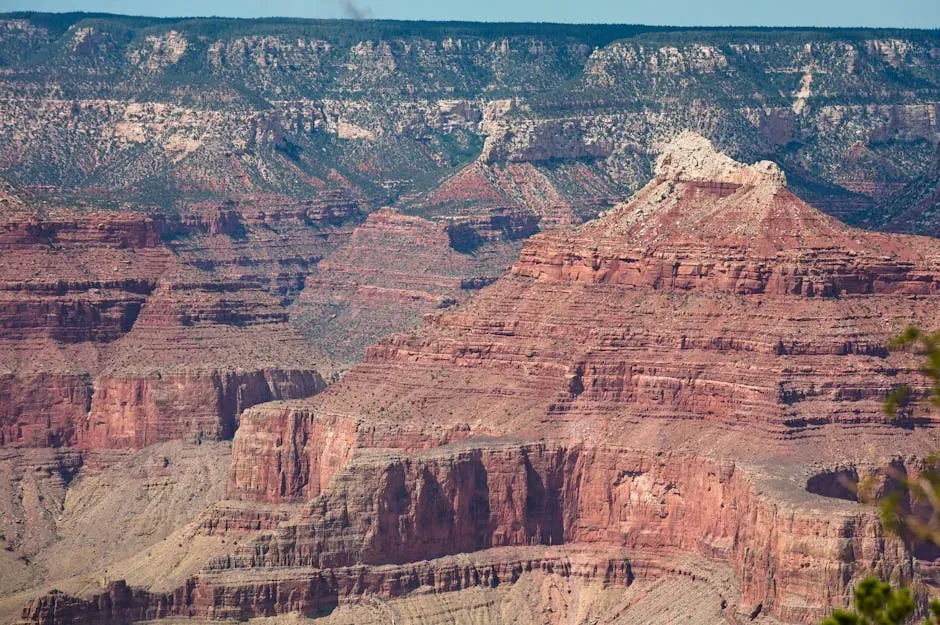
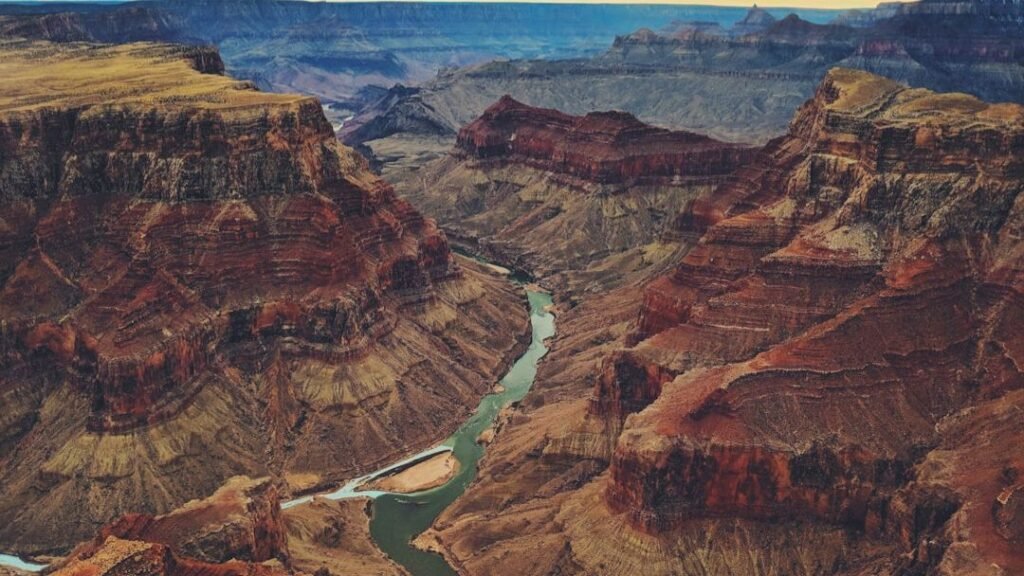
Here’s the surprising part: the canyon is young compared with the rocks it cuts through. Many of the exposed layers in the Grand Canyon were already ancient long before any canyon existed, with some of the deepest rocks being more than a billion years old. In other words, the Grand Canyon is like a slice through Earth’s long, complicated diary, not the diary itself. The river did not create those rocks; it simply sliced them open so we can read them.
Imagine taking a stack of old family photo albums, piling them up, and then cutting straight down through them with a knife. The cut is new, but the photos are not. That’s what happened here: sedimentary rocks formed in shallow seas, sand dunes, coastal plains, and even muddy tidal flats, were first laid down, buried, tilted, and sometimes eroded again. Only much later did the canyon form, exposing those stories in cross-section. So when people say the canyon is millions of years old, they’re skipping the fact that the rocks themselves hold a history almost unimaginably deeper in time.
Powerful Tectonic Uplift Raised the Plateau High Into the Sky
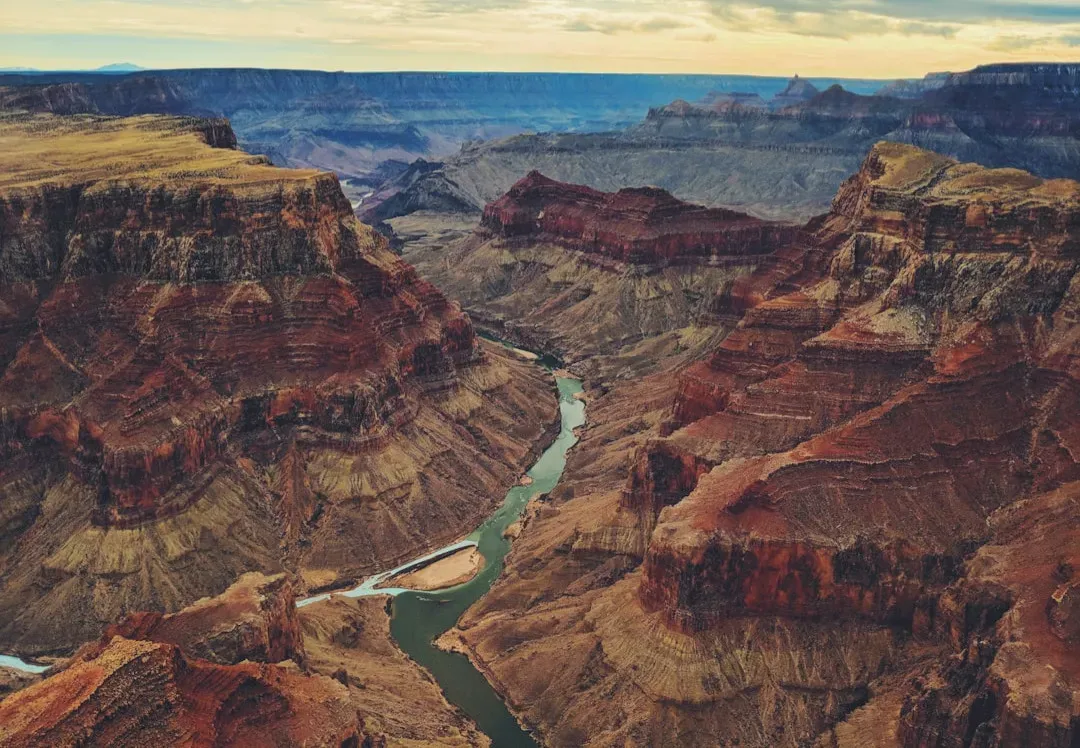
The Grand Canyon wouldn’t exist without the dramatic uplift of the Colorado Plateau. Before the canyon formed, this whole region was closer to sea level, a relatively flat and quiet landscape. Over time, deep forces inside the Earth pushed the plateau upward by thousands of feet, raising an enormous block of crust like a slow-motion elevator. This uplift gave rivers like the Colorado the height difference, or gradient, they needed to start cutting down with serious power.
It’s a bit like giving a river a steeper slide to rush down instead of a flat floor to wander across. That change in slope turned a meandering stream into a canyon-carving machine. But the uplift also cracked and stressed the rocks, making them more vulnerable to breaking, collapsing, and sliding as the river cut deeper. So the towering walls and sheer drop-offs we see today are not just about water flowing downhill, but also about the land being lifted up first and strained from within.
Ancient Rivers and “Pre-Canyon” Landscapes Set the Stage
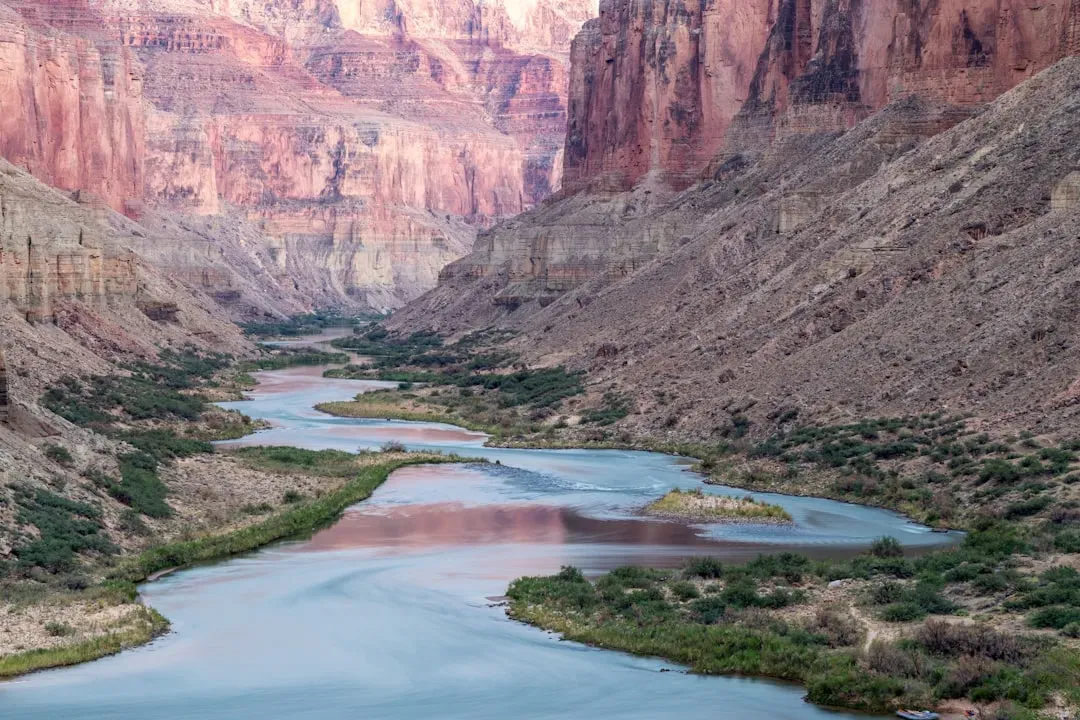
Long before the modern Colorado River carved the Grand Canyon we know, older rivers flowed across this region in completely different directions. Some researchers have pieced together evidence for ancient drainage systems that once moved water east instead of west, or flowed into now-vanished basins. These pre-canyon landscapes were shaped by weather, erosion, and smaller valleys that came and went over tens of millions of years. The modern canyon was superimposed onto this older, deeply modified landscape rather than starting from a blank slate.
You can picture it like someone drawing new lines over a sheet of paper already filled with faded sketches. The lines we see now look dominant, but beneath them are traces of older patterns that still influence where the new lines go. As uplift progressed and climates shifted, parts of these older drainage systems were captured, redirected, or abandoned. The Colorado River we know is the latest in a chain of evolving rivers, inheriting low spots and weaknesses in the landscape created by its predecessors. So when we talk about the canyon’s formation, we’re really talking about the latest chapter in a long, tangled story of rivers rearranging the map.
Catastrophic Floods and Lake Breakouts Deepened the Canyon
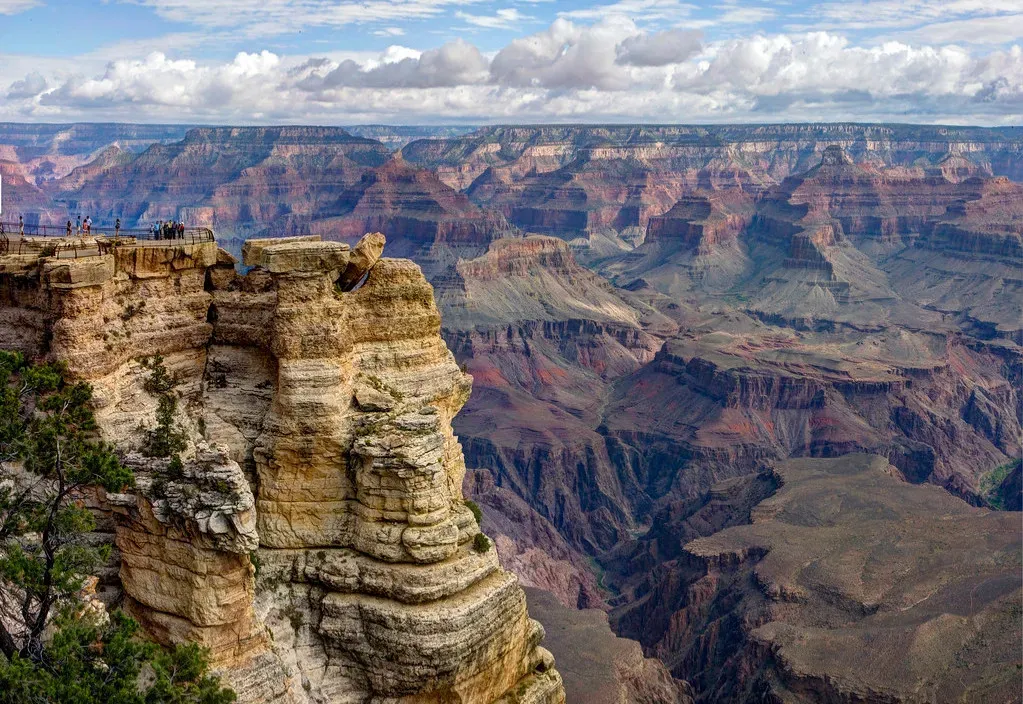
Not all erosion is slow and gentle. Evidence suggests that at different points in the region’s history, huge lakes formed and later drained catastrophically, sending enormous floods roaring through parts of what is now the Grand Canyon. When those lakes breached their natural dams, the resulting outburst floods would have carried staggering amounts of water and sediment in a short time. Instead of a steady drip of erosion, these events acted more like sudden blasts with the power to tear into bedrock and widen existing valleys.
Think of the difference between slowly sanding a piece of wood and hitting it with a pressure washer on full blast. The river’s day-to-day flow is the sanding; those rare, violent floods are the pressure washer. While they didn’t carve the entire canyon from scratch, they likely helped deepen certain segments more quickly and reshape key bends and side canyons. This adds another layer of complexity, because it means the canyon’s story includes both slow, quiet change and dramatic, short-lived events that left outsized marks on the landscape.
Weathering, Ice, and Gravity Helped Widen the Canyon Walls
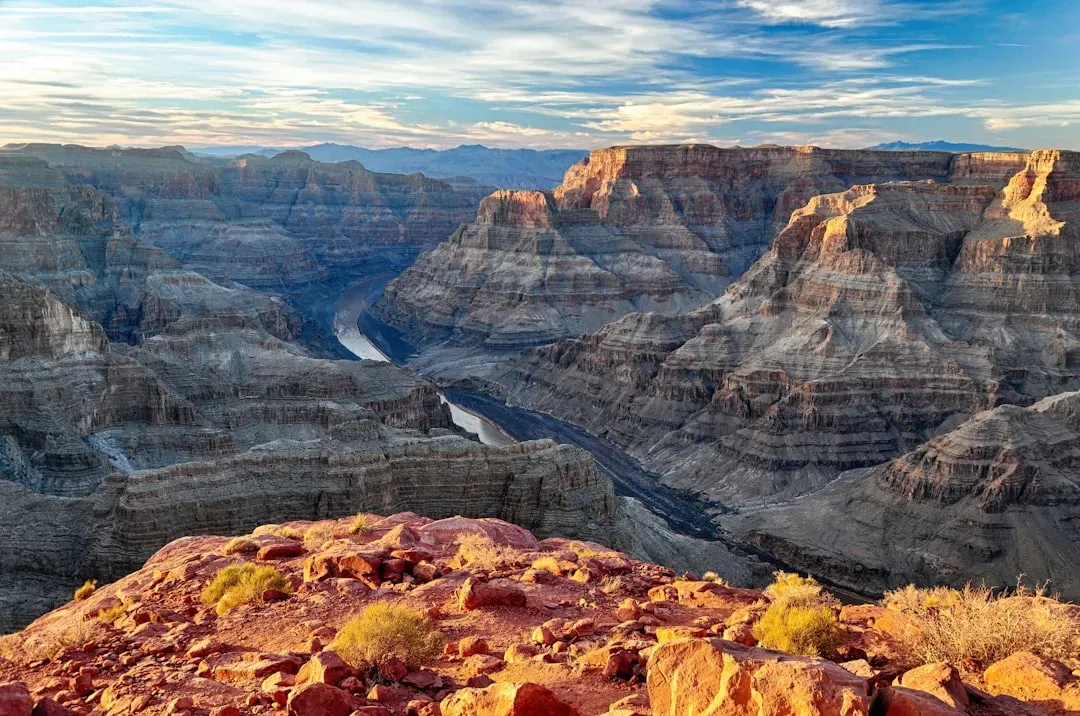
Once the river started cutting down, other forces took over to help widen the canyon. Rock isn’t just removed by flowing water; it also breaks, crumbles, and falls apart at the surface where it’s exposed to air, temperature swings, and moisture. In colder periods, water seeped into cracks, froze, and expanded, prying rock apart in a process often called frost wedging. Over countless cycles of freezing and thawing, cliffs fractured and loosened blocks that could eventually tumble down the slopes and canyon walls.
Gravity did its own quiet but relentless work. Rockfalls, landslides, and debris flows delivered shattered rock to the river below, where water could finally carry it away. Side canyons and gullies fed material into the main canyon, helping it grow wider over time as cliffs retreated back from the river. So even on days when the river itself seemed calm and unremarkable, the canyon was still changing, as the walls above it cracked, shifted, and slowly surrendered to the pull of gravity and the stress of a harsh, fluctuating climate.
Underground Water and Caves Shaped Hidden Parts of the Canyon
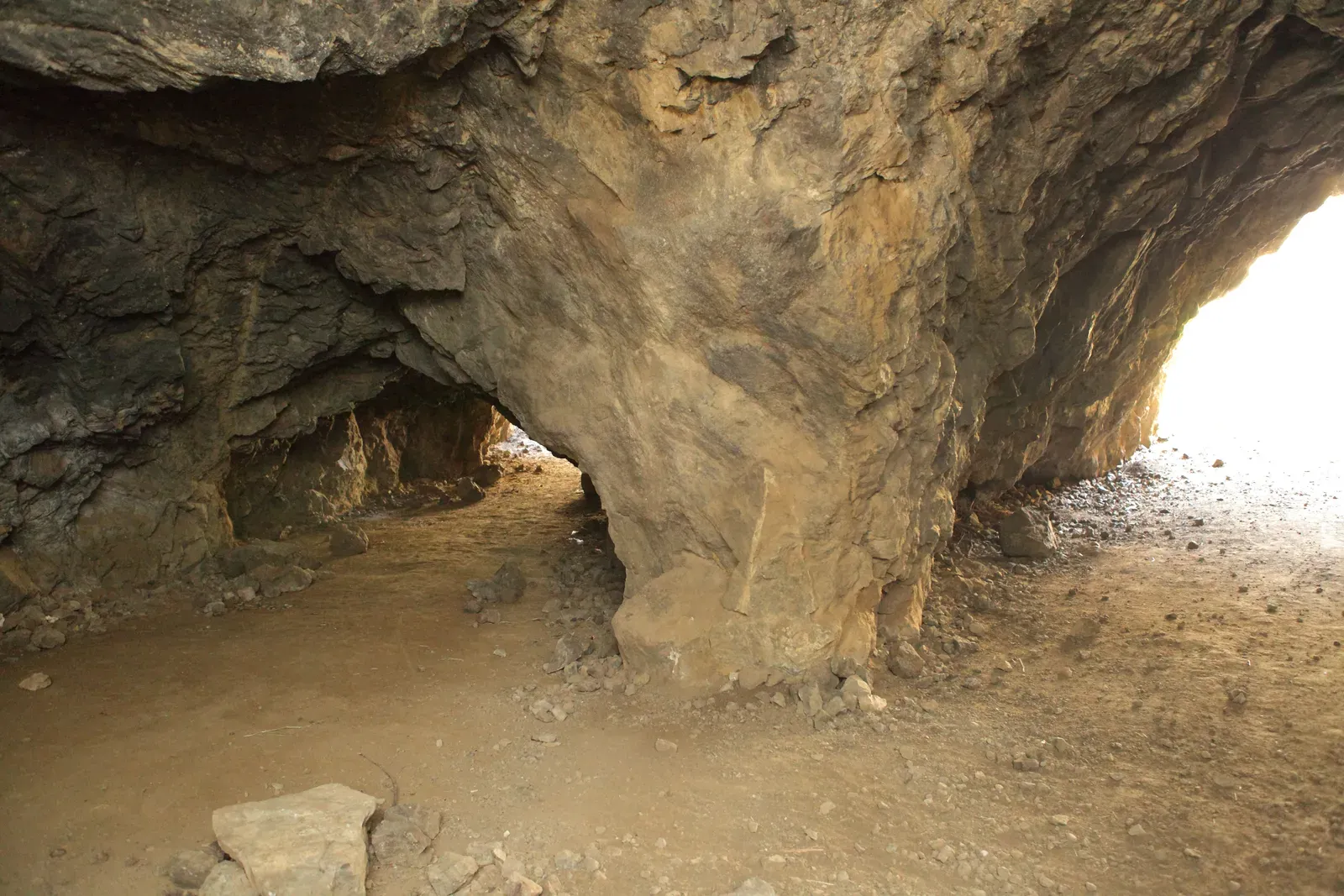
One of the more easily overlooked players in canyon formation is groundwater. In the Grand Canyon region, water has seeped through cracks and pores in the rock for ages, dissolving minerals, forming caves, and creating springs. Where groundwater emerges along the canyon walls, it can undercut slopes by weakening and eroding the rock from behind or below. Over very long timescales, this hidden erosion can destabilize cliffs and lead to collapses that reshape the canyon’s profiles.
Some sections of the canyon show evidence of complex underground pathways where water once flowed through limestone, widening fractures into caves and cavities. When parts of those cave roofs collapse, they can form sinkholes or widen existing valleys from the inside out. It’s like termites quietly hollowing out the inside of a wooden beam, which later fails suddenly under weight. Groundwater doesn’t get the dramatic photos that the river does, but it has been silently sculpting and weakening the rocks, making the visible canyon more fragile and dynamic than it appears from the rim.
Volcanic Activity Temporarily Dammed and Reshaped the River
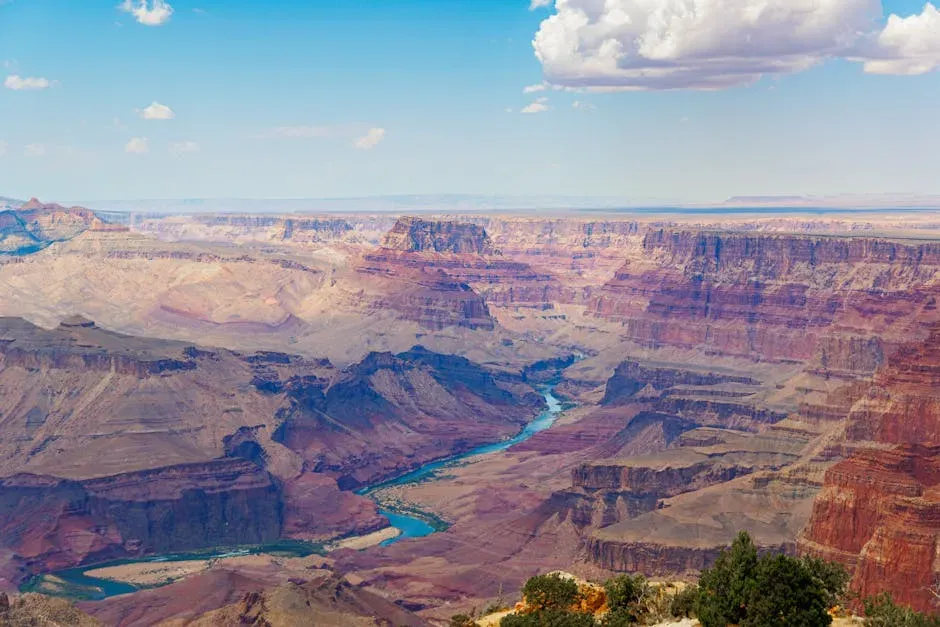
It surprises a lot of people to learn that lava once poured into parts of the Grand Canyon. In the more recent geologic past, volcanic eruptions in the region sent lava flows spilling across the landscape and even down into the canyon itself. These flows created temporary dams hundreds of feet high, blocking the Colorado River and forming lakes behind the barriers. For a time, the river’s path and energy were altered as water backed up and found ways to spill over or around these lava dams.
Eventually, the river eroded or overtopped these volcanic barriers, in some cases creating powerful waterfalls that chewed quickly into the dams and the underlying rock. The remains of those lava flows still cling to canyon walls and form terraces in some areas, like old scars marking a violent chapter in the canyon’s life. Volcanism didn’t create the Grand Canyon, but it forced the river to pause, reroute, and then attack the landscape in different ways, leaving behind a more complicated shape than a river alone would likely have produced.
Climate Changes Supercharged and Slowed Erosion Over Time
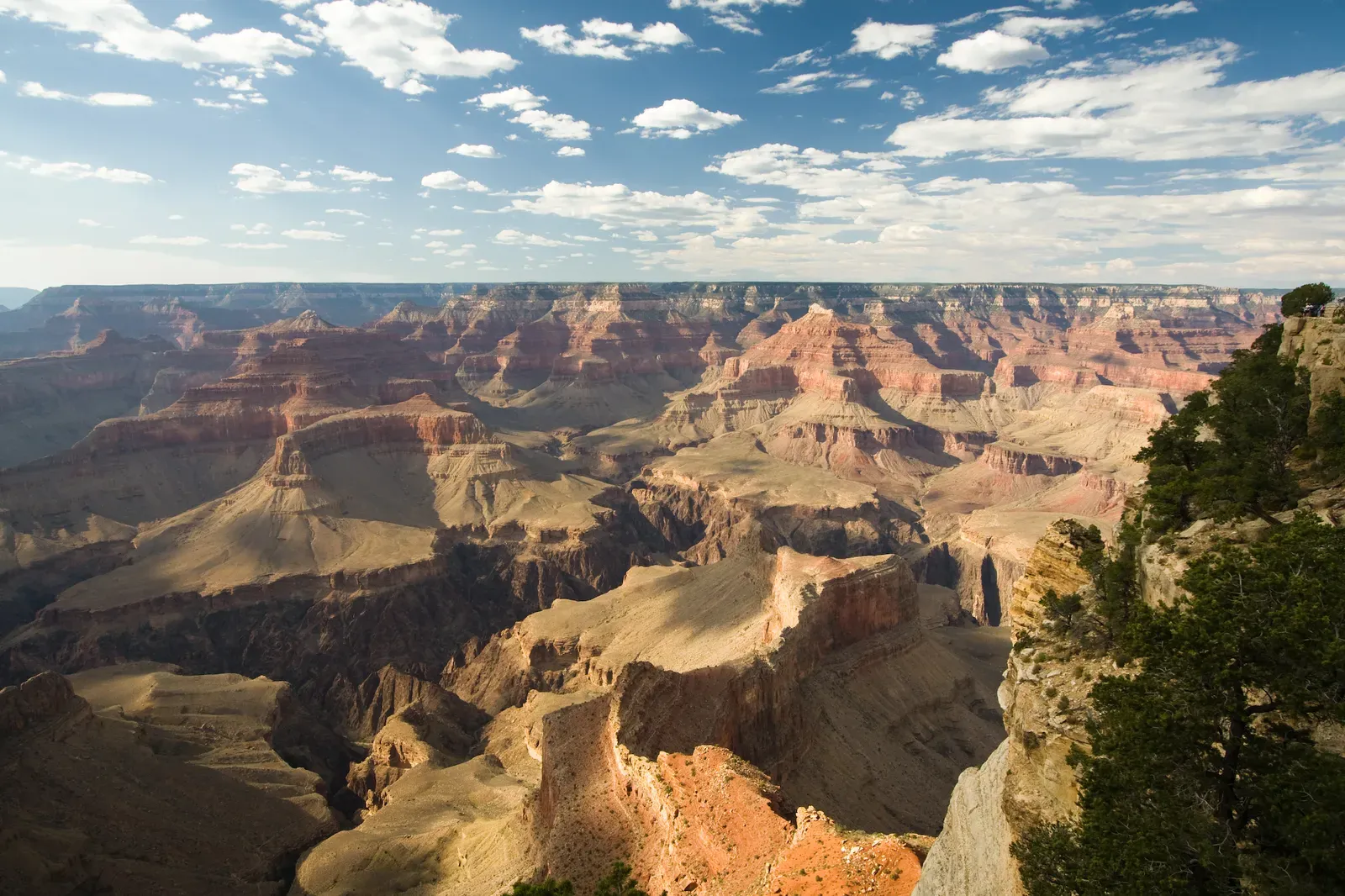
Climate has never been constant over the millions of years during which the Grand Canyon developed. There were cooler, wetter periods when snowpack and rainfall were greater, feeding a more powerful Colorado River and more active tributaries. During those times, erosion likely sped up as rivers carried more water and sediment, cutting down and gnawing away at the canyon’s floor and its many side valleys. In contrast, drier and warmer intervals would have reduced flow, slowing river incision but intensifying processes like wind-blown erosion and extreme temperature swings.
As ice ages came and went, glaciers formed in surrounding higher mountain areas, though not inside the canyon itself, and they helped modulate how much water reached the Colorado River. More water meant more sediment, which can actually both erode and protect rock, depending on how it’s deposited and moved. The canyon’s evolution was therefore not a steady, predictable line but a stop-and-go journey, with bursts of rapid change followed by quieter phases. When we look at the Grand Canyon today, we’re seeing the sum of all those shifting climate moods written into rock.
Why the Old “Just a River Over Millions of Years” Story Falls Short
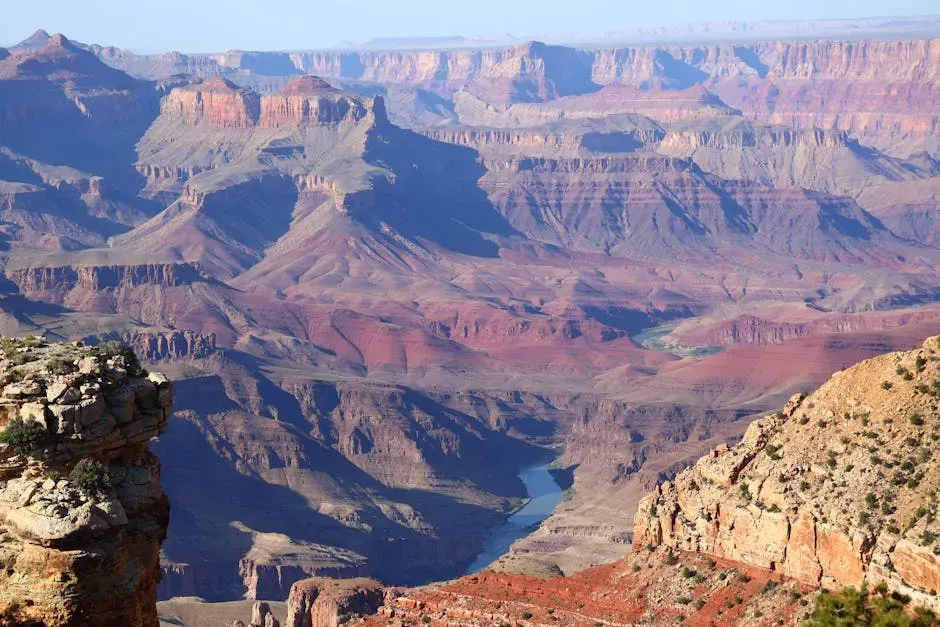
The traditional story of the Grand Canyon being carved only by the Colorado River, slowly and steadily over eons, leaves out almost everything that makes it truly fascinating. That version turns a wild, multi-actor drama into a single, sleepy monologue. It suggests a simple cause-and-effect chain, when the reality is a tangled web of uplift, ancient landscapes, catastrophic floods, groundwater, volcanic disruptions, and climate swings. Focusing only on the river is like explaining a movie by naming just one actor and ignoring the entire rest of the cast and crew.
When you take all these pieces together, the canyon becomes less of a straightforward trench and more of an evolving, living system that has been reacting to deep Earth processes and surface conditions for a very long time. Personally, I find it way more satisfying to see the Grand Canyon this way: not as a single river’s slowly carved groove, but as the visible scar of overlapping geological battles. Every cliff, terrace, and side canyon hints at a particular moment when one force briefly won out over another. The next time you look at a photo of the canyon’s layers and shadows, you might catch yourself wondering which of those battles left the mark you’re seeing. Did you expect that?