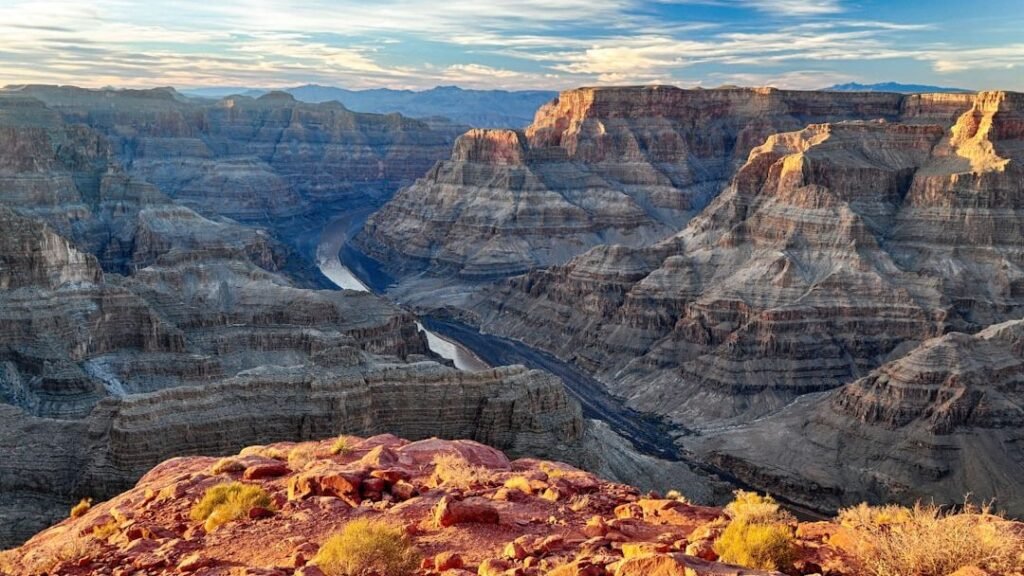

Stand on the rim of the Grand Canyon at sunrise and it doesn’t feel like you’re just looking at a landscape. It feels like you’re looking back through time, into a story that’s still only half told. The rocks are older than complex life on Earth, yet the questions we’re asking about them right now are some of the most advanced in science’s history.
Over the past few years, new research has quietly rewritten what we thought we knew about this canyon: how fast it formed, how people lived here thousands of years ago, how often it floods, even what’s hidden in its deepest layers. It turns out the Grand Canyon isn’t a finished chapter in Earth’s history book. It’s more like a draft covered in fresh edits, comments in the margins, and a few lines that are still totally crossed out.
The Canyon Is Older And Younger Than We Thought
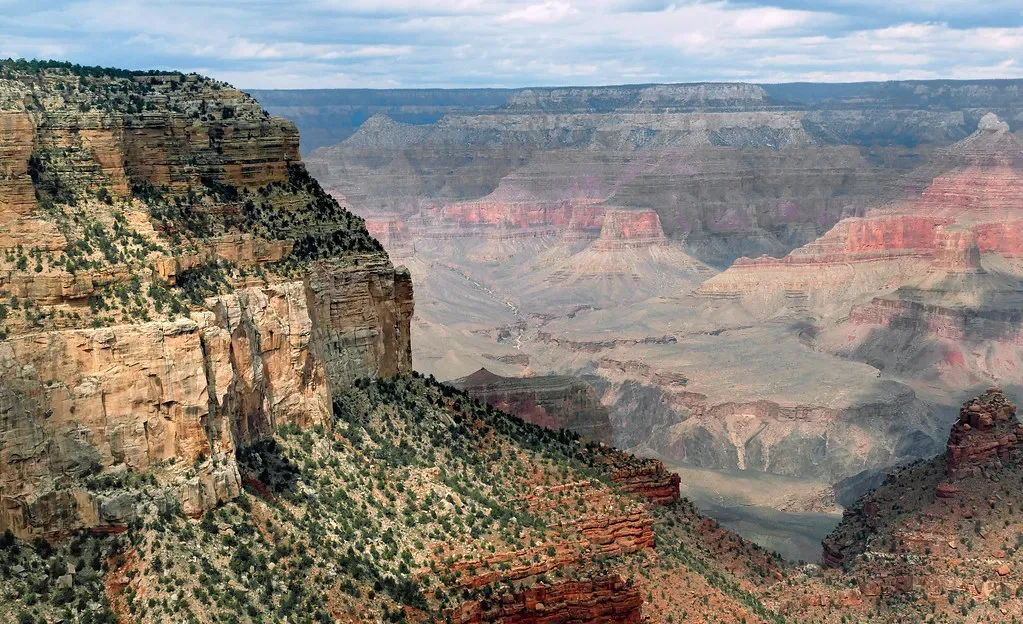
Here’s a mind-bender: the Grand Canyon is both unimaginably ancient and surprisingly young at the same time. For decades, school textbooks said the Colorado River carved the canyon about five to six million years ago, and that was that. Recent work using new dating techniques, especially thermochronology, paints a more complicated picture where different sections of the canyon began forming at different times, some possibly tens of millions of years ago.
Instead of one canyon carved in one long sweep, researchers now see a patchwork story: older gorges and valleys that were later linked together as the river changed course and cut deeper. It’s like someone stitched several smaller scars into one long, dramatic wound across the Colorado Plateau. I remember the first time I read about this “multi-stage” canyon model; it felt almost like finding out your favorite childhood story had a twist ending you’d totally missed the first time.
Ancient Peoples Left Clues In Hidden Caves And Cliff Dwellings
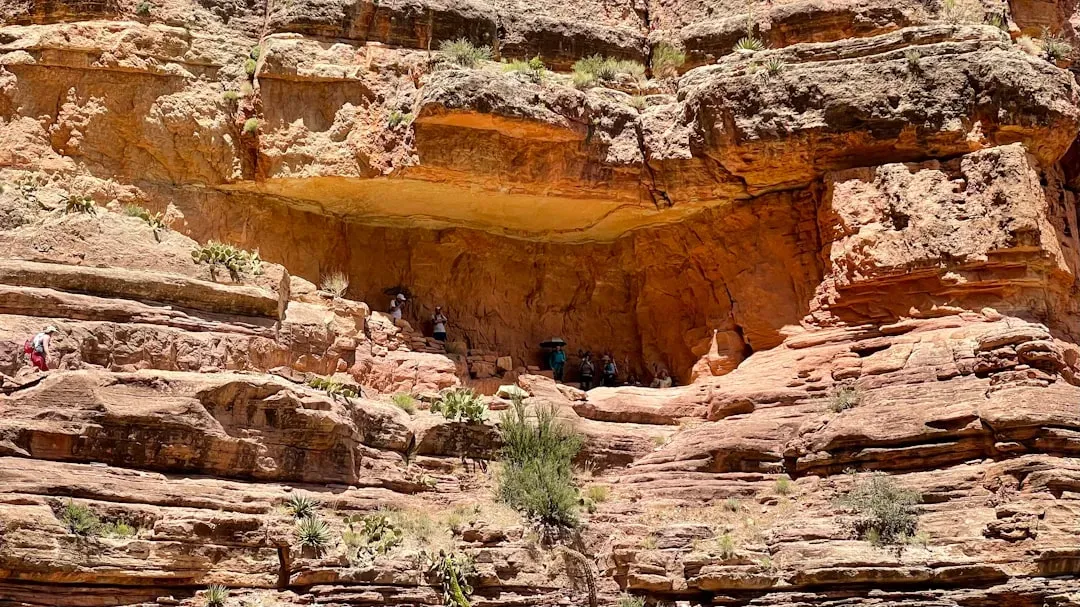
When people see the Grand Canyon, they usually look down at the river. But some of the most intriguing mysteries are tucked sideways into the cliffs: caves, overhangs, and narrow ledges where ancient peoples once lived or stored precious objects. Archaeologists have found pottery fragments, stone tools, baskets, and other clues that show Indigenous communities have been connected to this place for thousands of years, long before modern tourism rebranded it as a scenic overlook.
Many of these sites are deliberately hard to reach, almost as if the canyon itself is protecting them. Some rock shelters and granaries cling to vertical walls that even experienced climbers approach with caution. You get the sense that what we’ve found so far is only a fraction of what’s actually out there. The thought that entire human stories might still be sealed away in hidden alcoves makes the canyon feel less like a natural wonder and more like a living archive.
Rock Layers Reveal Lost Worlds And Vanished Oceans
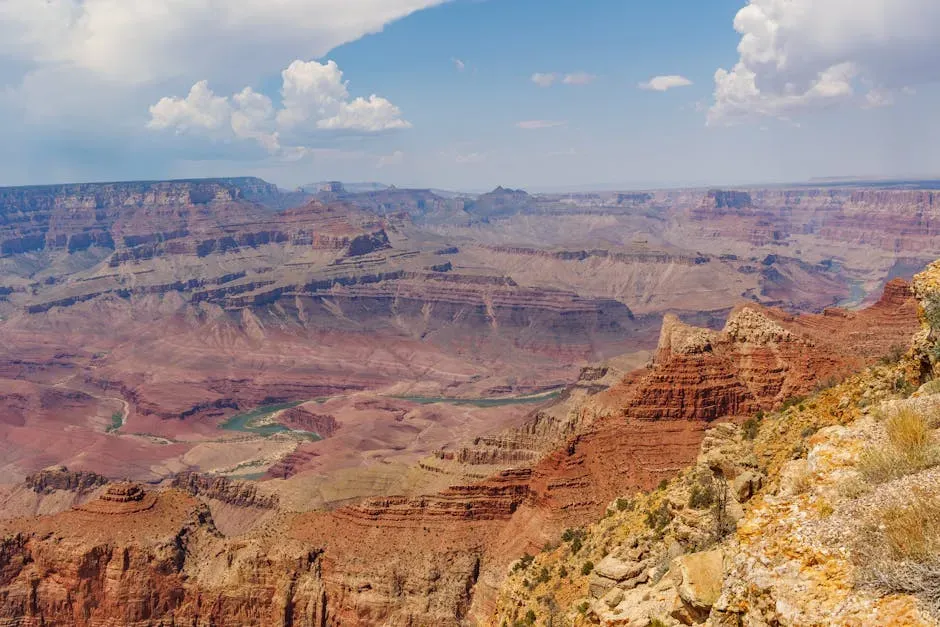
Each stripe of color in the canyon walls is the fossilized memory of a world that doesn’t exist anymore. You’ve got ancient beaches, shallow seas, dune fields, swampy shorelines, and even deep ocean conditions, all stacked on top of one another like pages in a geological scrapbook. The oldest rocks at the bottom, the Vishnu Schist, were formed long before animals with shells ever existed, yet higher up you can find fossils of trilobites and other early marine creatures.
Geologists read these layers like detective notes: the type of rock, the ripple marks, the fossils, even the mineral grains tell them what the environment used to be like. It’s wild to imagine that where people now raft through roaring rapids, there were once quiet tropical seas stretching to the horizon. The canyon’s walls don’t just whisper “a long time ago”; they spell out multiple different Earths that once came and went.
New Technology Is Mapping What We Can’t See
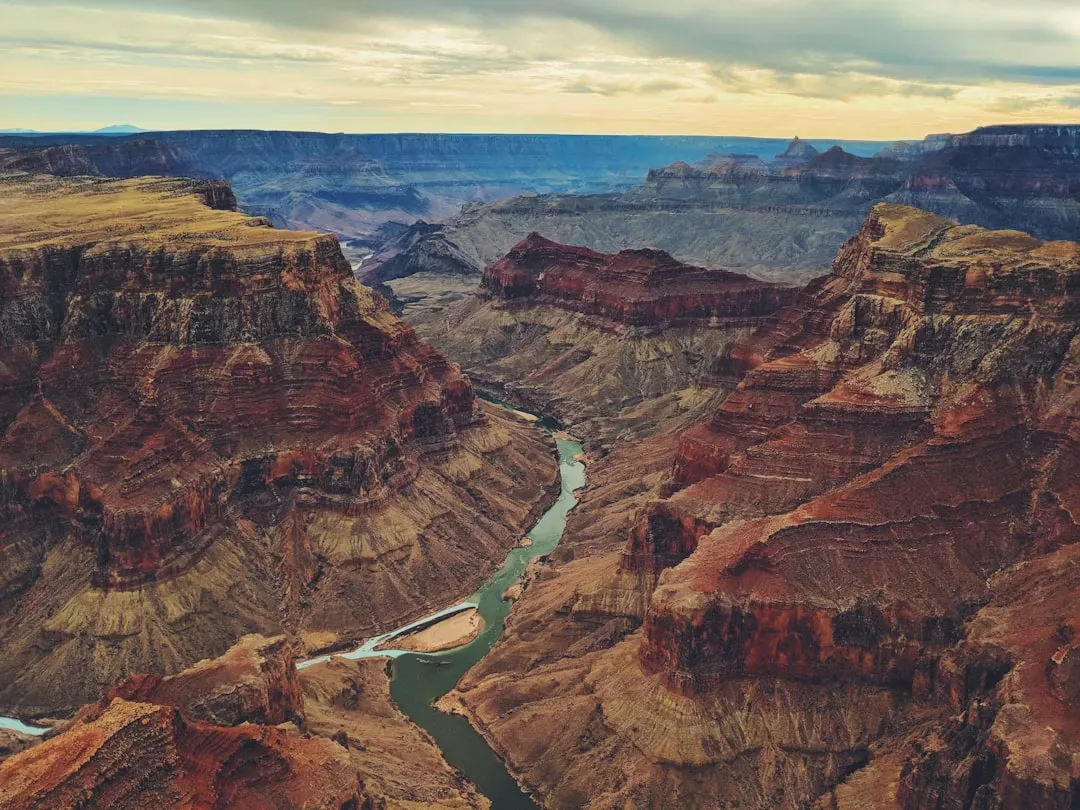
As dramatic as the canyon looks from the rim, a lot of its secrets are actually invisible to the naked eye. In the last several years, scientists have turned to tools like LiDAR, satellite imagery, drone surveys, and detailed riverbed scanning to map hidden terraces, buried channels, and subtle fault lines. These techniques have shown that the landscape under the river is just as sculpted and complex as the cliffs above it.
Researchers are building high-resolution digital models that let them “remove” modern erosion or simulate how water flowed thousands of years ago. It’s a bit like stripping paint off an old house to see the original wood underneath. I find it oddly poetic that the more digital our tools become, the more clearly we’re able to see something that seems so stubbornly analog and physical.
Water, Climate, And Sudden Floods Are Rewriting The River’s Story
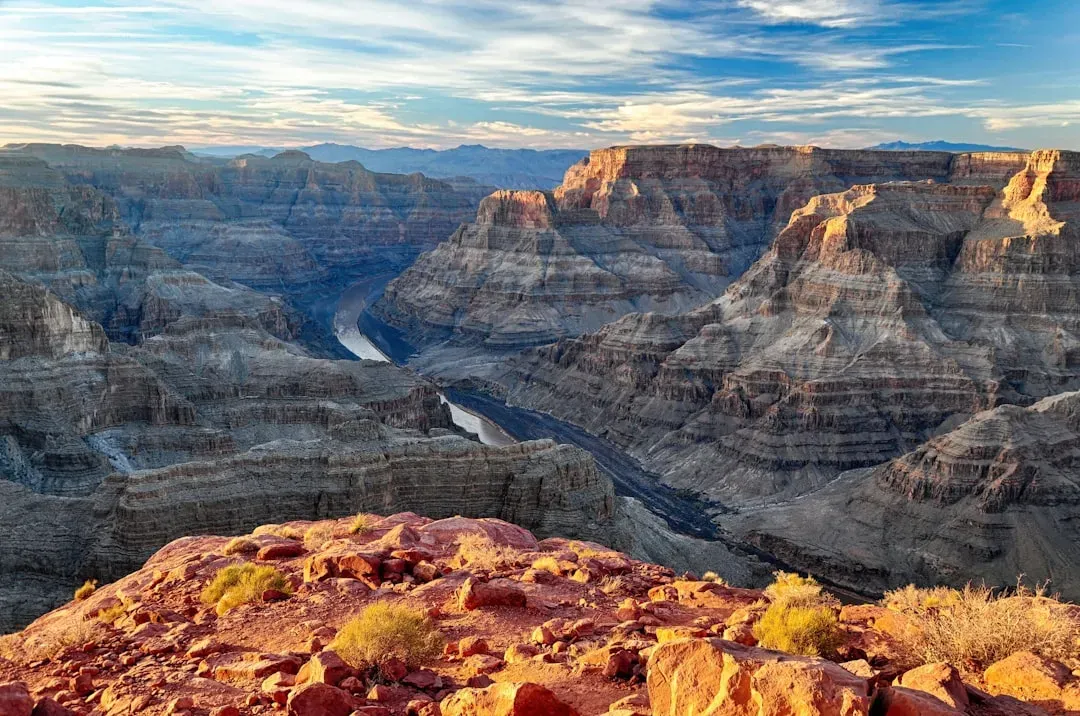
Most people picture the Colorado River gradually slicing down through rock at a slow, steady pace, like a patient sculptor. In reality, recent research suggests that dramatic events, including huge floods and shifts in climate, likely played oversized roles in how fast and how deeply the canyon was carved. Layers of sediment along the river show sudden, powerful pulses of water that rearranged landscapes in a geological instant.
As climate records improve, scientists are connecting past wet and dry periods with changes in erosion rates and river behavior. When the climate was cooler and wetter, the river could carry more sediment and energy, cutting more aggressively into the rock. Today, with the Colorado River stressed by warming temperatures, reduced snowpack, and growing water demands, even the modern canyon is part of an unfolding climate story that future scientists will try to decode from the traces we’re leaving behind.
Indigenous Knowledge Adds Deep Time Perspective
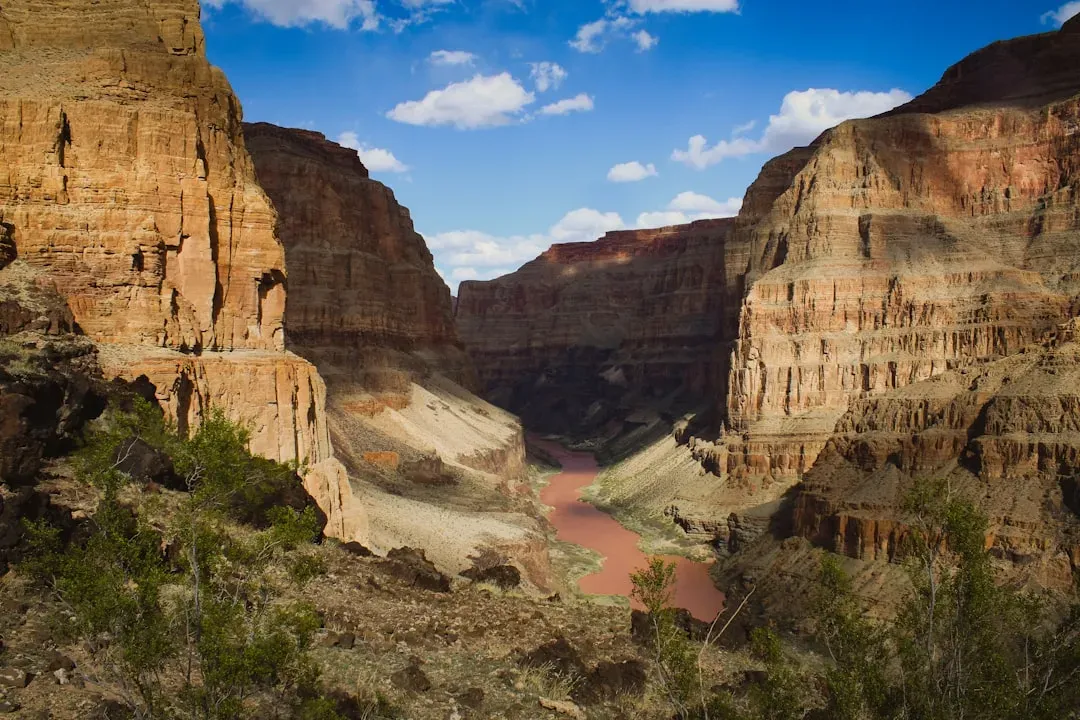
For many visitors, the story of the Grand Canyon starts when they park their car and walk to the railing. For the Indigenous nations who live in and around the canyon, the story reaches back far beyond written history, woven into oral traditions, songs, and ceremonies. Groups like the Havasupai, Hopi, Navajo, Hualapai, Zuni, and others have long-standing relationships with specific springs, cliffs, and side canyons that scientists might otherwise treat as anonymous features on a map.
In recent years, there’s been a stronger effort to bring this traditional knowledge into modern research and management decisions. Indigenous perspectives can change the questions scientists ask: instead of only “how old is this rock?”, they might also ask “what does this place mean, and how has it been used and cared for?” It’s a shift from treating the canyon as an object of study to recognizing it as a place of living connection, with stories and responsibilities that can’t be captured by raw data alone.
Hidden Caves Hold Rare Ecosystems And Climate Clues
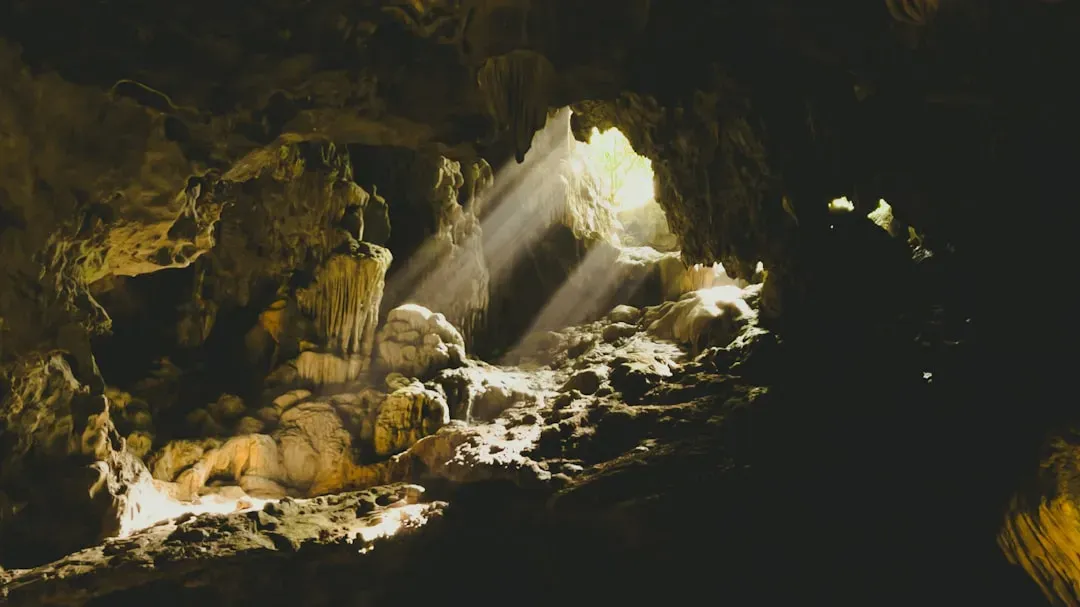
The Grand Canyon is pockmarked with thousands of caves, and only a portion of them have been explored in detail. Inside these caves, scientists are finding not just bats and strange insects, but also mineral formations like stalagmites and stalactites that record past climate conditions drop by drop. The chemistry of these formations can reveal changes in rainfall patterns, temperature, and even vegetation over tens of thousands of years.
Some caves shelter ancient packrat middens, basically hoarder nests filled with seeds, leaves, and other plant material preserved in dry conditions for incredibly long periods. By analyzing this material, researchers can reconstruct what kinds of plants grew in and around the canyon thousands of years ago and how ecosystems shifted as the climate warmed or cooled. It’s oddly humbling that tiny rodents, doing what rodents do, accidentally created time capsules that humans with advanced lab equipment are just now decoding.
Ongoing Seismic Activity Keeps The Landscape In Motion
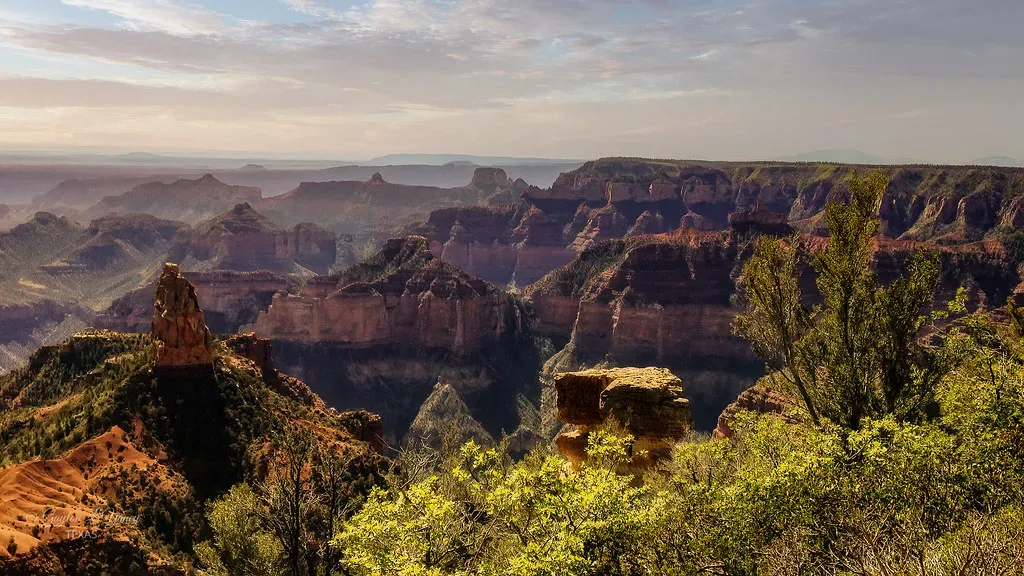
The Grand Canyon might look solid and eternal, but it sits in a region where the crust is still flexing, cracking, and slowly moving. Small earthquakes occasionally ripple through the broader area, and faults beneath the canyon tell a story of uplift and tectonic stretching that began long before the first human ever set eyes on it. This uplift is one reason the Colorado River has enough energy to carve so deeply; the whole region has been rising while the river cuts down.
Geophysicists now use precise GPS measurements and satellite data to track tiny vertical and horizontal shifts in the landscape over time. These movements are usually too small for people to feel, but they matter in the long run because they control how steep the river is, how fast rocks break off the cliffs, and where landslides might occur. The canyon isn’t a frozen monument; it’s more like a slow-motion landslide that’s been going on for millions of years.
Tourism, Preservation, And The Mystery Of What To Leave Undone
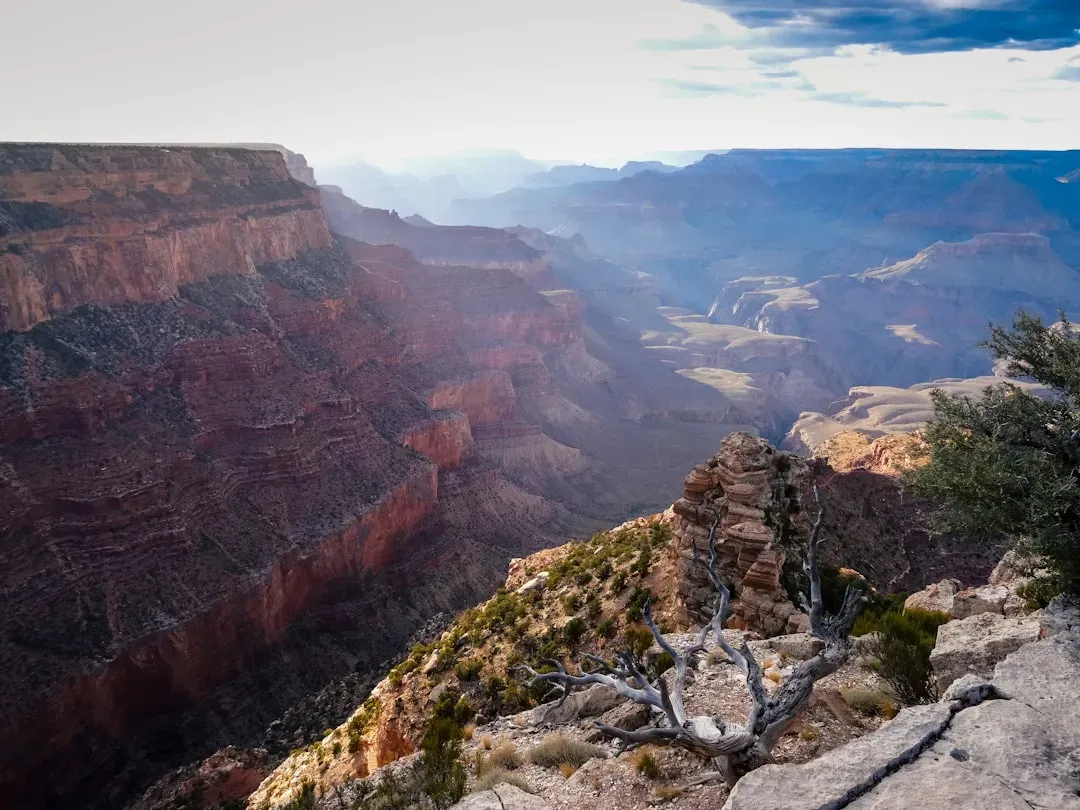
One of the strangest modern mysteries of the Grand Canyon is not what we can discover, but what we should choose not to disturb. Millions of people visit the park every year, drawn by the view, the challenge of the trails, or the dream of rafting the Colorado. At the same time, many of the canyon’s cultural sites, fragile ecosystems, and unexplored caves are extremely vulnerable to too much attention, even when it’s well-meaning.
Scientists, Indigenous communities, park managers, and local residents are constantly debating how to balance access and protection. Do you publicize a newly found archaeological site and risk damage, or keep it quiet and risk forgetting it? Do you expand infrastructure for visitors, or leave parts of the canyon intentionally hard to reach? The decisions being made now will shape which mysteries future generations will still be able to experience firsthand, rather than just read about in reports.
The Canyon’s Biggest Mystery May Be How It Still Surprises Us
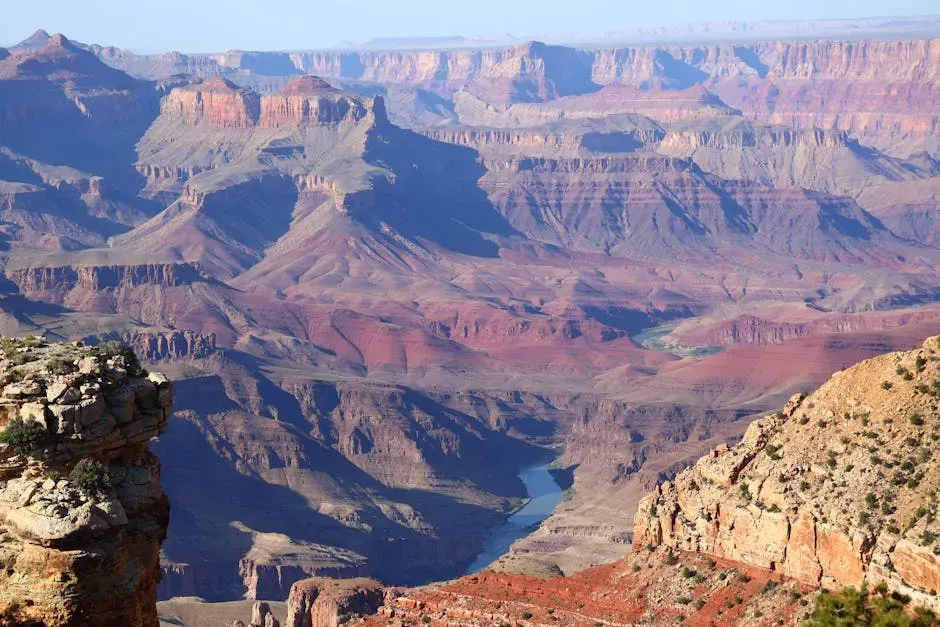
For a place that’s been photographed, painted, hiked, rafted, and flown over for generations, the Grand Canyon still manages to feel like it’s holding something back. New techniques reveal hidden layers, new collaborations bring in different voices, and new environmental changes force us to reinterpret what we thought we knew. It’s strange how a landscape that seems so stripped bare can still feel like it’s keeping secrets.
Maybe that’s the real mystery: not just how the canyon formed, or when, but why standing on its edge makes us feel small and curious in a way few other places can. Every new study, every cautious cave descent, every story shared by people whose ancestors have lived here for countless generations adds another thread. And even with all of that, you can still look out over that vast, carved emptiness and honestly wonder what else is waiting to be understood.