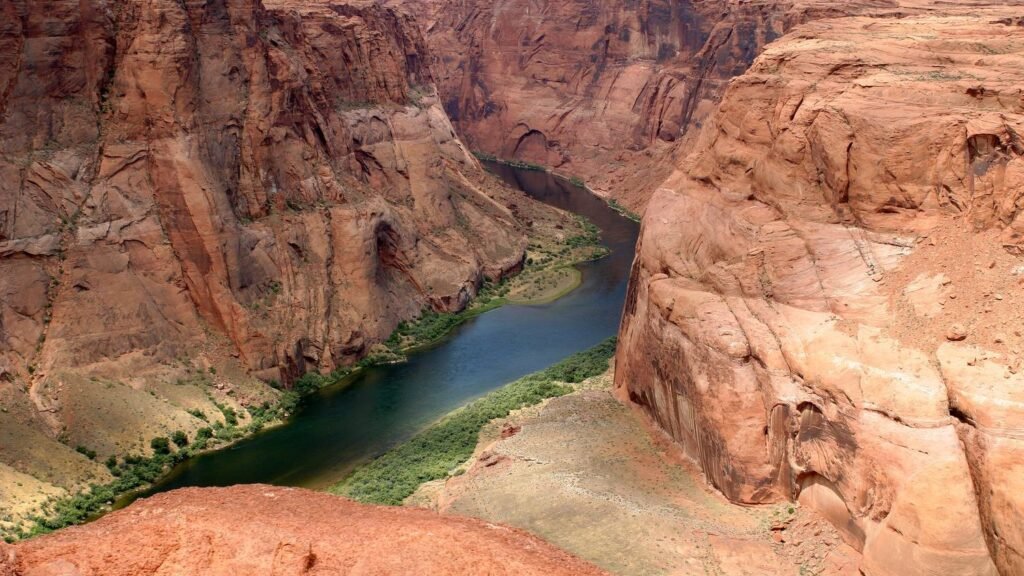

If you grew up imagining the Grand Canyon as a place patiently carved out over tens of millions of years, like a slow-motion movie you could barely comprehend, you’re not alone. That story has been repeated in textbooks, documentaries, even park brochures for decades. But in the last few years, geologists have been quietly rewriting the script – and the new version is sharper, more dramatic, and a lot faster than most people ever imagined.
Instead of a lazy river nibbling away at rock for eons, new evidence points to bursts of intense incision, episodes of rapid downcutting, and a canyon that came together on a surprisingly tight schedule. The canyon is still very old in parts, but the iconic gorge most of us picture may be geologically “younger,” and more sudden, than the classic tale suggests. It’s like finding out your calm, sensible grandparent once lived through a wild, action‑packed decade they never talked about.
A Canyon Older in Pieces, Younger as a Whole
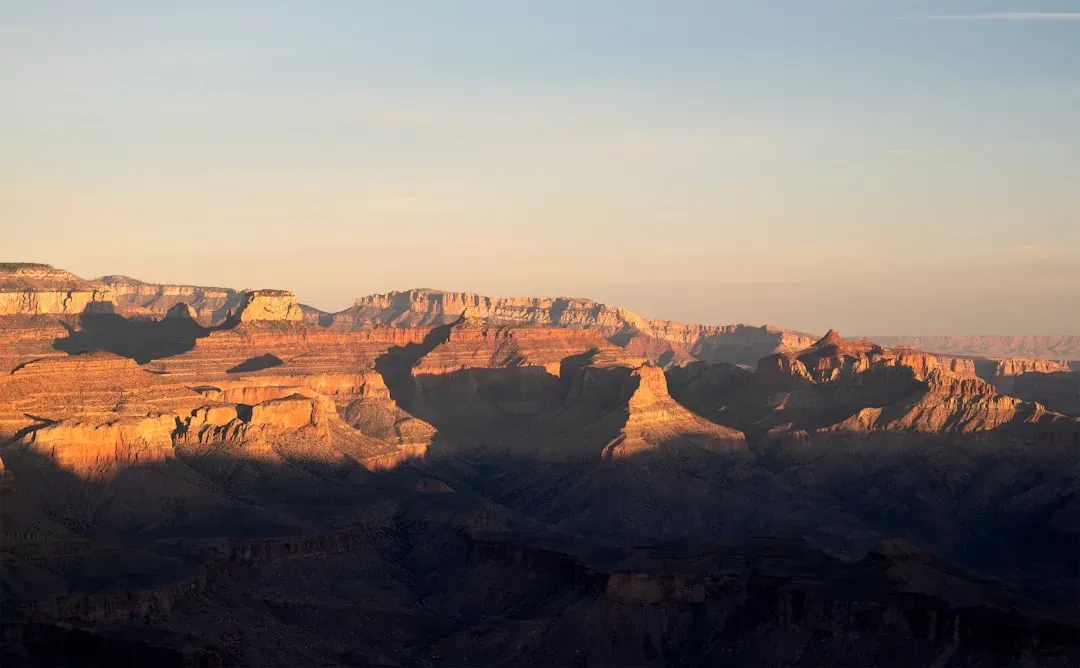
One of the most surprising ideas to emerge from recent research is that the Grand Canyon didn’t form as a single, neatly carved trench from day one. Instead, different segments of the canyon have different ages, like a patchwork quilt sewn over time rather than a single piece of fabric. Some western sections appear to have deep roots that go back more than seventy million years, while the full, continuous canyon recognizable today likely came together much more recently, within the last few million years.
This “hybrid age” model helps explain why scientists were arguing for so long about whether the canyon was ancient or relatively young: in a way, both sides were right, but they were looking at different pieces of the same puzzle. The latest work suggests older paleocanyons and valleys were partly reused and deepened when the modern Colorado River finally linked the system. The result is a landscape where the rocks are unimaginably old, some canyon segments are older than we thought, but the integrated, sweeping chasm we see today formed faster and later than the traditional slow‑and‑steady story allowed.
Dating Deep Time: How Geologists Rewrote the Clock
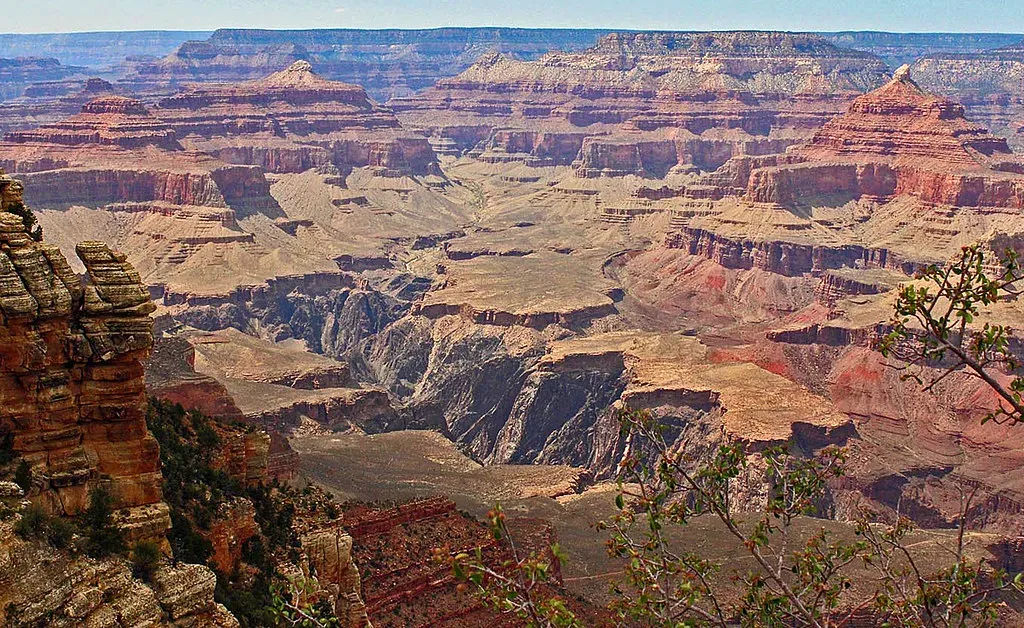
The shift to a faster timeline didn’t come from a gut feeling; it came from better clocks. Over the last two decades, geologists have leaned heavily on advanced dating techniques like thermochronology, which tracks how minerals cool as rocks are exhumed toward the surface. Apatite helium and fission‑track dating, in particular, let researchers reconstruct when rock layers moved from deep, warm conditions to shallower, cooler ones – a kind of geological temperature diary that reveals when erosion really kicked in.
These techniques showed that some parts of the canyon did not start slicing down to their current depths until just a few million years ago, far later than older models suggested. By comparing temperature histories along the length of the canyon, scientists could see that incision wasn’t uniform; it sped up in certain reaches at specific times. Add in newer tools like cosmogenic nuclide dating, which measures how long surfaces have been exposed to cosmic rays, and the story sharpened even more: large stretches of the present‑day gorge formed relatively quickly once the modern Colorado River gained enough power and connectivity.
The Colorado River: From Modest Stream to Relentless Sculptor
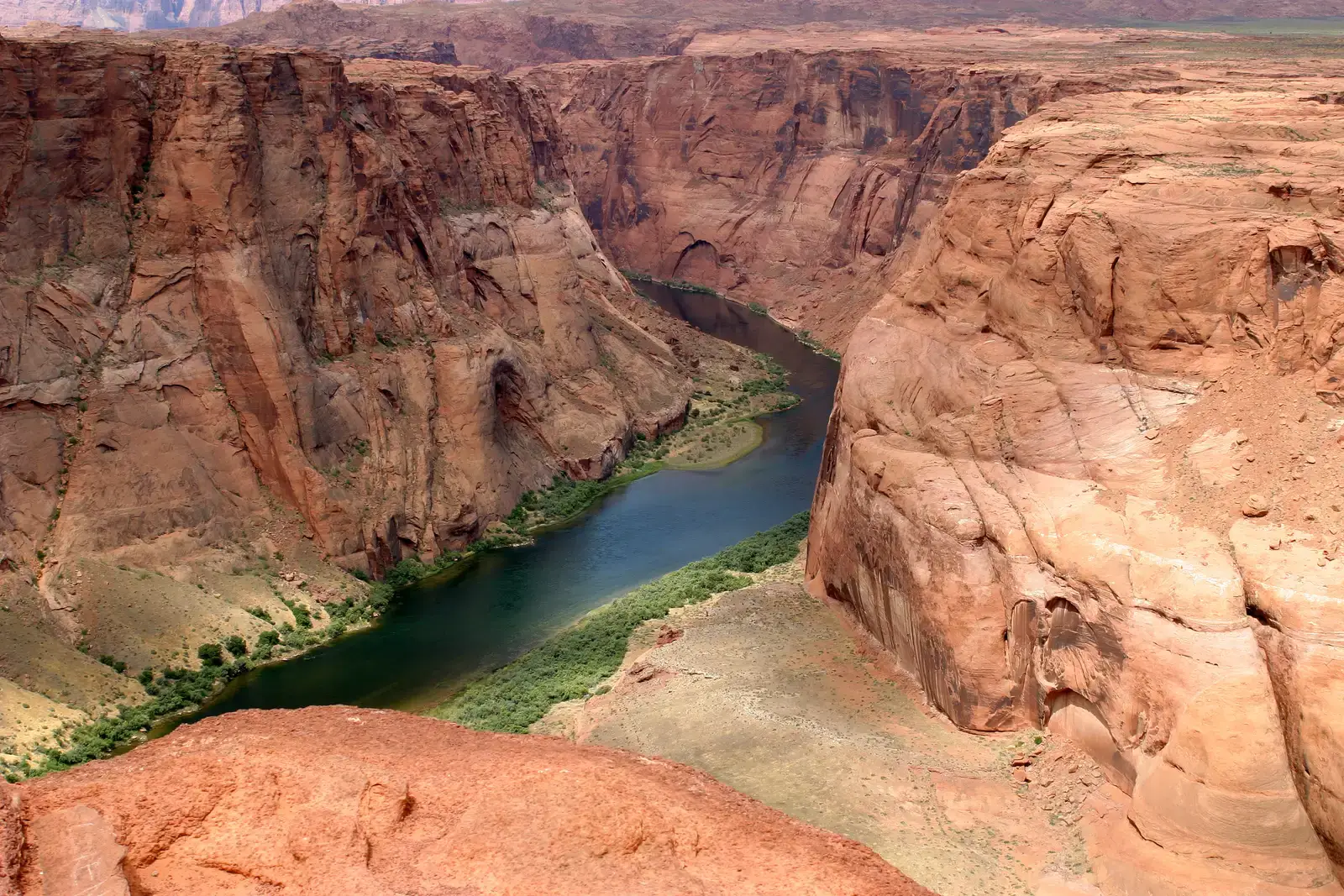
The Colorado River is often framed as a patient artist, but the newer timeline paints it more like a sculptor who worked in furious bursts once the conditions were right. For much of its early history, the river system seems to have been fragmented, with separate drainages and basins not yet connected into the through‑flowing river we know today. When those basins finally linked up and the river began to flow from the Rocky Mountains all the way to the sea, its erosive power jumped dramatically.
With a steeper gradient and a clear path to lower elevation, the river could slice down far more aggressively, particularly in softer or fractured rock. That meant the canyon deepened not just steadily, but in accelerated phases, with pulses of incision doing a lot of geological “work” in relatively short bursts of time. Once the river locked into its course, it exploited any weakness – fault lines, joints, and older valleys – to cut faster, turning what might have been a very drawn‑out process into a more condensed chapter in Earth’s history.
Climate Swings, Floods, and the Power of Sudden Change
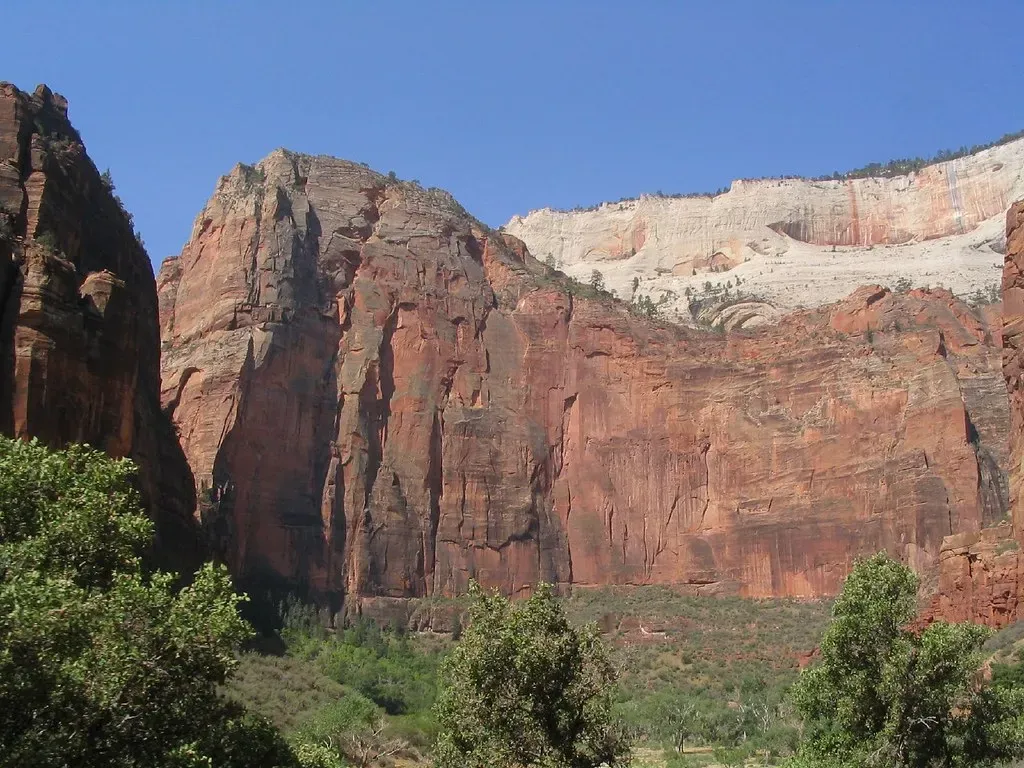
Climate was not just background noise; it acted like a volume knob on erosion. During colder, wetter periods in the Pleistocene, with glaciers advancing in the high Rockies, the Colorado River likely carried far more water and sediment. Seasonal snowmelt and glacial meltwater would have fueled intense, powerful flows that bit more deeply into the bedrock, especially during peak runoff events. These weren’t gentle adjustments; they were more like periodic surges that let the river chew downward in quick steps.
On top of that, catastrophic floods from natural dam failures and landslides may have added short, brutal bursts of carving power. Imagine a huge lake held back by a landslide or volcanic deposit suddenly draining downstream; the water’s sudden rush could scour channels and strip away enormous volumes of rock and debris. Over hundreds of thousands of years, sequences of wetter climates, extreme storms, and occasional dam‑break floods added up to a style of canyon formation that was more punctuated and intense than the old picture of a constant, gentle trickle of erosion.
Plate Tectonics: Lifting the Stage Beneath the Drama
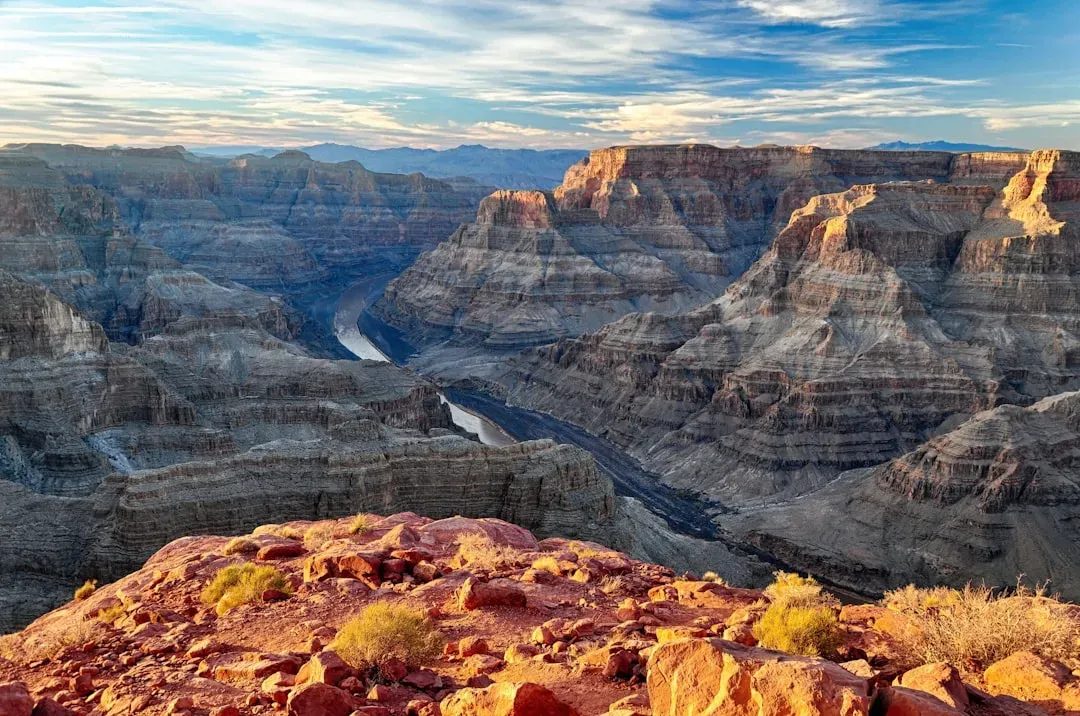
Fast carving is impossible without one crucial ingredient: elevation. The Colorado Plateau, where the Grand Canyon sits, did not always tower as high as it does today. Uplift driven by deep tectonic forces and changes in the underlying mantle slowly raised this once‑low region by thousands of feet. As the land rose, it gave rivers more gravitational energy to work with, increasing their ability to cut down into rock rather than just meander over it.
Newer geophysical data and modeling suggest that some of this uplift may have been relatively rapid in geological terms, not just a uniform, gentle rise over hundreds of millions of years. That means the river may have periodically “felt” a sudden increase in slope, like a treadmill cranking up a notch. Whenever uplift outpaced erosion, the river responded by slicing downward more aggressively until a new balance was reached. This push‑and‑pull between slow tectonic uplift and faster episodes of downcutting is at the heart of why the canyon could form more quickly once everything lined up.
Challenging the Old Textbook Story
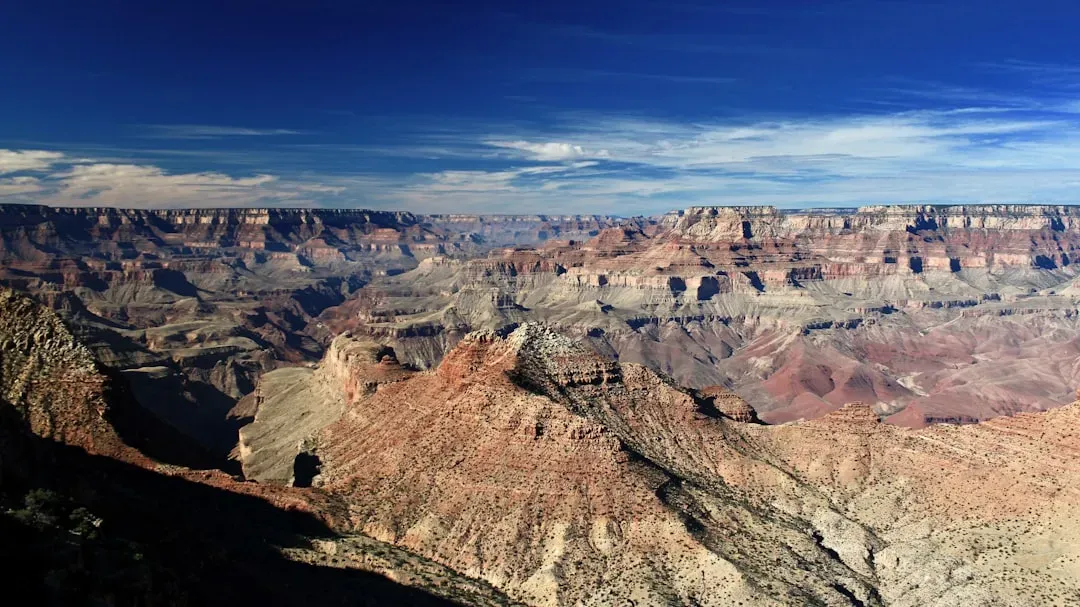
The traditional textbook story of the Grand Canyon was clean, simple, and wrong in some key ways. For a long time, it was taught as a single, continuous canyon carved slowly and evenly over roughly six million years or more, with little nuance about segments, climate pulses, or partial older valleys. That story stuck partly because it was easy to explain in a single diagram or paragraph, and science communication often favors crisp narratives over messy, evolving ideas.
As new data piled up, that simple story just couldn’t hold. Geologists pushed back against the older view, showing that some segments had much deeper histories, while others were clearly shaped in later, faster episodes. The debate got intense at times, with camps arguing for a very old canyon versus a younger one, but the latest work has nudged everyone toward a more complex, middle ground: a canyon whose full, integrated form is younger and more rapidly carved than many people assumed, layered on top of a landscape that already had older, partly carved valleys and drainage routes.
I remember reading about this shift for the first time and feeling oddly betrayed by the neat diagrams I’d seen growing up. But honestly, the messier version is the more interesting one. It turns the canyon from a static monument into an evolving crime scene, where you can still see the fingerprints of tectonics, climate, and time all over the walls.
Why a Faster Canyon Matters for the Bigger Earth Story
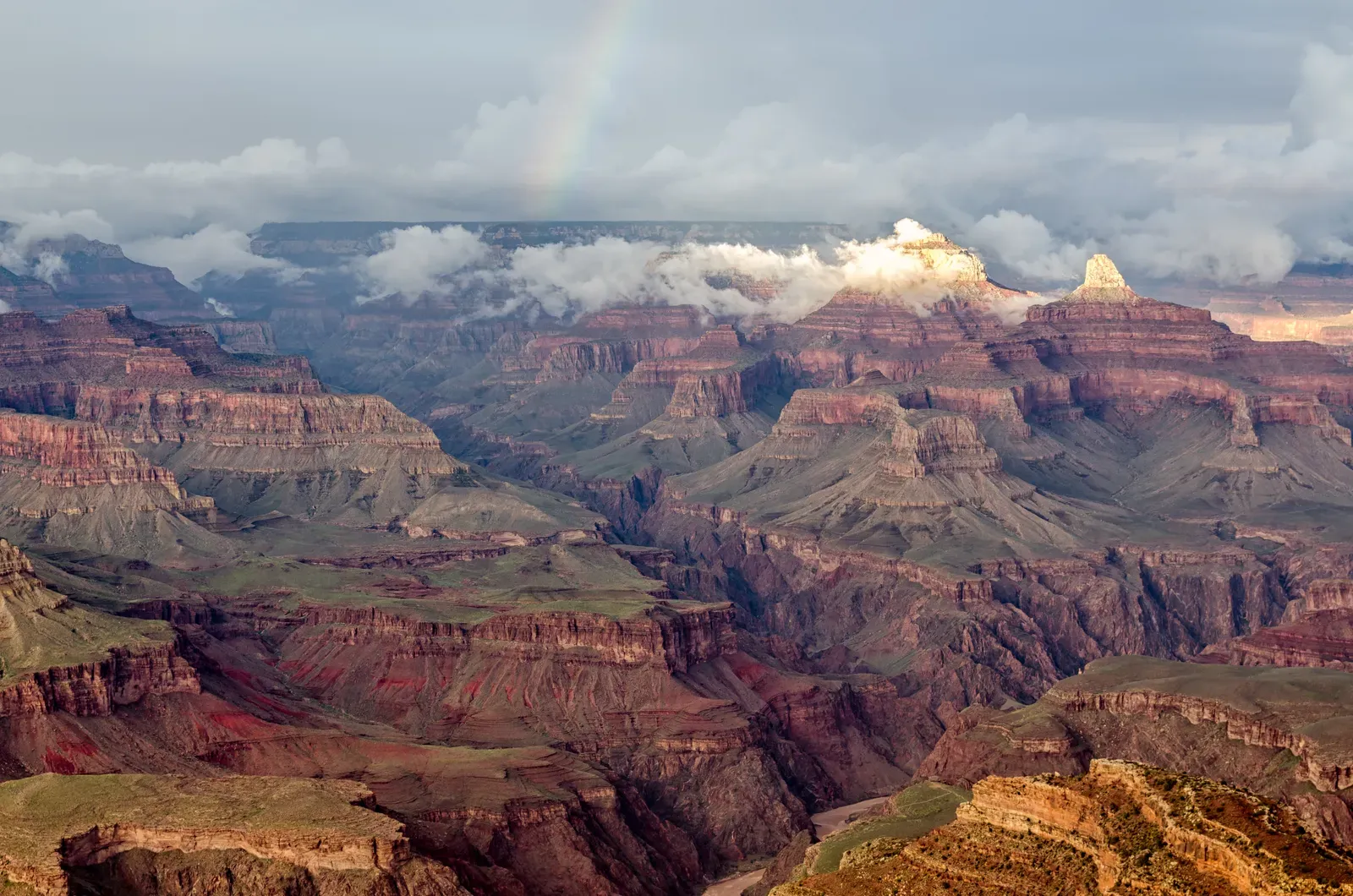
At first glance, arguing about whether the Grand Canyon formed “fast” or “slow” might sound like geologists splitting hairs. But the updated timeline has big implications for how we understand Earth’s ability to change in bursts rather than only at a crawl. If a landscape as massive and iconic as the Grand Canyon can take shape in relatively rapid geological steps once the right conditions line up, it reminds us that Earth’s surface is capable of dramatic transformation on timescales that, while still long to us, are short compared to the age of the planet.
It also matters for practical reasons: grasping how and when big canyons, valleys, and river systems respond to climate swings and tectonic shifts helps us interpret similar landscapes around the world. A faster Grand Canyon suggests other major gorges may also hide histories of sudden incision and rapid adjustment. In a world where climate is changing quickly by geological standards, that lesson hits close to home: once thresholds are crossed, systems can move faster than our comfortable, slow‑change assumptions might suggest.
Visiting the Canyon with New Eyes
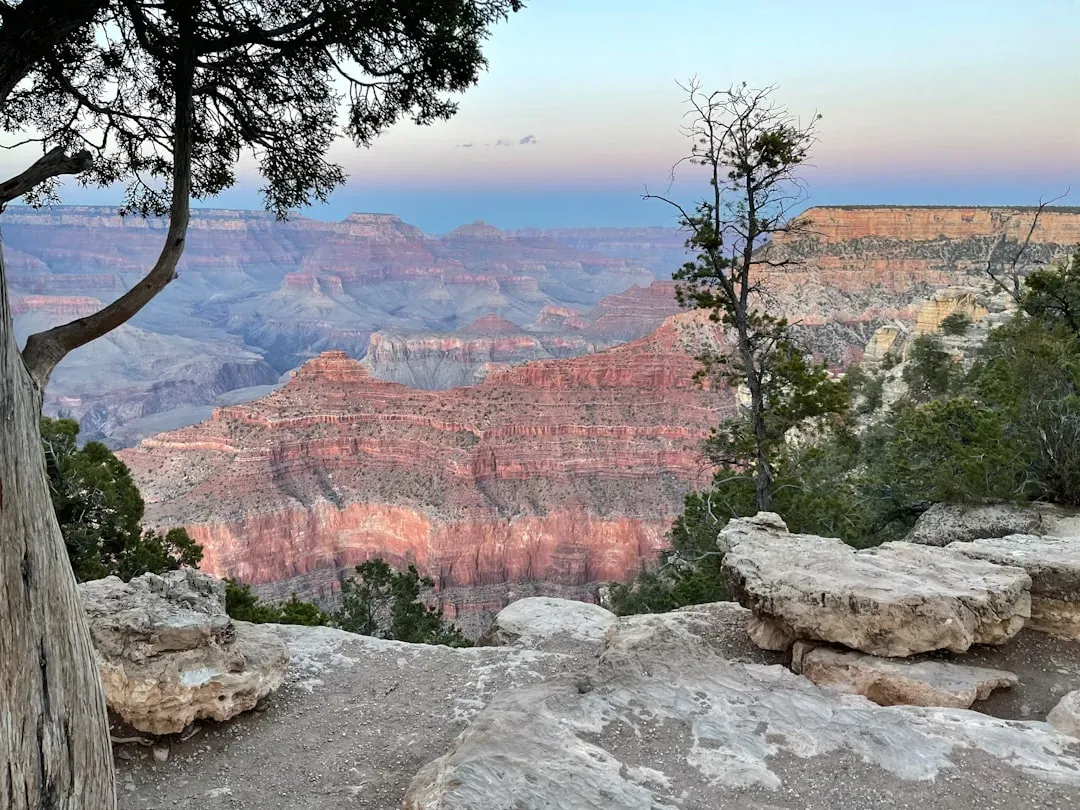
Knowing this newer, faster timeline changes how you see the place when you’re standing on the rim. Those sheer walls stop being just a pretty stack of colors and become a time‑stamped record of bursts of power, uplift, flood, and sudden change. You can look at a side canyon and wonder whether it represents an older, inherited valley, or a path that only really deepened once the Colorado River dropped its base level and pulled everything else down with it.
It also makes the canyon feel strangely alive, even though the forces that carved most of it are far beyond human perception. Instead of a slow, boring drip of erosion, you’re looking at something that went through stages – quiet buildup, dramatic incision, pauses, and renewed cutting – like chapters in a long but gripping novel. Next time you see a photo of the Grand Canyon, it might be worth asking yourself not just how old it is, but how quickly those impossible cliffs snapped into their modern form once all the hidden levers of Earth finally pulled in the same direction.