There are places in the world where nature and culture collide in the most astonishing ways. The Grampians National Park, known as Gariwerd to its traditional owners, is one such wonder. Imagine standing at the base of a soaring sandstone cliff, your fingertips brushing ancient handprints that have survived tens of thousands of years. Just meters away, the echoes of climbers’ laughter bounce off the same rock face. The tension between adventure and heritage is palpable, and the stakes are high. How do we protect priceless Aboriginal rock art while letting people experience the raw thrill of climbing? The Grampians is not just a park—it’s a living museum, a playground, and a battleground for ideas about preservation and progress.
A Landscape Shaped by Time
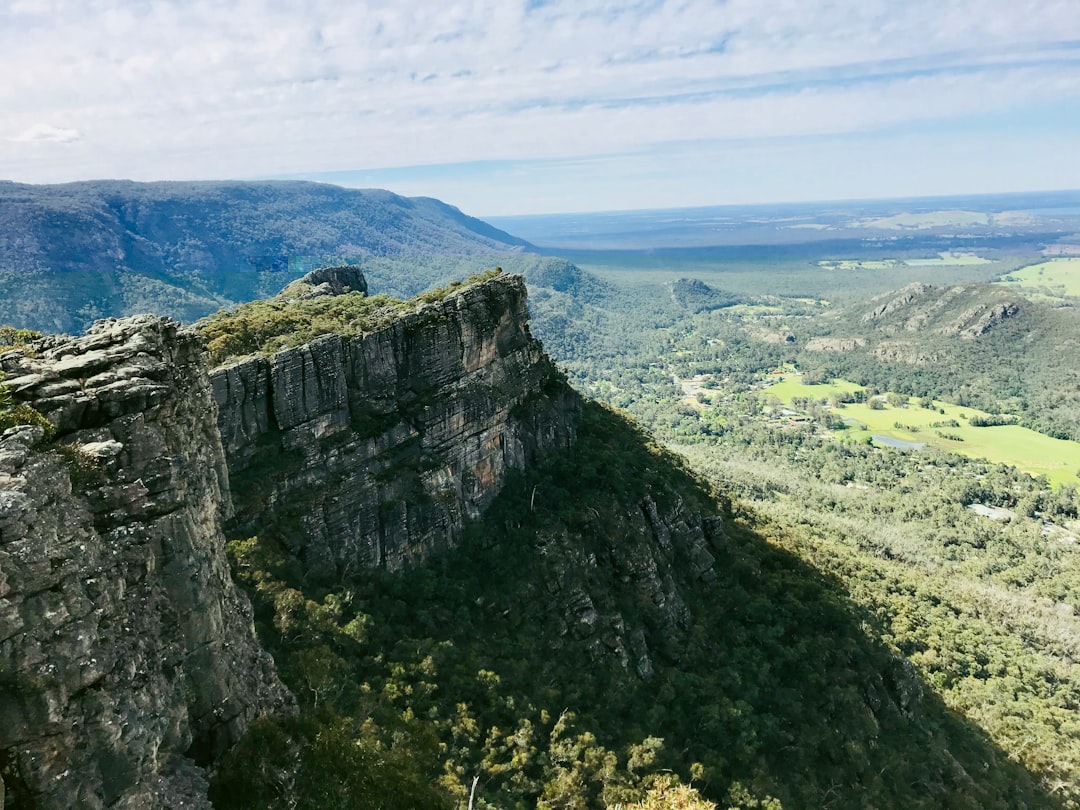
The Grampians rise dramatically from the plains of western Victoria, their rugged silhouettes etched into the skyline. These mountains are more than a scenic backdrop—they are the product of 400 million years of geological upheaval. Weathered sandstone forms the park’s famous cliffs, caves, and towers, creating a haven for both biodiversity and human wonder. The wind and rain have sculpted bizarre formations, some resembling giant animals or castles, giving the Grampians an almost mystical quality. This ancient landscape isn’t static; it’s alive, constantly shifting beneath the feet of those who explore it. Visitors often describe a feeling of stepping back in time, surrounded by the echoes of Earth’s deep past.
Rock Art: Echoes of an Ancient Culture
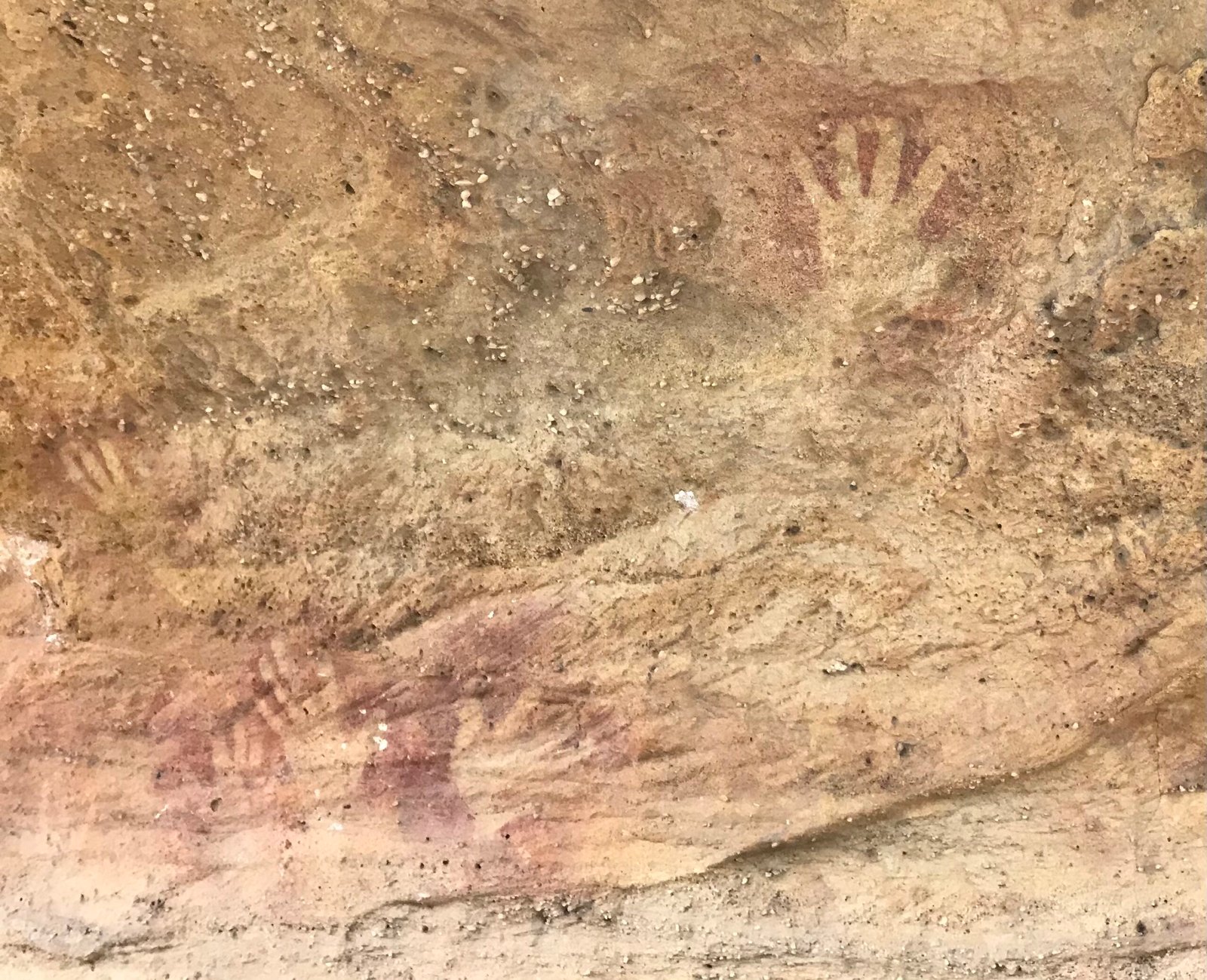
The Grampians hold one of the highest concentrations of Aboriginal rock art sites in southeastern Australia. Over 200 sites have been discovered, with thousands more likely hidden within the park’s crevices and caves. These artworks, some dating back more than 20,000 years, are not just decorations—they are stories, warnings, celebrations, and spiritual messages from generations long past. Handprints, dancing figures, and mystical animals are painted in ochre, their meanings carefully guarded by the traditional custodians. For the Jardwadjali and Djab Wurrung people, these sites are sacred—they connect the present to an ancient lineage and hold lessons for the future.
The Rise of Rock Climbing in the Grampians
In recent decades, the Grampians have become a world-renowned destination for rock climbers. The same cliffs that protected rock art for millennia now challenge athletes from across the globe. Climbing routes crisscross the landscape, offering everything from gentle scrambles to heart-stopping overhangs. The thrill of conquering a new line is intoxicating, and the climbing community is passionate, tight-knit, and deeply respectful of nature. Yet, the popularity of the sport has brought thousands of new visitors into fragile areas, raising questions about the impact on both the environment and cultural heritage.
Climbers and Custodians: A Delicate Dance
The relationship between climbers and the park’s traditional owners is complex. Many climbers see themselves as stewards of the landscape, practicing “leave no trace” principles and advocating for conservation. However, even the most careful footsteps can cause damage. Chalk marks, worn handholds, and the physical presence of climbers can erode rock surfaces and, in some cases, disturb or destroy irreplaceable art. Traditional owners have expressed deep concern about the loss of cultural sites, leading to tensions and passionate debates over land use. Both groups care deeply about the Grampians, but their visions for its future sometimes clash.
Science at the Heart of Preservation
Scientists play a crucial role in understanding how climbing affects rock art and the surrounding environment. Recent studies use techniques like 3D mapping, digital photography, and microscopic analysis to document the condition of art sites and track changes over time. Researchers have found that even minor contact—like brushing against a painted surface—can accelerate fading or cause the delicate ochre pigments to flake away. Conservationists use these findings to develop better strategies for protecting the art, including installing barriers, restricting access to sensitive areas, and educating visitors about the risks. Science provides the evidence needed to make informed, balanced decisions.
Protective Measures and Access Restrictions
To safeguard the park’s treasures, authorities have introduced a range of protective measures. Some climbing areas have been temporarily or permanently closed, particularly those near rock art sites. Signs and fences mark boundaries, reminding visitors of their responsibilities. Park rangers monitor high-traffic areas, and guided tours help direct people away from the most vulnerable locations. These restrictions are controversial—climbers may feel excluded, while traditional owners may worry that not enough is being done. The rules are continually reviewed, balancing the need for protection with the desire for public enjoyment.
Community Engagement and Shared Solutions

One of the most inspiring developments in the Grampians is the growth of community-led initiatives. Climbing groups collaborate with Indigenous elders, scientists, and park authorities to develop codes of conduct and volunteer for conservation projects. Workshops and public talks foster deeper understanding between groups that once saw each other as adversaries. Shared stewardship is becoming a reality, as more people recognize that protecting the Grampians requires cooperation, empathy, and humility. These partnerships are fragile but growing stronger, offering hope for a more harmonious future.
The Role of Education and Awareness
Education is a powerful tool for change. By teaching visitors about the significance of rock art and the fragility of the landscape, the park inspires a new generation of respectful explorers. Visitor centers, interpretive signs, and online resources provide information about both climbing safety and cultural sensitivity. School programs bring children to the park, where they learn firsthand about history, science, and Indigenous culture. The more people know, the more likely they are to protect what they love. Education bridges gaps between communities and fosters a sense of shared responsibility.
Tourism, Economy, and the Local Community
Tourism is the lifeblood of many communities surrounding the Grampians. Local businesses—from cafes to gear shops—depend on the steady flow of visitors. However, the tension between economic growth and conservation is ever-present. Striking the right balance means finding ways to welcome tourists without sacrificing the park’s integrity. Initiatives like sustainable tourism accreditation, eco-friendly accommodation, and Indigenous-led tours are gaining traction. By emphasizing responsible travel, these efforts support both cultural preservation and economic vitality.
Looking Toward the Future

The story of the Grampians National Park is still being written. As technology advances and attitudes shift, new opportunities for preservation and recreation emerge. Digital documentation of rock art creates virtual archives, making it possible to study and appreciate these treasures without direct contact. Innovations in climbing gear and techniques may reduce the impact on delicate surfaces. The voices of traditional owners are increasingly central to decision-making, ensuring that cultural values remain at the heart of park management. The future of the Grampians depends on our ability to adapt, listen, and act with respect.
The Grampians National Park stands as a testament to both the enduring power of nature and the resilience of human culture. Its cliffs and caves invite us to explore, but also to reflect on our responsibilities as visitors. Will we rise to the challenge of preserving these wonders for generations to come?