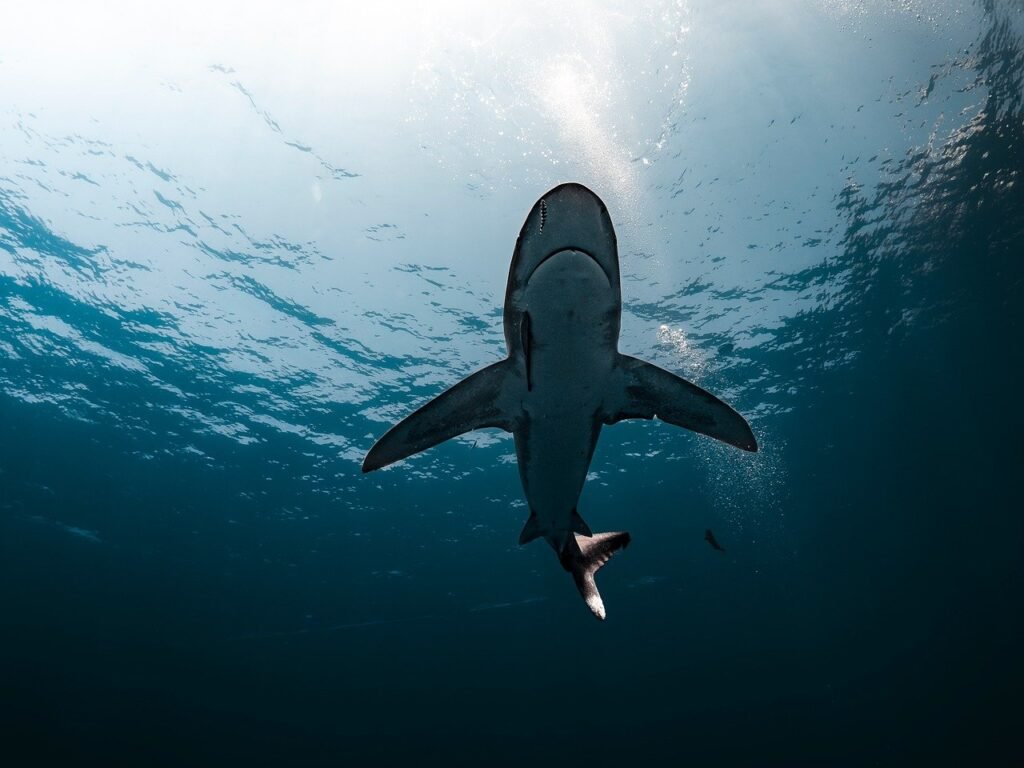
When we think of goldfish, we often imagine them swimming leisurely in a clear bowl, oblivious to the world outside. But what if I told you that these seemingly simple creatures have taken a scientific leap, quite literally, into the driver’s seat? Researchers have embarked on a fascinating journey to teach goldfish to steer a car, and the results are nothing short of extraordinary. This captivating experiment challenges our understanding of animal intelligence and opens the door to a world of possibilities. Join us as we dive into the intricacies of this groundbreaking study and explore how a humble goldfish found itself navigating a vehicle.
The Genesis of an Unlikely Experiment
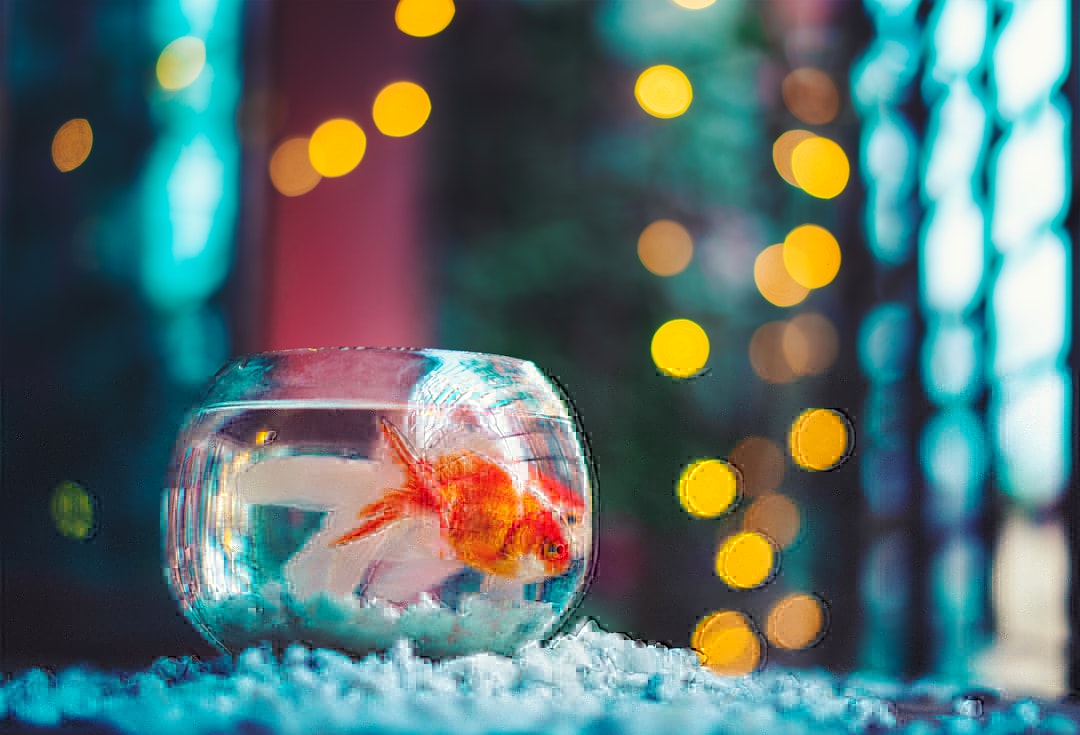
The idea of teaching a goldfish to drive was born out of a curiosity to understand animal cognition. Scientists wanted to test the limits of a goldfish’s ability to learn and adapt to new environments. By placing a goldfish in a small tank mounted on wheels, they created a unique “car” that the fish could control by swimming in different directions. This innovative setup allowed researchers to observe how the fish interacted with its new environment, providing insights into its problem-solving abilities. The experiment was not just about making headlines; it aimed to deepen our understanding of animal intelligence in a creative and engaging way.
The Engineering Behind the Fish-Driven Car
Creating a car that a goldfish could drive was no small feat. Engineers designed a specialized tank equipped with sensors that detected the fish’s movements. Whenever the goldfish swam towards a particular side of the tank, the sensors triggered the wheels to move in that direction. This setup allowed the fish to steer the car by simply swimming, making it an intuitive process for the aquatic driver. The technology behind the fish-driven car was both simple and sophisticated, demonstrating the seamless integration of biology and engineering. This innovative approach paved the way for new possibilities in animal-machine interaction.
Training a Goldfish: More Than Just Simple Conditioning
Teaching a goldfish to drive required patience and persistence. The training process involved rewarding the fish with food whenever it successfully navigated the car to a designated target. Over time, the goldfish learned to associate swimming in a particular direction with receiving a treat, effectively steering the car towards the reward. This type of training, known as operant conditioning, is a well-established method used to teach animals new behaviors. However, applying it to a goldfish driving a car was a novel twist that captivated both scientists and the public alike. The experiment highlighted the goldfish’s capacity for learning and adapting to new challenges.
Unveiling the Cognitive Abilities of Goldfish
The success of the experiment shed light on the cognitive abilities of goldfish, often underestimated in the animal kingdom. By demonstrating that a goldfish could learn to navigate a car, scientists challenged the stereotype of these creatures as simple-minded. The experiment suggested that goldfish possess a level of spatial awareness and problem-solving skills previously unrecognized. This revelation invites us to reconsider our assumptions about animal intelligence and the potential for other species to engage in complex behaviors. The goldfish driving experiment stands as a testament to the untapped potential of animal cognition.
Implications for Animal Cognition Studies
The goldfish driving experiment has broader implications for the field of animal cognition studies. It challenges researchers to explore unconventional methods to test animal intelligence and adaptability. By thinking outside the conventional box, scientists can uncover hidden talents in species once thought limited in their cognitive abilities. The success of this experiment encourages further research into the cognitive capacities of other animals, paving the way for new discoveries and insights. It opens the door to innovative approaches that blend technology and biology, offering a fresh perspective on the study of animal minds.
Navigating New Waters: The Future of Animal-Machine Interaction
The experiment has sparked interest in the potential for animal-machine interaction beyond the realm of research. By demonstrating that a goldfish can drive a car, scientists have opened the door to new possibilities for integrating animals with technology. This could lead to innovative applications in fields such as rehabilitation, where animals could assist humans in new and creative ways. The experiment challenges us to think about the future of technology and its role in enhancing our understanding of the natural world. It’s an exciting time for scientists and animal enthusiasts alike, as we explore the uncharted waters of animal-machine collaboration.
The Public’s Fascination with the Driving Goldfish

The idea of a goldfish driving a car captured the public’s imagination and quickly became a viral sensation. People were intrigued by the notion that a simple goldfish could master such an unexpected skill. The experiment resonated with audiences worldwide, sparking conversations about animal intelligence and the potential for learning in unexpected places. This fascination highlights our innate curiosity about the natural world and our desire to uncover the mysteries of animal behavior. The goldfish driving experiment serves as a reminder of the wonder and surprise that science can bring, captivating minds and inspiring future generations.
Challenges and Limitations of the Experiment
While the goldfish driving experiment was a success, it was not without its challenges and limitations. Training a goldfish to drive required careful consideration of the animal’s well-being and ethical treatment. Ensuring that the goldfish was not stressed or harmed during the experiment was a top priority for researchers. Additionally, the experiment’s scope was limited to a controlled environment, raising questions about the applicability of the findings to natural settings. Despite these challenges, the experiment provided valuable insights into animal cognition and highlighted the importance of ethical considerations in scientific research.
Reflecting on the Experiment’s Impact
The goldfish driving experiment has left a lasting impact on the scientific community and beyond. It has challenged our perceptions of animal intelligence and opened the door to new possibilities for studying animal cognition. The experiment has inspired researchers to explore unconventional methods and think creatively about the potential for animal learning. It has also sparked public interest in science, reminding us of the wonder and curiosity that drive scientific discovery. As we reflect on the goldfish driving experiment, we are reminded of the endless possibilities that await when we dare to explore the unknown.