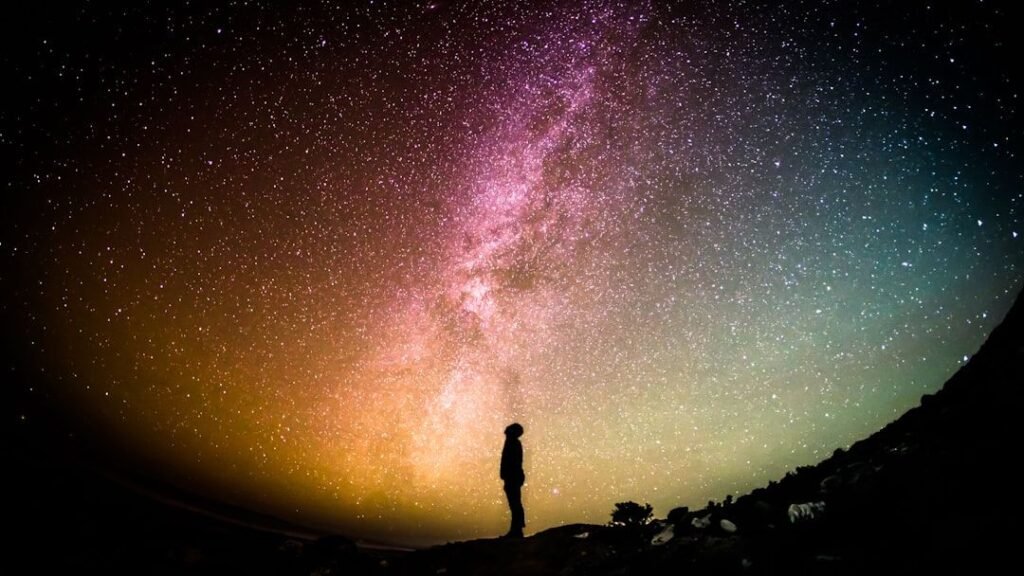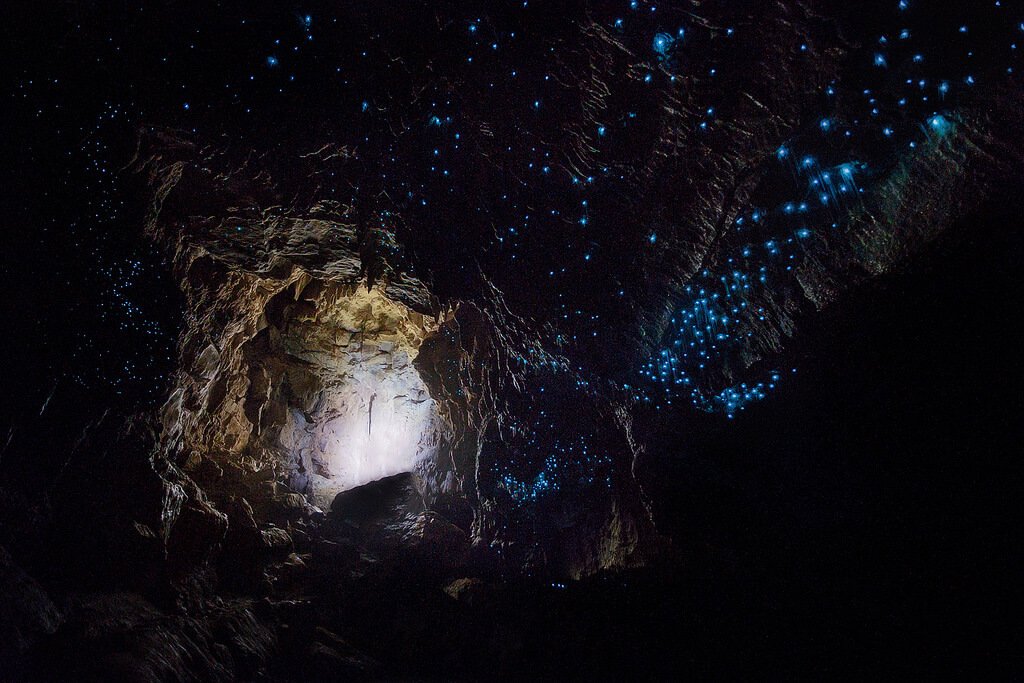

The Glowworm Caves of Waitomo, located on the North Island of New Zealand, offer a unique and enchanting experience that combines the mystery of subterranean exploration with the mesmerizing beauty of nature’s own light display. As you glide silently through these ancient caverns, thousands of glowworms illuminate the darkness, creating a scene that is almost magical in its wonder. This article delves into the fascinating world of Waitomo’s glowworm caves, exploring the science and allure behind this natural phenomenon.
History of the Waitomo Caves
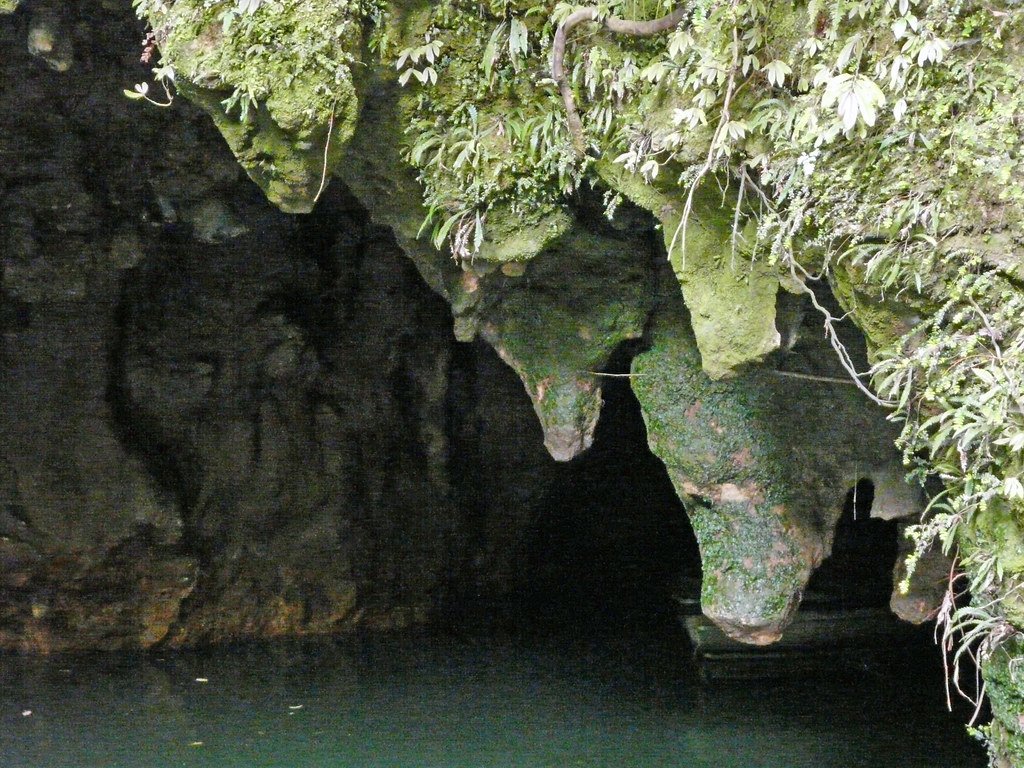
The Waitomo Caves have been known to the local Māori people for centuries, but it wasn’t until the late 19th century that they gained wider recognition. In 1887, local Māori chief Tane Tinorau, along with English surveyor Fred Mace, undertook a systematic exploration of the caves. Their discovery of the glowworm-studded galleries eventually led to the caves becoming one of New Zealand’s most popular natural attractions.
The Science of Glowworms
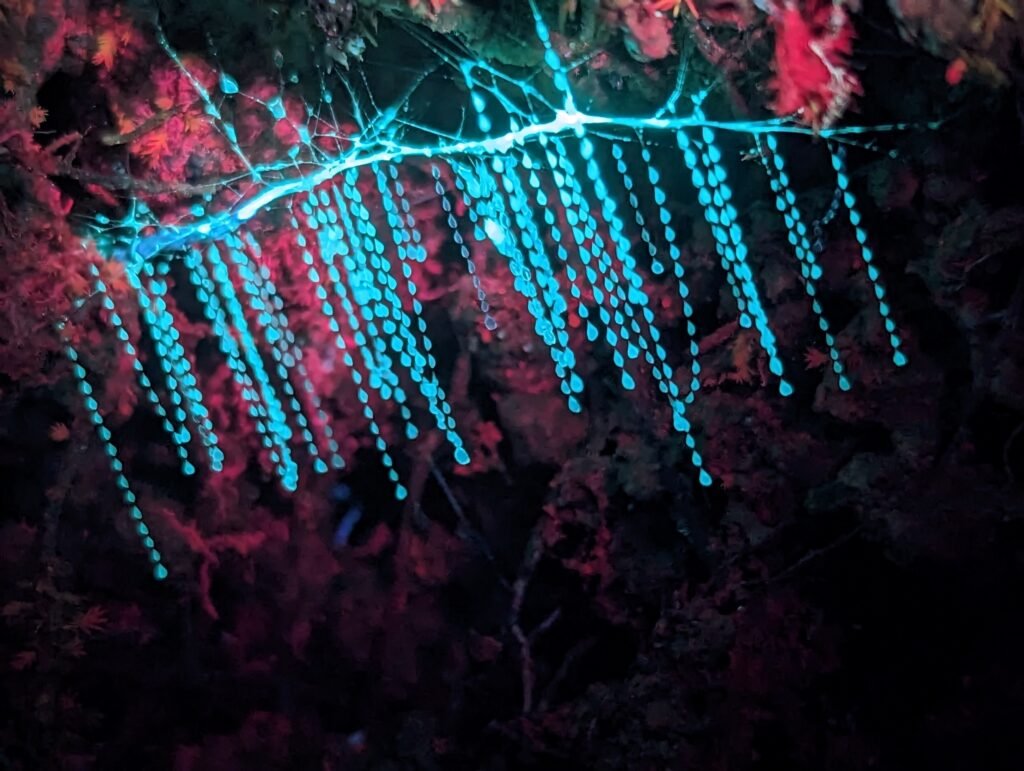
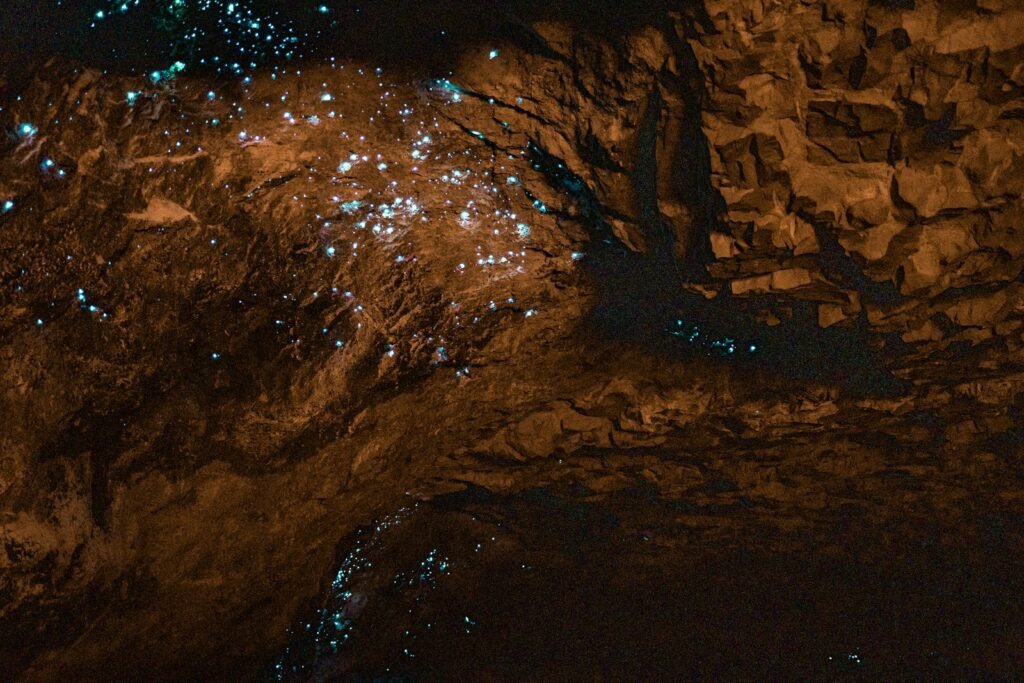
The star attraction of the Waitomo Caves is Arachnocampa luminosa, a species of glowworm native to New Zealand. Despite their name, glowworms are not worms but larvae of a type of fungus gnat. These luminescent larvae hang silk threads from cave ceilings, using their glow to attract prey. The bioluminescence originates from a chemical reaction involving an enzyme called luciferase, creating a soft blue-green light that lights up the caves’ interiors.
The Glowworm’s Life Cycle
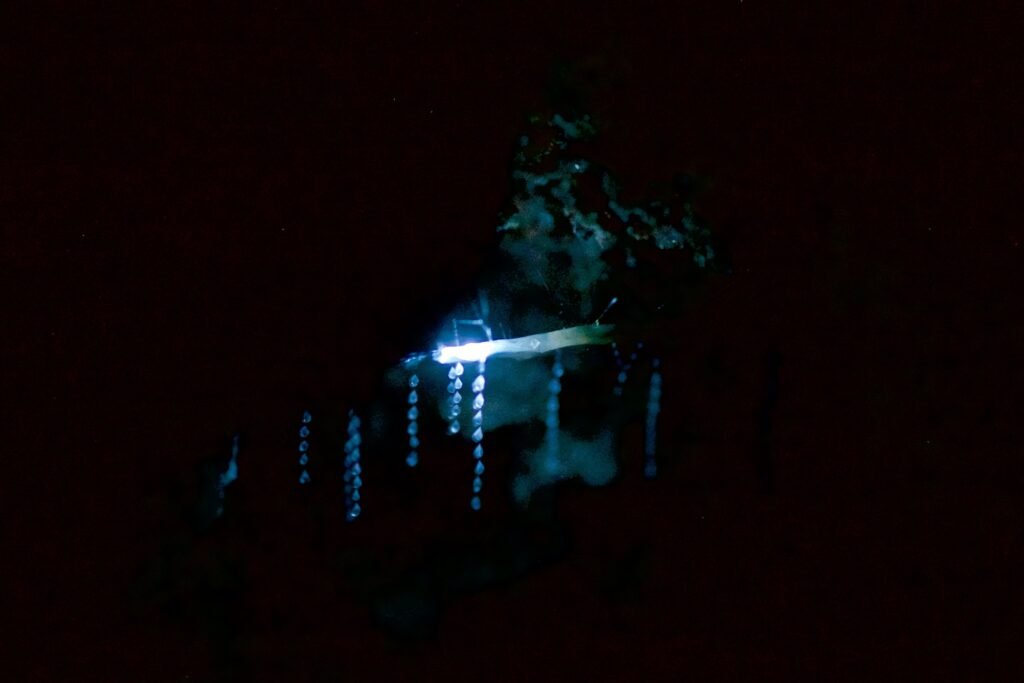
The life cycle of the glowworm is both fascinating and brief. The glowworm starts life as an egg and spends about 11 months as a larva, during which time it is luminescent. It then pupates and emerges as an adult gnat, with a lifespan of only a few days – long enough to mate and lay eggs to continue the cycle.
The Role of Bioluminescence

The bioluminescence produced by glowworms is not just for show; it serves an essential purpose. The light attracts insects that enter the caves, which the glowworms then catch in their sticky silk threads. This ingenious natural trap ensures that these larvae have a constant food supply in the dark, nutrient-scarce cave environment.
Visiting the Waitomo Caves
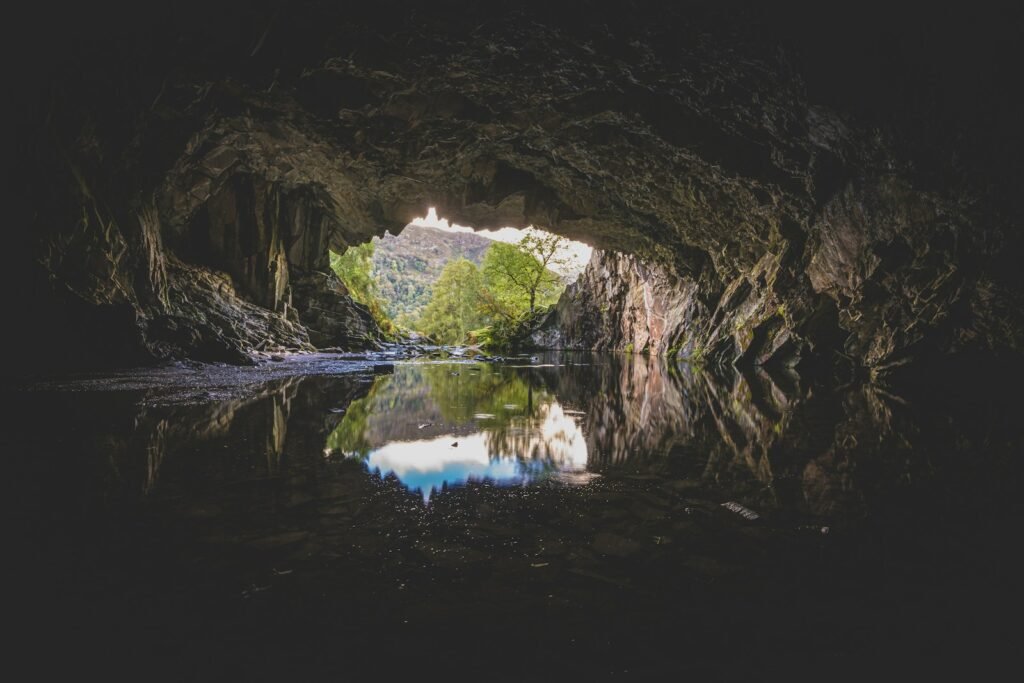
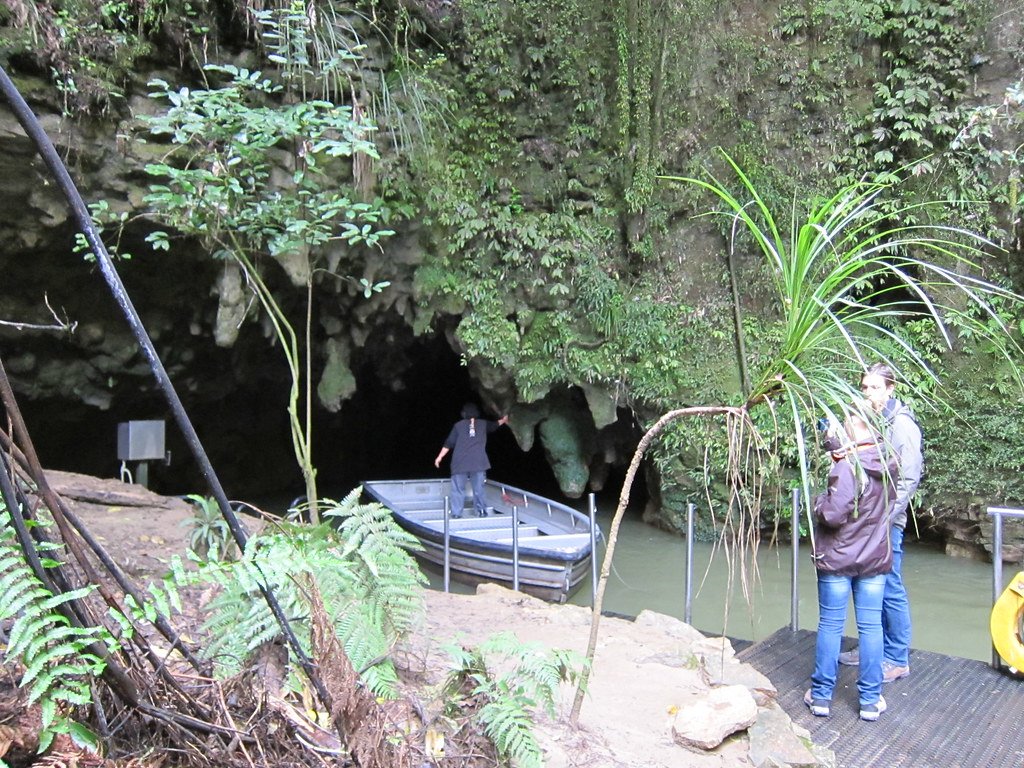
A visit to the Waitomo Glowworm Caves is a breathtaking experience. Guided tours take you through the caves, ending in a boat ride on the underground Waitomo River. As you glide through the darkness, the glowworms’ light reflects in the water, creating a serene and otherworldly atmosphere that is nothing short of magical.
Cultural Significance

The Waitomo Caves are not just a natural wonder; they hold deep cultural significance for the Māori people. The name “Waitomo” comes from the Māori words “wai,” meaning water, and “tomo,” meaning hole or entrance. The caves are regarded as a taonga (treasure) and are protected by the local iwi (tribe).
Conservation Efforts
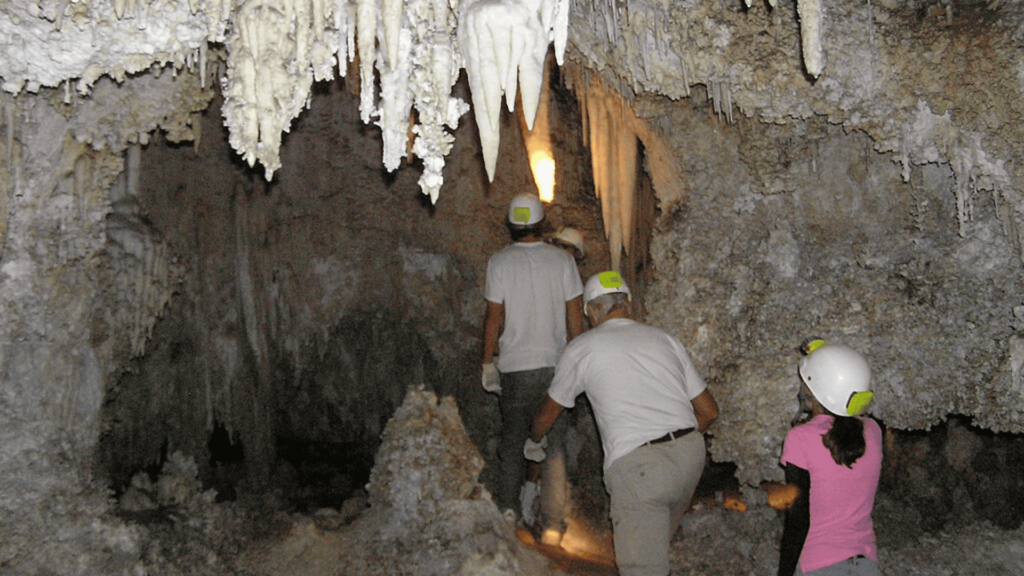
The increasing popularity of the caves has led to concerns about conservation. Efforts are underway to preserve the delicate ecosystem within the caves, ensuring that the glowworms and their habitat are protected. This includes regulating visitor numbers, improving tour guidelines, and maintaining a balance between tourism and preservation.
The Enchanting Atmosphere
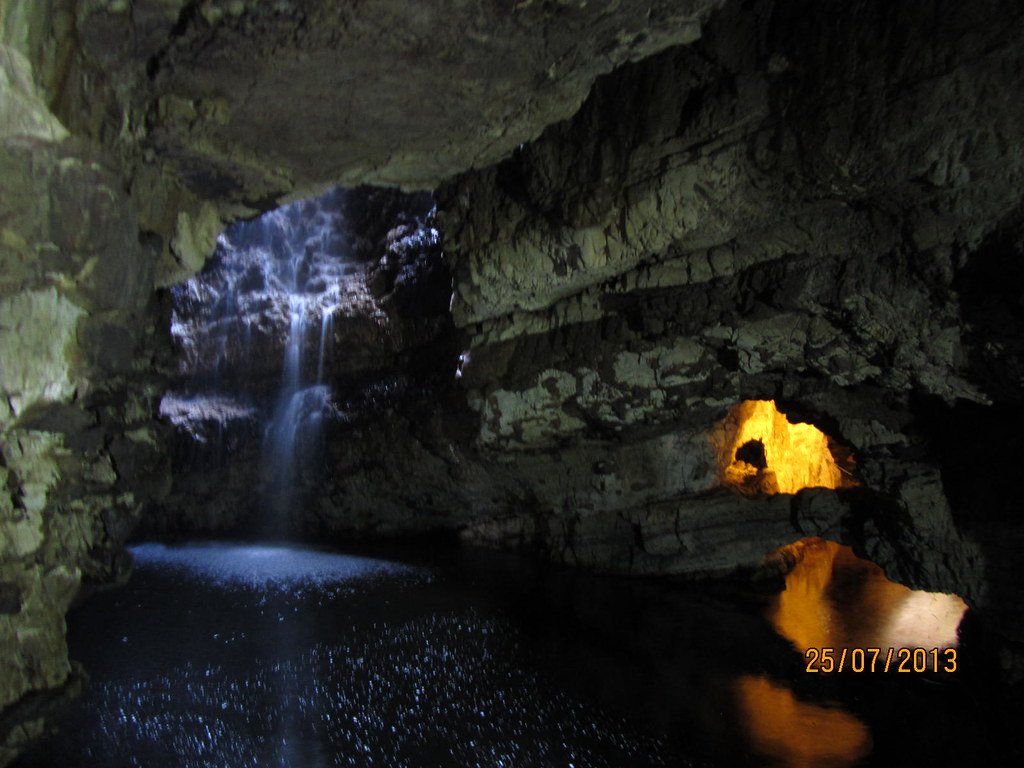
The ethereal beauty of the Glowworm Caves creates an atmosphere of tranquility and awe. The complete silence broken only by the gentle drip of water, combined with the soft glow of the worms, contributes to an experience that feels both intimate and grand. It’s a reminder of the hidden wonders that the natural world holds.
Scientific Research

Scientists are continually studying the glowworms of Waitomo to learn more about their biology and ecological impact. Research into their bioluminescence could even offer insights into scientific applications, such as developing new light sources or understanding evolutionary processes.
Planning Your Visit

When planning a visit to the Waitomo Caves, consider factors like seasonal weather and tour availability. Booking in advance is recommended, especially during peak tourist seasons. Whether you’re a nature enthusiast, a student of biology, or simply seeking a unique adventure, the Waitomo Glowworm Caves offer an unforgettable experience.
Educational Value

The Glowworm Caves provide a fantastic opportunity for educational experiences. Schools and universities frequently organize trips to the caves, allowing students to observe biology and ecology in action and fostering a greater appreciation for the diversity and complexity of natural ecosystems.
Mythology and Lore

Beyond their scientific and ecological intrigue, the caves have also inspired numerous local legends and stories. The mystical glow of the cave ceilings has sparked imaginations and inspired tales that span generations, adding an extra layer of enchantment to these natural landmarks.
Local Attractions
While the glowworm caves are the main draw, the Waitomo region offers other attractions worth exploring. These include limestone formations, guided adventure caving experiences, and scenic walking trails that invite visitors to marvel at the breathtaking landscapes above ground.
Economic Impact

Tourism to the Waitomo Caves has a significant impact on the local economy. It supports businesses and creates jobs, making it an essential industry for the region. As visitor numbers grow, there is ongoing work to ensure that tourism development remains sustainable and beneficial to the local community.
Future of the Waitomo Caves

The future of the Glowworm Caves lies in sustainable tourism and continued conservation efforts. This ensures that future generations can experience the magic and mystery of the caves while preserving them as a natural treasure.
Conclusion
In conclusion, the Glowworm Caves of Waitomo offer a rare glimpse into the beauty and intrigue of our natural world. They stand as a testament to the delicate interplay of light and life, drawing visitors into their depths to witness a truly unique natural phenomenon. As you emerge from the caves, you’ll carry with you not only memories of their remarkable glow but also a renewed appreciation for the wonders of our planet and the importance of preserving such exquisite environments.