Imagine peering into the depths of a lush rainforest and spotting a creature so unique that it seems like a work of art crafted by nature itself. This is the glass frog, a remarkable amphibian with a characteristic that sets it apart from nearly every other animal on Earth: its transparent skin. This fascinating feature allows us to glimpse into its tiny body, offering a rare window into the inner workings of life. The glass frog’s transparency is not just a curious trait; it is a marvel of evolution, providing insights into adaptation and survival in the wild. This article delves into the world of the glass frog, exploring its habitat, behavior, and the science behind its transparent allure.
The Enchanting Habitat of the Glass Frog
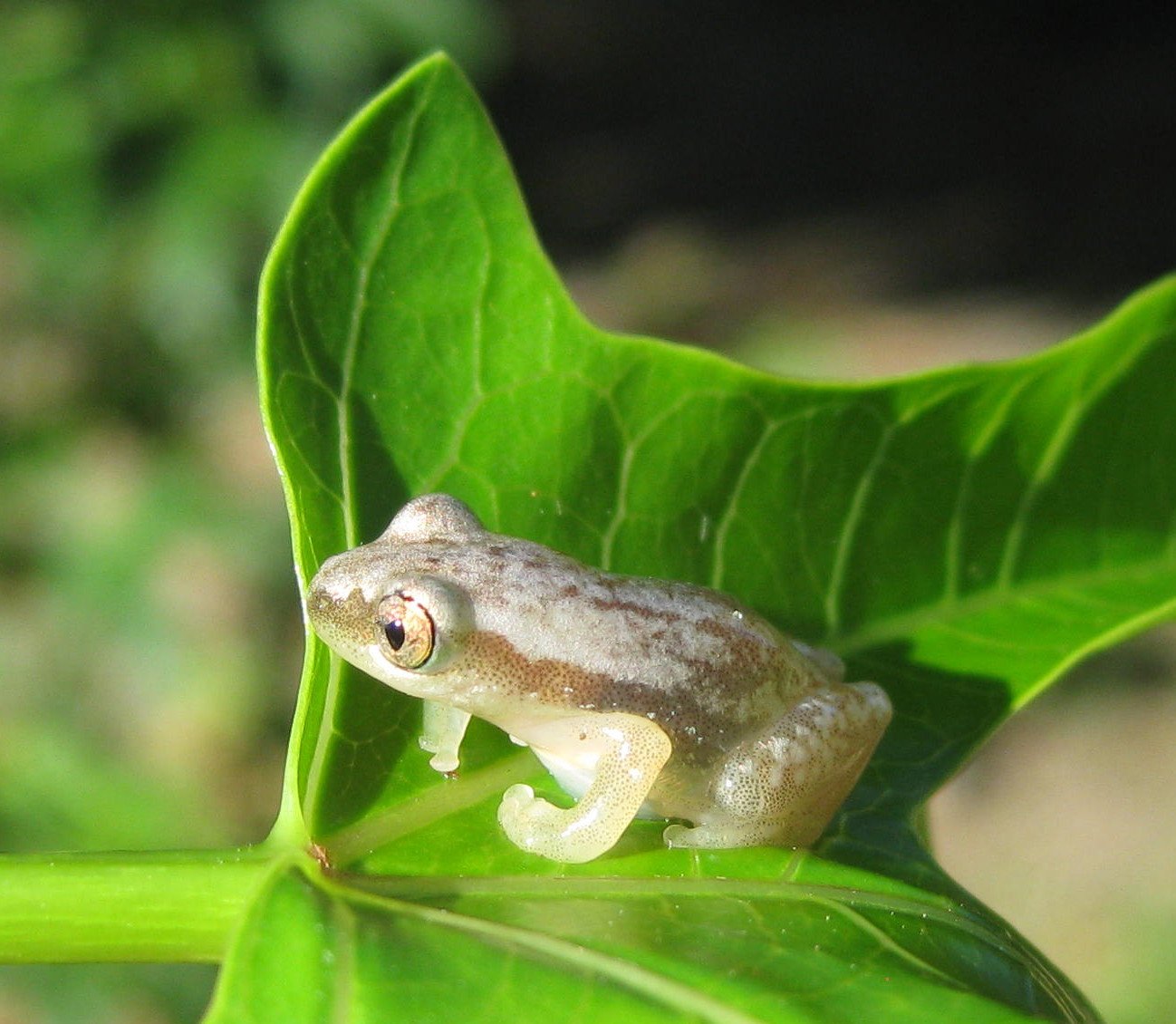
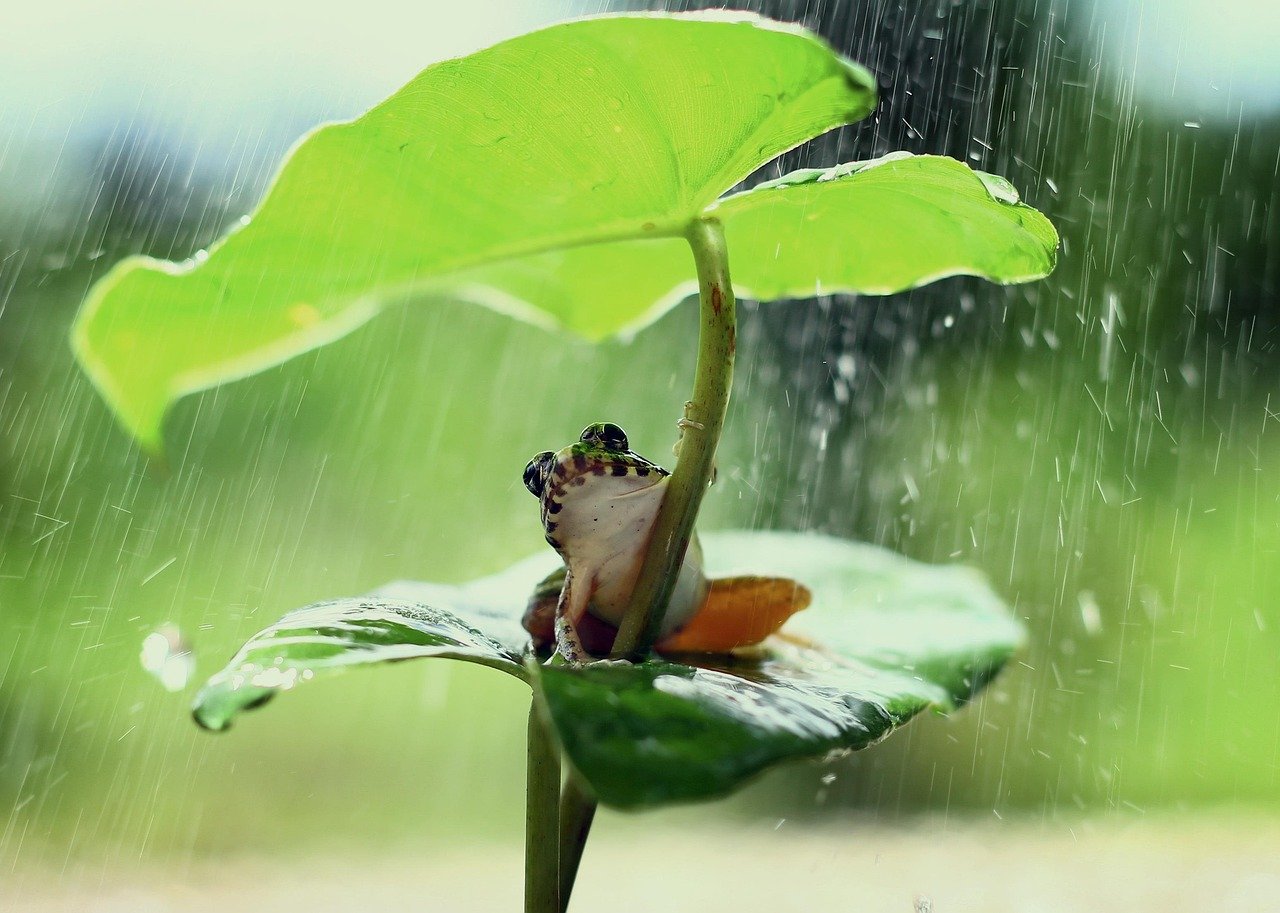
Glass frogs primarily dwell in the lush, humid rainforests of Central and South America. These environments are teeming with biodiversity, providing an ideal backdrop for the glass frog’s unique lifestyle. The dense foliage and constant rainfall create a perfect setting for their survival, offering both camouflage and a rich supply of food. The glass frog is often found perched on leaves overhanging streams, where its translucent skin blends seamlessly with the surroundings. This habitat not only supports their need for moisture and food but also plays a crucial role in their reproductive cycle. The rainforest is a living tapestry, and the glass frog is one of its most delicate threads, thriving in a world where every leaf and raindrop contributes to its existence.
Understanding Transparency: More Than Meets the Eye
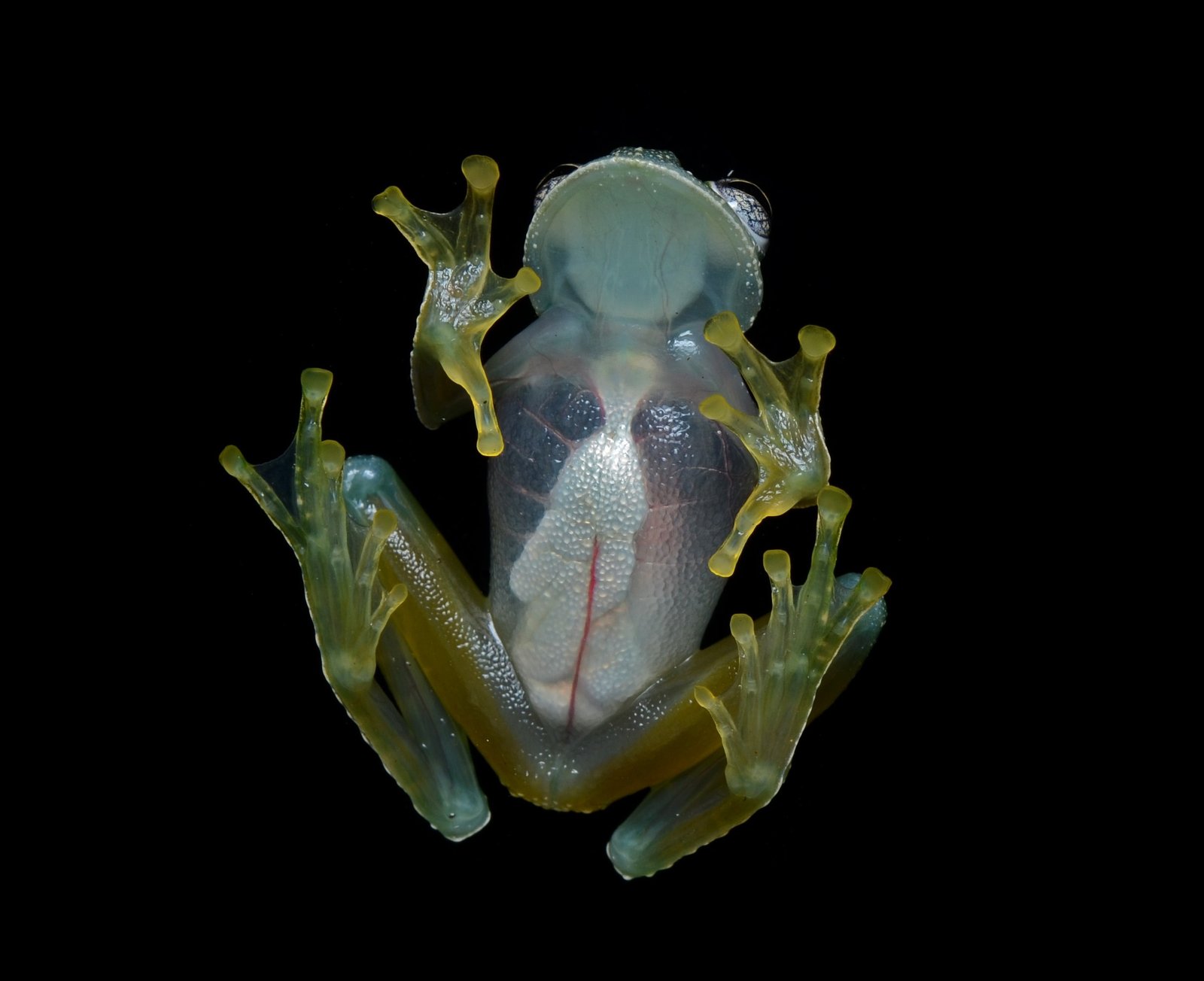
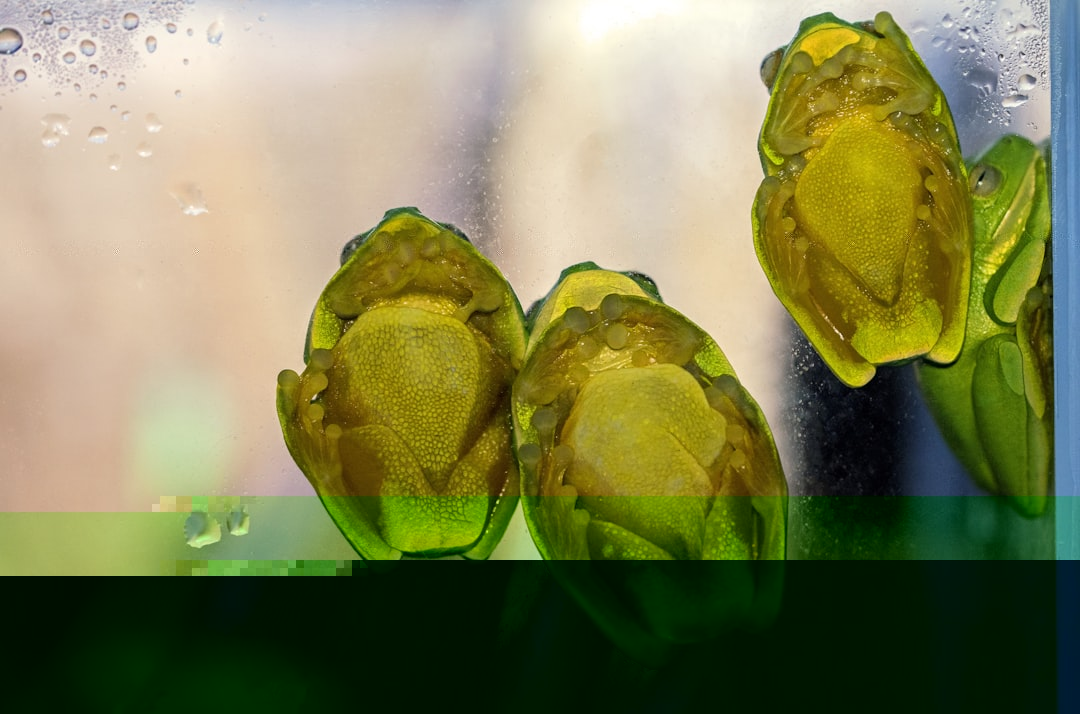
The glass frog’s transparency is a captivating phenomenon that has intrigued scientists and nature enthusiasts alike. This see-through skin is more than a mere curiosity; it is a sophisticated adaptation that serves several purposes. For one, it acts as a form of camouflage, allowing the frog to blend into its leafy surroundings and avoid predators. Additionally, the transparency of their undersides, where their organs are visible, may play a role in thermoregulation, helping them absorb or reflect heat as needed. This remarkable trait is a testament to the power of evolution, showcasing how species develop extraordinary characteristics to thrive in their environments. The glass frog’s transparency is not just a visual spectacle; it is a window into the intricate dance of survival and adaptation.
The Mysterious Breeding Rituals of Glass Frogs
The reproductive habits of glass frogs are as intriguing as their appearance. Males are known for their vocalizations, serenading potential mates with a series of high-pitched calls that echo through the rainforest. Once a pair has formed, the female lays her eggs on the undersides of leaves, often directly above a stream. This strategic placement ensures that when the eggs hatch, the tadpoles can drop directly into the water below, beginning their aquatic life phase. The male often guards the eggs, displaying a surprising level of parental care. This behavior highlights the importance of the rainforest habitat, as it provides the necessary conditions for successful reproduction and the continuation of the species.
Threats and Conservation: Protecting a Fragile Wonder
Despite their enchanting presence, glass frogs face numerous threats, primarily due to habitat destruction and climate change. Deforestation and the conversion of forested areas into agricultural land pose significant risks to their survival. Additionally, pollution and climate fluctuations impact the delicate ecosystems that glass frogs call home. Conservation efforts are crucial to preserving these unique creatures and their habitats. Protecting the rainforests where they live not only safeguards the glass frogs but also countless other species that share their environment. Raising awareness and supporting conservation initiatives are vital steps in ensuring that these transparent wonders continue to thrive for generations to come.
A Glimpse into Evolutionary Mastery
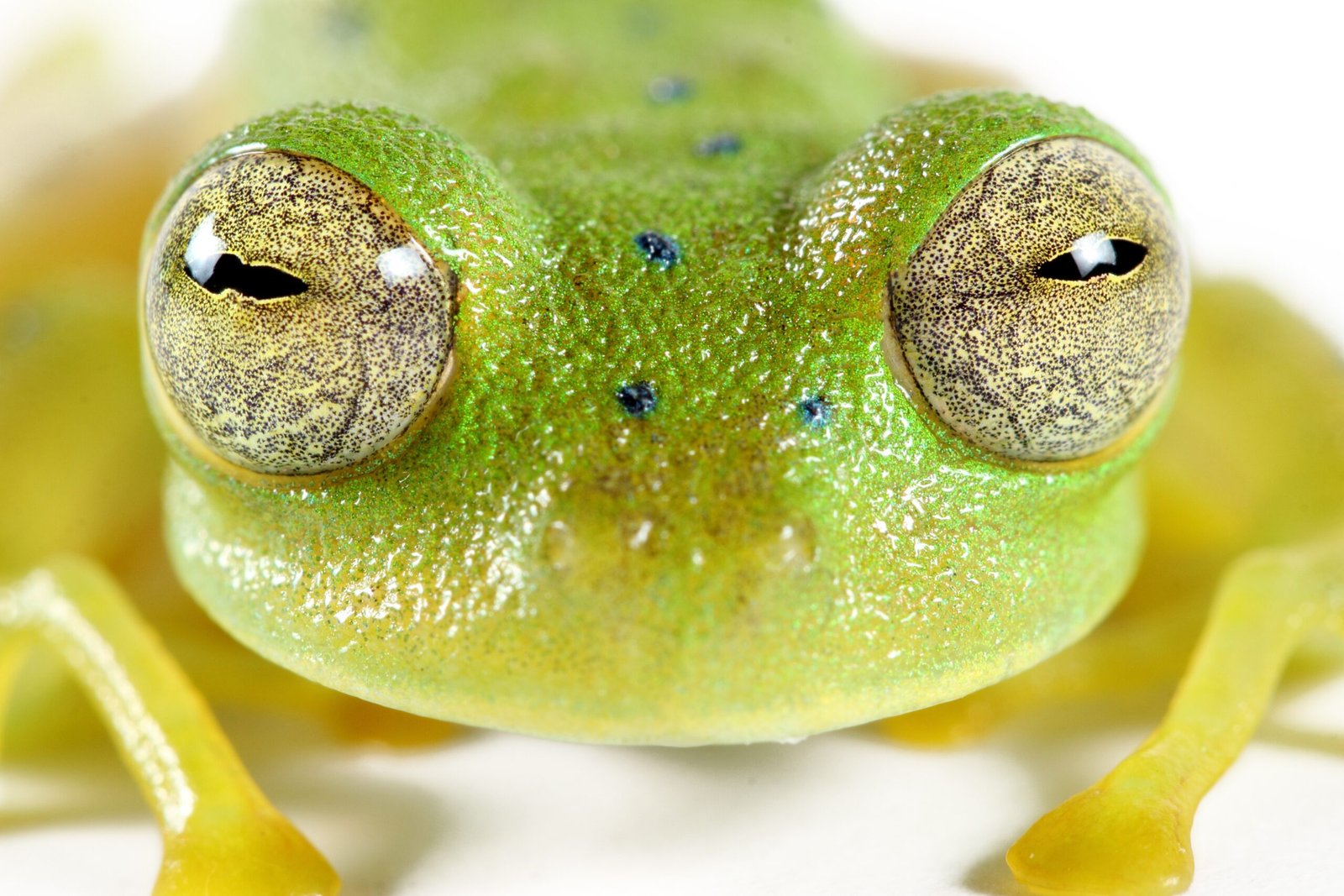
The glass frog’s transparency is a stunning example of evolutionary ingenuity. This trait is not just a random occurrence but a finely tuned adaptation that has developed over millions of years. By studying these frogs, scientists gain valuable insights into the processes of natural selection and adaptation. The glass frog serves as a living reminder of the intricate connections between organisms and their environments. Its transparent body is a testament to the power of evolution, demonstrating how life can adapt in extraordinary ways to meet the demands of survival.
Symbol of Biodiversity: The Glass Frog’s Ecological Role
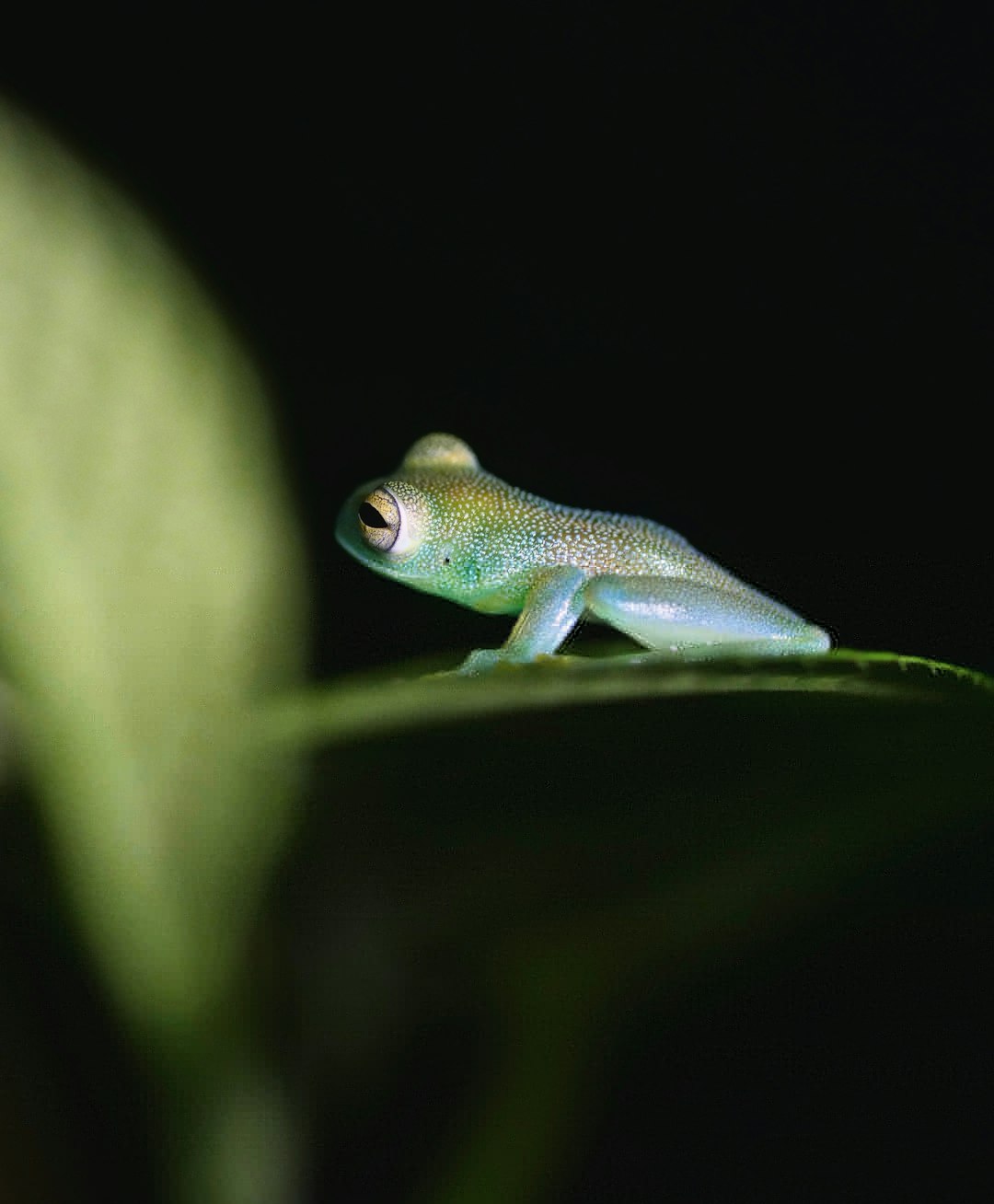
Beyond their captivating appearance, glass frogs play a vital role in their ecosystems. As insectivores, they help control insect populations, maintaining a balance within the rainforest. Their presence indicates a healthy ecosystem, as they are sensitive to environmental changes and pollution. The glass frog is more than just a beautiful creature; it is an integral part of the complex web of life in the rainforest. Its survival is closely tied to the health of its environment, making it a symbol of the delicate balance of biodiversity. Protecting glass frogs contributes to the preservation of entire ecosystems, highlighting the interconnectedness of all living things.
Scientific Curiosity: Advancements in Research
The glass frog continues to be a subject of fascination and study for scientists worldwide. Research into their biology and behavior provides insights into broader scientific questions, from understanding genetic mutations to exploring new methods of camouflage. The study of glass frogs has also led to discoveries about their unique circulatory system and skin structure. These findings have potential applications in medicine and technology, showcasing the broader impact of studying such unique organisms. The glass frog’s transparency is not just a natural wonder; it is a catalyst for scientific exploration and innovation.
Captivating the Human Imagination
The allure of the glass frog extends beyond the scientific community, captivating artists, photographers, and nature enthusiasts. Its delicate beauty and mysterious transparency inspire creativity and wonder, prompting people to explore the natural world with renewed curiosity. The glass frog serves as a reminder of the beauty and complexity of life on Earth, encouraging us to appreciate and protect the natural world. Its ethereal presence invites us to look closer, to see beyond the surface, and to marvel at the intricate details of life that often go unnoticed.
Conclusion: A Call to Preserve and Protect
The glass frog is a testament to the wonders of nature, a living masterpiece of transparency and adaptation. Its existence challenges us to consider the fragility of our planet’s biodiversity and the importance of conservation. As we learn more about these remarkable creatures, we are reminded of the intricate connections that bind all life together. The glass frog invites us to look beyond the ordinary, to appreciate the extraordinary, and to take action to preserve the natural world for future generations. In protecting the glass frog, we protect a piece of the Earth’s intricate tapestry of life.