Deep within the frozen wilderness of Canada’s Yukon Territory, where temperatures plummet to bone-chilling extremes and ice has remained untouched for millennia, scientists have discovered something extraordinary. Hidden beneath layers of ancient ice live microscopic organisms that challenge everything we thought we knew about life on Earth. These glacier bacteria aren’t just surviving in one of the planet’s most hostile environments—they’re thriving, and they’ve been doing so for thousands of years.
The Frozen Time Capsules of the North

Imagine opening a time capsule that’s been sealed for 15,000 years. That’s exactly what happens when researchers drill into Yukon’s ancient glaciers. Each ice core tells a story of our planet’s past, but the most shocking discovery isn’t the climate data—it’s the living organisms trapped inside. These bacteria have been in a state of suspended animation, waiting patiently in their icy prison for the right moment to spring back to life. When scientists melt these ice samples in sterile laboratory conditions, they witness something that seems almost magical: ancient life awakening from its frozen slumber. The implications of this discovery extend far beyond the frozen landscapes of the Yukon, potentially reshaping our understanding of life’s limits and possibilities.
Survivors of the Ice Age
The bacteria found in Yukon glaciers aren’t just old—they’re ancient survivors of the last Ice Age. Some of these microorganisms have been frozen for over 750,000 years, making them older than human civilization itself. Picture this: these tiny life forms were already thriving when woolly mammoths roamed the Earth. What makes their survival even more remarkable is that they’ve endured temperatures as low as -50°C, cosmic radiation, and complete isolation from the outside world. Yet when given the chance, they multiply and carry on with their biological processes as if no time has passed at all. It’s like finding a perfectly preserved library from ancient times, except this library is alive and breathing.
The Microscopic Architecture of Survival

These glacier bacteria have developed extraordinary survival mechanisms that would make even the toughest Arctic explorer jealous. Their cell walls contain special antifreeze proteins that prevent ice crystals from forming inside their bodies—nature’s own antifreeze system. They’ve also mastered the art of slowing down their metabolism to almost zero, entering a state similar to hibernation but far more extreme. Some species produce protective compounds that shield them from harmful radiation, while others have developed unique DNA repair systems to fix damage accumulated over millennia. Think of them as microscopic superheroes, each equipped with their own set of survival superpowers. These adaptations aren’t just impressive—they’re providing scientists with blueprints for understanding how life might survive in other extreme environments, including outer space.
Purple, Pink, and Green: The Colorful World of Ice Bacteria
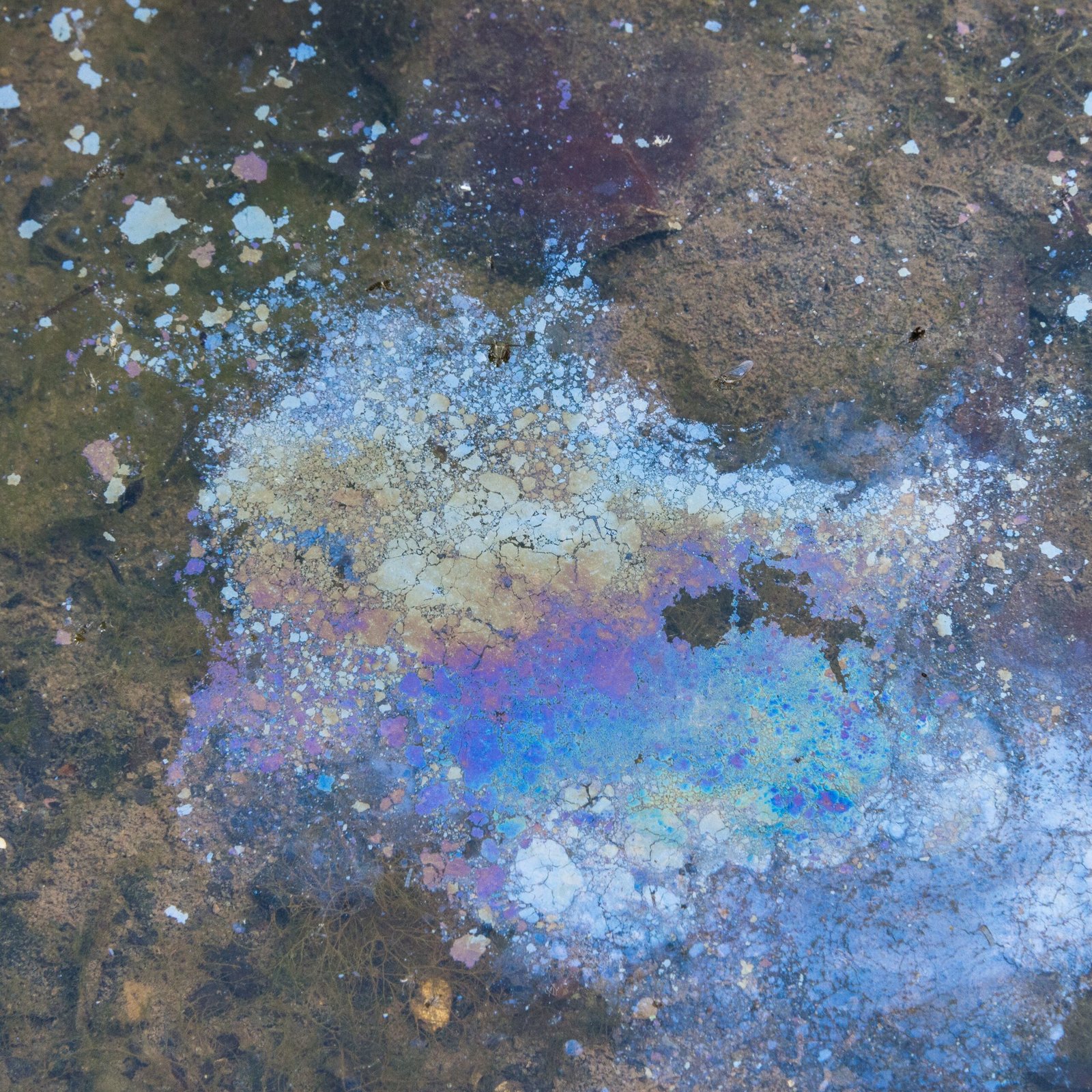
Contrary to what you might expect, the world of glacier bacteria is surprisingly colorful. Many of these microorganisms produce vibrant pigments that serve as natural sunscreens, protecting them from intense UV radiation that bounces off the ice. Some bacteria appear bright purple due to compounds called carotenoids, while others glow pink or even green. These aren’t just pretty colors—they’re sophisticated survival tools that help bacteria photosynthesize and generate energy even in the harsh conditions of a glacier. When researchers examine ice cores under special lighting, they often see rainbow-like streaks of living color frozen in time. It’s as if nature decided to paint a masterpiece using the smallest brushes imaginable, creating art that can only be seen through a microscope.
The Metabolic Mysteries of Frozen Life

How do you eat when you’re frozen solid for thousands of years? Glacier bacteria have solved this puzzle in ways that continue to baffle scientists. Some species have learned to digest organic matter that’s been trapped in the ice alongside them, essentially eating their prehistoric neighbors. Others have developed the ability to extract energy from minerals in the ice itself, turning rocks into food through chemical processes we’re only beginning to understand. The most surprising discovery is that some bacteria can actually remain metabolically active at temperatures well below freezing, carrying out life processes at a pace so slow it’s almost imperceptible. It’s like watching life in extreme slow motion, where a single chemical reaction might take years to complete. This challenges our fundamental understanding of what it means to be alive.
Ancient DNA and Genetic Time Machines

The genetic material preserved in glacier bacteria represents one of the most intact ancient DNA libraries on Earth. Unlike DNA found in fossils, which is usually fragmented and degraded, the genetic code of these bacteria remains remarkably well-preserved thanks to the stable freezing conditions. Scientists can read the genetic history of these organisms like pages in a book, tracing evolutionary changes across millennia. Some bacteria carry genes that are no longer found in their modern relatives, making them living fossils of genetic diversity. This preserved genetic information is helping researchers understand how life evolved and adapted during major climate changes in Earth’s history. It’s like having a conversation with our planet’s biological past, where each bacterium tells a story of survival and adaptation.
The Yukon’s Unique Glacial Ecosystem

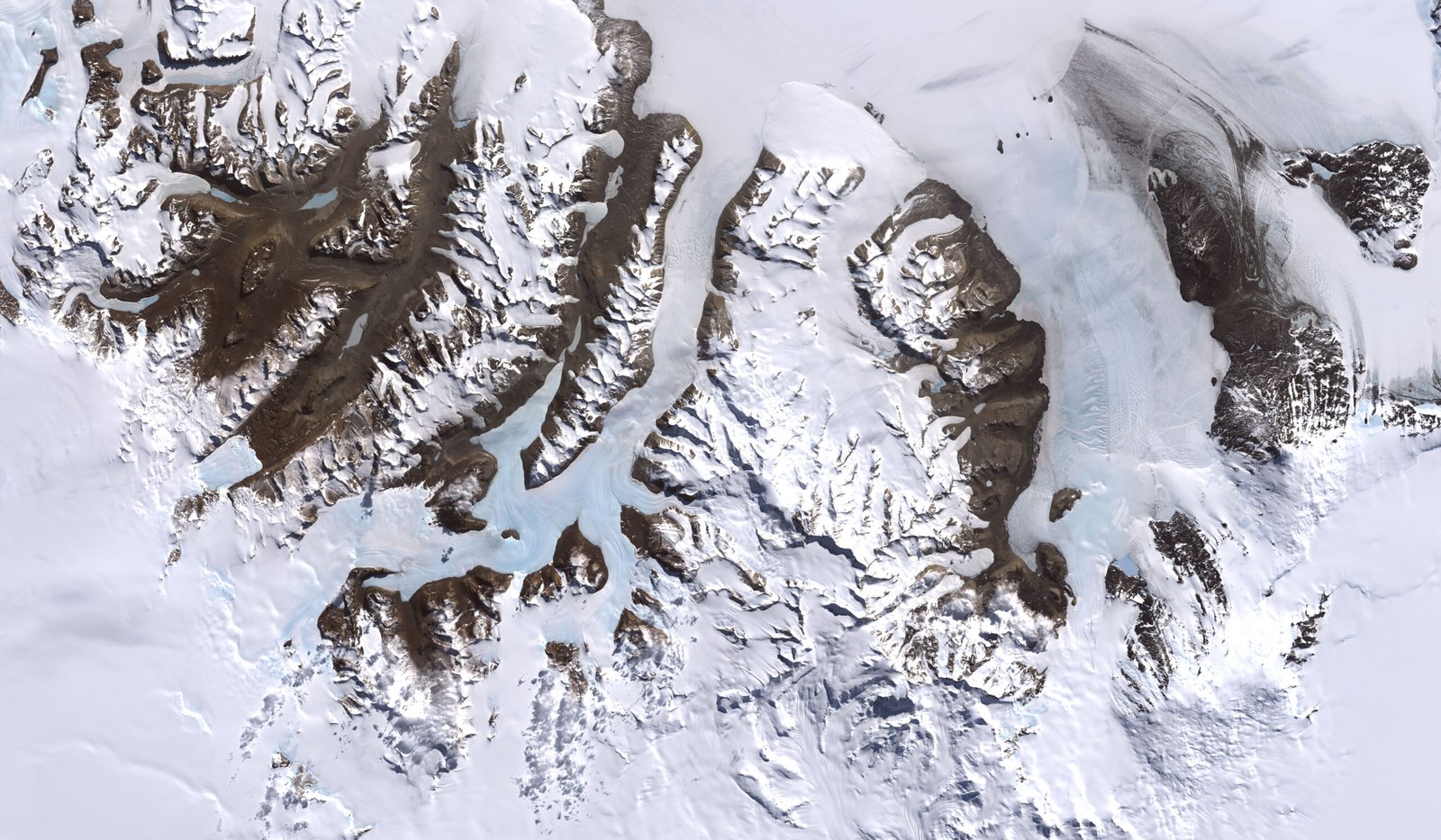
The glaciers of the Yukon Territory aren’t just frozen water—they’re complex ecosystems teeming with microbial life. The region’s unique geography, with its high altitude and stable climate conditions, creates perfect conditions for preserving ancient life forms. Unlike glaciers in more temperate regions that experience regular melting and refreezing, Yukon’s glaciers maintain consistent temperatures that allow bacteria to remain viable for extraordinary periods. The mineral composition of the ice, influenced by the region’s geological history, provides essential nutrients that sustain these microscopic communities. Some glaciers contain distinct layers of different bacterial populations, creating a stratified ecosystem that resembles a frozen apartment building where different species occupy different floors. This ecosystem approach to glacier bacteria is revealing new insights into how life organizes itself in extreme environments.
Awakening the Ancients: Laboratory Resurrections

The process of bringing glacier bacteria back to life reads like science fiction, but it’s happening in laboratories around the world. Scientists carefully extract ice cores from Yukon glaciers, ensuring sterile conditions to prevent contamination from modern bacteria. The ice is then slowly melted in controlled environments while researchers monitor for signs of life. What happens next is nothing short of miraculous: after thousands of years of dormancy, these ancient bacteria begin to multiply, their colonies growing on nutrient-rich media like gardens blooming after a long winter. The first signs of life often appear within hours or days, as if these organisms were just waiting for the right conditions to continue their interrupted existence. Watching these resurrections unfold gives scientists a profound appreciation for life’s resilience and adaptability.
Climate Change and the Race Against Time

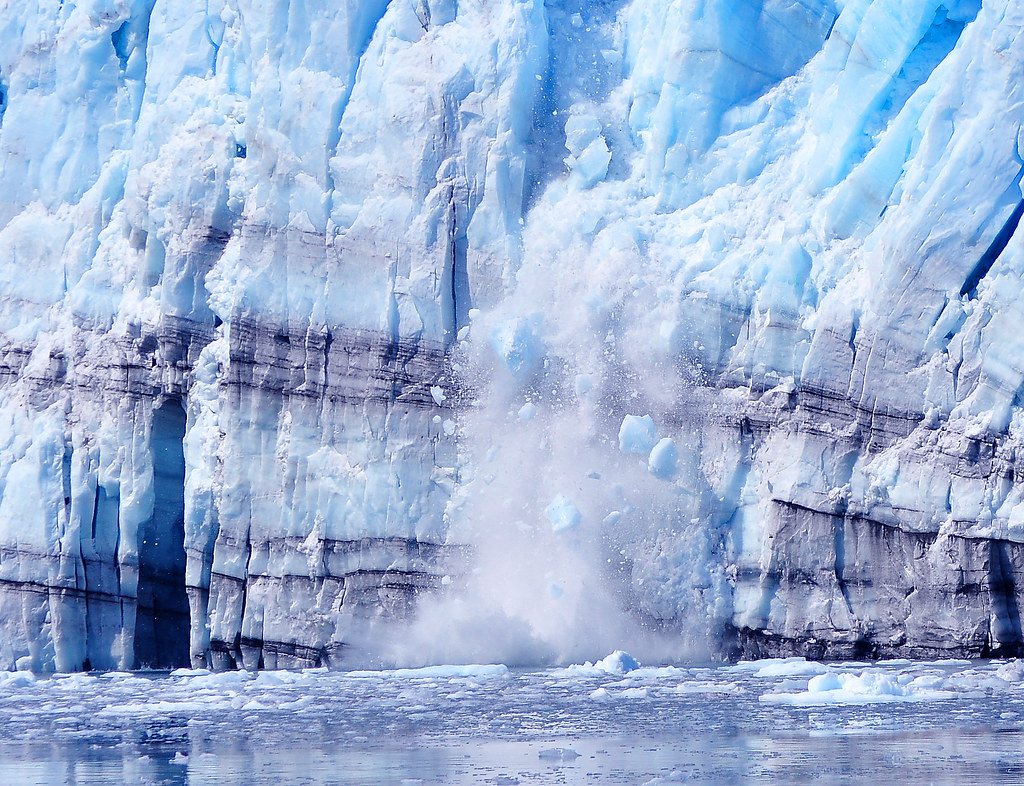
As global temperatures rise, the ancient ice archives of the Yukon are melting at an alarming rate. Each year, thousands of years of preserved biological history disappear as glaciers retreat and ancient ice layers are exposed to the atmosphere. This creates an urgent race against time for scientists trying to catalog and preserve these bacterial treasures before they’re lost forever. The melting isn’t just destroying individual specimens—it’s erasing entire evolutionary lineages that took millennia to develop. Some researchers describe it as watching a library burn down in slow motion, except the books being destroyed contain secrets about life’s deepest mysteries. The window of opportunity to study these ancient organisms is closing rapidly, making current research efforts more critical than ever.
Extremophiles and the Limits of Life

Glacier bacteria belong to a special group of organisms called extremophiles—life forms that thrive in conditions that would kill most other living things. These Yukon bacteria are pushing the boundaries of what scientists consider habitable, surviving in environments with virtually no liquid water, extreme cold, and high radiation levels. Their existence challenges the traditional “habitable zone” concept and suggests that life might be possible in places we never imagined. Some species can survive being completely dehydrated, while others can withstand pressure equivalent to being crushed under several tons of ice. By studying these extreme survivors, scientists are expanding the definition of where life might exist, both on Earth and potentially on other planets with harsh conditions.
The Biochemical Treasures of Ancient Ice

The metabolic pathways of glacier bacteria are producing compounds that could revolutionize medicine and industry. Some bacteria create natural antibiotics that are effective against modern drug-resistant pathogens, while others produce enzymes that remain active at extremely low temperatures. These cold-adapted enzymes are particularly valuable for industrial processes that require low-temperature reactions, from food preservation to biotechnology applications. Researchers have discovered bacteria that produce unique proteins with properties unlike anything found in modern organisms, opening possibilities for new materials and medicines. The pharmaceutical potential of these ancient microorganisms is staggering—they represent millions of years of evolutionary experimentation in chemical warfare and survival, all preserved in ice. Each newly discovered compound could lead to breakthrough treatments for diseases that currently have no cure.
Astrobiology and the Search for Extraterrestrial Life
The glacier bacteria of the Yukon are serving as models for understanding how life might exist on other planets. Mars, Europa, and Enceladus all have icy environments that share similarities with Yukon glaciers, making these bacteria valuable analogs for potential alien life. NASA and other space agencies study these organisms to understand how life detection missions should be designed and what biosignatures to look for in extraterrestrial ice. The survival strategies developed by Yukon bacteria—from antifreeze proteins to radiation resistance—could be exactly what alien life forms need to survive in the harsh conditions of space. If life can thrive in the extreme conditions of a Yukon glacier for hundreds of thousands of years, then similar organisms might be waiting to be discovered in the ice caps of Mars or the subsurface oceans of Jupiter’s moons. These tiny bacteria are essentially serving as Earth’s ambassadors to the cosmos, showing us what’s possible when life refuses to give up.
The Molecular Clocks of Geological Time

Each glacier bacterium is like a biological clock that’s been ticking for millennia, recording the passage of time through gradual genetic changes. Scientists can analyze these molecular clocks to reconstruct the history of climate change, volcanic eruptions, and other major events that affected the region. The bacterial DNA contains mutations that accumulate at predictable rates, allowing researchers to date different ice layers with remarkable precision. This makes glacier bacteria invaluable tools for understanding past climate conditions and predicting future environmental changes. Some bacteria show genetic evidence of adapting to specific historical events, like volcanic winters or asteroid impacts, providing a biological record of Earth’s most dramatic moments. It’s like having a detailed diary written in the language of DNA, where each entry documents another chapter in our planet’s turbulent history.
Community Dynamics in Frozen Ecosystems

Despite being frozen for millennia, glacier bacteria don’t live in isolation—they form complex communities with intricate relationships and dependencies. Some species produce nutrients that feed others, while different bacteria specialize in breaking down specific types of organic matter. These frozen food webs demonstrate that even in the most extreme conditions, life finds ways to cooperate and compete. Researchers have discovered bacterial communities that include predators and prey, with some species literally eating others to survive the long frozen periods. The social dynamics of these communities are so complex that scientists are still mapping the relationships between different species. Understanding these microbial societies helps researchers predict how ecosystems might respond to environmental changes and how life might organize itself in other extreme environments.
Biotechnology Applications and Industrial Potential

The unique properties of glacier bacteria are opening new frontiers in biotechnology and industrial applications. Their cold-adapted enzymes are being used to develop new cleaning products that work in cold water, reducing energy consumption in laundry and industrial washing processes. Some bacteria produce biodegradable plastics that break down naturally in cold environments, offering solutions to pollution problems in Arctic regions. The antifreeze proteins produced by these organisms are being studied for use in organ preservation, potentially extending the time organs can be stored for transplantation. Food companies are interested in bacterial enzymes that can improve the texture and shelf life of frozen foods without artificial additives. Each new application represents a bridge between ancient survival strategies and modern technological needs, proving that sometimes the oldest solutions are the most innovative.
The Genomic Revolution in Ice

Modern DNA sequencing technology is revealing the genomic secrets of glacier bacteria at an unprecedented pace. Researchers can now read the complete genetic code of these ancient organisms, identifying genes responsible for their remarkable survival abilities. This genomic information is being used to engineer new organisms with enhanced cold tolerance, radiation resistance, and other useful properties. The genetic diversity found in glacier bacteria is enormous, with each species containing unique combinations of survival genes that evolved independently over thousands of years. Scientists are discovering that many of these bacteria have unusually large genomes packed with redundant systems—like having multiple backup generators in case one fails. This genetic redundancy explains how they can survive for so long without repair mechanisms that other organisms depend on.
Cultural and Indigenous Perspectives on Glacial Life

The First Nations peoples of the Yukon have long recognized the spiritual and cultural significance of glaciers, viewing them as sacred places that connect the present to ancestral times. The discovery of ancient life within these glaciers adds a new dimension to these traditional beliefs, literally proving that the ice contains living connections to the past. Some Indigenous communities see the glacier bacteria as ancestors or guardians of the land, entities that have watched over the territory for countless generations. This perspective brings a different understanding to the scientific discoveries, emphasizing the importance of respecting and protecting these ancient life forms rather than simply studying them. The intersection of Indigenous knowledge and scientific research is creating new approaches to glacier conservation that honor both traditional wisdom and modern understanding. These cultural connections remind us that glacier bacteria aren’t just scientific specimens—they’re part of a living landscape with deep historical and spiritual significance.
Conservation Challenges and Ethical Considerations

The study of glacier bacteria raises important ethical questions about our responsibility to preserve ancient life forms. Should we be waking up organisms that have been dormant for millennia, potentially exposing them to a world they’re not adapted to survive in? Some scientists argue that these bacteria have a right to remain undisturbed, while others believe that studying them is essential for understanding life’s potential and developing solutions to modern problems. The rapid melting of glaciers adds urgency to these debates, as researchers face the choice between preservation and study. International agreements are being developed to govern the collection and study of glacier bacteria, ensuring that research is conducted responsibly and with respect for the organisms involved. These discussions are setting precedents for how we should approach the discovery and study of ancient life forms in the future.
The Future of Glacier Bacterial Research
As technology advances, our ability to study glacier bacteria is becoming more sophisticated and less invasive. New methods allow researchers to analyze bacterial communities without fully thawing ice samples, preserving more of the original ecosystem while still gathering valuable data. Artificial intelligence is being used to predict which bacterial species are most likely to survive different environmental conditions, helping prioritize conservation efforts. Future research missions are being planned to study glacier bacteria in real-time, using advanced sensors and robotics to monitor bacterial activity within the ice itself. Scientists envision a future where we can communicate with these ancient organisms through chemical signals, learning about Earth’s history directly from the life forms that witnessed it. The next decade promises to bring revolutionary discoveries that will further expand our understanding of life’s possibilities and our planet’s biological heritage.
Implications for Human Health and Medicine

The medical potential of glacier bacteria extends far beyond simple antibiotic production. These organisms have evolved unique immune systems and stress-response mechanisms that could inspire new treatments for human diseases. Some bacteria produce compounds that protect against radiation damage, offering potential applications in cancer treatment and space medicine. Their ability to enter and exit dormant states is providing insights into aging processes and how to extend healthy lifespan. Researchers are studying how glacier bacteria repair DNA damage accumulated over thousands of years, potentially leading to breakthrough treatments for genetic disorders. The anti-inflammatory compounds produced by some species show promise for treating autoimmune diseases and chronic pain conditions. Every new bacterial species discovered represents thousands of years of natural pharmaceutical research and development, offering solutions to medical challenges we haven’t even learned to formulate yet.
The glacier bacteria of the Yukon represent one of the most extraordinary discoveries in modern biology, challenging our fundamental understanding of life’s limits and possibilities. These ancient microorganisms have survived in frozen suspended animation for hundreds of thousands of years, preserving not just their own existence but also a biological record of Earth’s climatic and evolutionary history. Their unique survival mechanisms, from antifreeze proteins to radiation resistance, are inspiring new biotechnologies and medical treatments while expanding our concept of where life might exist throughout the universe. As climate change threatens these frozen archives, the race to study and preserve these microbial treasures becomes increasingly urgent, representing both a scientific imperative and an ethical responsibility to future generations. What secrets might these ancient survivors reveal about life’s ultimate potential?