
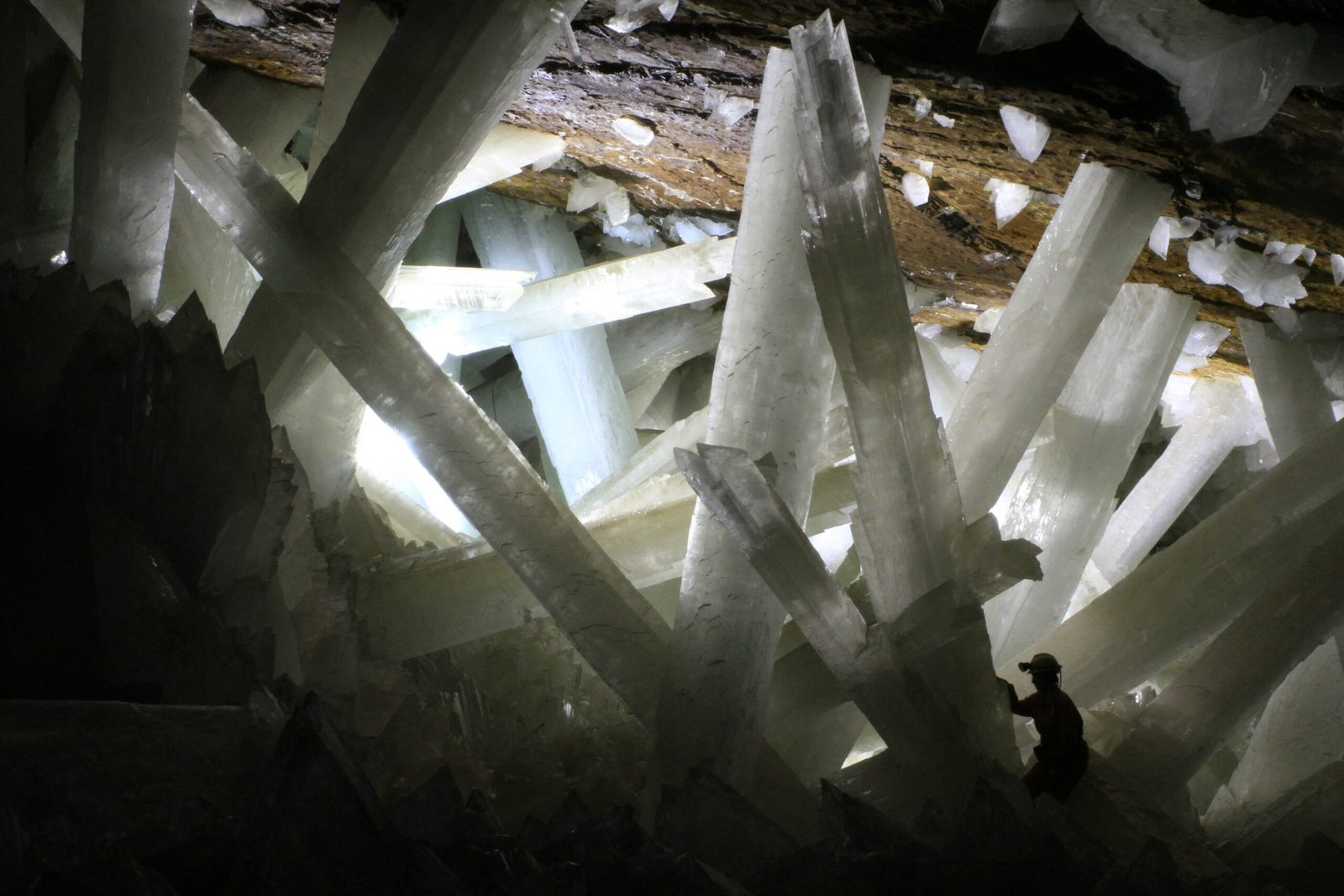
Picture this: you’re standing at the entrance of what looks like Superman’s Fortress of Solitude, but instead of ice, you’re surrounded by massive crystals that tower above you like ancient skyscrapers. The air is so thick with heat and humidity that every breath feels like drinking soup, and your body starts screaming for relief within minutes. Welcome to the most beautiful death trap on Earth – the Giant Crystal Caves of Naica, Mexico.
The Discovery That Changed Everything
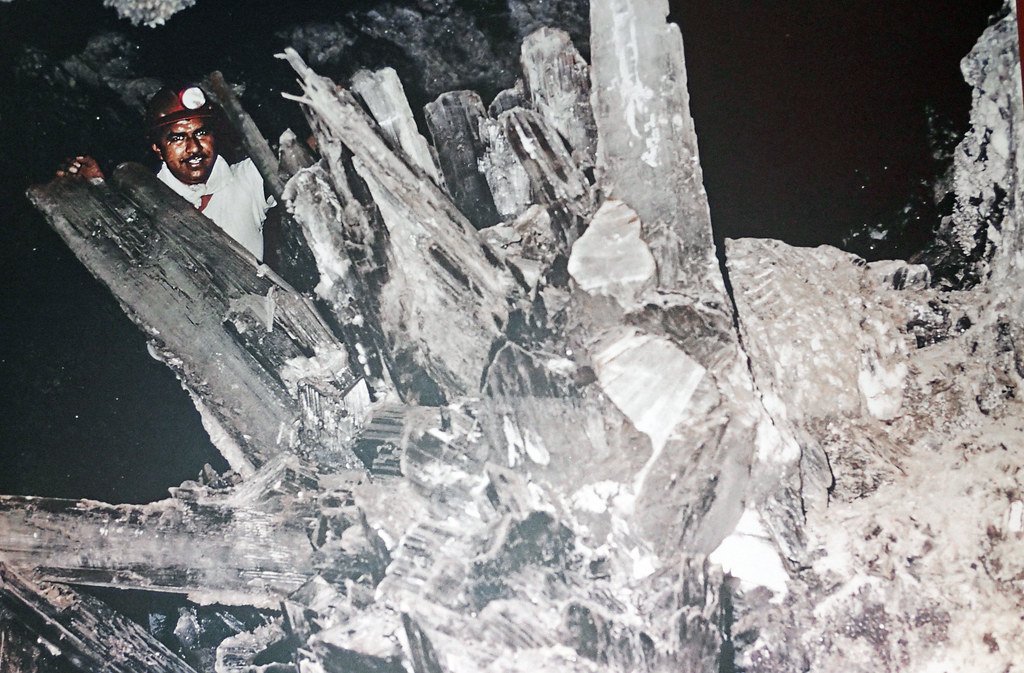
Two brothers, Juan and Pedro Sánchez, were just doing their job in 2000 when they accidentally drilled into what would become one of the most spectacular geological discoveries of the 21st century. Working 980 feet below ground in the Naica Mine, they expected to find lead, zinc, and silver – the usual suspects that had made this mine profitable for over a century.
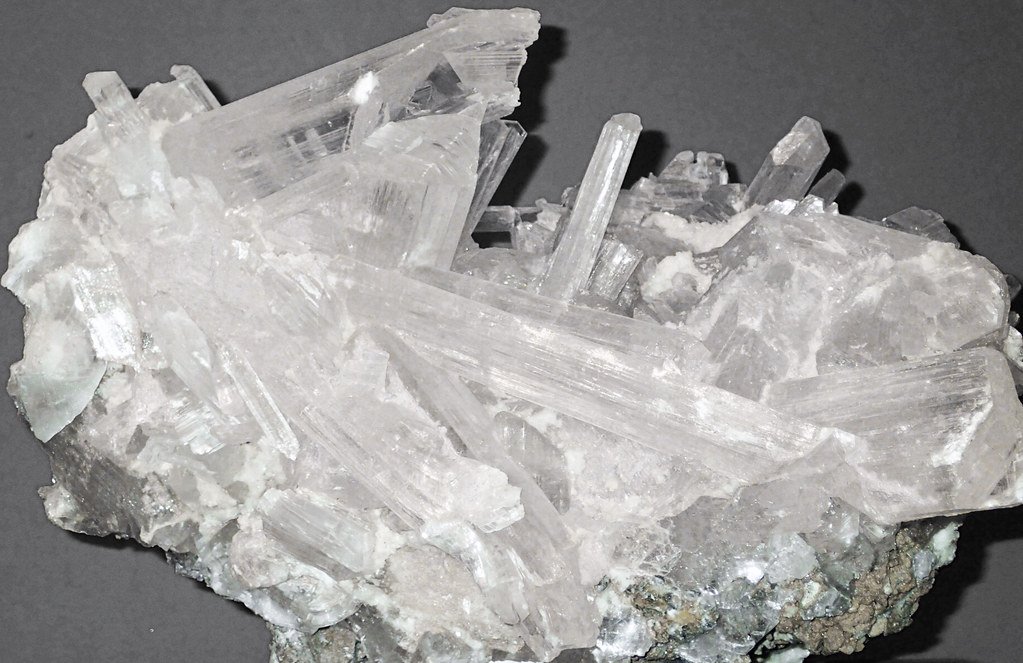
Instead, they broke through into a chamber that defied all logic and imagination. Before them stretched a cathedral-sized cavern filled with enormous selenite crystals, some reaching lengths of 39 feet and weighing as much as 55 tons. The discovery was so extraordinary that scientists initially thought the photographs were fake.
A Geological Marvel 500,000 Years in the Making
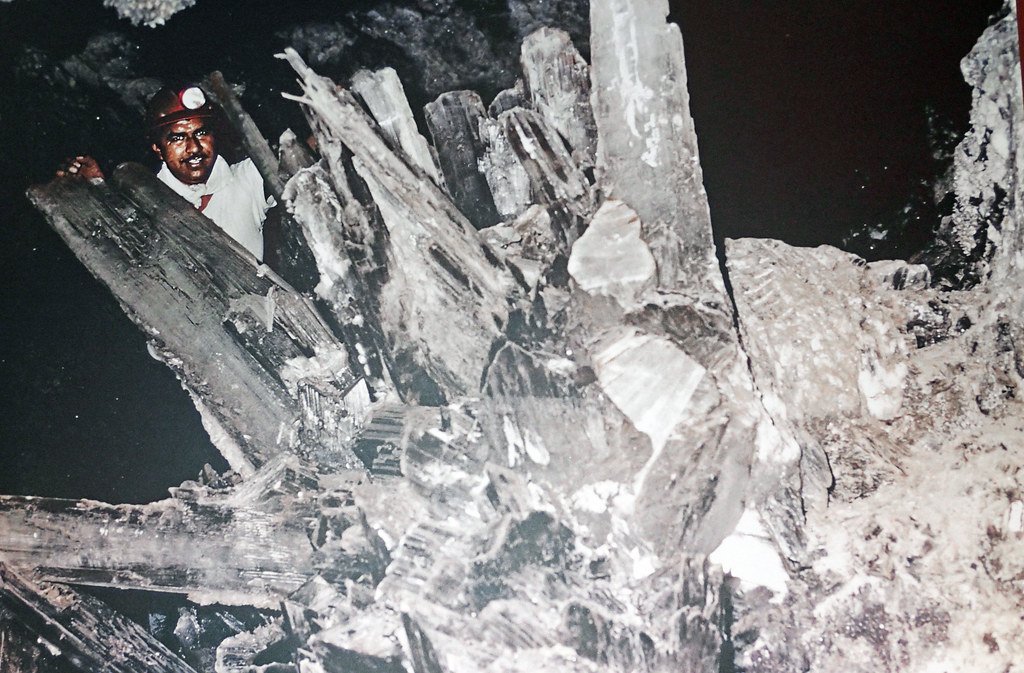
These crystals didn’t form overnight like some geological lottery win. For approximately half a million years, the caves sat submerged in mineral-rich groundwater heated by a magma chamber deep below. The temperature remained steady at around 136°F (58°C), creating perfect conditions for selenite crystals to grow at an incredibly slow pace.
Think of it like nature’s most patient art project – each crystal growing grain by grain, molecule by molecule, in conditions so precise that even the slightest change would have ruined the entire masterpiece. The result is a display of natural architecture that makes human engineering look like child’s play.
The Killer Heat That Guards These Treasures

The Cave of Crystals maintains a constant temperature of 136°F (58°C) with humidity levels reaching 90-99%. To put this in perspective, that’s hotter than the hottest sauna you’ve ever experienced, combined with the oppressive humidity of a tropical rainforest during monsoon season.
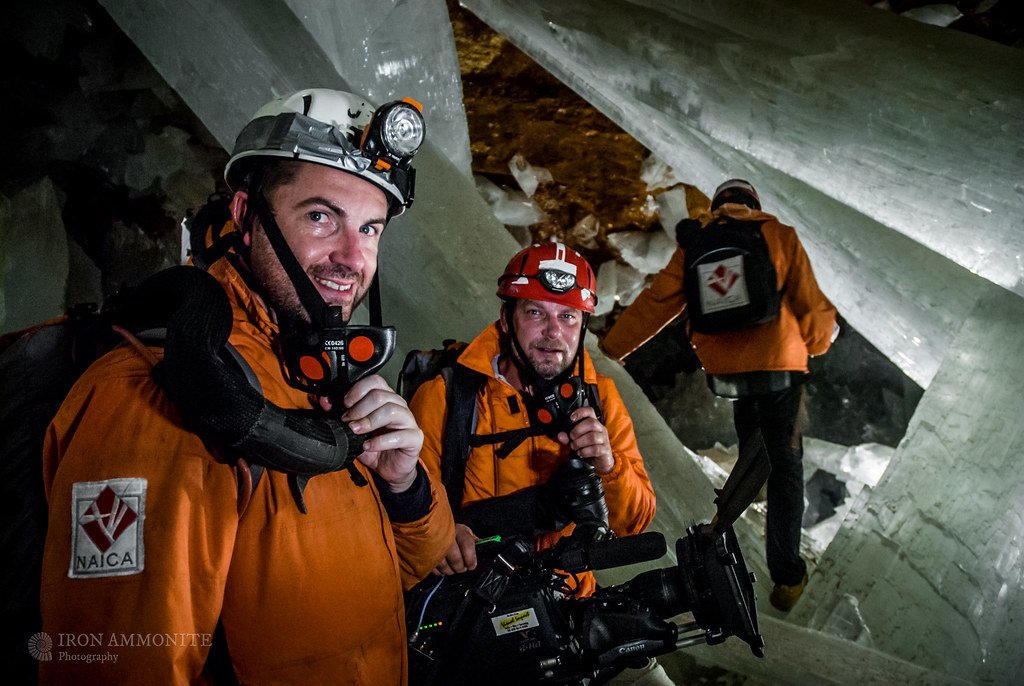
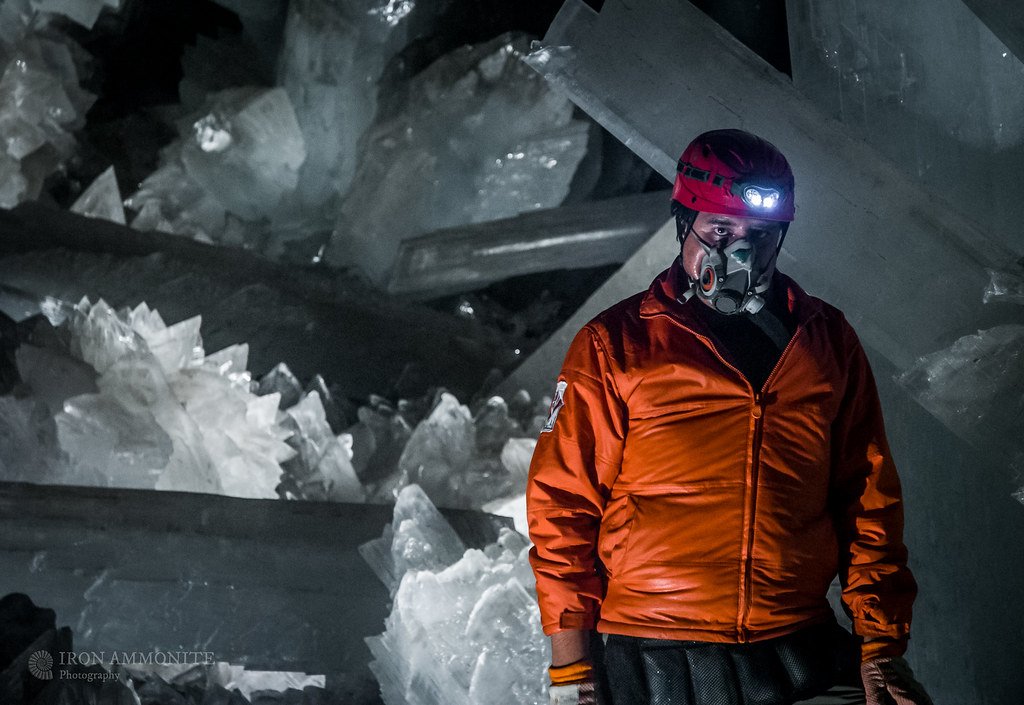
Without proper cooling suits, humans can only survive in these conditions for about 10-15 minutes before risking death from hyperthermia. Even with specialized equipment, researchers typically limit their exposure to 30-45 minutes. The heat isn’t just uncomfortable – it’s literally life-threatening, turning the human body into a biological pressure cooker.
Your sweat can’t evaporate in this environment, meaning your body’s natural cooling system becomes completely useless. It’s like trying to cool off with a broken air conditioner in Death Valley.
The Science Behind the Superhuman Crystal Growth
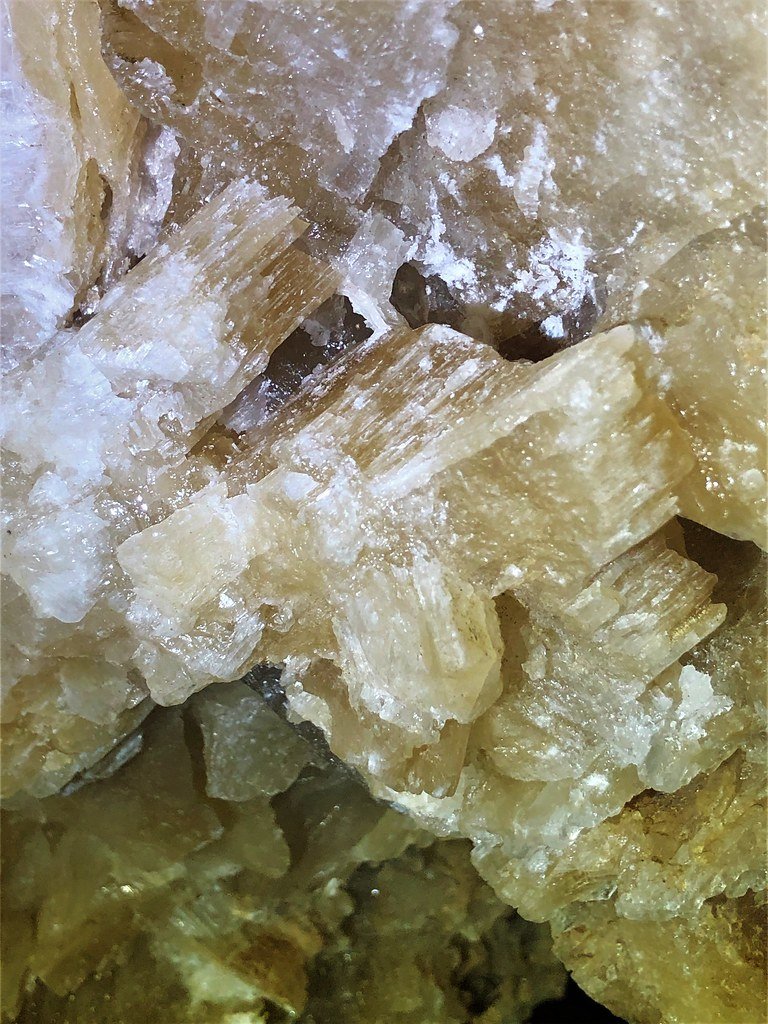
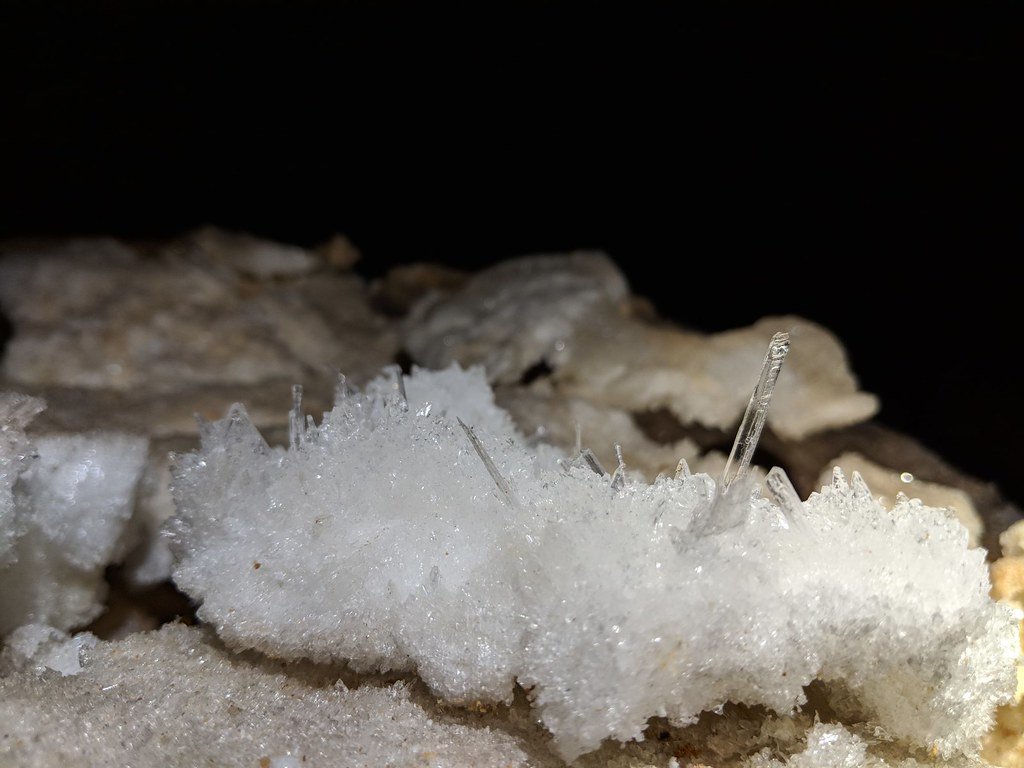
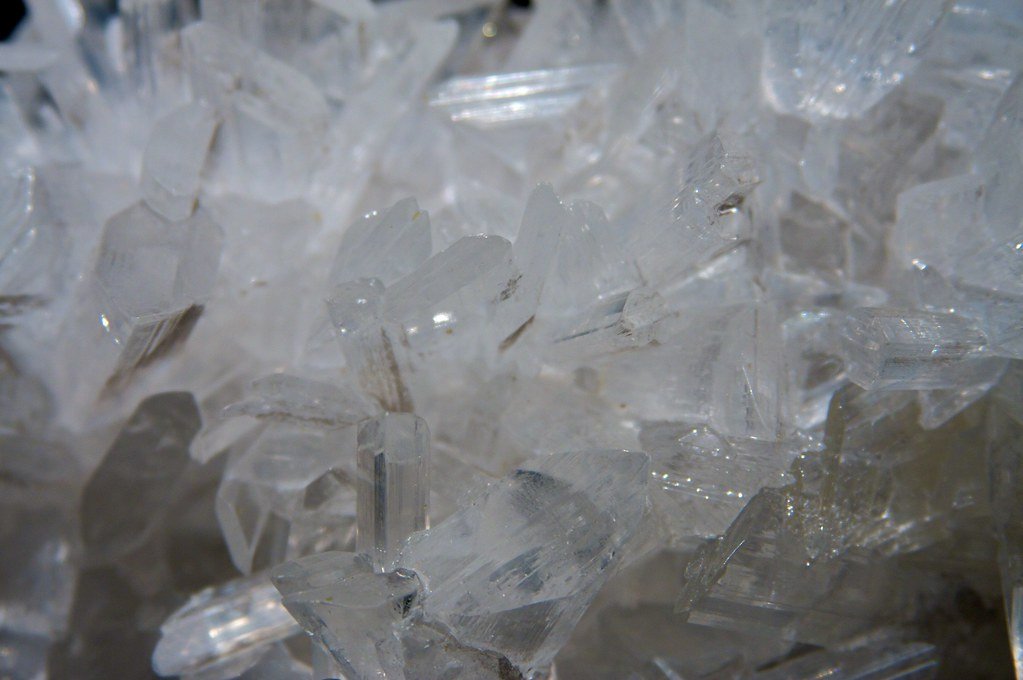
Selenite, a crystalline form of gypsum, typically forms small, delicate crystals that you might find in a geology classroom. But the Naica caves created a perfect storm of conditions that allowed these crystals to grow to unprecedented sizes. The key factors were unwavering temperature, mineral-saturated water, and most importantly, time – lots and lots of time.
The chemical process involved calcium sulfate dissolving in the heated groundwater, then slowly precipitating out as the water cooled just slightly. This happened over hundreds of thousands of years, with each crystal growing at a rate of about one millimeter per century. Talk about the ultimate slow-motion movie.
Equipment That Keeps Scientists Alive
Exploring these caves requires gear that would make a NASA astronaut jealous. Researchers wear specialized cooling suits filled with ice packs and equipped with breathing apparatus that pre-cools the air before it enters their lungs. These suits can weigh up to 45 pounds and cost tens of thousands of dollars each.
The cooling vests contain a network of tubes through which chilled water circulates, while the breathing systems filter and cool the incoming air to prevent the lungs from being seared by the superheated atmosphere. Even with this equipment, researchers work in short bursts, constantly monitoring their core body temperature.
Some teams have experimented with modified hazmat suits and even borrowed technology from deep-sea diving equipment, but the extreme conditions continue to push the limits of human endurance and engineering innovation.
The Underground Lake That Made It All Possible
For centuries, the caves remained completely flooded with hydrothermal water, creating the stable environment necessary for crystal growth. This underground lake was heated by a massive magma chamber located about two miles below the surface, maintaining the perfect temperature for selenite formation.
The water wasn’t just hot – it was loaded with dissolved minerals, particularly calcium sulfate, which served as the building blocks for the massive crystals. When mining operations began pumping water from the caves in the 1980s, they unknowingly began the countdown to the crystals’ destruction.
A Race Against Time and Destruction
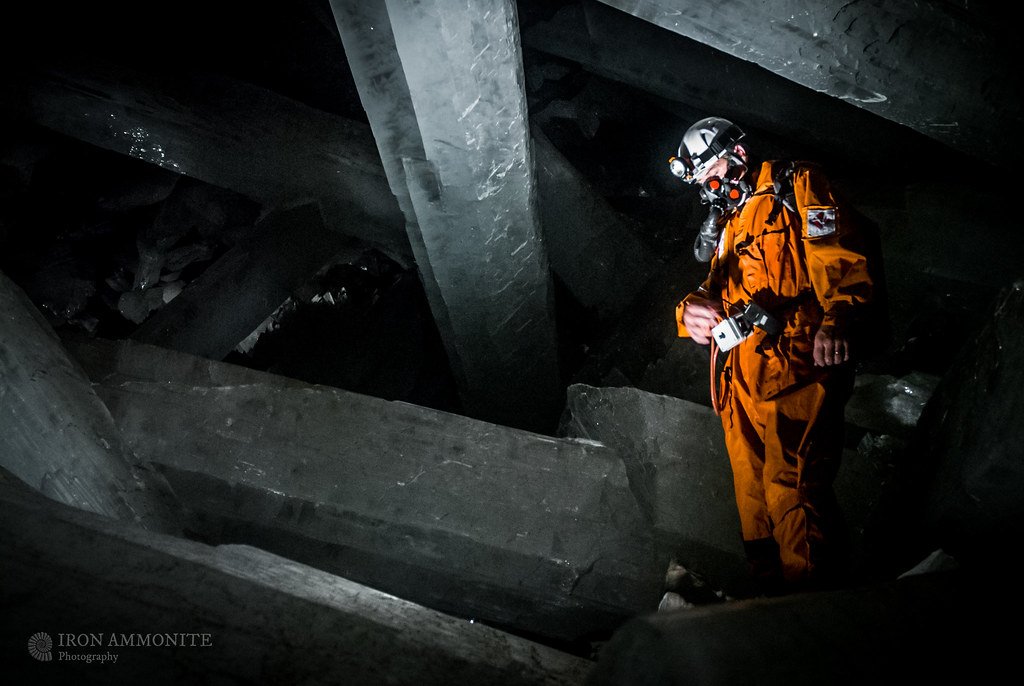
Once the protective water was removed, the crystals began deteriorating in the presence of air and changing temperature conditions. Scientists estimate that these magnificent formations could completely dissolve within a few decades if left exposed to the current environment.
This creates a heartbreaking paradox: the very act of discovering and studying these crystals accelerates their destruction. It’s like finding a priceless ancient manuscript that crumbles to dust the moment you open it to read it.
Researchers are now in a desperate race to document, study, and potentially preserve these formations before they disappear forever. Some have proposed reflooding the caves, but the economic implications for the mining operation make this solution complicated.
The Microbes That Call Hell Home

Perhaps even more extraordinary than the crystals themselves are the microorganisms that scientists have discovered living within them. These microscopic life forms have been trapped inside the crystals for tens of thousands of years, surviving in conditions that would kill almost every other form of life on Earth.
Some of these microbes are entirely new to science, having evolved in complete isolation within their crystal prisons. They’ve developed unique survival mechanisms, including the ability to metabolize minerals and survive on virtually no nutrients. NASA scientists are particularly interested in these organisms as they might provide clues about how life could exist on other planets.
The discovery of these extremophile organisms has revolutionized our understanding of where life can exist, pushing the boundaries of what we consider habitable environments.
The Crystal Cave System Beyond the Famous Chamber
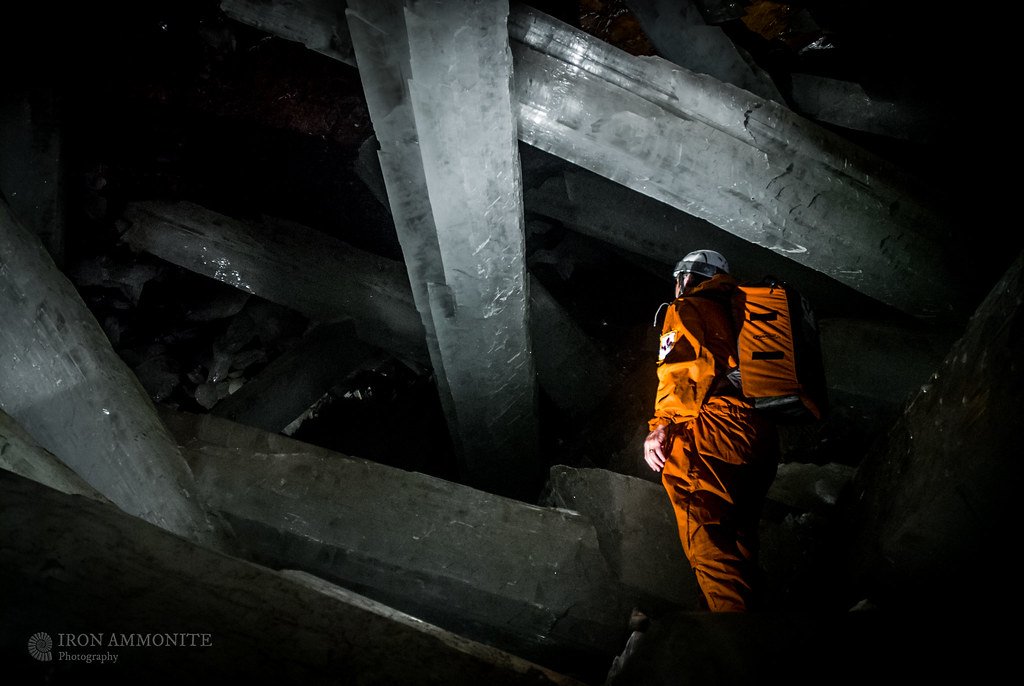
While the Giant Crystal Cave gets most of the attention, the Naica mine actually contains several crystal-filled chambers, each with its own unique characteristics. The Cave of Swords, discovered in 1910, contains smaller but equally impressive needle-like crystals that create a forest of mineral spears.
The Queen’s Eye Cave features perfectly clear, prismatic crystals that act like natural lenses, while the Candles Cave contains formations that resemble massive white candles frozen in time. Each chamber tells a different story of the geological processes that shaped this underground wonderland.
The Mining Company’s Dilemma
The Peñoles mining company finds itself in an unprecedented situation. They own one of the world’s most spectacular natural wonders, but their primary business is extracting valuable metals from the same location. The caves have become a major tourist attraction and scientific research site, bringing international attention to their operations.
Maintaining access to the caves requires continuous pumping to keep the water levels down, which costs hundreds of thousands of dollars annually. The company has cooperated with researchers and even built viewing platforms, but the economic pressure to resume full mining operations remains constant.
This situation highlights the ongoing tension between economic interests and scientific preservation, with no easy solutions in sight.
The Photography Challenge of a Lifetime
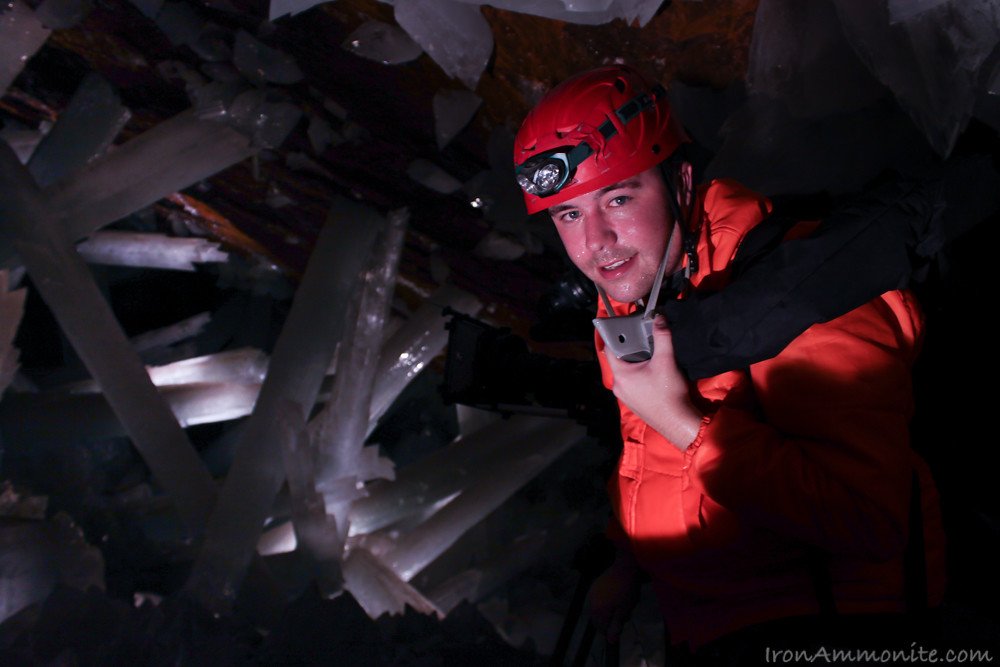
Capturing the beauty of these caves presents unique challenges that push photography to its limits. The extreme heat fogs camera lenses within minutes, while the high humidity can damage electronic equipment. The selenite crystals themselves are translucent, making proper lighting crucial for revealing their internal structure.
Photographers must work quickly in the limited time allowed in the caves, often pre-planning every shot to maximize their brief window of opportunity. The most famous images of the caves required teams of photographers working in relay, with some equipment modified specifically for these extreme conditions.
The resulting photographs have become iconic, inspiring countless people to learn more about geology and the hidden wonders beneath our feet.
Scientific Breakthroughs Hidden in Crystal
Research in the Naica caves has led to numerous scientific discoveries beyond the extremophile organisms. The crystals themselves serve as natural time capsules, preserving information about ancient climate conditions and geological processes that occurred over hundreds of thousands of years.
By studying the growth patterns and chemical composition of the crystals, scientists can reconstruct the history of the Earth’s subsurface water systems and understand how mineral deposits form over geological time scales. This research has implications for finding new mineral deposits and understanding groundwater systems worldwide.
The caves have also provided new insights into biomineralization processes, helping scientists understand how organisms interact with mineral environments and potentially leading to new biotechnological applications.
The Future of Cave Exploration Technology

The challenges of exploring Naica have spurred innovation in extreme environment technology. Engineers are developing new cooling systems, remote sensing equipment, and robotic explorers that could extend our ability to study these caves safely.
Some proposals include using drones equipped with specialized cameras to map the caves without risking human life, while others focus on developing better protective suits that could allow longer exploration periods. Virtual reality technology is also being explored as a way to share the cave experience with people who could never physically visit.
These technological advances have applications beyond cave exploration, potentially helping in deep-sea research, space exploration, and industrial applications in extreme environments.
The Cultural Impact of Earth’s Crystal Palace
The Giant Crystal Caves have captured the imagination of people worldwide, inspiring artists, writers, and filmmakers to create works that celebrate the beauty and mystery of these underground chambers. The caves have appeared in documentaries, science fiction films, and even jewelry designs inspired by their crystal formations.
Local communities in the Naica area have embraced their role as guardians of this natural wonder, with many residents finding new economic opportunities in tourism and research support. The caves have become a source of pride and international recognition for the region.
Educational programs inspired by the caves have introduced countless students to geology and earth sciences, demonstrating how a single discovery can spark interest in scientific careers and environmental conservation.
Conservation Efforts and International Cooperation
Scientists from around the world have formed collaborations to study and potentially preserve the Naica caves. International funding has supported research expeditions, equipment development, and documentation efforts to ensure that knowledge of these formations survives even if the crystals themselves do not.
Various preservation strategies have been proposed, including the controversial idea of reflooding the caves to halt further deterioration. Other approaches focus on creating detailed 3D models and maintaining samples for future study, essentially creating a backup of this natural wonder.
The caves have also become a symbol of the need for international cooperation in preserving unique geological sites, leading to discussions about establishing new categories of protected natural areas for extreme environments.
Lessons from the Crystal Caves
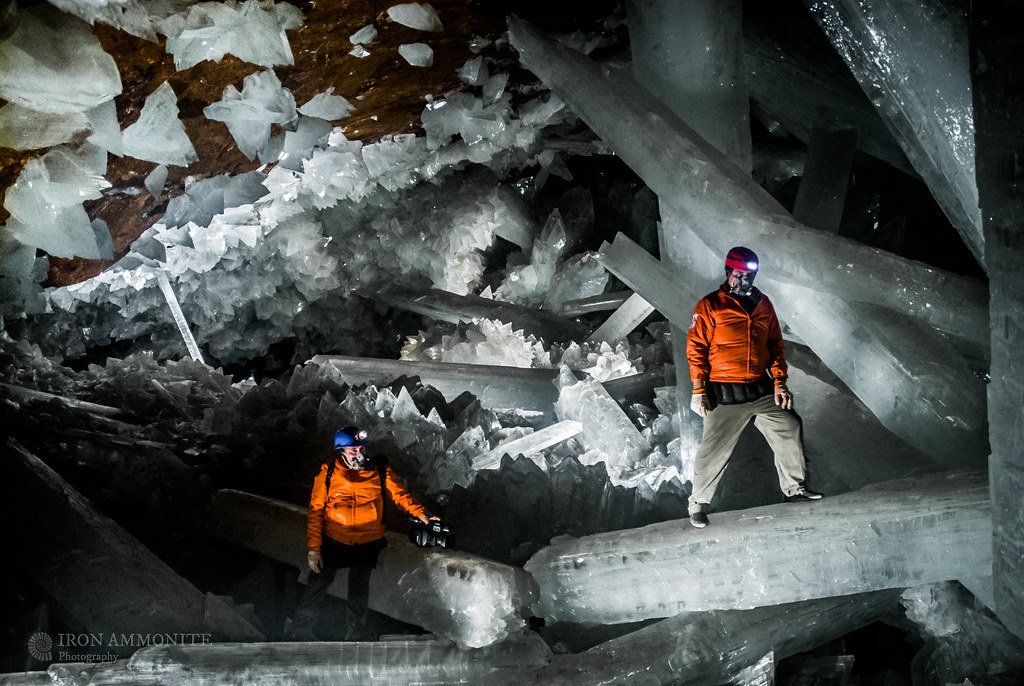
The Giant Crystal Caves of Naica teach us profound lessons about the power of time, the extremes of our planet’s environments, and the delicate balance between human activities and natural preservation. They remind us that some of Earth’s most spectacular creations exist in places so hostile that we can barely survive long enough to appreciate them.
These caves also demonstrate how scientific discovery often comes with difficult choices about access, preservation, and economic impact. The race to study the caves before they deteriorate highlights the urgency of documenting our planet’s natural wonders while they still exist.
Perhaps most importantly, the caves show us that life can exist in the most unlikely places, expanding our understanding of what’s possible and giving us hope for finding life in extreme environments elsewhere in the universe. Every minute spent in these superheated chambers reveals new mysteries about our planet and challenges our assumptions about the limits of life itself.
The next time you complain about a hot summer day, remember that deep beneath the Mexican desert, nature has created a masterpiece in an environment that would kill you in minutes. Isn’t it incredible what happens when we give the Earth enough time to work its magic?