Imagine wandering through a deserted village where every wall, every roof, every street, and even the smallest garden border is built from solid stone. The silence is so deep it echoes, and the only voices are the wind and your own footsteps crunching on pebbles. Once, this place throbbed with life and laughter. Now, it stands frozen in time—a monument to both human ambition and the relentless force of nature. Welcome to the ghost town built entirely of stone, a testament to ingenuity and a mystery waiting to be unraveled.
Rising from the Rock: The Vision Behind the Stone Town
The idea to build a town entirely of stone wasn’t just a matter of aesthetics; it was a bold answer to the challenges of the environment. The region was abundant in rocky outcrops, making stone the most logical and sustainable building material. Early settlers, inspired by both necessity and creativity, saw the stone not as an obstacle, but as an opportunity. They shaped their homes, communal spaces, and even intricate walkways from the very earth beneath their feet. This use of local material not only anchored the town to its landscape but also gave it a striking, almost mythical quality that has fascinated visitors ever since.
Natural Defenses: Stone Walls Standing Against the Elements
Stone was more than just plentiful—it was strong. By constructing buildings of stone, the inhabitants created a line of defense against the harsh climate of their region. Whether it was searing summer heat, biting winter winds, or torrential rains, stone offered insulation and protection. The thick walls kept interiors cool in the summer and warm in the winter, a natural form of climate control long before electricity. This practical approach to architecture displayed an impressive understanding of environmental adaptation and resourcefulness.
A Tapestry of Architecture: The Unique Design of the Town
Walking through the ghost town today, one can still see the remarkable variety in stonework. Some buildings display intricate carvings and carefully fitted stones, while others have a raw, rugged simplicity. The town’s layout follows the contours of the land, winding up hillsides and curving along ancient riverbeds. Doorways and windows were often arched, a shape that distributed weight and reduced the risk of collapse. Even communal spaces, like wells and meeting squares, were crafted with meticulous attention to both function and beauty.
Life Among the Stones: Daily Existence in a Stone Settlement
Living in a town made entirely of stone shaped the daily lives of its residents in countless ways. The echo of footsteps on stone floors, the cool touch of a rock wall in summer, and the steady warmth retained in winter became part of daily routine. Children played in narrow alleys and adults gathered in shaded courtyards. Every festival, every market, every story was set against the unchanging backdrop of stone—a constant companion through the cycles of life. This unique environment fostered a close-knit community, where survival depended on cooperation and shared labor.
The Heartbeat of the Town: Economy and Industry
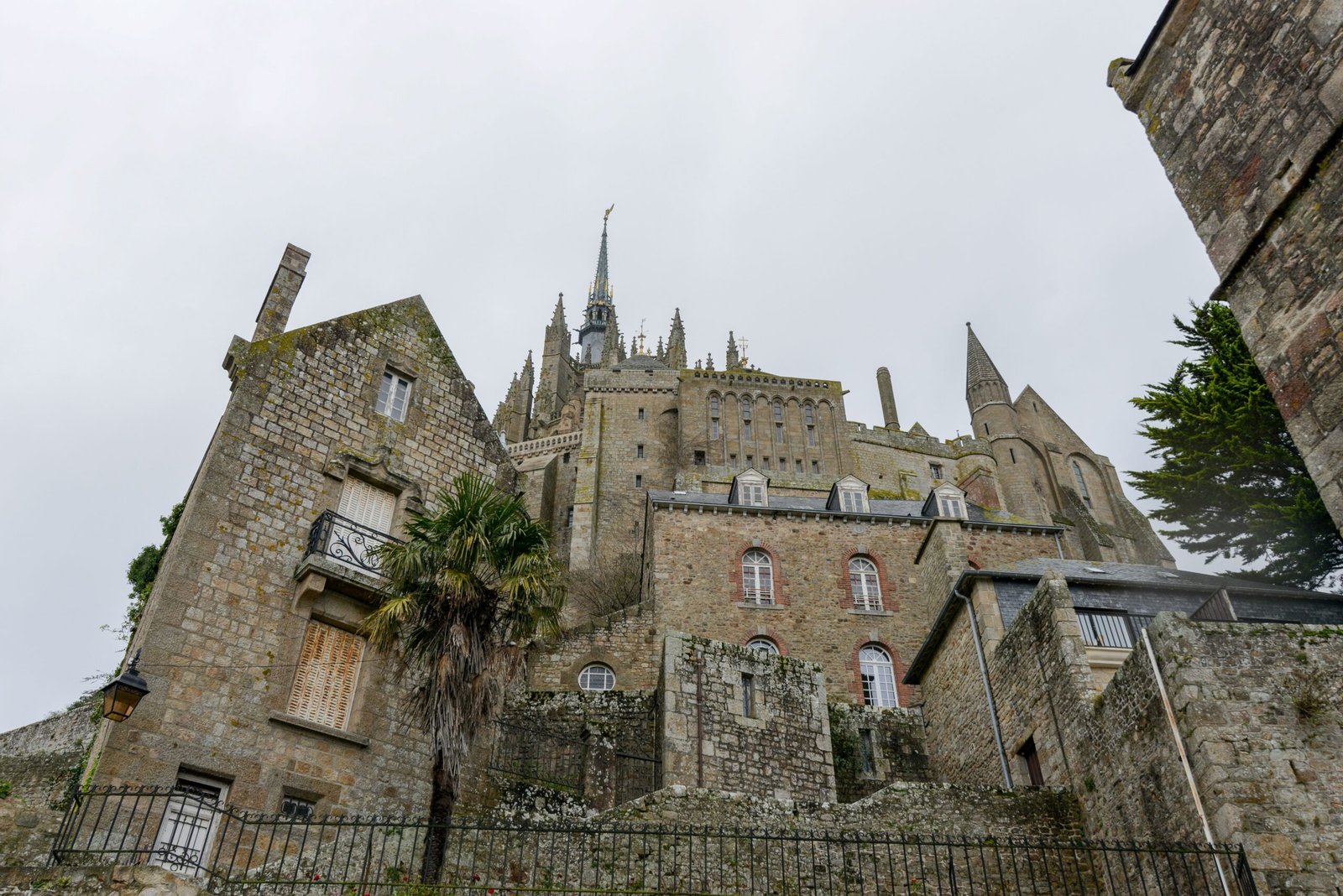
Economically, the stone town thrived on a mix of agriculture, craftsmanship, and trade. The fertile land surrounding the settlement allowed for the cultivation of robust crops, while the stone itself became a commodity. Skilled masons and sculptors produced artwork, tools, and durable construction materials for neighboring regions. Trade routes brought merchants to the town’s bustling markets, and its reputation for resilient architecture drew admirers from afar. The prosperity of the town was inextricably linked to its natural resources and the ingenuity of its people.
Nature’s Challenge: The Forces That Threatened Survival
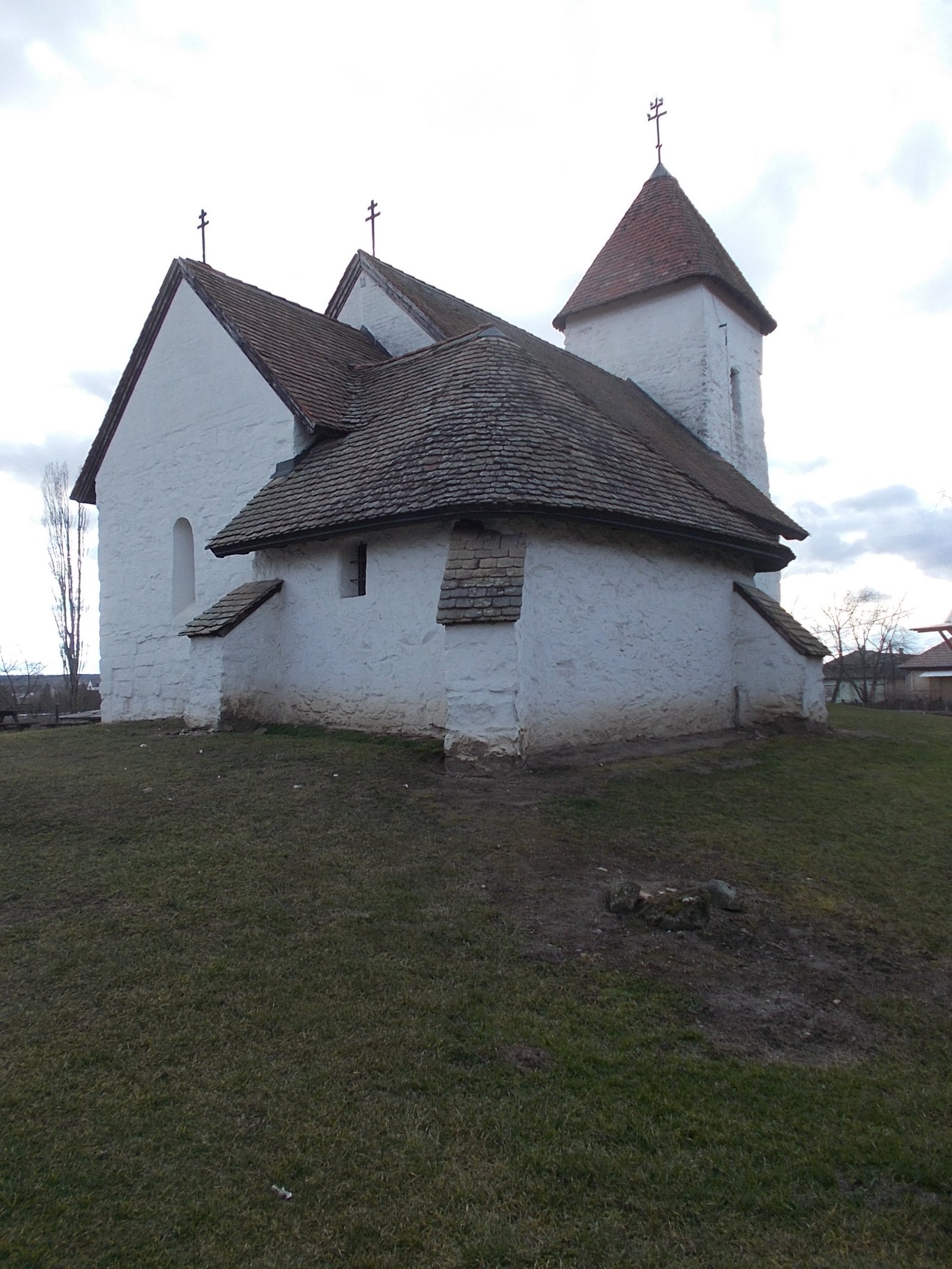
Despite its sturdy construction, the stone town faced powerful natural threats that would test the resolve of its inhabitants. Over time, changing weather patterns and unpredictable floods began to erode the foundations of the settlement. Intense storms battered the rock walls, and shifting earth caused cracks to snake through even the most carefully laid stones. The very material that gave the town its strength became susceptible to the slow, relentless wear of nature. This ongoing battle with the environment foreshadowed the town’s eventual decline.
The Human Element: Population Shifts and Social Change
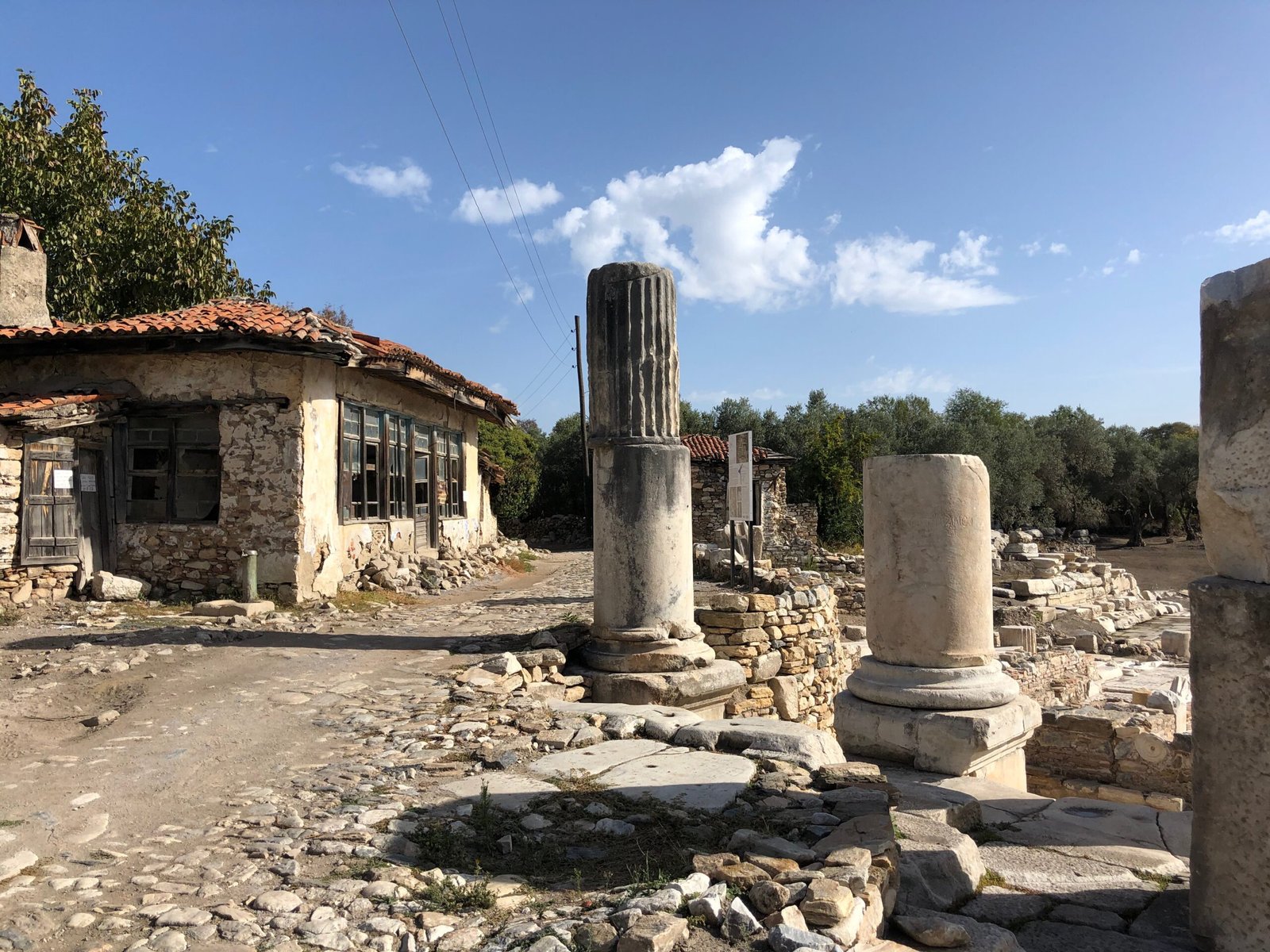
As the years passed, social and economic factors began to weigh heavily on the town. Younger generations, drawn to the promise of opportunity in distant cities, left in search of modern comforts and careers. The population dwindled, and essential services became harder to maintain. With fewer hands to repair and reinforce the stone structures, the town began to crumble from neglect. The departure of families and the fading of traditions marked the beginning of an irreversible transformation.
An Abrupt End: The Final Blow to the Stone Town
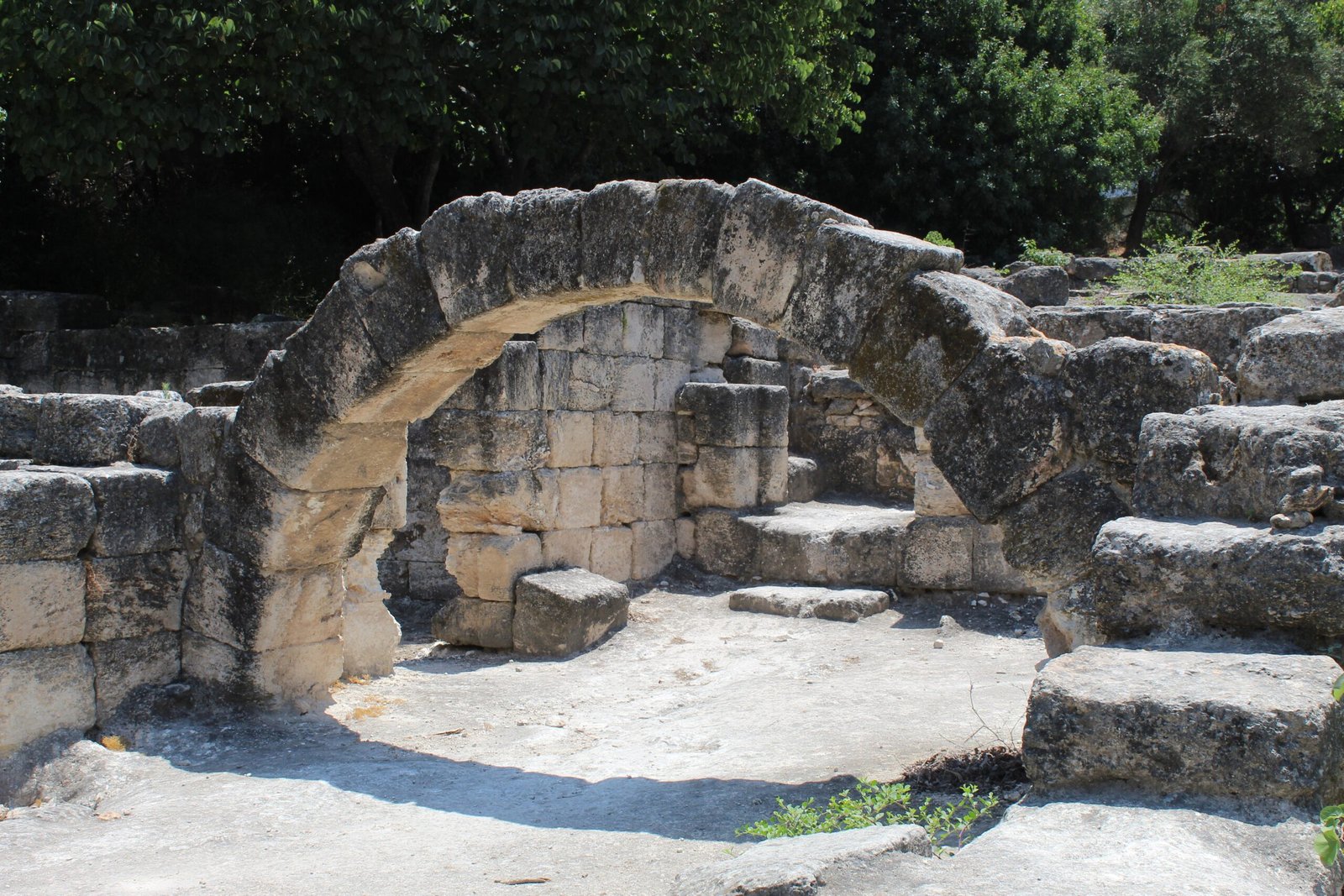
While decline had been gradual, the end came suddenly. A catastrophic natural disaster—a massive flood or earthquake, according to local legend—struck the town. In a matter of hours, carefully built homes and cherished landmarks were damaged beyond repair. The community, already fragile, had no choice but to evacuate. Some attempted to return and rebuild, but the scale of destruction and the risk of future disasters made it impossible. The town was abandoned, left for the elements to reclaim.
Echoes of the Past: The Stone Town Today
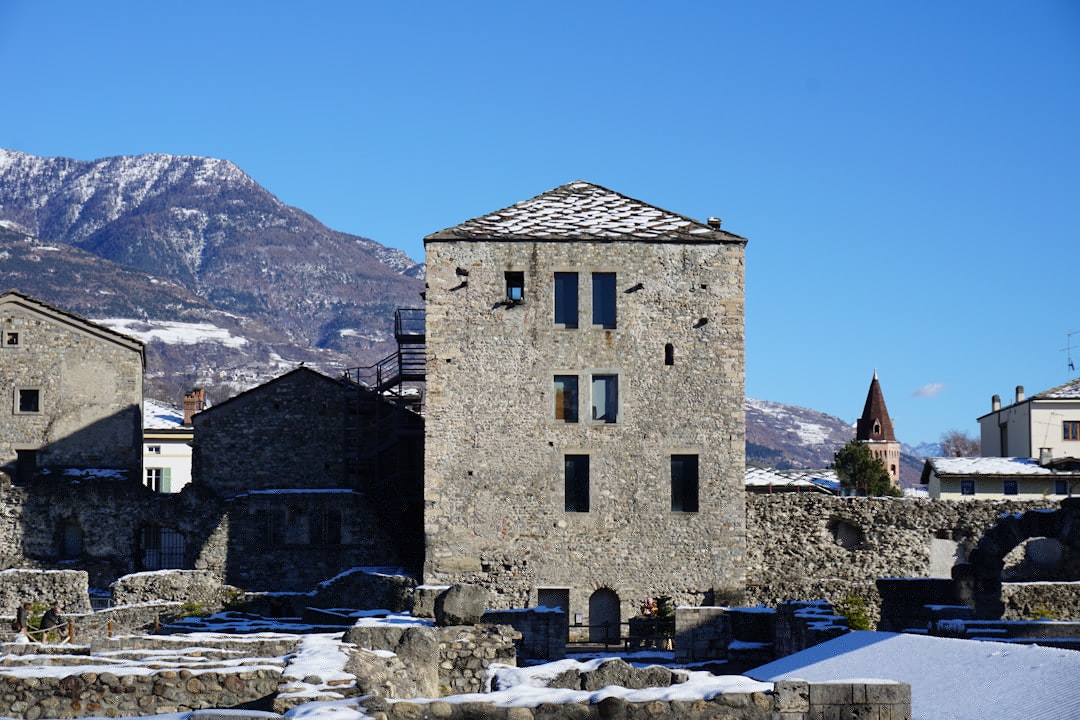
Today, the ghost town stands as a hauntingly beautiful relic. Moss and ivy creep up the walls, wildflowers bloom in abandoned courtyards, and birds nest in the empty windows. The silence is profound, broken only by the occasional visitor who comes to marvel at the enduring strength and delicate decay of the stone structures. The town has become a living museum, a place where history and nature intertwine. It draws photographers, artists, and adventurous travelers, each seeking a glimpse into the past.
Lessons in Resilience and Impermanence
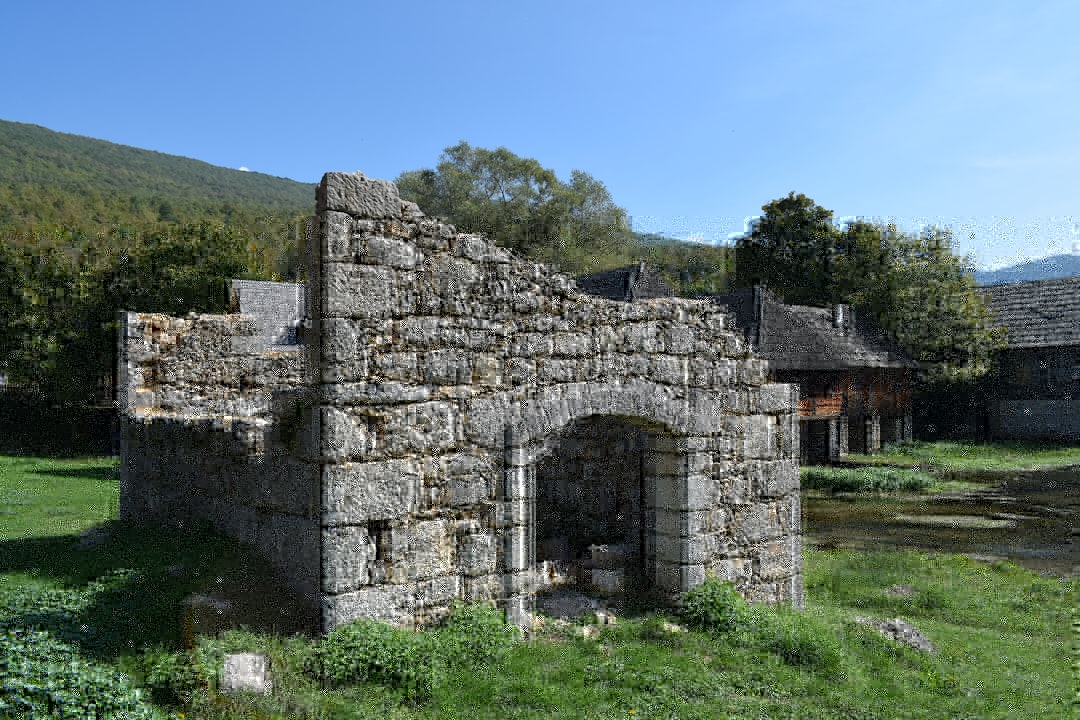
The story of the stone town offers valuable lessons about resilience, adaptation, and the limits of human ambition. It reminds us that even our most enduring creations are subject to forces beyond our control. The town’s rise and fall illustrate the delicate balance between humanity and nature—a balance that must be respected if we hope to build lasting communities. As you picture those silent, stony streets, consider what future generations might learn from the echoes left behind.