

You stand at a fascinating crossroads in human history. While your ancestors evolved over millions of years through natural selection alone, you now witness the dawn of a new era where technology, environmental pressures, and conscious choice converge to shape the future of humanity itself.
The path ahead promises transformations that could dwarf the changes your species has undergone throughout its entire evolutionary journey. From enhanced genetic capabilities to climate-driven physical adaptations, the next chapter of human evolution will likely unfold faster and more dramatically than anything in your species’ past.
Climate Pressures Reshaping Your Physical Form

Climate change could apply significant selective pressures on populations worldwide, with regions facing extreme heat favoring individuals with physiological adaptations for hotter weather, while rising sea levels could displace populations, causing migration and genetic mixing on an unprecedented scale. Extreme cold favors short, round persons with short arms and legs, flat faces with fat pads over the sinuses, narrow noses, and a heavier-than-average layer of body fat. These adaptations provide minimum surface area in relation to body mass for optimal temperature regulation.
Your descendants might develop more pronounced heat-dissipating features in tropical regions. The heat-adapted person in humid climates is characteristically tall and thin, maximizing surface area for heat radiation, with little body fat, often a wide nose since warming of the air in nasal passages is not desirable, and usually dark skin, which shields from harmful solar radiation and may serve to lower sweating threshold. The desert-adapted person can sweat freely but must deal with the water loss involved, making them usually thin but not tall.
CRISPR Technology Accelerating Genetic Enhancement
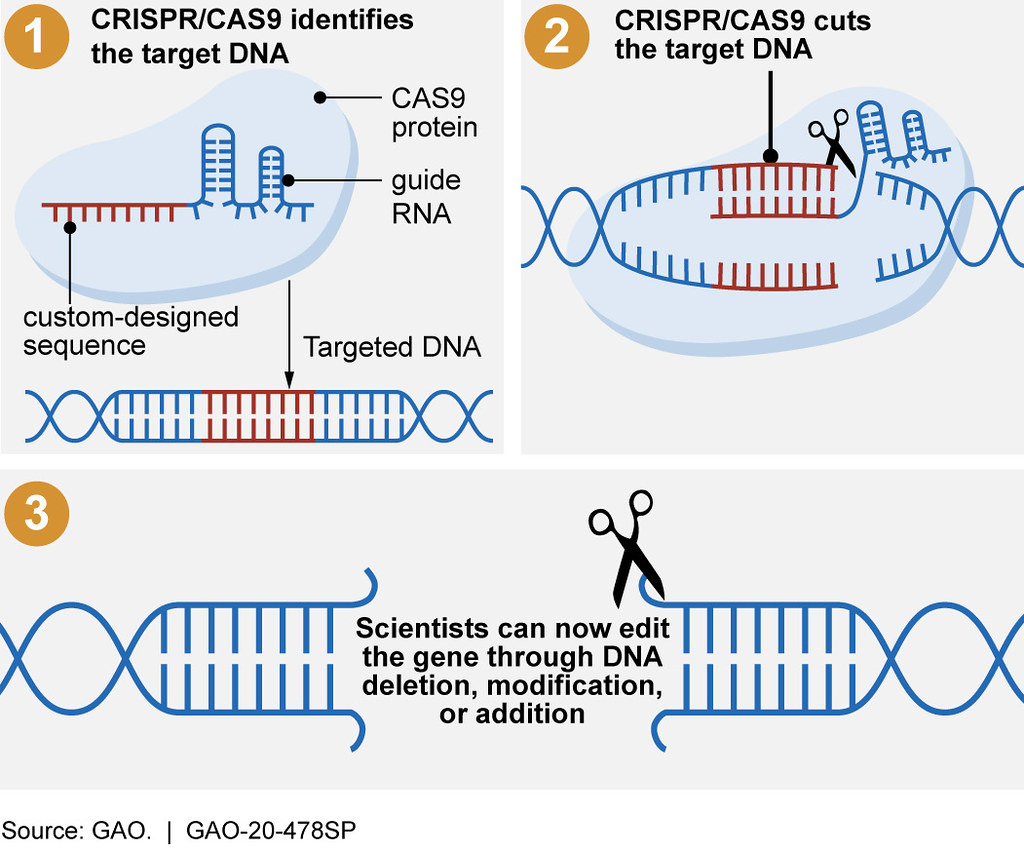
You live in the early days of directed human evolution. CRISPR gene-editing technology continues advancing rapidly in 2024, and the idea of gene editing in a syringe will grow. This revolutionary gene-editing technology allows scientists to make precise modifications to DNA with unprecedented accuracy and efficiency.
This technology has the possibility of eliminating certain genetic diseases, or improving health by enhancing certain genetic traits. For several years, scientists have been circulating a table of enhancements listing gene variants that lend people superpowers, including mutations that lead to extra-hard bones, which was found in a family that complained of not being able to stay afloat in swimming pools. These natural variations provide templates for deliberate human enhancement.
Enhanced Immune Systems and Disease Resistance

The Bajau, a group indigenous to Indonesia whose members collect food by diving, possess genetic changes associated with bigger spleens, allowing them to store more oxygenated red blood cells – an advantage in their lives. Such natural adaptations demonstrate the potential for enhanced human capabilities through genetic modification.
Disease epidemics, which have the potential to bypass cultural and physiological mechanisms of adaptation, are likely to continue to exert selective pressure on our species in the future, particularly when resources are insufficient to provide human populations with the necessary means of cultural or physiological adaptation. Your immune system could evolve to become more adaptable to emerging pathogens and environmental toxins.
Cognitive Enhancement and Brain Evolution
Your brain represents both humanity’s greatest evolutionary achievement and its next frontier for enhancement. We’ll probably be less aggressive and more agreeable, but have smaller brains – a bit like a Golden Retriever, we’ll be friendly, but maybe not that interesting or bright. This prediction challenges common assumptions about human cognitive evolution.
However, enhanced cognitive abilities through genetic modification could counteract natural trends. Humans might want stronger immune systems, stronger muscles, better vision and hearing, better brains, or even bodies that age more slowly. Technology may enable targeted improvements to memory, processing speed, and problem-solving capabilities that go far beyond natural selection’s pace.
Physical Adaptations for Space Colonization
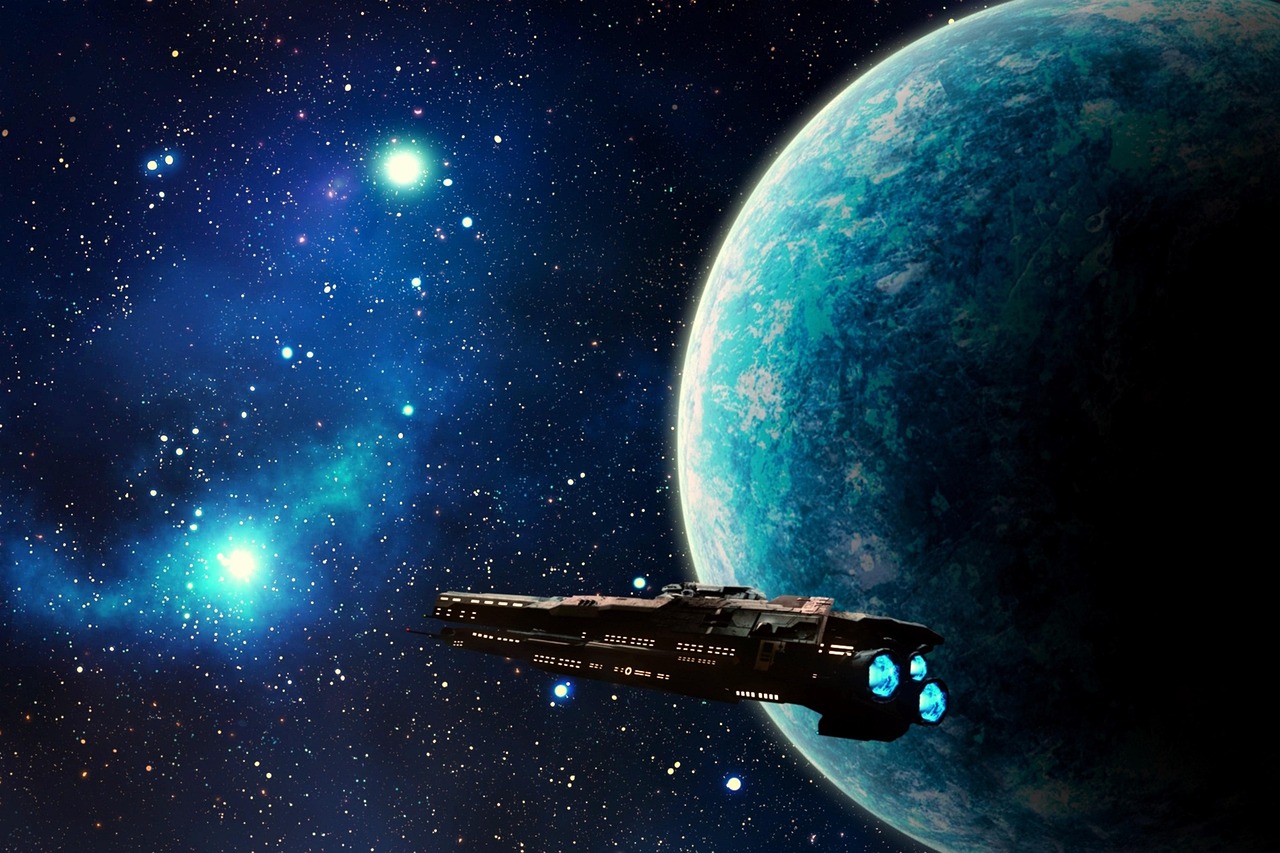
Perhaps limbs would lengthen, bodies become more slender in low-gravity environments, while in a colder, Ice-Age-like environment, we might even evolve denser body fat and more pronounced body hair, traits reminiscent of our Neanderthal cousins. These adaptations reflect the diverse environments humans may inhabit in the future.
Space colonization will demand unprecedented physiological changes. Your descendants might develop enhanced radiation resistance, improved bone density retention in low gravity, and better oxygen utilization efficiency. These adaptations could emerge through both natural selection and deliberate genetic engineering as humans establish permanent settlements beyond Earth.
Longevity and Age-Related Trait Changes

Evolutionary geneticist Stephen Stearns and his colleagues reported signs that women were gradually becoming shorter and heavier, with data indicating that the women were not eating more; rather, the ones who were heavier tended to have more children, and they also discovered that subjects tended to reach menopause later. They estimated that if the environment remains the same, the average age at menopause will increase by about a year in 200 years.
Your species could witness dramatic extensions in lifespan and healthspan through genetic interventions. Enhanced DNA repair mechanisms, improved cellular regeneration, and optimized metabolic processes could become standard features of human biology. These changes would fundamentally alter life cycles, career patterns, and social structures in ways you can barely imagine today.
Sensory Enhancement and New Capabilities

Blue eyes are an adaptation for living in regions where the amounts of light are limited because they allow more light to come in than brown eyes, and they also seem to have undergone both sexual and frequency-dependent selection, with research revealing that a mutation in the gene OCA2 is responsible for this trait, occurring between 6,000 and 10,000 years ago.
Future humans might develop enhanced night vision, broader spectrum color perception, or even entirely new sensory modalities. Genetic modifications could enable you to see ultraviolet or infrared light, hear frequencies beyond current human range, or possess electromagnetic sensitivity. These enhancements would fundamentally change how you perceive and interact with your environment.
Dietary and Metabolic Adaptations

Evidence for strong natural selection on the gene that controls lactase production shows that among populations with a long history of cattle herding and milk consumption, the ability to metabolize lactose is maintained into adulthood, representing clear examples that natural selection has recently acted upon our species after the origin of agriculture.
Your dietary needs and metabolic capabilities continue evolving. Future humans might develop enhanced abilities to process synthetic foods, extract nutrients from previously indigestible sources, or optimize energy efficiency. Human jaws and teeth have been shrinking in proportion with the decrease in body size over the past 10,000-28,000 years as a result of new diets and technology. This trend could accelerate as food processing technology advances further.
Social and Behavioral Evolution

Aggression, now a maladaptive trait, could be bred out, while changing social patterns will also change personalities as humans navigate vast social networks in cities of millions, pushing us to become more outgoing, open and tolerant, yet also more willing to adapt ourselves to them – to be more conformist.
Your social structures influence evolutionary pressures in unprecedented ways. As more matches are made on smartphones, we are delegating decisions about what the next generation looks like to computer algorithms, with digital code now helping choose what genetic code passed on to future generations, just like it shapes what you stream or buy online – our genes are being curated by computer, just like our playlists. This technological mediation of mate selection represents an entirely new evolutionary force.
The Role of Genetic Drift and Population Mixing
In the more immediate future, global populations will become more homogenous and less structured when it comes to genetics and phenotype, as currently the phenotypes associated with geographic regions are maintained by assortative mating – people are much more likely to choose mates who are similar to themselves.
Given 50,000 years, it is almost incomprehensible that people will not eventually apply genetic enhancement technology to our species, and we can only hope that the technology and the ethics are much better understood by then, with things like appearance largely up to our own choice by this time. This represents a fundamental shift from natural to directed evolution.
Conclusion

Scientists have accumulated intriguing evidence that humans continue to evolve despite cultural and behavioral buffers against environmental stress, however, predicting the future course of human evolution is futile because we cannot accurately predict the environmental stresses that we will face.
You stand at the threshold of humanity’s most dramatic evolutionary transformation. The convergence of genetic engineering, environmental pressures, and technological integration will likely produce changes in decades that once took millennia. Whether through enhanced cognitive abilities, climate adaptations, or entirely new sensory capabilities, your species will continue evolving – but now you have the unprecedented power to direct that evolution consciously. The question isn’t whether humans will change, but how wisely you’ll wield this evolutionary control.
What do you think about these potential futures for humanity? Tell us in the comments.
Jan loves Wildlife and Animals and is one of the founders of Animals Around The Globe. He holds an MSc in Finance & Economics and is a passionate PADI Open Water Diver. His favorite animals are Mountain Gorillas, Tigers, and Great White Sharks. He lived in South Africa, Germany, the USA, Ireland, Italy, China, and Australia. Before AATG, Jan worked for Google, Axel Springer, BMW and others.