
In a world where technology and biology are increasingly intertwined, biohacking is emerging as a frontier pushing the boundaries of human capabilities. By exploring the potential to alter DNA, scientists are paving new paths that could redefine medicine, longevity, and human potential. While the idea of rewriting human DNA may seem like science fiction, it is a growing reality, bringing both promise and ethical challenges. This article delves into the future of biohacking, revealing how scientists are navigating this groundbreaking terrain.
Understanding Biohacking

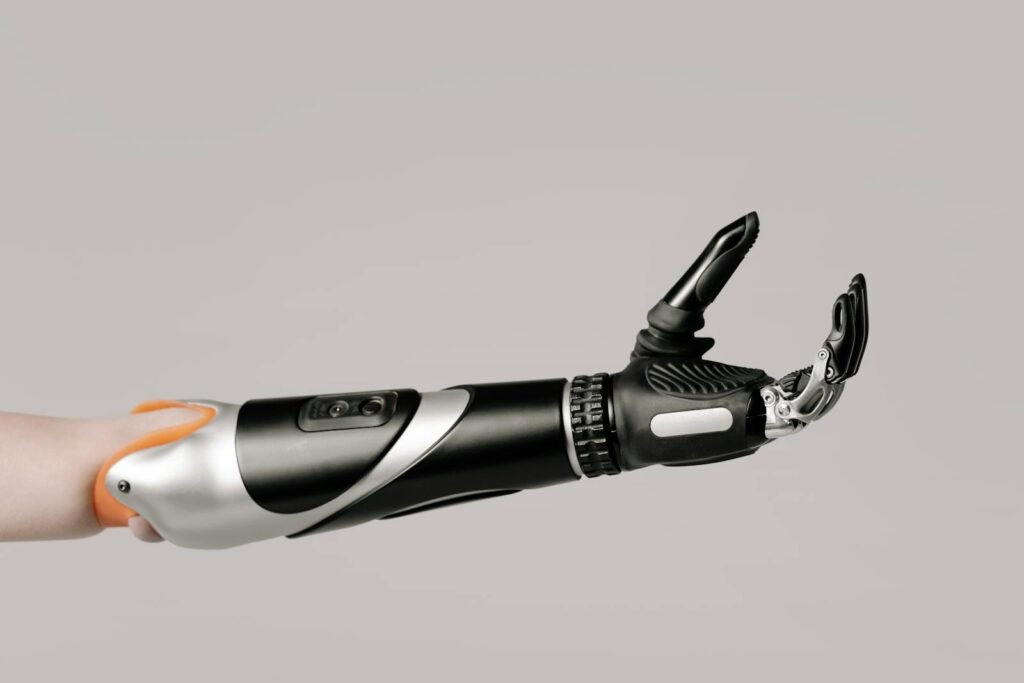
Biohacking, in its broadest sense, refers to the practice of using science and technology to modify and improve biological functions. On an individual level, it can range from dietary changes to implanting technological devices under the skin. However, on a scientific level, biohacking could lead to significant advancements by directly altering the genetic code.
The Evolution of Genetic Engineering

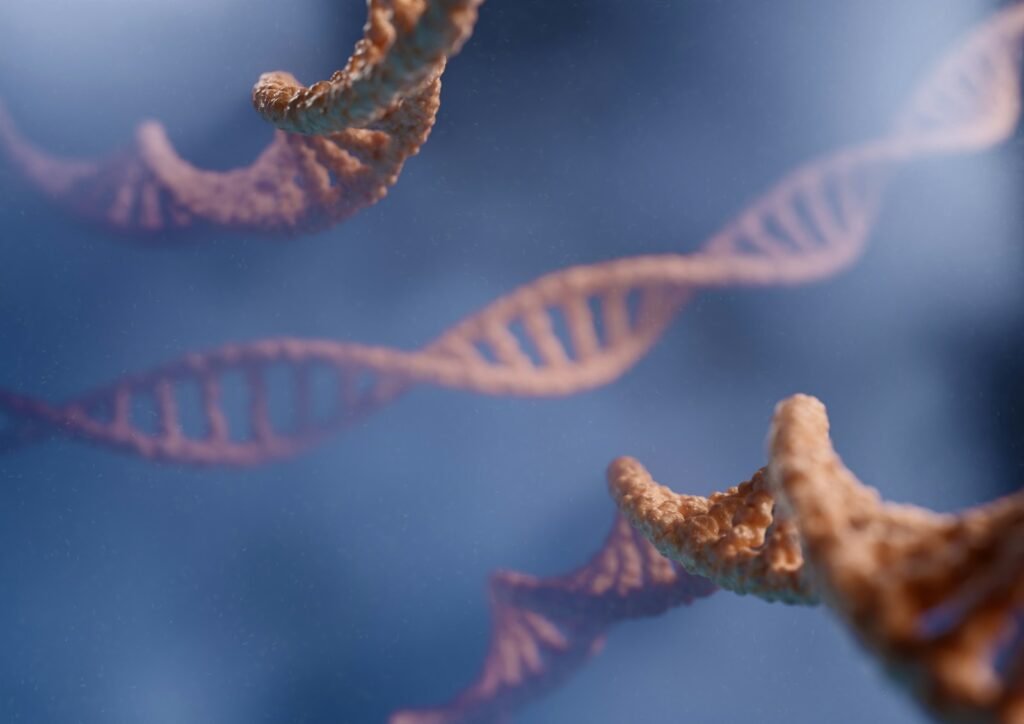
The journey of genetic engineering began with the discovery of DNA’s structure in the early 1950s. Since then, technological advancements have propelled us into an era where precise genetic modifications are not only possible but also increasingly accessible. Techniques like CRISPR-Cas9 have revolutionized how scientists can edit DNA with unprecedented accuracy, opening doors to possibilities previously confined to the realm of imagination.
The CRISPR Revolution

Clustered Regularly Interspaced Short Palindromic Repeats, or CRISPR, is a groundbreaking technology allowing scientists to make precise changes to DNA. As a faster, easier, and more efficient method than previous genetic engineering techniques, CRISPR is leading the charge in the biohacking sphere. It enables scientists to alter genetic sequences within living organisms, paving the way for advancements in treating genetic diseases.
Potential Benefits of DNA Rewriting

Rewriting human DNA could lead to significant medical advancements. By potentially eradicating genetic disorders, biohacking promises improved quality of life for millions. Additionally, this technology holds the potential to enhance physical and cognitive abilities, marking a new era in human evolution where limitations of the body and mind could be transcended.
Challenges and Ethical Considerations
As with any frontier technology, biohacking is fraught with ethical considerations. The power to edit human DNA raises questions about consent, privacy, and the potential for unintended consequences. There is ongoing debate about the ethical implications of “designer babies,” where genetic modifications could be made for non-medical reasons, raising concerns about equity and access.
Current Applications of DNA Editing

Currently, DNA editing is being explored in various fields, from agriculture to medicine. In healthcare, research is underway to use CRISPR to treat hereditary diseases such as cystic fibrosis and sickle cell anemia. These applications highlight biohacking’s potential to reshape industries, creating more effective solutions to complex biological challenges.
The Role of DIY Biohackers

Outside of professional laboratories, a growing community of DIY biohackers is experimenting with genetic modifications at home. While their contributions to the field are significant, this movement raises safety and regulatory issues. The grassroots nature of DIY biohacking underscores both the democratization and the potential risks of genetic engineering outside controlled environments.
The Future of Personalized Medicine

The ability to edit DNA on a personal level could redefine medicine, tailoring treatments to individuals’ genetic makeups. This personalized approach promises more effective treatments with fewer side effects, moving beyond the one-size-fits-all model prevalent today. It marks a shift towards precision medicine, where interventions are designed to target specific genetic profiles.
Biohacking and Aging

One of the most exciting prospects of biohacking is its potential to impact aging. By understanding and altering the genetic factors that contribute to aging, scientists are learning how to extend health spans and possibly delay the effects of aging. This aspect of biohacking embodies humanity’s age-old quest for longevity.
Regulation and Oversight

As biohacking technologies advance, so does the need for robust oversight and regulation. Balancing innovation with safety is crucial to prevent misuse or accidental consequences. Regulatory bodies worldwide are grappling with establishing guidelines that ensure responsible development and application of these technologies.
Public Perception of Biohacking

Public perception plays a significant role in the acceptance and success of biohacking. Educating the public about the benefits and risks, as well as addressing misconceptions, is essential. Transparent communication between the scientific community and the public can foster trust and support for responsible genetic advancements.
Interdisciplinary Collaboration

The future of biohacking hinges on interdisciplinary collaboration, integrating knowledge from biology, technology, ethics, and policy-making. Collaborative efforts ensure that technological advancements align with societal values and real-world applications, emphasizing holistic progress over isolated innovation.
The Intersection of AI and Biohacking

Artificial Intelligence is set to play a pivotal role in biohacking, enhancing the speed and accuracy of genetic modifications. AI algorithms can analyze vast datasets to identify genetic anomalies and predict the outcomes of DNA edits, making the biohacking process more efficient and targeted.
Case Studies in Human DNA Editing

There are ongoing studies and trials exploring real-world applications of DNA editing in humans. These case studies provide invaluable insights and often serve as a blueprint for future genetic interventions. Tracking the progress and outcomes of these studies is vital for understanding the practical potential of biohacking.
Innovations in Biotechnology

The biotechnology sector is rapidly evolving, driven by the possibilities that biohacking encompasses. Innovations range from creating genetically modified organisms to developing more sustainable agricultural practices. The integration of biohacking into various sectors signals a transformative shift across industries.
Biohackers: Visionaries or Vigilantes?

The dual identity of biohackers as either visionaries or vigilantes highlights the dichotomy within the field. While some view biohackers as pioneers pushing boundaries, others see them as individuals risking safety and ethics for experimentation. This tension reflects broader societal debates about technology’s role in shaping the future.
Future Scenarios and Speculations
Speculating about the future of biohacking invites both optimism and caution. As we stand on the brink of what could be the next significant leap in human evolution, the trajectory of biohacking will depend on the choices made today. Thoughtful consideration of ethical implications alongside technological progress will chart the course for this exciting future.
The Road Ahead

The road ahead for biohacking is filled with both promise and responsibility. As scientists continue to push the boundaries of what is possible, it is imperative to foster an environment where innovation can thrive alongside ethical considerations. By balancing exploration with caution, the future of biohacking holds the potential to unlock unprecedented possibilities for the human race.
In summary, biohacking stands at the intersection of promise and responsibility, offering transformative possibilities while demanding careful consideration of ethical implications. As technology advances, the ability to rewrite human DNA could redefine the very essence of humanity, echoing the timeless pursuit of understanding and enhancing life. As we journey into this uncharted territory, thoughtful collaboration and rigorous oversight will be crucial in harnessing the potential of biohacking to benefit all of humankind.