Imagine standing in a vast rainforest at dawn. The air is alive with the chorus of waking birds, but instead of a lone biologist hunched over a notepad, there’s a sleek device quietly recording every sound, every flutter, every movement. This isn’t science fiction—it’s the reality of today’s field biology, where artificial intelligence is rapidly changing what’s possible. As the natural world faces more threats than ever, from climate change to illegal poaching, AI has emerged as both a silent observer and a vigilant protector. Let’s journey into the heart of the wild and discover how AI is transforming field biology, one algorithm at a time.
AI-Powered Bird Counting: Listening to the Symphony of the Wild

Bird surveys have long depended on patient observers, sometimes braving rain, cold, and early mornings. Now, with AI, microphones and cameras can work around the clock, never tiring, never missing a tweet or a chirp. By analyzing thousands of hours of audio recordings, AI identifies bird species by their unique calls, sometimes picking up rarities a human ear might miss. This revolutionizes conservation efforts, making population estimates more accurate and less labor-intensive. In places like the Amazon, where human access is limited, AI “ears” can capture the presence of elusive or endangered species. Imagine a rainforest where every song is heard, every bird counted, and none overlooked. That’s the power AI brings to ornithology.
Camera Traps Get Smart: From Blurry Photos to Instant Insights

Field biologists have relied on camera traps for decades, but sorting through thousands of blurry images for a glimpse of a jaguar or elephant is tedious work. AI now sifts through these photos in seconds, recognizing not just animals, but even individual faces or unique markings. This speeds up research and means conservationists can respond faster to threats or changes in animal populations. In Africa, AI-powered camera traps have already helped track endangered rhinos and elephants in real time. The technology is so sharp, it can even tell if a lion is yawning or hunting—details that were nearly impossible to document at scale before.
Drones and Deep Learning: Eyes in the Sky
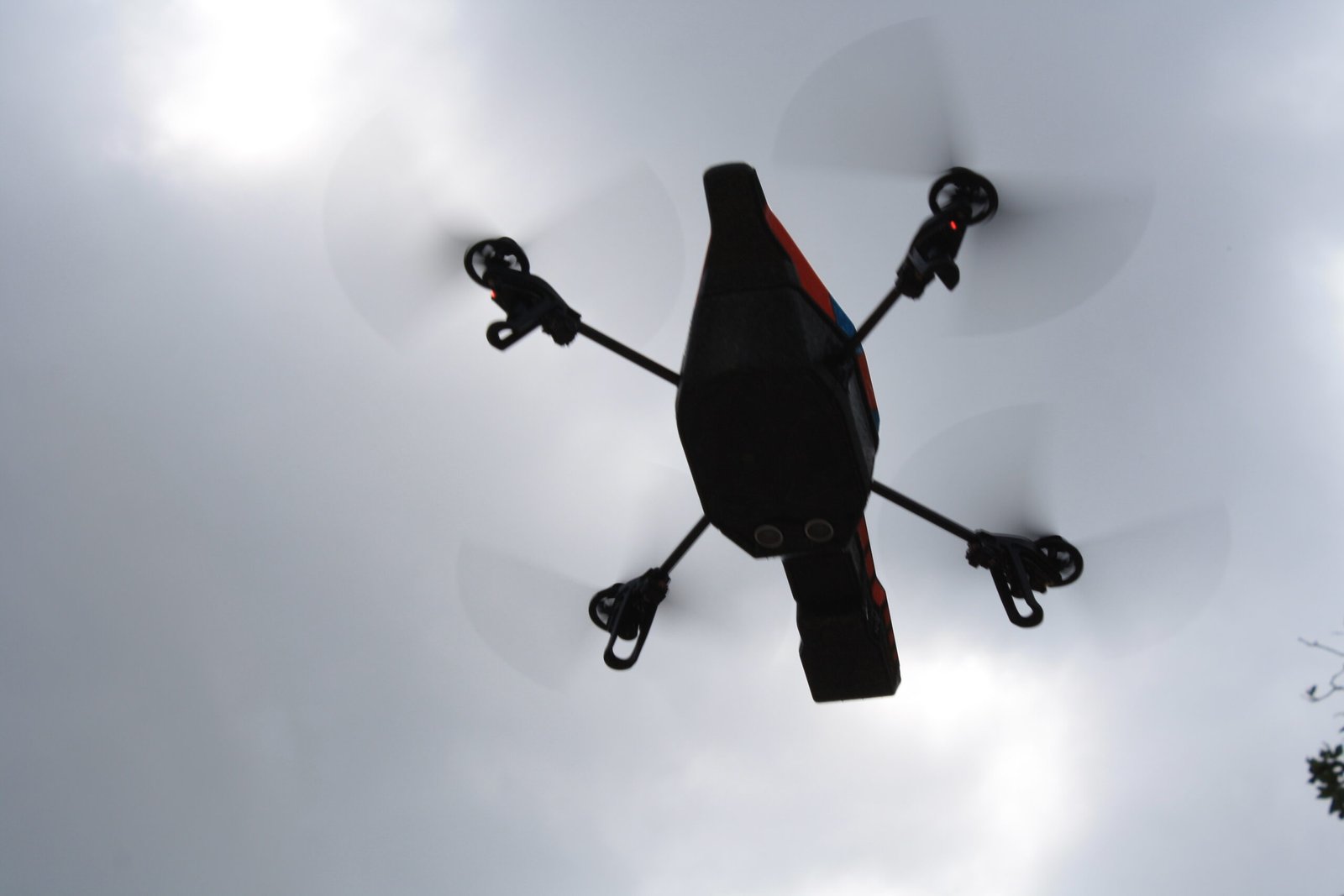
Drones have taken field biology to new heights—literally. With AI guiding their cameras, drones can scan huge areas of forest, savanna, or ocean, spotting creatures that would be invisible from the ground. Deep learning algorithms process the videos and photos, distinguishing animals from shadows, rocks, or trees. In the Arctic, AI-driven drones count walruses sprawled on remote beaches. In the savannas of Kenya, they track herds of elephants, mapping their movements and even predicting where poachers might strike next. It’s like giving biologists superhuman vision, allowing them to see the big picture and the smallest details all at once.
Acoustic Monitoring: Decoding the Language of Nature
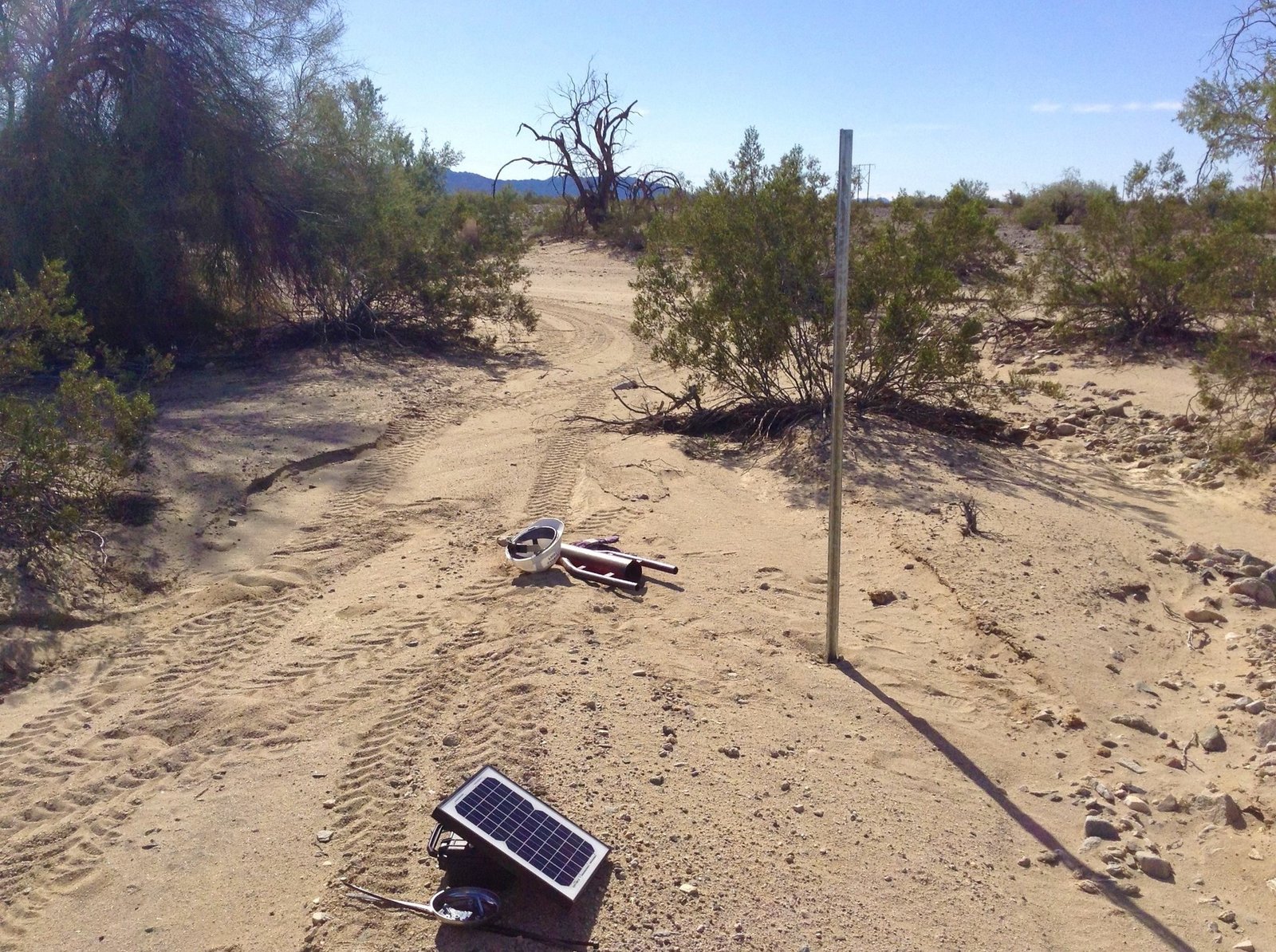
AI doesn’t just recognize bird calls—it’s learning the dialects of frogs, bats, whales, and insects. These sounds offer a window into the health of ecosystems, revealing if a population is thriving or struggling. Acoustic sensors, powered by AI, are deployed in rainforests, coral reefs, and wetlands, recording the chatter of the wild day and night. Scientists can track migration patterns, breeding seasons, and even the impact of human noise pollution. In the oceans, AI listens for the haunting songs of whales, monitoring their journeys across thousands of miles. Every beep, croak, and howl is a data point, woven into a rich tapestry of life.
Conservation with a Digital Shield: Spotting Poachers Before They Strike

Poaching remains a devastating threat to many species, but AI is helping turn the tide. By analyzing patterns from satellite images, drones, and ground-based sensors, AI predicts where illegal activity is most likely to occur. Rangers receive real-time alerts, allowing them to intervene before harm is done. In some parks, AI even recognizes suspicious vehicles or individuals, tracking their movements across vast landscapes. This digital shield has already saved rhinos and elephants from extinction in several reserves. The message is clear: with AI, the guardians of the wild are never alone.
Remote Sensing and Habitat Mapping: Seeing the Invisible

AI’s ability to process vast amounts of satellite data has transformed habitat mapping. It can spot subtle changes in vegetation, water levels, or soil health that signal trouble for wildlife. These insights help conservationists prioritize areas for protection or restoration. In the Amazon, AI detects illegal deforestation as it happens, triggering rapid response teams. In wetlands, it maps shifting watercourses and tracks the spread of invasive species. By making the invisible visible, AI ensures that no part of the ecosystem is overlooked.
Genomics and Species Discovery: Finding Life’s Hidden Gems

AI is now analyzing DNA data faster than any human ever could. By comparing genetic sequences from field samples, it identifies new species, tracks disease outbreaks, and uncovers hidden relationships in the tree of life. In remote jungles, portable DNA sequencers paired with AI instantly reveal the identity of mysterious insects or plants. This accelerates the discovery of new species and helps protect those that are rare or endangered. The world’s biodiversity, once veiled in mystery, is being brought into the light—one gene at a time.
Real-Time Data Integration: The Field Biologist’s Digital Assistant
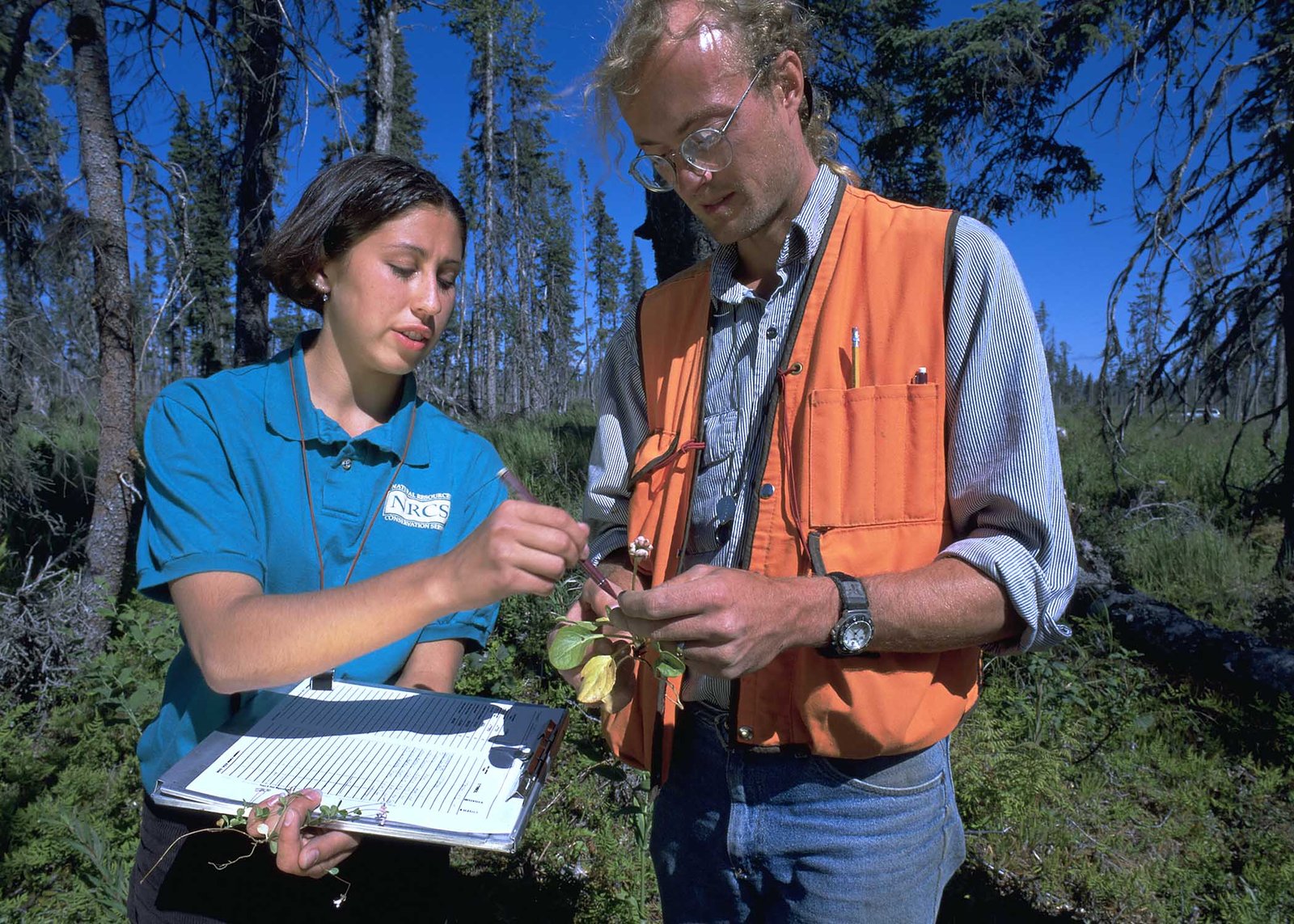
Managing the flood of information from sensors, drones, and satellites is a daunting task. AI acts as a tireless digital assistant, integrating data streams and highlighting trends that might otherwise go unnoticed. Researchers can view animal movements, weather changes, and habitat shifts on an interactive dashboard, making decisions in real time. This holistic view transforms field biology from a series of isolated observations to a living, breathing portrait of nature. It’s as if every biologist suddenly gained a team of invisible helpers, working around the clock.
Predicting Migration and Breeding Patterns: Nature’s Crystal Ball
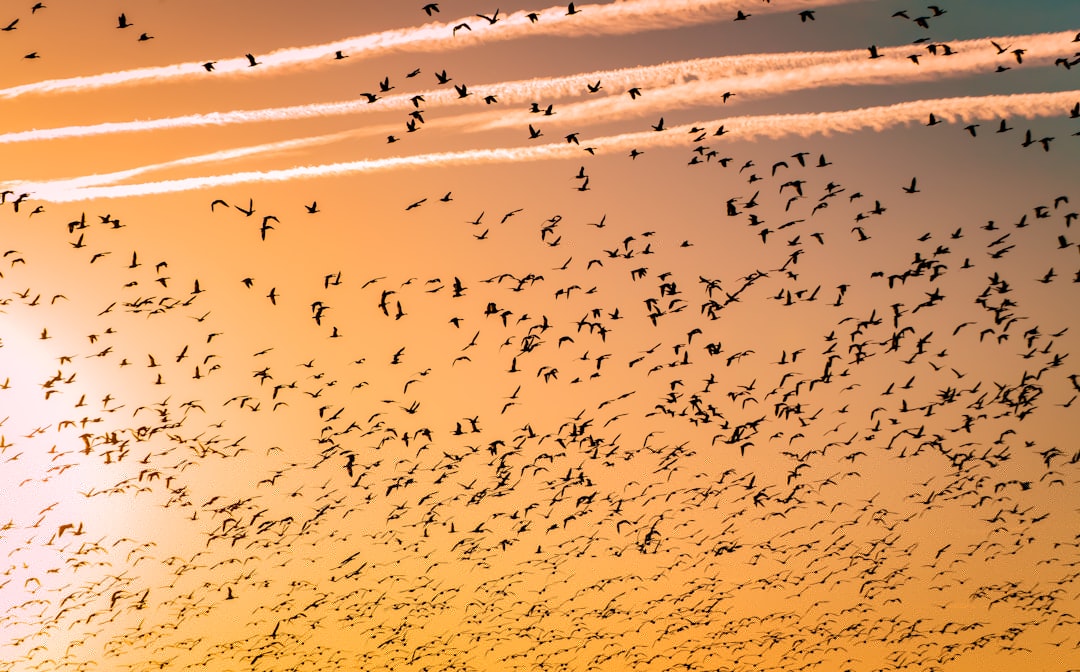
By analyzing years of data, AI can now forecast when and where animals will migrate or breed. This is crucial for protecting habitats at critical times, such as when birds nest or turtles hatch. In North America, AI predicts the arrival of migratory songbirds with astonishing accuracy, guiding conservation actions months in advance. In Africa, it helps track wildebeest herds as they cross the Serengeti, ensuring safe passage through dangerous areas. The ability to peek into nature’s calendar gives conservationists a powerful edge in safeguarding wildlife.
Citizen Science and Crowd-Sourcing: Everyone Can Be a Biologist
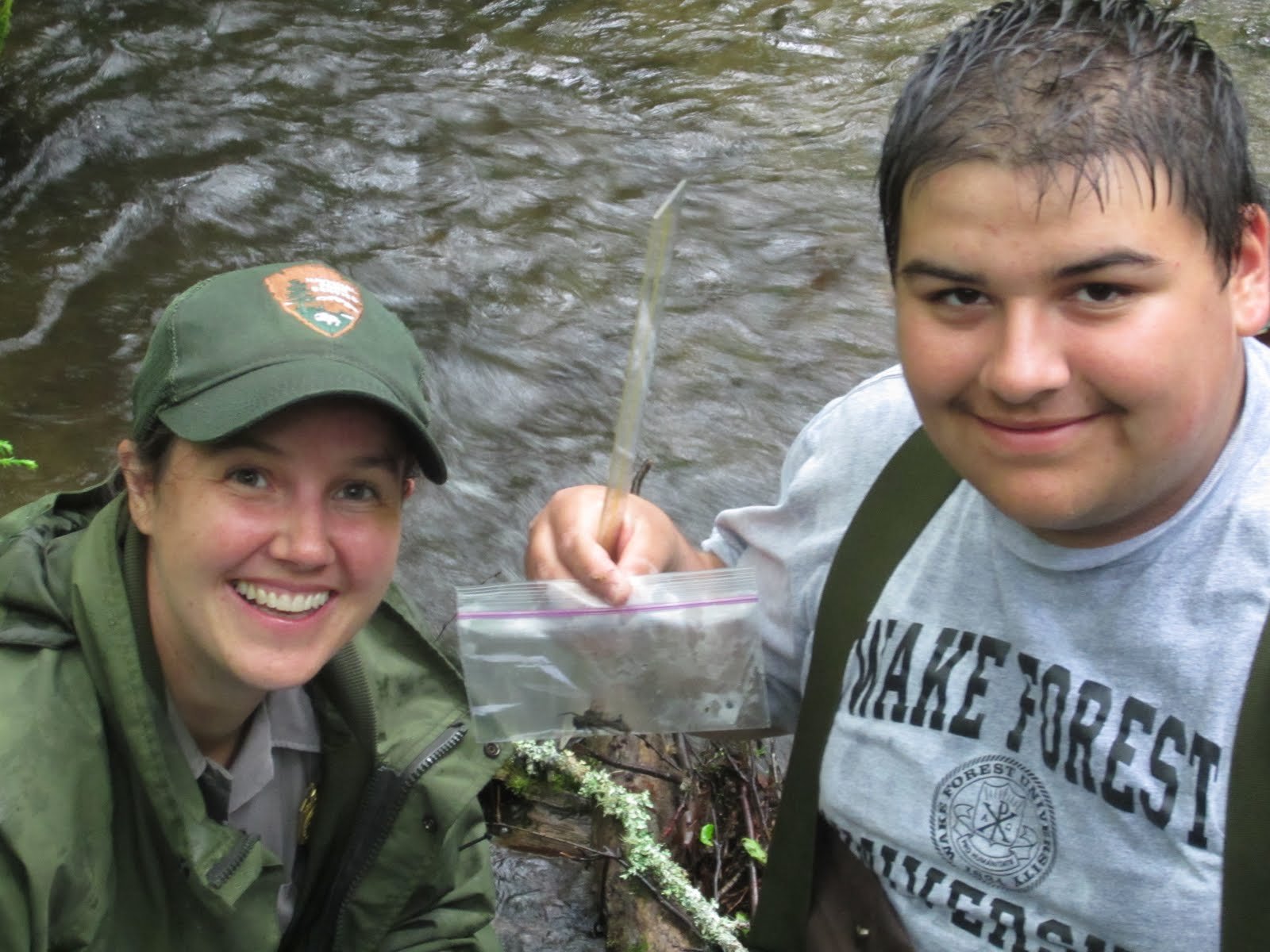
AI-powered apps now let anyone contribute to field biology. Birdwatchers upload photos or audio, and AI identifies the species instantly. Hikers snap pictures of flowers or insects, adding to a global database of biodiversity. This democratizes science, turning millions of nature lovers into data collectors. The collective power of citizen scientists, guided by AI, is filling gaps in our knowledge and helping monitor ecosystems at a scale never before possible. It’s a reminder that the future of field biology belongs to all of us.
Tracking Elusive and Nocturnal Animals: Into the Night
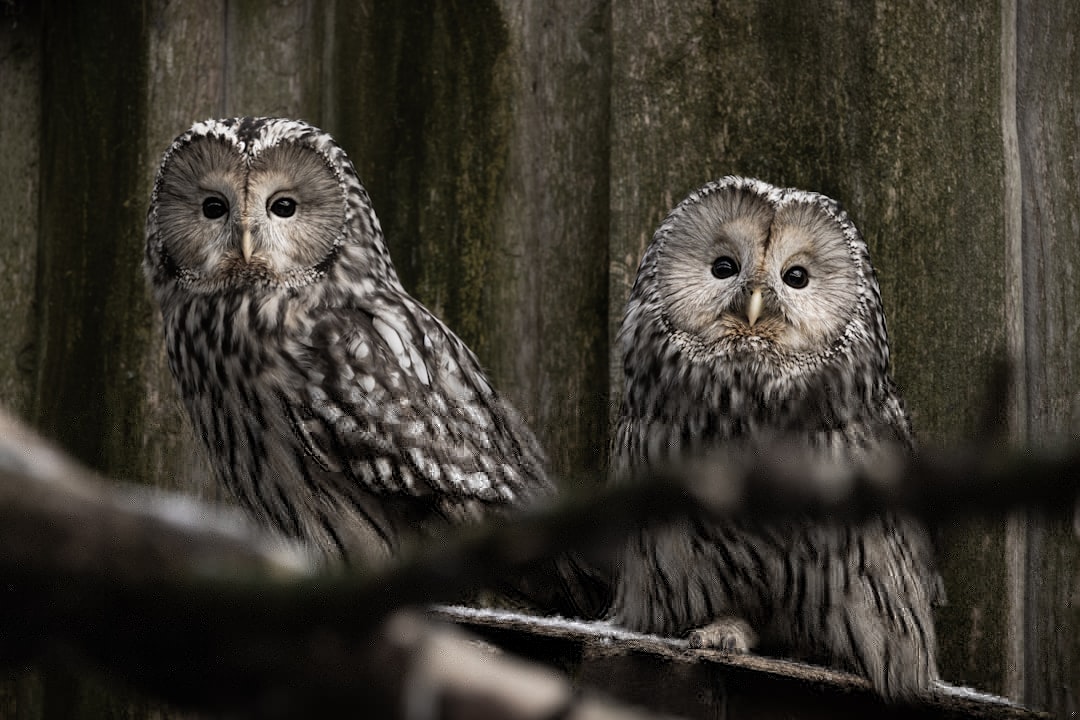
Many of nature’s most fascinating creatures are shy or active only at night. Traditional surveys often miss them, but AI paired with infrared cameras and acoustic sensors is changing that. In the jungles of Southeast Asia, AI spots rare leopards by their unique rosettes, even in total darkness. In Australia, it listens for the ultrasonic calls of bats as they hunt. These breakthroughs reveal the secret lives of creatures that once seemed out of reach, deepening our understanding of the world after sunset.
Understanding Animal Behavior: More Than Just Numbers
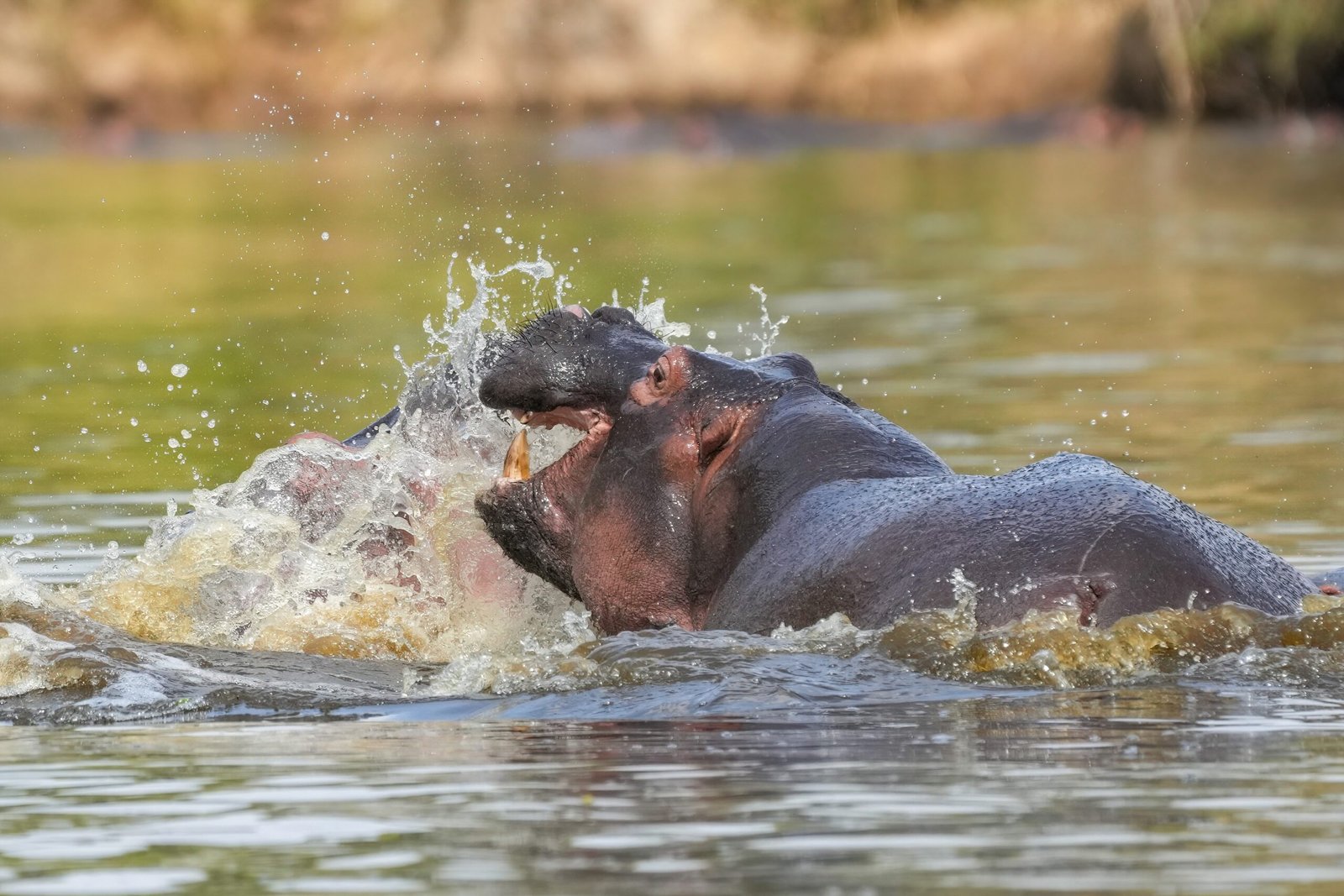
AI goes beyond counting animals—it helps decode their behaviors. By studying movement patterns, vocalizations, and even facial expressions, AI uncovers social dynamics, mating rituals, and stress responses. In primate research, AI tracks subtle gestures and interactions, offering new insights into group hierarchies and cooperation. For marine mammals, it analyzes recordings to distinguish calls used for feeding, mating, or navigation. These findings enrich our appreciation of animal intelligence and emotion, reminding us how little we still know.
Monitoring Climate Change Impacts: Nature’s Early Warning System
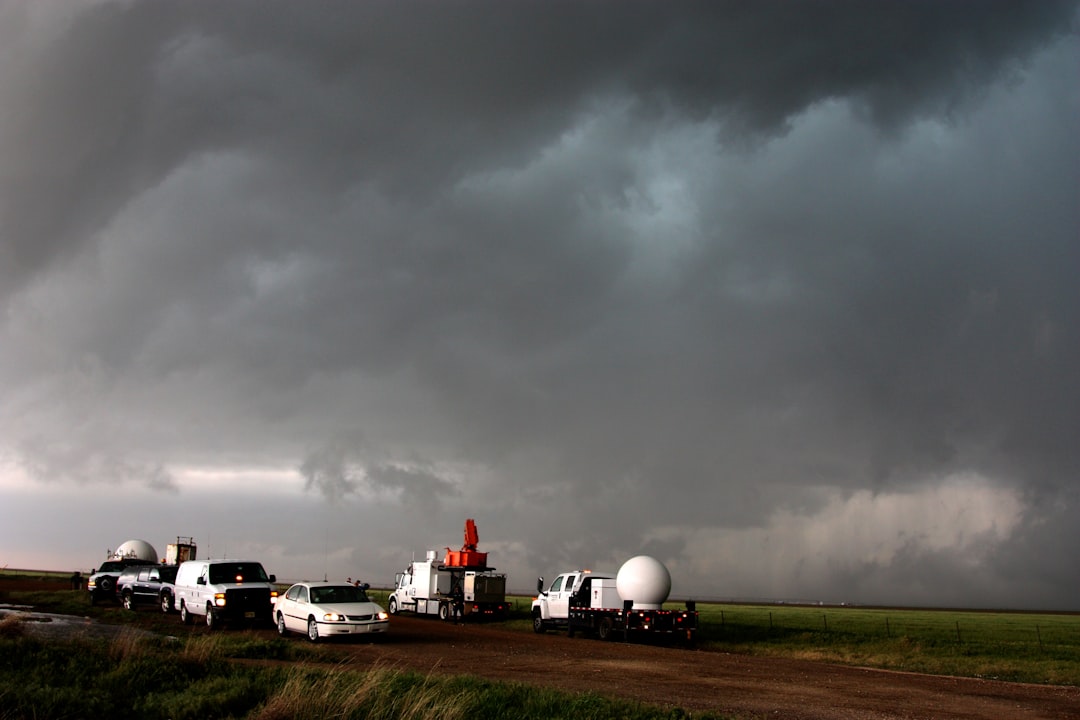
Field biology is on the frontlines of climate change, and AI is a vital ally in tracking its effects. By analyzing shifts in migration, breeding, and habitat use, AI detects early warning signs of stress. In the Arctic, it monitors polar bear movements as sea ice dwindles. In coral reefs, it tracks bleaching events and recovery. These insights help scientists develop strategies to safeguard vulnerable species and ecosystems in a warming world. The stakes are high, but AI gives us tools to adapt and respond.
Fighting Invasive Species: A Digital Defense Line

Invasive species threaten ecosystems worldwide, often spreading faster than humans can react. AI now scans satellite images, camera trap photos, and acoustic recordings to detect invaders early. In the Everglades, it identifies Burmese pythons by their heat signatures, helping rangers remove them before they wreak havoc. In forests, it recognizes the calls of invasive frogs that disrupt native species. By catching invasions in their infancy, AI helps protect the delicate balance of nature.
Safeguarding Endangered Species: A New Hope
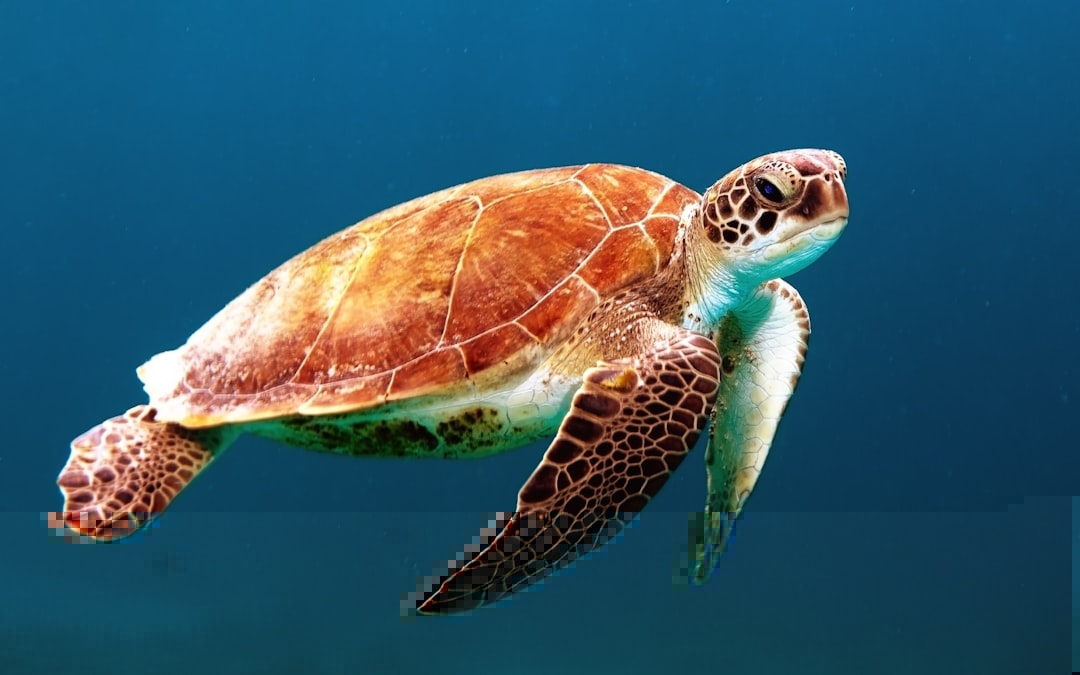
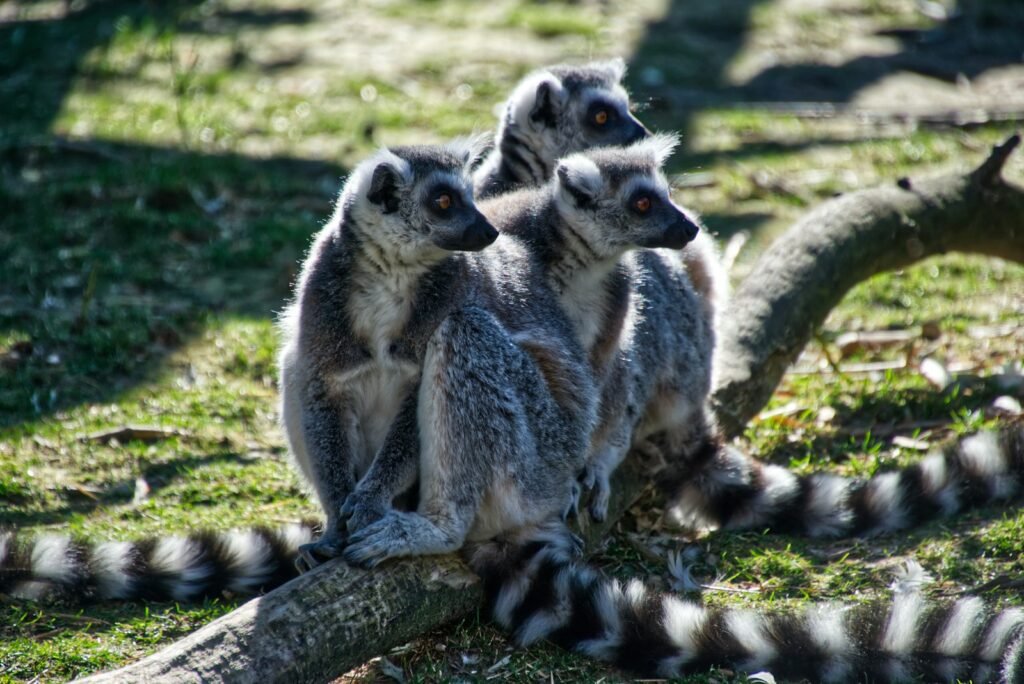
For species on the brink of extinction, every day matters. AI supports conservationists by providing real-time updates on population numbers, health, and threats. In Madagascar, AI tracks lemur families, detecting when individuals go missing or are under stress. In Indonesia, it monitors orangutan nests to ensure infants survive their perilous first months. These efforts offer a lifeline to species many feared were lost, proving that technology and nature can work hand in hand.
Ethical Challenges and the Human Touch

With all its promise, AI in field biology raises tough questions. Who owns the data? How do we protect the privacy of indigenous communities and wildlife alike? And can machines ever replace the intuition and empathy of a human observer? Scientists are grappling with these issues, striving to use AI as a tool that complements, rather than replaces, the human touch. After all, it’s the passion of field biologists—and the wonder of discovery—that drives every innovation.
The Road Ahead: A Wild Future Awaits
The fusion of AI and field biology is just beginning. As algorithms grow smarter and technology reaches even the most remote corners of the planet, the possibilities are endless. Some researchers dream of AI-powered field stations that run themselves, sending discoveries to scientists around the world in real time. Others envision virtual wildlife reserves, where anyone can “visit” ecosystems through live streams and data visualizations. The adventure is far from over—if anything, it’s just getting started. Will you be part of the next great leap in understanding our wild world?