
Imagine holding a piece of rock that contains the exact moment a raindrop hit ancient mud 150 million years ago. Picture being able to see the gentle ripples that danced across a prehistoric lake’s surface, preserved as if they happened yesterday. This isn’t science fiction—it’s the incredible world of trace fossils, where time itself seems to have been frozen in stone.
When Earth Became a Time Capsule
Every fossil tells a story, but some fossils capture moments so fleeting that they seem almost magical. While most people think of fossils as bones and shells, the most extraordinary preservations often involve the most delicate traces of ancient life and environment.
These ephemeral moments—a splash of rain, the whisper of wind across sand, the gentle lapping of waves—require perfect conditions to survive millions of years. The timing must be flawless: the right sediment, the right burial speed, and the right chemistry all working together.
The Science Behind Instant Preservation
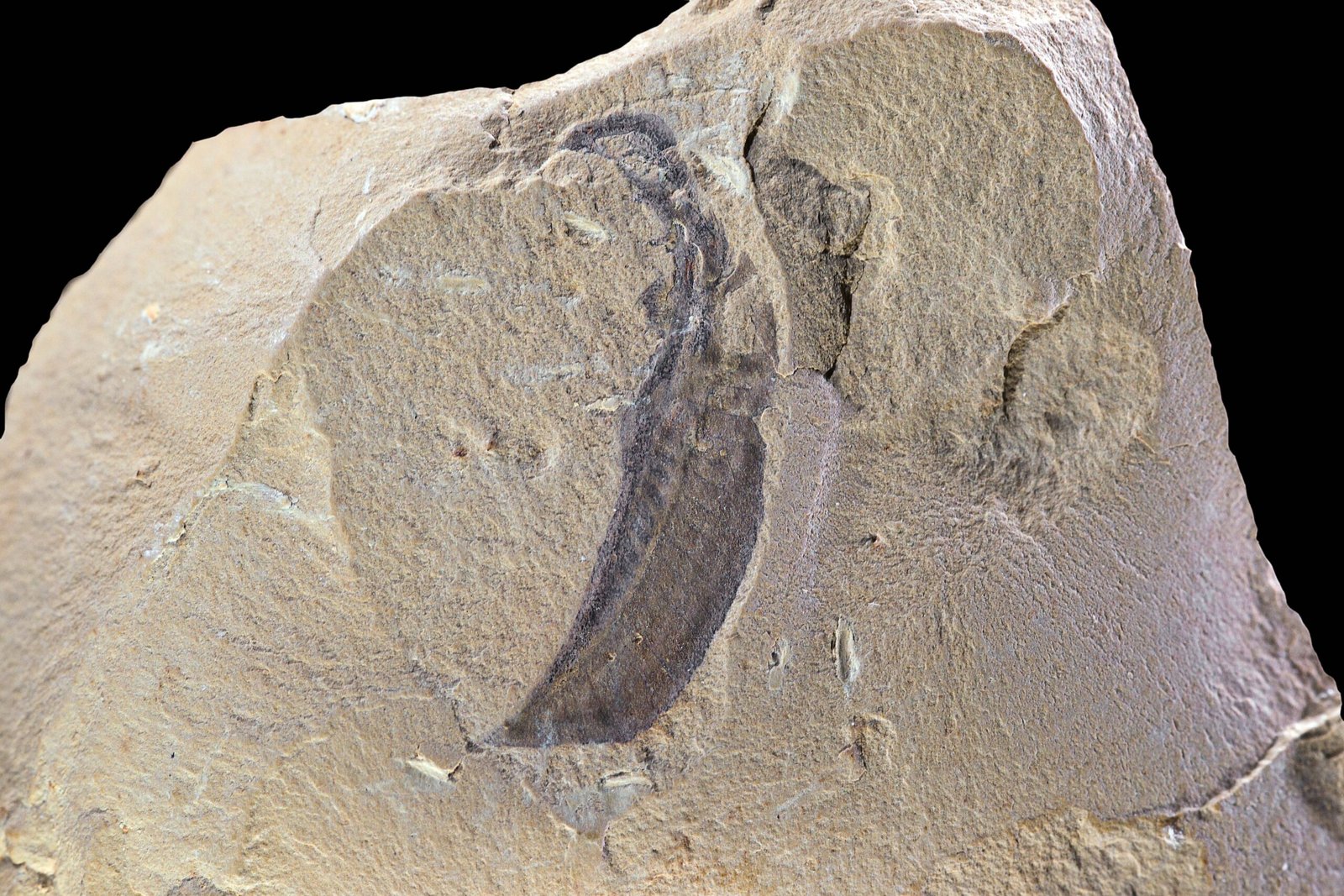
Preservation of such delicate features happens through rapid burial, usually by fine sediments or volcanic ash. When a surface gets covered quickly enough, even the most fragile impressions can be sealed away from the destructive forces of erosion and weathering.
The key lies in the grain size of the covering material. Fine clay particles or volcanic ash can capture details as small as individual raindrops, while coarser sediments would destroy these delicate patterns. It’s like the difference between pressing your hand into wet cement versus coarse gravel.
Temperature and chemical conditions also play crucial roles. The buried surface must avoid being dissolved or altered by groundwater, requiring just the right pH and mineral content to keep the impression intact.
Raindrop Impressions: Prehistoric Weather Reports
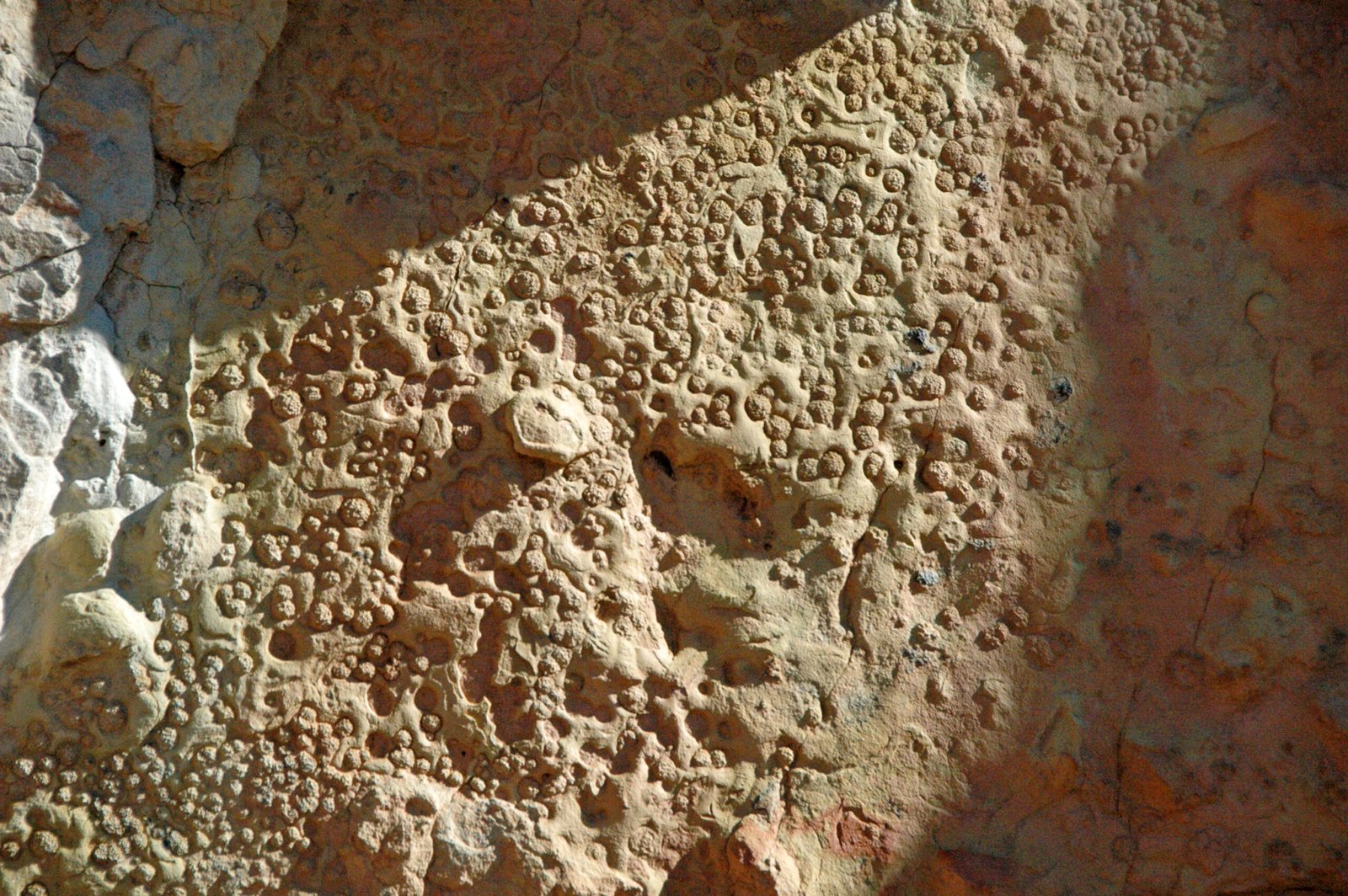
Fossilized raindrops are among the most enchanting discoveries in paleontology. These tiny craters, preserved in ancient mudstones and sandstones, tell us about weather patterns from millions of years ago.
Scientists can determine rainfall intensity by measuring the size and depth of these impressions. Heavy raindrops create larger, deeper craters than light drizzle, just like they do today. Some specimens show evidence of brief, intense downpours, while others suggest gentle, steady rain.
The angle of impact can even reveal wind direction during ancient storms. When raindrops hit at an angle due to strong winds, they create asymmetrical impressions that point like tiny arrows toward the past.
Ripple Marks: Windows to Ancient Waters
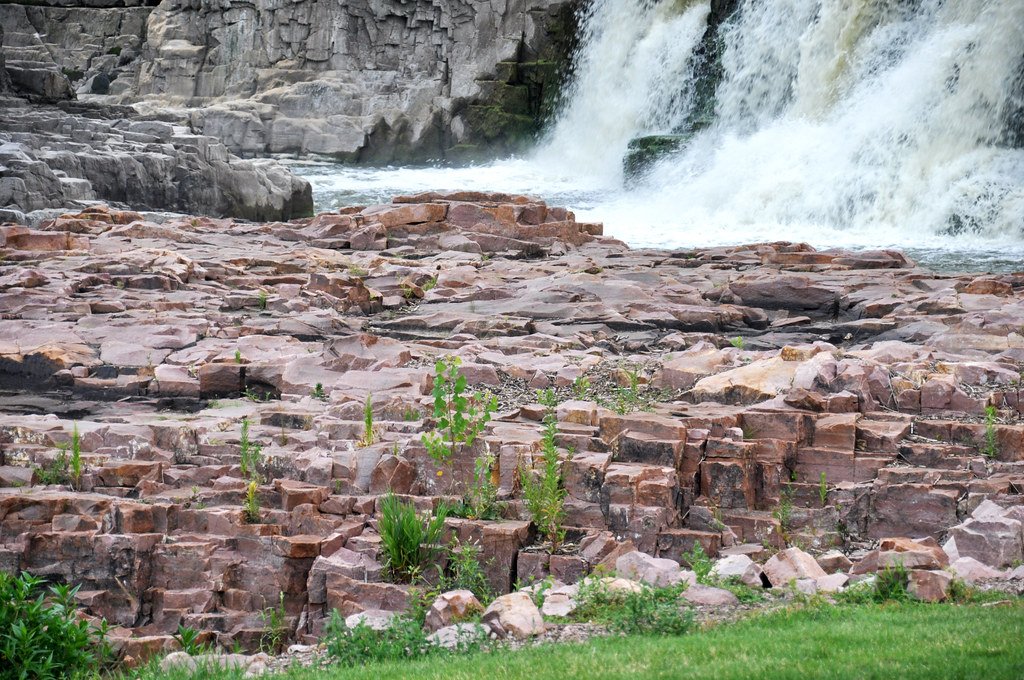
Water ripples frozen in stone transport us to prehistoric shorelines and riverbeds. These wave-like patterns, called ripple marks, form when water or wind moves across loose sediment, creating the familiar undulating surfaces we see on modern beaches and lake bottoms.
Current ripples, formed by flowing water, have asymmetrical profiles that reveal which direction ancient rivers and streams were flowing. Wave ripples from lakes and seas show more symmetrical patterns, often with sharp peaks and rounded troughs.
Some of the most spectacular examples come from tidal zones, where multiple sets of ripples intersect at different angles. These complex patterns record the ebb and flow of ancient tides, preserved as if the sea had just retreated moments ago.
Volcanic Ash: Nature’s Ultimate Preservative
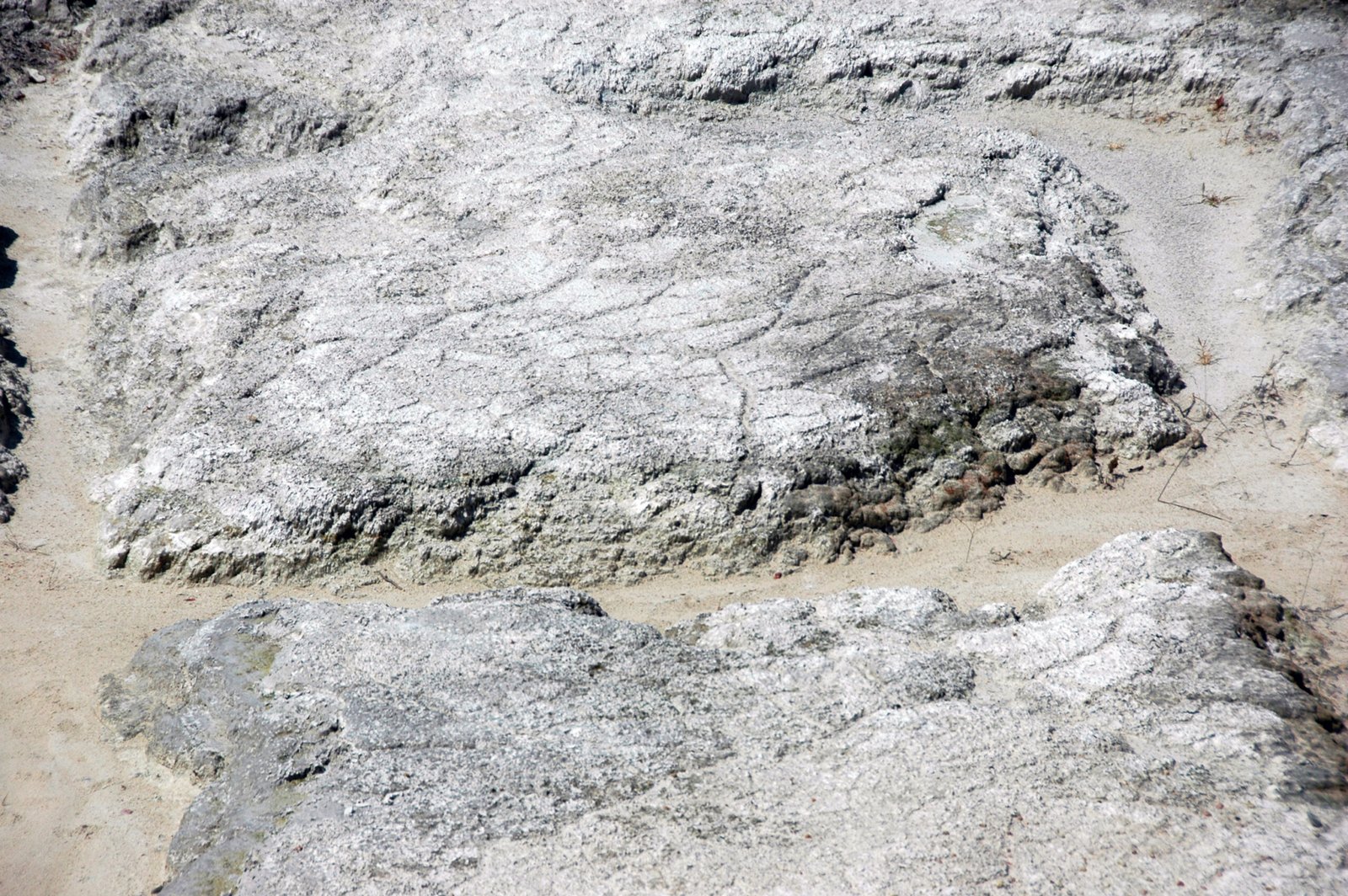
Volcanic eruptions, while destructive, create perfect conditions for preserving life’s most delicate moments. The fine ash particles that rain down from explosive eruptions can bury entire landscapes in hours or days, creating natural time capsules.
The famous Ashfall Fossil Beds in Nebraska demonstrate this process beautifully. Here, a volcanic eruption 12 million years ago buried an entire ecosystem, preserving everything from rhinoceros bones to delicate leaf impressions in remarkable detail.
Volcanic ash has unique properties that make it ideal for preservation. It’s fine enough to capture tiny details, chemically stable, and often rich in minerals that help cement the surrounding rock. Plus, it provides an exact timestamp for the preserved moment.
Footprints in Time: Trackways and Trace Fossils
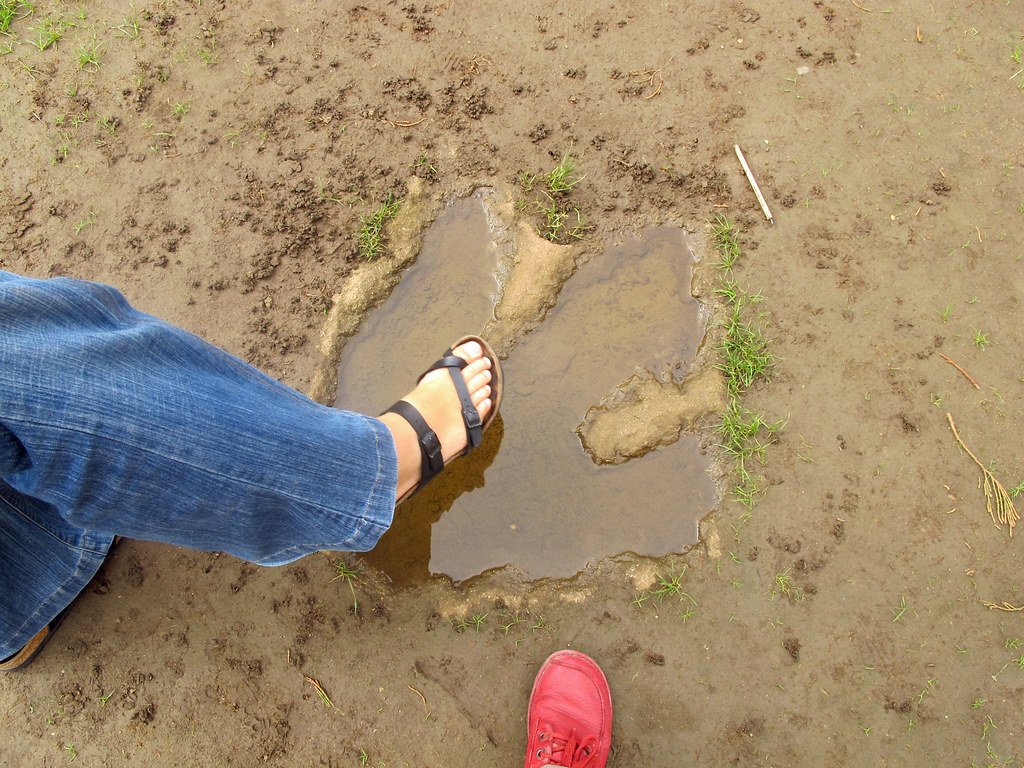
Animal tracks represent some of the most intimate connections we can have with prehistoric life. Unlike body fossils, trackways show us behavior: how fast animals moved, whether they traveled in groups, and how they interacted with their environment.
The famous Laetoli trackway in Tanzania preserves the footprints of early human ancestors walking across volcanic ash 3.6 million years ago. These tracks tell a story more vivid than any skeleton could—a family group strolling across the landscape on a day that happened to be perfectly preserved.
Some trackways show remarkable details, including skin texture, toe pad impressions, and even evidence of injuries or deformities. Each footprint is a moment of contact between a living creature and the Earth, frozen for eternity.
Mudcracks: Patterns of Ancient Droughts
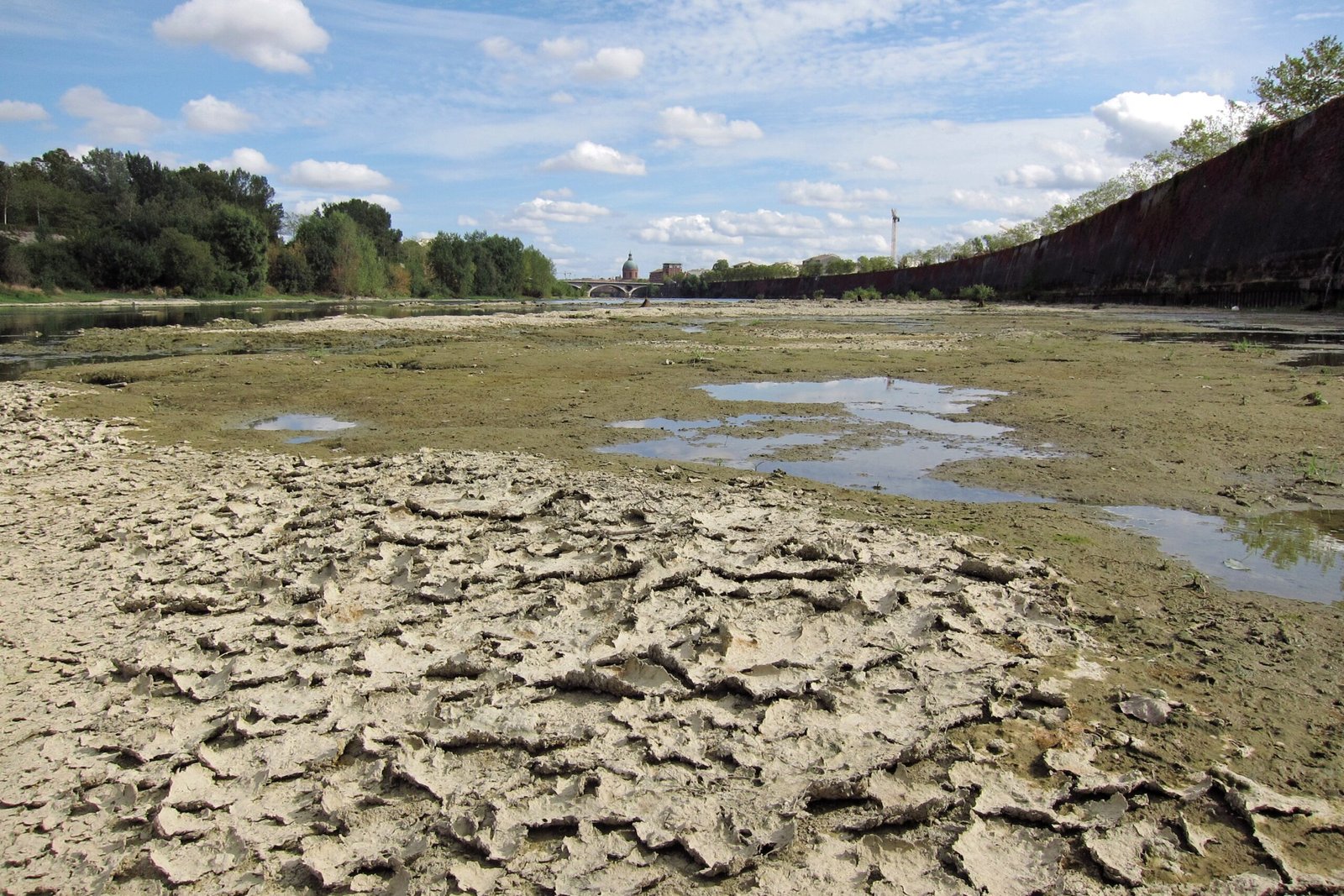
When water evaporates from mud, it shrinks and cracks in distinctive polygonal patterns. These mudcracks, when quickly buried, become permanent records of ancient dry periods and seasonal changes.
The size and pattern of fossilized mudcracks reveal information about climate conditions. Large, deep cracks suggest prolonged droughts, while smaller patterns indicate brief dry spells. Some specimens even show multiple generations of cracking, recording cycles of wet and dry seasons.
Modern mudcracks help scientists interpret ancient ones. By studying how different clay types crack under various conditions, researchers can reconstruct not just the presence of drought, but its severity and duration.
Bubble Traces: Evidence of Ancient Life
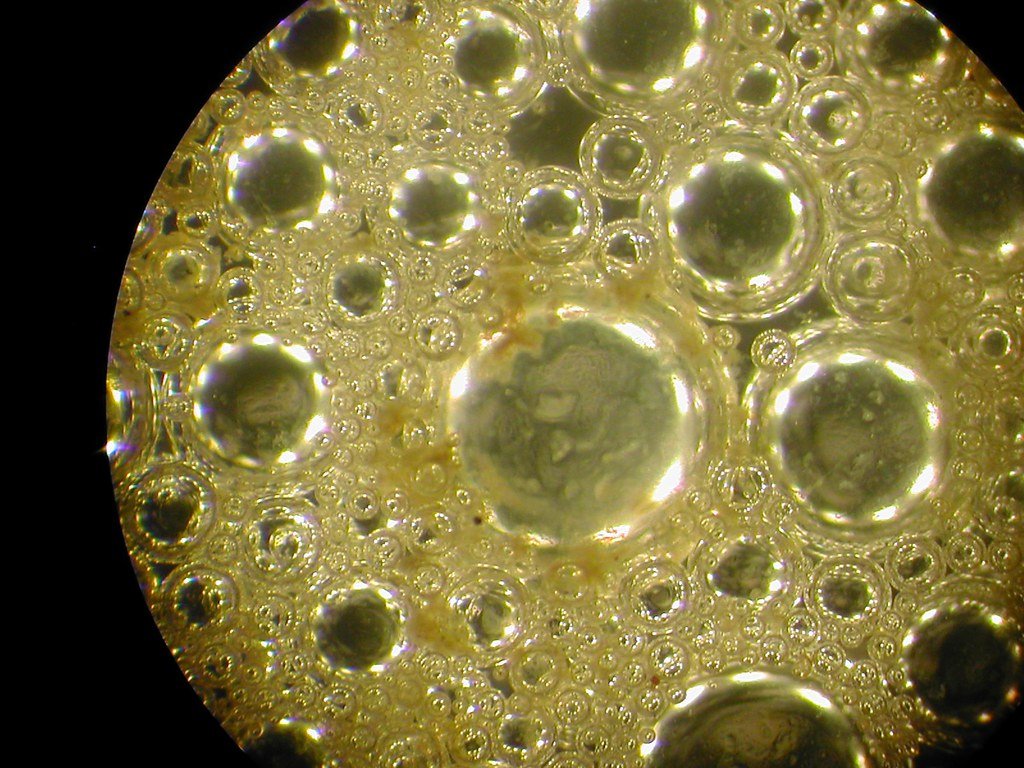
Gas bubbles trapped in ancient sediments provide surprising insights into prehistoric environments. These bubbles might have been produced by decomposing organic matter, gas-producing bacteria, or even the last breaths of buried organisms.
Some bubble traces show evidence of methane or hydrogen sulfide production, indicating anaerobic conditions in ancient swamps or deep waters. Others preserve oxygen bubbles from photosynthetic organisms, marking oases of life in otherwise barren environments.
The preservation of such delicate features requires extremely rapid burial and specific chemical conditions. Finding these traces is like discovering ancient snapshots of microbial activity that would otherwise be completely invisible in the fossil record.
Salt Crystal Impressions: Echoes of Evaporating Seas
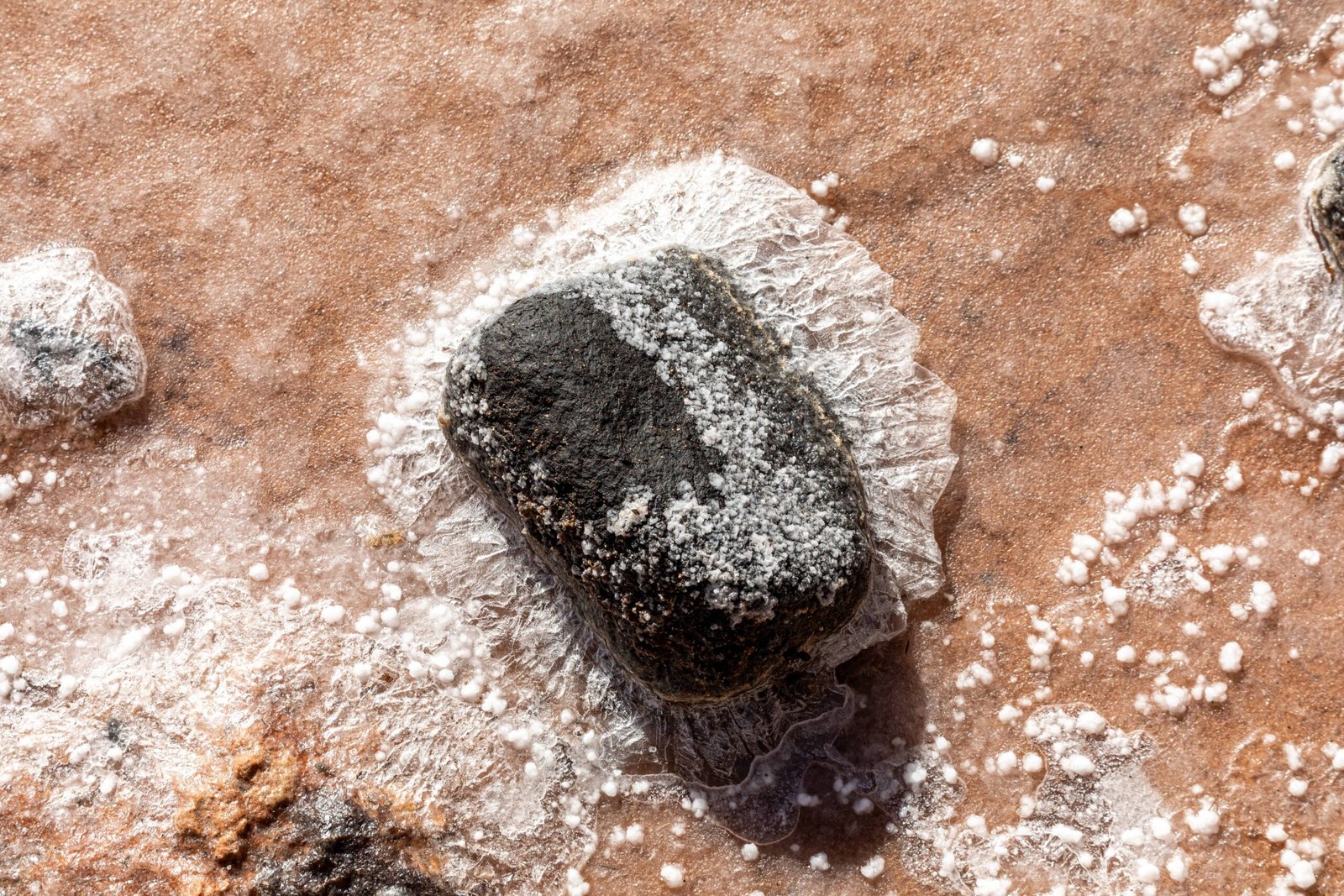
When ancient lakes and seas evaporated, they often left behind salt deposits. While the salt itself rarely survives, the crystal impressions in surrounding sediments create beautiful geometric patterns that tell stories of changing water levels.
These hopper-shaped impressions, formed by rapidly growing salt crystals, indicate periods of intense evaporation. The size and arrangement of crystal molds reveal information about water chemistry, temperature, and evaporation rates in ancient environments.
Some of the most spectacular examples come from the geological formation called the Green River Shale, where entire surfaces are covered with perfectly preserved salt crystal impressions from an ancient lake that existed 50 million years ago.
Worm Burrows: Underground Highways Preserved

The tunnels and burrows created by ancient worms and other soft-bodied creatures often survive long after their makers have vanished. These trace fossils reveal the hidden world of prehistoric soil dwellers and seafloor communities.
Burrow systems can be incredibly complex, with feeding chambers, nurseries, and escape routes all preserved in three-dimensional detail. Some show evidence of cooperative behavior, with multiple individuals sharing tunnel networks.
The chemistry of ancient burrows often differs from surrounding rock, as the creatures’ activities altered the local environment. This creates natural casts of their underground highways, sometimes highlighted by different colored minerals.
Lightning Strikes: Prehistoric Electrical Storms
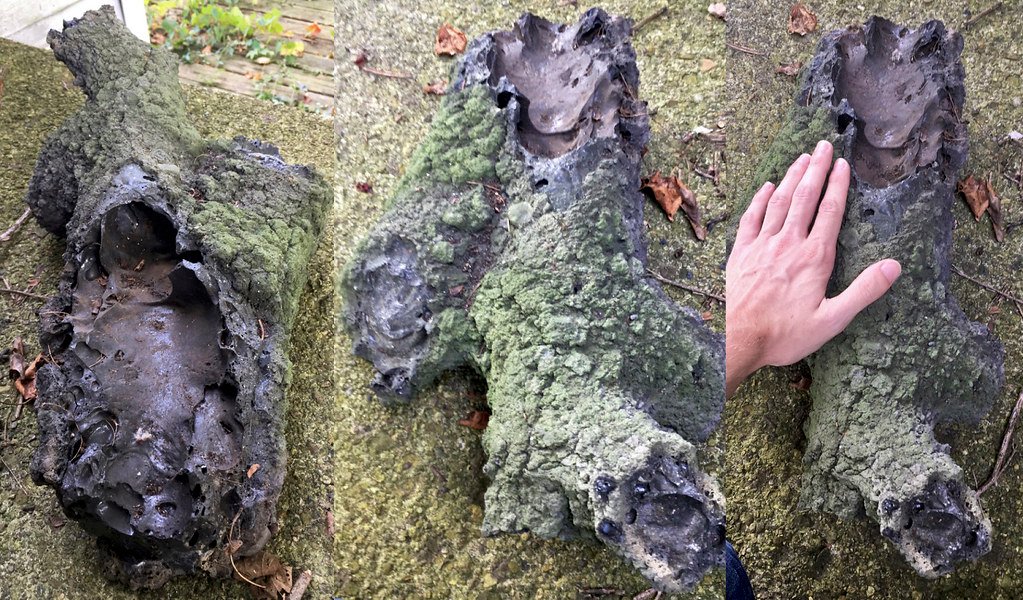
Fulgurites—glass tubes formed when lightning strikes sand or rock—provide direct evidence of ancient thunderstorms. These natural glass sculptures preserve the exact path of lightning bolts that flashed across prehistoric skies.
Ancient fulgurites are rare but spectacular finds. They tell us about atmospheric conditions and storm patterns in deep time, complementing other evidence of ancient weather systems.
The shape and size of fulgurites reveal information about the lightning’s intensity and duration. Some branch like underground rivers, following the path of least resistance through ancient sediments.
Desiccation Features: When Life Struggled
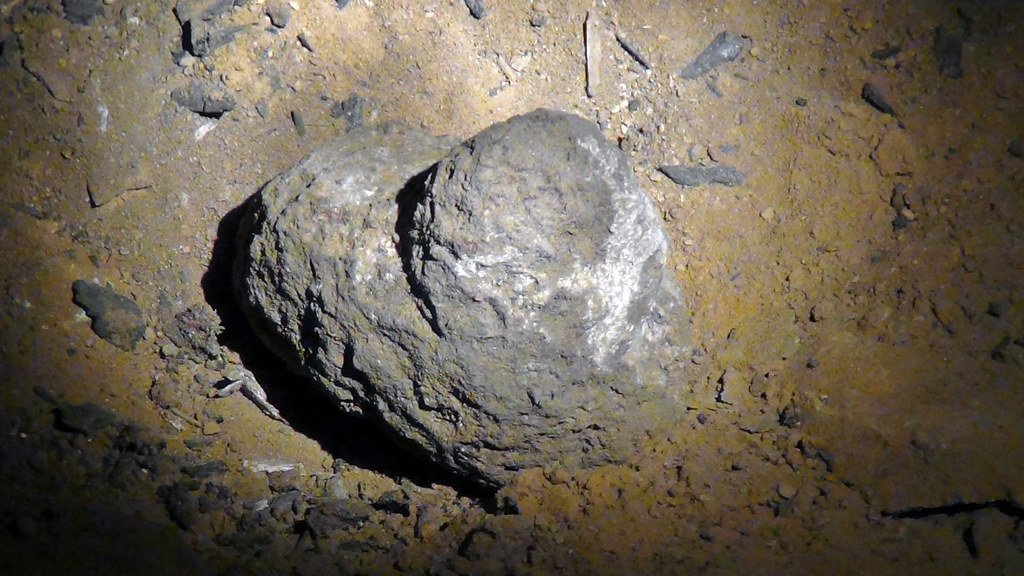
Periods of extreme drying left their mark in various ways: curled and twisted plant fragments, shrunken tissue impressions, and concentrated chemical deposits. These features paint pictures of environmental stress and survival strategies.
Some fossils show organisms in their death throes, curled up in characteristic postures associated with dehydration. These poignant discoveries remind us that not every preserved moment was peaceful.
Desiccation features help scientists understand how ancient ecosystems responded to climate change, providing valuable insights for understanding modern environmental challenges.
Frozen Moments in Amber

While not technically traditional fossils, organisms preserved in amber represent perhaps the ultimate example of frozen time. Insects, spiders, and even small vertebrates trapped in tree resin can preserve not just form but actual cellular structure.
Some amber specimens capture dramatic moments: a spider attacking prey, insects caught in mating displays, or predator-prey interactions frozen mid-action. These scenes play out like movie stills from ancient forests.
The clarity of amber preservation is so remarkable that scientists can sometimes study the contents of insects’ stomachs or identify pollen grains on their bodies, providing incredibly detailed ecological information.
Tool Marks and Human Activity
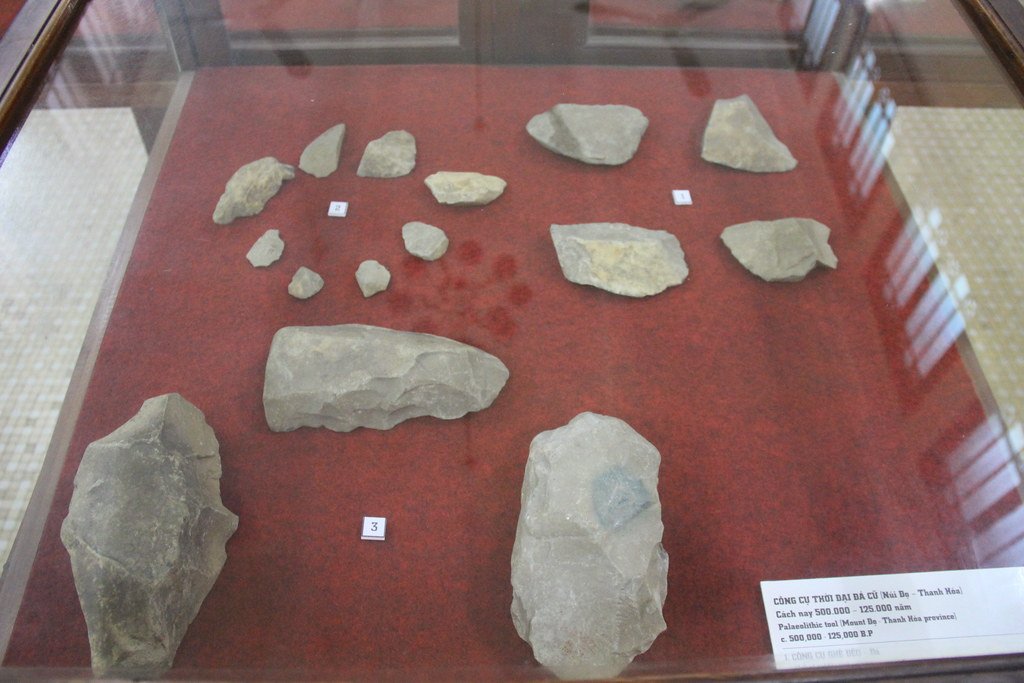
Evidence of early human activity sometimes survives in trace form: cut marks on bones, fire-altered sediments, and even the impressions of primitive tools. These traces connect us directly to our ancestors’ daily lives.
Stone tool manufacturing sites preserve not just the tools themselves but the debris from their creation—thousands of tiny flakes that tell stories of skill, planning, and technological development.
Some of the most moving discoveries are handprints and hand stencils in caves, where ancient humans pressed their hands against rock surfaces or blew pigment around them, creating permanent signatures from tens of thousands of years ago.
Microscopic Moments: Pollen and Spore Impressions
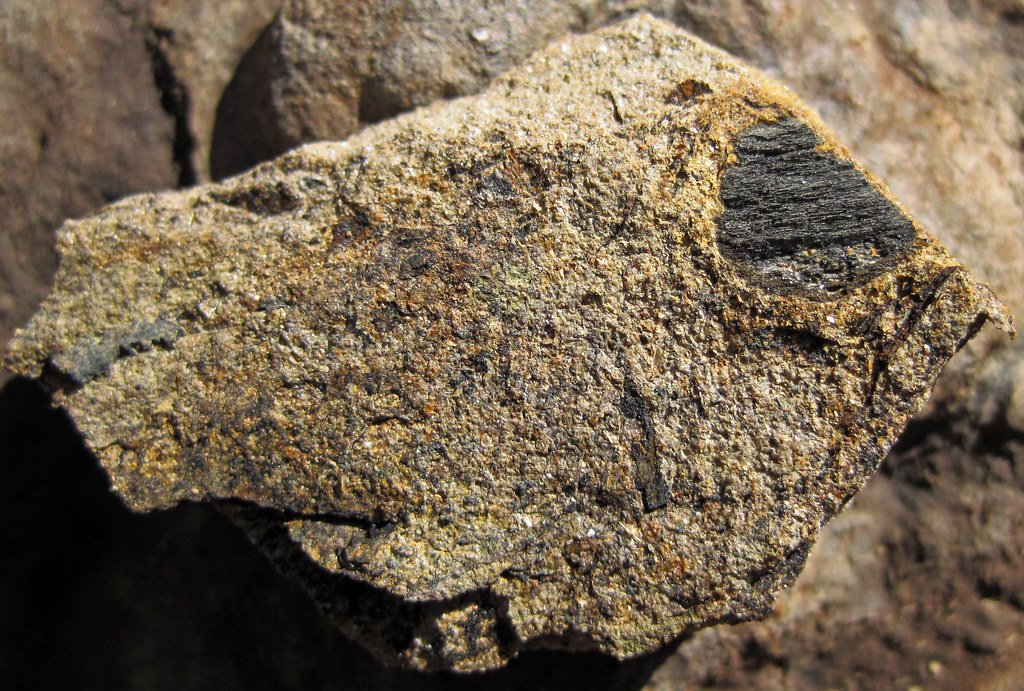
Even the tiniest organic structures can be preserved under the right conditions. Pollen grains, spores, and microscopic organisms create impressions so small they require magnification to study, yet they provide enormous amounts of information.
These microscopic traces reveal details about ancient plant communities, seasonal cycles, and even specific weather events. A single layer of sediment might contain thousands of these tiny time capsules.
The study of fossil pollen, called palynology, has revolutionized our understanding of ancient climates and vegetation patterns. It’s like having a microscopic weather station recording conditions millions of years ago.
Surface Textures: Reading Ancient Environments
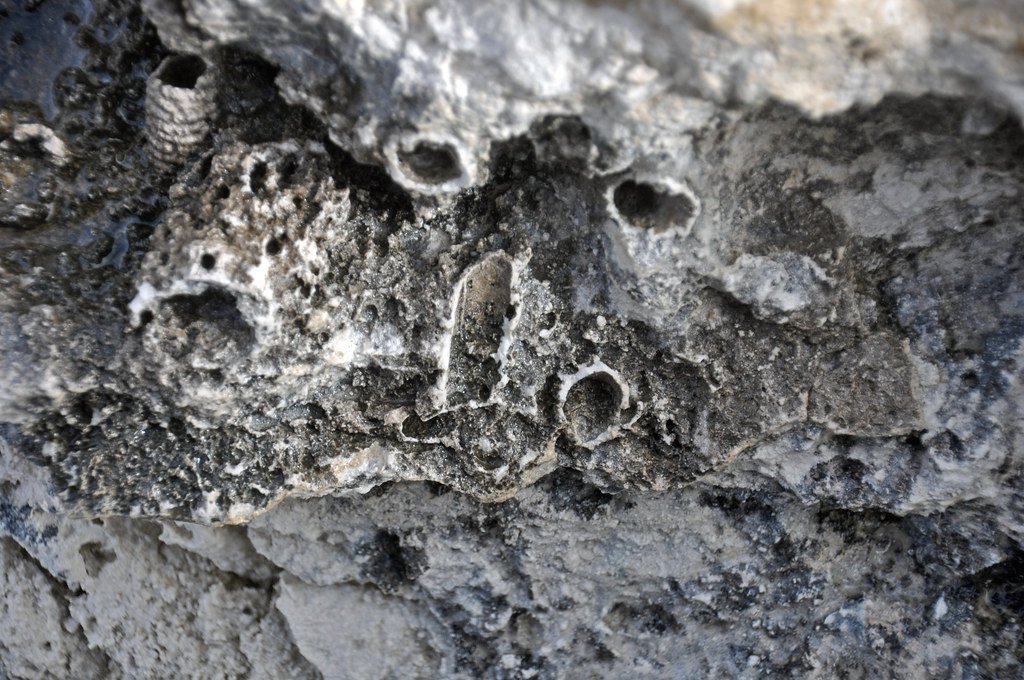
The surfaces of ancient sediment layers often preserve texture patterns that reveal environmental conditions: wind direction, water depth, seasonal changes, and biological activity. These subtle features require trained eyes to recognize and interpret.
Adhesion ripples, formed when wet sand sticks to dry surfaces, indicate specific water level fluctuations. Load structures show where heavy sediments sank into softer layers below, often indicating rapid deposition events.
Each textural feature is like a word in the Earth’s ancient language, and learning to read these patterns allows scientists to reconstruct detailed environmental histories.
Chemical Signatures: Invisible Traces of Life
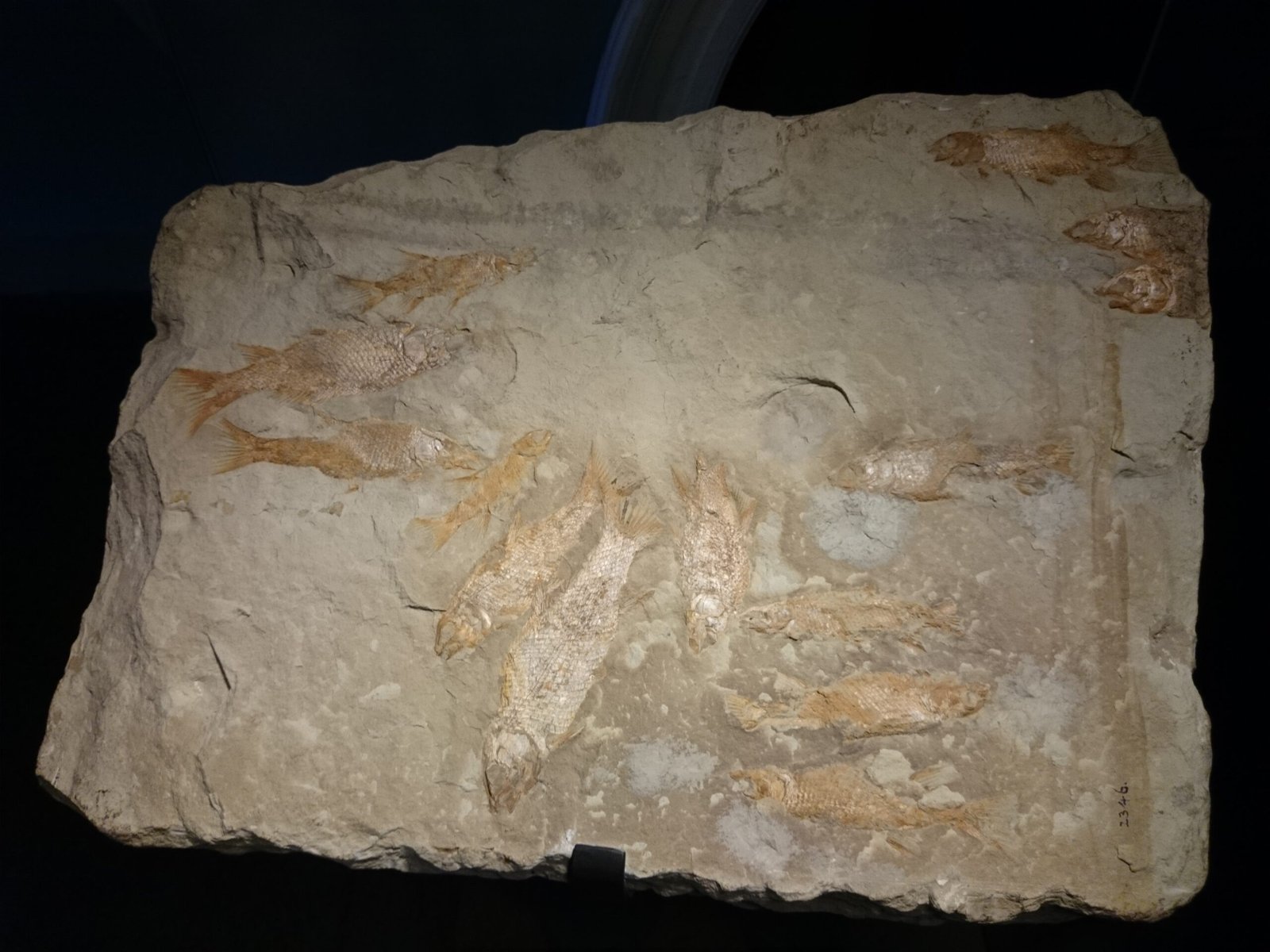
Sometimes the most important information comes not from visible structures but from chemical signatures preserved in rocks. Organic molecules, isotope ratios, and trace elements can survive long after all visible traces of life have disappeared.
These chemical fossils, or biomarkers, provide evidence of life in rocks so old that no traditional fossils exist. They’ve pushed back the date for the earliest life on Earth by billions of years.
Some chemical signatures are so specific they can identify particular types of organisms or even specific biological processes, creating a molecular fossil record parallel to the visible one.
Modern Analogues: Understanding Ancient Processes
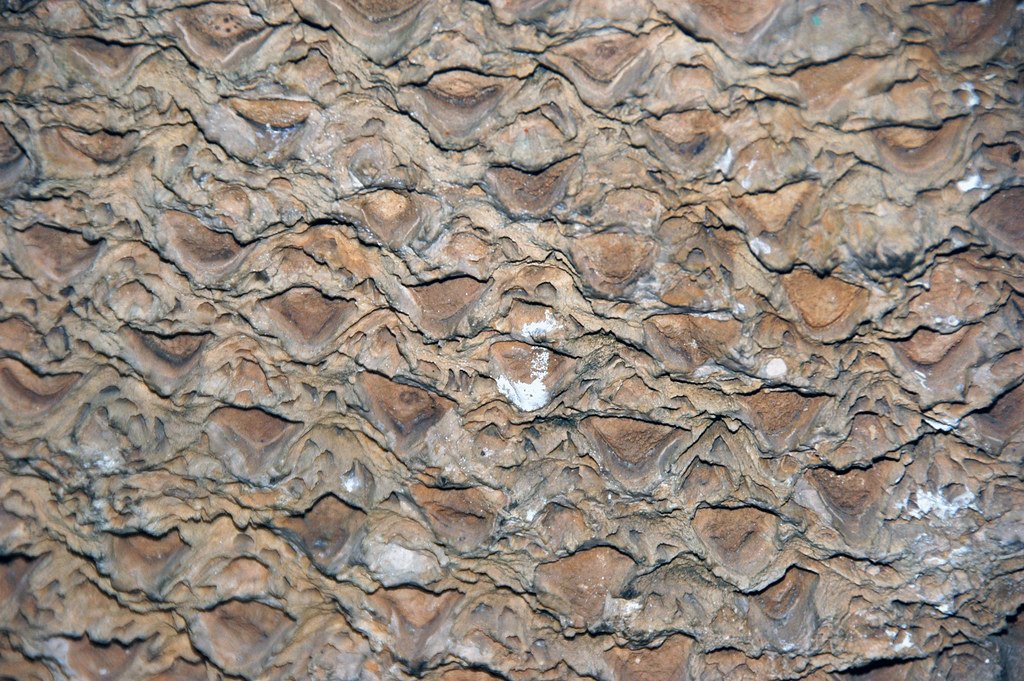
Scientists study modern environments to understand how ancient trace fossils formed. By watching contemporary processes—waves creating ripples, rain forming craters, volcanic ash burying landscapes—researchers can interpret similar features in ancient rocks.
This actualistic approach has revealed that many supposedly rare or unusual ancient features are actually quite common in modern environments, just rarely preserved. Understanding modern processes helps identify what conditions were necessary for ancient preservation.
Field studies of modern trace formation have become crucial for paleoenvironmental reconstruction, providing the key to reading Earth’s most subtle historical records.
The Future of Trace Fossil Discovery
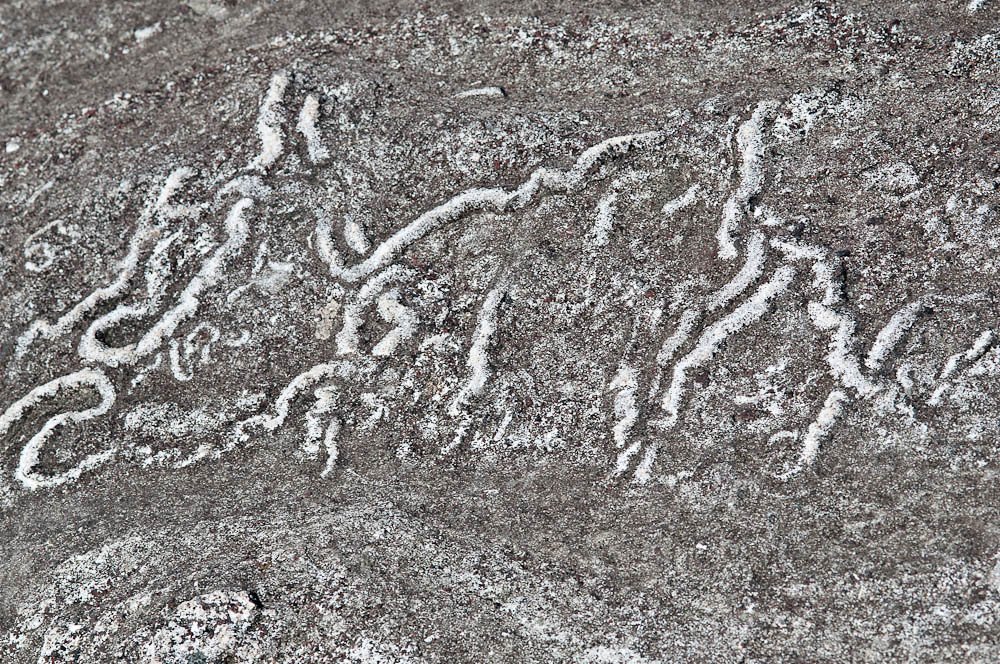
New technologies are revolutionizing trace fossil research. High-resolution imaging, chemical analysis techniques, and computational modeling allow scientists to extract information from specimens that seemed to hold no secrets just decades ago.
Three-dimensional scanning and virtual reality are making it possible to study trace fossils in ways never before imagined, revealing hidden details and allowing researchers to share discoveries instantly across the globe.
As our analytical capabilities improve, even the most humble trace fossils are yielding surprising insights into ancient life and environments, proving that every preserved moment has a story to tell.
These frozen moments in Earth’s history remind us that the most extraordinary discoveries often come from the most ordinary events. Every raindrop that fell, every wave that lapped a prehistoric shore, every footstep taken by an ancient creature had the potential to become a message from deep time. In a world where we often feel disconnected from our planet’s vast history, these delicate traces bridge millions of years with startling intimacy. What stories might today’s puddles and ripples tell to future scientists millions of years from now?