
Imagine standing on a rocky shoreline, sunlight glinting off stone where, hundreds of millions of years ago, life was making its first bold steps from water to land. It’s hard not to feel your heart skip a beat at Miguasha, a place where ancient secrets wait patiently beneath your feet. Here, on the quiet coast of Quebec’s Gaspé Peninsula, time has pressed unimaginable transformations into rock, trapping evidence of the very moment when fish dared to become something more. The fossils at Miguasha aren’t just relics—they’re a window into the origin story of every creature that ever walked on land, including us. If you’ve ever wondered what it felt like to witness the dawn of terrestrial life, Miguasha offers the next best thing: a stunning, scientifically priceless snapshot of evolution’s most dramatic leap.
Where Time Stands Still: The Geology of Miguasha
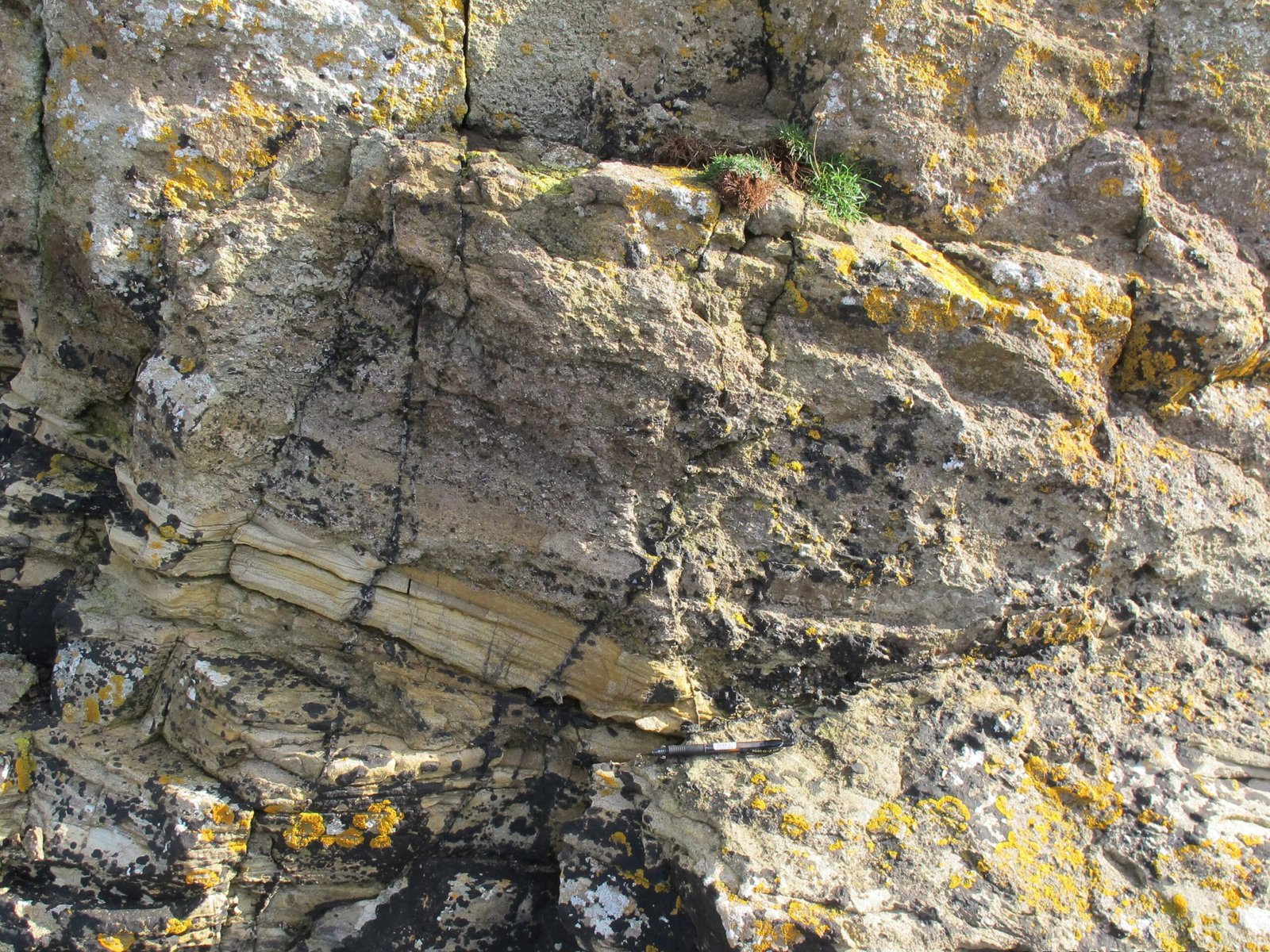
Miguasha National Park’s cliffs are made of shale and sandstone, layers built up around 380 million years ago during the Devonian Period. These rocks are like pages in the oldest history book on Earth—each layer records a chapter of ancient life. Over millennia, rivers and tides quietly deposited mud and silt, burying plants and animals in perfect conditions for fossilization. Today, the strata reveal a precise timeline, showing scientists exactly when each species appeared and how the environment changed. Walking along the cliff base, you can run your fingers over stone that once cradled thriving, ancient ecosystems. It’s a little like holding a time machine in your hand, feeling the weight of eons condensed into a single, silent slab.
The Devonian Period: When Fish Ruled the World

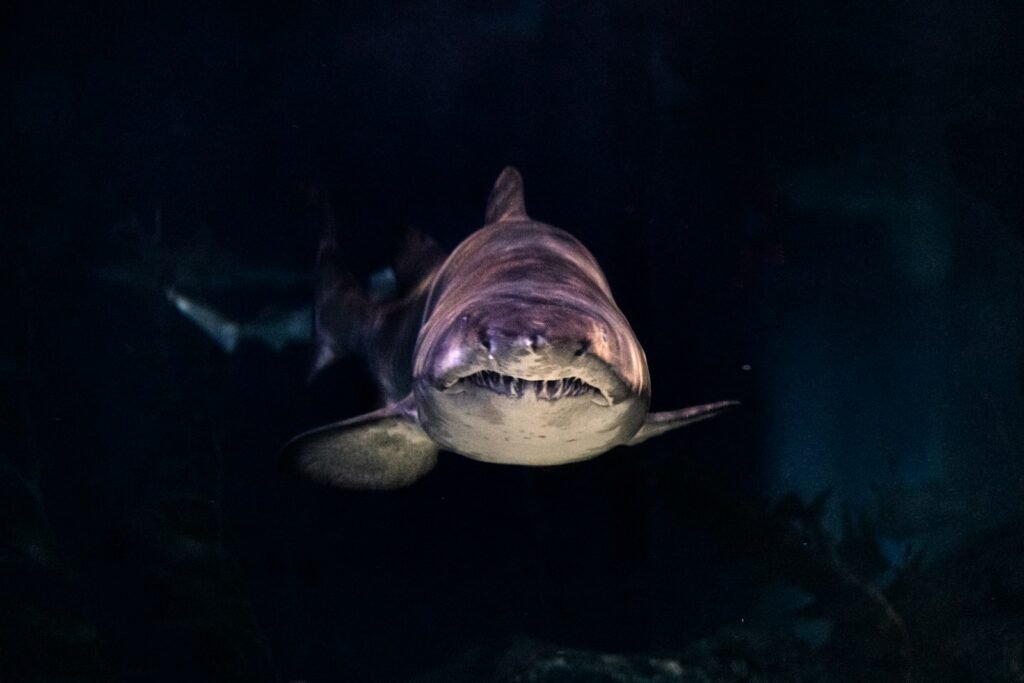
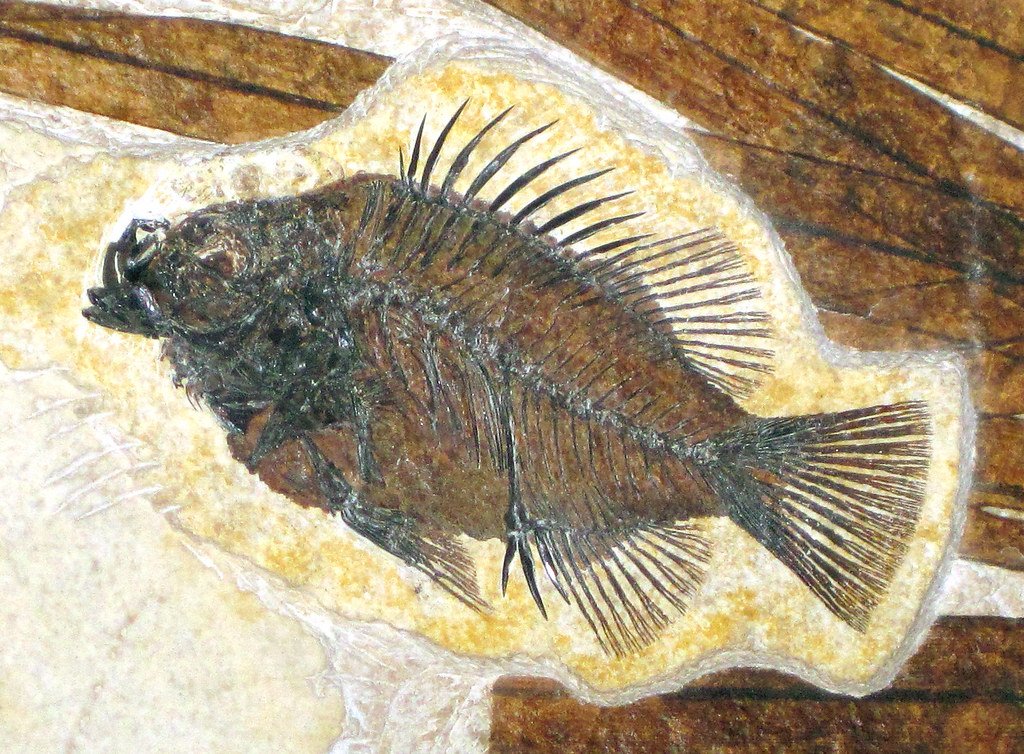
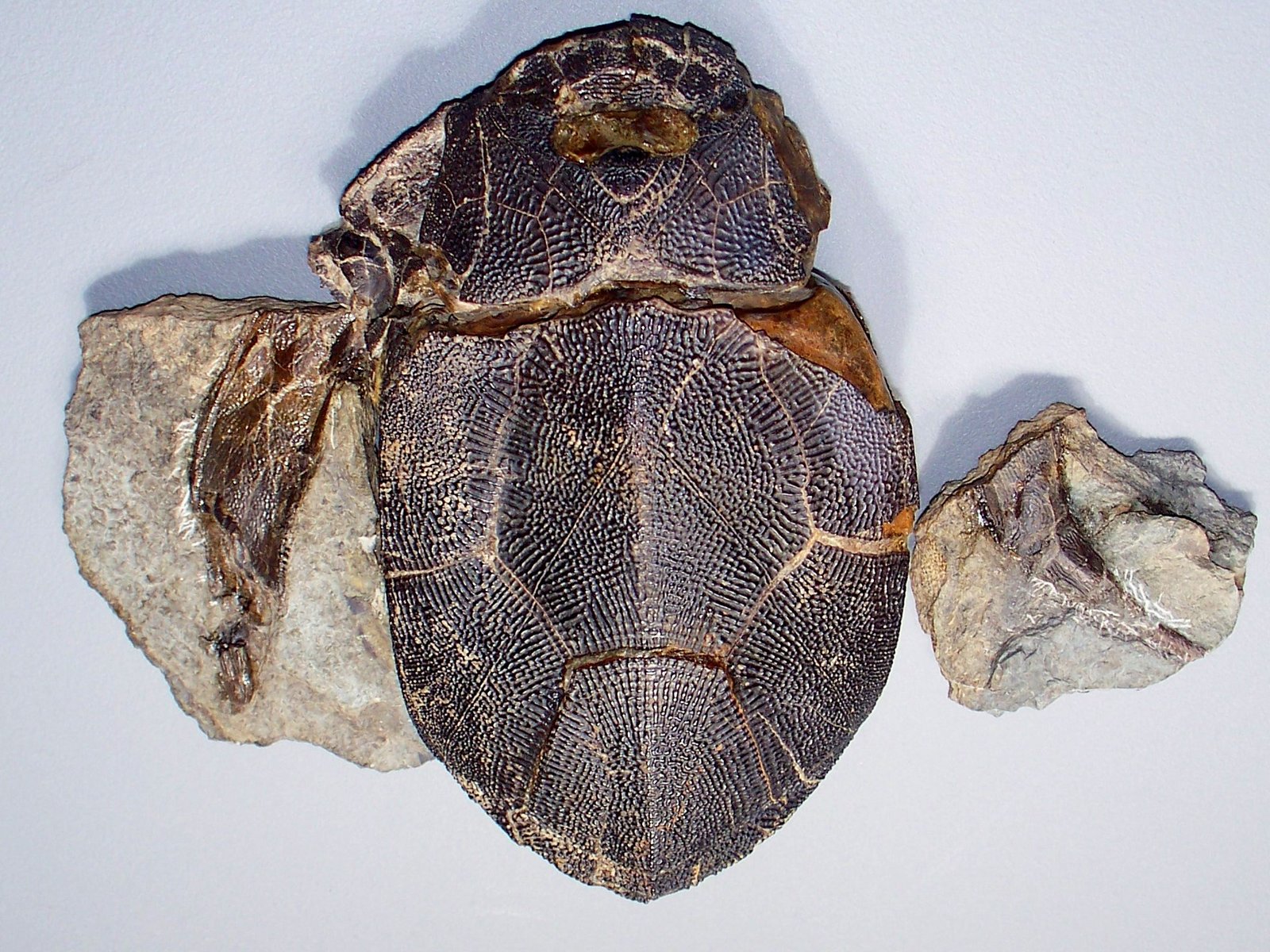
The Devonian is often called the “Age of Fishes,” and for good reason. About 419 to 359 million years ago, Earth’s waters were teeming with bizarre and beautiful fish unlike anything alive today. Some species had armored plates, others had jaws for the first time, and a few even had primitive lungs. Miguasha’s fossils capture this explosion of variety in breathtaking detail. The diversity preserved here is almost overwhelming—fins shaped in every possible way, bodies adapted to every watery niche. It’s a reminder that the world we know, dominated by mammals and birds, began with a dramatic fish story. Each fossil is a postcard from a forgotten era.
From Water to Land: The Great Evolutionary Leap
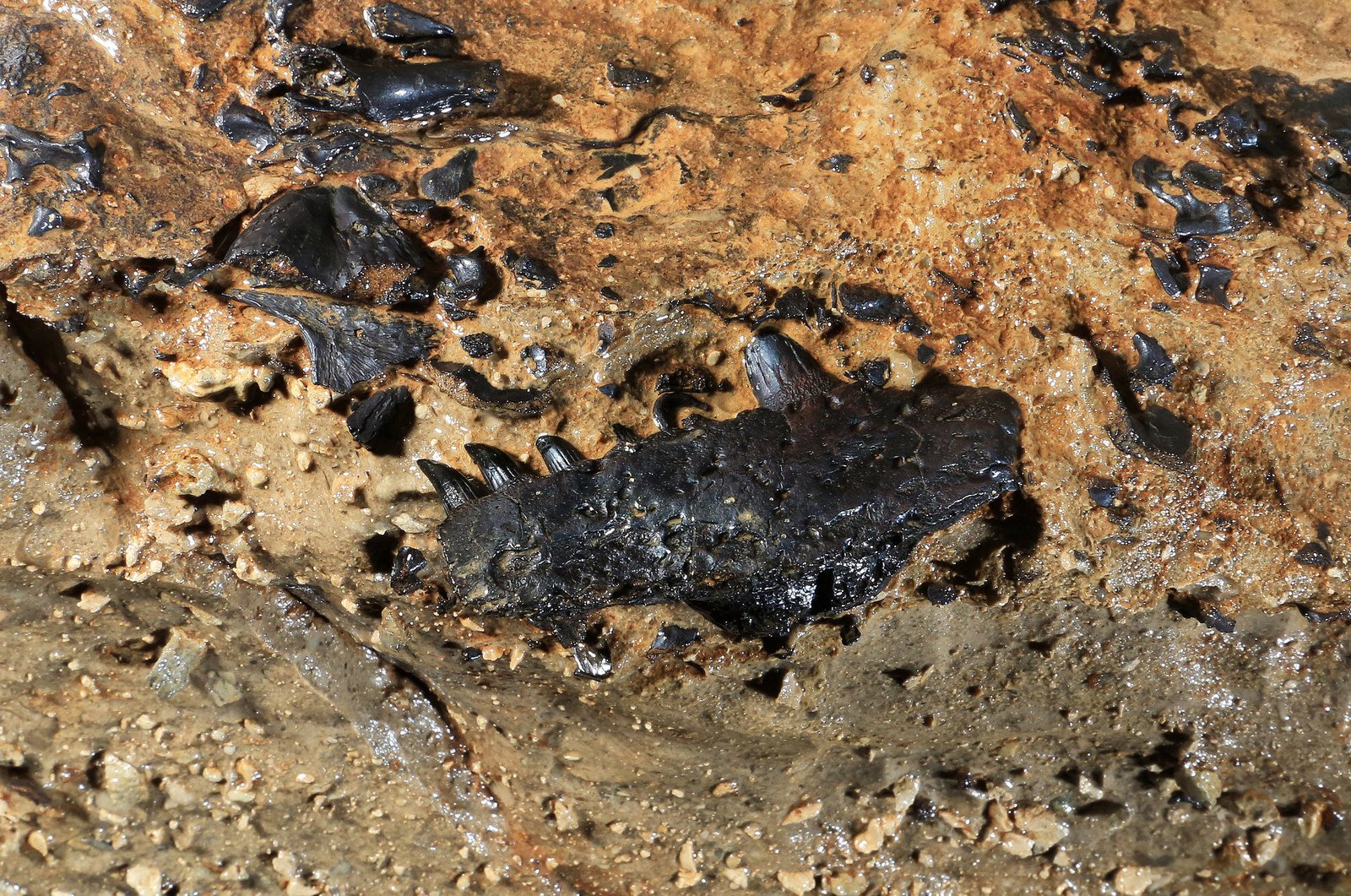
Perhaps the most spellbinding story told at Miguasha is how some fish began to experiment with life on land. Around 375 million years ago, a handful of fish developed strong, fleshy fins and lungs, enabling them to gulp air and explore the muddy shoreline. These were the first tetrapods—the ancestors of amphibians, reptiles, birds, and mammals. Fossils at Miguasha preserve this pivotal transformation in exquisite detail. Scientists find creatures with both gills and lungs, fins and proto-limbs. It’s as if evolution hit “pause” and left us the blueprints for building a land animal. The excitement of tracing your own ancestry back to these ancient pioneers is almost electric.
UNESCO Recognition: A Site of Global Importance
In 1999, UNESCO designated Miguasha National Park as a World Heritage Site, recognizing its unique contribution to our understanding of life’s history. The park’s fossil beds are considered the best in the world for studying the transition from fish to tetrapods. UNESCO’s recognition isn’t just a badge of honor—it’s a promise to protect this site for future generations. Miguasha’s fossils don’t just belong to Canada; they’re a legacy for all humanity, a message from the past that still shapes our future. Standing here, it’s impossible not to feel connected to every living thing that ever crawled, walked, or ran across the planet.
Fossil Hunting: Secrets in the Stone
Hunting for fossils at Miguasha feels like a treasure hunt mixed with detective work. Paleontologists carefully chip away at the shale, revealing hidden forms that haven’t seen sunlight in hundreds of millions of years. Sometimes, it’s just a scale or a bit of bone; other times, entire skeletons are freed from their rocky tombs. Each discovery is a puzzle piece—a clue about ancient diets, habitats, and behaviors. For visitors, guided tours let you witness the thrill firsthand and maybe even spot a fossil yourself. It’s a powerful reminder that even the most ordinary-looking rocks might hold extraordinary stories.
Eusthenopteron: The Star Fossil of Miguasha

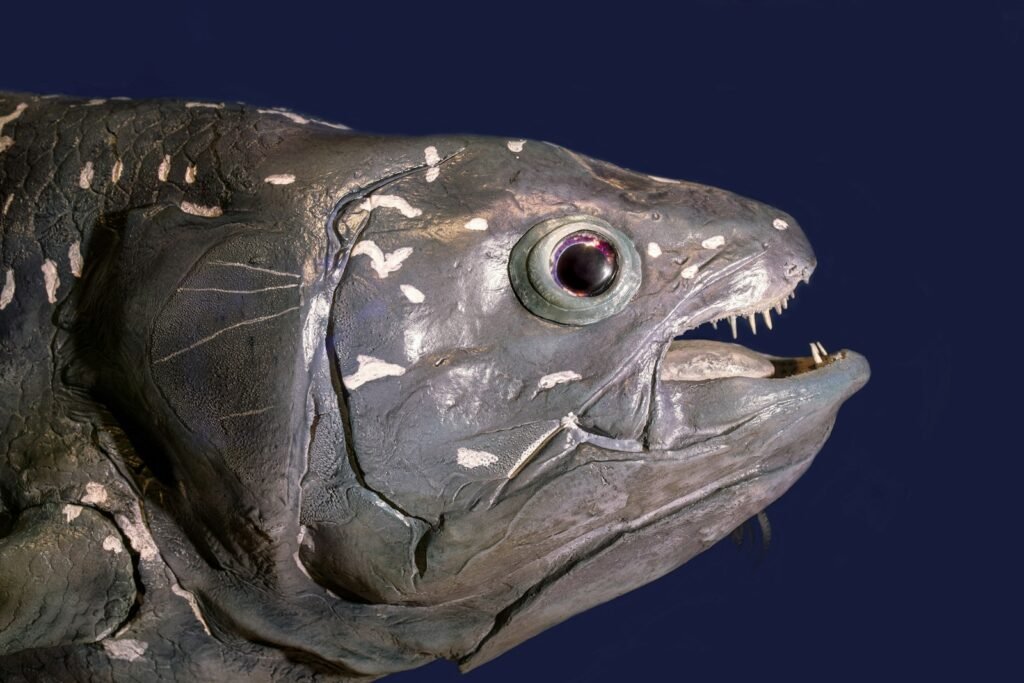
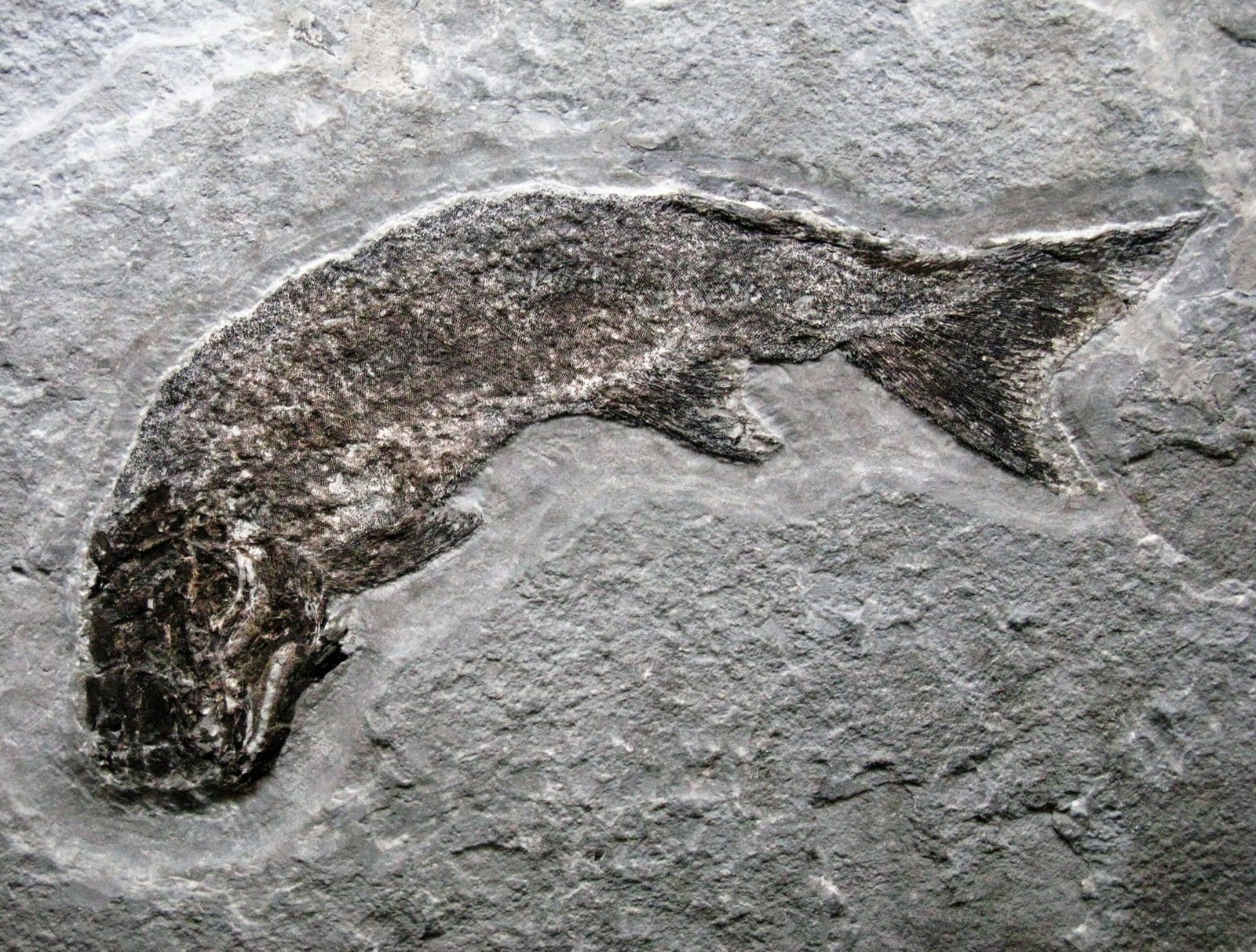
If there’s one fossil that steals the spotlight at Miguasha, it’s Eusthenopteron. This lobe-finned fish is famous for its remarkably well-preserved skeleton, which reveals features found in the earliest land vertebrates. Scientists sometimes call Eusthenopteron the “fish with fingers” because its fin bones look strikingly like the limbs of tetrapods. This creature bridges the gap between swimming and walking, showing us exactly how evolution tinkered with anatomy to prepare for life on land. Holding a cast of its fossil, you can easily imagine those fins pushing through the mud, one evolutionary experiment away from the first footprint.
Plants of the Devonian: Setting the Stage
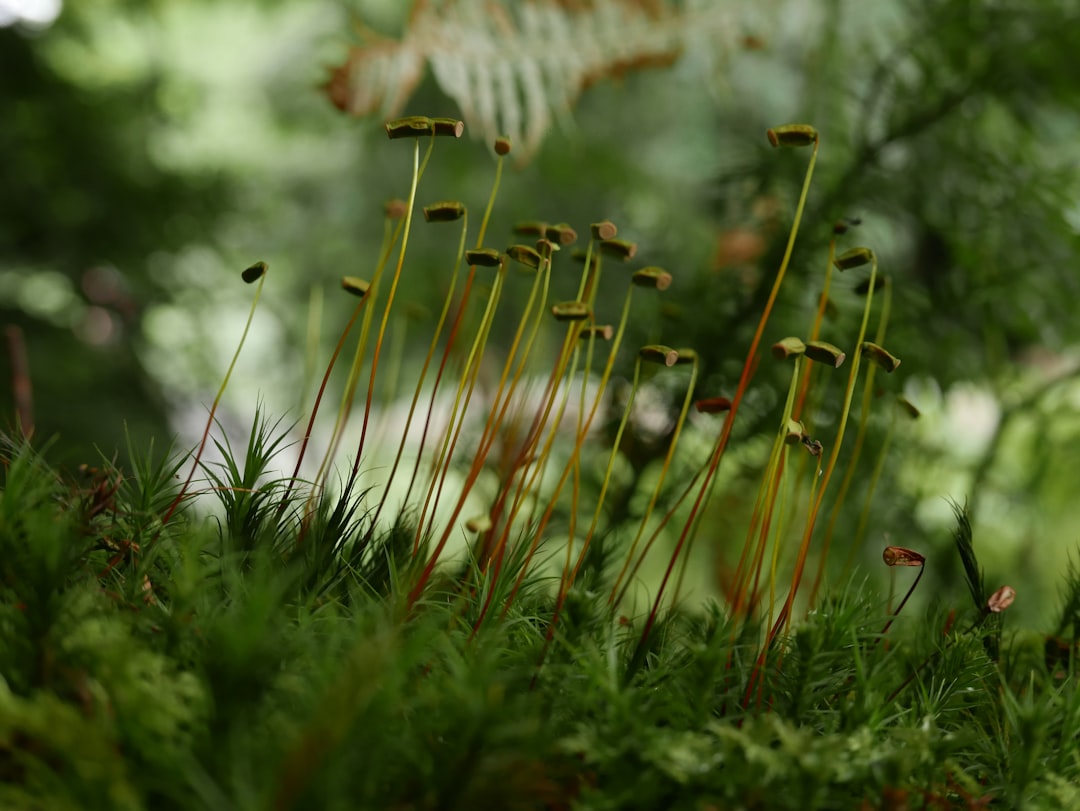
It wasn’t just animals evolving at Miguasha—plants were transforming, too. The Devonian saw the rise of the first forests, with primitive ferns, horsetails, and club mosses carpeting the landscape. Fossilized plant remains found alongside fish fossils reveal a shifting world, where lush vegetation created new habitats and food sources. These early plants helped stabilize riverbanks and enrich the soil, making it possible for life to expand onto land. The interplay between evolving plants and animals is beautifully captured in Miguasha’s rocks, highlighting how every evolutionary step was shaped by a changing environment.
Microfossils: Tiny Clues with Huge Impacts

While the famous fish fossils get most of the attention, Miguasha’s sediments are also packed with microfossils—tiny remains of plants, plankton, and invertebrates. Under a microscope, these specks become a bustling world of their own, filled with the ancestors of modern algae and insects. Microfossils help scientists reconstruct ancient climates and ecosystems, offering clues about temperature, water chemistry, and even seasonal changes. Sometimes, the smallest fossils tell the biggest stories—filling in gaps left by larger remains and proving that evolution never works alone.
The Science of Fossilization: Nature’s Time Capsules
Fossilization is a rare and almost magical process. At Miguasha, perfect conditions allowed dead fish and plants to settle in calm, oxygen-poor waters, where rapid burial protected them from scavengers and decay. Over millions of years, minerals replaced organic tissues, turning flesh and bone into stone. The result is a fossil so detailed, you can see scales, fin rays, and sometimes even traces of soft tissue. Each fossil is a natural time capsule, sealed and preserved by the slow work of geology—a reminder that with enough patience, almost anything can be immortalized.
Why Miguasha Stands Apart from Other Fossil Sites
There are plenty of fossil sites around the world, but Miguasha is unique. Nowhere else do we find such a rich and continuous record of the transition from fish to land animals, preserved with such clarity. The park’s fossils are not just numerous—they’re also incredibly well-dated, allowing scientists to track evolutionary changes step by step. Unlike some sites, where only fragments are found, Miguasha offers complete skeletons, tiny fish next to giants, predators and prey locked in ancient drama. It’s a living library of evolution, open for anyone willing to read its rocky pages.
Scientific Discoveries That Changed Our Understanding
Discoveries at Miguasha have repeatedly rewritten the textbooks. The site’s fossils confirmed long-held theories about the origins of tetrapods, but they also revealed surprises—like unexpected anatomical features and evolutionary detours. New species are still being described today, each one forcing scientists to rethink what they thought they knew. The work here shows that science is never finished; every fossil is an invitation to ask new questions. You don’t need to be a paleontologist to feel the thrill of discovery—standing in Miguasha, you sense that the next big breakthrough might be just beneath your feet.
Preservation and Protection: A Delicate Balance
Miguasha’s fossils are precious and fragile, threatened by erosion, weather, and even curious visitors. Park rangers and scientists work tirelessly to protect the cliffs, using everything from gentle excavation to high-tech 3D scanning. Strict rules keep fossil collecting to professionals, ensuring that the best specimens remain in the park’s museum for study and public education. It’s a delicate balance between sharing these treasures and keeping them safe. The commitment to preservation ensures that generations to come will still be able to marvel at these ancient wonders.
Education and Inspiration: Bringing Prehistory to Life
The Miguasha Museum transforms stone and bone into captivating stories. Interactive displays, lifelike models, and hands-on activities help visitors of all ages connect with ancient life. Guided tours turn dry science into living history, inviting kids and adults alike to imagine swimming with armored fish or watching the first amphibians crawl ashore. Teachers use Miguasha’s fossils to spark curiosity and wonder, planting seeds for the next generation of scientists. The park shows that learning isn’t just about facts—it’s about igniting the imagination.
Local Culture and Community: Fossils in the Family
For the people of the Gaspé region, Miguasha’s fossils are more than scientific curiosities—they’re a source of pride and identity. Many local families have stories of grandparents and great-grandparents who found strange bones while fishing or walking along the shore. The park provides jobs, draws tourists, and supports local businesses, weaving prehistory into the fabric of daily life. Community events celebrate the region’s unique heritage, blending science with tradition. It’s a reminder that history is everywhere, shaping communities as much as continents.
Art and Imagination: Fossils as Inspiration
Artists have long been fascinated by Miguasha’s fossils. Sculptors, painters, and writers use these ancient forms as muses, creating works that blend science with fantasy. Some imagine what these strange fish looked like in life; others explore the emotions of change and evolution. Fossils become metaphors for transformation, resilience, and the power of time. Walking through the park, you might find yourself sketching a fin or writing a poem about the first creature to breathe air. The beauty of Miguasha is that it inspires as much as it informs.
How Climate Change May Have Spurred Evolution

The Devonian world was not static—climate shifts, rising and falling sea levels, and continental movements all played a role in shaping life. Scientists believe that periods of drought and changing environments pushed some fish to adapt, developing lungs and stronger fins to survive on land. Miguasha’s fossils help researchers track these changes, matching anatomical shifts to environmental upheavals. The story of evolution here is also a story of resilience and adaptation—a powerful lesson as we face our own climate challenges today.
Modern Technology: Unlocking New Secrets

Today’s paleontologists use tools that would have seemed like science fiction just a decade ago. CT scanning, 3D modeling, and chemical analysis allow researchers to peer inside fossils without damaging them, revealing bone structures, muscle attachments, and even traces of ancient DNA. At Miguasha, these technologies uncover new details every year, offering fresh insights into how life made the leap to land. The blend of ancient rock and modern tech is a perfect symbol for the park: a place where the past and future meet.
Visiting Miguasha: A Journey Through Deep Time
A trip to Miguasha isn’t just a walk through a park—it’s a journey across 380 million years. The cliffside trails wind past fossil beds, interpretive signs, and breathtaking river views. The museum’s displays bring prehistory vividly to life, while the quiet of the forest invites reflection. Whether you’re a seasoned fossil hunter or a curious newcomer, the park’s sense of wonder is contagious. For many, visiting Miguasha is a once-in-a-lifetime experience—a chance to touch the roots of all terrestrial life, and maybe even glimpse your own place in the story of evolution.
A Living Legacy: The Future of Miguasha
The story of Miguasha is still being written. New research, fresh discoveries, and creative projects continue to reveal the park’s secrets. Ongoing conservation efforts ensure that its fossils will remain protected, while educational programs train the next generation of scientists and stewards. Miguasha stands as a testament to the power of curiosity, the beauty of nature, and the importance of preserving our shared heritage. It reminds us that the journey from fish to tetrapod was only the beginning—and that our own story is still unfolding.