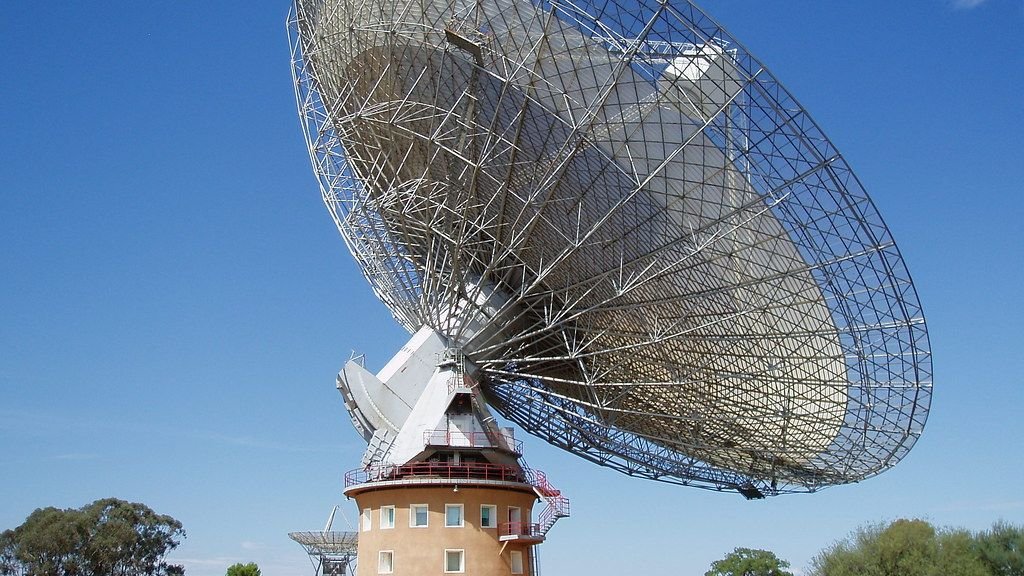
Imagine standing on the edge of a colossal wound in the Earth, the land falling away beneath your feet, the sun glinting on a vast, gaping chasm. Birds circle overhead, wind whispers through the grass, and at the bottom lies something unexpected—a cluster of weathered buildings that once buzzed with scientific discovery. Welcome to South Africa’s Big Hole, a place famous for its diamond rush and dramatic history, but hiding an even deeper mystery: an abandoned observatory nestled right within the crater. How did a place born from the feverish hunt for gems become a forgotten home for stargazers and dreamers? This is a tale of ambition, wonder, and the relentless march of time.
The Origins of the Big Hole
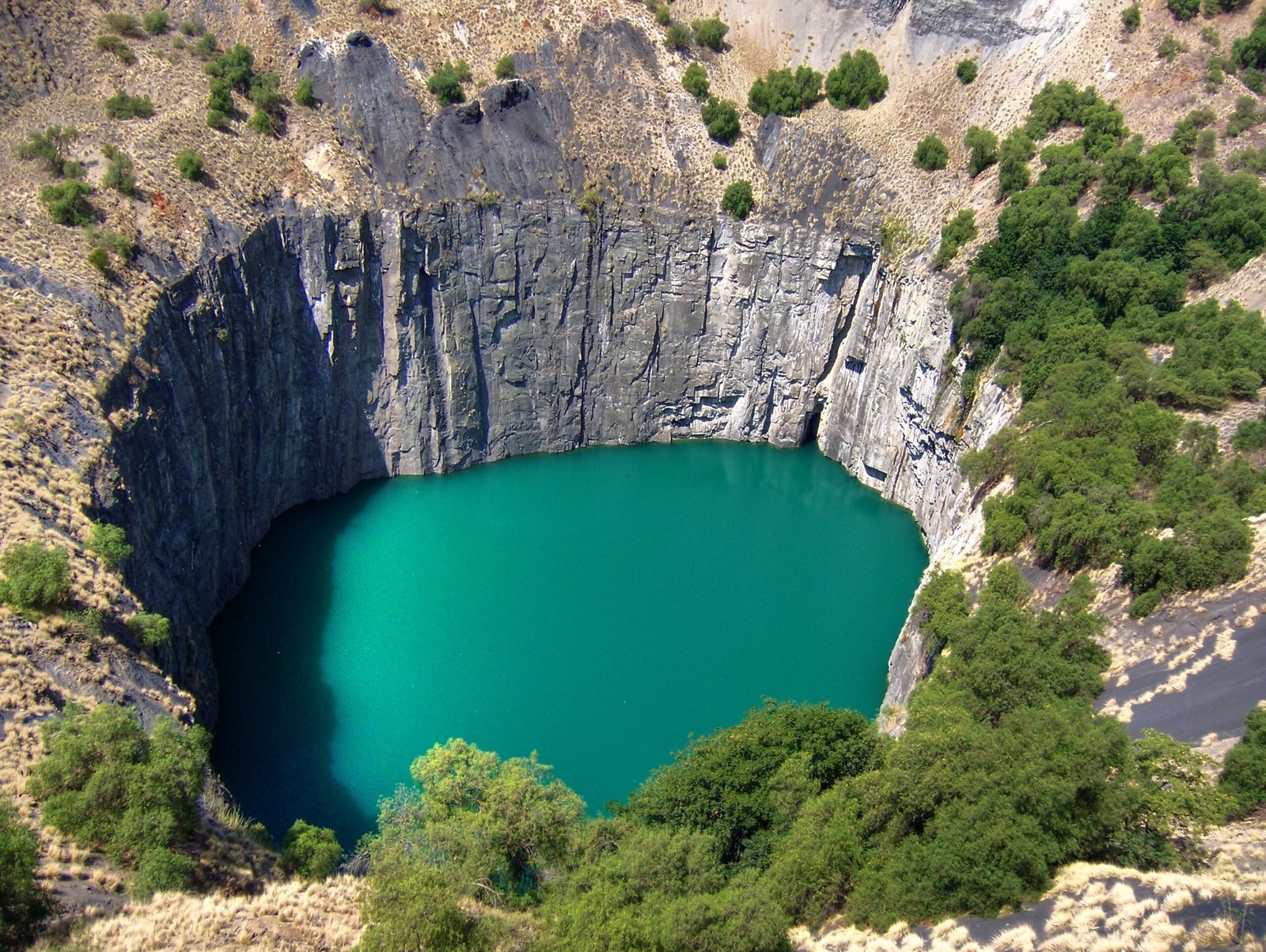
The Big Hole, located in the heart of Kimberley, South Africa, is not just any pit in the ground. It’s one of the world’s largest hand-dug excavations, stretching over 200 meters wide and plunging more than 200 meters deep. The story begins in the late 1800s, when fortune hunters from all corners of the globe rushed to this remote spot, lured by the promise of diamonds glittering beneath the dusty earth. The city of Kimberley mushroomed overnight, its shantytowns ringing with the sounds of picks, shovels, and the wild hopes of those seeking riches. What started with a few hopeful diggers soon exploded into a feverish frenzy, carving out the legendary Big Hole that still astonishes visitors today.
The Crater’s Geological Secrets

Beneath the surface of the Big Hole lies a geological puzzle that has fascinated scientists for decades. The crater itself was formed not by an asteroid impact, as some might guess, but by the relentless efforts of humans digging into a kimberlite pipe—a rare, carrot-shaped volcanic formation known to harbor diamonds. This unique geology not only birthed the diamond rush but also made the site a magnet for geologists and mineralogists from around the world. The layers of rock exposed by excavation reveal millions of years of Earth’s history, with clues embedded in the stones about ancient volcanic eruptions and shifting tectonic plates. It’s a living textbook for anyone passionate about the deep past.
A City Built on Dreams (and Dust)
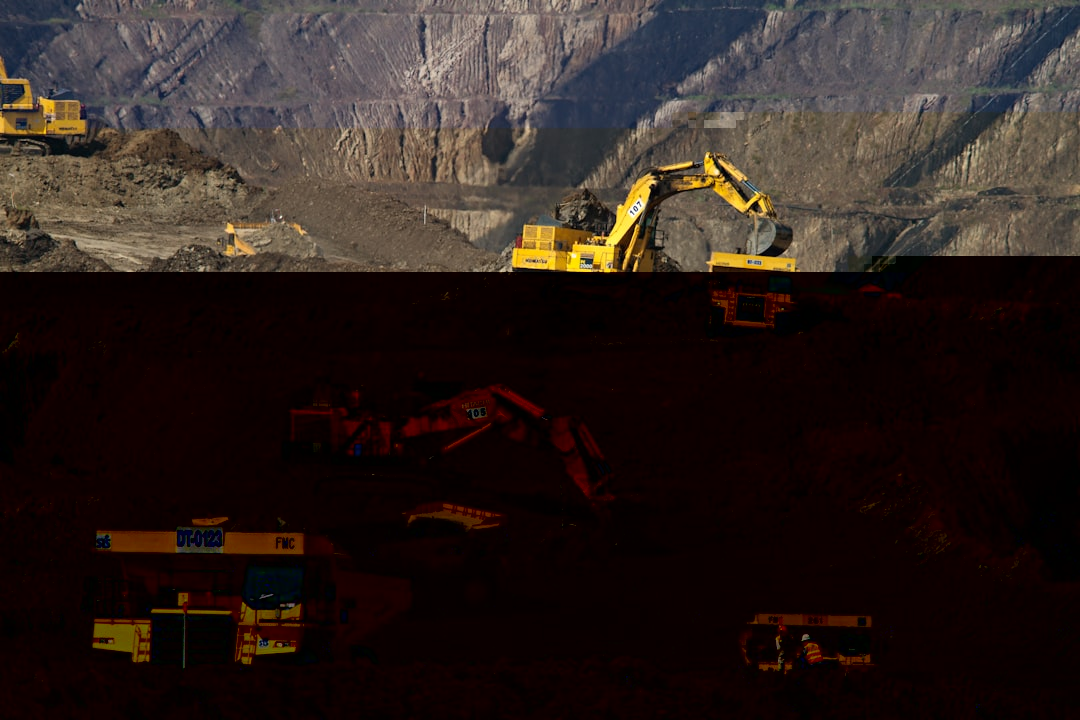
Kimberley itself is a city unlike any other, built quite literally on the dreams—and disappointments—of diamond prospectors. At its peak, the settlement bustled with tens of thousands of people from every continent, their lives entangled by hope, hardship, and the ever-present dust rising from the Big Hole. Makeshift stores, saloons, and boarding houses lined the streets, and fortunes were made and lost in the blink of an eye. The city became a swirling cauldron of cultures, languages, and ambitions, all orbiting around the crater that was both a source of wealth and a constant reminder of risk.
The Observatory’s Unexpected Arrival
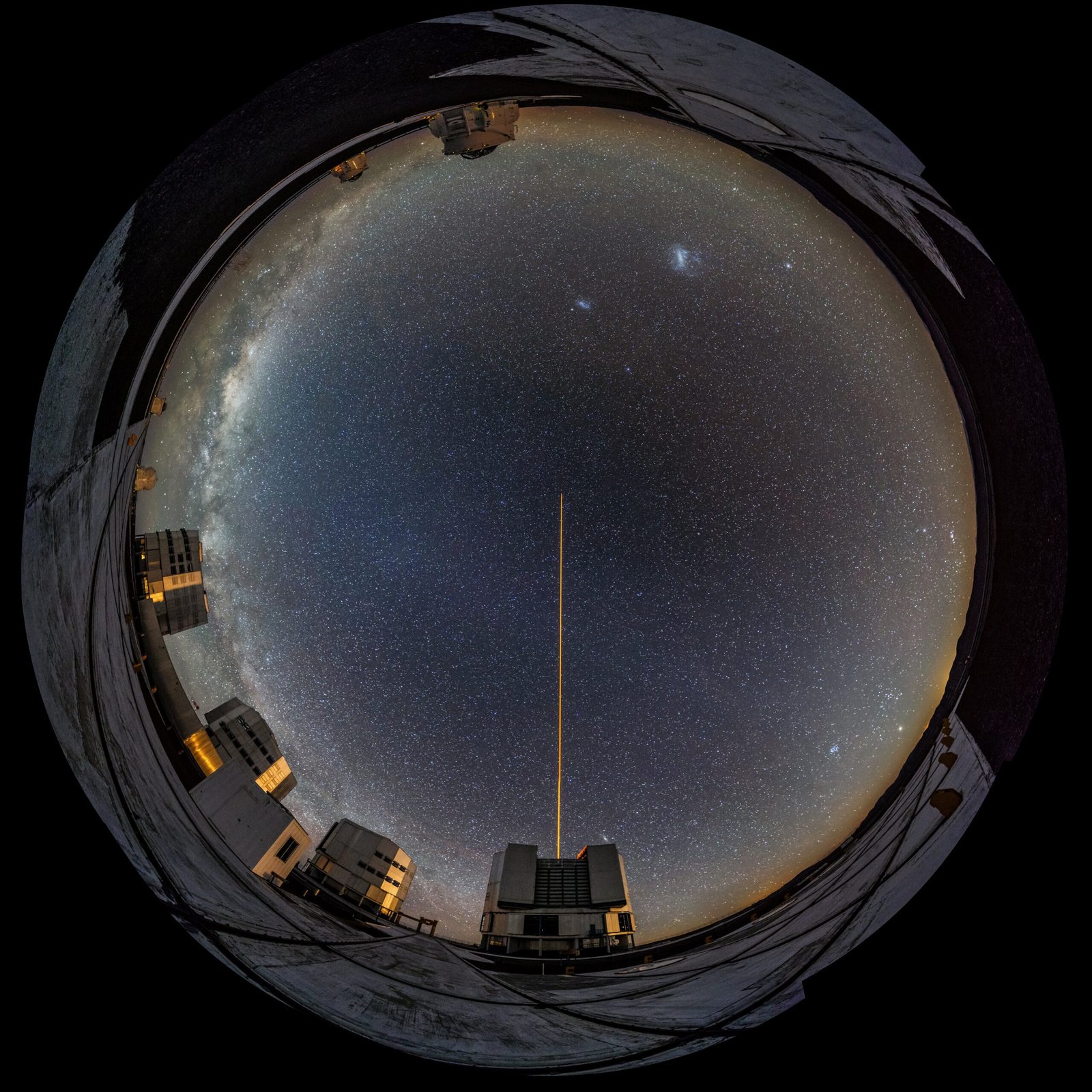
It might seem odd to imagine astronomers setting up shop in a place defined by mining chaos, but that’s exactly what happened as the diamond boom faded. With the dust settling and the night skies clearer than ever, a group of scientists saw an opportunity. Far from the gaslights and pollution of bigger cities, the Big Hole offered a rare, dark canvas for studying the stars. The abandoned dig site was transformed, almost overnight, from a monument of mining to a hub for astronomical exploration. The observatory’s arrival marked a new chapter, one fueled by curiosity instead of greed.
Architectural Marvels Lost in Time

The observatory’s structures, though now crumbling, once stood as beacons of ingenuity and hope. Their rounded domes, quirky towers, and sturdy stone walls spoke of an era when science was a bold adventure. Each building was carefully designed to house sensitive telescopes, protect delicate equipment from wind and dust, and provide shelter for the intrepid researchers who braved long nights in pursuit of cosmic knowledge. Today, creeping vines and cracked foundations tell their own story—a silent testament to forgotten ambition, waiting patiently beneath the African sky.
Astronomers Among the Shadows
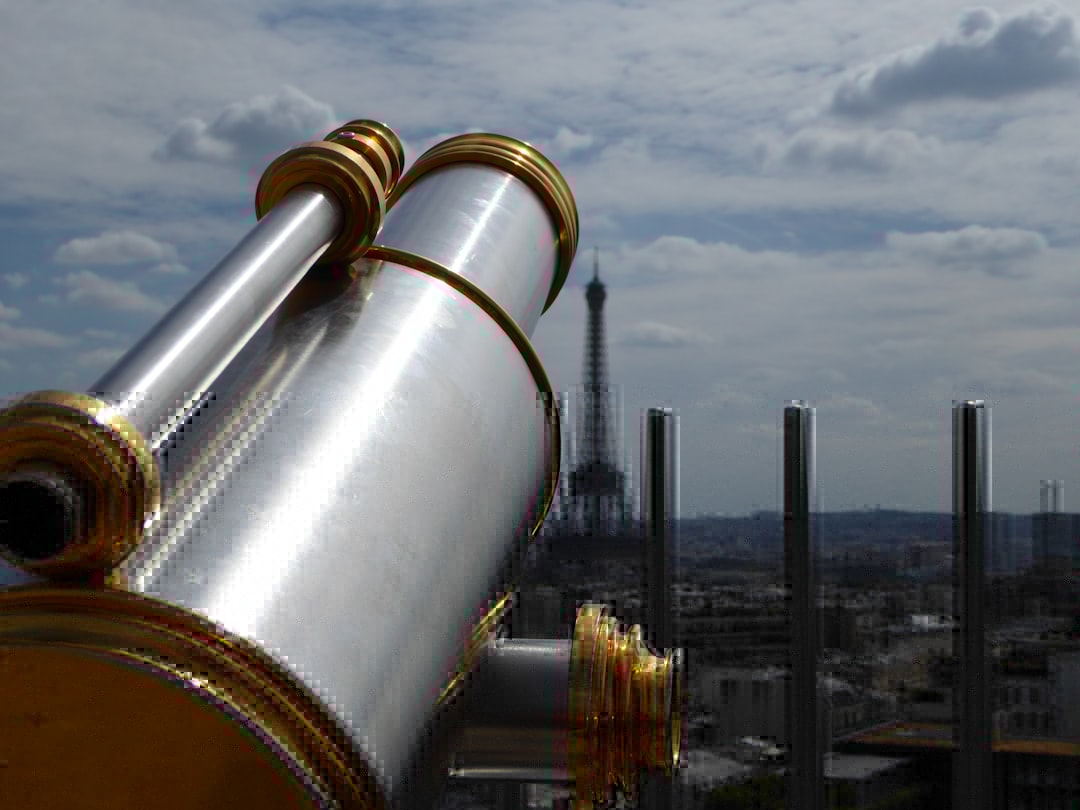
The men and women who worked at the observatory were a special breed: patient, passionate, and a little bit eccentric. They spent countless evenings peering through telescopes, recording the movements of distant planets, and mapping the southern skies. Some were locals, others hailed from distant lands, drawn by the promise of discovery. Their journals, scattered among dusty archives, overflow with notes about eclipses, comets, and the ever-changing dance of constellations. The observatory was more than a workplace—it was a sanctuary for dreamers who found beauty in the darkness.
Scientific Discoveries in the Crater

Despite its remote setting, the Big Hole observatory made real contributions to science. Researchers tracked the paths of comets, observed lunar eclipses, and even participated in international efforts to chart the heavens. The clear, dry air above the crater provided ideal conditions for stargazing, allowing astronomers to spot details invisible from the crowded cities. Their findings were shared with universities and observatories around the world, helping to deepen our understanding of the universe. Each discovery, however small, was a bright spark in the slow march of progress.
Nature’s Resurgence: Wildlife in the Crater

As the years passed and the observatory fell silent, nature began to reclaim the Big Hole. What was once a scene of frenzy and industry has become a quiet haven for wildlife. Birds nest in the abandoned rafters, while small mammals creep through the undergrowth where miners once trod. The crater’s steep walls and still waters create a unique microclimate, attracting species rarely seen elsewhere in the region. For nature lovers, the site is a poignant reminder of how quickly the wild returns when people step aside.
The Human Cost of Ambition

Lurking beneath the surface of the Big Hole’s story is a more somber truth: the immense human toll of the diamond rush. Thousands of workers, many from faraway lands, toiled in dangerous conditions for little reward. Accidents were common, and the relentless pace left deep scars on bodies and spirits alike. The observatory, while a symbol of scientific progress, sits atop layers of history marked by struggle and sacrifice. The echoes of lost voices still linger, a haunting counterpoint to the site’s scientific legacy.
Local Legends and Ghost Stories

With so much drama packed into one place, it’s no surprise that the Big Hole has inspired its share of ghost stories and urban legends. Locals whisper of mysterious lights flickering across the crater at night, or the faint sound of typewriters clicking in the abandoned observatory. Some say the spirits of lost miners and scientists roam the site, forever searching for what they left behind. Whether you believe in ghosts or not, there’s no denying the eerie, almost magical atmosphere that settles over the crater after dark.
Preserving a Vanishing Heritage

In recent years, historians and conservationists have sounded the alarm about the slow decay of the Big Hole observatory. The structures, battered by wind and rain, face an uncertain future unless action is taken to preserve them. Efforts to restore the buildings and create a heritage site have met with mixed success, hindered by funding shortages and bureaucratic hurdles. Yet there is hope that, with enough support, this unique blend of industrial, scientific, and natural history can be saved for future generations to explore.
Modern Myths and Misconceptions

Many people outside South Africa have never even heard of the Big Hole observatory, and those who have often get the facts mixed up. Some claim the crater was formed by a meteorite, while others insist the observatory was a secret military outpost. These myths, while fascinating, obscure the true story—a tale of human ingenuity, scientific curiosity, and the unexpected ways in which history unfolds. Setting the record straight is an ongoing challenge, but one that gives new life to the site’s remarkable past.
The Allure of the Abandoned
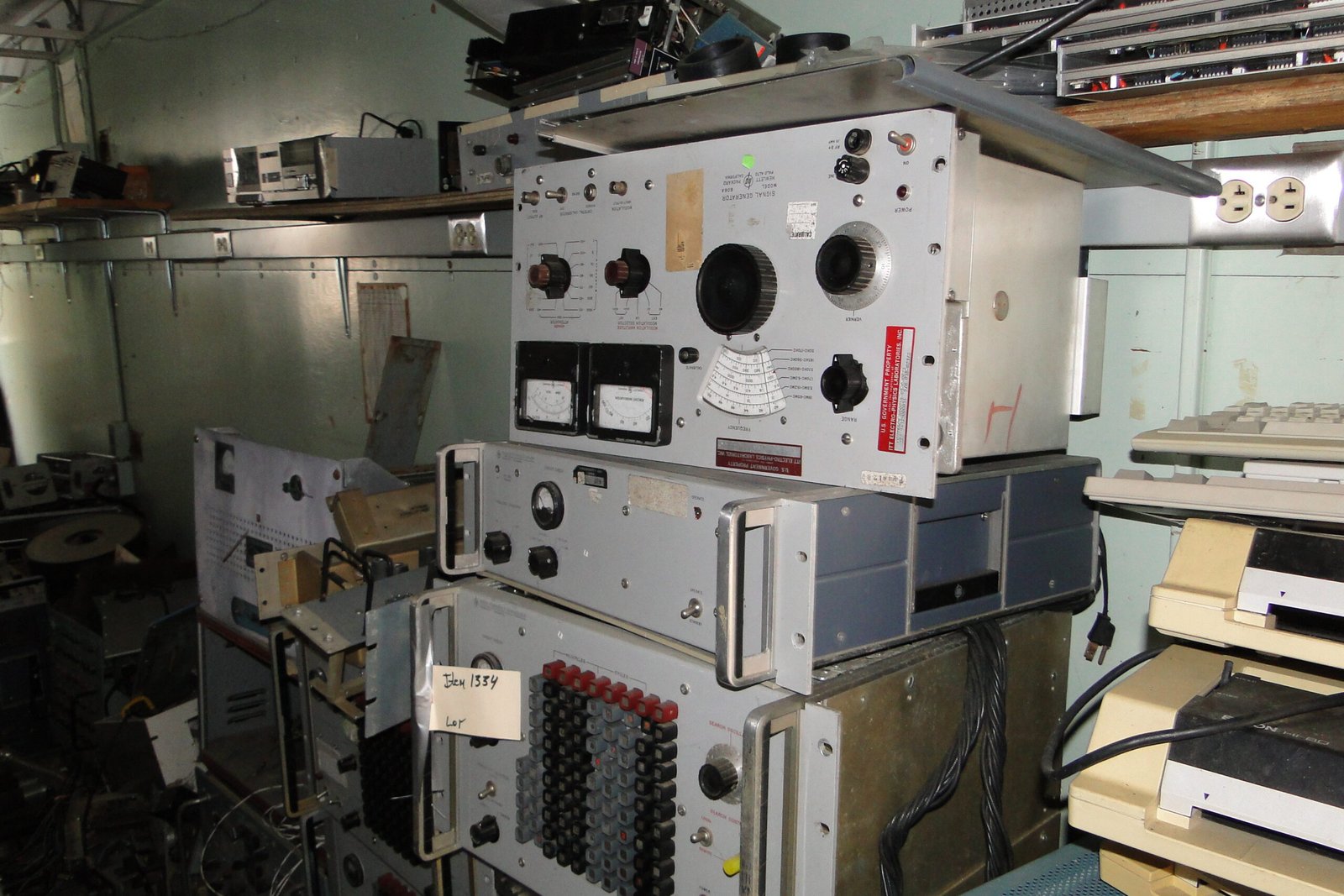
There’s something undeniably captivating about abandoned places, and the Big Hole observatory is no exception. Urban explorers and photographers flock to the site, drawn by its haunting beauty and sense of forgotten purpose. Crumbling staircases, empty halls, and rusted telescopes tell a story that needs no words. For some, the appeal lies in imagining what once was; for others, it’s a chance to witness firsthand the slow, patient work of nature reclaiming what humans built. Either way, the observatory remains a magnet for those who crave mystery and adventure.
Lessons from the Crater’s Silence

The quiet that now blankets the Big Hole observatory is both peaceful and instructive. It reminds us that, no matter how grand our ambitions, time has a way of softening even the sharpest edges. The site stands as a silent teacher, offering lessons about the limits of human endeavor, the importance of stewardship, and the fragile balance between progress and preservation. Walking among the ruins, one can’t help but wonder what future generations will make of our own monuments and dreams.
Reviving the Spirit of Exploration
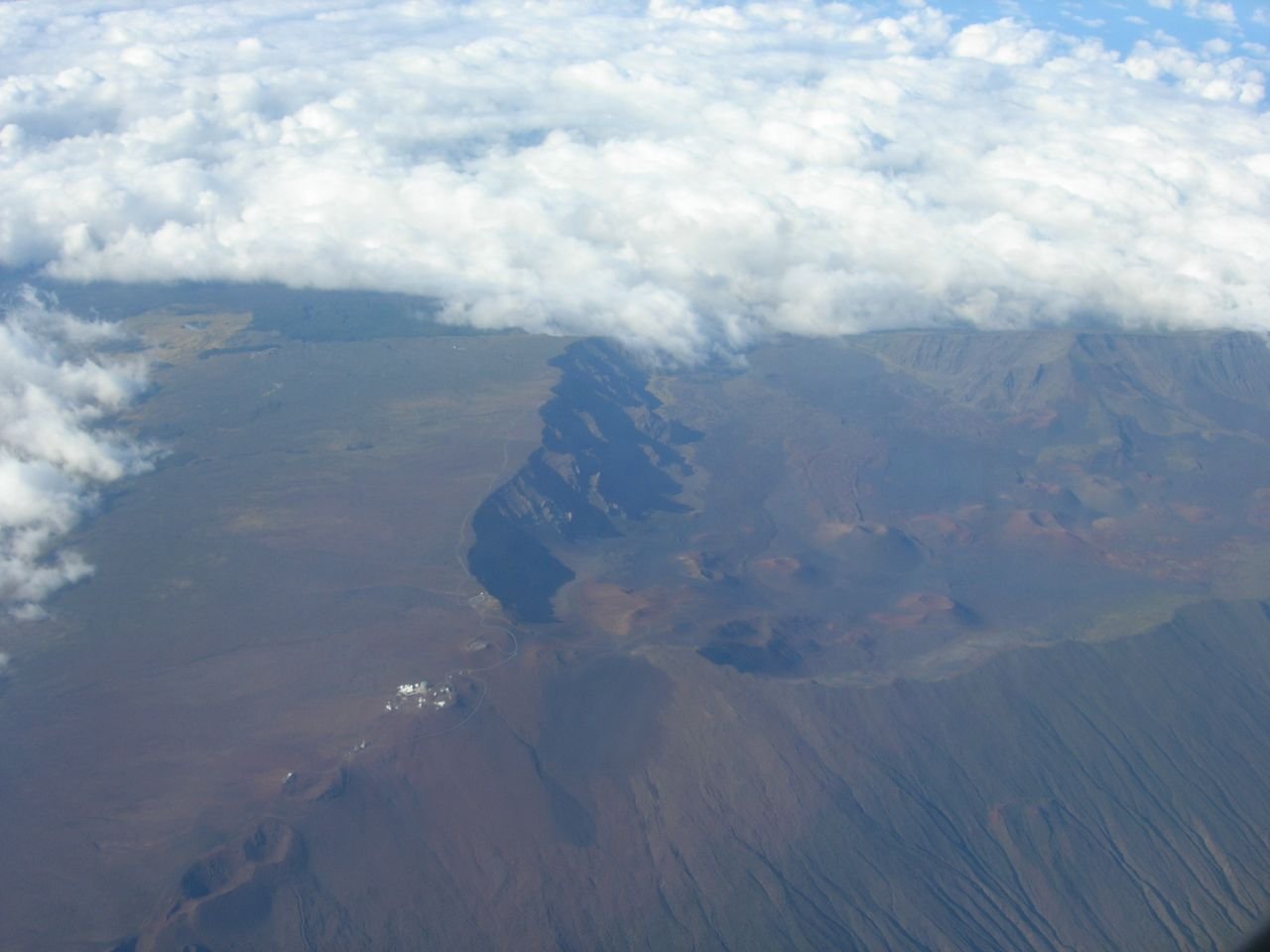
There’s a growing movement among educators and science enthusiasts to breathe new life into the Big Hole observatory. School groups visit the crater to learn about geology and astronomy, while amateur astronomers set up telescopes to continue the tradition of stargazing. These small acts of curiosity and wonder echo the spirit of the original researchers, proving that the quest for knowledge never truly fades. The site’s story, though marked by neglect, still inspires those willing to look beyond the obvious.
An Invitation to Wonder
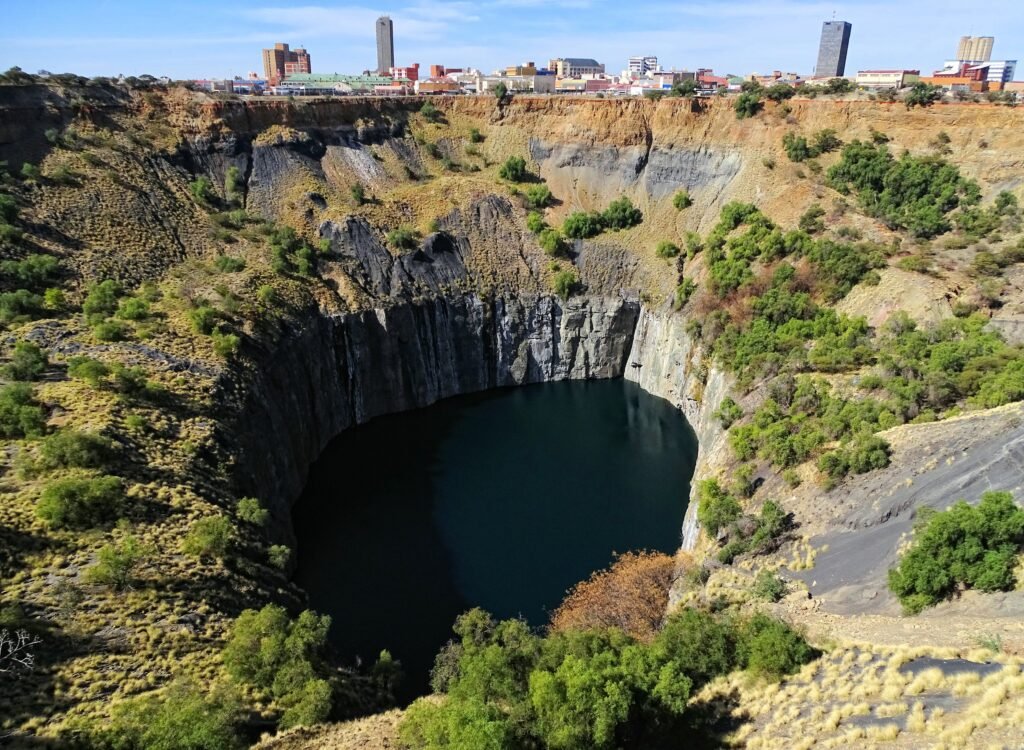
Standing on the rim of the Big Hole, gazing down at the abandoned observatory, it’s impossible not to feel a surge of wonder. The site is a living reminder that history is never finished, that every place has layers of meaning waiting to be uncovered. For anyone with a sense of curiosity, the crater offers endless possibilities: a place to learn, to imagine, and to connect with both the past and the cosmos above. Isn’t it amazing how the biggest mysteries often hide in plain sight?