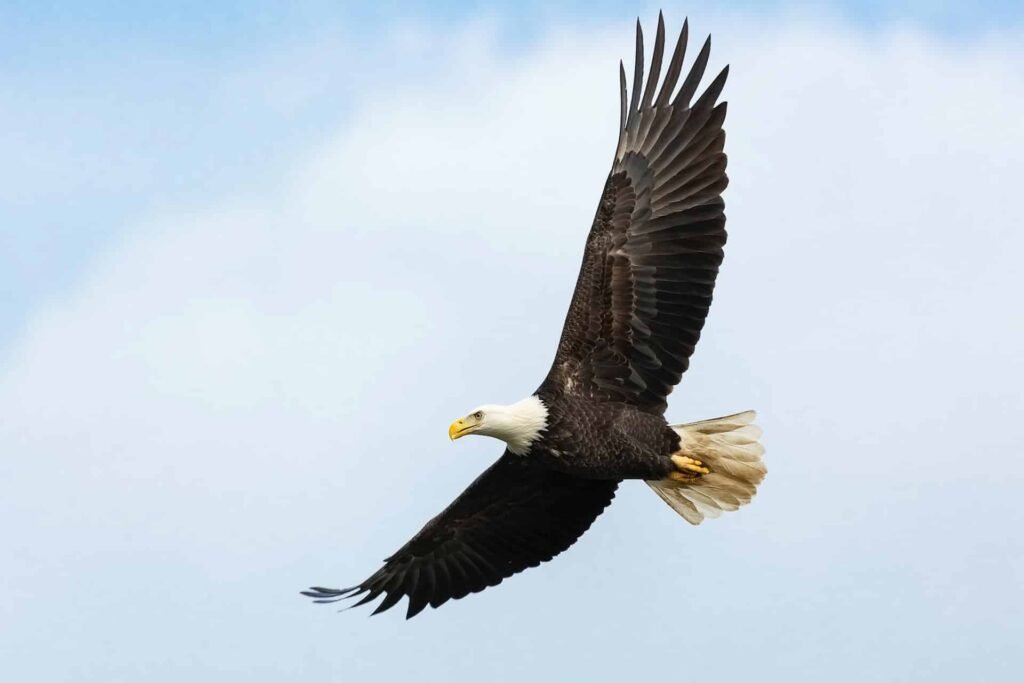

In the untouched wilderness of ancient New Zealand, a formidable predator once soared through the skies—a giant eagle that could rival the largest birds of prey we know today. These majestic creatures, known as Haast’s Eagles, were not only impressive in size but also played a unique role in the ecosystem of their time. Their wings spanned over three meters, and their talons could grip with incredible force, allowing them to hunt large prey, including the massive flightless moa birds. However, what sets these eagles apart in the annals of history is the intriguing evidence suggesting that they might have occasionally targeted early human inhabitants. This article explores the fascinating story of these forgotten giants, shedding light on their biology, behavior, and the lasting impact they left on New Zealand’s natural history.
The Mighty Haast’s Eagle: A Brief Introduction
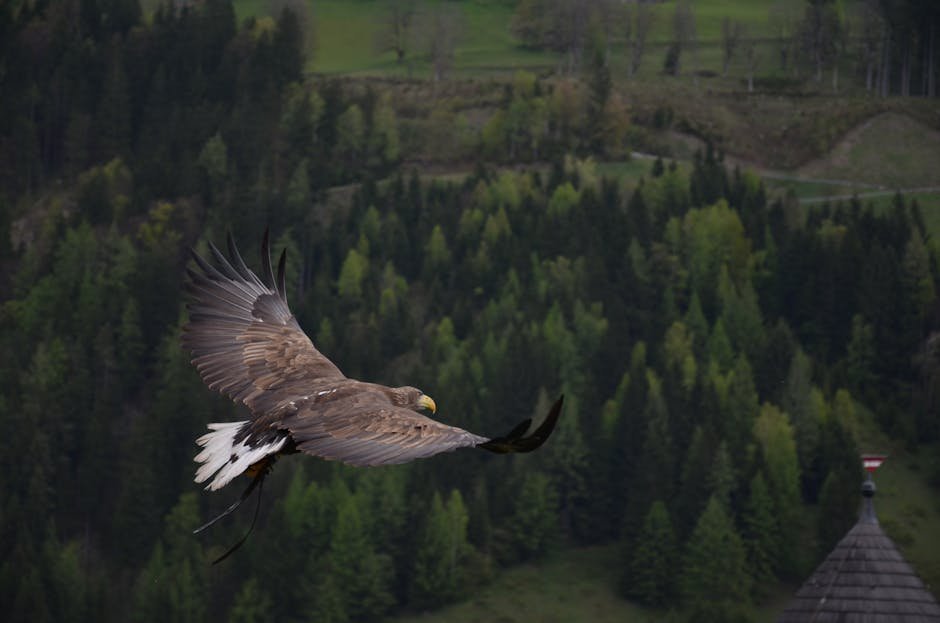
The Haast’s Eagle, scientifically known as *Harpagornis moorei*, was a true giant among birds of prey. With a wingspan reaching up to 3 meters (approximately 10 feet), these eagles were the largest known eagles to have ever existed. Their weight could exceed 15 kilograms (33 pounds), making them significantly heavier than today’s largest eagles, such as the Harpy Eagle or the Golden Eagle. Their sheer size and power allowed them to dominate the skies of ancient New Zealand, preying on the large flightless birds that roamed the land. Unlike many other raptors, Haast’s Eagles were adapted to hunting in dense forests, where their short, broad wings provided the maneuverability needed to navigate through trees and ambush their prey.
The Moa Connection: A Prey of Enormous Proportions

Central to the existence of Haast’s Eagles was their primary prey, the moa. Moas were large, flightless birds, some species of which stood as tall as 3.6 meters (12 feet) and weighed up to 230 kilograms (507 pounds). These formidable avians had no natural predators until the arrival of the Haast’s Eagle. The eagles developed exceptional hunting strategies to take down moas, using their powerful talons to deliver fatal blows to the neck and head. The eagles’ reliance on such large prey underscores their status as apex predators. The moa’s extinction, driven largely by human hunting and habitat destruction, eventually led to the downfall of the Haast’s Eagle, highlighting the delicate balance within ecosystems and the impacts of human activity.
Evidence of Predation: Did They Hunt Humans?

One of the most intriguing aspects of Haast’s Eagles is the possibility that they occasionally preyed upon humans. Archaeological findings and Māori oral traditions suggest interactions between these eagles and early human settlers. Some legends describe giant birds attacking and carrying off people, leading researchers to speculate about the validity of these tales. While direct evidence of human predation is sparse, the size and strength of the Haast’s Eagle make the notion plausible. The combination of cultural mythology and scientific inquiry paints a picture of a world where humans were not always the dominant force, reminding us of the once diverse and dangerous ecosystems our ancestors navigated.
Anatomical Marvels: The Eagle’s Hunting Toolkit

The physical adaptations of Haast’s Eagles were perfectly suited for their role as apex predators. Their beaks were long and hooked, ideal for tearing flesh from their prey. Their talons, measuring up to 9 centimeters (3.5 inches) in length, were capable of exerting immense pressure, akin to the bite force of a large carnivorous mammal. This formidable weaponry allowed them to subdue prey much larger than themselves. Additionally, their strong legs and muscular build enabled them to deliver powerful strikes from above, a hunting technique that was both efficient and deadly. The anatomical design of these eagles showcases the evolutionary ingenuity that allowed them to thrive in their environment.
Flight Dynamics: Masters of the Sky

Despite their massive size, Haast’s Eagles were agile and skilled flyers. Their wings were shorter and broader compared to other eagles, an adaptation that facilitated maneuverability in the dense forests of New Zealand. This wing structure allowed them to ambush prey with precision, navigating through trees and striking with surprise. Their flight dynamics were a testament to their adaptability, enabling them to dominate a niche environment. The combination of power and agility in their flight capabilities set them apart from other raptors, highlighting their unique evolutionary path and their role as formidable predators.
The Role of Haast’s Eagles in Māori Culture
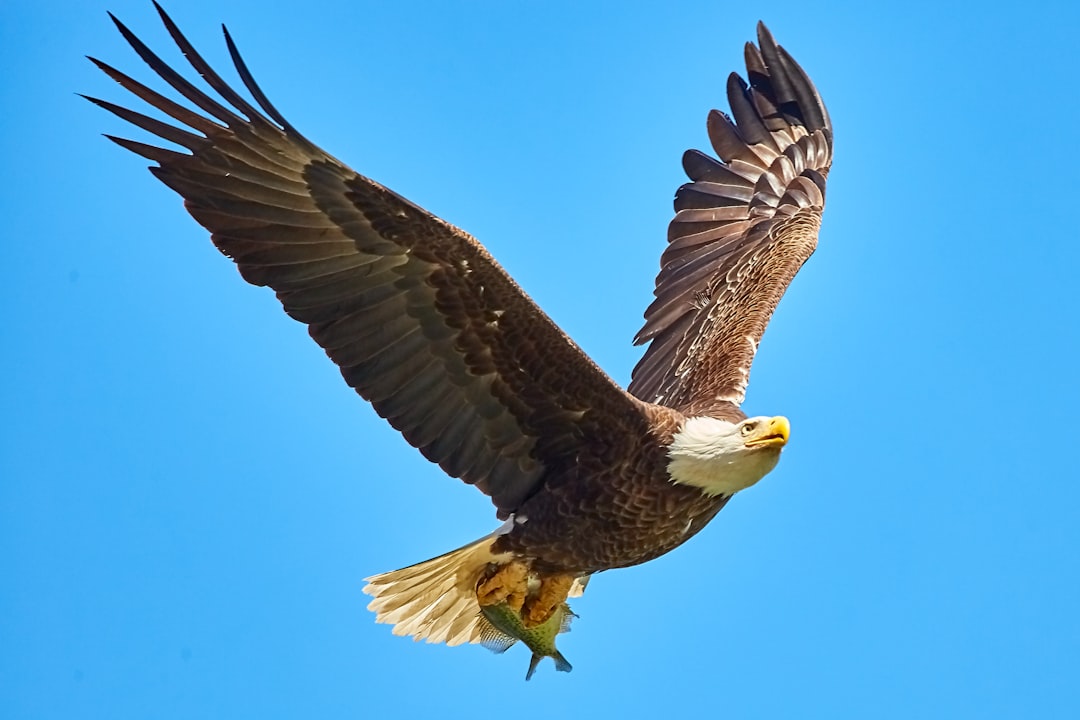
Haast’s Eagles hold a significant place in Māori culture and mythology. Māori legends often depict these eagles as powerful, almost mythical creatures, capable of great feats of strength and hunting prowess. Known as “Pouakai” in Māori folklore, these eagles were feared and revered, symbolizing both the dangers and the majesty of the natural world. Stories of giant birds capturing children or attacking hunters have been passed down through generations, serving as cautionary tales and reflections of the respect the Māori people held for their environment. These cultural narratives provide a rich tapestry of understanding, highlighting the deep connection between humans and the natural world in ancient New Zealand.
Extinction: A Tale of Ecological Change

The extinction of Haast’s Eagles is a poignant reminder of the fragility of ecosystems. As humans settled in New Zealand, they hunted moas to extinction and altered the landscape through deforestation and agriculture. With their primary food source gone, the Haast’s Eagle faced inevitable decline. By the 15th century, both the eagles and their prey had vanished from the land. This extinction story underscores the profound impact humans can have on ecosystems and the delicate balance required to maintain biodiversity. It serves as a cautionary tale, urging us to consider the long-term consequences of our actions on the natural world.
The Legacy of Haast’s Eagles: Lessons for Today
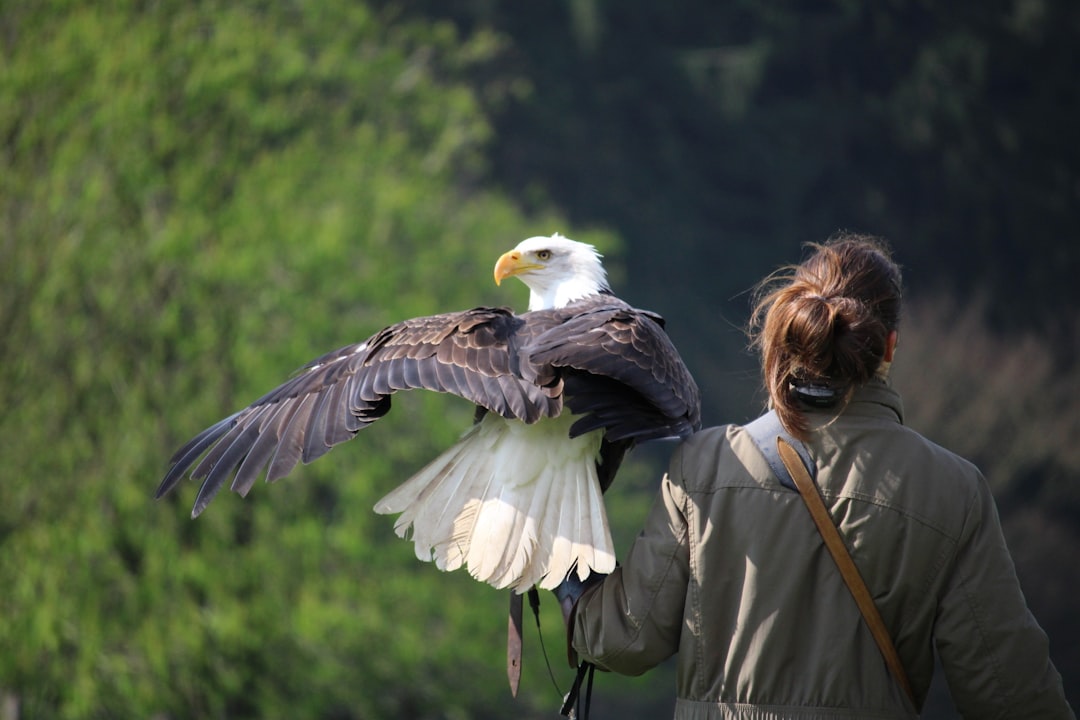
The story of the Haast’s Eagle offers valuable lessons for contemporary conservation efforts. It highlights the interconnectedness of species within ecosystems and the cascading effects that can result from the loss of a single species. The extinction of these eagles and their prey serves as a stark reminder of the importance of preserving biodiversity and maintaining ecological balance. As we face ongoing challenges such as habitat destruction and climate change, the legacy of Haast’s Eagles urges us to act with foresight and responsibility. Their story is a call to action, encouraging us to protect and cherish the natural world for future generations.
Scientific Curiosity: Continuing the Exploration

The Haast’s Eagle continues to captivate scientists and enthusiasts alike. Ongoing research into their biology, behavior, and extinction provides valuable insights into the dynamics of ancient ecosystems. Advances in technology, such as DNA analysis, have allowed researchers to uncover new details about these incredible birds, offering a glimpse into the past. The study of Haast’s Eagles serves as a testament to the enduring human curiosity about the natural world and our desire to understand the forces that have shaped it. As new discoveries emerge, the story of these forgotten giants continues to unfold, enriching our understanding of the complex tapestry of life on Earth.
The Enduring Fascination with Ancient Giants

The allure of ancient giants like the Haast’s Eagle lies in their ability to transport us to a time when the natural world was both wondrous and perilous. These creatures challenge our perceptions of what is possible in nature and inspire awe with their sheer size and power. They remind us of the rich and diverse history of life on Earth, a history that is still being written through scientific exploration and discovery. The story of Haast’s Eagles invites us to imagine a world where humans were not the ultimate predators, but rather part of a complex web of life, interconnected and interdependent.