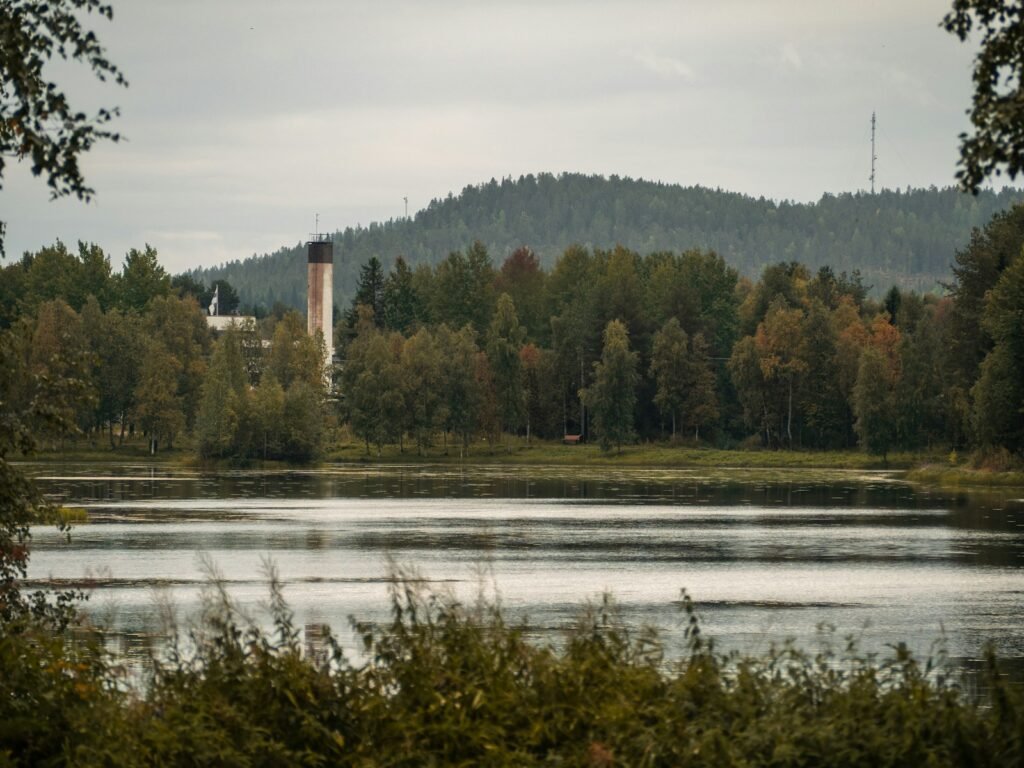

Imagine standing in the heart of Amsterdam, surrounded by canals, centuries-old houses, and bustling streets. Now, picture what lies beneath your feet: a hidden world, so ancient and mysterious, it blurs the line between history and legend. Underneath this vibrant city is a buried landscape—an ancient forest, transformed by millennia of natural processes, holding secrets in deep, peaty soils and the bones of creatures long gone. This is the story of Amsterdam’s forgotten underworld, a place where science, nature, and imagination collide.
The Birth of a Hidden Forest
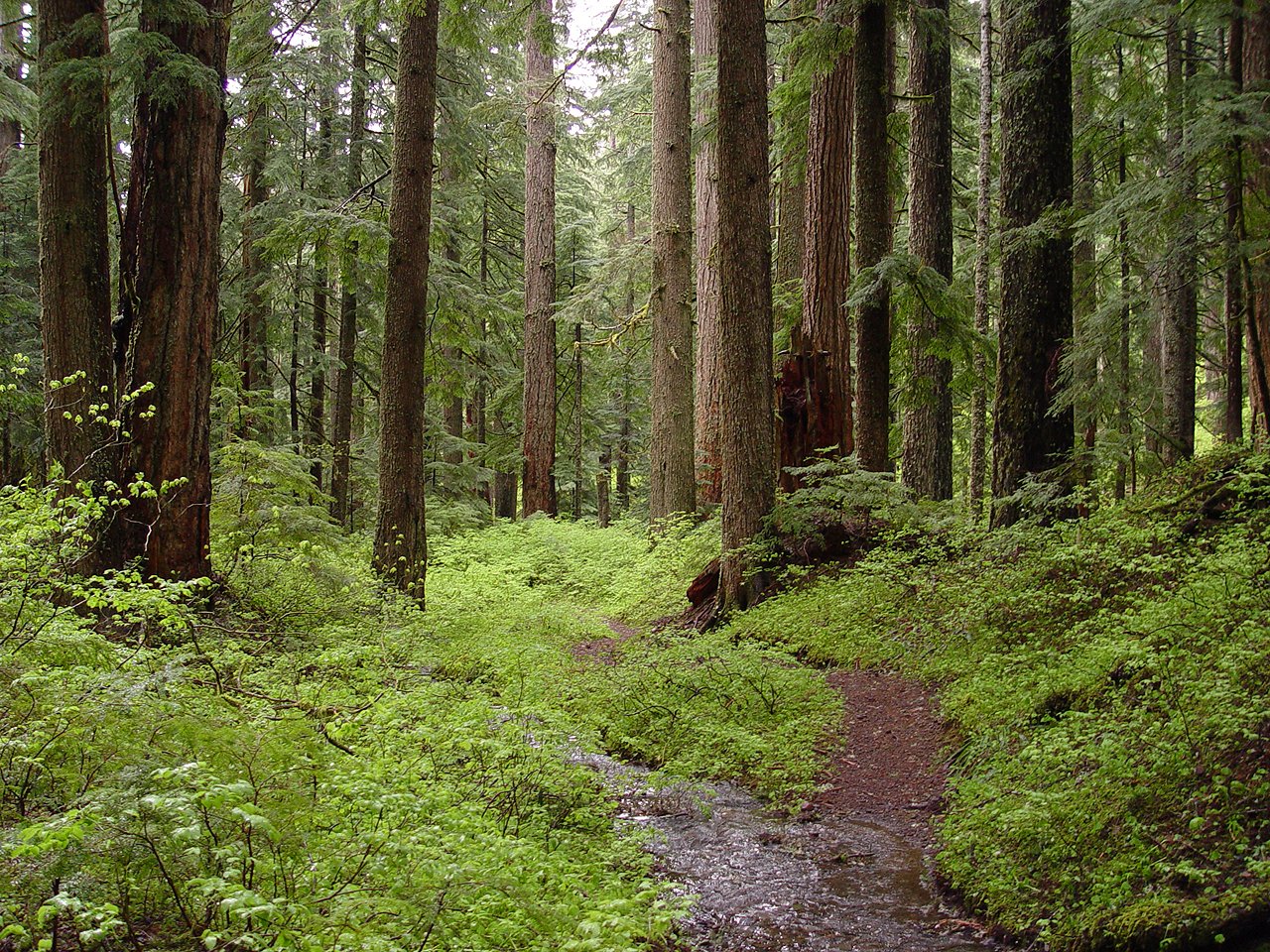
Long before Amsterdam’s iconic canals and crooked houses, the land was wild and untamed. Thousands of years ago, dense forests covered the low-lying region, teeming with towering oaks and whispering birches. As the climate changed and the North Sea crept closer, waterlogged conditions took over, gradually transforming the forest floor into thick, spongy peat. It’s hard to believe, but the city’s foundations rest on the preserved remains of these ancient woodlands—a silent witness to the relentless march of time.
Peat: Nature’s Ancient Time Capsule

Peat is more than just soggy soil; it’s nature’s own time capsule. Formed from layer upon layer of decaying plants, peat traps everything that falls into it—seeds, leaves, pollen, and even bones. In Amsterdam, this peaty bed has preserved thousands of years of ecological history. Archaeologists and scientists often marvel at how peat slows down decay, holding onto the tiniest details like a stubborn old librarian refusing to throw away an overdue book.
The Bones Beneath the City
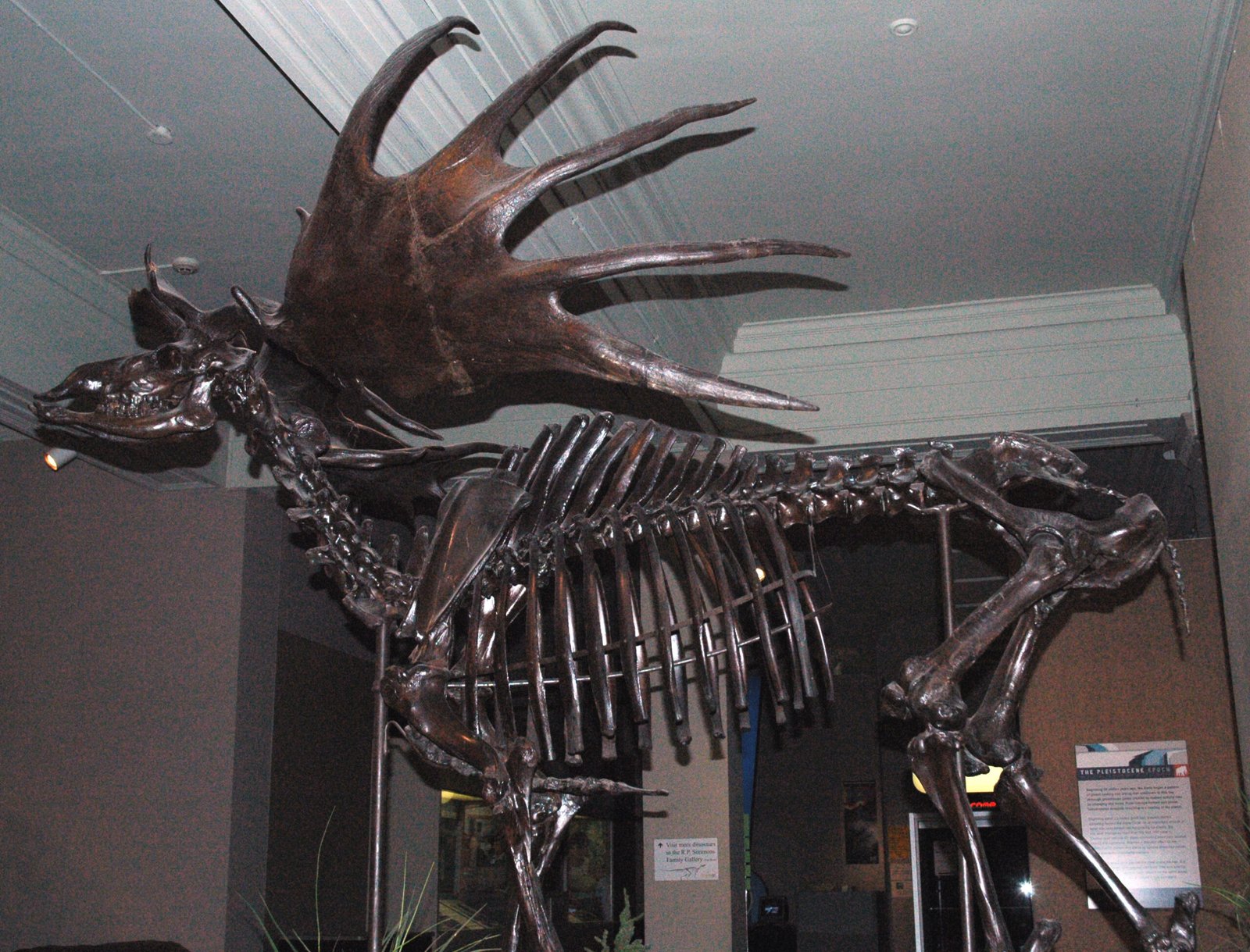
If you could tunnel beneath Amsterdam’s streets, you’d find more than just mud and roots. Over the centuries, countless animals—red deer, wild boar, even aurochs—wandered these forests. Some met their end in the marshy ground, their skeletons slowly swallowed by peat. Today, their bones remain, fossilized reminders of a world before humans carved cities from swamps. Each fragment tells a story, a silent testimony to vanished herds and lost ecosystems.
The Swampy Origins of Amsterdam

Amsterdam wasn’t always the dry, bustling hub it is now. Early settlers faced endless marshes, unpredictable floods, and sucking bogs. To make the land livable, they built on wooden piles driven deep into the peat, literally balancing their future on the remains of the past. The city’s famous canals are, in a way, scars left by the struggle to tame this waterlogged landscape—a daily reminder of humanity’s uneasy truce with nature.
Unearthing Lost Landscapes
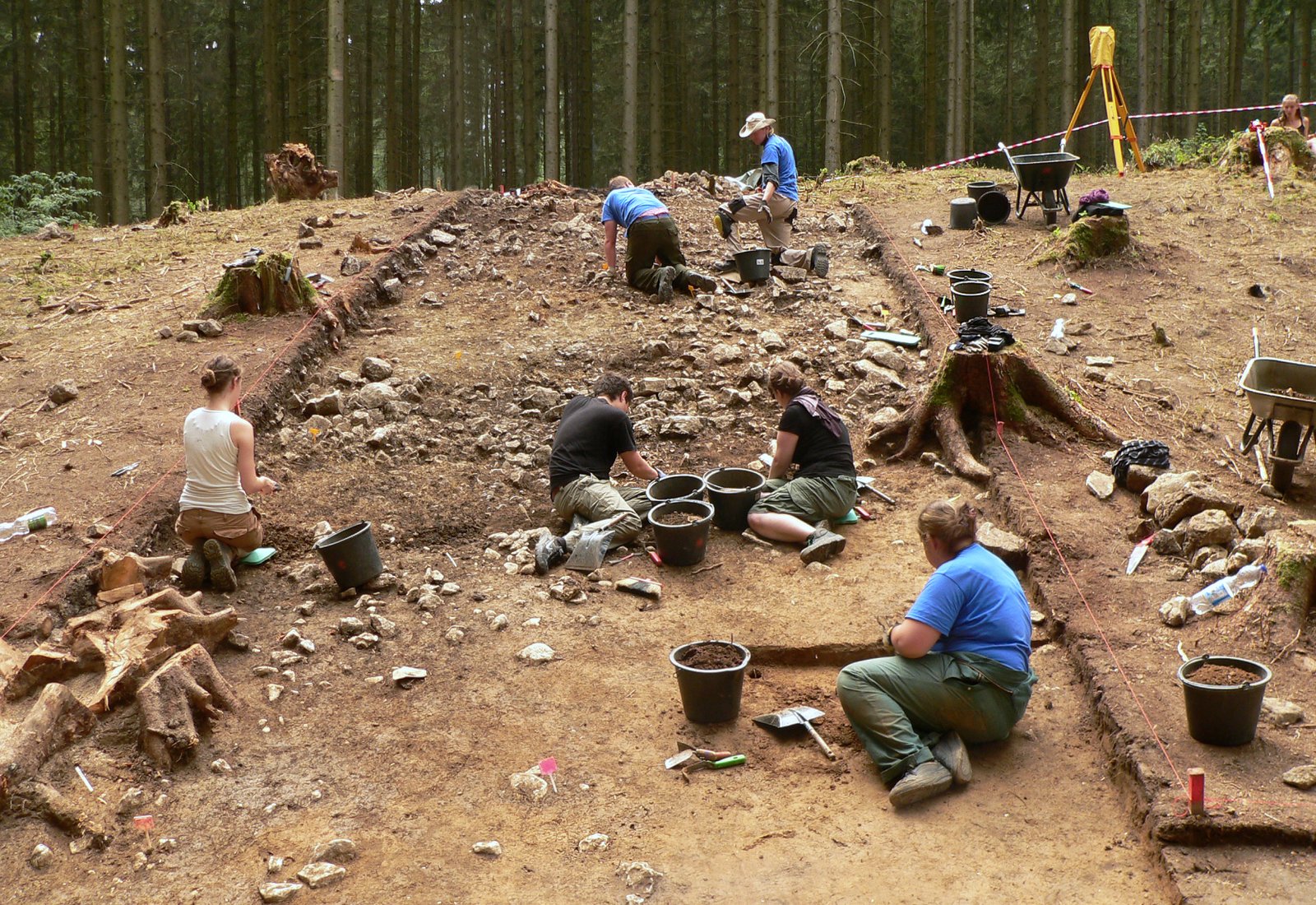
Archaeologists working under Amsterdam often describe their job as time travel with a shovel. Every new subway line or basement construction is a chance to peer into buried epochs. Sometimes, workers stumble upon stumps from ancient trees, perfectly preserved in the oxygen-starved peat. Other times, they find layers of silt and sand, silent evidence of ancient floods or changing river courses. Each discovery peels back another layer of the city’s forgotten past.
How Peat Shapes the City Today

Even now, Amsterdam’s peaty underworld is far from quiet. The soft ground shifts and settles, causing buildings to lean and streets to crack. City engineers must constantly monitor the water table, pumping out excess moisture and reinforcing structures. It’s a delicate dance: too much water, and basements flood; too little, and the peat shrinks, destabilizing foundations. Living atop ancient peat means forever balancing history with modern life.
Peat as a Carbon Vault
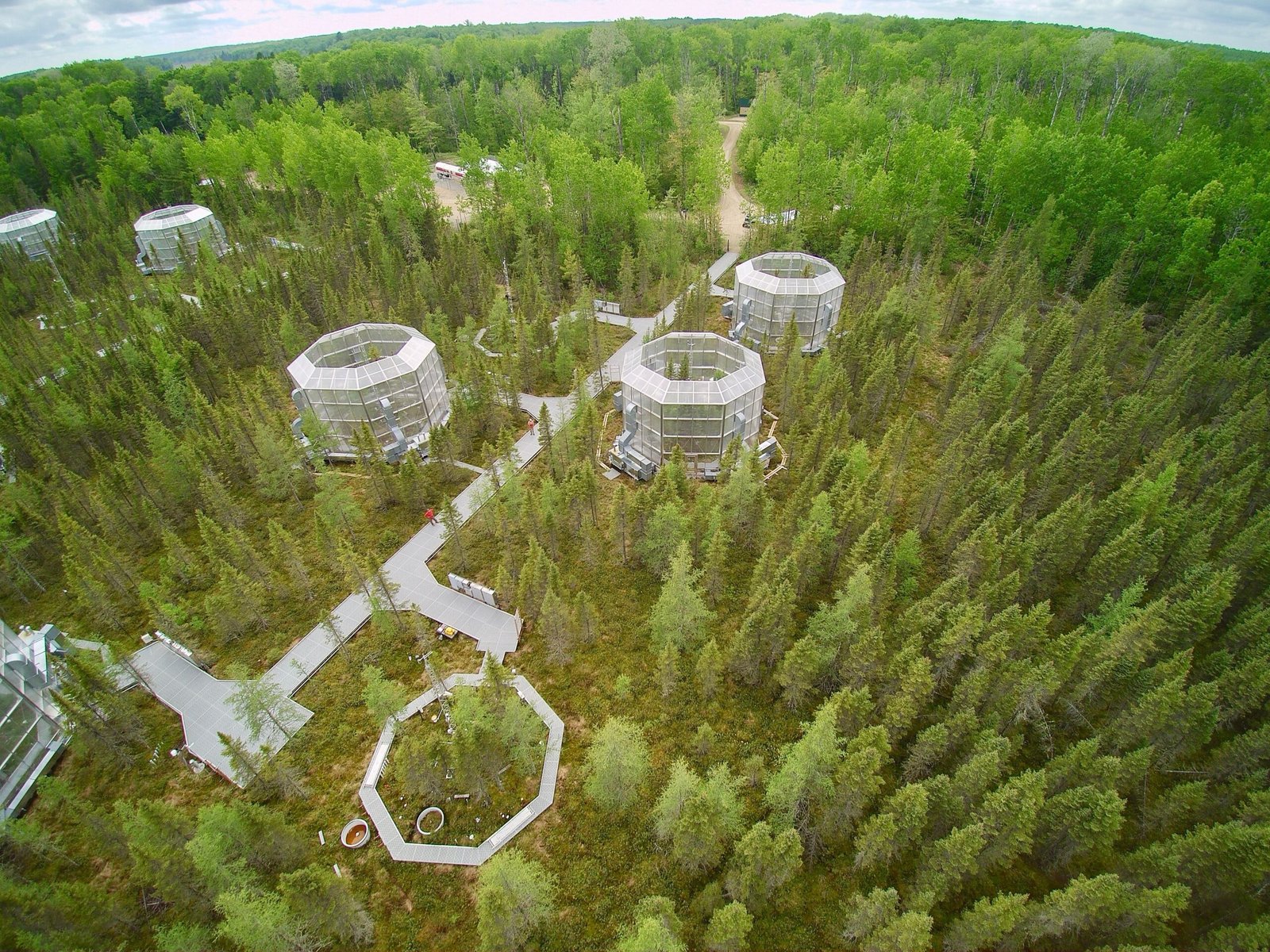
Peatlands like those under Amsterdam are unsung heroes in the fight against climate change. All those layers of dead plants lock away huge amounts of carbon, keeping it out of the atmosphere for thousands of years. Disturb the peat, and that carbon is released, fueling global warming. Scientists warn that draining or damaging peatlands is like opening Pandora’s box—once the carbon escapes, it’s almost impossible to put back.
Ancient Plants and Pollen Records

Microscopic pollen grains, trapped in peat for millennia, are goldmines for scientists. By analyzing these tiny clues, researchers can reconstruct what kinds of plants grew here in the distant past. Some samples reveal dense forests, others suggest open marshes or even tundra-like conditions during ice ages. The story of Amsterdam’s buried landscape unfolds one microscopic grain at a time, a botanical diary written in mud.
Traces of Early Human Life

It’s not just animal bones and plants that lie hidden beneath the city. Occasionally, archaeologists unearth stone tools, pottery shards, and even traces of wooden walkways built by prehistoric people. These finds hint at how early humans navigated, settled, and survived in the challenging wetlands. Every artifact is a whisper from our ancestors, proof that people have been adapting to this shifting landscape for thousands of years.
The Role of Water in Shaping the Underground

Water is both creator and destroyer in Amsterdam’s underground world. Over centuries, rivers shifted, floods swept away forests, and rising seas left layers of silt and clay. The interplay of wet and dry periods shaped the buried landscape, sometimes preserving, sometimes erasing history. The city’s relationship with water is woven into every layer of soil, a testament to nature’s restless energy.
Modern Technology Meets Ancient Earth
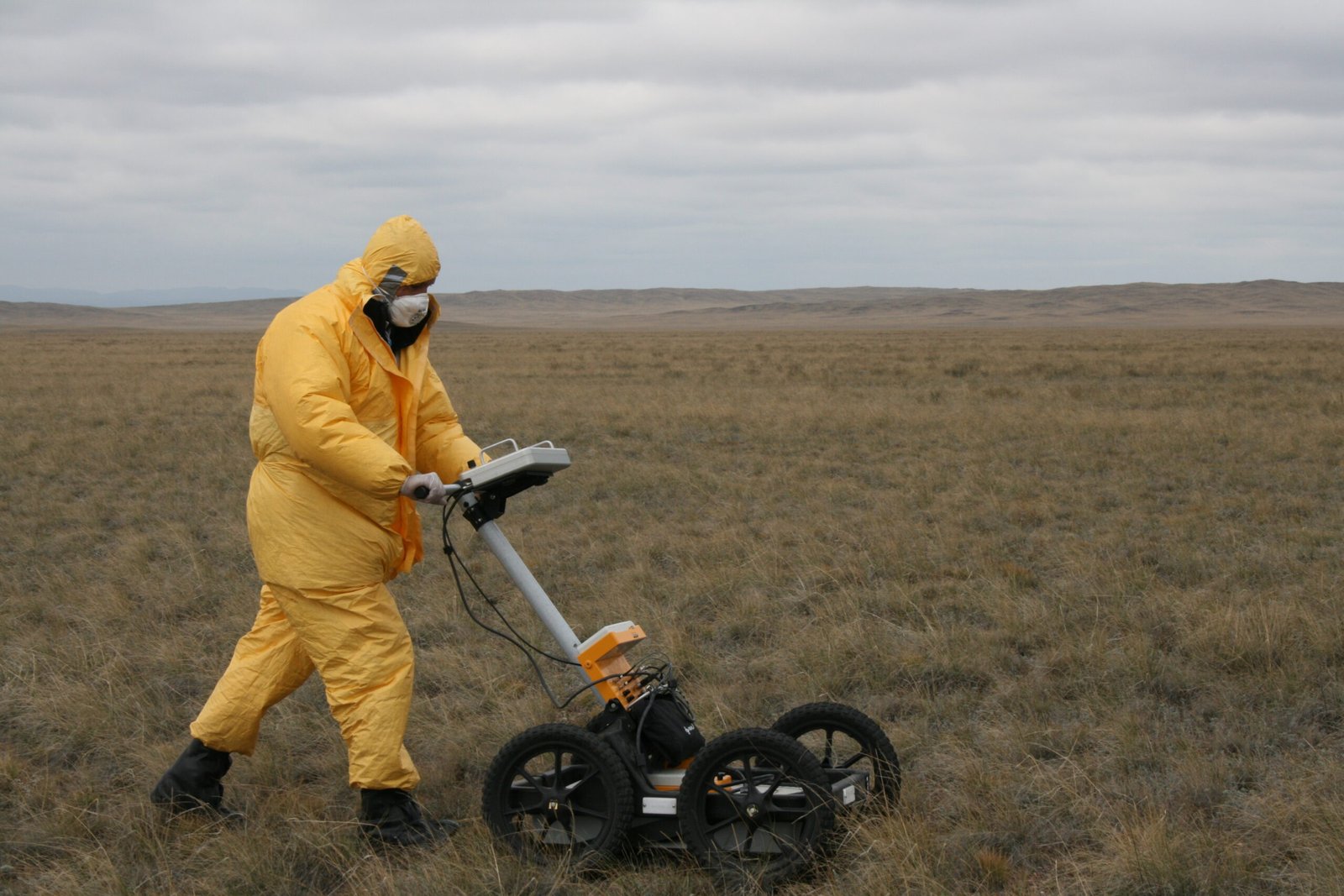
Today, scientists use ground-penetrating radar, 3D mapping, and chemical analysis to probe the secrets beneath Amsterdam. These high-tech tools let researchers “see” through layers of peat and clay without disturbing delicate remains. The data they collect helps city planners avoid damaging historical sites during construction and provides new insights into how the land has changed over time.
Fossilized Forests: A Glimpse Back in Time
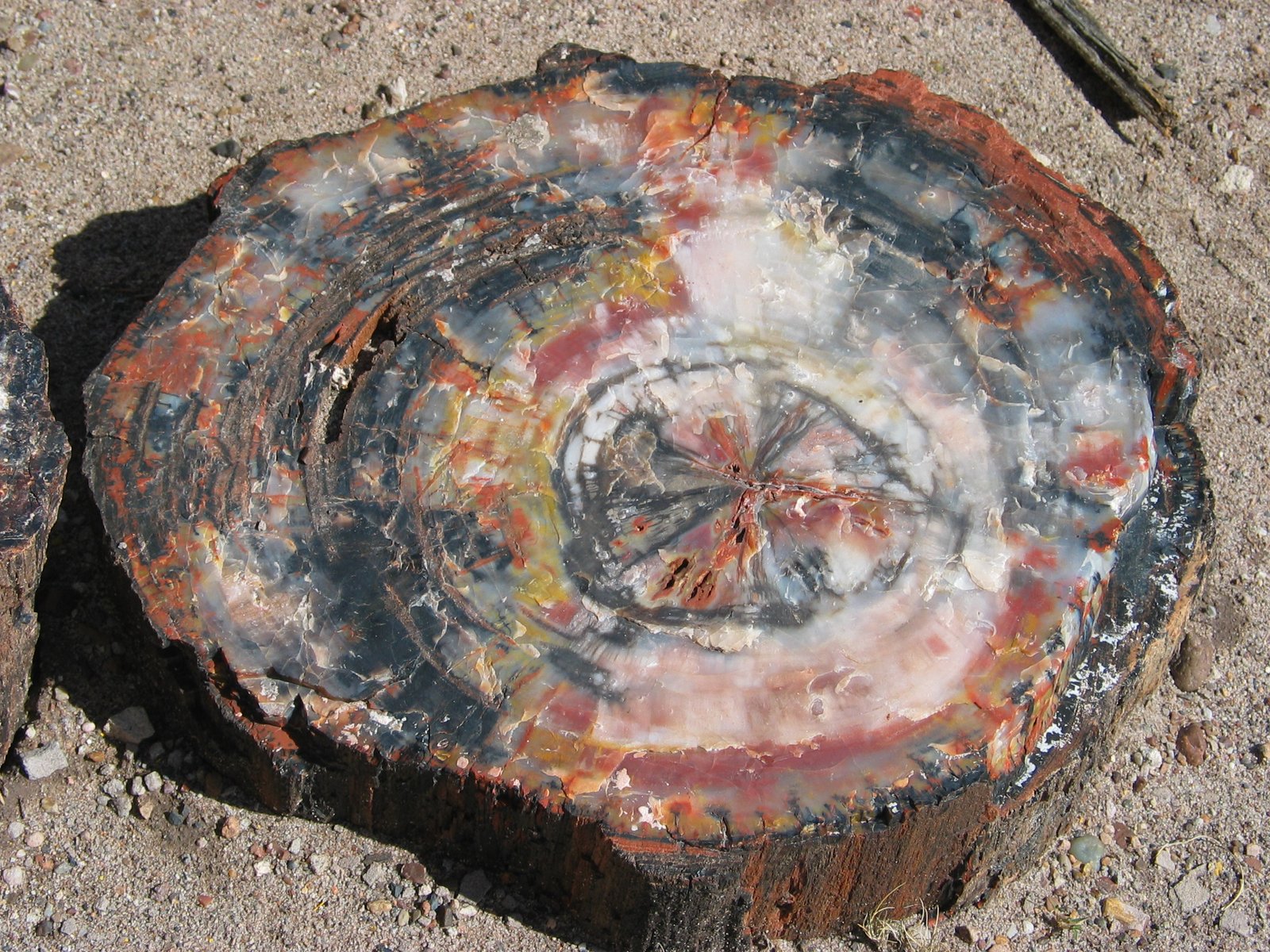
Every so often, construction workers stumble upon the fossilized remains of ancient forests. These petrified stumps and roots are like sculptures from a lost world, their shapes and textures perfectly preserved. Some trees were buried so quickly in peat that even the growth rings are visible, allowing scientists to estimate their age—and even guess at ancient droughts or floods.
Strange Finds: Bones and Artifacts
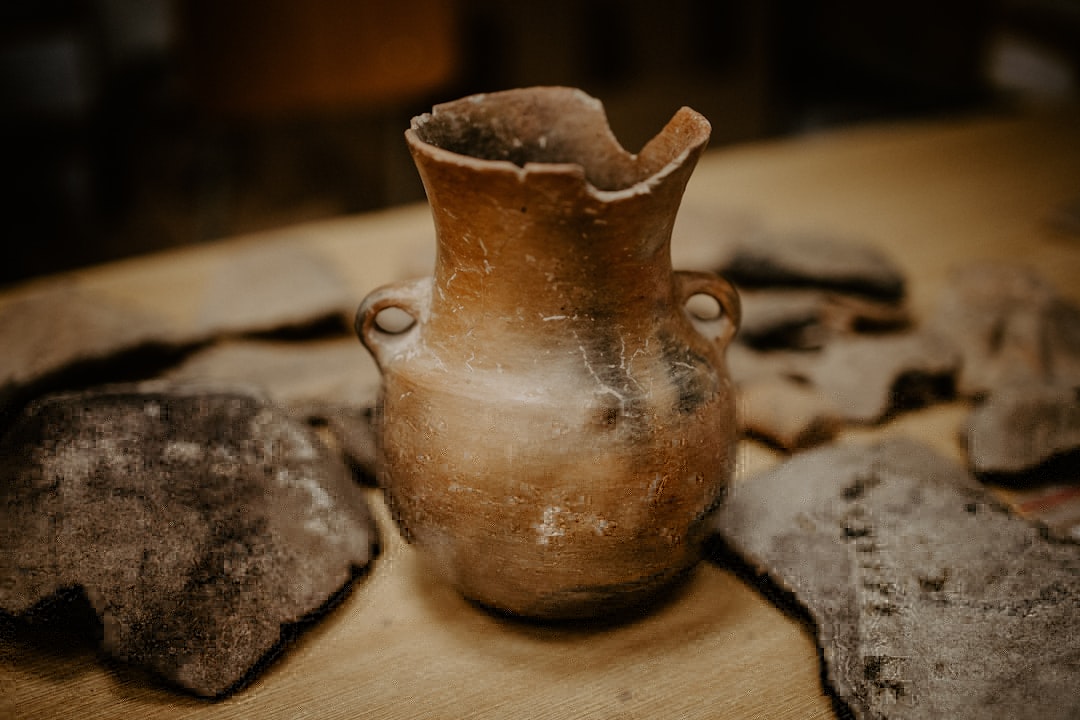
Among the most surprising discoveries are the odd objects that turn up in Amsterdam’s peat. Archaeologists have found everything from medieval shoes and coins to the skulls of long-extinct animals. Each find sparks a rush of excitement—a tangible link between the city’s present and its forgotten past. Sometimes, the stories behind these artifacts are stranger than fiction, inviting new questions and mysteries.
How the Underground Shapes Daily Life
Most Amsterdammers rarely think about what’s beneath their feet, but the ancient peat and buried forests affect daily life in unexpected ways. From the slight tilt of canal houses to the occasional whiff of earthy aromas after heavy rain, the city’s past is always close at hand. Even the famous tulips owe a debt to the fertile, peaty soils that once covered the land.
Preserving the Peat: A Modern Dilemma
As Amsterdam grows and modernizes, protecting the fragile peatlands beneath becomes ever more challenging. Construction, groundwater drainage, and climate change all threaten to disturb these ancient layers. Conservationists and city planners must work together, balancing the needs of a thriving metropolis with the responsibility to safeguard its buried heritage.
Lessons from the Forgotten Forest
The hidden world beneath Amsterdam is more than just a curiosity—it’s a living archive, filled with lessons about change, resilience, and the power of nature. The city’s buried landscapes remind us that the ground we walk on is always shifting, shaped by forces both ancient and ongoing. In many ways, Amsterdam’s future depends on how well it honors and understands its mysterious, peaty past.
Stories Waiting to Be Told
There’s a strange magic in knowing that beneath every cobblestone and canal, an entire forest sleeps. The bones, roots, and relics under Amsterdam are silent storytellers, waiting for curious minds to listen and learn. As scientists dig deeper, and as new discoveries come to light, the forgotten forest under Amsterdam continues to inspire wonder, caution, and respect for the mysteries of the earth.
The Forgotten Forest Awakens Curiosity
Walking through Amsterdam may never feel the same once you realize the city floats atop an ancient, hidden forest. Every step is a reminder of time’s slow, relentless progress—and of the secrets still locked beneath the surface. The more we learn about Amsterdam’s underground world, the more we realize how much is left to discover. Isn’t it astonishing what lies just beneath our feet?