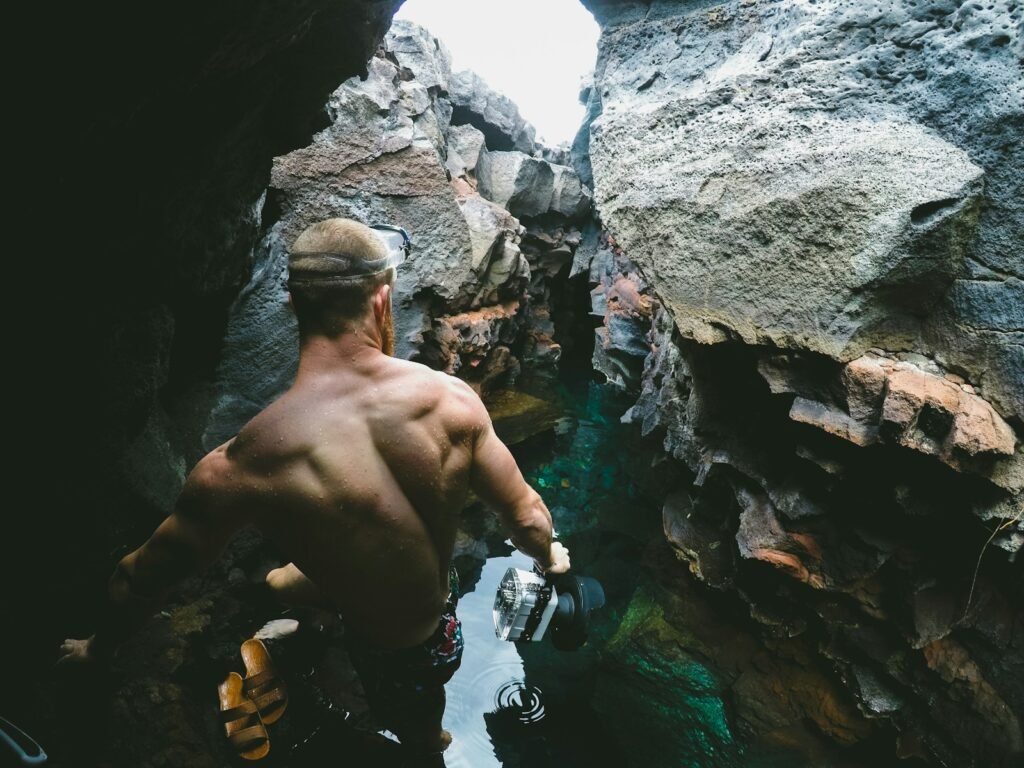

Imagine strolling the sunlit streets of Napier, New Zealand, where art deco facades and ocean breezes rule the senses. Now, picture a hidden world beneath your feet—a shadowy labyrinth shaped by ancient waters, sudden earthquakes, and eons of geological drama. Few realize that beneath this charming city lies a secret: a network of forgotten caves, brimming with fossil treasures and stories of earth-shaking change. What mysteries do these silent chambers hold, and what can they reveal about the restless forces that shaped both land and life? Let’s journey below the surface, where time stands still and every stone whispers a secret.
The Hidden Labyrinth: An Overview of Napier’s Subterranean World
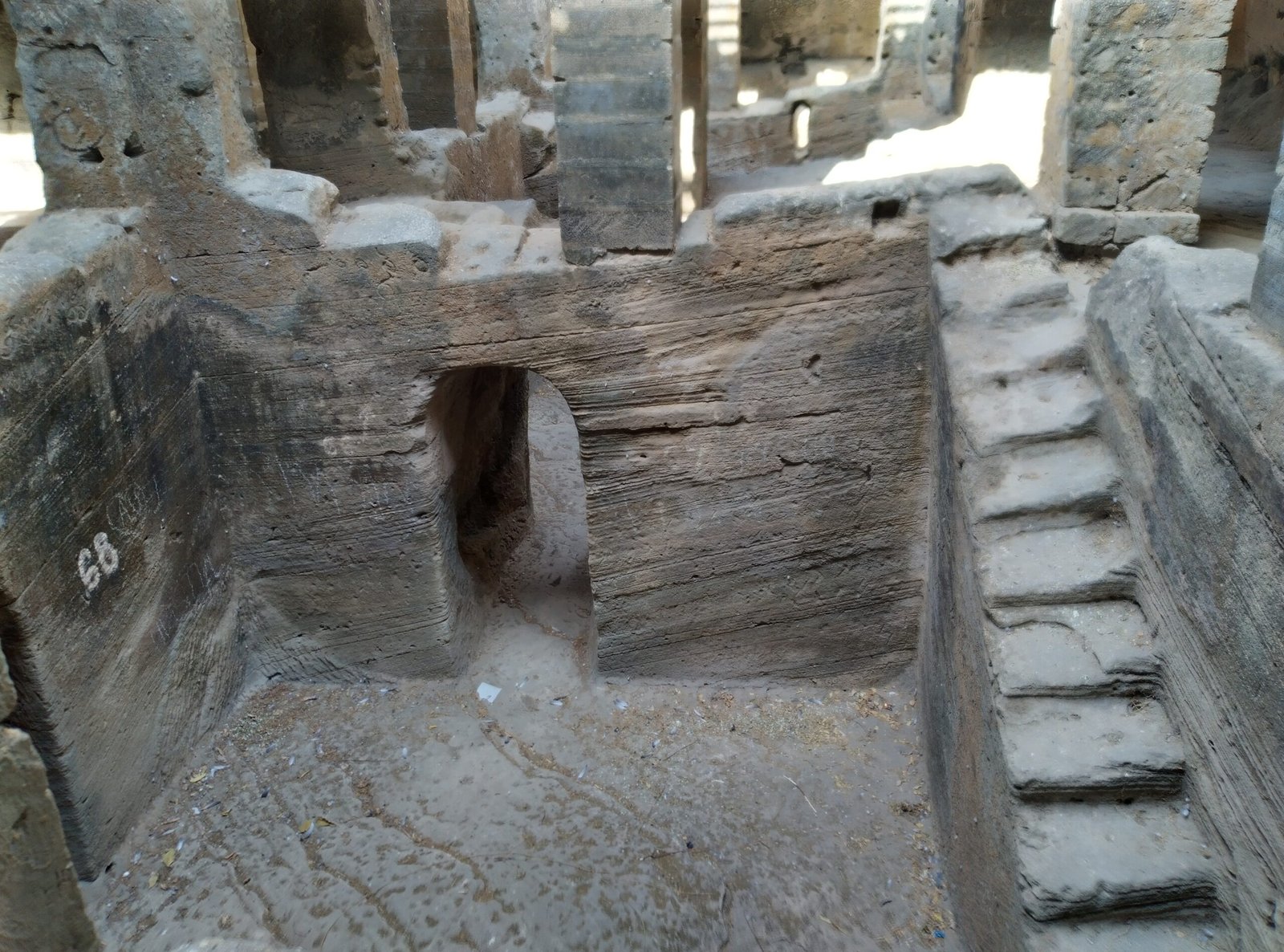
Beneath Napier’s bustling streets, a maze of caves stretches far and wide. These underground passages were carved out over thousands of years, mostly by water seeping through layers of limestone and sandstone. Early settlers and Māori alike were aware of some of these caves, using them as shelters or storerooms, but most have faded from local memory. Today, many caves remain sealed, their entrances lost beneath modern foundations. The sheer scale of this hidden network is mind-boggling—some say it rivals the size of small towns. If you ever find yourself standing in central Napier, you might be just a few meters above a vast, echoing chamber.
Geological Origins: How the Caves Came to Be
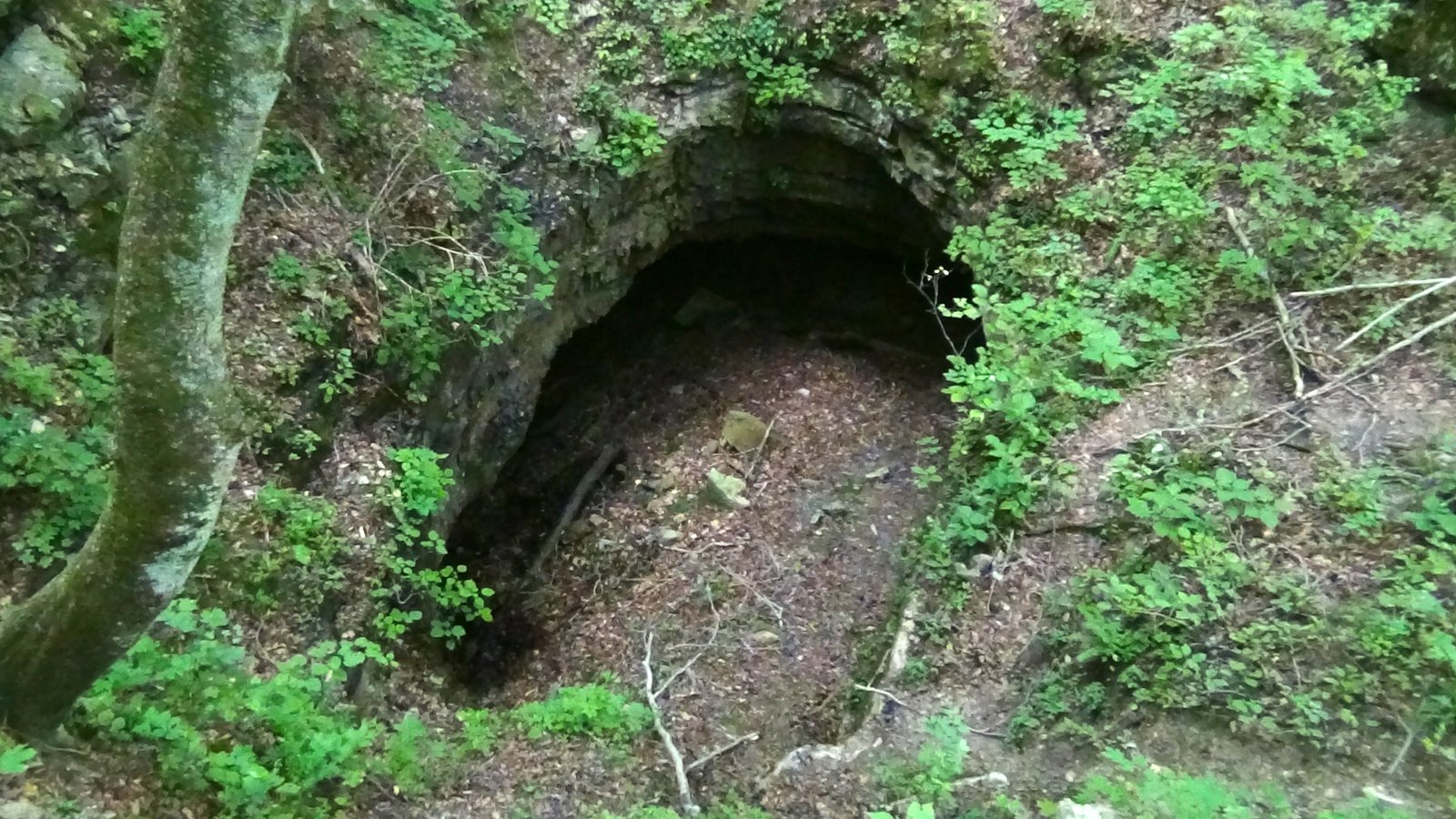
Napier’s caves didn’t simply appear overnight. They began forming millions of years ago when the entire region was under the sea, accumulating sediment from ancient rivers and marine life. Over time, layers of limestone and sandstone developed, their porous nature making them ideal candidates for subterranean erosion. Rainwater, slightly acidic from dissolved carbon dioxide, seeped through cracks and crevices, dissolving the rock grain by grain. This slow, persistent process—called chemical weathering—eventually led to the creation of tunnels and caverns. Even now, the earth beneath Napier is quietly sculpting new spaces, like an artist working in secret.
Erosion’s Steady Hand: Sculpting the Underground Landscape
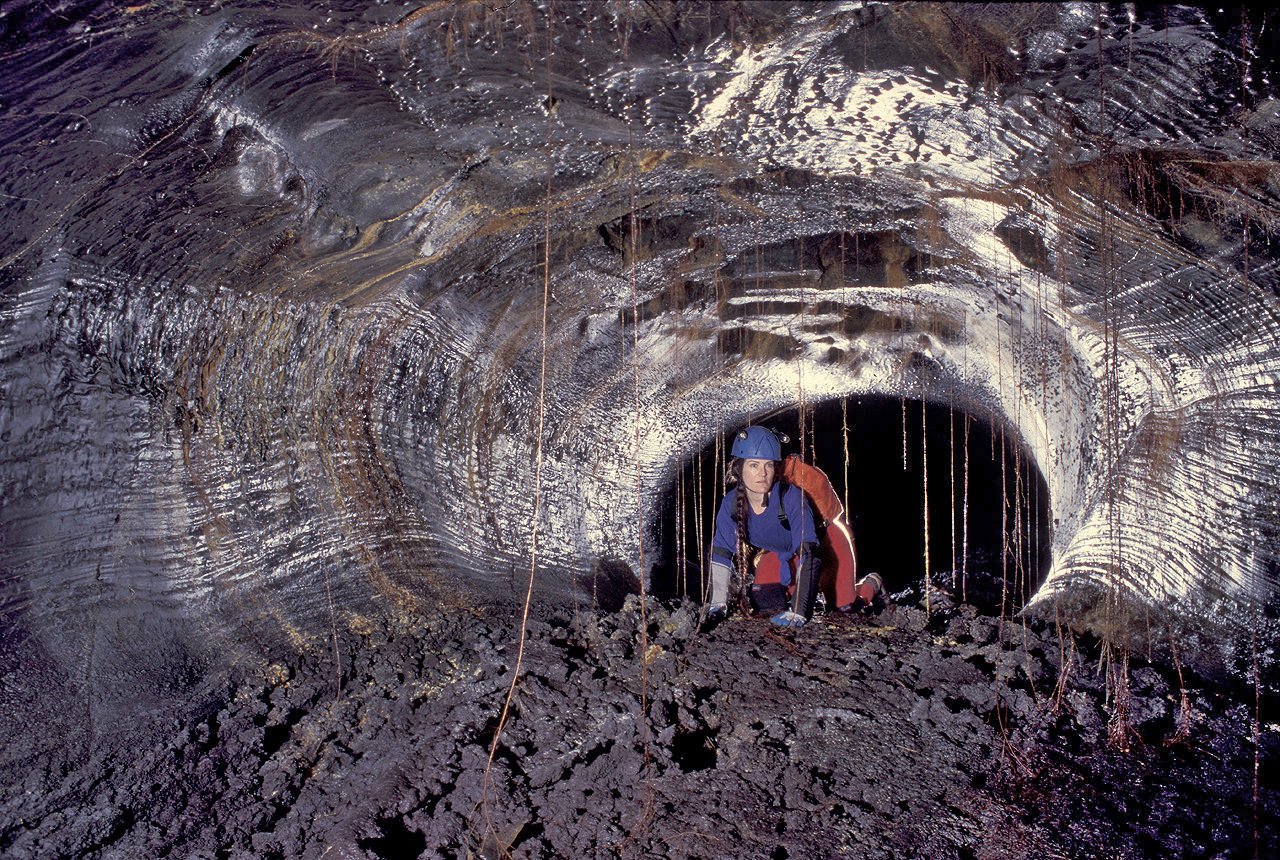
Erosion is the silent architect of Napier’s caves. Unlike dramatic earthquakes or volcanic eruptions, erosion works gradually, almost invisibly. Water is its main tool, carrying away tiny fragments of rock and widening crevices into corridors. Sometimes, the process speeds up after heavy rains or floods, when torrents pour through underground channels. Over centuries, these minor changes add up, giving rise to winding passages, domed chambers, and fantastic rock formations. If you’ve ever seen the delicate lacework of stalactites and stalagmites in other caves, you can imagine the beauty hidden beneath Napier’s soil.
Earthquakes: Nature’s Sudden Chisel
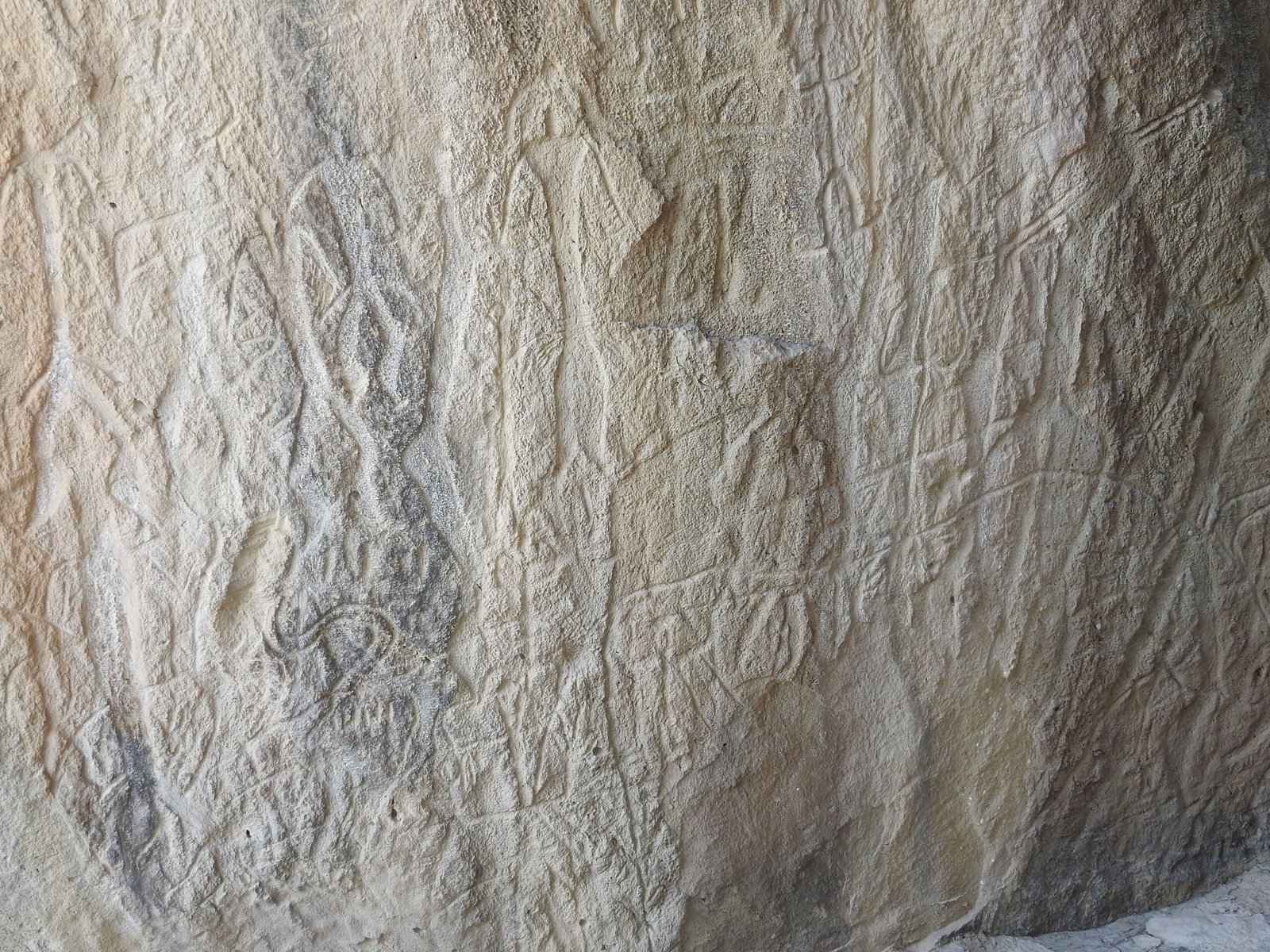
While erosion carves slowly, earthquakes can reshape caves in the blink of an eye. Napier sits on the volatile Pacific “Ring of Fire,” a region notorious for seismic activity. The infamous 1931 Hawke’s Bay earthquake, for instance, not only devastated the city above but also altered the cave systems below. Some passages collapsed or shifted, while new fissures opened overnight. Earthquakes can trap pockets of air, force water into new routes, or even expose previously sealed-off chambers. Each tremor leaves its own fingerprint underground, making Napier’s caves a living record of the earth’s restless energy.
Fossil Riches: Time Capsules in Stone
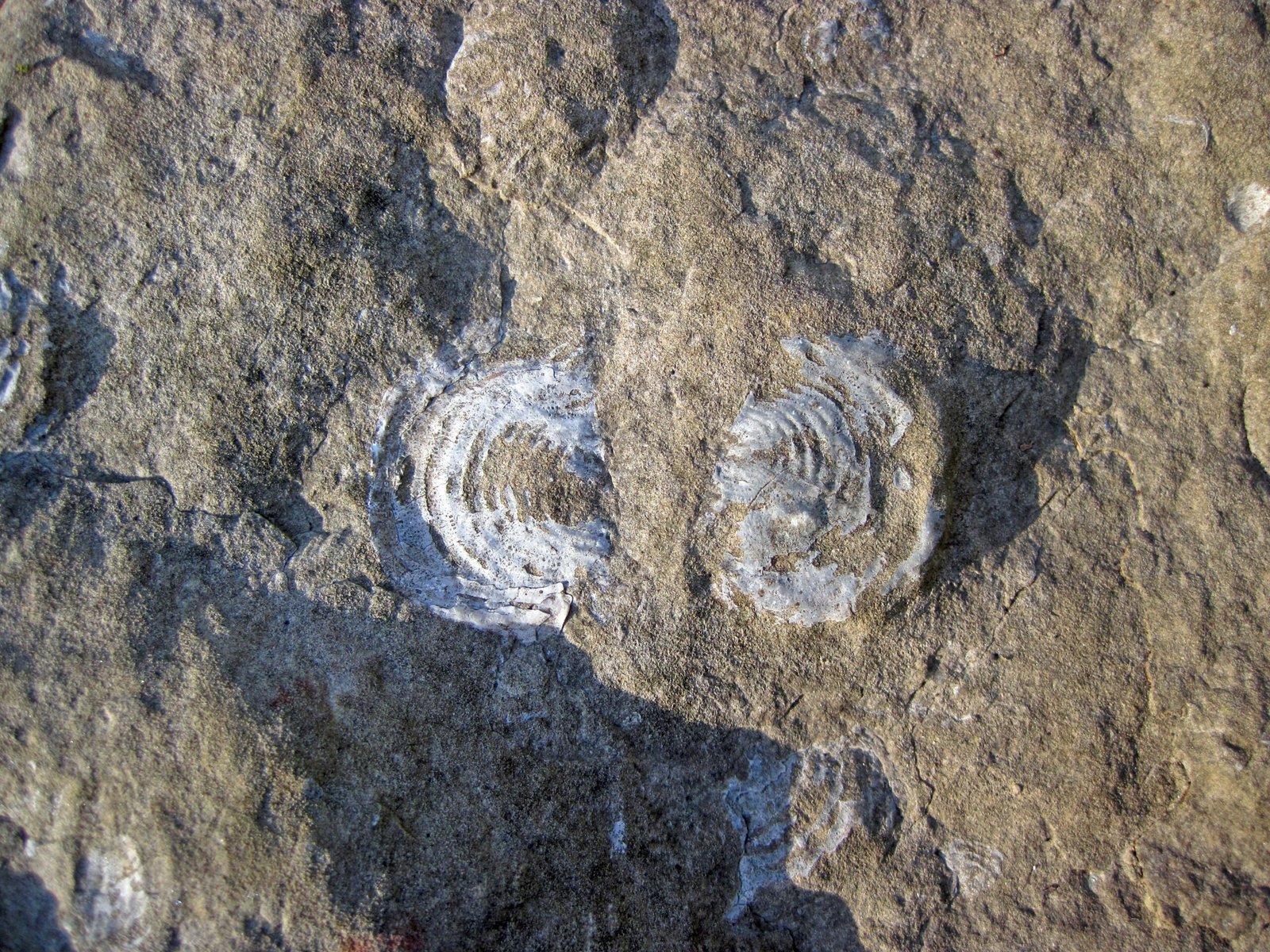
One of the most astonishing features of Napier’s caves is their abundance of fossils. Encased in the limestone walls are the remains of long-extinct creatures: ancient mollusks, giant sea snails, and even the occasional vertebrate bone. These fossils are like pages from a prehistoric diary, offering clues about the climate, sea levels, and animal life from millions of years ago. Paleontologists sometimes discover perfectly preserved shells or coral, their delicate details frozen in rock. It’s a rare thrill to hold such a fossil and realize you’re touching a piece of history that predates even the earliest humans.
Hidden Biodiversity: Life in the Darkness
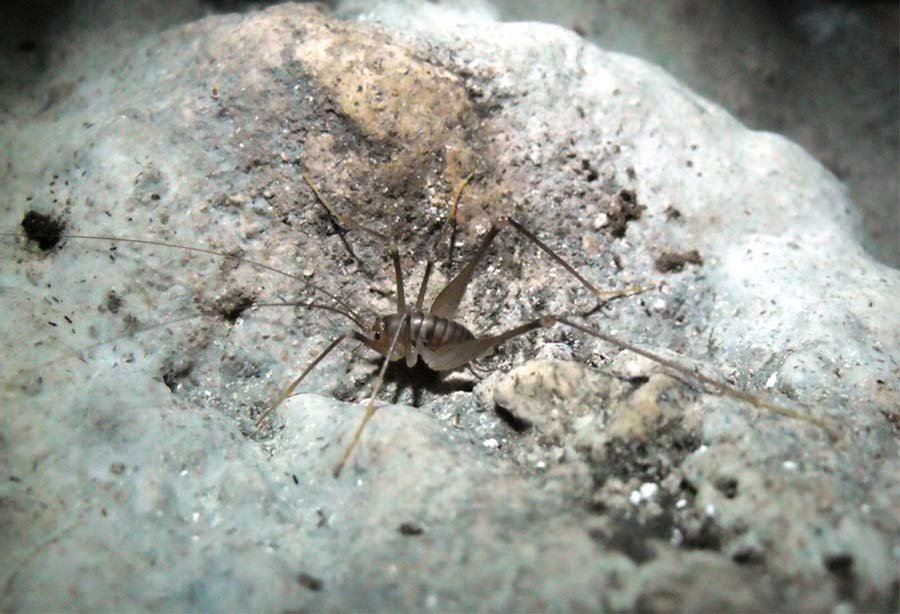
Although these caves are mostly isolated from the sunlit world, they are far from lifeless. Tiny, pale insects scuttle across damp walls; blind spiders and glowworms make their homes in the crevices. Some species found here exist nowhere else on earth, perfectly adapted to the perpetual darkness and humidity. In some places, trickles of water create miniature ecosystems, sustaining mosses and unusual fungi. Exploring these caves is like entering an alien planet—one where survival means mastering the art of living in the shadows.
Māori Legends and Early Encounters
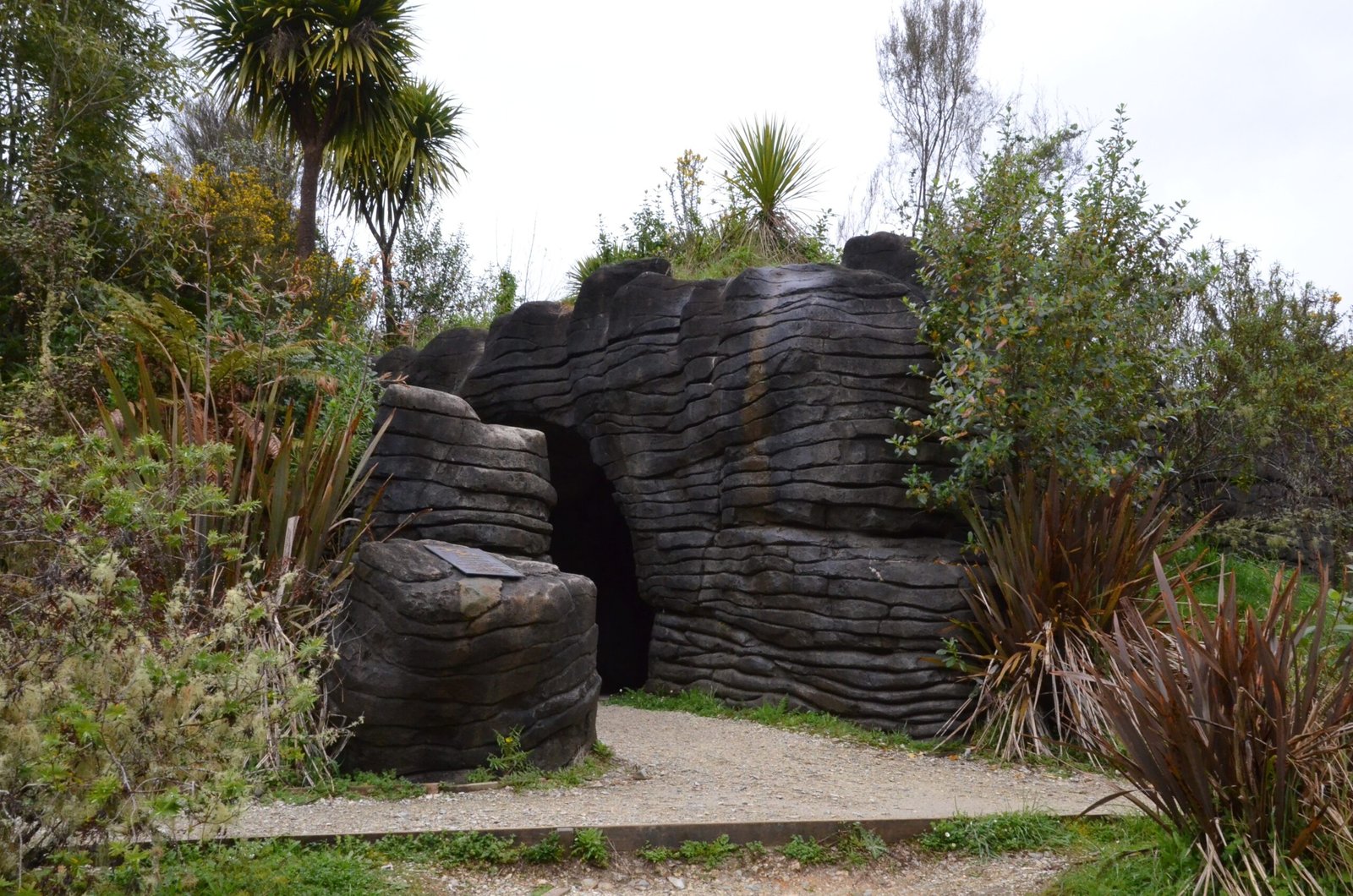
Long before Europeans settled Napier, Māori tribes told stories about the caves beneath the land. Some believed these were the dwellings of taniwha—mysterious spirits or guardians of the earth. Caves were also used as burial places or hiding spots during times of conflict. Early explorers sometimes stumbled upon bones, tools, or even ancient carvings in the darkness. These legends and discoveries remind us that the caves have always been more than just geological features—they’re woven into the cultural fabric of Hawke’s Bay.
The 1931 Earthquake: A Turning Point for the Underground

The 1931 earthquake was a defining moment for both Napier and its caves. In just a few minutes, the land heaved upward by more than two meters in places, draining lagoons and exposing new stretches of coastline. Underground, the impact was just as dramatic. Some cave systems collapsed, while others became more accessible as ground levels shifted. In the quake’s aftermath, construction and city planning often ignored or built over cave entrances, further burying this hidden world. Even now, researchers occasionally find new cave openings in areas disturbed by that seismic event.
Modern Rediscovery: Urban Development and Cave Preservation
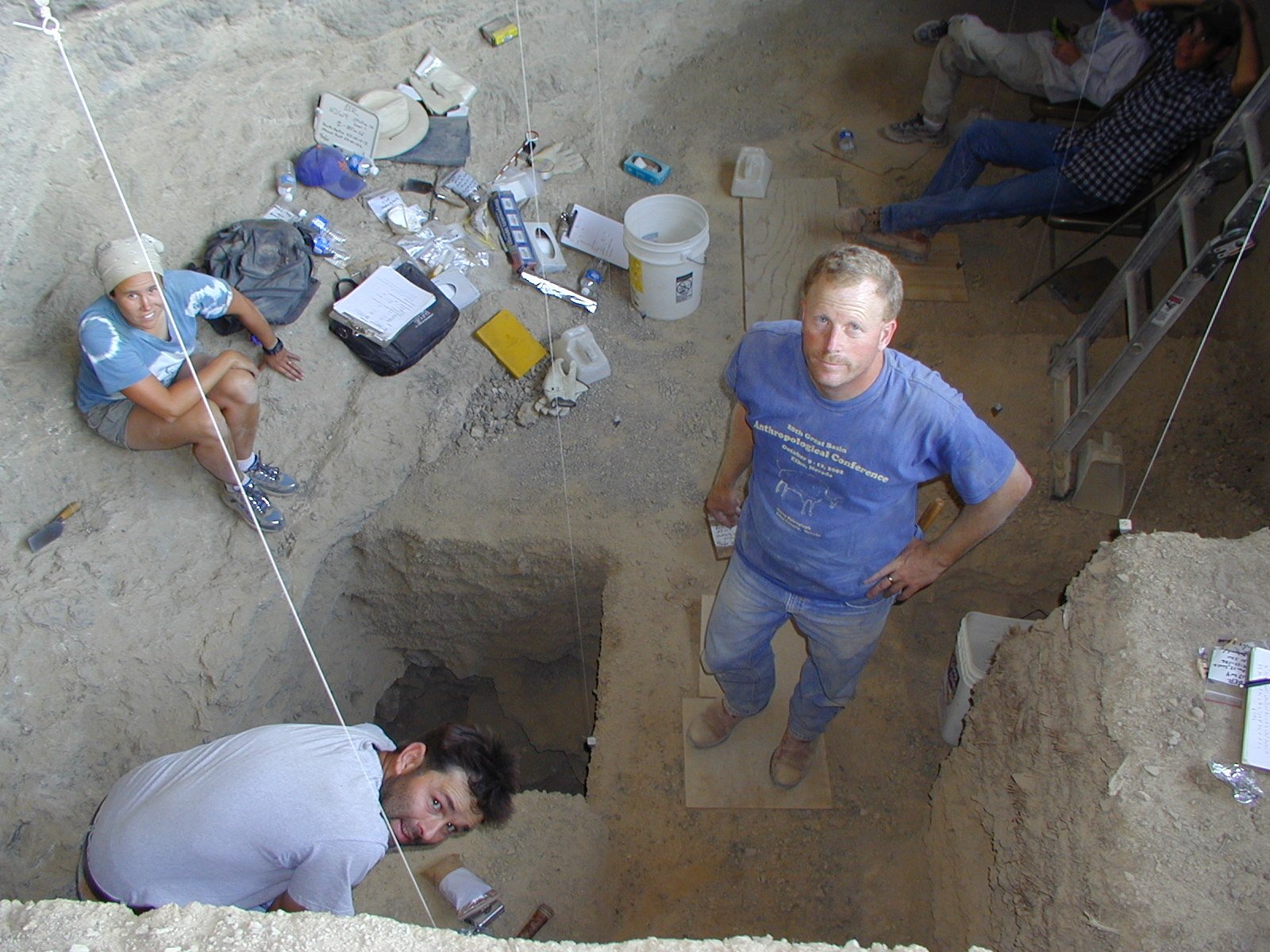
As Napier has grown, construction projects sometimes unearth forgotten caves. Workers digging foundations or laying pipes have stumbled into unexpected voids, halting work and sparking curiosity. These accidental finds are double-edged: while they can reveal fascinating features, they also risk damaging delicate formations or fossil beds. Local authorities and geologists now work together to balance development with preservation. Mapping the caves is a slow, careful process, but every new discovery adds another piece to Napier’s complex subterranean puzzle.
Scientific Exploration: Tools and Techniques
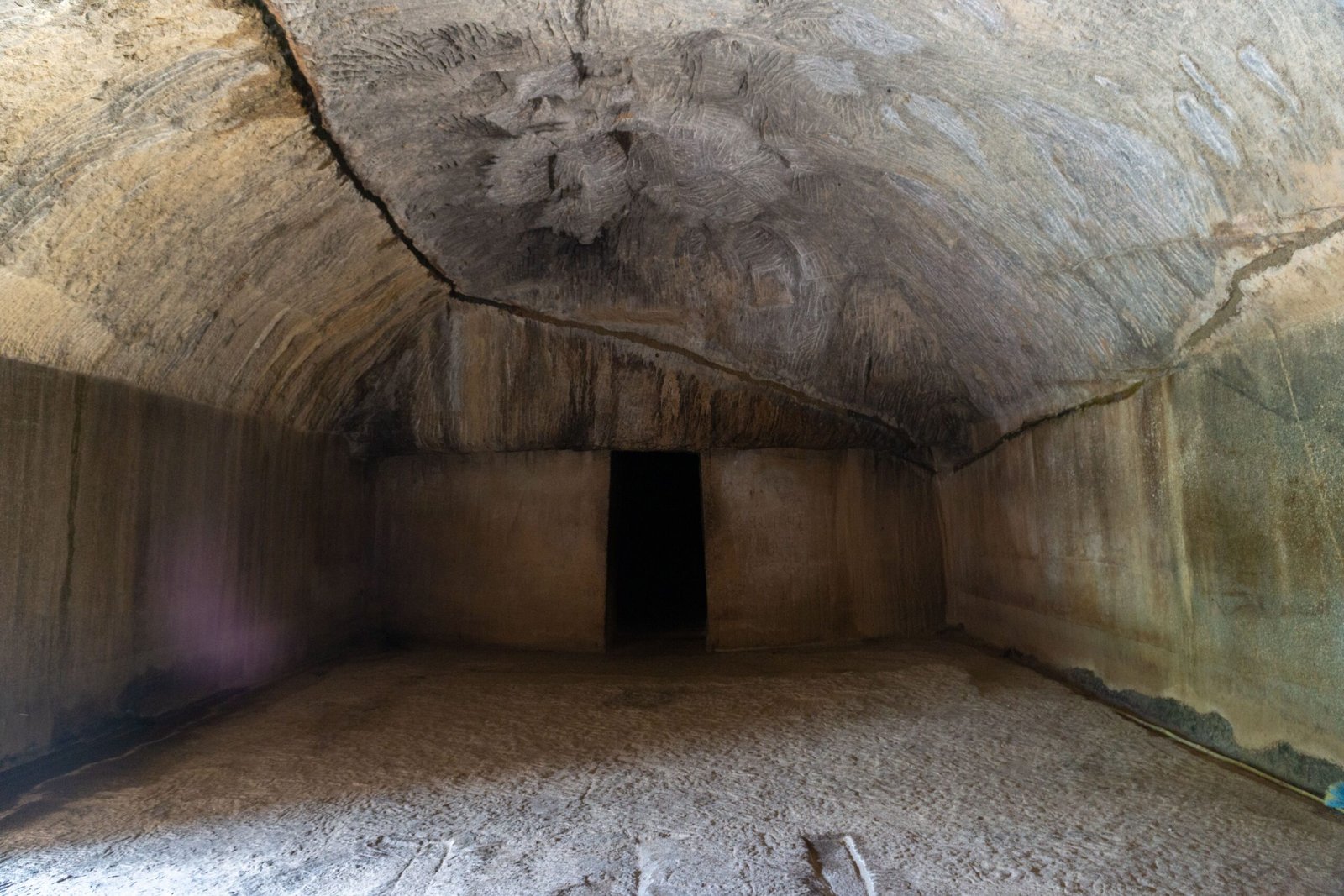
Exploring caves isn’t as simple as grabbing a flashlight and heading underground. Modern researchers use advanced technology to map and study these spaces safely. Laser scanners, ground-penetrating radar, and even tiny drones help create detailed 3D models of cave passages. These tools reveal not only the size and shape of the caves but also hidden features like underground rivers or fossil-rich layers. Scientists also monitor air quality, humidity, and seismic activity to understand how the caves are changing over time. It’s careful, painstaking work—but the rewards are immense.
Archaeological Finds: Traces of Past Inhabitants
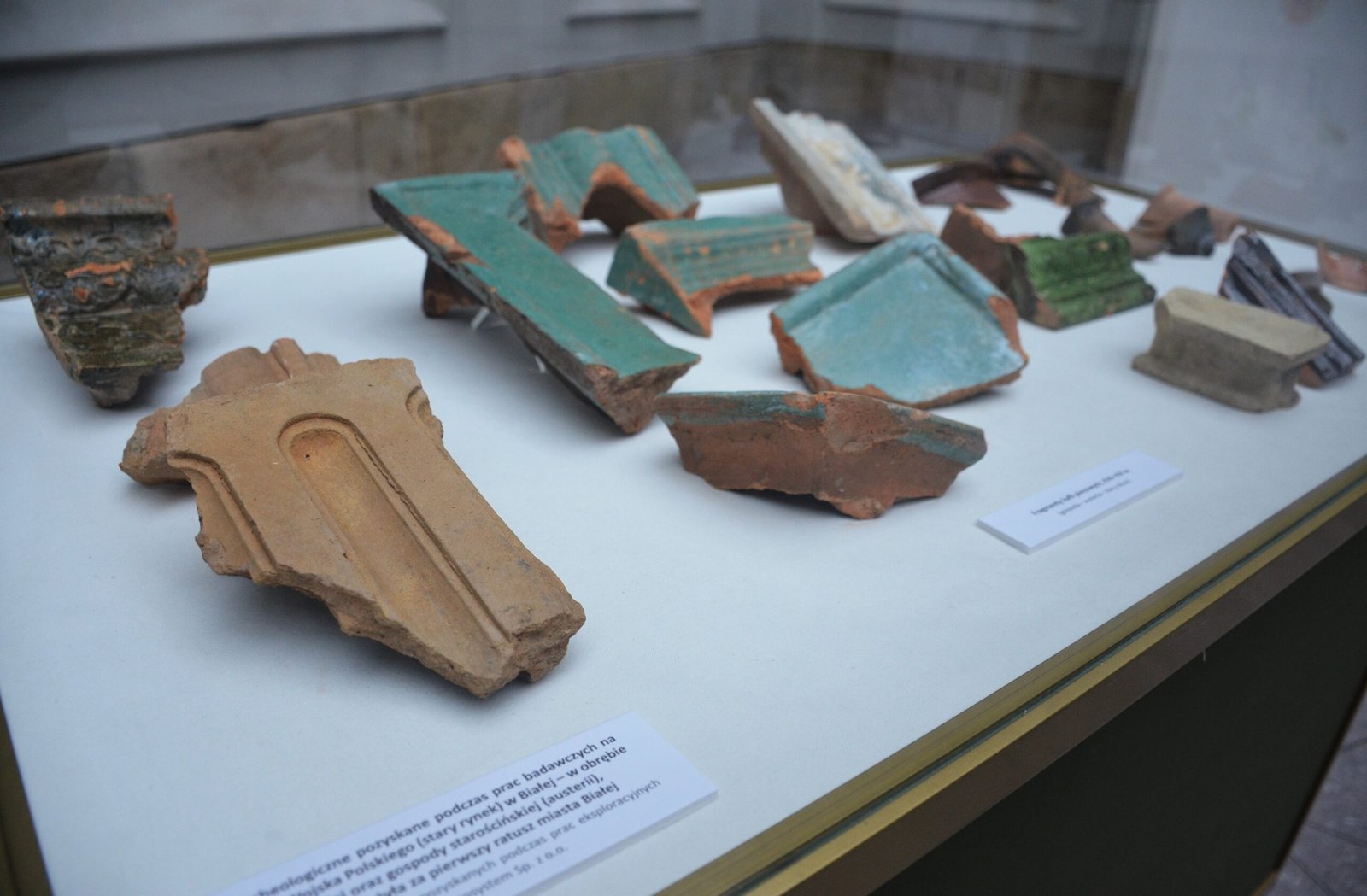
Some of Napier’s caves hold more than just fossils—they contain artifacts from the region’s human history. Archaeologists have found tools, pottery shards, and even charcoal from ancient fires, suggesting that people once used these caves for shelter or ceremonies. In rare cases, burial sites have been discovered, their contents offering insights into early Māori life. Each artifact adds depth to our understanding of how people interacted with this underground world, sometimes using it for protection, sometimes for spiritual reflection.
Climate Clues: What Caves Reveal About the Past
Caves are more than just stone and shadow—they’re also archives of climate history. Layers of mineral deposits, called speleothems, grow slowly over thousands of years, recording changes in rainfall, temperature, and even the composition of the air. By analyzing these chemical signatures, scientists can reconstruct ancient weather patterns and environmental shifts. In Napier’s caves, such research is revealing how the region’s climate has changed since the last ice age. These findings help us understand not only the past, but also possible futures in a warming world.
The Role of Water: Underground Rivers and Aquifers
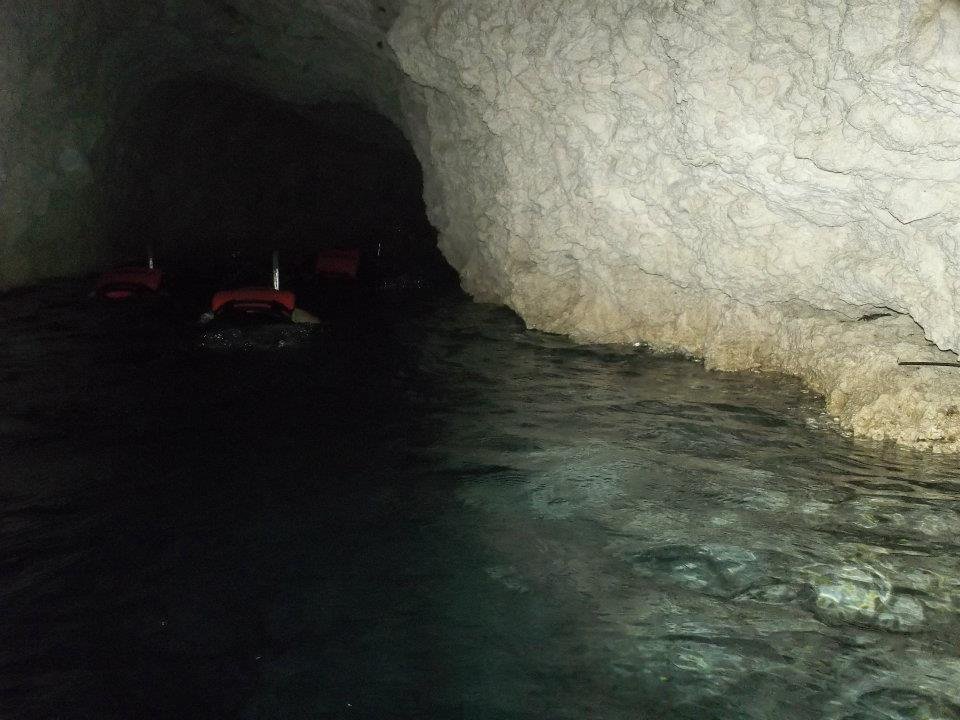
Water is both the sculptor and the lifeblood of Napier’s caves. Some caves are shaped by underground streams that continue to flow today, carving new passages or depositing minerals along their banks. These waters also feed into the region’s aquifers, providing a vital source of drinking water for local communities. Understanding how water moves through the caves is crucial for managing this precious resource—especially as droughts and climate change put new pressures on the system. Sometimes, the quiet drip of a cave stream echoes the challenges and hopes of the world above.
Cave Formations: Nature’s Underground Artistry
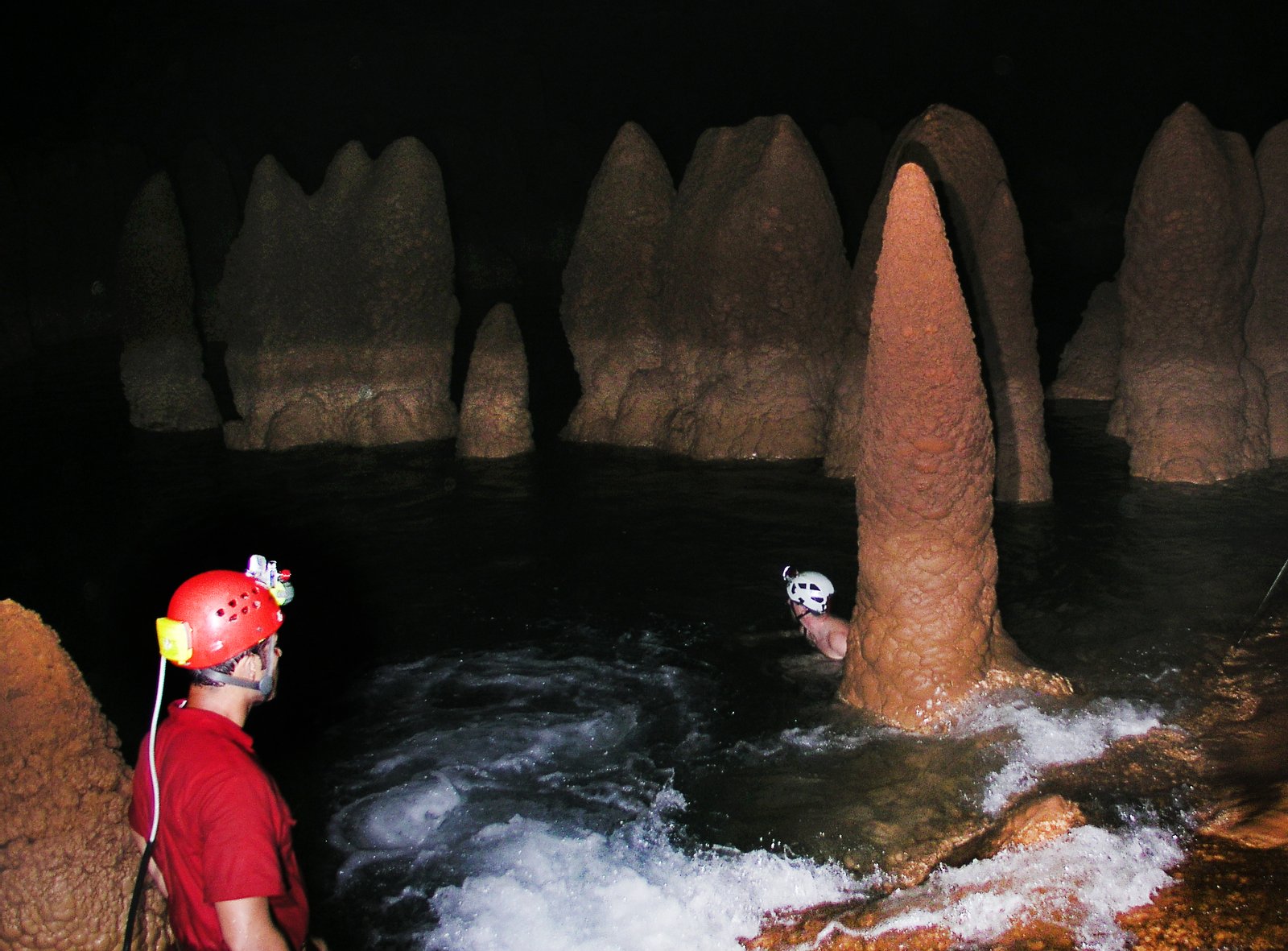
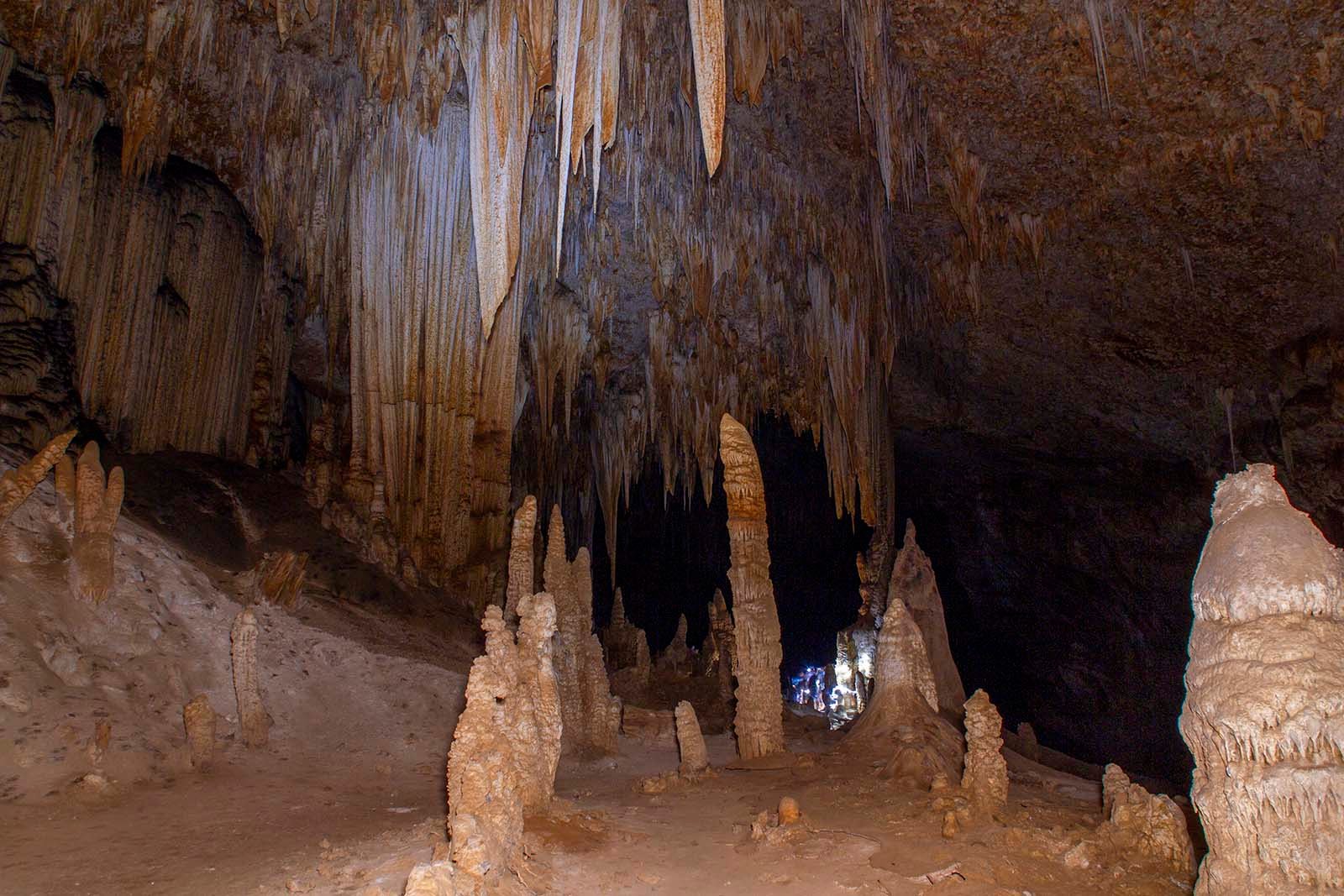
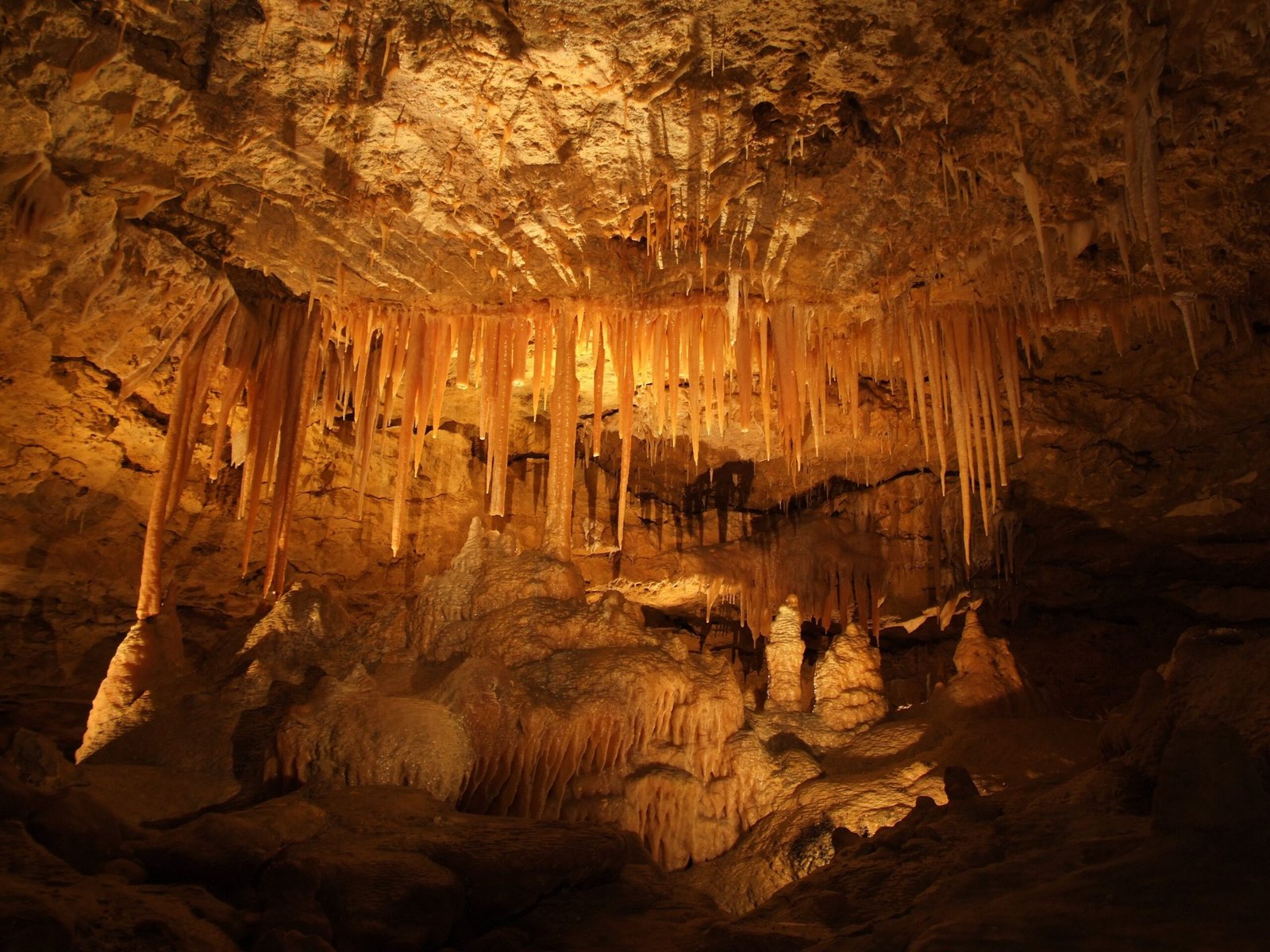
Inside Napier’s caves, visitors are sometimes treated to a gallery of natural wonders. Stalactites dangle from ceilings like stone icicles, while stalagmites rise up from the floor, sometimes joining to form graceful columns. Flowstone, resembling frozen waterfalls, coats the walls in rippling layers. These formations grow at a snail’s pace, sometimes taking centuries to reach just a few centimeters in length. Their delicate beauty is easily damaged, making them both precious and vulnerable. Standing in such a chamber can feel like stepping into a cathedral built by time itself.
Hazards and Challenges: The Dark Side of Exploration
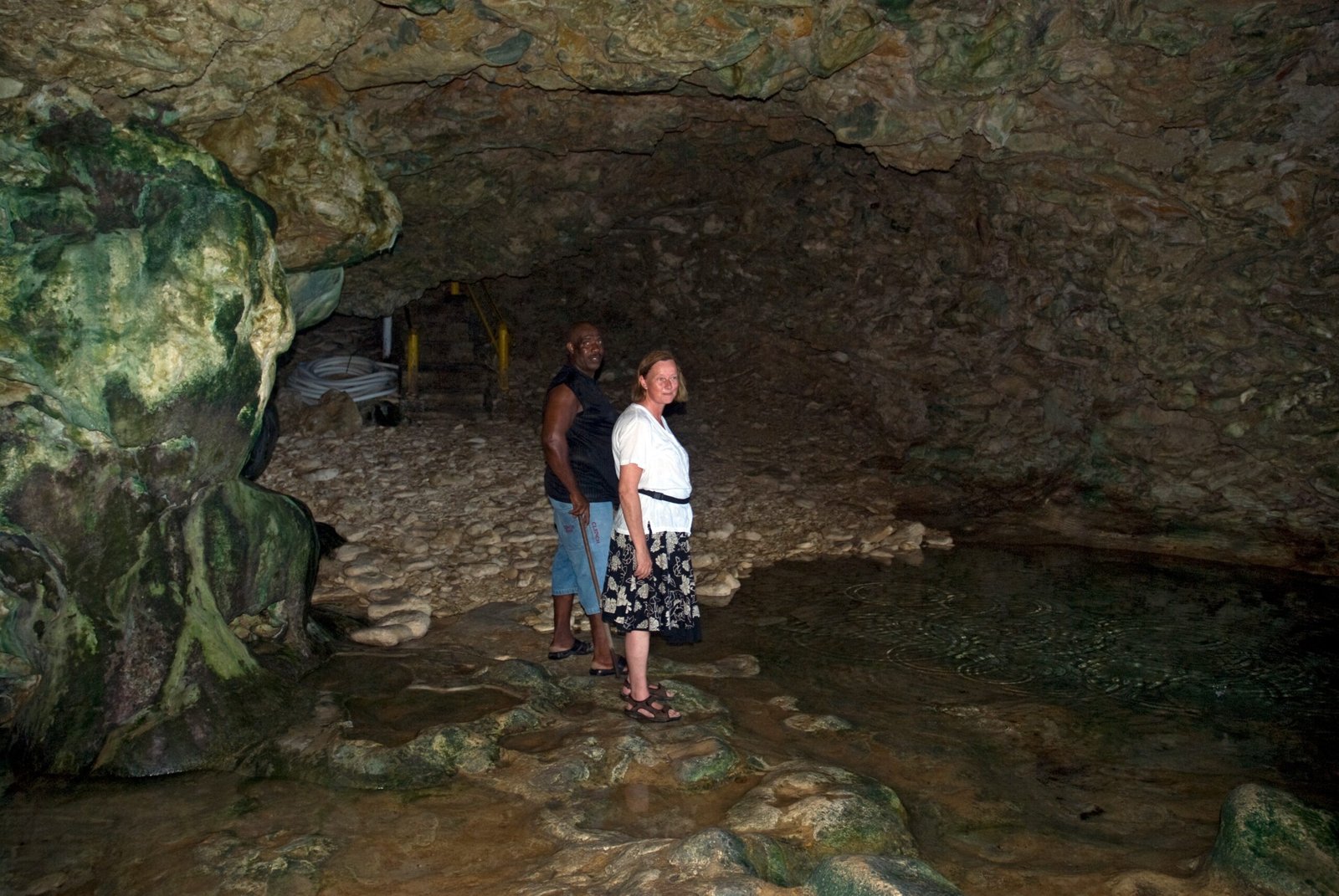
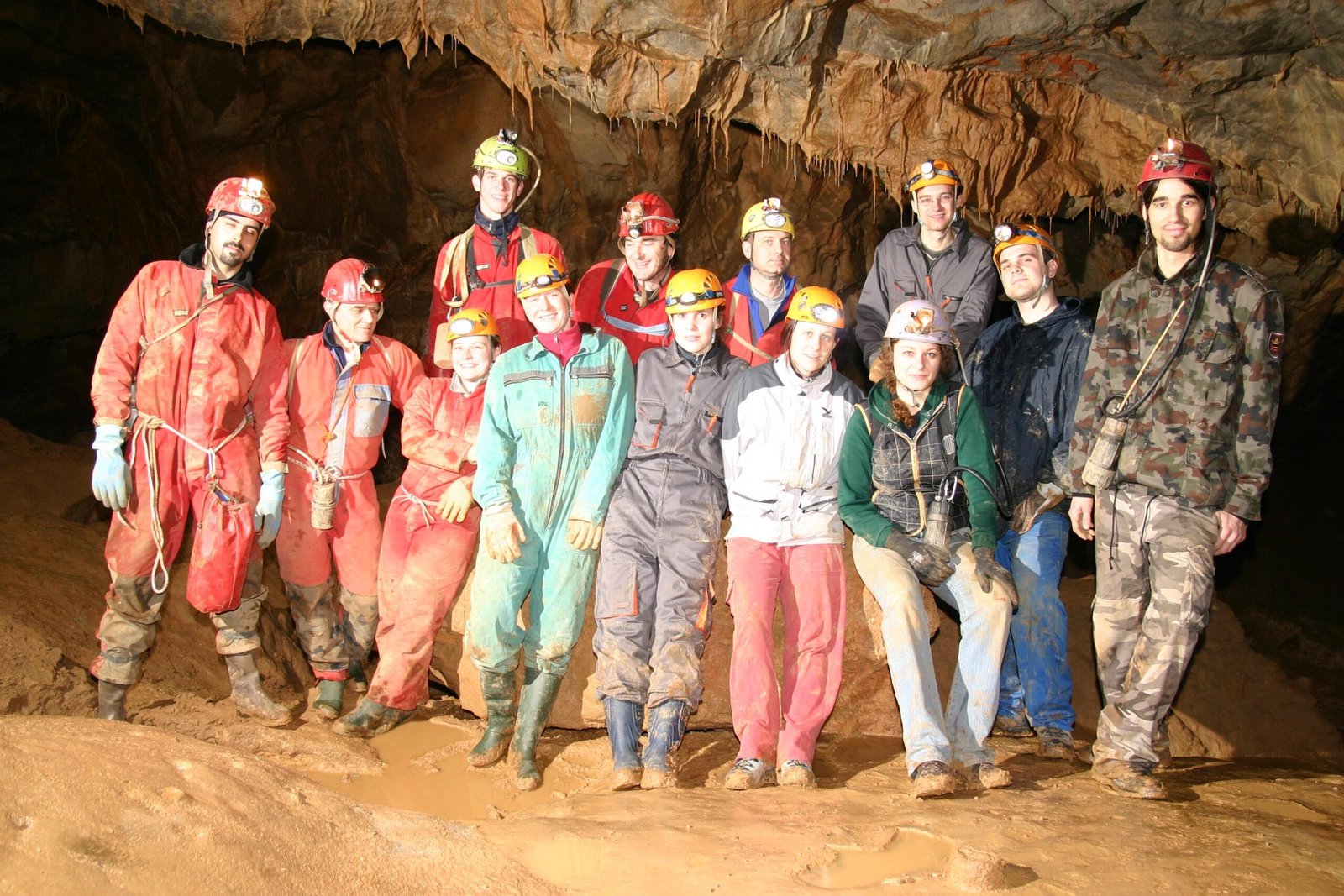
Exploring caves is not for the faint-hearted. Tight passages, sudden drops, and unstable rocks can turn a simple adventure into a dangerous ordeal. Air quality can drop quickly, and flash floods are always a risk in rainy seasons. Fossil hunters and scientists must take every precaution, using ropes, helmets, and monitoring equipment to stay safe. Yet the lure of discovery keeps drawing people underground. Each expedition brings both excitement and risk, a reminder that nature’s secrets are never given up easily.
Public Awareness: Bringing the Underground to Light
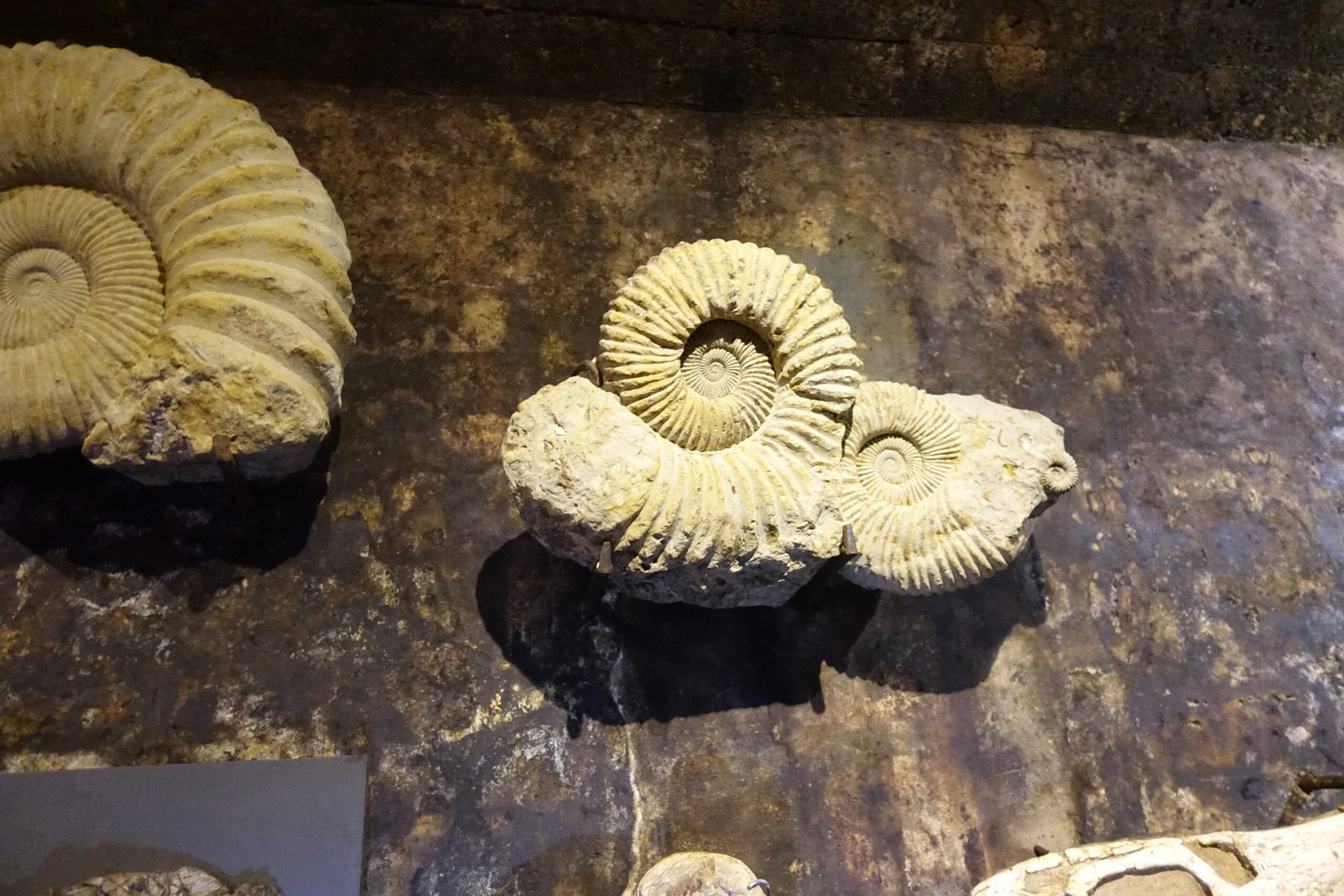
Despite their significance, Napier’s caves remain largely unknown to most residents and visitors. Few signs or plaques mark their locations, and public access is limited to protect sensitive sites. However, local museums and schools are beginning to share stories about these hidden wonders, using fossils and photographs to spark curiosity. Guided tours, when carefully managed, have also allowed some people to experience the caves firsthand. By bringing the underground world into the public eye, Napier is slowly reclaiming a part of its forgotten heritage.
Conservation Efforts: Protecting Fragile Treasures
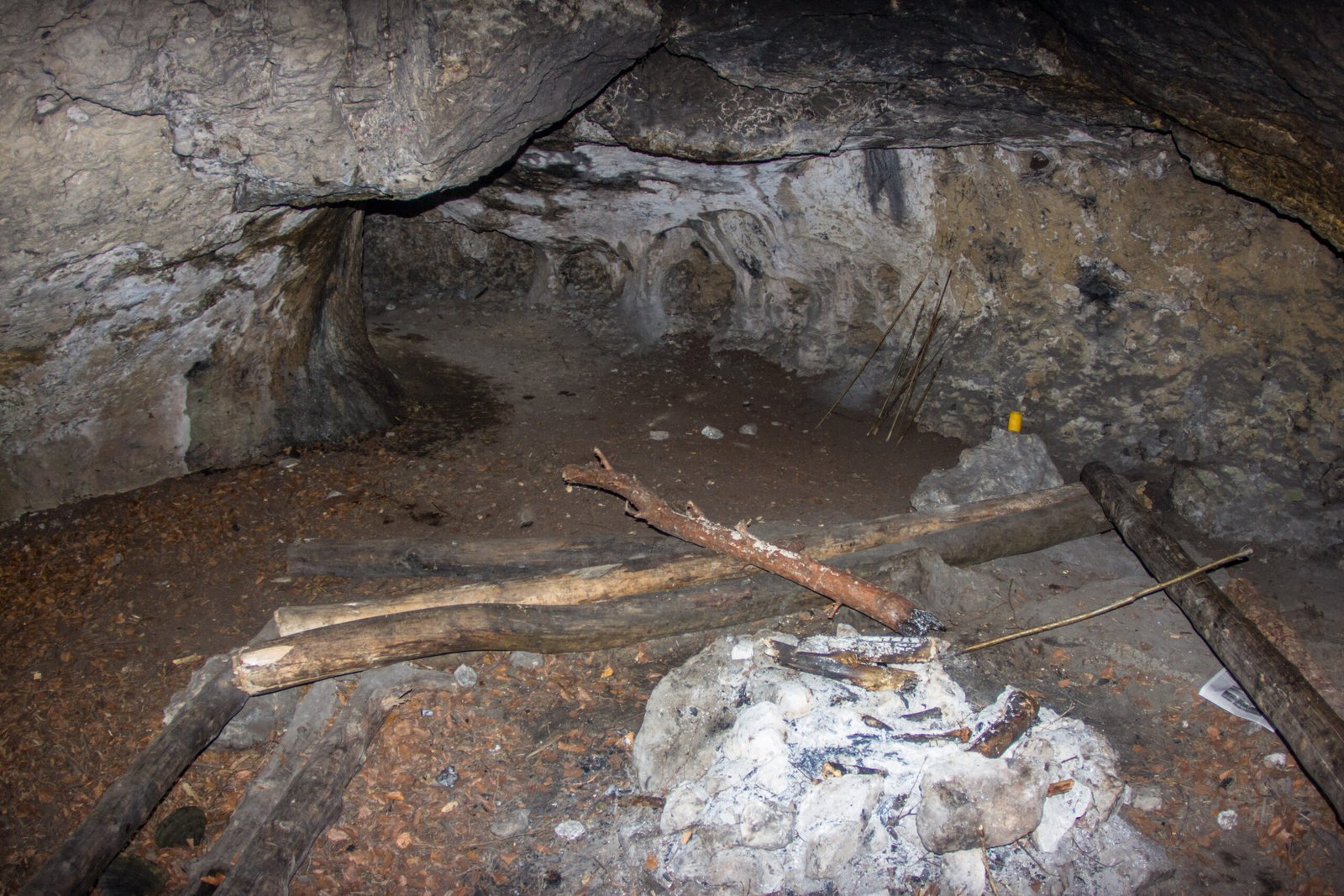
Preserving Napier’s caves is a delicate balancing act. On one hand, these spaces are invaluable for science and education. On the other, they are easily harmed by careless visitors, pollution, or construction. Conservationists work closely with city planners, iwi (Māori tribal groups), and researchers to develop strategies for protection. This includes restricting access to sensitive sites, monitoring environmental conditions, and running public awareness campaigns. The goal is to ensure that future generations can marvel at these underground wonders, just as we do today.
Myth Meets Science: The Magic of Underground Discovery
There’s something undeniably magical about caves. They are places where myth and science meet—where ancient stories echo off stone walls and every fossil hints at a world long gone. For many, exploring these spaces feels like stepping into a fantasy novel, where every shadow hides a secret and every rock holds a clue. Yet the true magic lies in discovery: the thrill of finding something unknown, of connecting with the deep past, and of realizing how much more there is to learn. In the darkness beneath Napier, curiosity lights the way.
What Lies Ahead: The Future of Napier’s Caves
The story of Napier’s caves is still being written. As technology advances, new discoveries are sure to emerge—be it unknown species, deeper chambers, or more spectacular fossils. Climate change, urban development, and natural disasters will continue to shape these underground spaces, for better or worse. The choices made today—about exploration, conservation, and education—will determine what future generations inherit. The caves are both a legacy and a challenge, asking us to look beneath the surface and value the mysteries hidden out of sight.