

On a sweltering afternoon, deep inside a rainforest, the air turns silvery and thick, as if the forest is quietly boiling the sky. That sensation is not a trick of the senses but the beginning of a self-made storm, brewed leaf by leaf. Scientists now see these green giants as climate engines, pushing moisture into the atmosphere and steering clouds like a hidden hand. The mystery is urgent: what happens to regional rain and global food systems if these engines sputter. The emerging answer blends basic physics with living biology, and it’s changing how we think about rainfall itself.
The Hidden Clues

Step beneath a rainforest canopy and you can feel the forest exhale; every leaf is a tiny pump lifting water from soil to sky. The process sounds simple – trees pull up water, release it as vapor – but its scale is startling, with mature trees moving hundreds of liters in a day. That vapor doesn’t just vanish; it changes the local humidity, temperature, and ultimately cloud formation above the canopy. In effect, the forest thickens the air until clouds have little choice but to form and release rain.
Researchers following moisture trails describe a looping system, where yesterday’s rain becomes tomorrow’s cloud through the forest’s own breath. Local guides have long read these signs: a sudden sweet, earthy smell, a hush in the understory, a light shift that means clouds are gathering. I still remember stepping from a field van in the Amazon and feeling the air snap cooler before a thunderburst, like opening the door to a natural amphitheater tuned to water. That felt sense – humid, electric, anticipatory – is a clue to a far larger engine humming overhead.
How Forests Make Rain
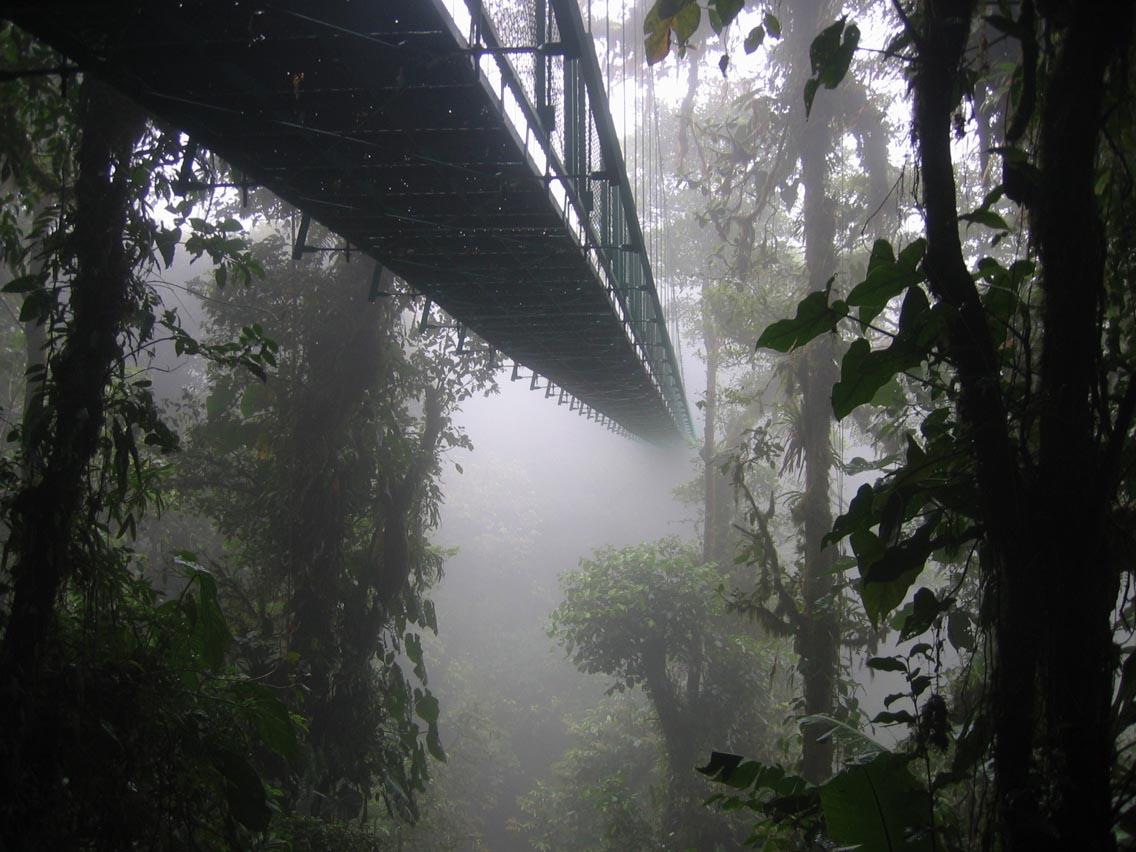
Transpiration sends water vapor upward, but forests add something extra: microscopic organic particles that help droplets form. These compounds, released by leaves and microbes, can seed cloud condensation, nudging vapor toward cloud and cloud toward rain. As the moisture condenses, it can slightly lower local air pressure, drawing in more moist air and feeding the cycle. With abundant leaves and deep roots, dense forests sustain this feedback day after day.
Over large regions, the effect becomes a conveyor of moisture that recycles rain multiple times across a continent. Modelers describe a moisture recycling ratio – the share of rainfall that originated as local evapotranspiration – and in intact tropical forests that share can be remarkably high. The result is a homegrown storm supply that keeps dry seasons less harsh and buffers heatwaves. Put simply, a healthy forest takes a sip of water and returns a cup to the sky.
From Ancient Tools to Modern Science
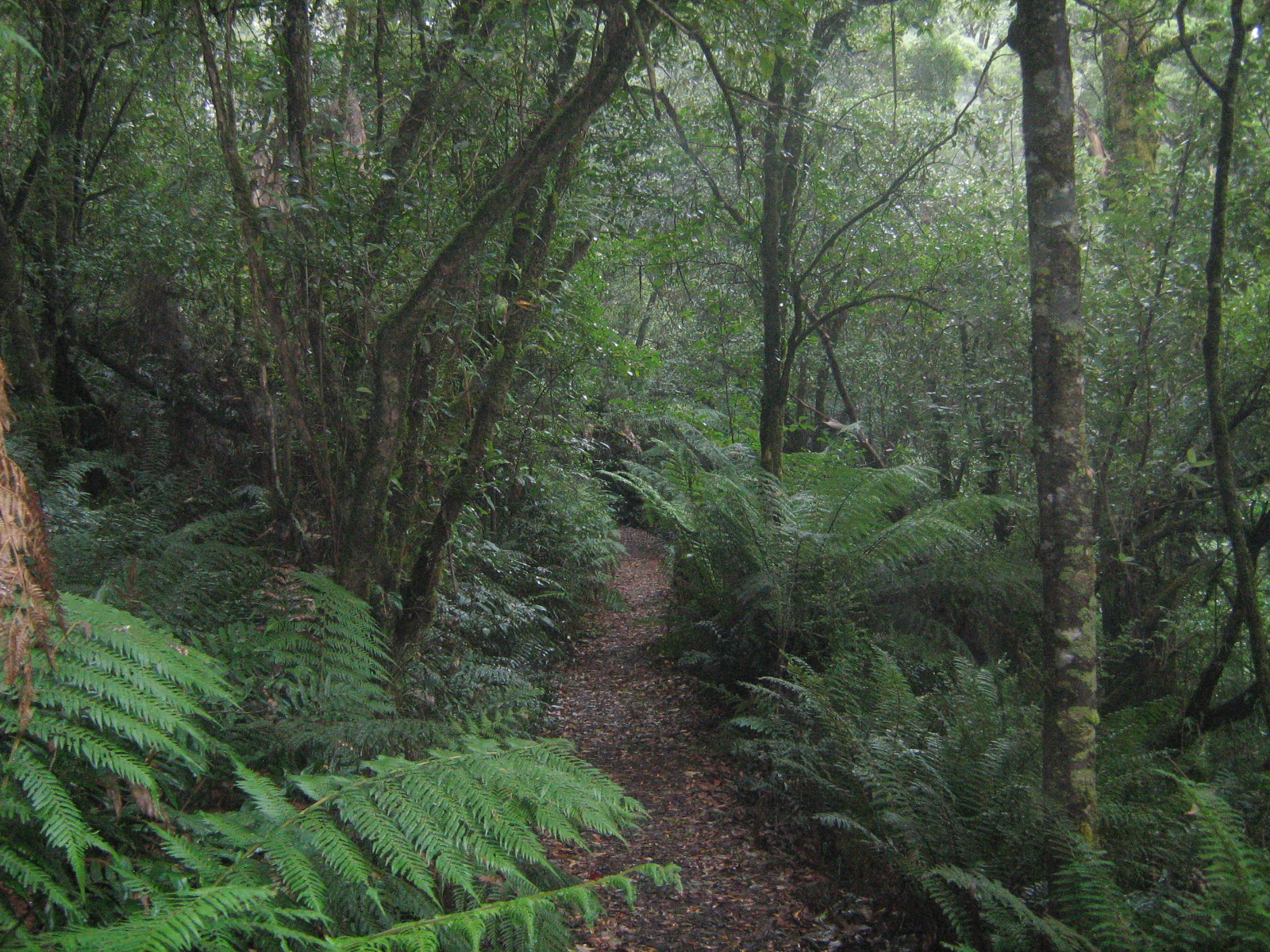
Indigenous communities have long tracked seasonal winds, cloud shapes, and the changing scent of rain as guides to hunting and planting. Early naturalists noticed that regions stripped of forest often grew drier, but the mechanism remained opaque. The modern picture sharpened with flux towers that measure heat and moisture streaming off the canopy, showing just how forceful the leafy pump can be. Satellite constellations then mapped humid corridors snaking out of forests, the so-called flying rivers that carry moisture far downwind.
Today, scientists use stable water isotopes to trace where a raindrop began its journey and Lagrangian models to follow air parcels across vast distances. Aircraft and drone campaigns sweep through cloud layers, measuring organic aerosols, droplet size, and lightning activity. When those data are stitched together, a striking storyline emerges: forests don’t just survive on rain, they engineer it. That narrative is transforming river-basin planning, drought forecasting, and even farm calendars thousands of miles away.
The Biotic Pump Debate
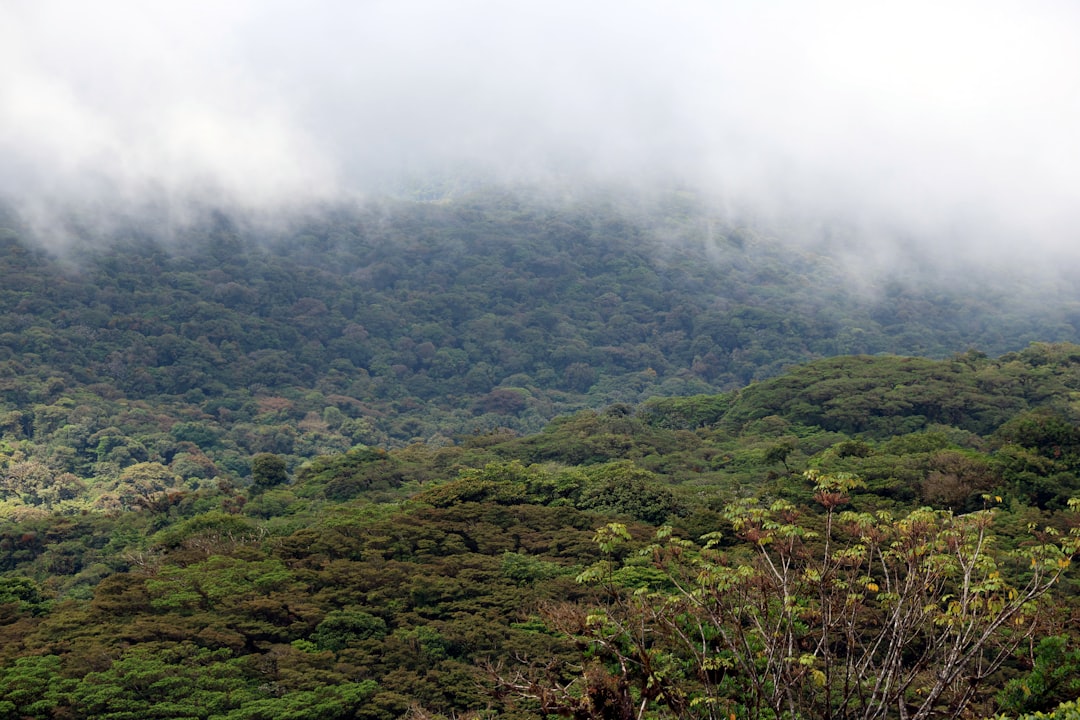
One provocative idea, sometimes called the biotic pump, argues that forests actively help draw in moist air by setting up pressure gradients through intense condensation. Critics counter that the effect is real but more modest than the strongest claims, or that winds and topography do much of the heavy lifting. What most researchers agree on is the direction of change: intact forests tend to increase local moisture recycling and stabilize rainfall relative to cleared land. The exact magnitude varies by region, season, and forest structure.
This is how science often moves – hypotheses sharpened by better measurements, disagreements that push new experiments, and models tested against the sky. The debate matters less for its controversy and more for its practical punch. If forests boost rain enough to blunt drought risk, then protecting them is not just conservation; it’s water security. Even a moderate effect, multiplied across a continent, can sway harvests, hydropower, and urban heat.
Why It Matters
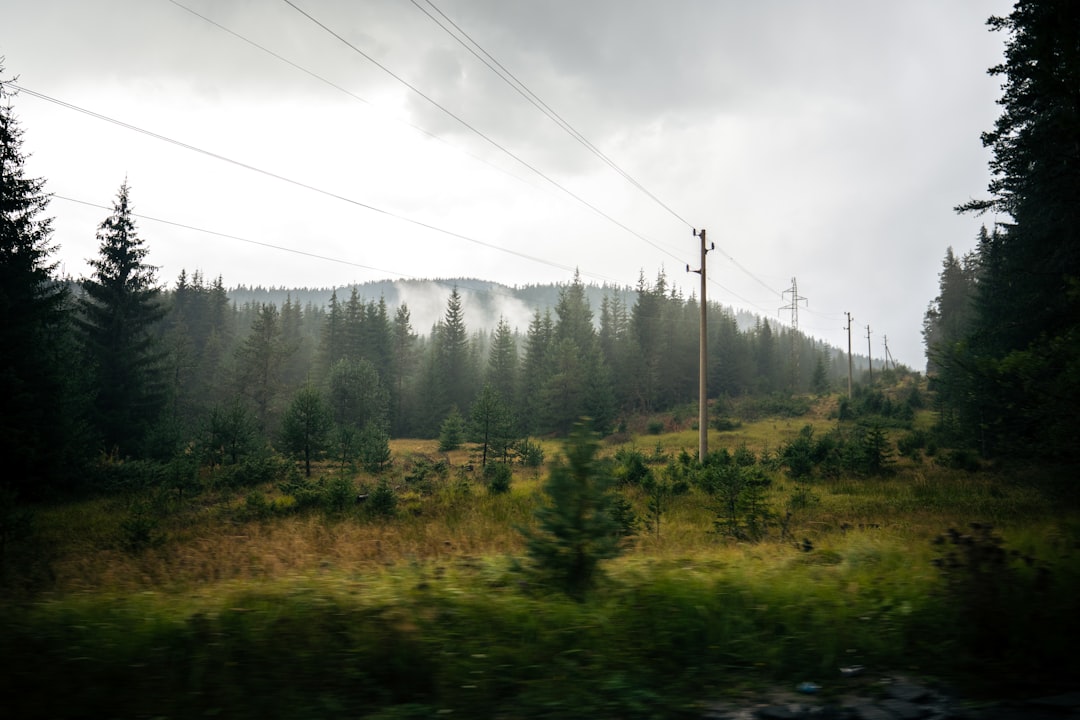
Rainfall is the world’s quiet infrastructure, and forests are key maintenance crews we rarely budget for. Downwind farms rely on timely storms to seed, sprout, and fill grain; when the forest’s feedback weakens, planting windows shrink and heat stress spikes. Hydropower reservoirs depend on predictable inflows, which means the minimum flow of a river is, in part, a canopy story. Cities, too, feel the change, through longer dry spells punctuated by harsher cloudbursts that strain sewers and floodplains.
Compared with the traditional view of rainfall as a pure ocean-to-land delivery, the forest-feedback lens adds a controllable lever. We can’t move the ocean, but we can protect the living machinery that recycles moisture over land. That perspective reframes policy: forest loss isn’t just a carbon problem, it’s a rainfall risk multiplier. In a warming climate, betting on nature’s own rainmaking tech is both pragmatic and profoundly cost-effective.
Global Perspectives
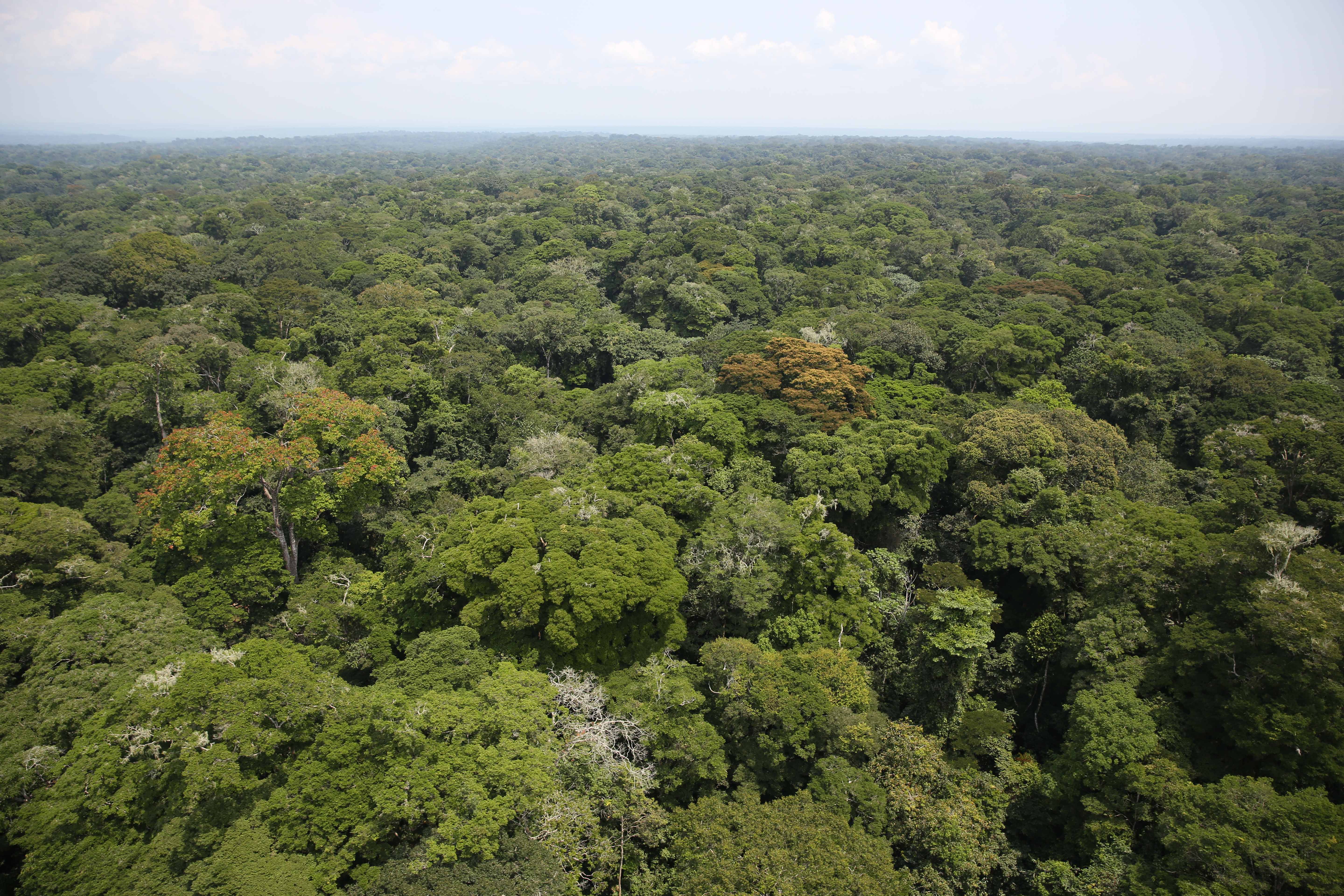
The Amazon often steals the spotlight, but the Congo Basin and Southeast Asia tell similar stories, with moisture corridors feeding faraway fields. In the Congo, intact swaths appear to stabilize regional rainfall even as surrounding landscapes dry and warm. Across Southeast Asia, transitions between forest, plantation, and cropland can flip local microclimates, altering sea-breeze interactions and afternoon storms. Temperate forests contribute as well, though the patterns are subtler and more seasonal.
What emerges is a patchwork of regional engines that, together, help smooth the planet’s hydrologic heartbeat. Teleconnections – those atmospheric ties that bind distant places – carry a forest’s signature well beyond its borders. A log felled in one basin can nudge rain in another, a butterfly effect with bark and sap. Thinking in corridors, not just parcels, is the next leap for water-smart conservation.
The Future Landscape
New tools are making the invisible visible: high-resolution satellites that map canopy temperature by the hour, drone swarms that sniff volatile compounds above treetops, and isotope-enabled models that tag raindrops like parcel trackers. Machine learning now digests these torrents of data to forecast when a forest flips from buffering to stressed. Coupled with river gauges and soil sensors, we’re inching toward early warning systems that can flag rainfall risk months ahead. That’s a game-changer for farmers, reservoir managers, and disaster planners.
Yet the challenges loom: escalating heat can push trees to close their stomata, curbing transpiration just when we need it most. Fragmentation breaks moisture corridors, and fires reset the pump to low. The hard work ahead lies in scaling protections, restoring degraded edges, and aligning incentives so that standing forests pay their way. In plain terms, tomorrow’s rainfall map is being penciled in today, one policy and one watershed at a time.
Conclusion
Start close to home by choosing products that keep forests standing – certifications that protect primary forests, shade-grown crops that preserve canopy, and wood from verified sustainable sources. Support groups that secure Indigenous land rights, because the best guardians of moisture corridors are the people who live within them. Encourage local officials to integrate moisture recycling into drought plans and urban heat strategies, and ask utilities to consider forest health as upstream infrastructure. If you can, back restoration projects that reconnect fragmented patches into real corridors, not token plots.
On a personal note, the first time I watched clouds gather over a reforested ridge, it felt like hearing a familiar song return to the radio after years of static. That’s the promise on the table: practical, near-term gains in water security from living systems that already know how to do the job. The question is simple and pressing: will we let the forests keep composing the weather we depend on?
Suhail Ahmed is a passionate digital professional and nature enthusiast with over 8 years of experience in content strategy, SEO, web development, and digital operations. Alongside his freelance journey, Suhail actively contributes to nature and wildlife platforms like Discover Wildlife, where he channels his curiosity for the planet into engaging, educational storytelling.
With a strong background in managing digital ecosystems — from ecommerce stores and WordPress websites to social media and automation — Suhail merges technical precision with creative insight. His content reflects a rare balance: SEO-friendly yet deeply human, data-informed yet emotionally resonant.
Driven by a love for discovery and storytelling, Suhail believes in using digital platforms to amplify causes that matter — especially those protecting Earth’s biodiversity and inspiring sustainable living. Whether he’s managing online projects or crafting wildlife content, his goal remains the same: to inform, inspire, and leave a positive digital footprint.