Imagine stepping into a lush Malaysian garden at dawn, where the air is thick with the scent of earth and greenery, and sunlight filters through towering trees. These gardens are more than just picturesque landscapes—they are living pharmacies, steeped in centuries of tradition and brimming with remedies for body and mind. Every corner hides a story, every leaf has a purpose, and every root carries secrets passed down through generations. From soothing fevers to healing wounds, the plants within these gardens have woven themselves into the fabric of daily life, offering hope, comfort, and resilience. The magic and wisdom of the forest pharmacy are alive, inviting us to rediscover the forgotten treasures that flourish right at our feet.
The Heart of Tradition: Why Malaysian Gardens Thrive with Medicinal Plants
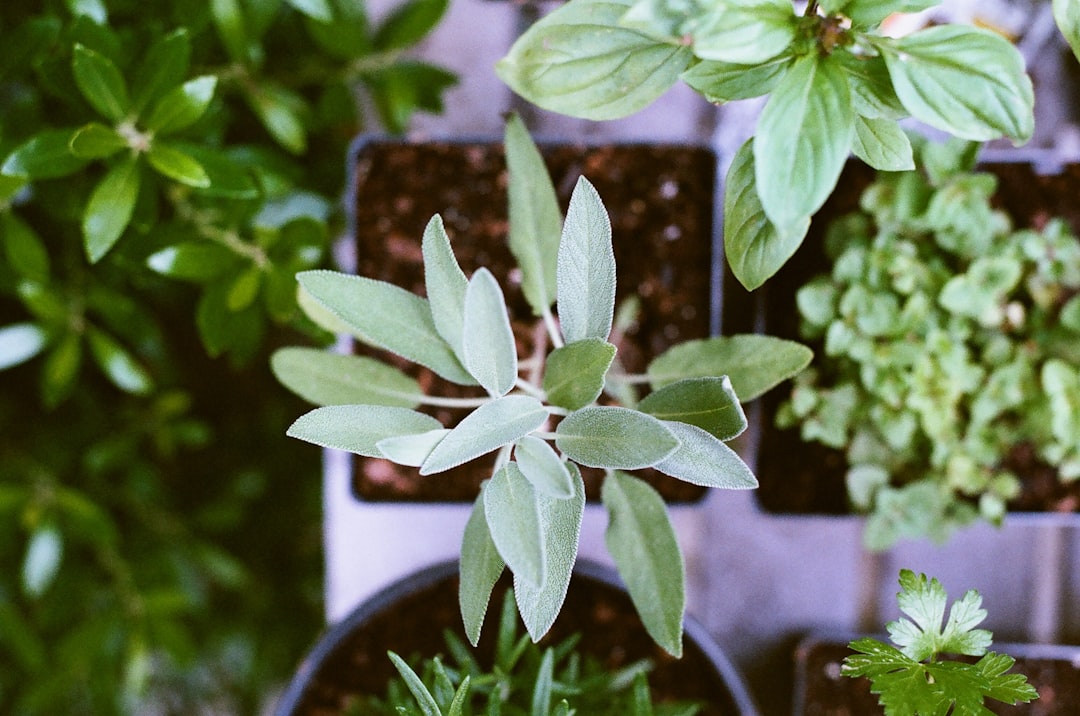
Traditional Malaysian gardens are not just about beauty or shade; they are a testament to a deep relationship between people and nature. For centuries, families have cultivated these gardens with a careful selection of plants known for their healing properties, often blending indigenous knowledge with influences from Chinese and Indian medicine. These living pharmacies serve practical needs, providing accessible remedies for common ailments without the need to travel far or spend money at a clinic. The act of tending these gardens also strengthens family bonds, as wisdom and recipes are shared between generations. Many Malaysians still remember their grandparents plucking herbs to brew a fever-reducing tea or prepare a soothing balm. In this way, the gardens become both a sanctuary and a source of empowerment.
Daun Kesum: The Fragrant Healer
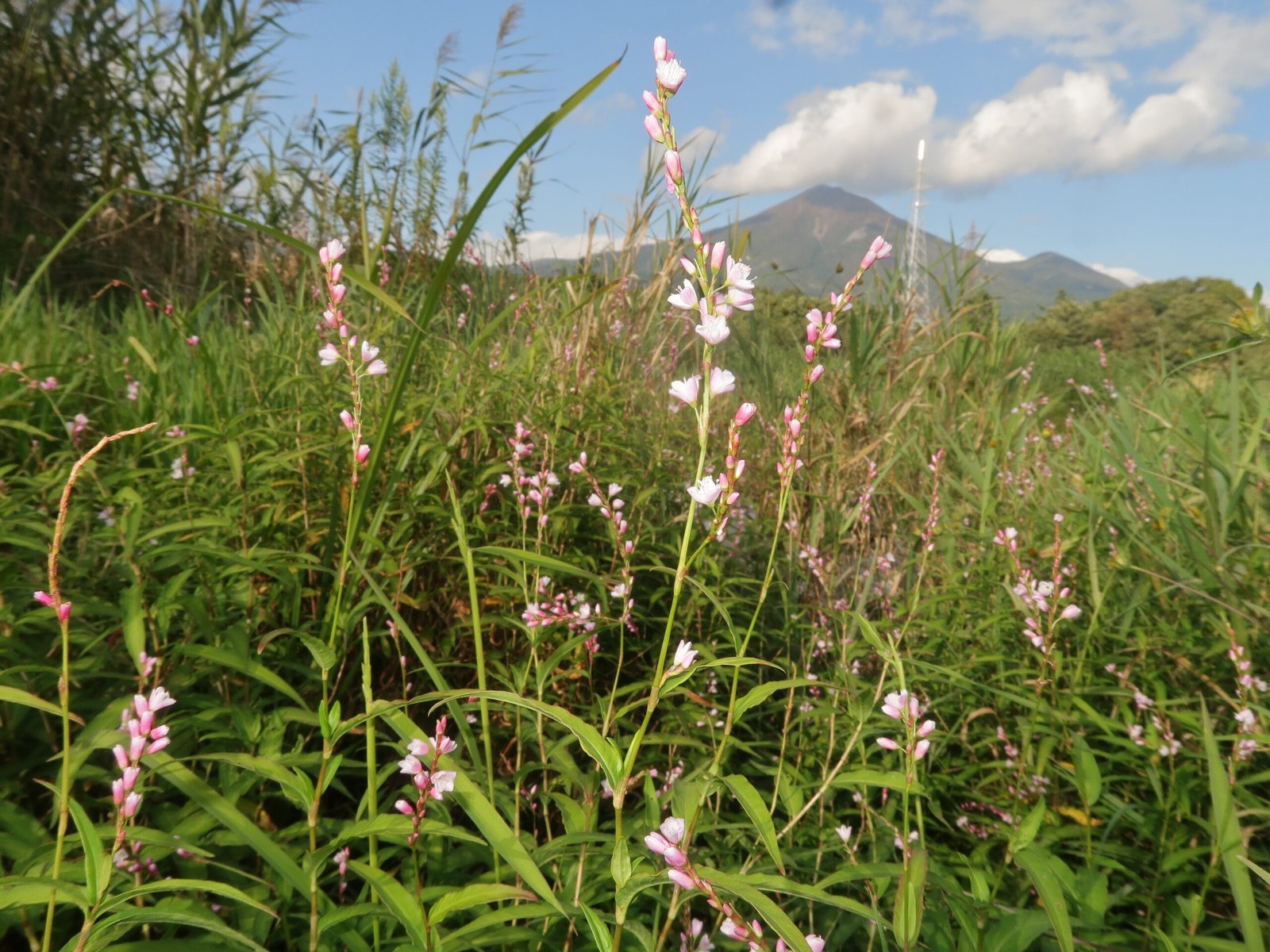
Daun kesum, also known as Vietnamese coriander or Polygonum odoratum, is a staple in Malaysian kitchens and gardens alike. Its sharp, peppery aroma is unmistakable, and it is often used to add zest to dishes like laksa. But beyond its culinary use, daun kesum is celebrated for its medicinal value. Traditionally, it is brewed into teas to help with digestion and reduce bloating. Some believe it can even ease joint pain when applied as a poultice. The plant’s high content of antioxidants makes it an ally in fighting inflammation. Its resilience and ease of growth mean that almost every Malaysian garden has a patch of this fragrant powerhouse, ready to heal and flavor in equal measure.
Misai Kucing: The Cat’s Whiskers for Kidney Health
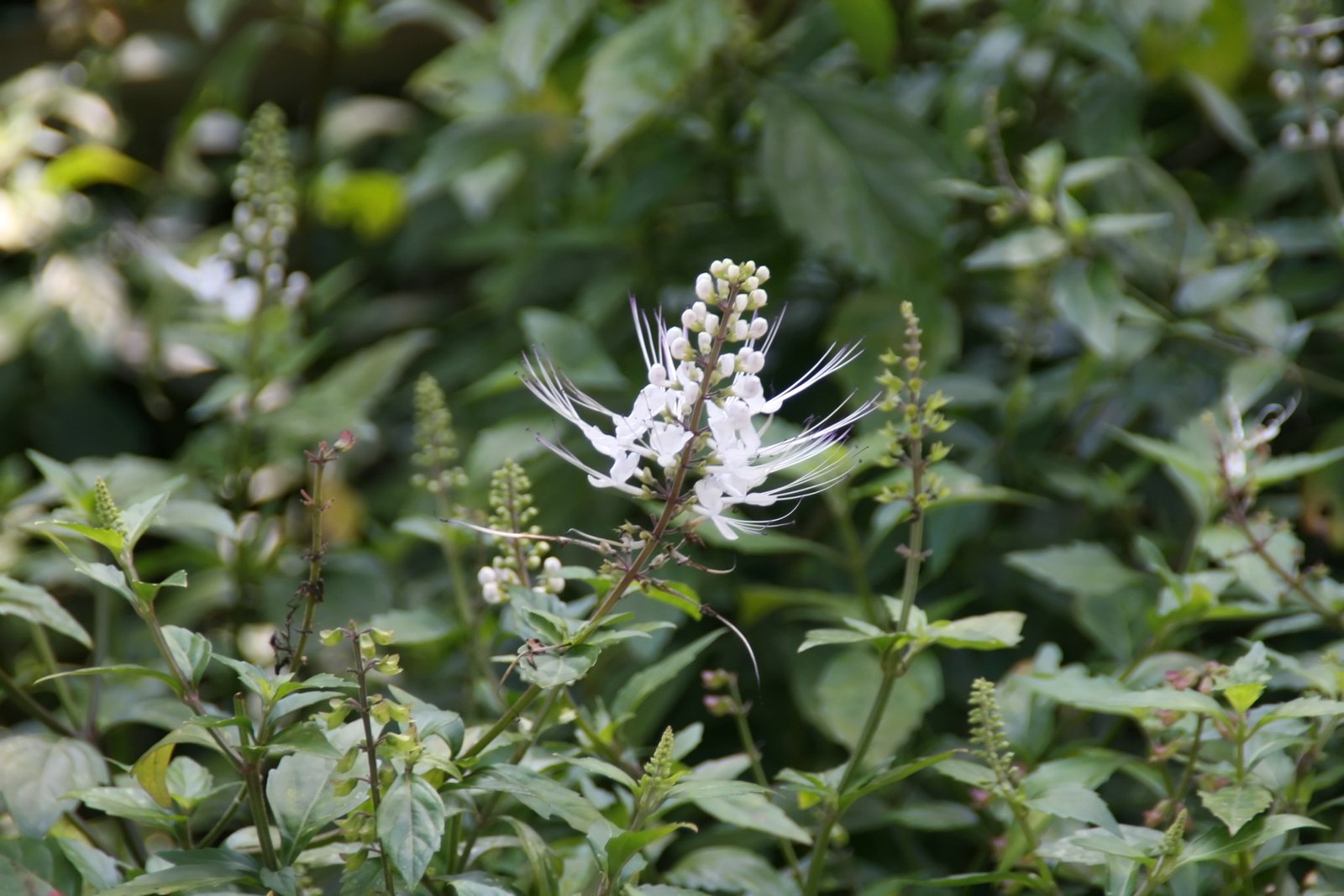
Misai kucing, or Orthosiphon stamineus, gets its whimsical name from its long, white stamens that resemble a cat’s whiskers. This plant is revered for its ability to support kidney health, often used to treat urinary tract infections and flush out toxins. Local healers recommend drinking misai kucing tea to help control high blood pressure and blood sugar levels. The plant’s compounds have been studied for their anti-inflammatory and antioxidant effects, adding scientific weight to traditional claims. With its delicate flowers and easy maintenance, misai kucing is both a visual delight and a vital part of the Malaysian home pharmacy.
Tongkat Ali: The Strength of the Forest
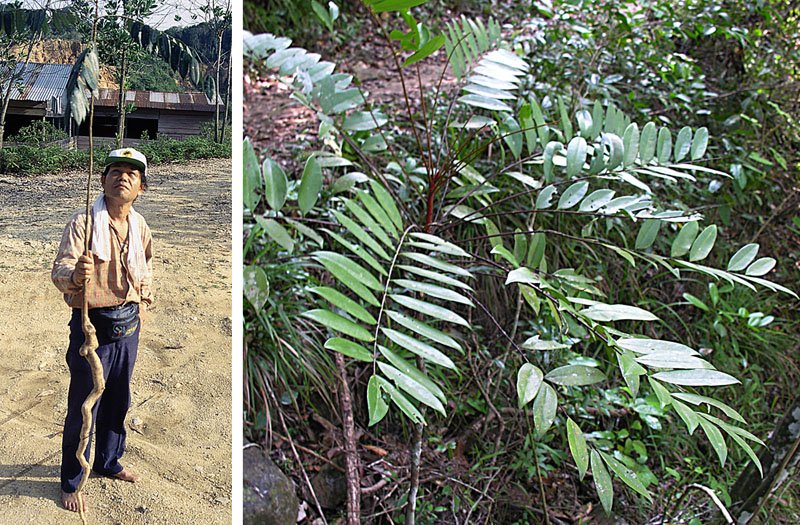
Tongkat ali, or Eurycoma longifolia, is one of Malaysia’s most famous medicinal plants, often called “Malaysian ginseng.” Its roots are a symbol of vitality and strength, traditionally used to boost energy, enhance fertility, and combat fatigue. Modern research has found that tongkat ali contains compounds that may increase testosterone levels, making it popular not only among traditional healers but also athletes. The plant thrives in the wilds of Malaysian forests but is increasingly cultivated in home gardens for its powerful effects. Its bitter taste is a small price to pay for what many believe are remarkable health benefits.
Kacip Fatimah: The Women’s Tonic
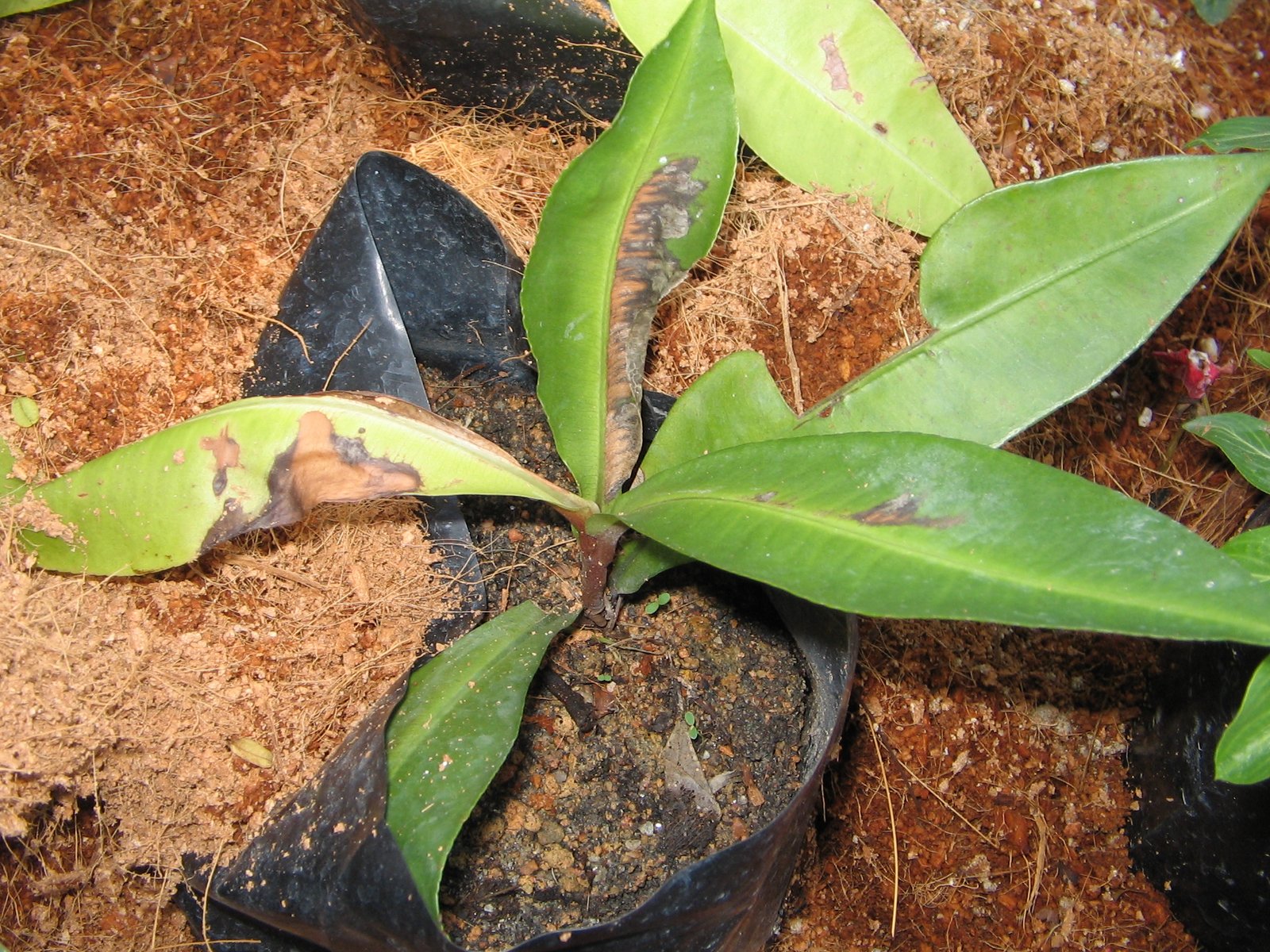
Kacip fatimah (Labisia pumila) has long been cherished as a “women’s herb” in Malay medicine. It is often used to support reproductive health, ease menstrual discomfort, and improve postnatal recovery. Grandmothers would brew kacip fatimah as a restorative tonic, passing down recipes that blend science and tradition. Recent studies suggest the plant may have phytoestrogenic properties—plant compounds that mimic estrogen—which could explain its effectiveness for women’s health. Its delicate, low-growing leaves are a common sight in shaded corners of traditional gardens, quietly supporting the wellbeing of generations.
Serai: More Than Just Lemongrass
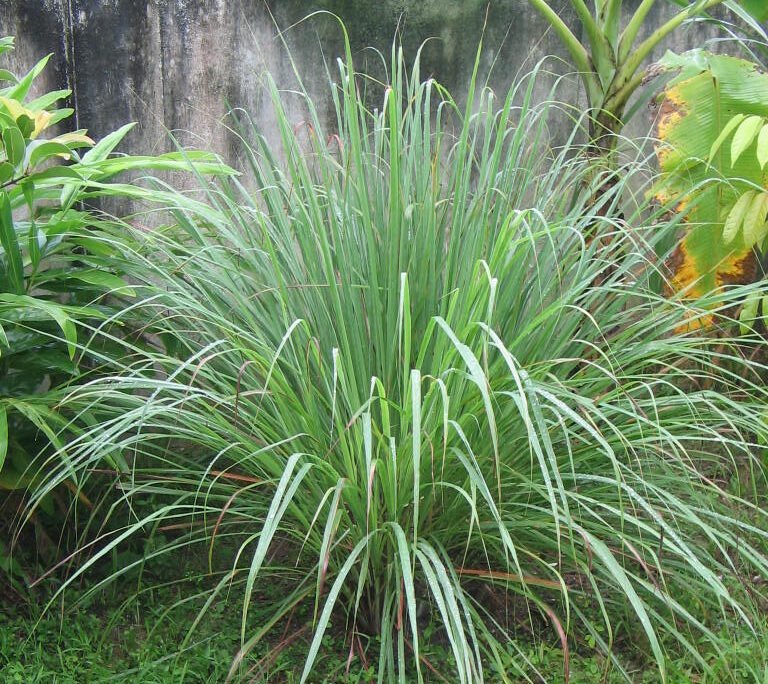
Serai, or lemongrass (Cymbopogon citratus), is renowned for its citrusy aroma and flavor, but its medicinal uses are equally impressive. Malaysians use lemongrass tea to calm upset stomachs, reduce fever, and even repel insects. It is a favorite ingredient in traditional steam baths, believed to cleanse the body and spirit. Active compounds in lemongrass have demonstrated antimicrobial and anti-inflammatory properties in scientific studies, confirming what healers have known for centuries. Whether swaying in the breeze or simmering in a pot, serai is an essential part of the garden pharmacy.
Temu Kunci: The Key to Digestive Wellness
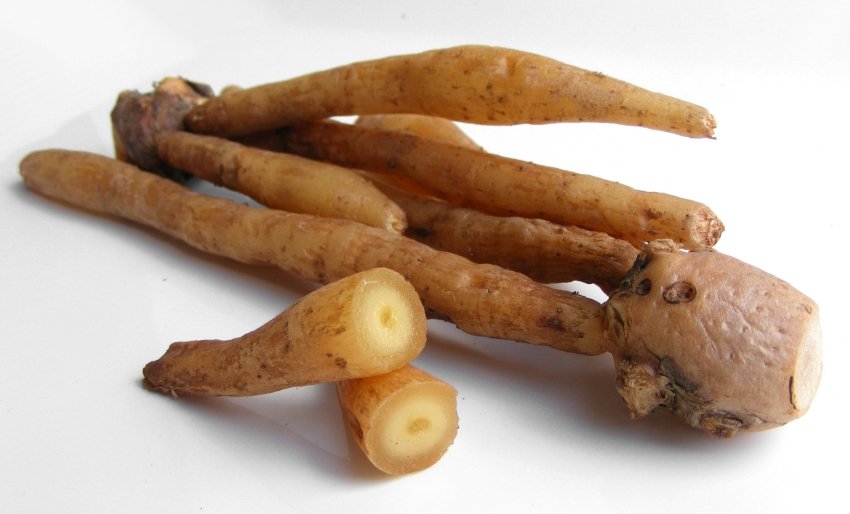
Temu kunci (Boesenbergia rotunda), sometimes called fingerroot, is a lesser-known but powerful plant in traditional Malaysian gardens. Its knobby, aromatic rhizomes are used to aid digestion, relieve flatulence, and treat colds. In Malay cuisine, it adds a spicy kick to salads and soups, providing both flavor and health benefits. Temu kunci is especially valued for its ability to soothe stomach discomfort after heavy meals. Recent research highlights its antibacterial activity, offering new hope in an age of antibiotic resistance. The plant’s quirky appearance and effectiveness make it a hidden gem in the garden pharmacy.
Sambung Nyawa: The Life Extender
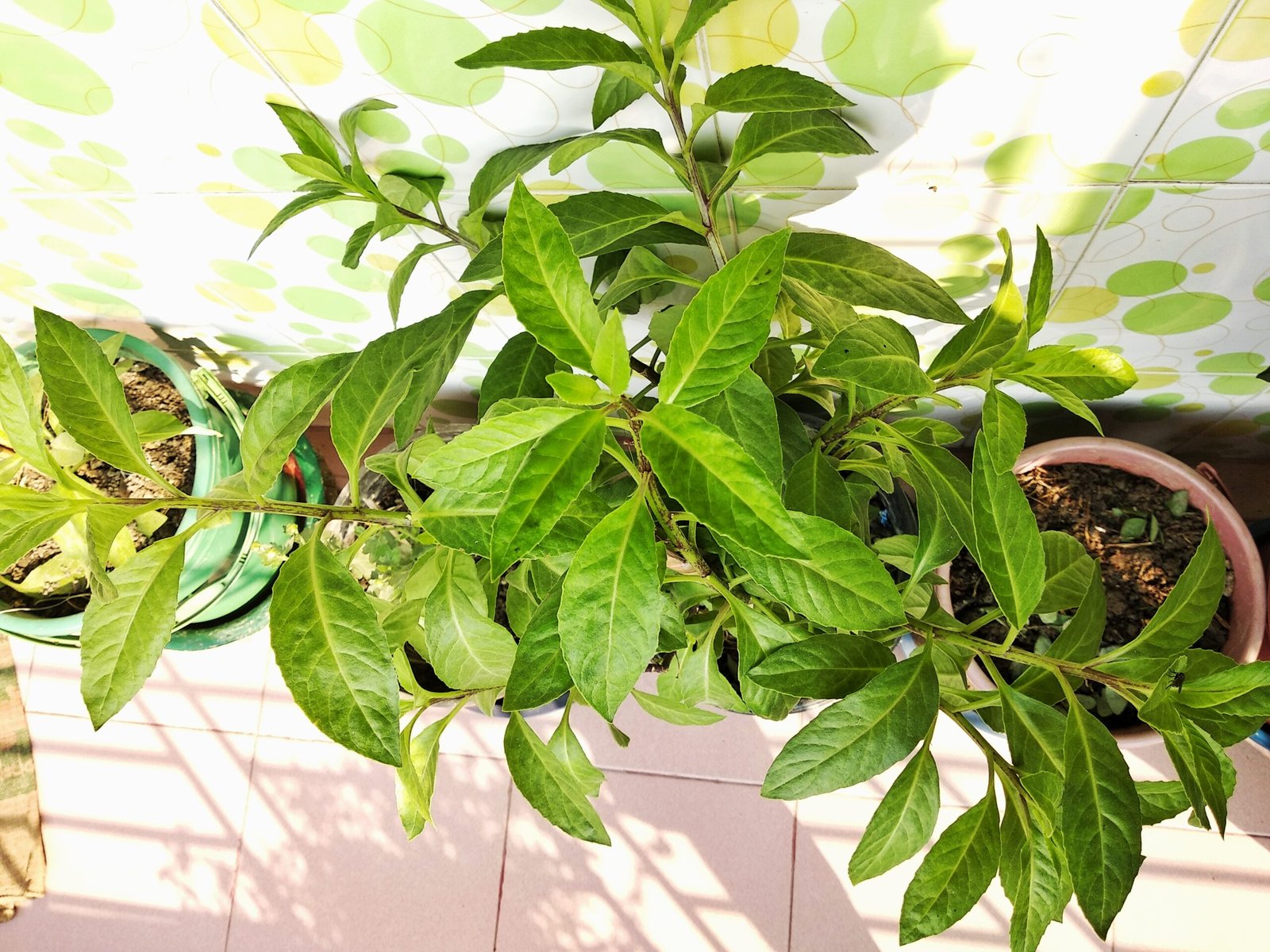
Sambung nyawa (Gynura procumbens), which translates to “prolonger of life,” is a leafy green often eaten raw or brewed as herbal tea. It is believed to help regulate blood pressure, lower cholesterol, and support overall heart health. Many Malaysians keep a pot of sambung nyawa on their kitchen windowsill, ready to pluck a few leaves for salads or quick remedies. Scientific studies have begun to explore its potential in managing diabetes and inflammation. The idea that a common garden plant could lengthen life is both inspiring and humbling, reminding us of nature’s quiet generosity.
Betel Leaf: The Social and Healing Plant
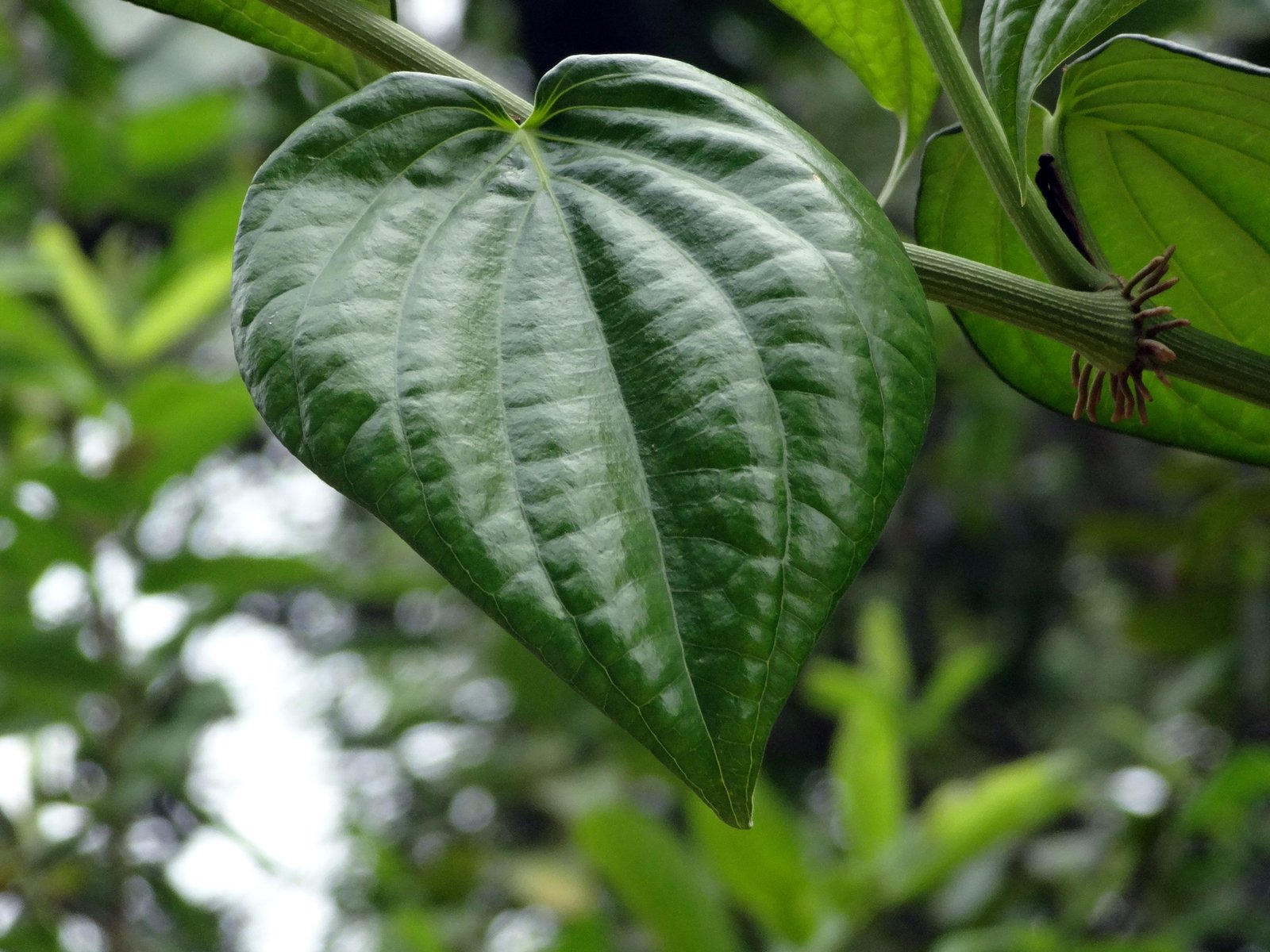
Betel leaf (Piper betle) is deeply woven into the cultural fabric of Malaysia, used in rituals, social gatherings, and medicine. Traditionally, the leaf is chewed with areca nut and lime, believed to freshen breath and aid digestion. Medicinally, betel leaves are applied to wounds and skin infections, thanks to their antiseptic properties. The glossy, heart-shaped leaves are easily spotted climbing up trellises in Malaysian gardens. Their role as both a social and healing plant highlights the interconnectedness of health, tradition, and community.
Hempedu Bumi: Nature’s Bitter Medicine
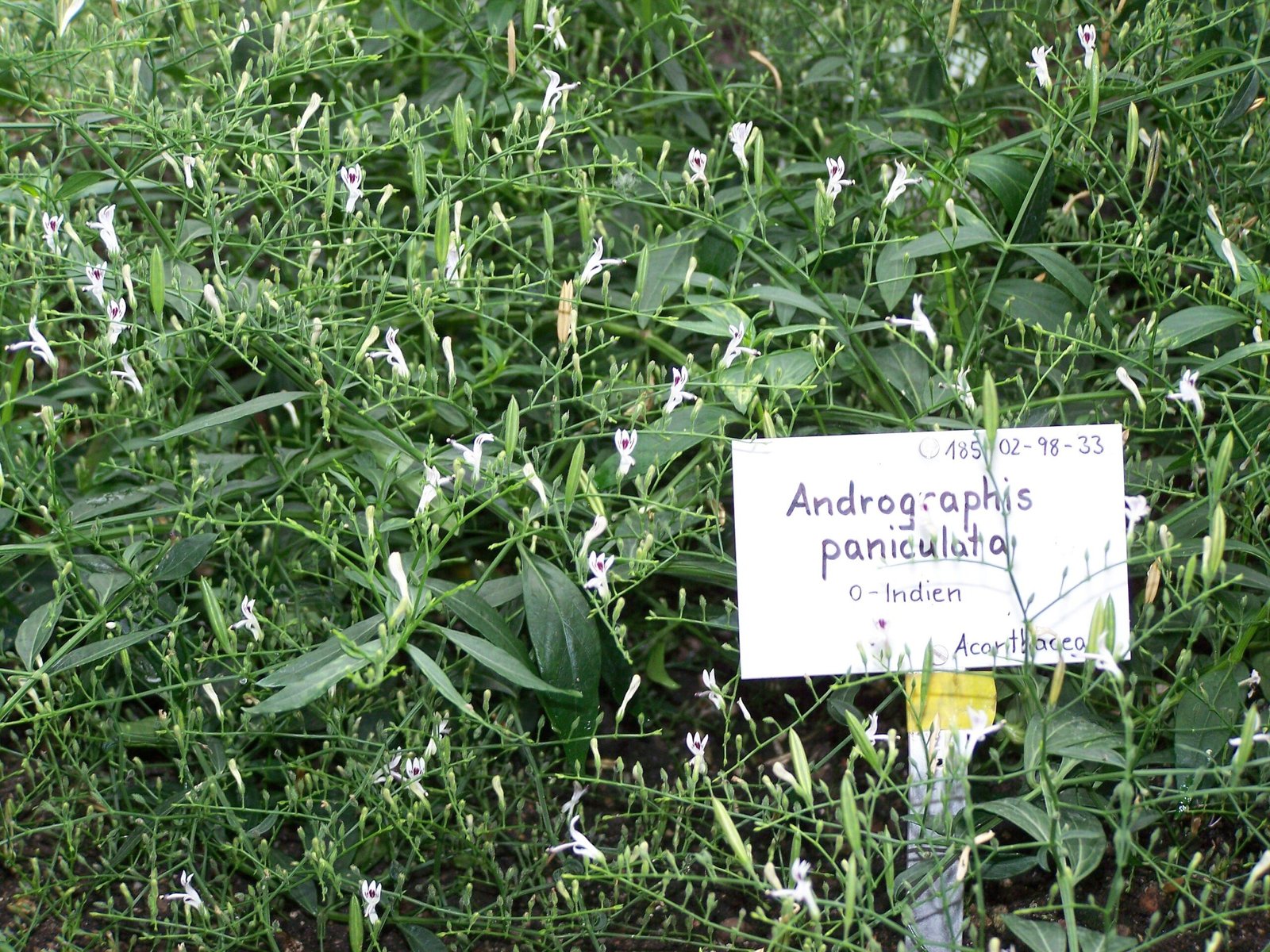
Hempedu bumi (Andrographis paniculata) is known for its intensely bitter taste, earning it the nickname “king of bitters.” Despite—or perhaps because of—its taste, it is a go-to remedy for fever, sore throat, and infections. Healers often use it as a natural antibiotic, and recent research supports its antiviral and anti-inflammatory properties. The plant’s resilience in harsh conditions mirrors its role in fighting tough illnesses. For many, taking hempedu bumi is a rite of passage, an act of trust in the healing power of the earth.
Roselle: The Crimson Healer
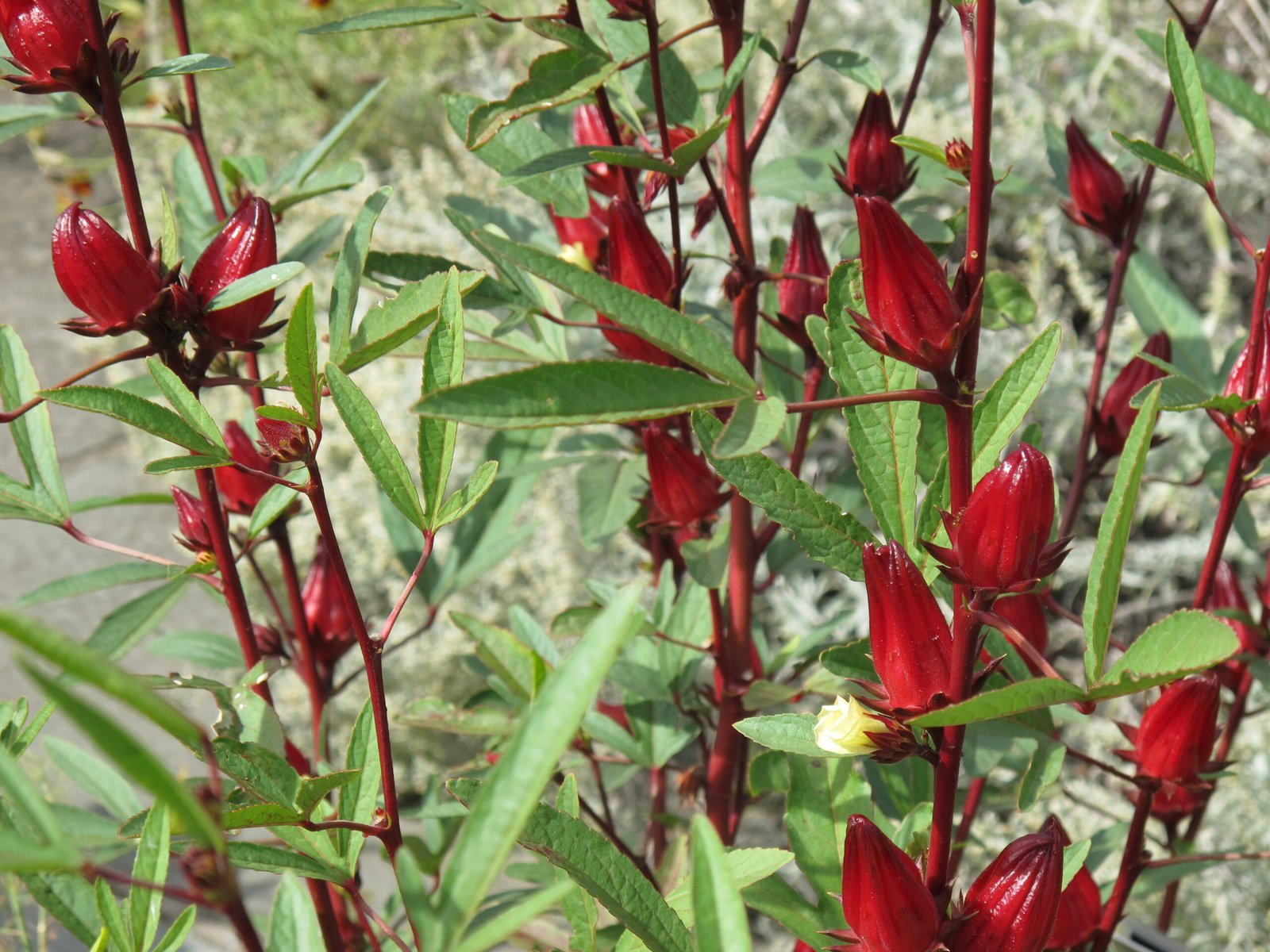
Roselle (Hibiscus sabdariffa) adds a splash of color to the garden and a burst of health to the diet. Its deep red calyces are brewed into tangy teas, rich in vitamin C and antioxidants. These drinks are enjoyed not just for their refreshing taste but also for their ability to lower blood pressure, support digestion, and boost immunity. Children and adults alike are drawn to the plant’s vibrant beauty and tart flavor. In every sip, there’s a reminder of the healing power that blossoms in Malaysian soil.
Pandan: The Sweet Scent of Calm
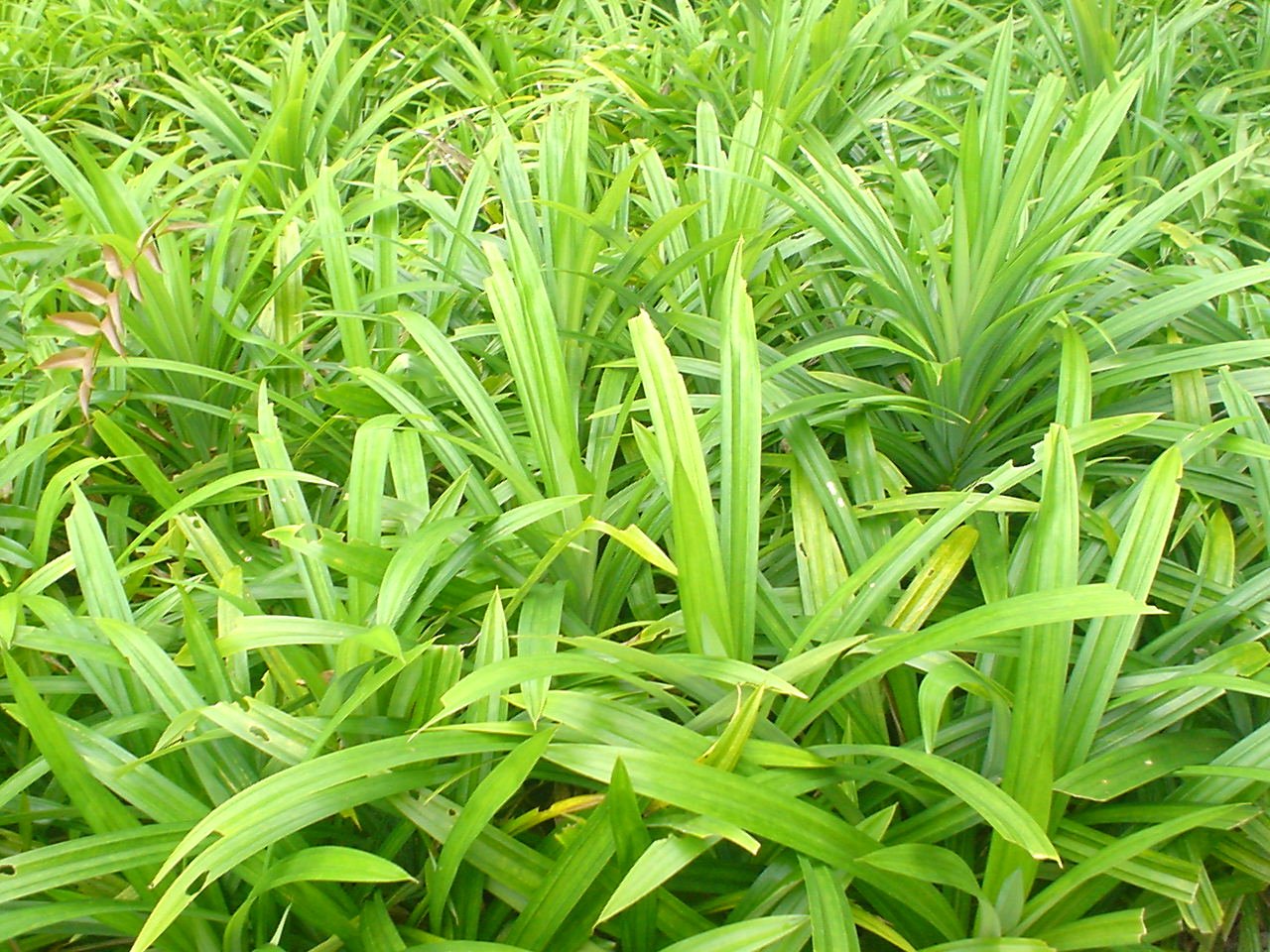
Pandan (Pandanus amaryllifolius) is loved for its sweet, vanilla-like aroma, often used to flavor rice and desserts. But its leaves are more than a culinary delight—they are believed to calm nerves, reduce headaches, and ease joint pain when used in traditional remedies. Pandan leaves are sometimes placed in pillows or baths for their relaxing effects. The plant’s graceful, arching leaves are a familiar sight in Malaysian gardens, offering comfort both through fragrance and gentle healing.
The Wisdom of the Forest Pharmacy

Traditional Malaysian gardens are living archives of practical wisdom and healing. The plants described here are only a handful of the countless species cherished by generations. Each serves as a reminder that the answers to many health challenges may be quietly growing within arm’s reach. As modern life pulls us further from the natural world, these gardens invite us to reconnect, to learn from the past, and to cherish the extraordinary gifts that the forest pharmacy continues to offer.