
In the captivating world of nature’s wonders, there exists a remarkable tale of survival where some fish species possess the extraordinary ability to endure the ultimate predator’s challenge. Imagine a creature that can be consumed by a predator, pass through its digestive system, and yet emerge alive and swimming. This astonishing phenomenon is not a figment of imagination but a reality observed in the animal kingdom, and it unfolds an intriguing story of resilience, adaptation, and survival.
Meet the Unlikely Survivors: Fish with a Unique Escape Plan
Within the vast diversity of aquatic life, certain fish have developed an exceptional survival strategy that defies the odds. One such example is the mudskipper, a fish that can survive the digestive journey through a predator’s body. When consumed by predators like birds or larger fish, these resilient creatures employ their robust physiology and unique adaptations to endure the harsh conditions inside the predator and eventually swim out alive. Their escape plan is a testament to the wonders of evolution and adaptation.
The Science Behind the Survival: Understanding the Biological Mechanisms
The biological mechanisms that enable these fish to survive such an ordeal are nothing short of extraordinary. These fish possess a combination of factors that contribute to their survival. They have specialized skin and mucous layers that protect them from digestive enzymes and acids. Additionally, their slow metabolism allows them to conserve energy during the transit through the predator’s digestive system. By understanding these fascinating biological processes, scientists gain insights into the resilience and adaptability of these remarkable fish.
Adaptations: Nature’s Ingenious Designs for Survival
Nature’s ingenuity is evident in the adaptations that equip these fish for their incredible escape. Some fish have evolved to produce chemicals that deter digestion, while others rely on their flexible bodies to navigate the tight confines of a predator’s stomach. Moreover, the ability to regulate their oxygen intake and withstand low oxygen levels further enhances their chances of survival. These adaptations not only ensure their survival but also offer valuable lessons in resilience and adaptation for researchers and nature enthusiasts alike.
The Role of Behavior: How Fish Outsmart Their Predators

Beyond physical adaptations, behavior plays a crucial role in the survival strategy of these fish. Many species exhibit behaviors that increase their chances of being expelled alive. For instance, some fish engage in vigorous movements within the predator’s stomach, prompting the predator to regurgitate them. Others remain motionless, conserving energy and waiting for the right moment to escape. These behavioral strategies demonstrate the intelligence and resourcefulness of these fish in the face of adversity.
Real-Life Examples: Stories of Survival in the Wild
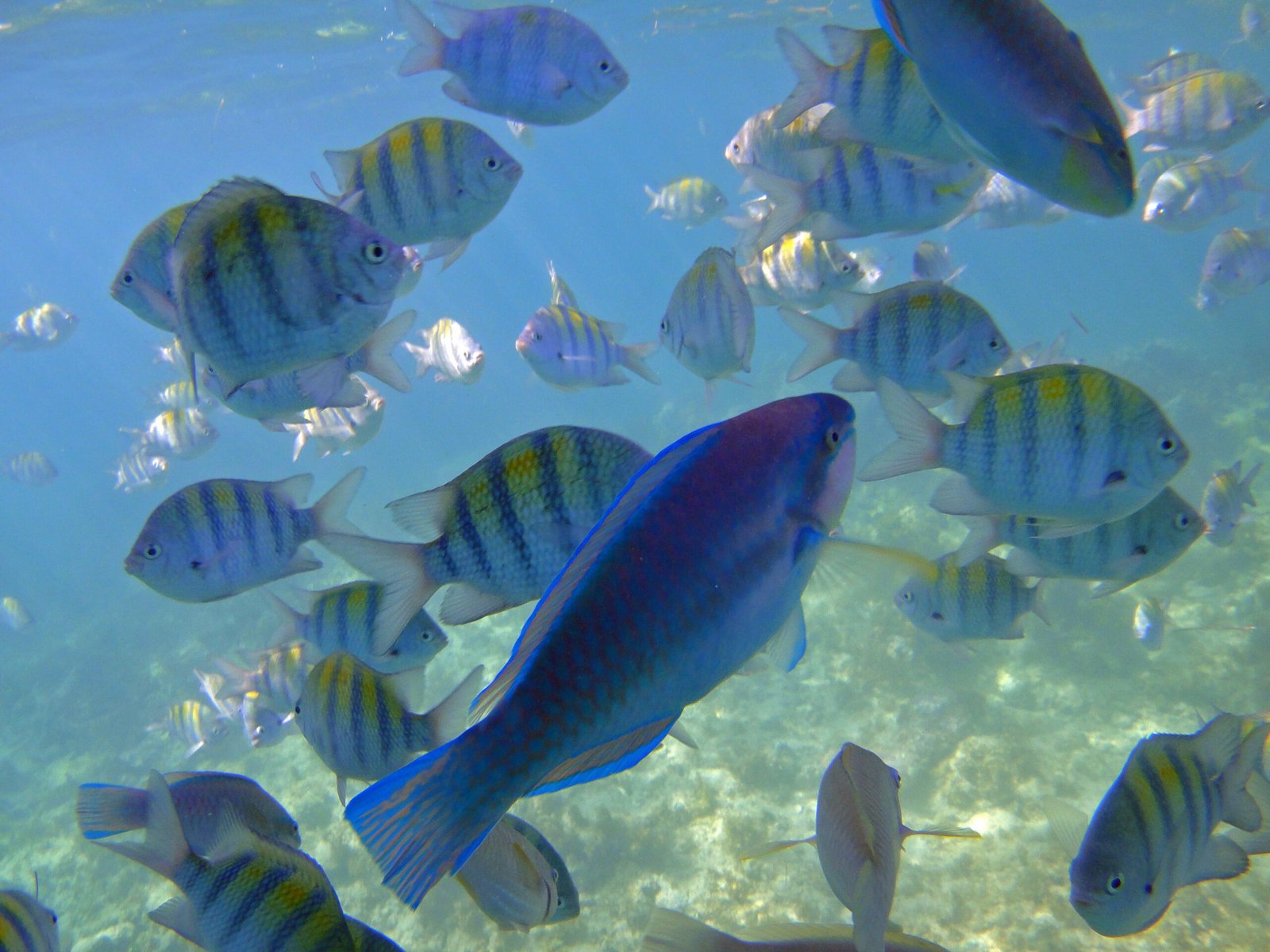
Real-life accounts of fish surviving being eaten and swimming out alive provide compelling evidence of this phenomenon. Researchers have documented several instances in which fish, after being swallowed by predators like herons or larger fish, have emerged unharmed. These stories highlight the resilience and adaptability of these remarkable creatures, offering a glimpse into the complex dynamics of predator-prey interactions in the natural world. The tales of survival serve as a reminder of nature’s awe-inspiring capabilities.
Ecological Significance: The Impact on Predator-Prey Dynamics
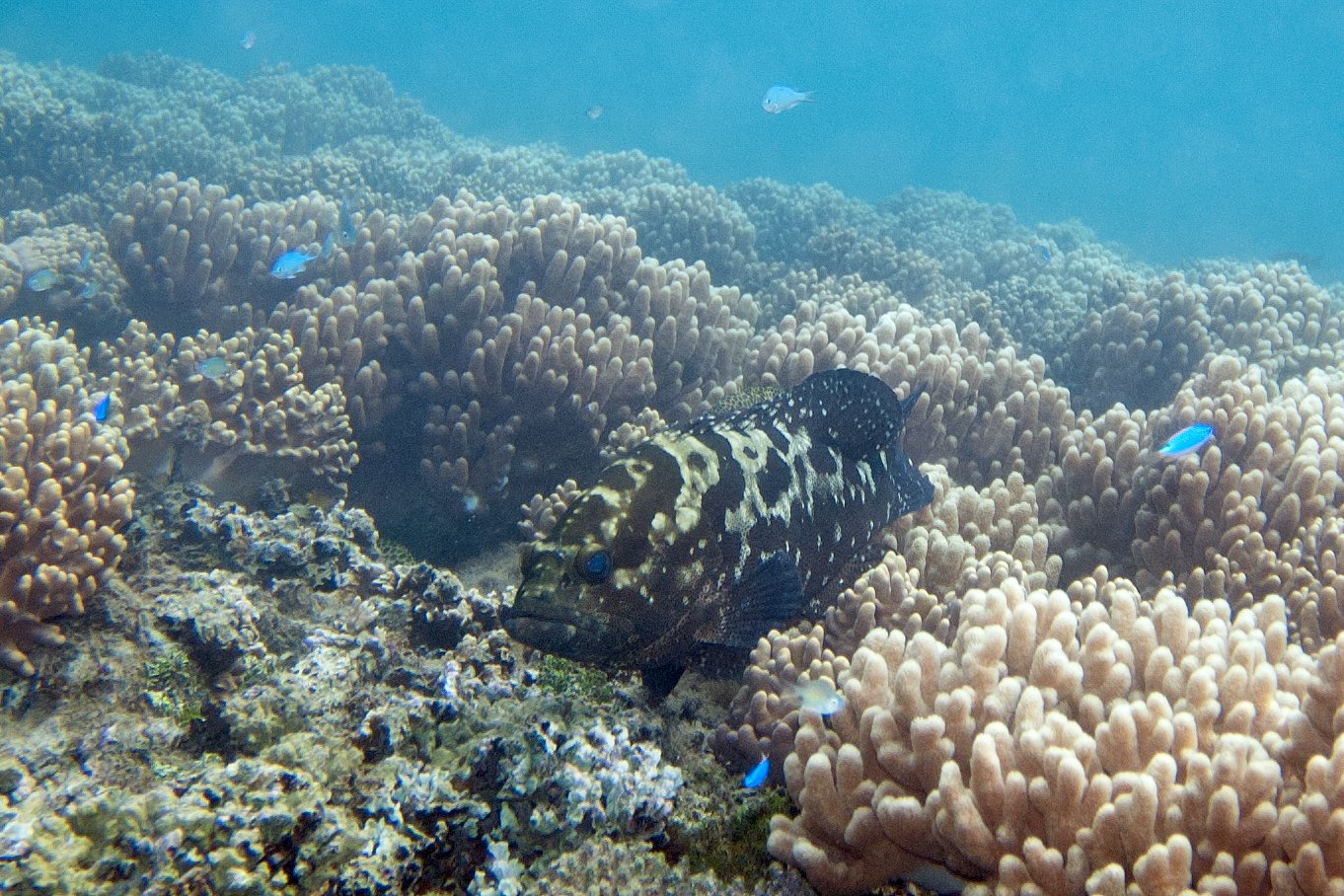
The ability of certain fish to survive being eaten has significant ecological implications. This phenomenon influences predator-prey dynamics by affecting the feeding success of predators and altering the balance of ecosystems. Predators may need to adapt their hunting strategies or target different prey, while prey species may evolve new defenses in response to this unique survival strategy. Understanding these interactions provides valuable insights into the intricate relationships that shape ecosystems and contribute to biodiversity.
The Evolutionary Perspective: How Did This Adaptation Emerge?

The evolution of this remarkable adaptation raises intriguing questions about the forces that shaped it. Scientists propose that the ability to survive being eaten may have evolved as a response to high predation pressure in certain environments. By conferring a survival advantage, this trait could have been favored by natural selection, leading to its prevalence in certain fish species. The evolutionary perspective sheds light on the intricate processes that drive adaptation and survival in the natural world.
Lessons for Humanity: Insights from Nature’s Resilience
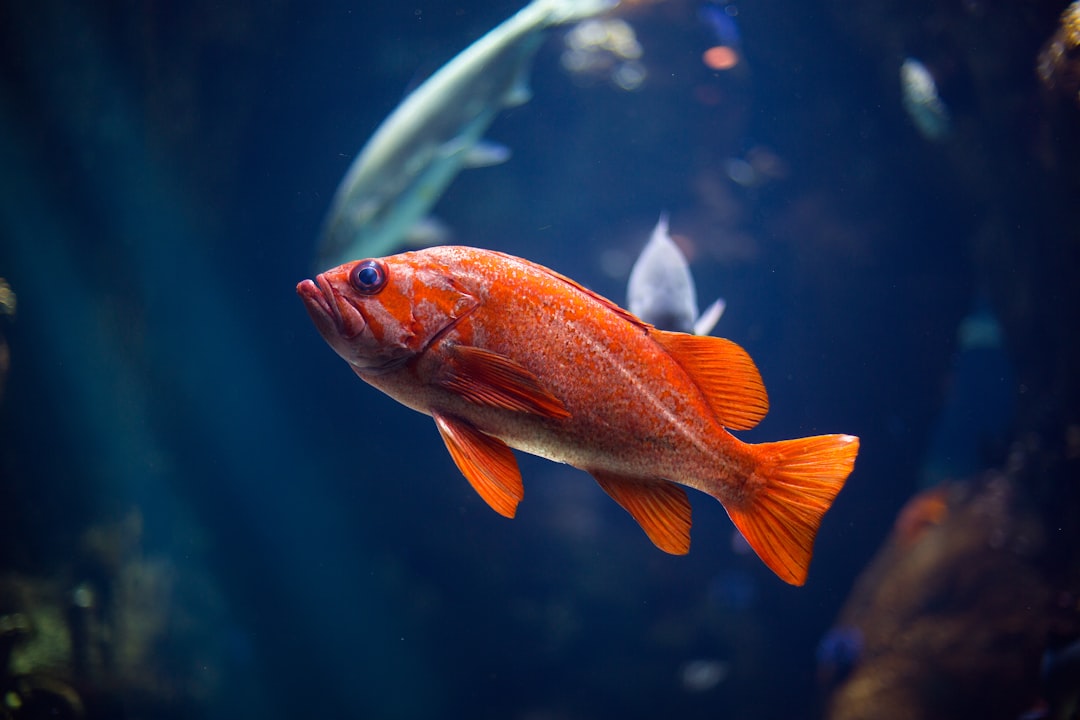
The ability of fish to survive being eaten and swim out alive offers valuable lessons for humanity. It serves as a reminder of the power of adaptation and resilience in the face of adversity. By studying these remarkable creatures, scientists and researchers can gain insights into designing materials with improved resistance to harsh conditions, developing medical treatments that mimic natural defense mechanisms, and fostering a deeper appreciation for the ingenuity of the natural world. Ultimately, these lessons inspire innovation and creativity in addressing challenges faced by society.
The Fascination of Nature’s Mysteries: Embracing the Unknown
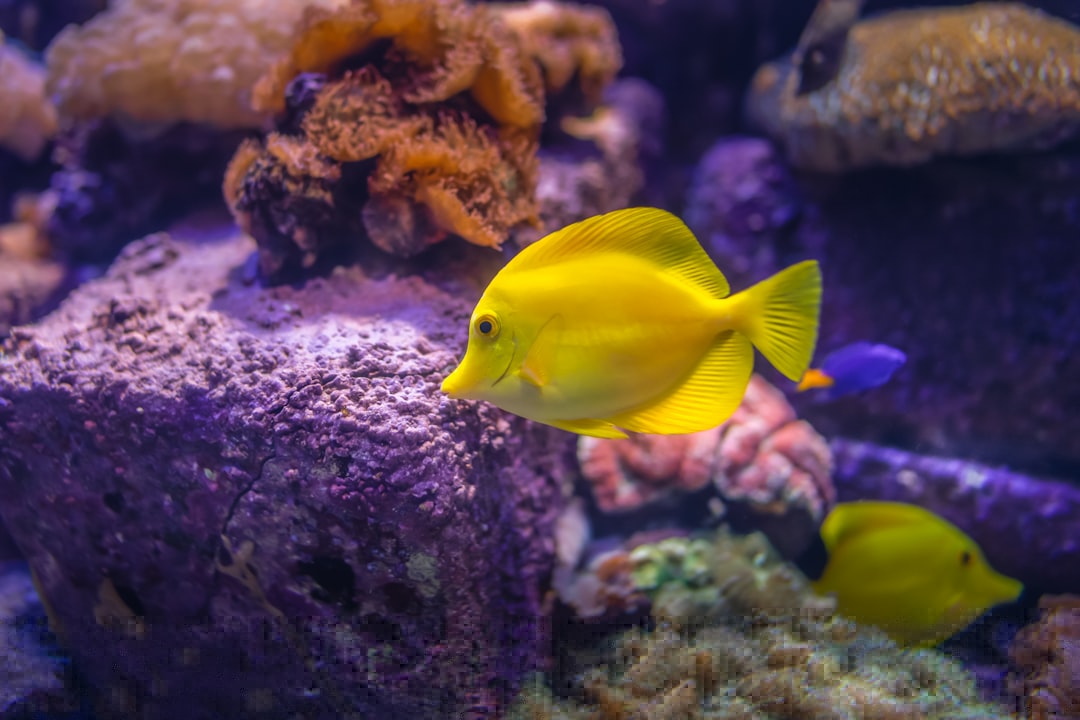
The story of fish that can survive being eaten and emerge alive captivates the imagination and invites us to embrace the mysteries of nature. It challenges our understanding of what is possible and encourages us to explore the unknown. As we delve deeper into the intricacies of the natural world, we uncover fascinating stories of survival and adaptation that continue to inspire wonder and curiosity. The exploration of these mysteries reminds us of the beauty and complexity of life on Earth.
Conclusion: Celebrating Nature’s Marvels of Survival
In the awe-inspiring tapestry of life, the fish that can survive being eaten and swim out alive stand as a testament to the marvels of nature’s ingenuity. Through a combination of biological, behavioral, and evolutionary adaptations, these remarkable creatures defy the odds and offer valuable insights into the resilience and adaptability of life. As we celebrate these extraordinary tales of survival, we are reminded of the wonders that lie within the natural world and the endless possibilities for discovery and understanding.