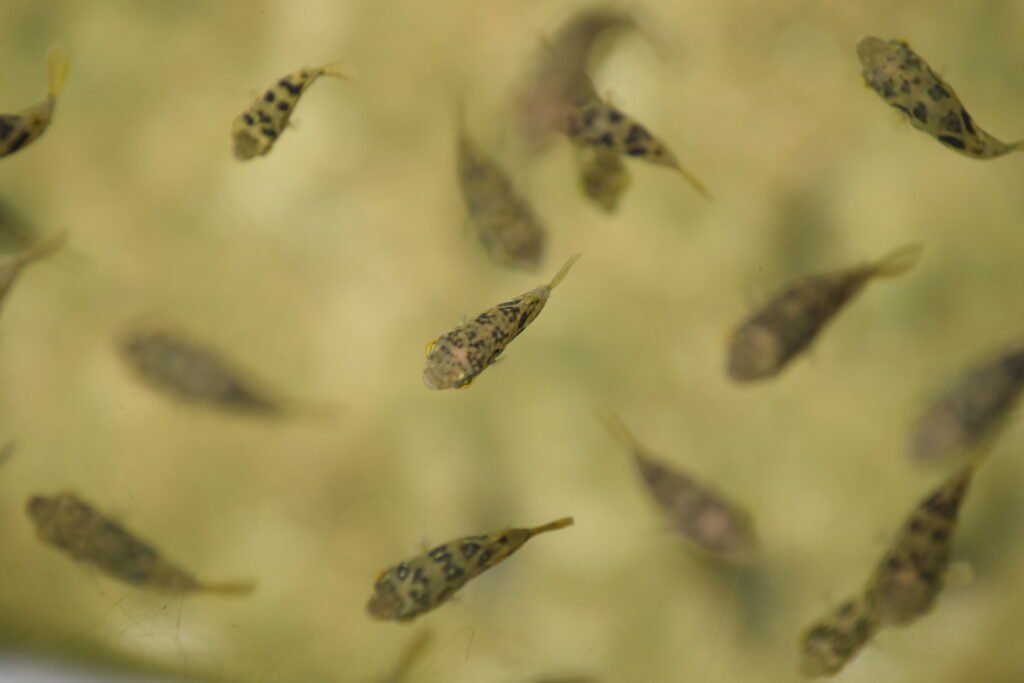

Imagine diving beneath the turquoise waves off a remote Japanese island, sunlight flickering down to the sandy bottom. Suddenly, you see something bizarre: a perfect, intricate “sandcastle”—a circular masterpiece decorated with ridges, valleys, and geometric patterns more precise than any child’s beach creation. But this isn’t the work of a human. It’s the love labor of a small fish with big ambitions, a creature whose courtship rituals have stunned and inspired scientists and dreamers alike. Meet the white-spotted pufferfish, nature’s most unexpected architect and a true underwater artist whose story is as captivating as any fairy tale.
Meet the White-Spotted Pufferfish
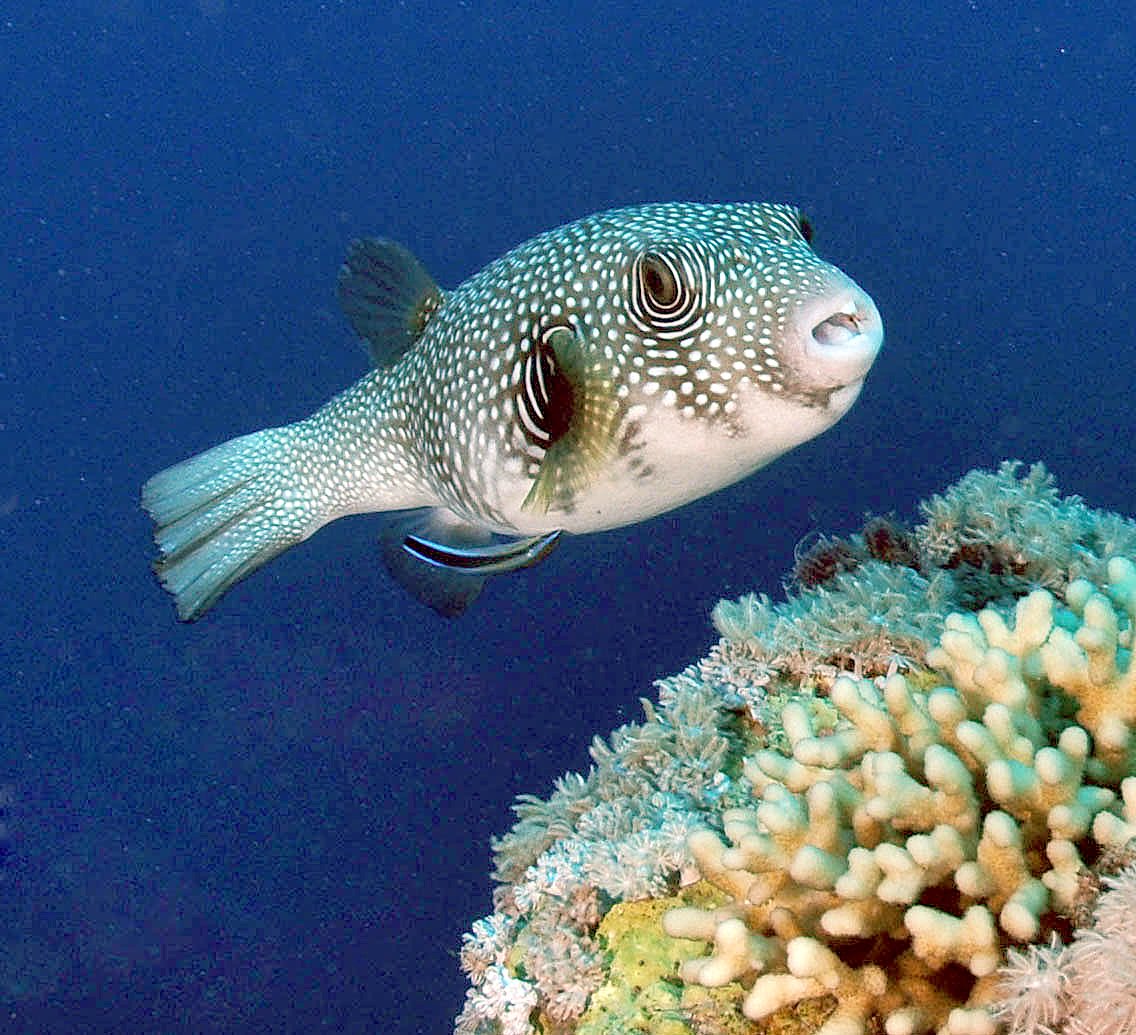
The white-spotted pufferfish, also known as Torquigener albomaculosus, is a small, unassuming inhabitant of the sandy sea floors off Southern Japan. Barely the size of an adult hand, this fish might look ordinary at first glance. Yet, beneath its modest appearance lies a remarkable drive to create beauty. Males of this species have become famous for their unique courtship ritual: building elaborate circular sand structures to attract females. These structures are not only visually stunning but also serve a crucial biological purpose in the fish’s reproductive cycle.
The Discovery That Shocked Marine Scientists

When underwater photographer Yoji Ookata first encountered these mysterious sand patterns in 1995, he was baffled. The circles, stretching up to two meters across, looked almost otherworldly, as if aliens had visited the ocean floor. It took years of observation and study before scientists finally traced the creations back to the pufferfish, unraveling an undersea mystery that had captivated imaginations for decades. For many researchers, this discovery was a humbling reminder of how much we still have to learn about the hidden corners of our planet.
The Art of Sandcastle Building
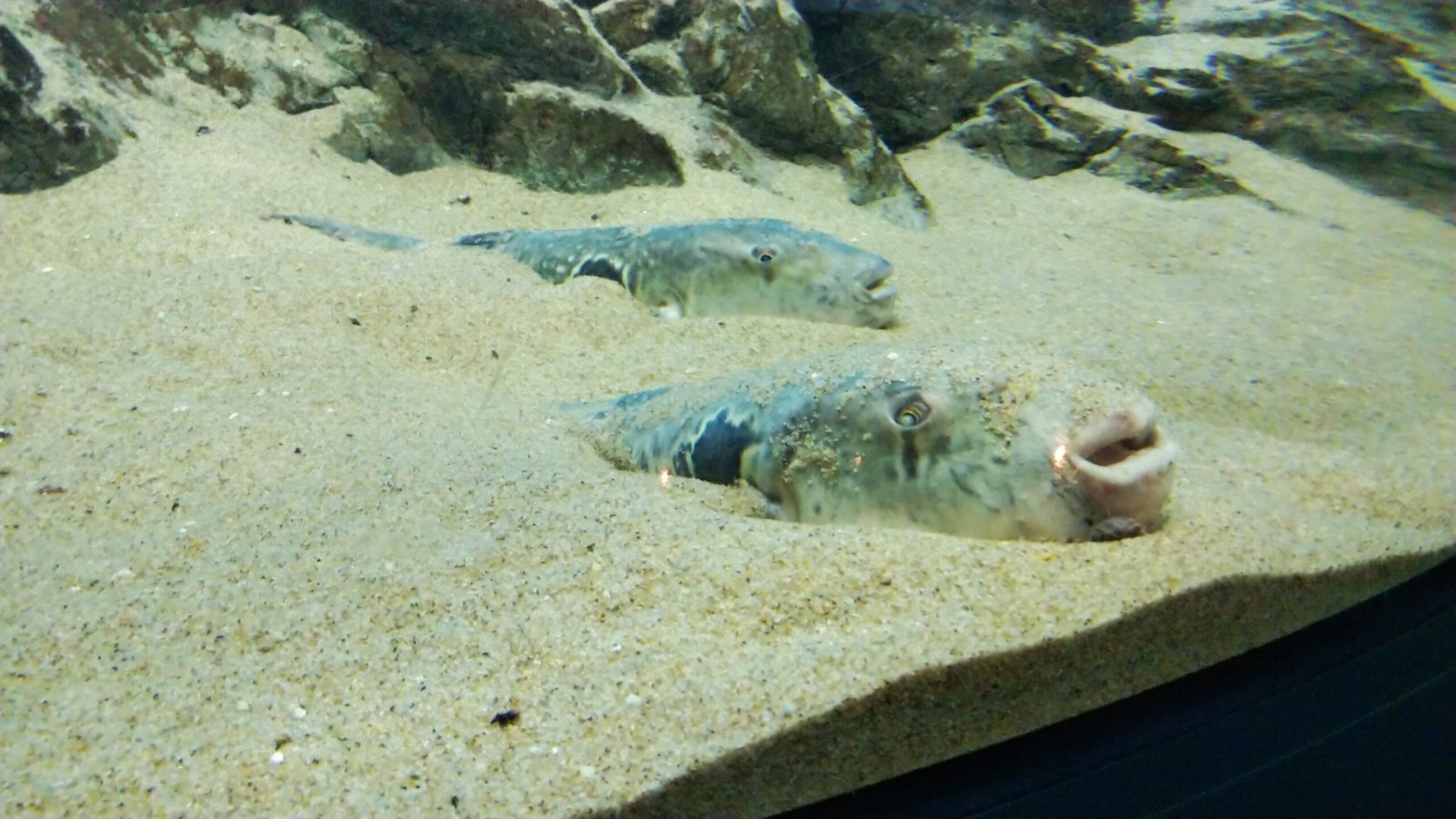
The pufferfish’s construction process reads like a tale of obsessive dedication. Over the course of a week, the male pufferfish works tirelessly, using only his fins to sculpt and shape the sand. He flaps, digs, and sweeps, forming perfectly symmetrical ridges and valleys that radiate from a central point. The structure is both delicate and robust, designed to withstand the relentless currents of the sea. Watching a time-lapse of this process is like witnessing a living compass at work, spinning and carving with methodical precision.
Geometry in the Deep
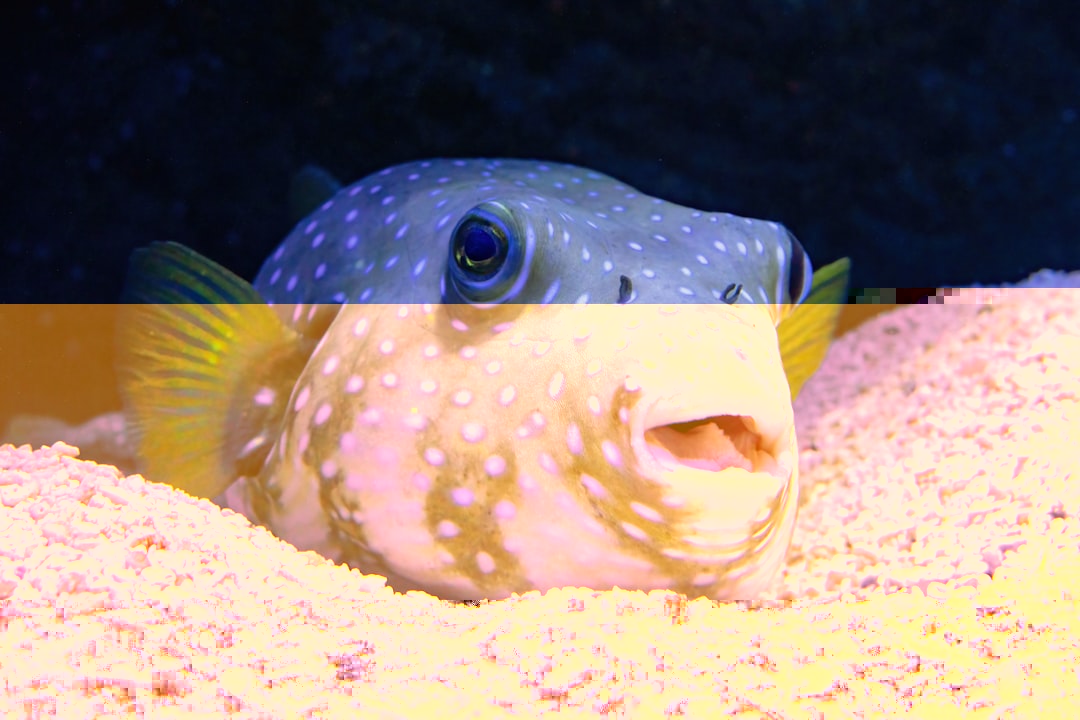
What makes these sandcastles so extraordinary isn’t just their size, but their astonishing geometry. The circles feature radiating spokes and intricate, wave-like patterns, with every crest and trough meticulously crafted. To human eyes, it’s a blend of art and mathematics—nature’s own mandala etched in sand. Some scientists have even likened the fish’s work to crop circles, sparking playful debates about whether pufferfish might secretly be the ocean’s greatest mathematicians.
The Science of Attraction
Why go to such great lengths? For the male pufferfish, the answer is simple: love, or at least the hope of it. Female pufferfish are drawn to the most elaborate and well-crafted circles. The bigger and more complex the design, the better the chances of winning a mate. This is a classic example of sexual selection, where animals evolve traits—sometimes extravagant ones—to impress potential partners. In the case of the pufferfish, it’s not colorful feathers or an elaborate song, but a sand sculpture worthy of a royal palace.
Sensory Wonders: Tactile and Visual Marvels

The sandcastles don’t just look beautiful; they feel remarkable too. Scientists believe that the ridges and grooves create subtle vibrations and water flows, sending tactile signals to any curious female. The textures might help guide the female into the center of the nest, where she lays her eggs. This interplay of sight and touch shows how the pufferfish’s artistry isn’t just for show—it’s a multi-sensory experience designed for maximum impact.
Nesting and Egg-Laying Rituals
Once a female is captivated by a male’s creation, she enters the circle and spawns, releasing her eggs in the safety of the nest’s center. The male fertilizes the eggs and continues to guard them, fiercely protecting his masterpiece from intruders. The intricate ridges help keep the eggs safe from the shifting sands and ocean currents, giving the next generation the best possible start in life. For a few precious days, the sandcastle becomes a nursery, sheltering the fragile hope of future life.
The Cost of Creation

Building such an elaborate structure isn’t easy. The male pufferfish spends days without rest, constantly repairing damage from waves and nosy neighbors. By the end of the process, he’s often exhausted, his energy reserves depleted. In a sense, he’s gambling everything on the hope that his sandcastle will win him a mate. If his design isn’t up to standard, all his sweat and hard work can be washed away, both literally and figuratively. This is nature’s version of putting it all on the line for love.
Hidden Messages in Sand Patterns
Recent studies suggest that the patterns aren’t just random decorations. The spacing and orientation of the ridges may actually signal the male’s health and stamina to potential mates. A perfectly symmetrical, well-maintained nest could indicate a strong, fit individual, while a sloppy one might warn females away. This is a brilliant example of how animals use physical creativity to communicate complex information, without ever uttering a sound.
Environmental Influences on Nest Design

Not every sandcastle looks exactly the same. Local conditions—like the type of sand, water currents, and the presence of predators—can influence the final design. In some areas, nests are larger and more elaborate; in others, they’re compact and simple. This adaptability shows how the pufferfish’s artistry is a living response to its environment, a flexible solution to the ever-changing challenges of the sea.
The Fate of the Sandcastles
Once the eggs have hatched and the baby pufferfish have safely swum away, the sandcastle’s purpose is fulfilled. In a matter of days, the currents and tides erase all traces of the structure. It’s a fleeting masterpiece, beautiful but impermanent—a poignant reminder that nature’s most stunning works are often the most ephemeral. The only evidence left behind is in the memories of those lucky enough to witness the spectacle.
Comparisons with Other Animal Architects
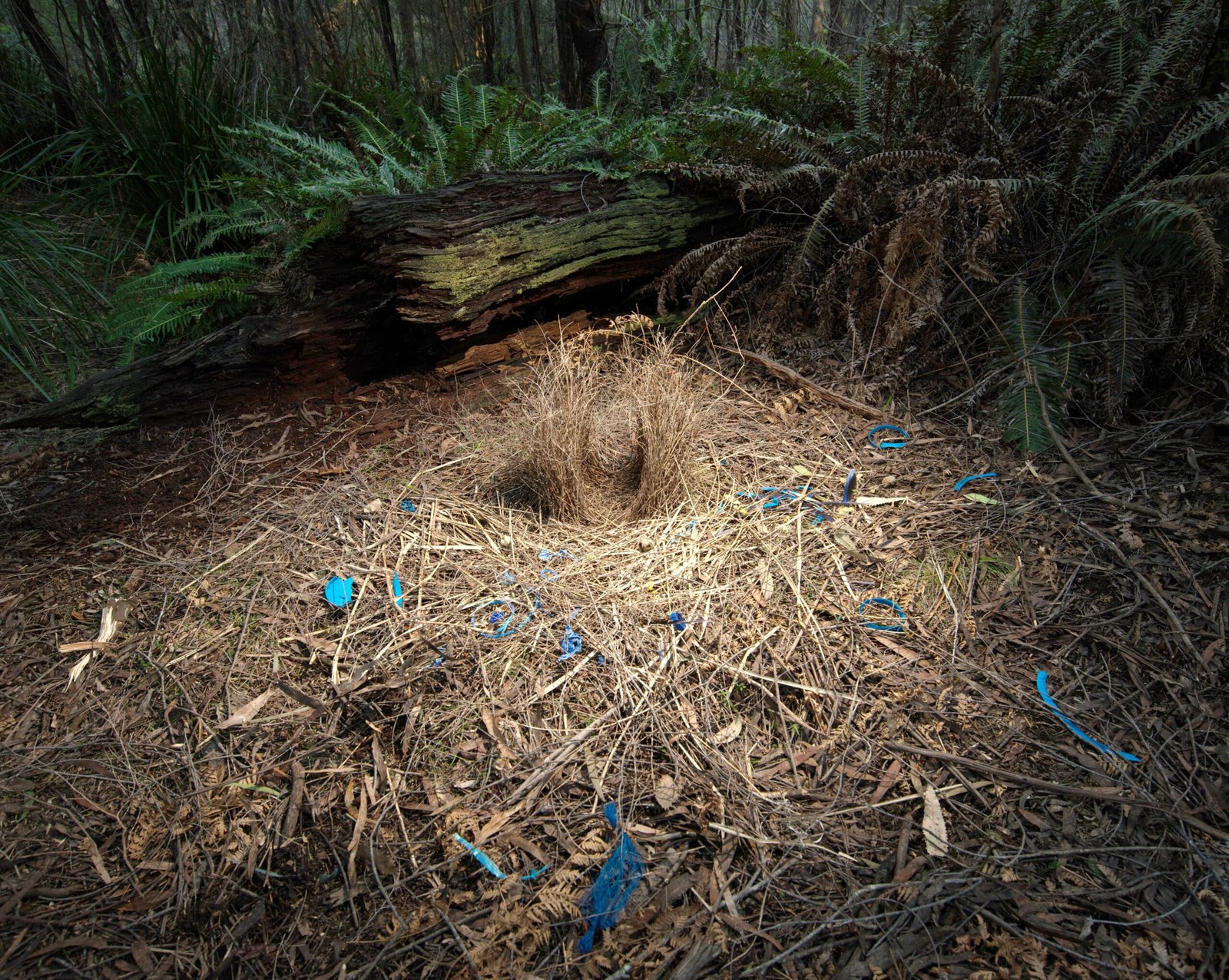
The white-spotted pufferfish isn’t the only animal that builds to impress. Bowerbirds in Australia collect shiny objects to decorate their nests, while male sticklebacks weave elaborate underwater structures. What sets the pufferfish apart is the sheer scale and complexity of its work, considering its tiny size. Unlike birds that use twigs or fish that use plants, the pufferfish works with nothing but sand and determination, creating beauty from the barest materials.
Inspiring Human Creativity
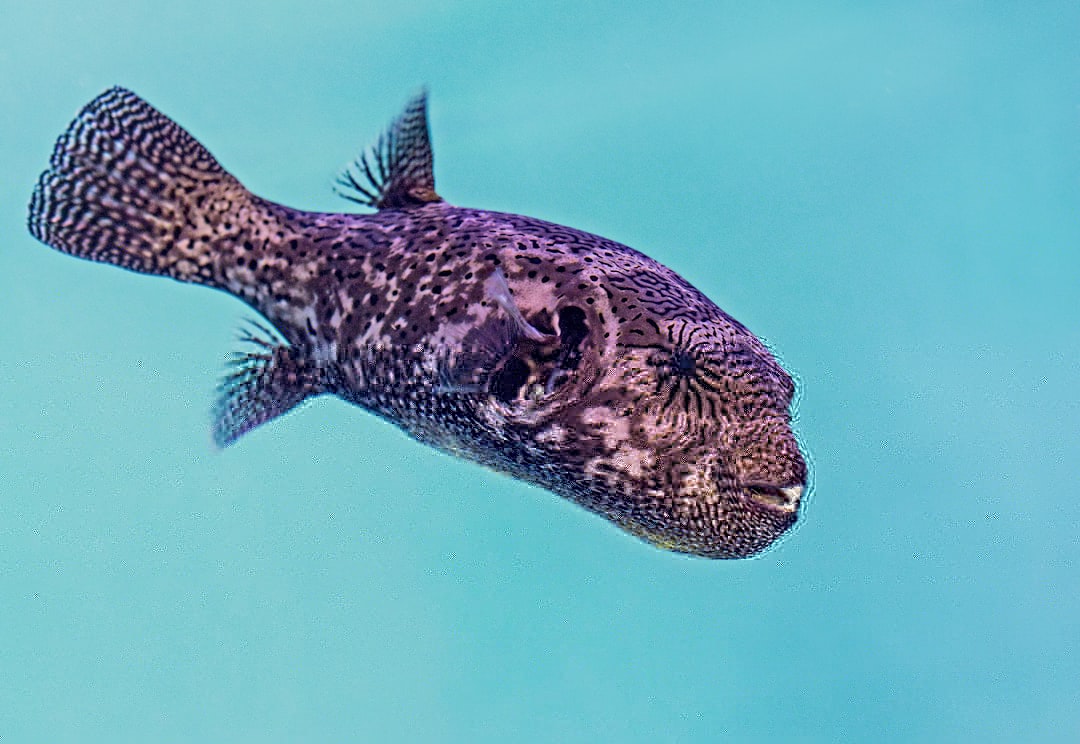
The story of the sandcastle-building pufferfish has inspired artists, architects, and nature lovers around the world. Its patterns have appeared in everything from jewelry to paintings, and even in the design of modern buildings. There’s something universally appealing about the idea that a small, unnoticed creature can create something magnificent, simply by following its instincts. It’s a testament to the unexpected beauty hidden in the world’s wild places.
The Importance of Protecting Underwater Artistry
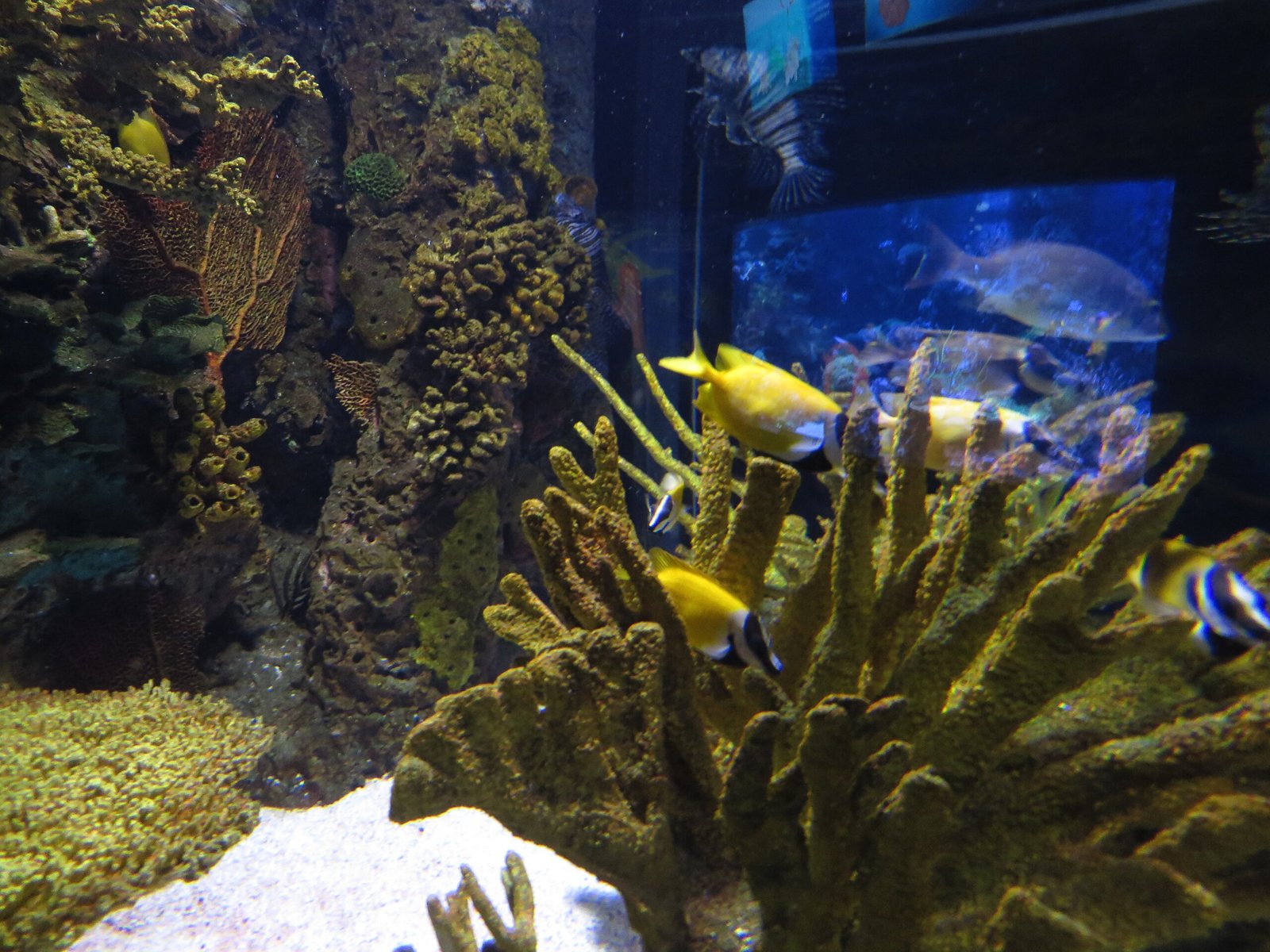
Preserving the pufferfish’s habitat isn’t just about saving a single species. It’s about protecting the delicate web of life that supports countless creatures, from tiny invertebrates to majestic sea turtles. The sandcastles are more than just nests; they’re part of a larger underwater community that depends on balance and diversity. By safeguarding these sites, we’re ensuring that the ocean’s creativity continues to thrive.
Lessons from the Pufferfish
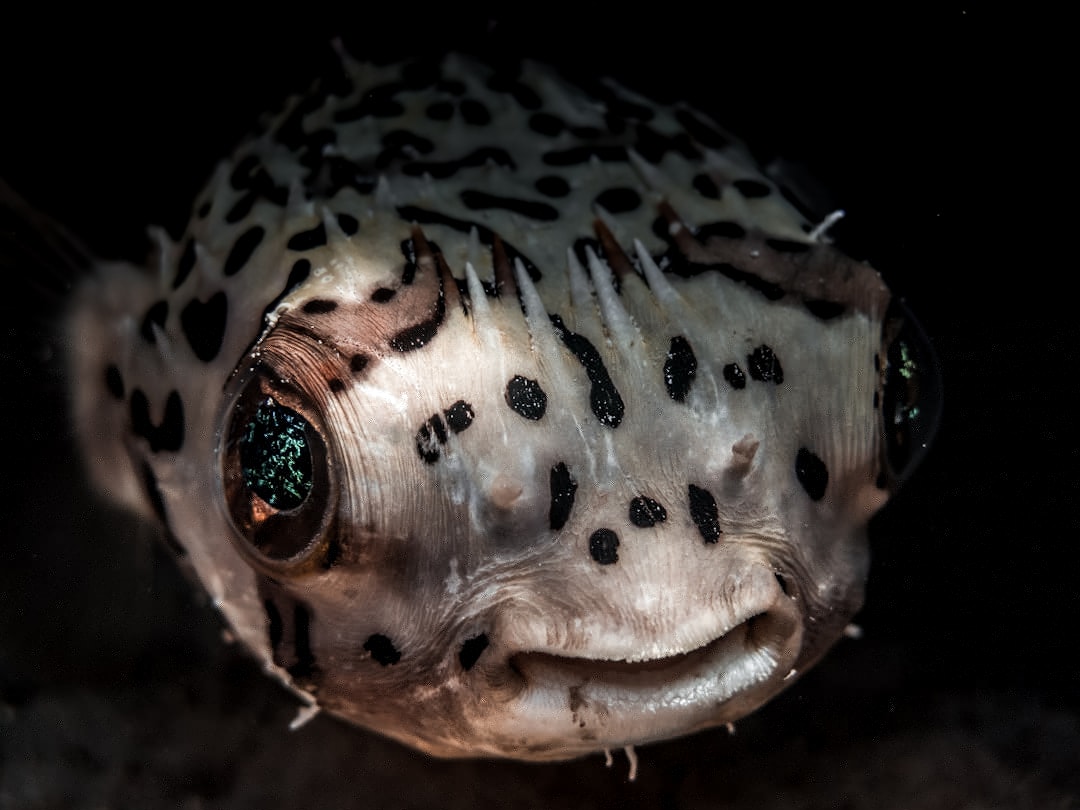
There’s a quiet wisdom in the pufferfish’s story. It reminds us that grand gestures don’t always come from the biggest or loudest creatures. Sometimes, true beauty lies in patience, persistence, and the willingness to create, even when no one is watching. The pufferfish’s sandcastles stand as a symbol of hope, determination, and the surprising ways that love can shape the world.
The Unseen Wonders Waiting Beneath the Waves

Every time we dive into the ocean, we have the chance to discover something extraordinary. The sandcastle-building pufferfish is just one of countless marvels hiding beneath the surface, waiting for curious eyes to notice. It’s a call to keep exploring, to stay curious, and to cherish the mysteries that make our planet truly magical.