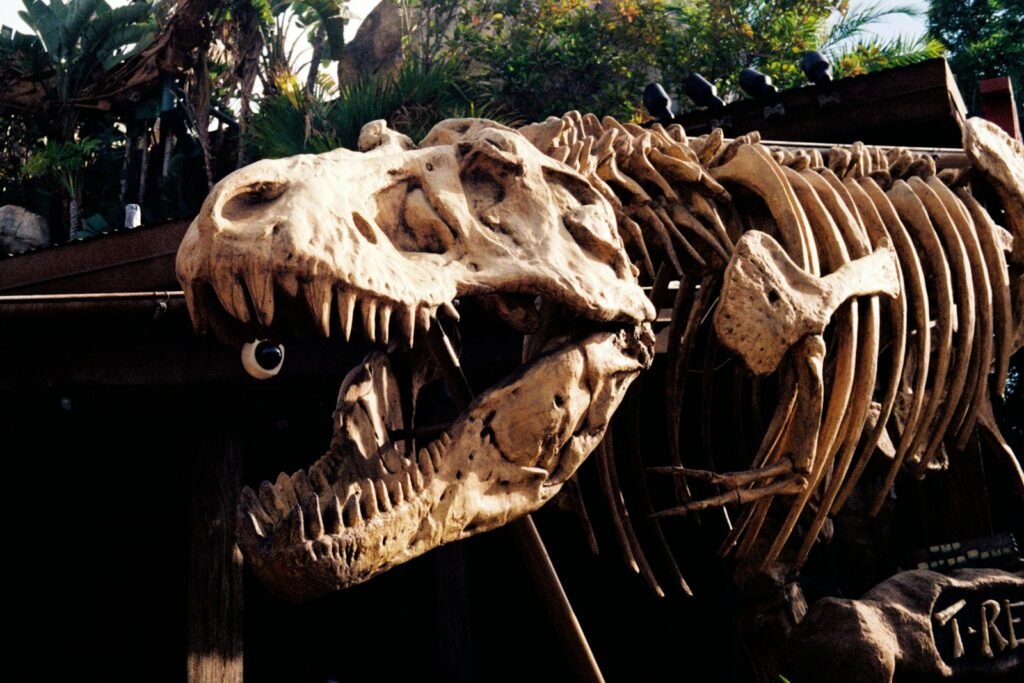

The discovery of ancient fossils can ignite the imagination, transporting us millions of years into the past. For a country like Ireland, known for its lush landscapes and rich folklore rather than prehistoric creatures, the finding of dinosaur bones is both remarkable and illuminating. These fossils not only offer a glimpse into a time when dinosaurs roamed the Earth but also add a unique chapter to Europe’s prehistoric narrative.
The Discovery: Ireland’s First Dinosaur Fossils
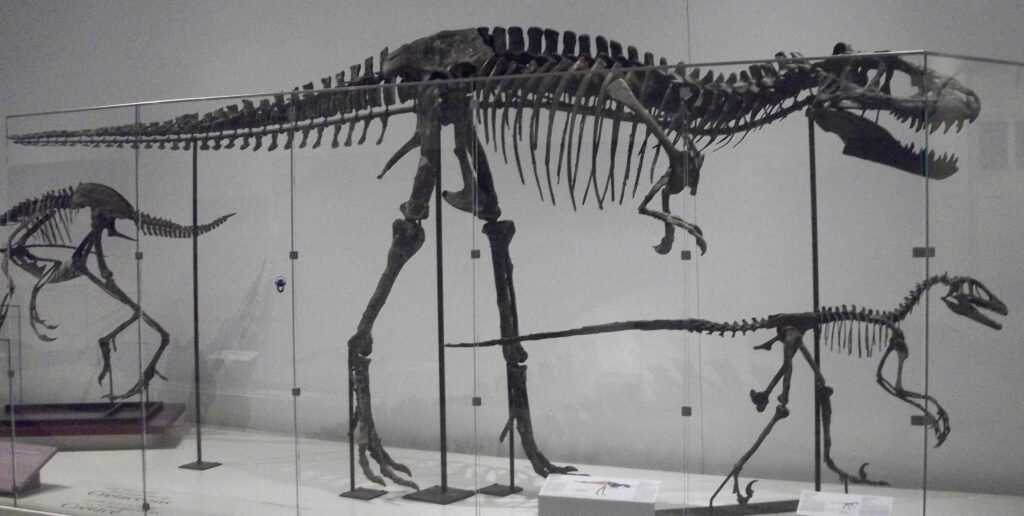
Until recently, Ireland was thought to be devoid of dinosaur fossils, making the discovery of these ancient bones a groundbreaking event in paleontology. The bones were unearthed in Islandmagee, County Antrim, where a research team unexpectedly found fragments embedded within rocks aged at around 200 million years. This significant find provides concrete evidence that dinosaurs once inhabited this region, challenging previous assumptions about Ireland’s prehistoric past.
Understanding the Geological Context

The discovery site, specifically the rocks of the Antrim coast, offers vital clues about the Earth’s ancient climatic conditions. These rocks are part of the Triassic-Jurassic period, a time of significant transition in Earth’s history characterized by dramatic changes in the environment and the rise of diverse dinosaur species. By analyzing the geological layers, scientists can gain insights into the climatic events that might have influenced the distribution and evolution of dinosaur species across Europe.
Anatomy of the Found Fossils

The fossils discovered consist primarily of femur fragments and vertebrae. Detailed examinations reveal these bones likely belonged to herbivorous dinosaurs, possibly similar to the early relatives of well-known species like the Iguanodon. The specific anatomical features observed in the bones indicate adaptations suited for a life of grazing and possibly swift movement to evade predators, painting a vivid picture of the creature’s lifestyle.
The Implications for Europe’s Dinosaur Map
Prior to this finding, Ireland’s name was notably absent in the geography of dinosaur existence. However, these fossils suggest that Europe had a more interconnected ecosystem during the dinosaur era than previously thought. The presence of these creatures in Ireland indicates potential land bridges or closer land masses during the prehistoric periods that allowed dinosaurs to migrate and populate various regions throughout Europe.
Reconstructing Ancient Ecosystems

With dinosaur fossils now identified in Ireland, scientists can further reconstruct the island’s ancient ecosystem. The presence of plant-eating dinosaurs suggests a rich vegetation landscape that could support such large life forms. Insights into the plant life and climatic conditions of the time can be gleaned by examining fossilized flora and other geological features in the area, offering a comprehensive look at the ecosystem dynamics during the age of dinosaurs.
Challenges in Fossil Preservation

Fossils rarely form under Ireland’s typical geological conditions, which include extensive glacial activity that tends to destroy or obscure ancient remains. This makes the discovered fossils not only a rare find but also a testament to the remarkable preservation conditions at the specific site. Understanding these conditions can help paleontologists target other potential sites for discovering more about Ireland’s ancient history.
Impact on Paleontological Research
This discovery has sparked a renewed interest in the paleontological potential of Ireland. New expeditions and research initiatives are now underway to explore and excavate other promising sites across the island, armed with the knowledge that dinosaurs indeed left their mark on Irish soil. This has the potential to lead to more groundbreaking discoveries and a better understanding of the prehistoric era in this region.
Conclusion: A New Chapter in Europe’s Ancient History
The finding of Ireland’s first dinosaur bones marks a pivotal moment not just for Irish paleontology but for our understanding of dinosaur distribution across ancient Europe. These fossils open new doors to exploring the climatic and environmental conditions that once prevailed over the continent. As Ireland steps onto the prehistoric stage, it adds an exciting dimension to the rich tapestry of Earth’s ancient past, inviting both scientists and enthusiasts to ponder what other secrets the land may hold beneath its green hills.
By unveiling these forgotten relics, we illuminate an era when dinosaurs roamed far and wide, crafting new narratives of how life on Earth has unfolded over the millennia. This fusion of geology, paleontology, and ancient history not only enhances our knowledge but also inspires future explorations into a world long gone.