
For most of the last century, schoolbooks told a simple story: humans arrived in the Americas roughly about thirteen thousand years ago, following herds across a land bridge from Siberia, then racing south through an ice-free corridor. It was clean, dramatic, and easy to remember. It also looks more wrong with every new discovery that comes out of the ground.
In the last couple of decades, archaeologists, geneticists, and paleoclimatologists have been quietly rewriting that tidy narrative. Stone tools older than the supposed “first Americans,” footprints pressed into ancient mud, hints in DNA like faint echoes from deep time – all of it points to something astonishing. People might have been here thousands of years earlier than anyone seriously allowed not that long ago, and that changes how we think about migration, resilience, and what humans are capable of.
The Old Story: Clovis First And The Bering Land Bridge
For a long time, the Clovis culture was treated like the opening chapter of human history in the Americas. These people are known for their distinctively fluted spear points, first identified near Clovis, New Mexico, and later found across much of North America. Radiocarbon dates put classic Clovis sites at around thirteen thousand years ago, and for decades that lined up neatly with estimates for when an ice-free corridor may have opened between the great North American ice sheets.
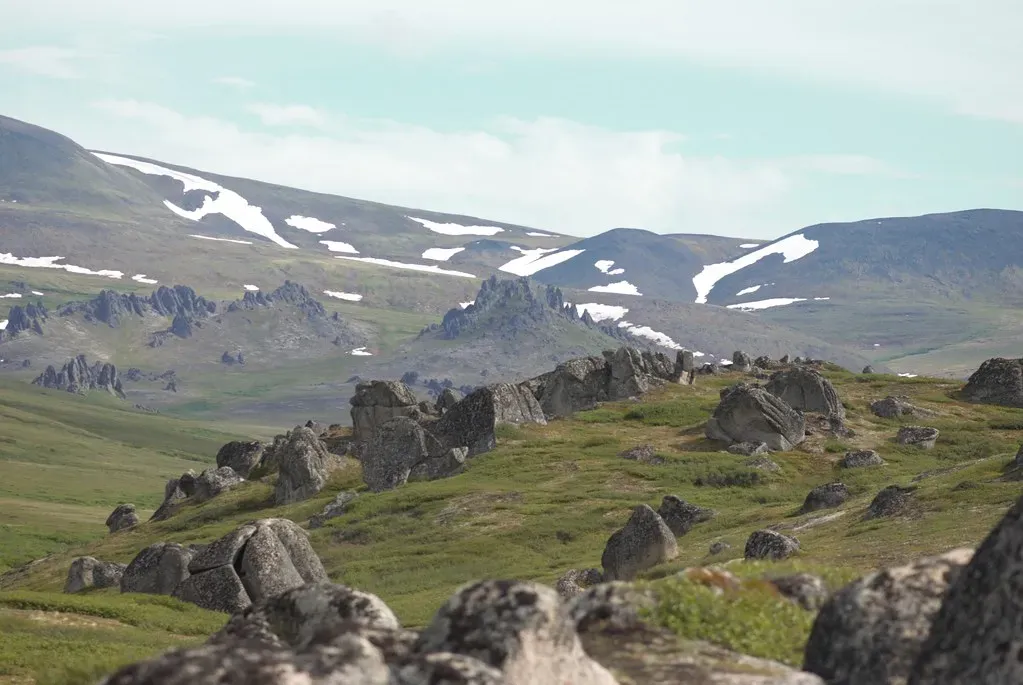
The Clovis-first model imagined small groups of hunters crossing the Bering Land Bridge from Siberia into Alaska when sea levels were lower during the last Ice Age. From there, they supposedly pushed rapidly southward through this corridor, spreading across the continents like a wave. It was a bold story of a single migration pulse and fast expansion, and many researchers defended it fiercely. But as more evidence piled up that did not fit the timeline or the route, the once-dominant theory began to look less like a settled fact and more like a rough first draft.
Pre-Clovis Sites: Challenging A Comfortable Timeline
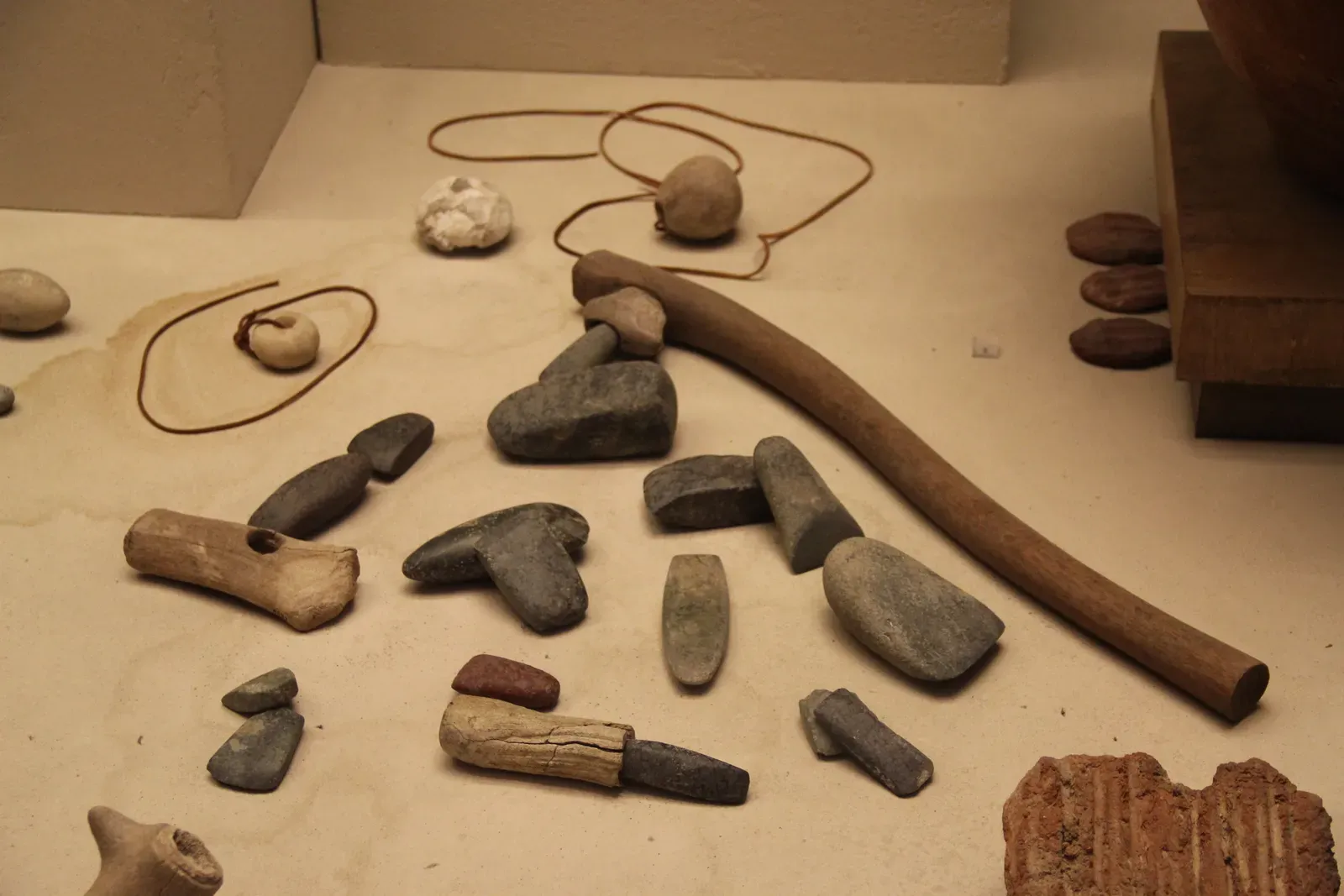
The first big cracks in the Clovis-first story came from sites that simply refused to fit the official timeline. Monte Verde in southern Chile is one of the most famous examples, with remains that many researchers date to at least a thousand years before the earliest accepted Clovis material. The site shows traces of wooden structures, plant remains, and tools that suggest a stable community, not a fleeting campsite on a rapid march south. If people were building shelters that far down the continent that early, then they must have arrived even earlier.
Other sites across North and South America have added more pressure. Places in Texas, Oregon, and the mid-Atlantic region have produced stone tools and animal remains that appear to predate Clovis levels by a significant margin. Not all of these claims are universally accepted, and archaeologists argue intensely over what counts as a human-made artifact versus a naturally broken stone. Still, taken together, the weight of evidence points to human presence that stretches well beyond the old boundary, forcing even cautious researchers to admit the timeline needs to move back.
Ancient Footprints And Surprising Evidence From The Ground
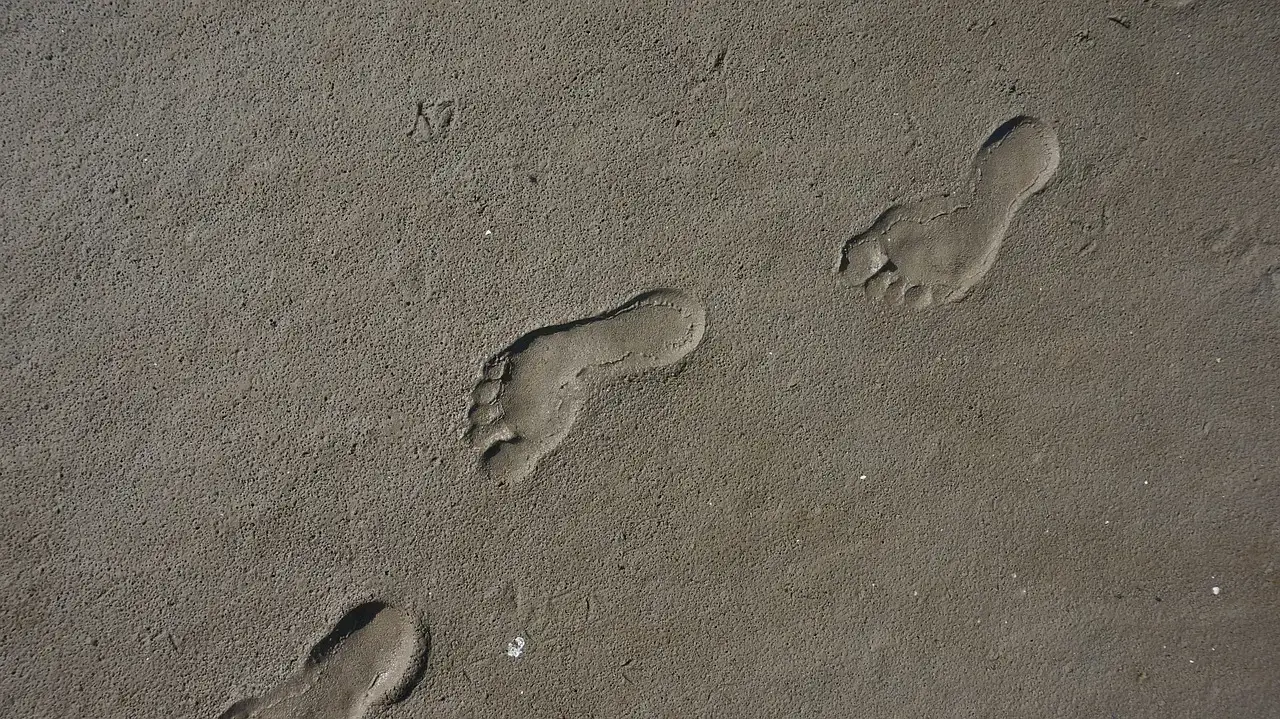
One of the most dramatic pieces of recent evidence comes not from a spear point or campsite, but from footsteps. At White Sands in New Mexico, scientists uncovered fossilized human footprints preserved in ancient lakebed sediments. Dating techniques suggested some of these prints could be more than twenty thousand years old, far older than the traditional arrival date. You can almost picture it: people walking along the edge of a lake while mammoths and giant ground sloths wandered nearby.
Those footprints instantly sparked intense debate because, if the dates hold up, they are incredibly hard to square with a late-entry model. Critics raised fair questions about how the layers were dated and whether seeds used for analysis might have been contaminated. Supporters countered with additional work and multiple dating approaches. The controversy is still being worked through, but even the existence of such a discussion shows how far the field has moved from the rigid certainty that used to surround the Clovis timeline.
DNA, Genes, And The Mystery Of Early Migrations

While trowels and screens uncover traces of ancient camps, genetic studies have been quietly rewriting the story from another direction. Analyses of DNA from present-day Indigenous peoples of the Americas and ancient remains suggest that the ancestors of Native Americans split from related Siberian populations sometime before about twenty thousand years ago. Some models indicate they may have lingered for a long period in a region around Beringia, partly isolated by ice and climate, before expanding into the continents.
Genetic diversity patterns hint at more complexity than a single, clean migration event. Some evidence suggests at least one major founding population that gave rise to most Indigenous groups in the Americas, while smaller later gene flows might have contributed additional threads. This doesn’t provide exact calendar dates for when the first humans stepped into what is now the Americas, but it does support the idea that people were poised to move south earlier than the classic Clovis-first timeline allows. In a way, DNA is like a dim family photo album from deep time, and the pictures do not line up neatly with the old story.
The Coastal Route: Following Kelp Forests Instead Of Ice Corridors
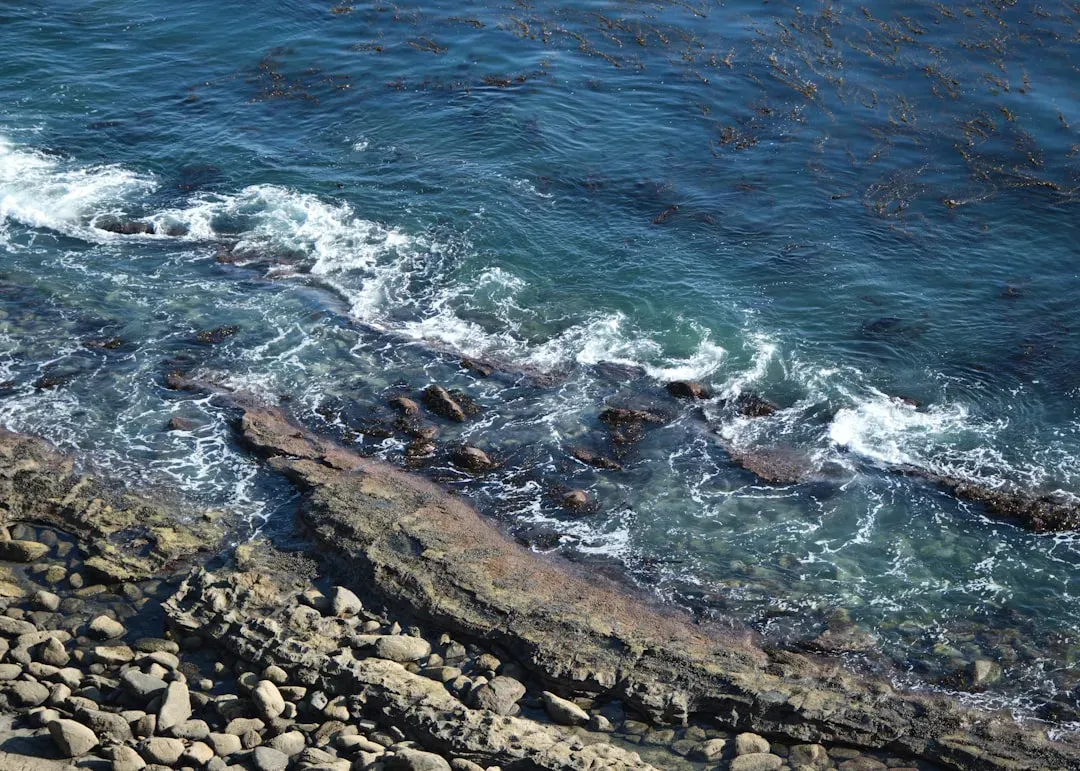
If humans arrived earlier than traditionally believed, the famous ice-free corridor between the Laurentide and Cordilleran ice sheets might not have been their main highway. Many researchers now argue that an earlier entry would have been far more plausible along the Pacific coastline. Imagine small groups moving by foot and possibly simple boats, skirting the edges of glaciers, following rich kelp forests and coastal resources. That route could have been biologically rich and comparatively accessible long before the interior corridor was fully open and hospitable.
The frustrating part is that most of the ancient coastline from that period is now underwater, drowned by rising seas after the Ice Age. That means a lot of potential early sites are deeply buried beneath the modern ocean surface, making them incredibly difficult to find and study. Still, a few underwater discoveries and hints from island sites in places like British Columbia have given the coastal hypothesis more credibility. The picture that emerges is less of a single grand march and more of a slow, opportunistic spread along shorelines and possibly inland river valleys when conditions allowed.
What Earlier Arrival Means For Indigenous Histories
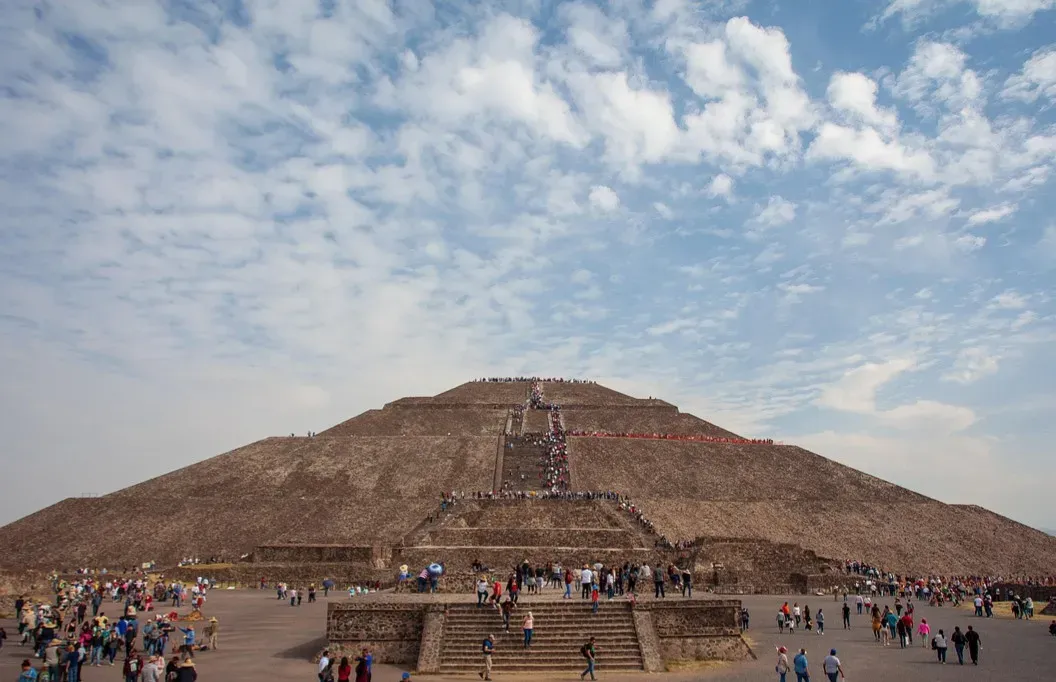
Shifting the timeline of the first Americans is not just an academic puzzle; it also touches on how non-Indigenous societies have framed the deep history of the continents. For generations, textbooks often treated the arrival of Europeans as the start of “real” history, with Indigenous presence given a brief preface. Discoveries that push human presence farther back remind us that these lands have been home to complex, adaptable communities for a vast span of time. The deeper that span goes, the more it underlines the depth of Indigenous connection to place.
Many Indigenous oral histories have long spoken of long-standing relationships with the land that do not fit neatly into short, simplified migration charts. While archaeology and genetics have their own methods and limits, the growing evidence of earlier occupation can be seen as something that, at least in spirit, aligns with the idea of an ancient, enduring presence. It also nudges us to reconsider who gets to define what counts as “the beginning” of a continent’s story. A longer timeline gives more room for lost cultures, vanished routes, and forgotten adaptations that never made it into written records.
The New Picture: A Messier, Older, More Human Story
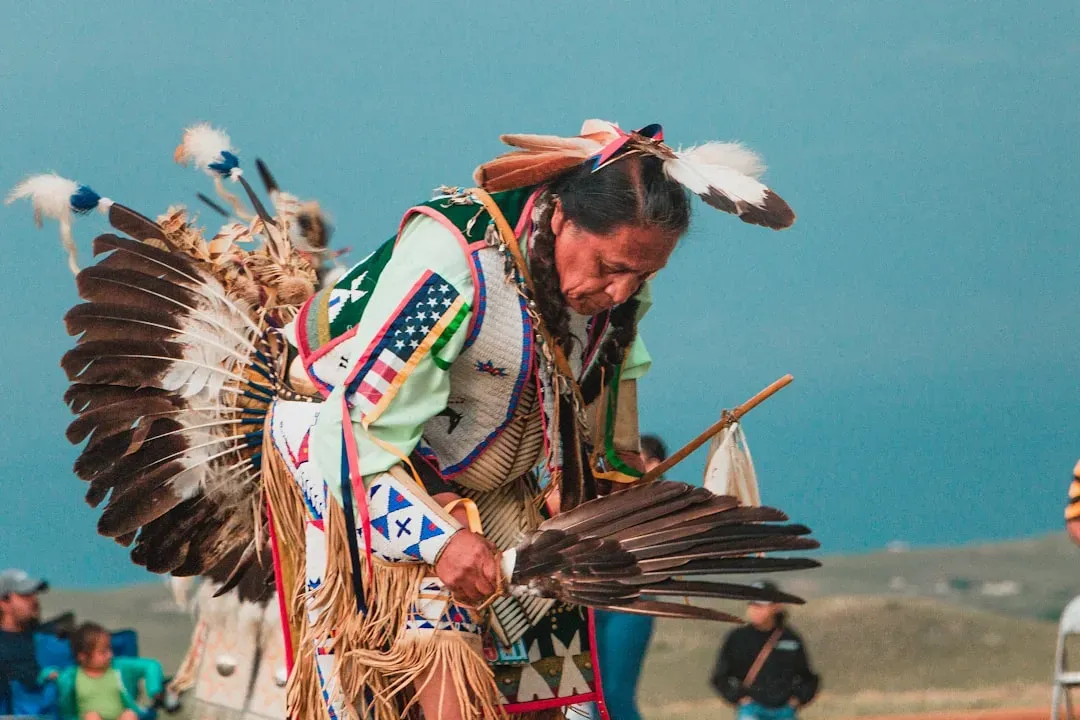
Putting all of this together, the emerging picture of the first Americans is far messier than the single-wave, Clovis-first model that dominated for so long. We are looking at a story that probably involves earlier arrivals, likely along a coastal route, with people already present in South America well before the classic dates once considered non-negotiable. Instead of a sharp starting line, it feels more like a slow dawn, where small groups tested new environments, failed sometimes, succeeded others, and gradually built the foundation for the thousands of cultures that followed.
There is still a lot we do not know, and new finds regularly force researchers to redraw maps and adjust timelines. That uncertainty can be frustrating, but it is also what makes this moment in archaeology so fascinating. The farther back we push the arrival of the first Americans, the more we are reminded that humans have always been restless experimenters, willing to edge along icy coasts or across strange landscapes just to see what might be over the horizon. It raises a simple, lingering question: if people were here far earlier than we thought, what other parts of our shared story are still hiding, waiting to be uncovered?