
You know what’s wild? We live in a universe that contains billions upon billions of stars. Each one could host its own planets. Yet somehow, across this almost unfathomable expanse of space and time, we haven’t bumped into a single confirmed alien. Not one message. Not one spacecraft. Not even a faint radio signal that says “Hey, we’re here too.” It’s baffling, really.
This contradiction between the seemingly high likelihood of extraterrestrial life and the total lack of evidence is called the Fermi Paradox. The name comes from physicist Enrico Fermi, who casually asked over lunch in 1950, “Where is everybody?” Simple question, right? The answer, however, is anything but simple. Let’s dive in.
What Exactly Is the Fermi Paradox?
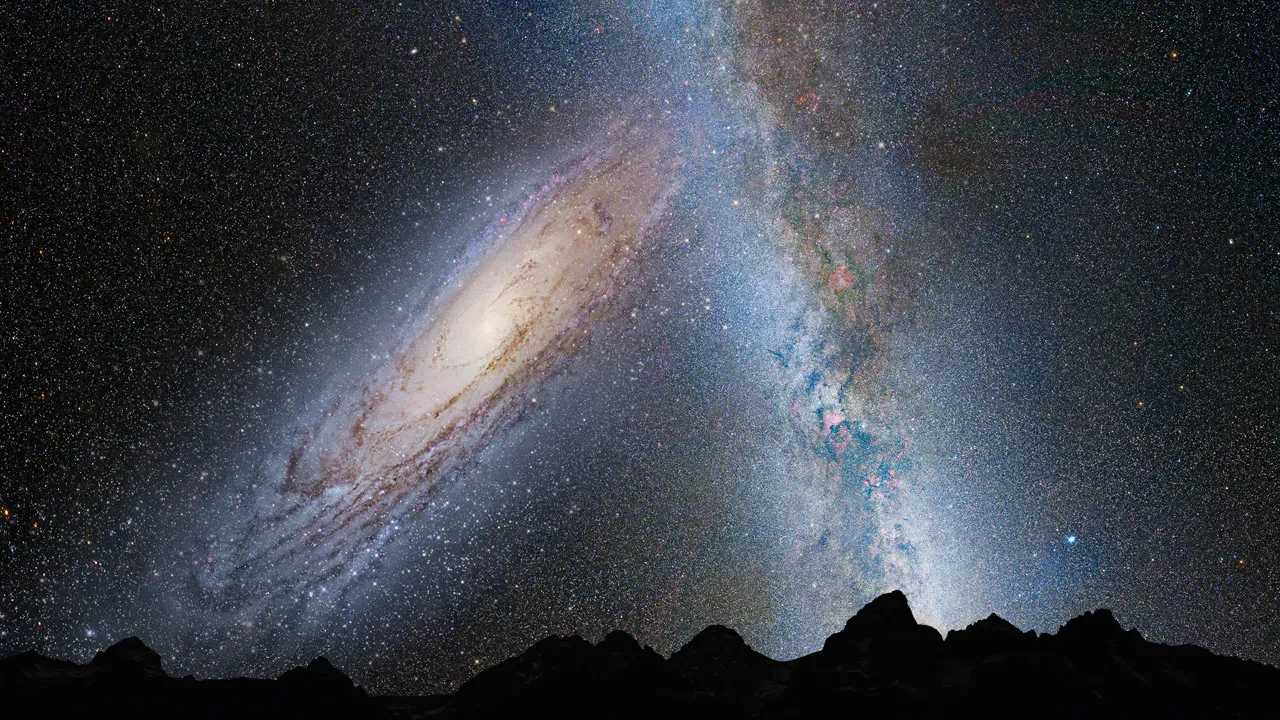
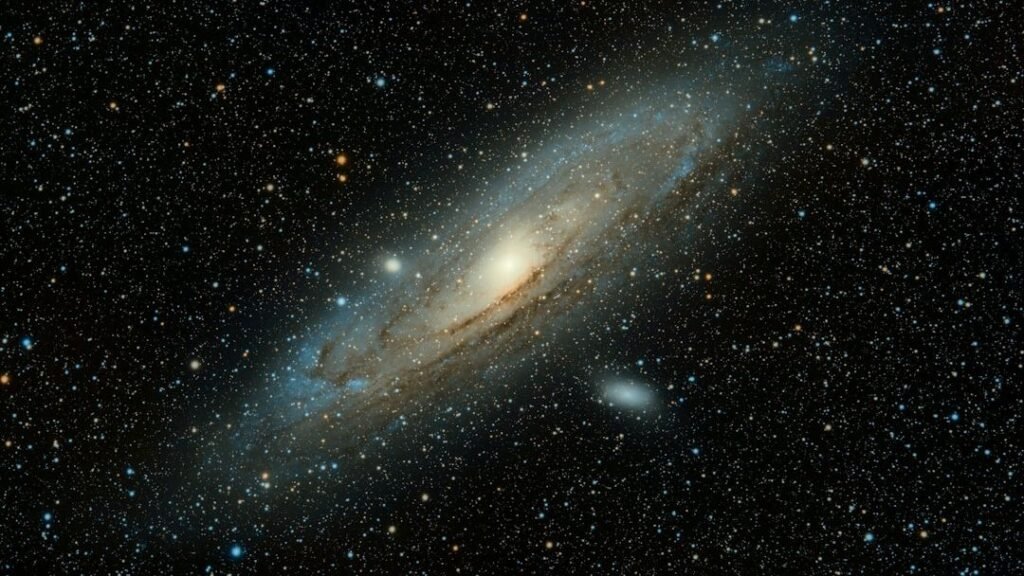
Picture this: our Milky Way alone is home to more than 100 billion stars, and the galaxy itself is around 10 billion years old. Models predict billions of habitable worlds just in our galaxy. If intelligent life formed even once on one of those ancient planets billions of years before Earth existed, wouldn’t they have had enough time to spread throughout the galaxy? They could have colonized countless star systems by now.
Any civilization with basic rocket technology and serious ambition could rapidly colonize the entire galaxy within a few tens of millions of years. That’s a cosmic blink compared to how old everything is. Yet when we scan the skies with our best instruments, we find nothing but silence. Despite decades of searching, the cosmos remains eerily silent.
The Drake Equation: Trying to Do the Math
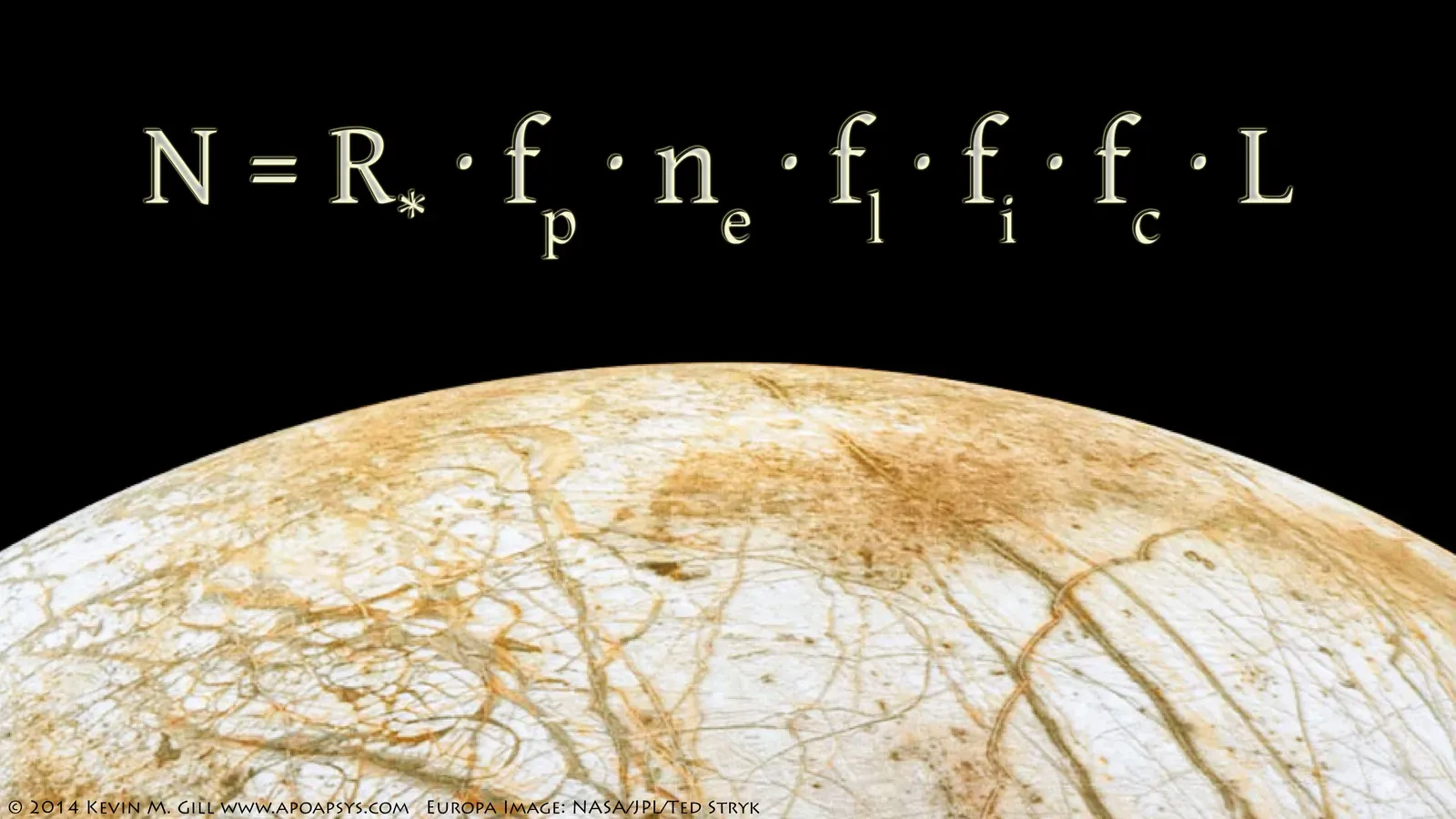
In 1961, astronomer Frank Drake tried to put some numbers to this cosmic mystery. His equation estimates the number of extraterrestrial civilizations in the Milky Way galaxy with technology that can be detected by humans. It multiplies factors like the rate of star formation, the fraction of stars with planets, and the odds of intelligent life emerging on those planets.
Drake himself suggests roughly 10,000 transmitting societies might exist in the galaxy, assuming civilizations last about 10,000 years. That sounds promising. Problem is, the equation’s variables are incredibly uncertain. Sadly, we’ve made little progress in nailing down most terms beyond star formation rates and planet frequency. We’re essentially guessing when it comes to the biological factors.
The Great Filter: A Terrifying Possibility

Here’s where things get unsettling. Maybe there’s something called a Great Filter that stops civilizations from going far. This filter could be technological or self-destructive barriers that prevent advancement. Think nuclear war, climate catastrophe, or some other existential threat we haven’t even imagined yet.
If the Great Filter lies behind us, we may be one of the first intelligent civilizations; if it’s ahead, our survival is far from guaranteed. Philosopher Nick Bostrom argues that finding even simple life on Mars would actually be devastating news. Why? Because it would mean the filter isn’t in life’s origin but somewhere further ahead in our development. Finding fossilized complex life on Mars would be the worst news ever, because it would mean the Great Filter is almost definitely ahead of us.
Maybe We’re Just Looking in the Wrong Places
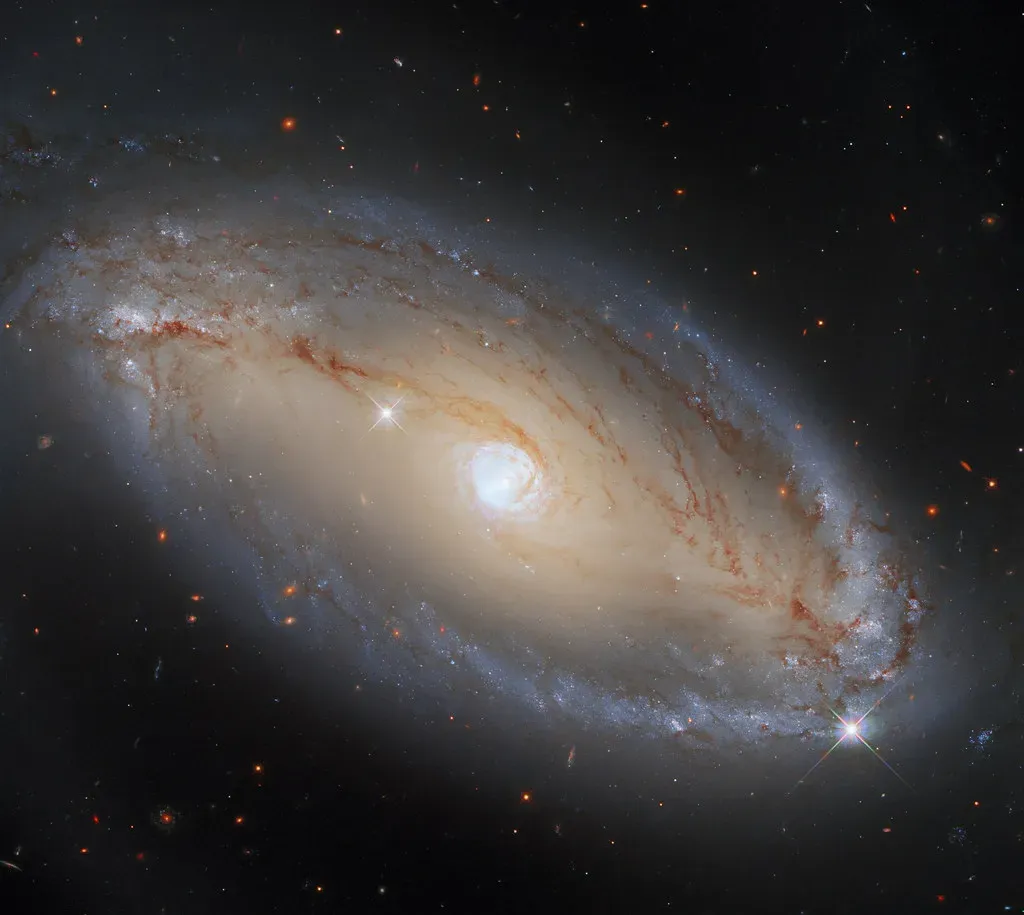
Let’s be real, space is incomprehensibly vast. We’ve broadcast radio signals that others might detect for less than two centuries, so our broadcasts haven’t gotten very far across a galaxy that is 100,000 light-years in diameter. Even our most powerful broadcasts become so weak by the time they reach nearby stars that they can’t be distinguished from galactic background noise.
Aliens could have sent nano-machines or probes the size of an iPhone to our solar system, and we’d have no way of detecting them if their technology is so advanced we can’t comprehend it. Maybe we’re like ants trying to understand a smartphone. The signals could be flying right past us, but we’re tuned to the wrong frequency, using outdated methods, or simply not advanced enough to recognize what we’re seeing.
They Might Not Want to Be Found
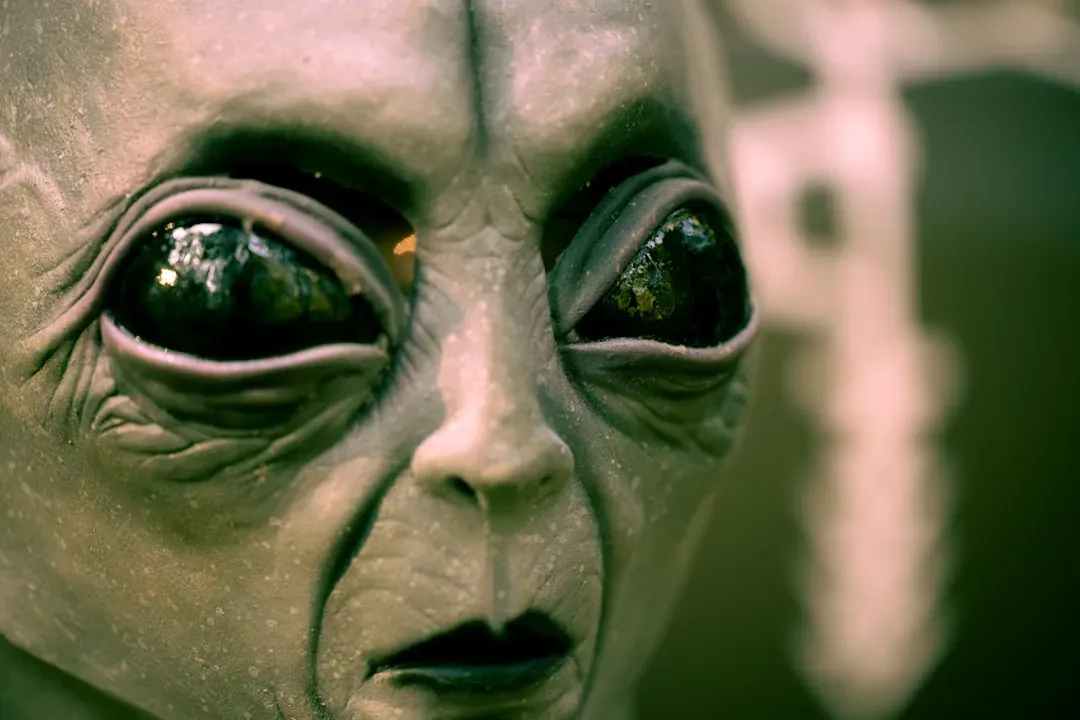
There’s a chilling theory called the Dark Forest Hypothesis. In this scenario, countless alien civilizations exist but remain silent because any other intelligent life may represent a future threat, creating a universe filled with quiet civilizations that don’t reveal themselves. It’s like hunters stalking through a forest at night, staying hidden because making noise could attract something dangerous.
Another explanation? The zoo hypothesis suggests intelligent extraterrestrial life exists but doesn’t contact Earth to allow for its natural evolution, treating us like a cosmic nature reserve. Perhaps advanced civilizations have agreed we’re not ready for contact yet. Or maybe they’ve been watching us all along and decided we’re too primitive, too violent, or simply not interesting enough.
Advanced Aliens Might Look Nothing Like We Expect
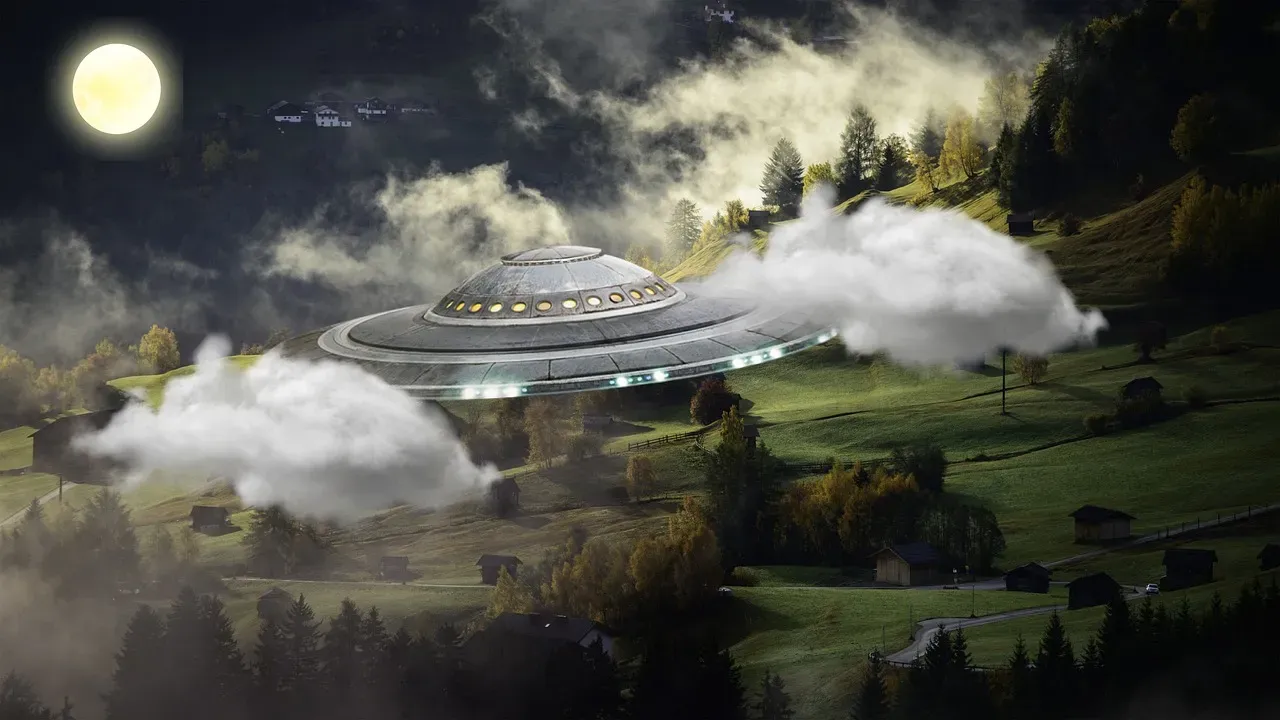
Honestly, we might be searching for the wrong things entirely. Individuals of extraterrestrial civilizations may prefer to spend time in virtual worlds that have different physical law constraints rather than colonizing planets. Why bother with expensive, dangerous space travel when you can create perfect digital universes?
The Sustainability Solution proposes that advanced civilizations wouldn’t create the technosignatures we expect; instead, they might create technologies that are essentially biological in nature, making any sufficiently advanced technology indistinguishable from nature. So we’re out here looking for massive structures and radio signals, while they’ve evolved beyond such crude methods. Their technology might blend seamlessly with their environment, invisible to our primitive scanning methods.
Or Perhaps We Really Are Alone
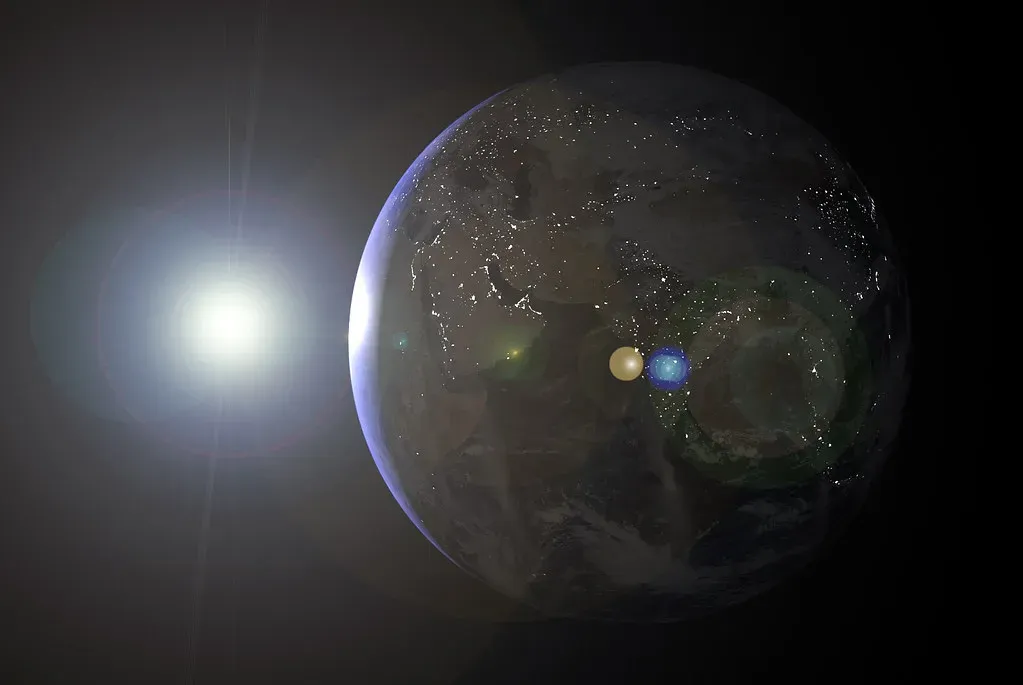
This is the loneliest explanation, though some scientists think it’s the most likely. One possibility is that there aren’t any civilizations out there and there never have been, perhaps because biology makes intelligent life extremely rare. Earth may be unique in having stable enough conditions for four billion years without a catastrophic impact breaking the chain of life, allowing the progression from cell to civilization.
Recent surveys show roughly 87 percent of scientists believe at least basic extraterrestrial life exists, with more than 67 percent agreeing intelligent aliens are out there. Still, belief isn’t evidence. No alien spacecraft have ever been proven to have visited Earth, no signs of past visitations discovered, and no interstellar transmissions detected. Maybe the universe is teeming with microbes but utterly devoid of minds capable of reaching out across the stars.
Conclusion: The Silence Continues
We have very little information about highly evolved intelligent life – we don’t know how rare it is, how long civilizations last, whether they’d want to communicate with us, or how we’d even recognize each other. The truth is, we’re fumbling around in cosmic darkness, searching for answers that may take centuries to find.
Whether we find aliens or confirm our solitude, the answer to the Fermi Paradox will profoundly shape our understanding of our place in the universe. Until then, we keep listening, keep searching, and keep wondering. The great silence might be unsettling, yet it’s also one of the most profound mysteries we’ve ever faced.
So what do you think? Are we truly alone, or is something out there simply waiting for the right moment to say hello?