Picture this: a creature so powerful it once ruled as a deity in ancient temples, yet today conquers our hearts with a simple purr and a viral video. The domestic cat has orchestrated perhaps the most successful takeover in history, transforming from wild predator to sacred symbol to internet sensation without firing a single shot. This remarkable journey spans thousands of years and countless civilizations, weaving through the fabric of human culture like a silken thread. How did these mysterious, independent creatures manage to infiltrate every corner of our world, from pharaohs’ tombs to our smartphones?
The Ancient Egyptian Connection: When Cats Were Gods
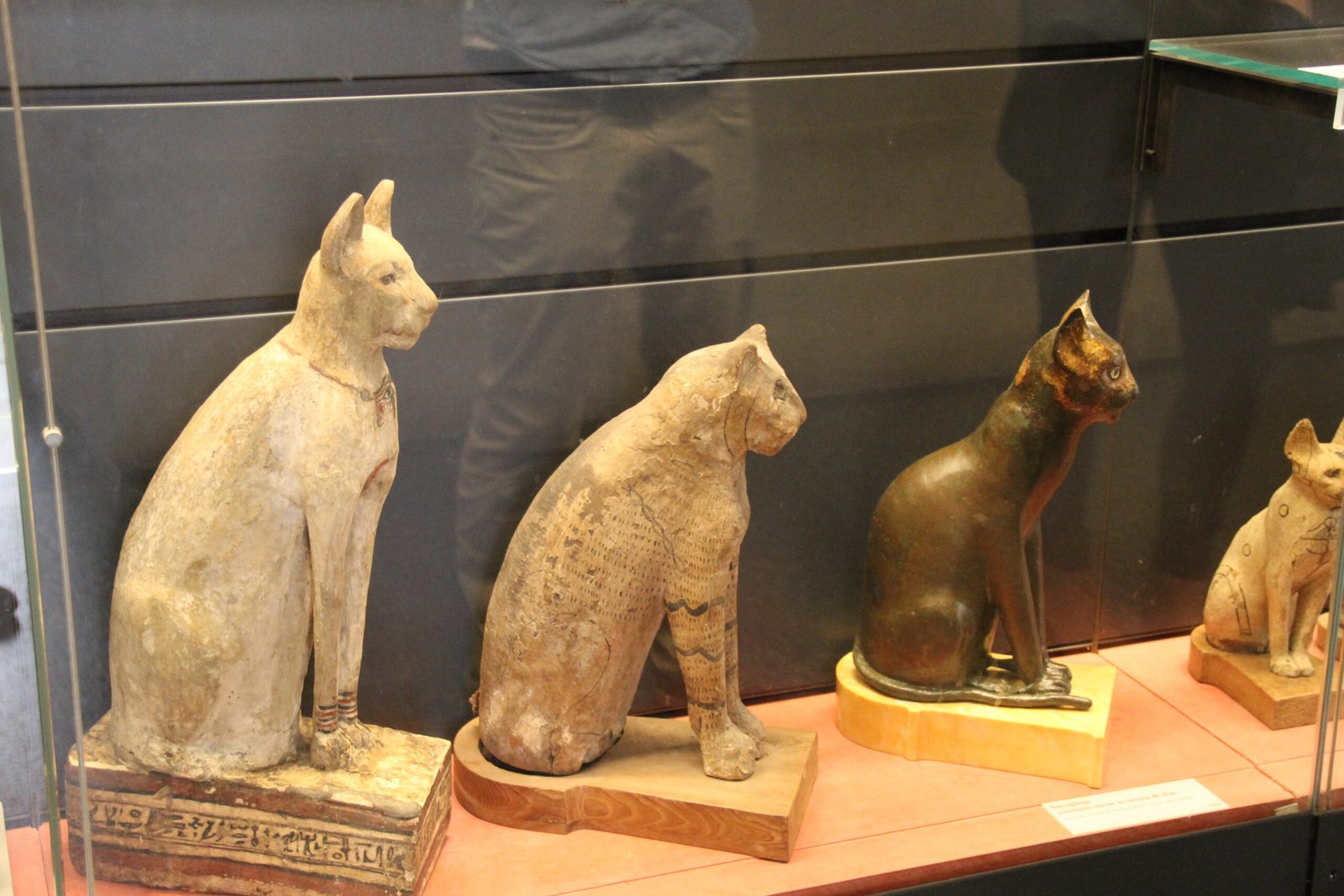
Long before cats graced our Instagram feeds, they held divine status in ancient Egypt, revered as earthly manifestations of the goddess Bastet. Egyptian families would mummify their beloved felines with the same care reserved for pharaohs, often burying them with golden jewelry and precious artifacts. Archaeological evidence reveals that killing a cat in ancient Egypt was punishable by death, demonstrating just how sacred these creatures were considered. The Egyptians believed cats possessed magical powers to ward off evil spirits and protect households from misfortune. This deep spiritual connection between humans and cats laid the foundation for thousands of years of feline fascination. When an Egyptian family’s cat died, the entire household would shave their eyebrows in mourning, a practice that speaks volumes about the emotional bonds formed over 4,000 years ago.
The Great Migration: How Cats Conquered the Mediterranean
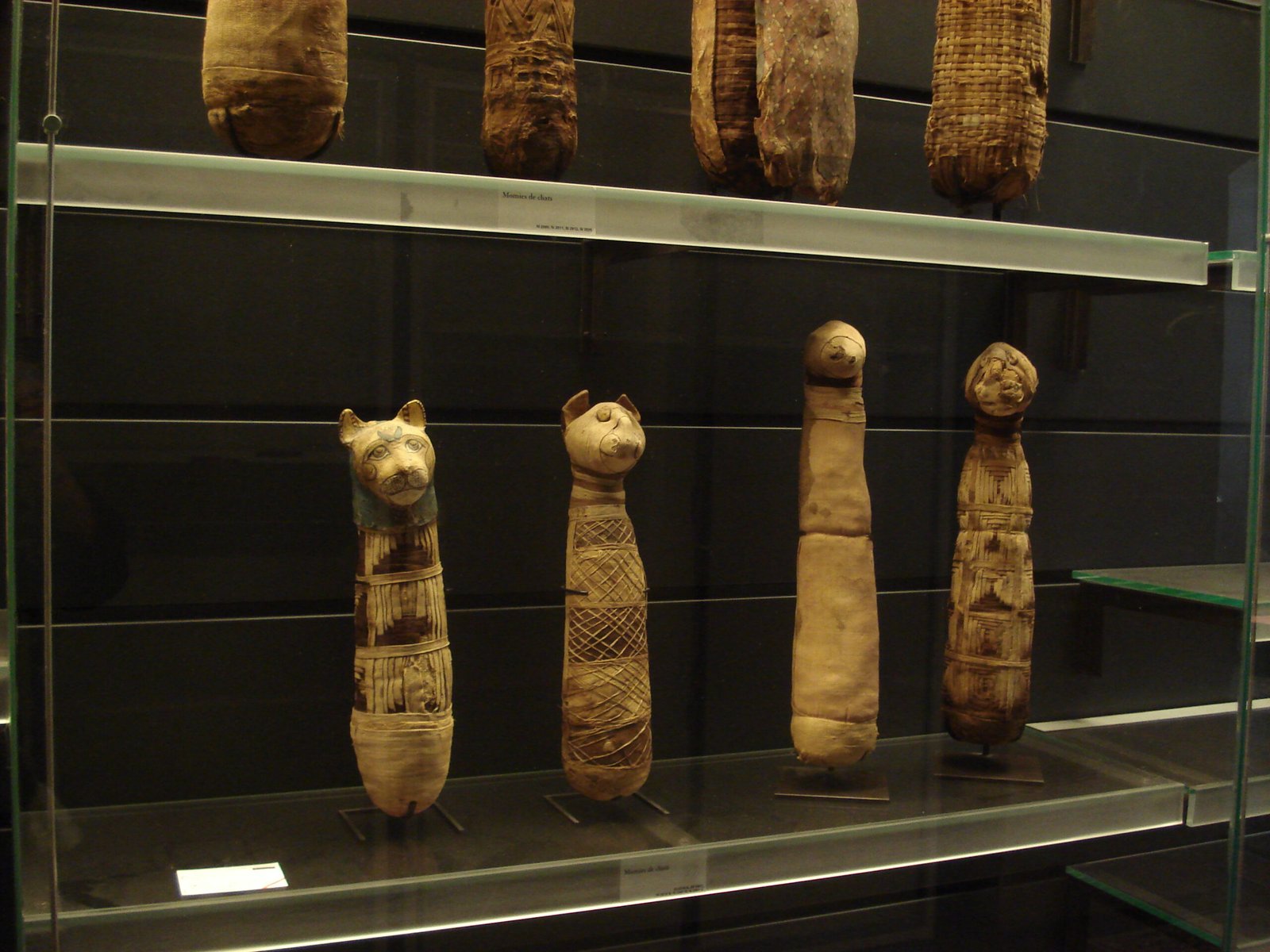
Egyptian traders unknowingly became the first international cat smugglers, carrying their feline companions aboard ships that sailed across the Mediterranean Sea. These maritime adventures proved perfect for cats, whose natural hunting instincts made them invaluable crew members in controlling rat populations on vessels. Greek and Roman civilizations quickly recognized the practical benefits of feline companionship, leading to widespread adoption throughout their empires. The cats adapted remarkably well to different climates and cultures, demonstrating the flexibility that would later make them global superstars. By the time of the Roman Empire, cats had established themselves as both working animals and beloved pets across Europe. Their reputation as mysterious, independent creatures began to take shape during this period, setting the stage for future cultural significance.
Medieval Madness: From Worship to Witchcraft
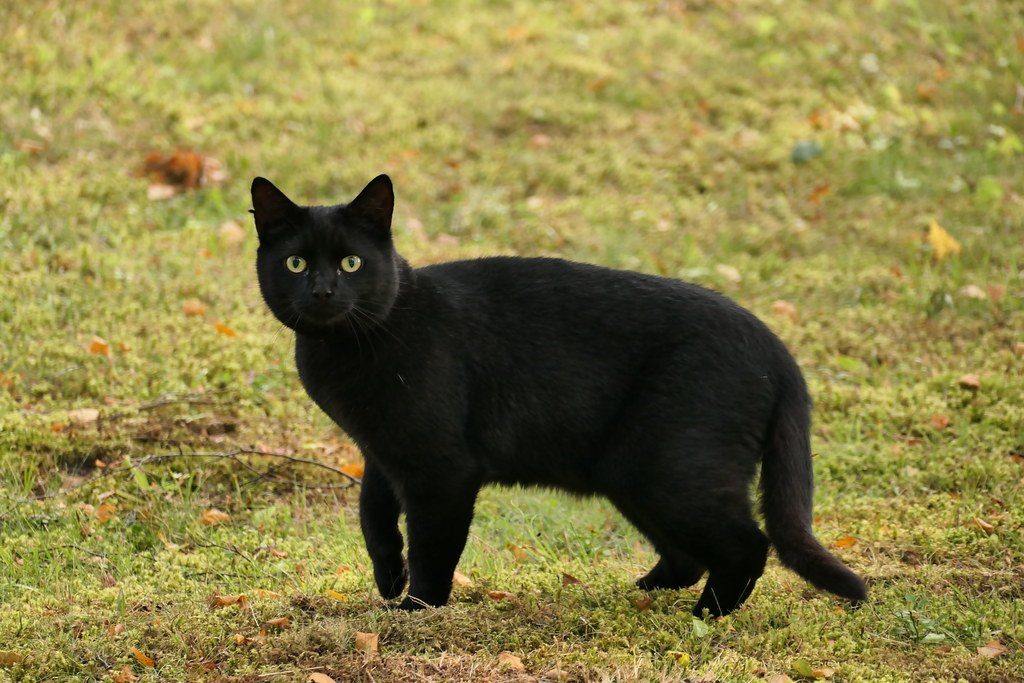
The Middle Ages brought a dramatic shift in how Europeans viewed cats, transforming them from respected hunters into suspected agents of darkness. Superstitions linked black cats to witchcraft, leading to widespread persecution that decimated feline populations across Europe. This tragic period ironically contributed to the spread of plague-carrying rats, as communities had eliminated their natural predators. The Catholic Church’s influence played a significant role in demonizing cats, associating them with pagan beliefs and devil worship. Despite persecution, some cats survived in monasteries where practical-minded monks recognized their value in protecting grain stores. The medieval period represents one of the darkest chapters in human-feline relations, yet cats somehow maintained their foothold in human society.
Renaissance and Redemption: The Artistic Cat

The Renaissance period marked a turning point for cats as they began appearing in prestigious artwork and literature, signaling their return to cultural favor. Artists like Leonardo da Vinci filled sketchbooks with detailed cat studies, fascinated by their graceful movements and expressive features. Wealthy merchants and nobles started keeping cats as fashionable companions, elevating their status from mere pest control to symbols of refinement. The printing press helped spread positive cat imagery through books and pamphlets, slowly changing public perception. This period established cats as subjects worthy of artistic representation, paving the way for their eventual role as cultural icons. The Renaissance literally means “rebirth,” and for cats, it represented a rebirth of human appreciation and respect.
Colonial Expeditions: Cats Cross the Oceans
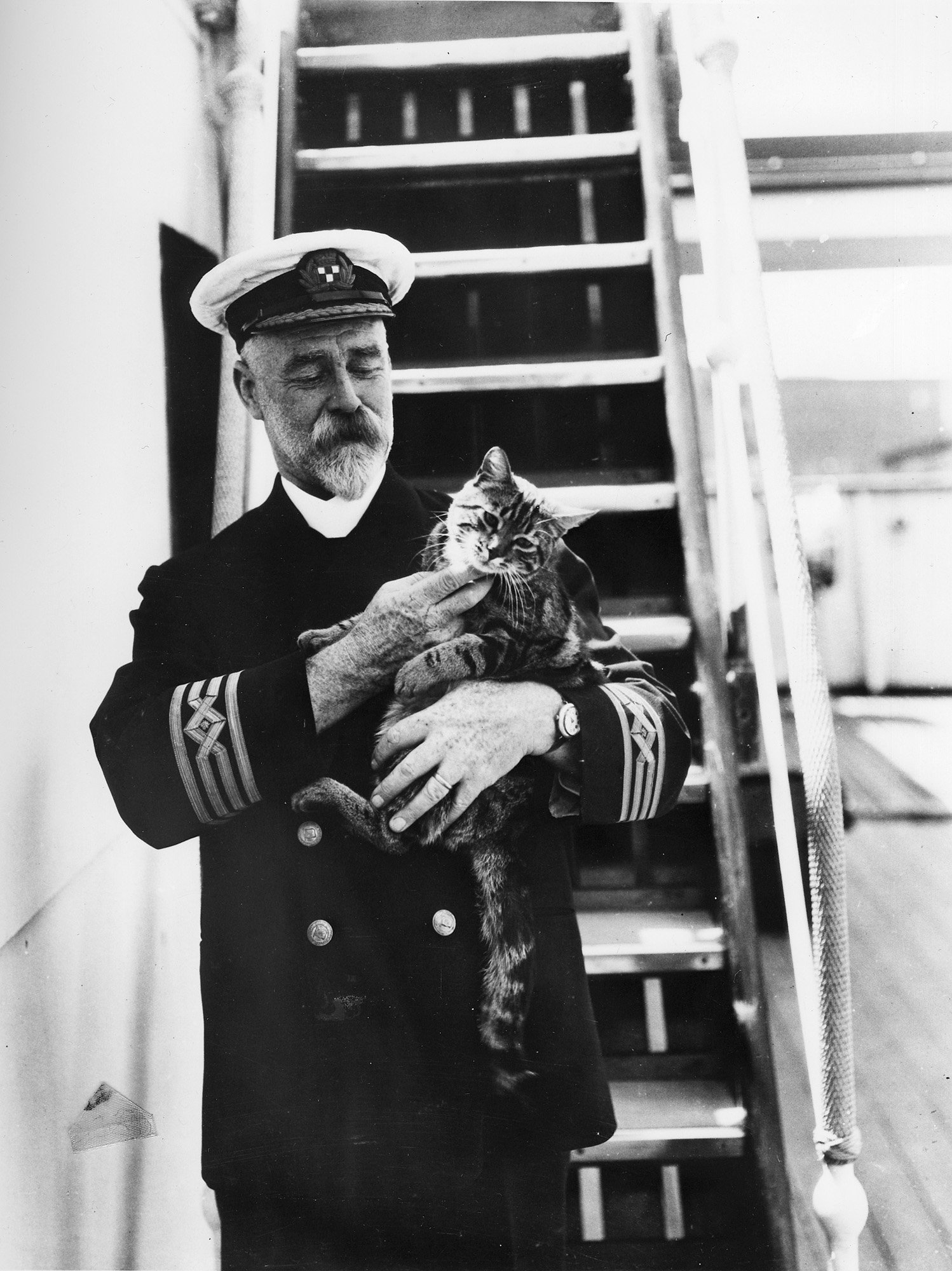
European colonization efforts inadvertently launched the greatest feline migration in history, as ships’ cats accompanied explorers to every corner of the globe. These maritime felines quickly established populations in the Americas, Australia, and remote islands previously untouched by domestic cats. Colonial settlements welcomed cats for their practical benefits, but also for the comfort they provided to homesick settlers. The genetic diversity of these traveling cats created unique regional variations, from the sturdy Maine Coon to the sleek Siamese. Ships’ cats became legendary figures, with some earning their own historical records for remarkable survival stories. This global dispersal set the stage for cats to become the world’s most widespread carnivorous mammal.
Industrial Revolution: Cats in the Modern World

The Industrial Revolution transformed both human society and the role of cats within it, as urbanization created new opportunities and challenges for feline populations. Factory owners discovered that cats were essential workers in textile mills, protecting valuable materials from rodent damage. The rise of middle-class households created a new market for pet cats, leading to the development of the first commercial cat foods and veterinary services. Railroad expansion helped spread cats to remote areas, while also creating a network of feral populations along train routes. This period saw the emergence of cat breeding as both hobby and business, leading to the development of distinct breeds. The industrial age essentially modernized the cat-human relationship, setting patterns that continue today.
Victorian Cat Culture: The Birth of Cat Fancy

Victorian society embraced cats with unprecedented enthusiasm, establishing the first formal cat shows and breeding organizations that still influence feline culture today. The world’s first major cat show took place at London’s Crystal Palace in 1871, featuring over 170 cats and attracting thousands of spectators. Victorian photographers began capturing cats in elaborate poses, creating some of the earliest examples of cat photography that seem remarkably similar to today’s pet portraits. This era produced the first cat breed standards and pedigree systems, transforming cat ownership into a sophisticated hobby. The Victorian obsession with cats reflected broader social changes, including increased leisure time and disposable income among the growing middle class. Children’s literature began featuring cats as main characters, cementing their place in popular culture.
Early Hollywood: Cats on the Silver Screen

The dawn of cinema introduced cats to mass media, creating the first feline movie stars who captured audiences’ hearts worldwide. Felix the Cat, created in 1919, became one of the most recognizable cartoon characters of the silent film era, proving that animated cats could be just as compelling as human actors. Live-action films began featuring cats in supporting roles, often as symbols of mystery, independence, or domestic comfort. The movie industry discovered that cats possessed natural screen presence, their unpredictable behavior adding authenticity to scenes. Hollywood’s golden age established many cat-related tropes that persist in modern entertainment, from the evil villain’s cat to the lonely protagonist’s feline companion. These early cinematic appearances laid the groundwork for cats’ eventual domination of visual media.
Television Takes Over: The Small Screen Sensation
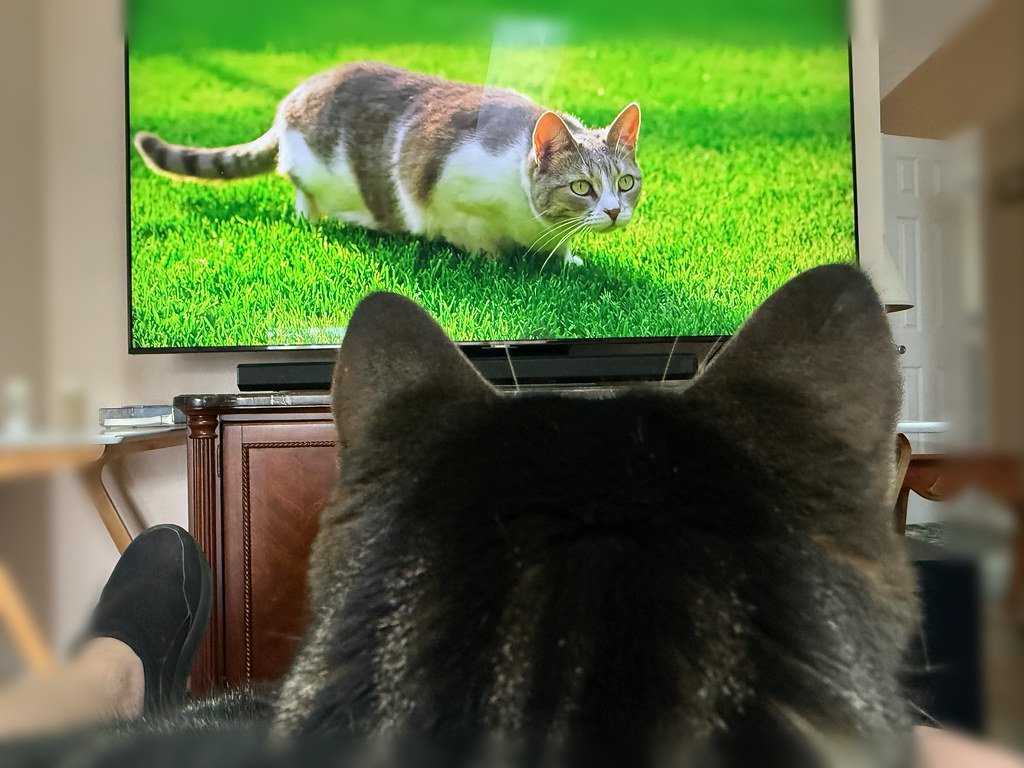
Television brought cats directly into people’s living rooms, creating an intimate viewing experience that deepened the human-feline bond. Shows like “Lassie” may have featured dogs, but countless commercials and variety shows showcased cats performing tricks and displaying personality. The medium’s ability to capture close-up expressions made cats perfect television subjects, their subtle facial movements translating beautifully on screen. Children’s programming embraced cartoon cats, from Tom and Jerry to Garfield, creating characters that transcended cultural boundaries. Television also introduced the concept of celebrity cats, with some felines becoming household names through regular appearances. The small screen’s influence helped normalize cats as family members rather than just working animals.
The Internet Revolution: Cats Go Digital

The internet transformed cats from beloved pets into global phenomena, creating the first truly democratic platform for feline fame. Early websites dedicated to cats proved that people had an insatiable appetite for cat content, leading to the development of entire online communities. Email forwards featuring funny cat photos became one of the internet’s first viral content types, establishing patterns that continue today. The rise of digital cameras made it easier than ever to capture and share cat moments, democratizing pet photography. Online forums allowed cat enthusiasts to connect across geographical boundaries, sharing advice, stories, and photos. This digital revolution set the stage for cats to become the internet’s unofficial mascots.
YouTube and the Video Cat Explosion

YouTube’s launch in 2005 coincided perfectly with the rise of affordable video recording technology, creating the perfect storm for cat video domination. Early viral sensations like “Keyboard Cat” and “Nyan Cat” demonstrated that simple cat videos could reach millions of viewers and generate significant revenue. The platform’s algorithm seemed particularly favorable to cat content, as viewers consistently engaged with feline videos through likes, shares, and comments. Professional content creators began building entire channels around their cats, transforming pet ownership into viable careers. YouTube’s global reach meant that cats from different countries could achieve international fame, creating a truly worldwide cat culture. The platform essentially turned every cat owner into a potential filmmaker and their pets into possible stars.
Social Media Dominance: Instagram and Beyond

Instagram’s photo-centric format proved ideal for showcasing cats’ photogenic qualities, leading to millions of feline accounts with massive followings. The platform’s filters and editing tools allowed cat owners to enhance their pets’ natural beauty, creating increasingly sophisticated cat photography. Cats like Grumpy Cat and Lil Bub became millionaire influencers, earning money through merchandise, endorsements, and appearances. The hashtag system enabled cat content to reach targeted audiences, creating niche communities around specific breeds, behaviors, or aesthetic styles. Instagram Stories and Reels added new dimensions to cat content, allowing for more dynamic and interactive feline media. The platform’s visual nature perfectly complemented cats’ natural appeal, making them some of social media’s most successful content creators.
TikTok Takes the Crown: Short-Form Cat Content

TikTok’s short-form video format and powerful algorithm created the perfect environment for cat content to reach unprecedented audiences. The platform’s emphasis on quick, entertaining videos matched perfectly with cats’ natural tendency to do amusing things in brief moments. Viral cat trends on TikTok can generate billions of views within days, demonstrating the incredible reach of modern social media platforms. The app’s music integration allows creators to pair cat videos with trending sounds, creating new forms of entertainment that blend audio and visual elements. Young users, who make up TikTok’s primary demographic, have shown particular enthusiasm for cat content, suggesting that feline popularity will continue growing. TikTok’s international reach has also introduced audiences to cats from different cultures, further globalizing cat appreciation.
The Science Behind Cat Appeal: Why We Can’t Resist

Scientific research has revealed that humans are biologically programmed to find cats appealing, with their large eyes and soft features triggering parental instincts. The frequency of a cat’s purr, typically between 20-50 Hz, has been shown to have therapeutic effects on human health, potentially lowering blood pressure and promoting healing. Cats’ behavior patterns align remarkably well with modern human lifestyles, offering companionship without the demanding needs of other pets. Their independent nature appeals to busy individuals who want animal companionship without constant attention requirements. Studies have shown that watching cat videos can boost mood and energy levels, providing scientific backing for their internet popularity. The evolution of cat facial expressions specifically to communicate with humans demonstrates thousands of years of co-evolution that continues today.
Cultural Impact: How Cats Changed Human Society

Cats have fundamentally altered human language, contributing thousands of phrases and expressions to cultures worldwide, from “cat’s out of the bag” to “curiosity killed the cat.” Their influence on art, literature, and music spans centuries, inspiring everything from ancient Egyptian sculptures to modern pop songs. The pet industry, largely driven by cat ownership, represents a multi-billion dollar global economy affecting everything from veterinary medicine to furniture design. Cats have influenced urban planning, with cities designing spaces to accommodate both feral and domestic feline populations. Their role in pest control has shaped agricultural practices and public health policies throughout history. Modern architecture increasingly considers cat-friendly features, from built-in climbing structures to specialized windows, showing how deeply cats have integrated into human living spaces.
The Economic Powerhouse: The Cat Industry Today

The global cat economy generates hundreds of billions of dollars annually, encompassing everything from food and veterinary care to entertainment and tourism. Celebrity cats can earn six-figure incomes through social media partnerships, merchandise sales, and appearance fees, creating a new category of animal entrepreneurs. Cat cafes have become international businesses, combining hospitality with animal welfare to create unique customer experiences. The pet insurance industry has grown exponentially, largely driven by cat owners seeking comprehensive healthcare coverage for their felines. Specialized cat products, from high-tech litter boxes to designer furniture, represent rapidly growing market segments. The economic impact extends beyond direct cat-related businesses, influencing industries like real estate, where pet-friendly properties command premium prices.
Challenges and Controversies: The Dark Side of Cat Fame

The rise of internet cat culture has created concerning trends, including the overbreeding of cats with extreme physical features that can cause health problems. Some viral cat videos inadvertently promote harmful situations, as creators seek increasingly dramatic content to gain views and engagement. The pressure on cats to perform for cameras can create stress and behavioral issues, particularly when owners prioritize content creation over animal welfare. Feral cat populations have exploded in some areas, partly due to increased cat ownership without corresponding spay and neuter programs. The commercialization of cat culture has led to exploitation concerns, with some animals being treated more as products than living beings. Environmental impact studies show that outdoor cats significantly affect local wildlife populations, creating tension between cat lovers and conservationists.
The Future of Feline Fame: What’s Next for Cats

Emerging technologies like virtual reality and artificial intelligence are creating new opportunities for cat content, from interactive VR experiences with famous felines to AI-generated cat personalities. Genetic research is revealing new insights into cat behavior and health, potentially leading to even closer human-feline relationships through improved understanding. The development of smart home technology specifically designed for cats suggests that future homes will be even more feline-friendly than current spaces. Climate change and urbanization are reshaping how cats live and interact with humans, potentially strengthening the indoor pet relationship. International space agencies are even considering cats as potential companions for long-term space missions, recognizing their positive psychological effects on humans. The next chapter of cat evolution may involve digital immortality, as artificial intelligence preserves the personalities of beloved pets beyond their natural lifespans.
Global Variations: Cats Around the World

Different cultures have developed unique relationships with cats, from Japan’s maneki-neko good fortune symbols to Turkey’s special reverence for street cats. Islamic tradition holds cats in high regard due to Prophet Muhammad’s documented affection for his cat Muezza, influencing Middle Eastern attitudes toward felines. In some Asian cultures, cats are believed to possess spiritual abilities, leading to their integration into religious and cultural practices. European countries have developed distinct cat breeds that reflect local preferences and environmental conditions, from the robust Norwegian Forest Cat to the elegant Russian Blue. Modern globalization has created fascinating hybrid cultures where traditional cat beliefs merge with internet cat culture, creating new forms of feline appreciation. International cat rescue organizations now coordinate across borders, demonstrating how cat welfare has become a global humanitarian concern.
The journey from sacred temple guardian to viral video star represents more than just changing trends – it reveals something fundamental about the human condition and our need for connection. Cats have mastered the art of being simultaneously independent and affectionate, mysterious yet familiar, wild yet domestic. Their conquest of human hearts and digital screens wasn’t planned or orchestrated, but rather represents the perfect alignment of feline nature with human desires. As we continue to document every whisker twitch and purr, we’re not just entertaining ourselves – we’re participating in one of the longest-running partnerships in human history. What started in ancient Egyptian temples has evolved into a global phenomenon that shows no signs of slowing down, proving that some conquests are won not through force, but through the simple power of being irresistibly, authentically feline.