
You might walk through a forest and think you’re seeing trees standing alone, competing for light and water. What if I told you there’s an invisible internet beneath your feet, older than civilization itself? The truth is, fungi are running a show we’re only beginning to understand.
These organisms are neither plant nor animal, yet they’re absolutely everywhere. Think about it. From the bread on your table to the medicine in your cabinet, from the soil beneath your garden to the wood slowly rotting on a forest floor, fungi are at work. Some glow in the dark like tiny alien lanterns. Others stretch for miles underground, connecting entire forests in ways that sound like science fiction.
Let’s be real, most of us only notice fungi when mushrooms pop up after rain or when mold ruins our leftovers. Yet these peculiar life forms are doing some of the most important work on the planet. They’re keeping forests alive, cycling nutrients, storing carbon, producing life saving drugs, and they’ve been doing it for hundreds of millions of years. So let’s dive in.
The Underground Internet: How Fungi Connect Entire Forests
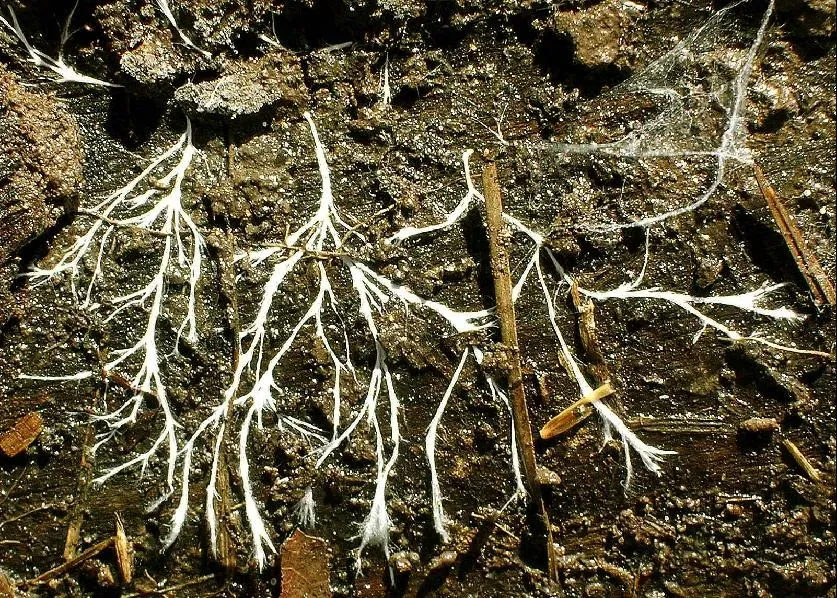
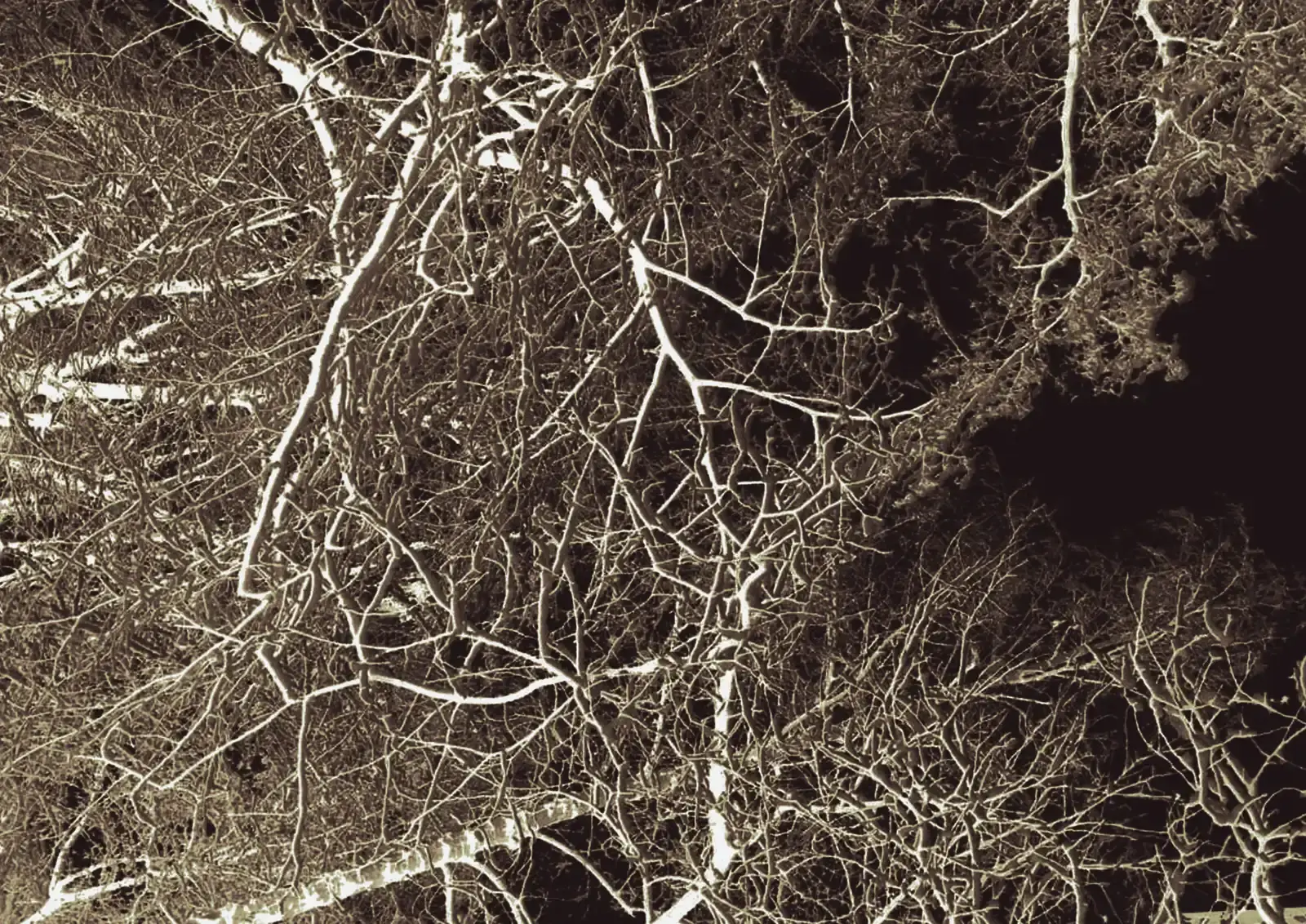
Mycorrhizal networks comprise interconnected hyphae, forming a mycelium that functions as a living pipeline system, channeling resource, and signaling molecules between plants and soil. These thread like structures, finer than a human hair, weave through the earth creating what scientists now call the wood wide web. Mycorrhizal networks were discovered in 1997 by Suzanne Simard, professor of forest ecology at the University of British Columbia in Canada. Simard grew up in Canadian forests where her family had made a living as foresters for generations. Her field studies revealed that trees are linked to neighboring trees by an underground network of fungi that resembles the neural networks in the brain.
Here’s the thing. In healthy forests, each tree is connected to others via this network, enabling trees to share water and nutrients. A linchpin in the tree-fungi networks are hub trees. Also referred to as “mother trees,” these are the older, more seasoned trees in a forest. Typically, they have the most fungal connections. It’s honestly kind of beautiful. These ancient trees detect when younger saplings are struggling and funnel resources to them through the fungal web, almost like a parent caring for offspring.
Mycorrhizae are symbiotic associations between most terrestrial plants and certain groups of fungi, occurring in over 90% of plant species and across nearly all terrestrial ecosystems. The arrangement is simple but elegant: plants provide carbon to fungi, which, in return, supply soil-derived nutrients and confer additional benefits, such as enhanced growth and reduced susceptibility to environmental stresses like drought and salinity.
The Carbon Keepers: Fungi’s Critical Role in Climate Change
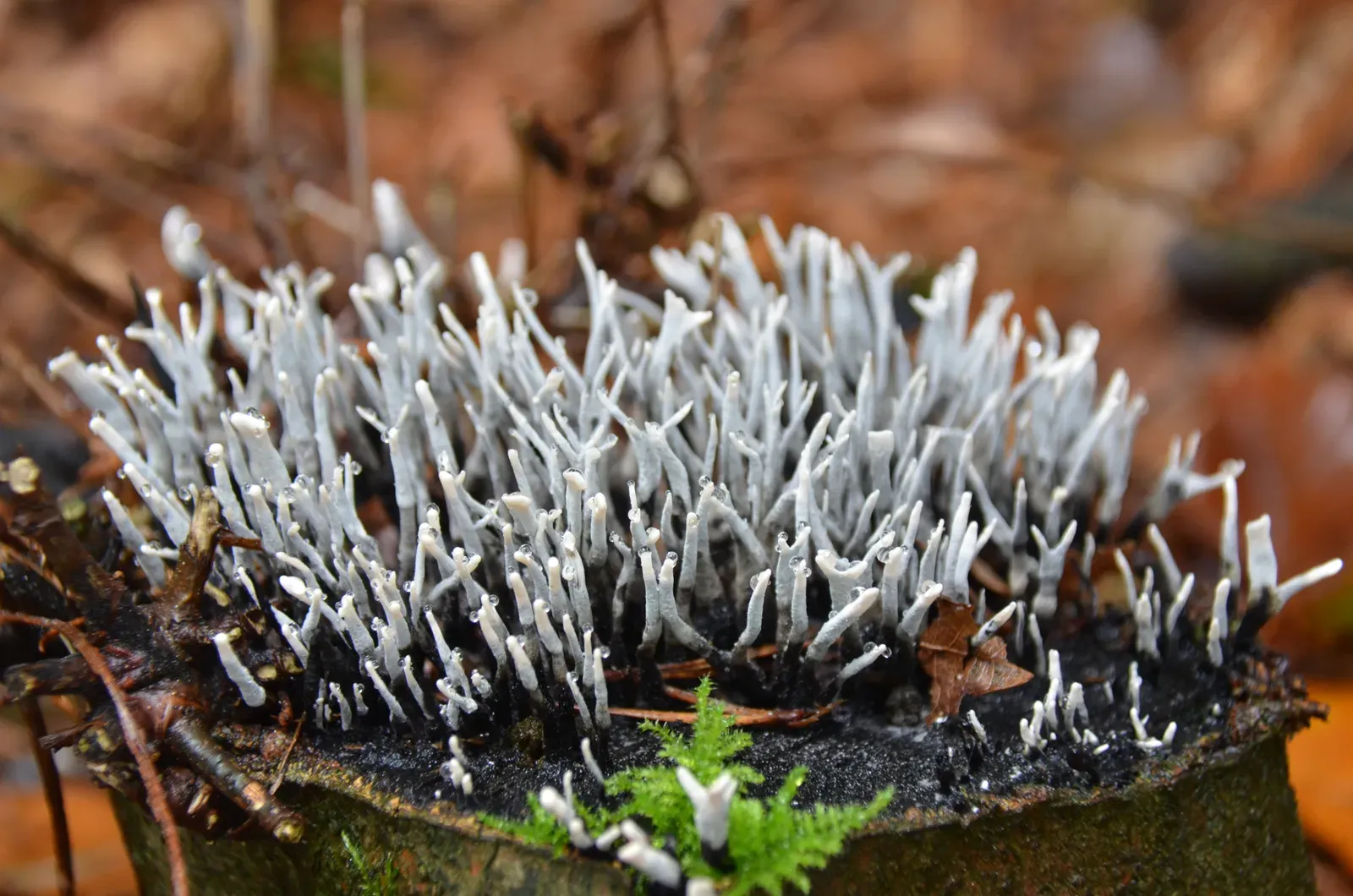
You probably haven’t heard this stat before, but estimates suggesting that nearly one-third of annual fossil fuel CO₂ emissions are directed to mycelial biomass. That’s enormous. Researchers estimated that the fungi receive the equivalent of 13 billion tons of carbon dioxide (CO2) annually from plants – equal to 36% of current annual fossil fuel emissions.
Mycorrhizal fungi also have an outsize role in the decomposition of dead plants and the release of carbon. And since Earth’s soil contains more than three times as much carbon as its atmosphere, what fungi do in the soil could dramatically affect climate change. This is huge, honestly. We talk endlessly about planting trees to fight climate change, yet we ignore the underground partners that make those trees effective carbon sinks.
Fungi play a key role in the global carbon cycle as the main decomposers of litter and wood. Although current climate models reflect limited functional variation in microbial groups, fungi differ vastly in their decomposing ability. Some species break down wood slowly, locking carbon away for decades. Others work quickly, releasing carbon back to the atmosphere. The hyphal extension rate – or fungal growth rate – is the strongest single predictor of fungal-mediated wood decomposition. The decomposing ability of fungi varies along a spectrum: Slow-growing, stress-tolerant fungi are poor decomposers; fast-growing, highly competitive fungi have fast decomposition rates.
Nature’s Pharmacy: Medicinal Molecules from Fungi
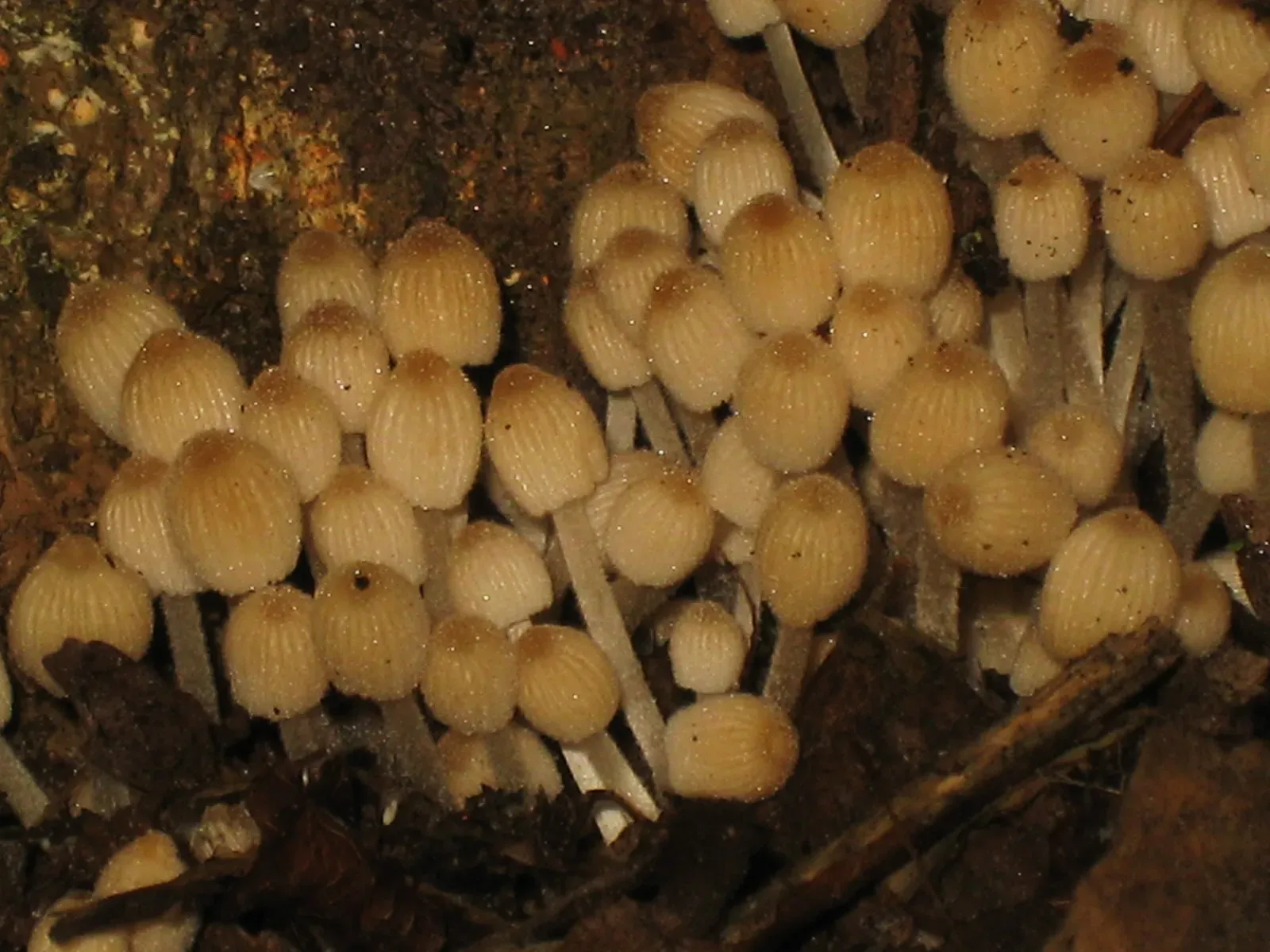
Fungi have given us some of medicine’s greatest hits. The discovery of penicillin in the 1940s drew the attention of the scientific world to the incredible potential of fungi as a source of therapeutic small molecules. A chance observation of antibiotic antagonism by a contaminant mould on a Petri dish resulted in the eventual discovery of a highly effective antibiotic that would change the course of history.
Then there’s cyclosporin. Tolypocladium inflatum, an entomopathogenic fungus whose spore forming structures emerge out of beetle larvae, is the source of cyclosporin A. Cyclosporin A inhibits the calcineurin pathway which blocks T-cell activation in humans and has proved pivotal for the field of organ transplantation. Prior to the introduction of cyclosporin A, organ transplantation was considered more of an experimental field of surgery rather than a genuine therapeutic solution, with few patients surviving more than a few weeks. Let that sink in. A fungus that naturally infects beetles gave us the ability to transplant human organs successfully.
Statins are an important class of cholesterol-lowering drugs; the first generation of statins were derived from fungi. Lovastatin, the first commercial statin, was extracted from a fermentation broth of Aspergillus terreus. Millions take these drugs daily. A compound produced by fungi to deter other fungi inadvertently has benefits for humans due to the similarities in key drug receptors between fungi and humans.
Recently, new drug candidates from fungi have been found with anti-tumor, antihypertensive, immunosuppressant, anti-diarrheal, or anti-mutagenic properties. The medicinal potential is staggering, and we’ve barely scratched the surface.
Glowing in the Dark: The Mystery of Bioluminescent Mushrooms
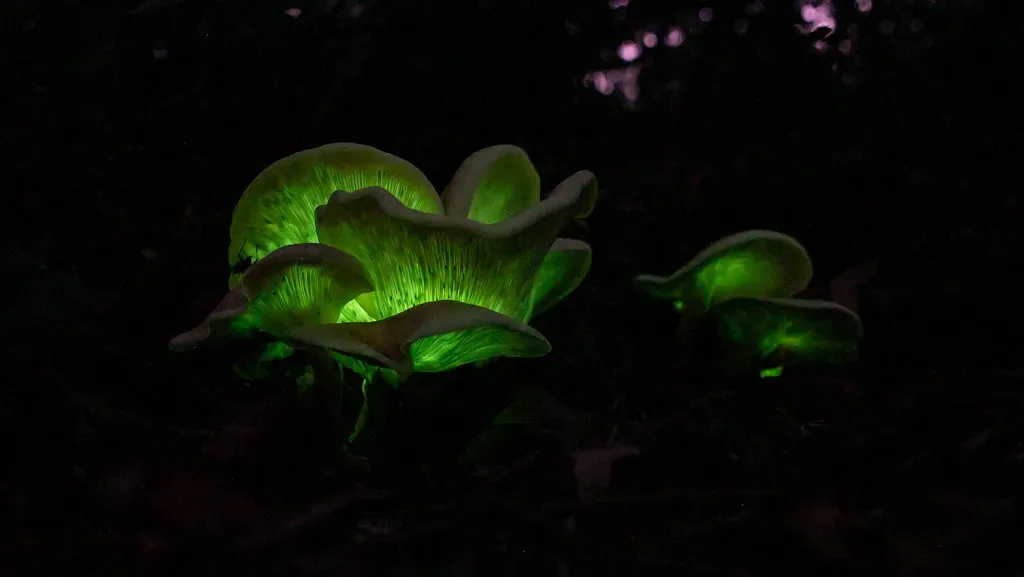
Picture this: you’re hiking through a Brazilian rainforest at night when the forest floor begins to glow with an eerie green light. No, you’re not hallucinating. You’ve stumbled upon bioluminescent fungi. All 65 known luminescent species are mushrooms that form thin-walled white spores for dispersal, and all are white rot fungi capable of digesting both the cellulose and lignin in plant debris. The greatest diversity occurs in the tropics, although a few species grow in temperate habitats. The luminescent fungi glow constantly, emitting a yellowish-green light at a wavelength of 520-530 nanometers.
Why do they glow? Though bioluminescent mushrooms have long been studied by scientists, they weren’t sure why the fungi glowed until 2015, when a team of researchers figured out that the mushrooms use luciferins – light-emitting compounds found in other glowing animals and plants – to attract insects. The bugs then help spread their spores to sheltered places in the forest, which helps the mushroom species survive. It’s hard to say for sure, but it seems like a pretty clever evolutionary trick.
One highlight in this lush zone is the world’s highest concentration of glowing mushrooms. University of São Paulo associate professor Cassius Stevani leads visitors on nighttime hunts for neon fungi at the IPBio Betary Reserve, a 148-acre stretch of rainforest dedicated to conservation, research, and sustainable tourism. The Mycenoid lineage (Favolachia, Mycena, Panellus, Prunulus, Roridomyces) has more than 50 species. The genus Mycena alone contains the vast majority of glowing mushrooms on Earth.
Decomposers Extraordinaire: Nature’s Recycling Champions
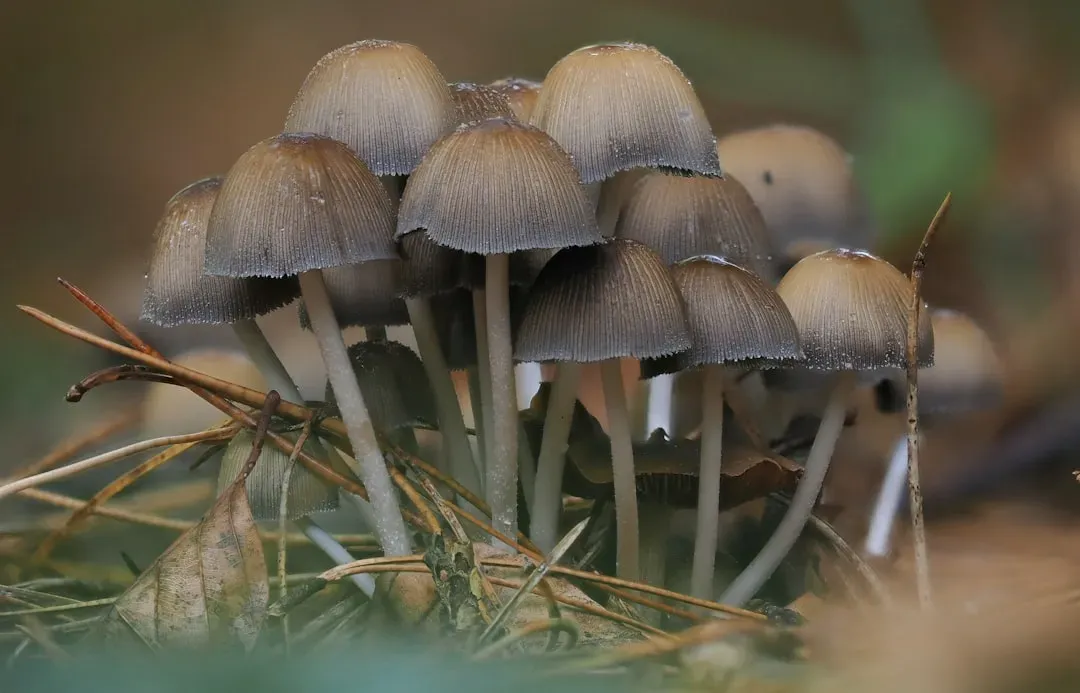
Every fallen leaf, every dead tree, every bit of organic matter in a forest eventually gets broken down and recycled. Guess who’s doing most of that work? Fungi play a critical role in the cycling of nutrients within ecosystems. By decomposing dead organic matter, they help release essential elements like carbon, nitrogen, and phosphorus back into the environment.
Without fungi, forests would be buried under mountains of dead wood and leaves. The nutrients locked in those materials would stay trapped, unavailable to living plants. Fungi are an essential and often underappreciated group of organisms that play a vital role in nutrient cycling and decomposition. As one of the primary decomposers in ecosystems, fungi break down dead organic matter and release nutrients back into the environment, contributing to soil fertility and the overall health of ecosystems.
The green plants fix a great amount of carbon (CO2) and accumulate as different organic molecules mainly as lignocelluloses. Fungi belong not only to an independent group of Eukaryots but they have – in most of the cases – a specific biochemical, physiological ability to decompose organic molecules, to produce substrates of respiration and to mineralize these for the biological cycles of ecosystem. They’re the ultimate cleanup crew, and ecosystems would collapse without them.
Communicating Through Chemistry: How Trees “Talk” Using Fungi
This might sound crazy, but trees actually warn each other about danger through fungal networks. To rule out possible effects from root exudates and mycorrhization, pathogen-challenged donor plant and healthy receiver plant were separated by a waterproof membrane. In the absence of a CMN, the expression of defense-related genes was not significantly affected in the receiver plants. When fungi connected the plants, though, defense genes activated in the healthy trees.
Donor faba bean plants (Vicia faba) infested with aphids, emitted methyl salicylate (MeSA), which acted as a repellent to the aphids and an attractant for their natural enemies, parasitic wasps. The non-infested receiver plants, connected by AM fungi to the donor plant in a CMN, started to emit a mixture of volatile organic compound (VOC) mixtures like that released by the donor plants, especially MeSA, while neighboring plants without CMN connections did not effect such a defensive response.
It’s like an underground alarm system. Through chemical signals and electrical pulses, the trees are able to share information with their neighbours concerning any sign of drought, increase in insects or spreading disease, which can then be relayed forest wide. As a result, the woodland can adapt its growth and behaviour accordingly, in order to increase its chances of survival through even the most trying of times. The sophistication is remarkable.
The Biodiversity Crisis: Most Fungi Remain Undiscovered
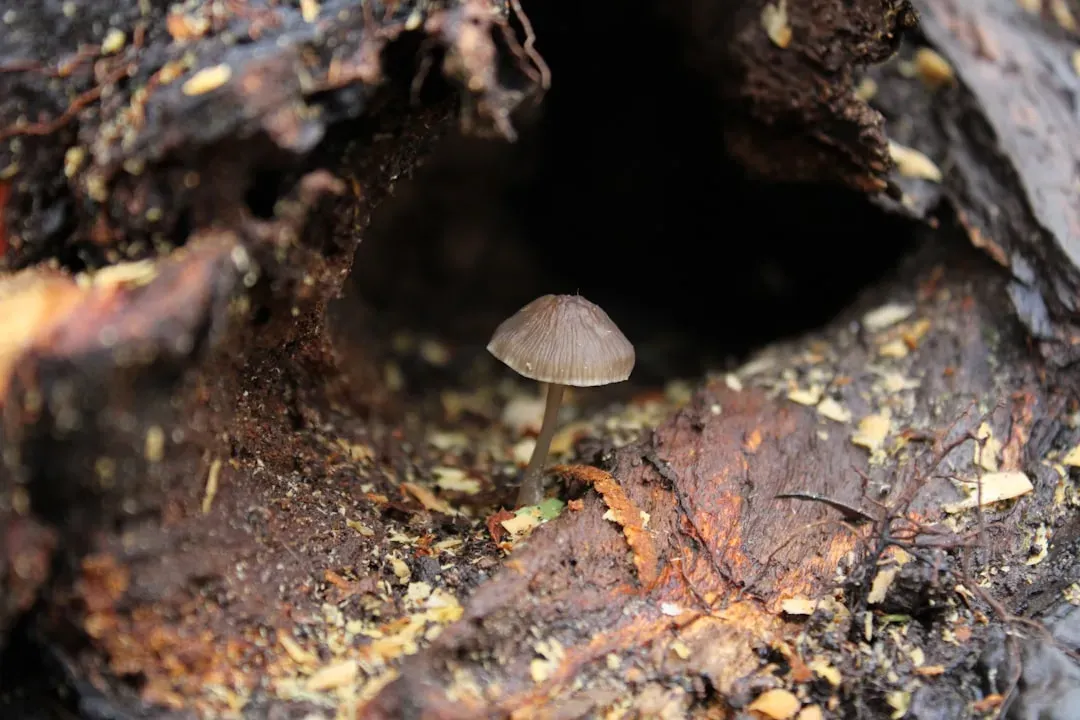
Here’s a sobering fact. It is estimated that only 155,000 of the roughly 2-3 million fungal species on the planet have been formally described. Now, a review published in Current Biology on June 9 shows that as much as 83% of ectomycorrhizal species are so-called dark taxa. Dark taxa are species known only by DNA sequences that scientists can’t link to any described species. They’re genetic ghosts.
The study helps identify underground hotspots of unknown mycorrhizal species occurring in tropical forests in southeast Asia and Central and South America, tropical forests and shrublands in central Africa, Sayan montane conifer forests above Mongolia, and more. Mycorrhizal fungi help regulate Earth’s climate and ecosystems by forming underground networks that provide plants with essential nutrients, while drawing carbon deep into soils. Scientists and conservationists have been racing to find ways to protect these underground fungi, but they keep finding dark taxa – species that are known only by their DNA sequences that can’t be linked to named or described species.
We’re losing species we haven’t even discovered yet. Climate change, deforestation, agriculture – all of these threaten fungal diversity. The irony is brutal: the organisms that could help us fight climate change are being destroyed by climate change itself.
Fungal Farming and Food: Feeding Billions and Beyond

According to recent estimates, the total number of edible and medicinal fungi is over 2300 species. Due to information about a good level of digestible proteins, above that of most vegetables and somewhat less than most meats and milk and trace minerals, the consumption of wild-growing edible mushrooms is on the rise. Mushrooms are valuable healthy and nutritious foods, low in calories, fats, and essential fatty acids and high in vegetable proteins, vitamins, and minerals (iron, zinc, selenium, sodium), chitin, and fibers.
The human uses of mushrooms and cultured mycelium products for nutrition and medicine are detailed and supported by available human studies, which in many cases are clinical trials published in peer-reviewed journals. The major medically active immunomodulating compounds in the cell walls-chitin, beta-glucans, and glycoproteins, as well as lower weight molecules-nitrogen-containing compounds, phenolics, and terpenes-are discussed in relation to their current clinical uses. Fungi contain bioactive compounds with genuine health benefits, from immune system support to cancer prevention.
Beyond nutrition, fungi are transforming agriculture. Beyond their fundamental ecological roles, the applicability of mycorrhizae has attracted significant scientific interest and investment in research. Recent studies have explored the potential of these associations across various fields, ranging from sustainable agriculture – through improved nutrient uptake and reduced fertilizer use, as previously discussed – to applications in biotechnology, reforestation, restoration of degraded areas, and the mitigation of climate change effects.
Conclusion: The Hidden Kingdom That Holds Earth Together
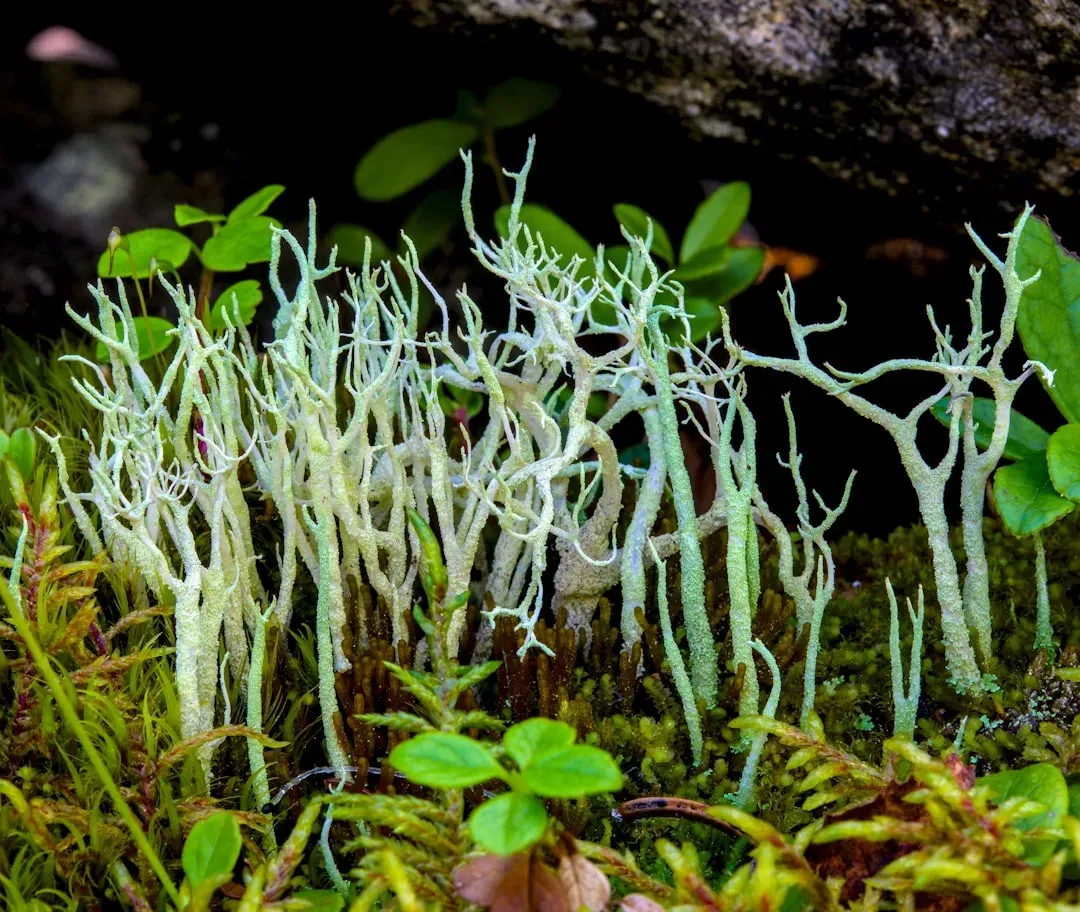
Fungi are the ultimate connectors. They link trees in forests, cycle nutrients through ecosystems, store massive amounts of carbon, produce life saving medicines, and glow mysteriously in the dark. Arbuscular mycorrhizal fungi (AMF) are the basis symbionts in terrestrial ecosystems, profoundly influencing plant development, nutrient acquisition, and resilience to biotic and abiotic stresses.
The symbiotic relationship between AMF and plants was documented 400 million years ago, meaning fungi have been doing this work far longer than humans have walked the Earth. We’ve only recently started to appreciate how fundamental they are. The wood wide web isn’t just a catchy metaphor. It’s a revolutionary understanding of how life on land actually functions.
What’s most striking is how much we still don’t know. The vast majority of fungal species remain undiscovered, their potential untapped, their roles in ecosystems mysterious. Every forest floor hides countless secrets, every handful of soil contains species science has never seen. What do you think we’ll discover next?