Picture this: you’re gazing into a vibrant aquarium, entranced by the hypnotic dance of fish. But what if I told you that some of those shimmering swimmers aren’t even “real” fish, at least not in the way you might believe? The animal kingdom is full of evolutionary surprises—nowhere more so than in the world of so-called “fish” that are, in truth, impostors on the evolutionary family tree. Behind those scales and fins lies a story of mimicry, adaptation, and scientific misdirection that’s as surprising as it is fascinating. Ready to uncover the greatest masquerade in the aquatic world? Let’s plunge into the depths of evolution’s red herrings.
What Makes a Fish a Fish?
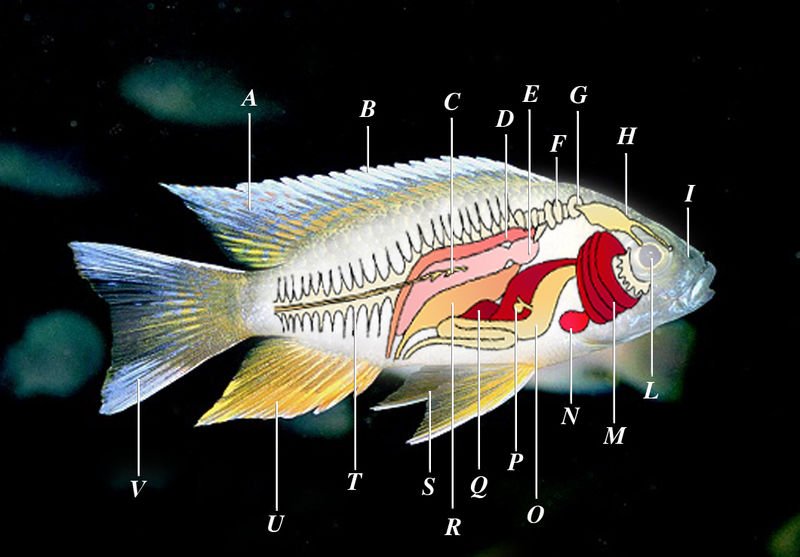
At first glance, defining a fish seems simple: if it swims and has gills, it’s a fish, right? Not so fast. True fish, in scientific terms, belong to a group called “Actinopterygii” (ray-finned fish) and “Chondrichthyes” (cartilaginous fish, like sharks and rays). They share certain features—scales, gills, fins, and a backbone—that set them apart from other aquatic creatures. However, nature loves to blur the lines, and many animals that look, act, or even taste like fish don’t fit this definition. The confusion is understandable, but the details matter. Understanding these distinctions is crucial, because it reveals just how creative evolution can be.
The Rise of Red Herrings: A Deceptive Name
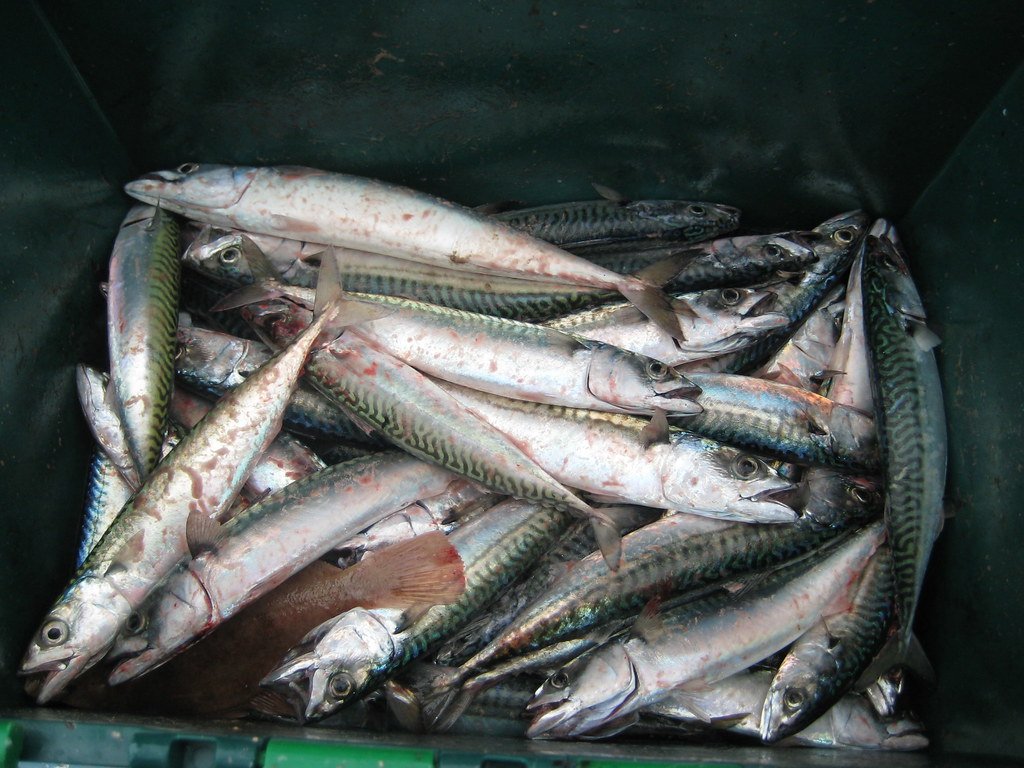
The phrase “red herring” usually refers to a misleading clue, and in the world of fish, it couldn’t be more literal. Red herrings are real fish, but the term has come to represent aquatic animals that trick us into thinking they belong to the same family. These so-called “fake fish” may look the part but are evolutionary outliers. Their resemblance to true fish is often the result of convergent evolution—a process where unrelated species evolve similar traits to adapt to similar environments. This creates a living illusion, fooling both predators and humans alike.
Sea Horses: The Oddballs of the Ocean
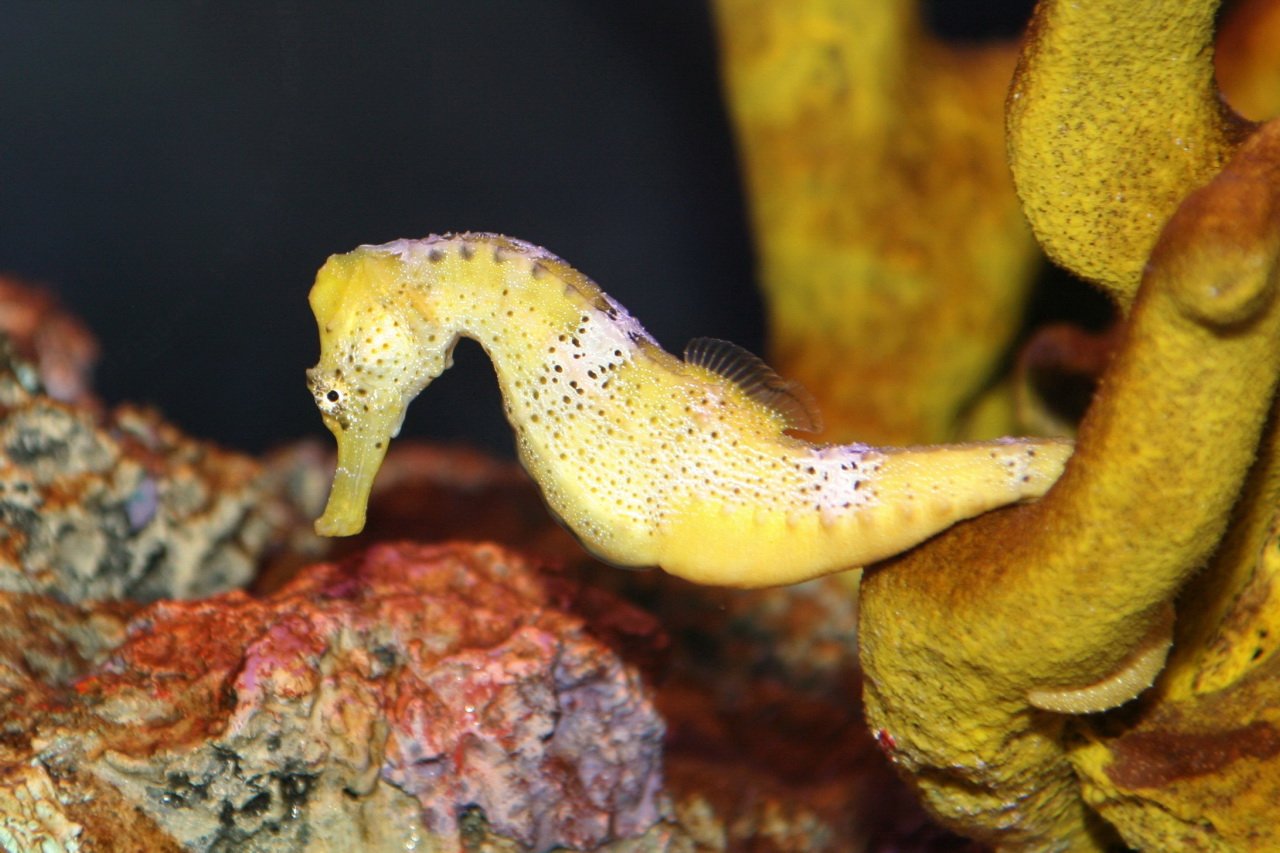
Sea horses are enchanting, with their curled tails and horse-like heads, but they stand out as some of the strangest “fish” in the sea. Despite their odd appearance, sea horses are technically fish, but just barely. Their bodies lack scales and are covered in bony plates, and they swim upright, unlike most fish. Even stranger, it’s the males that get pregnant, carrying the young in a pouch. These quirks make sea horses perfect examples of how evolution can twist the classic “fish” blueprint into something entirely unexpected and magical.
Electric Eels: Shocking Impostors
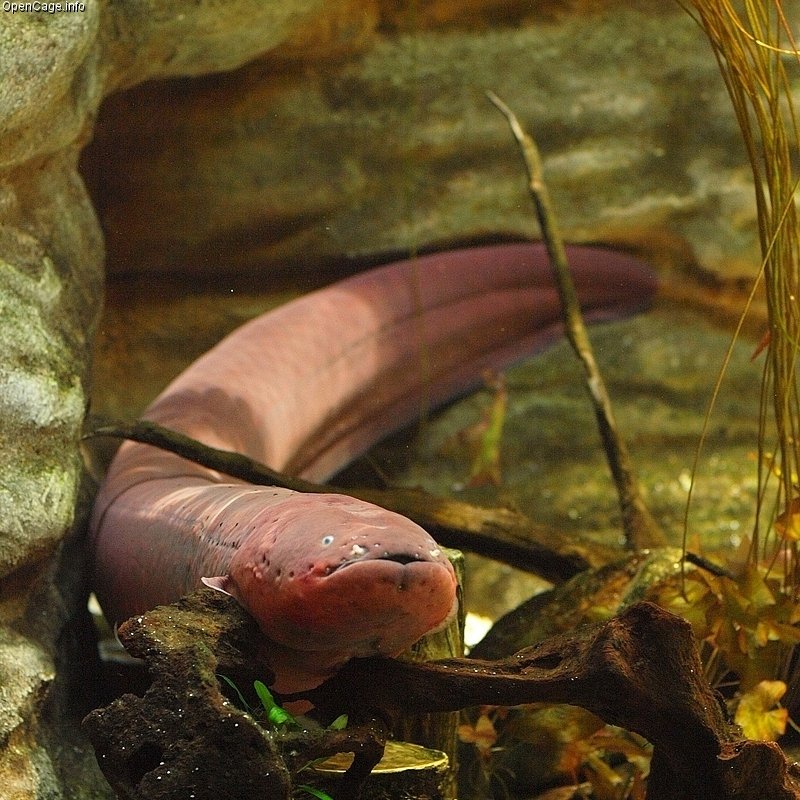
Despite their name and snake-like appearance, electric eels are neither true eels nor traditional fish. They belong to a group called knifefish and are more closely related to catfish than to the slippery eels you might imagine. Electric eels generate powerful electric shocks to stun prey or defend themselves. This extraordinary adaptation helps them thrive in muddy South American rivers, where visibility is low. Their remarkable abilities highlight the creative paths evolution takes, creating creatures that defy their names and our expectations.
Lungfish: Living Fossils with a Secret
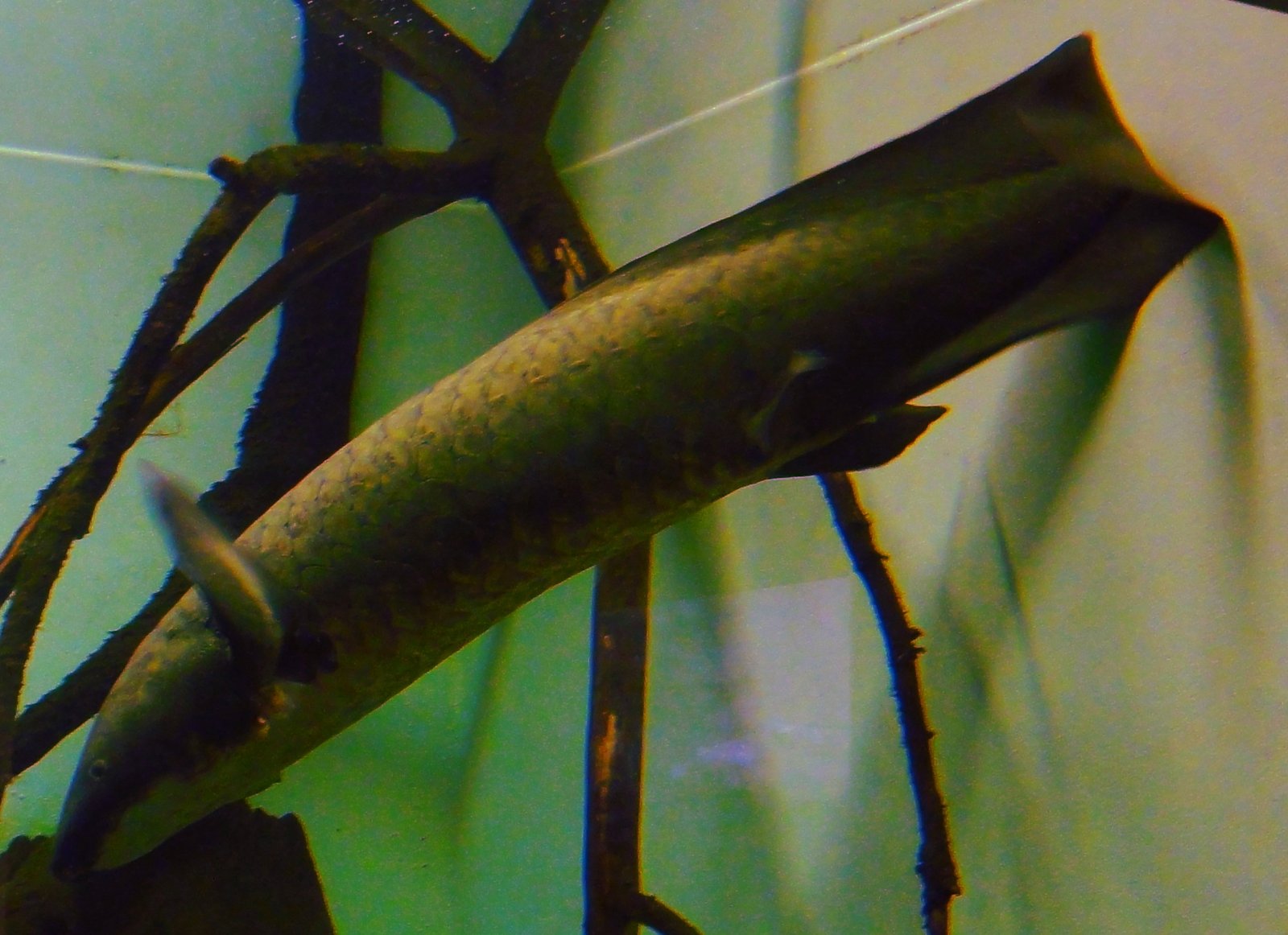
Lungfish look like ordinary fish at first, but they harbor a secret—they can breathe air. In fact, lungfish possess both gills and lungs, allowing them to survive in water or on land when necessary. Some species can even burrow into mud and enter a state of dormancy to survive droughts. This ability dates back hundreds of millions of years, making lungfish some of the oldest living vertebrates on earth. Their strange biology offers a living window into the evolutionary leap from water to land.
Lampreys and Hagfish: The Jawless Wonders
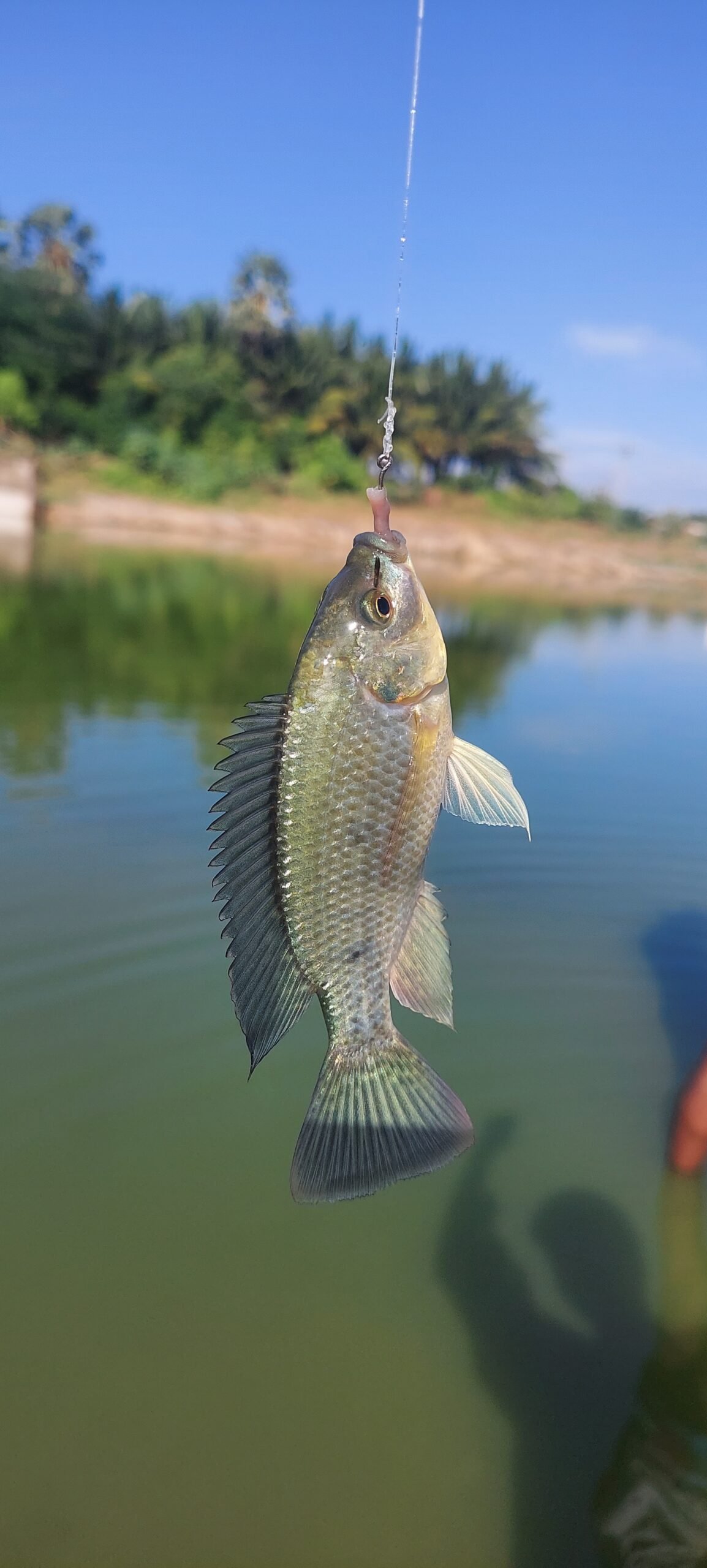
If you’ve ever seen a lamprey, you might mistake it for an eel, but it’s actually something much stranger. Lampreys and their cousins, hagfish, are jawless fish—primitive survivors from a time before jaws even evolved. Their round, suction-cup mouths and eel-like bodies set them apart from other fish. Lampreys latch onto other fish to feed on their blood, while hagfish produce copious amounts of slime for defense. These living relics remind us of the diversity and strangeness of life’s evolutionary experiments.
Flying Fish: Masters of Illusion
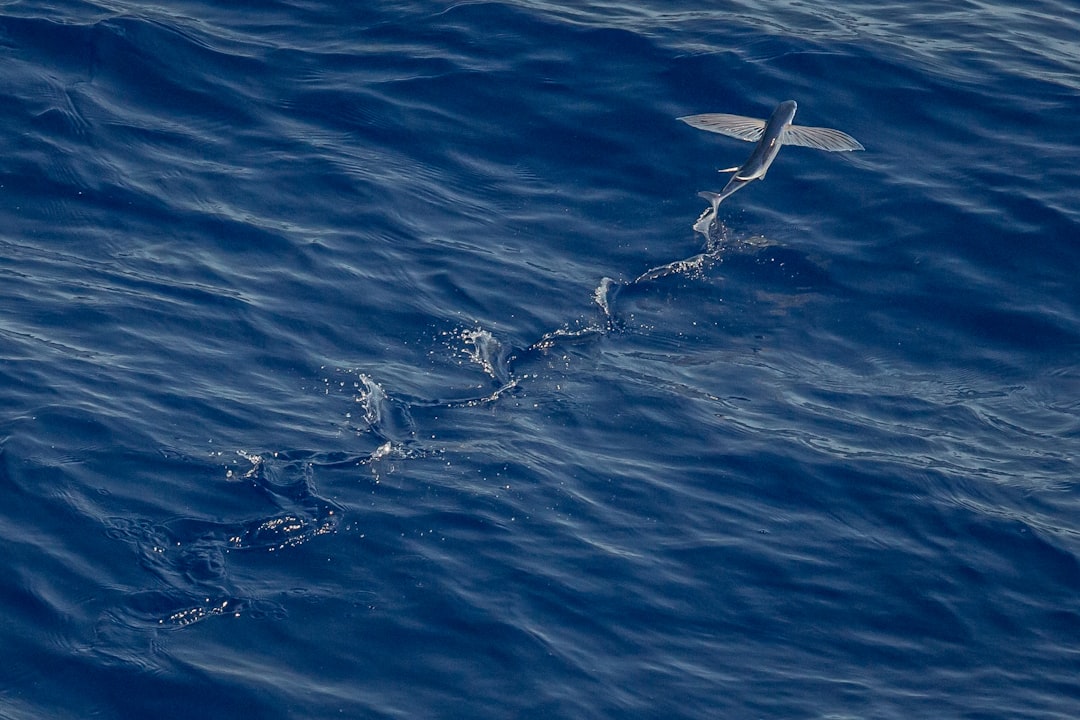
Flying fish don’t truly fly, but their ability to leap out of the water and glide through the air is nothing short of spectacular. With elongated fins that act like wings, these fish can glide for impressive distances to escape predators. Their aerial acrobatics have inspired legends and confused sailors for centuries. This incredible skill is another example of how evolutionary pressures can produce creatures that seem to break all the rules of their group.
Frogfish: The Masters of Disguise
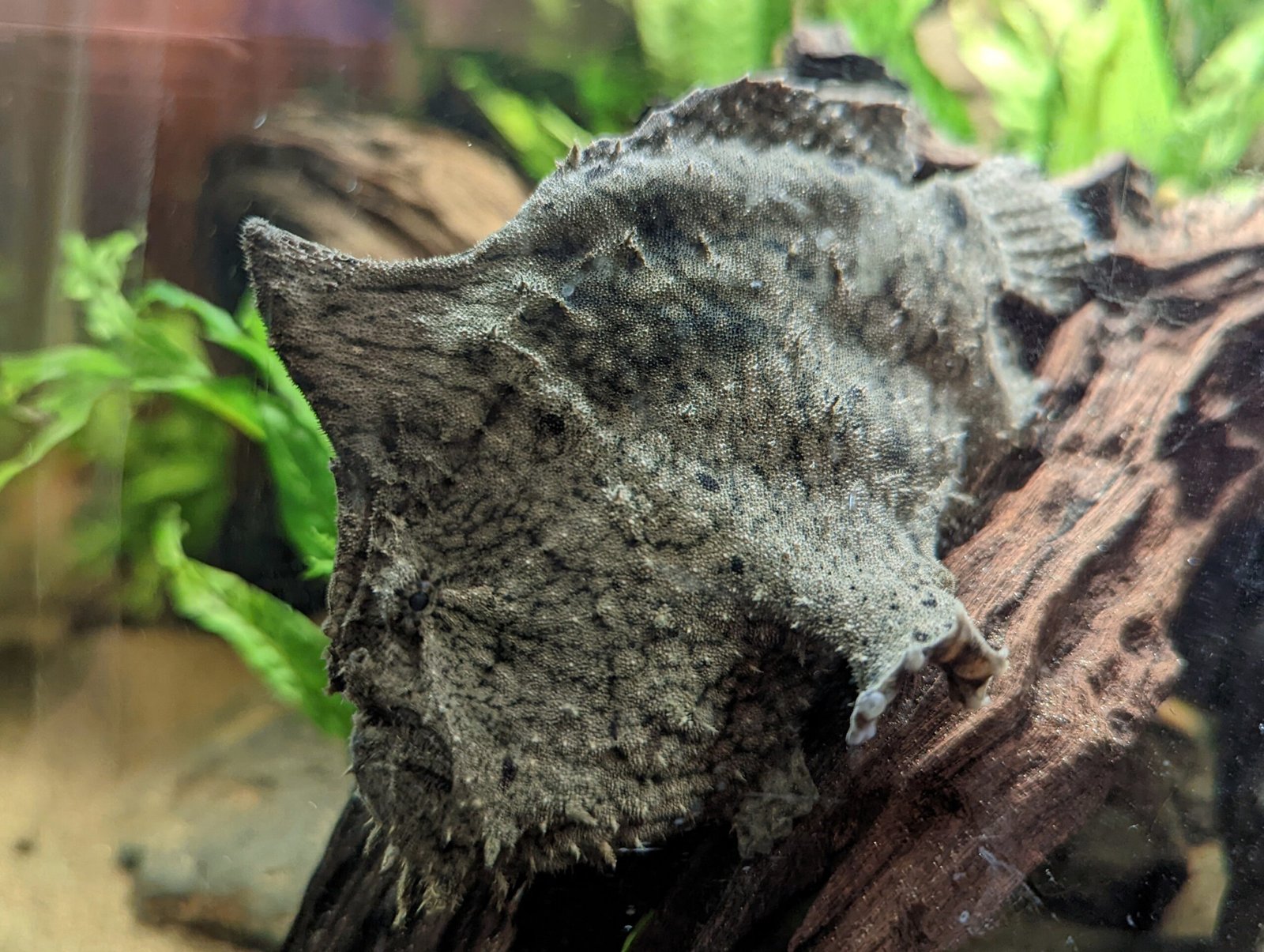
Frogfish are the ultimate masters of disguise, blending seamlessly into sponges and corals with their lumpy bodies and vibrant patterns. They are technically part of the anglerfish family, known for their bizarre appearance and unique way of hunting. Frogfish use a lure on their heads to attract prey, then gulp them down in a split second. Their uncanny camouflage and hunting strategy are perfect examples of evolutionary trickery, making them some of the ocean’s most convincing “fake” fish.
Whale Sharks: The Gentle Giants
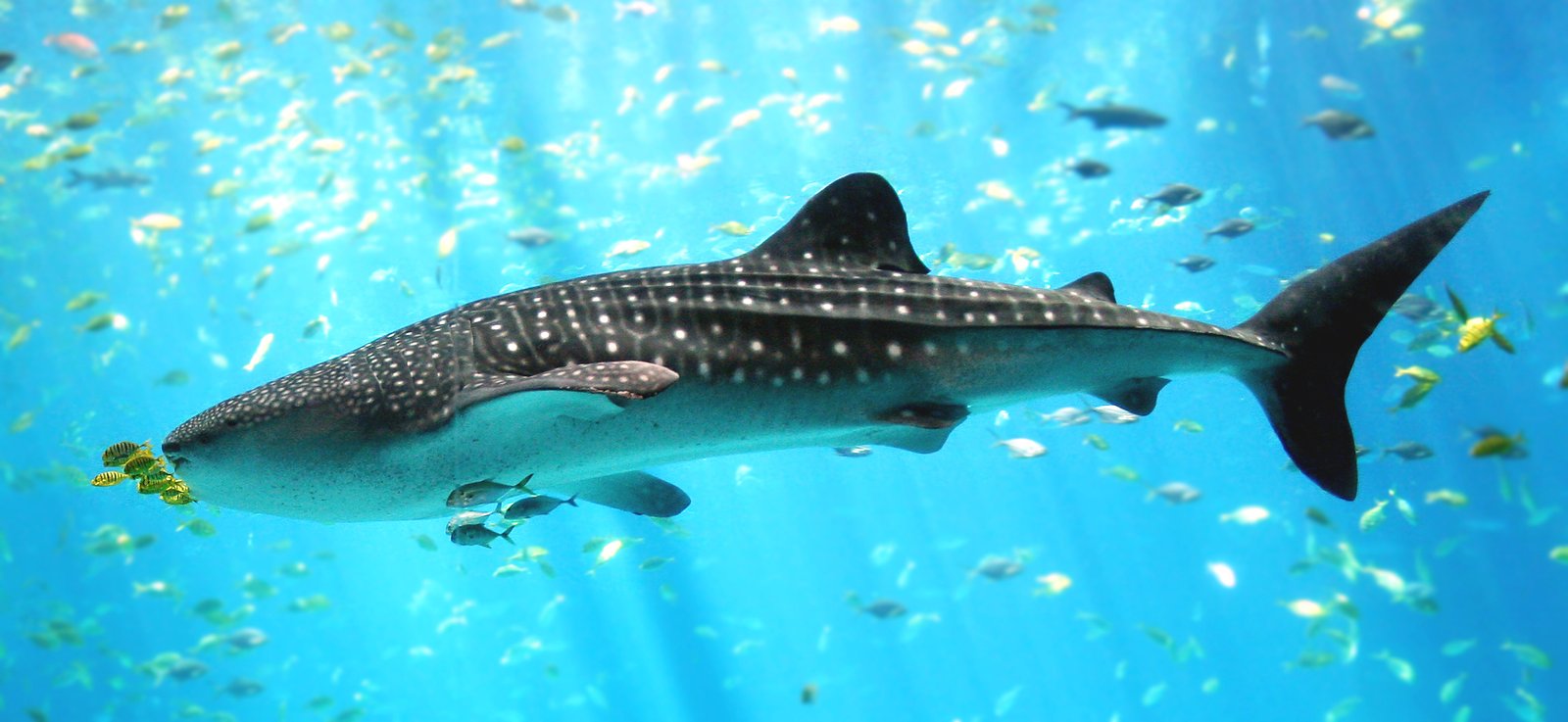
Whale sharks are the largest fish in the world, yet their enormous size and gentle nature often lead people to mistake them for whales. Despite their name, whale sharks are true fish, but their filter-feeding habits and massive mouths set them apart from most other fish. They glide through tropical oceans, hoovering up plankton and small fish as they go. Their size and behavior blur the lines between fish and mammal, demonstrating the incredible range found within the fish family.
Coelacanths: Resurrection of a Legend
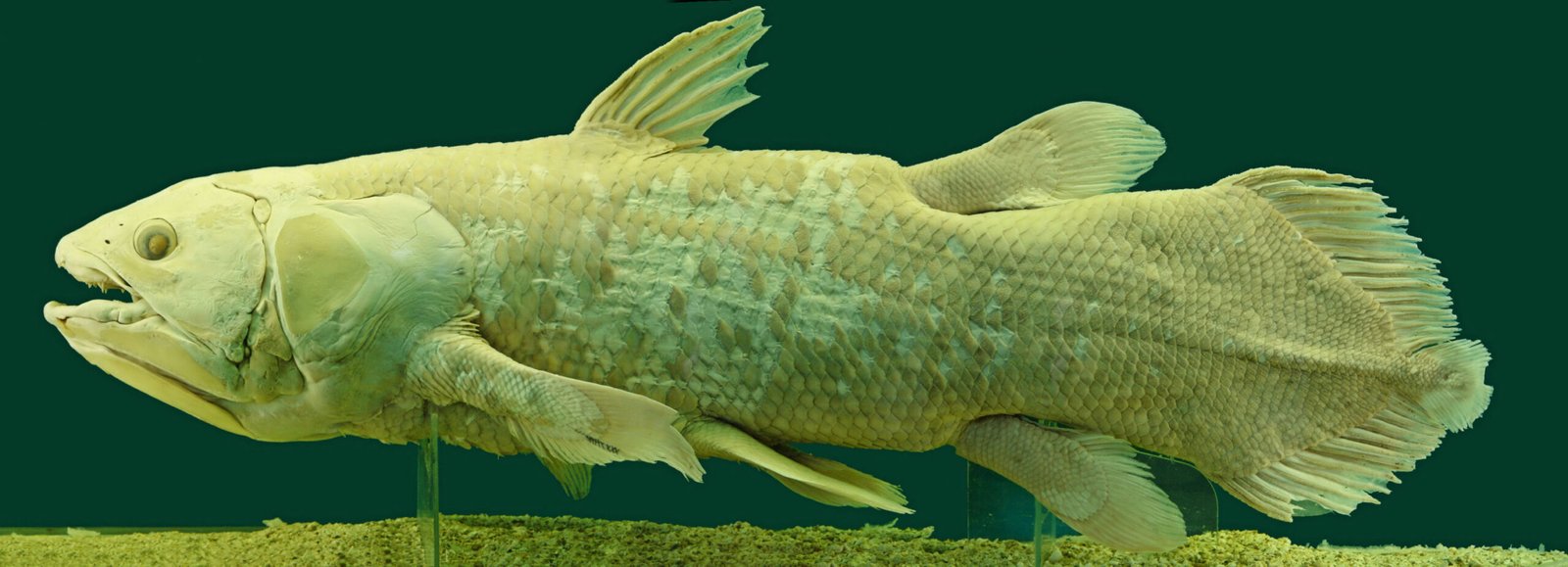
Once thought extinct, coelacanths were rediscovered alive and well in the 20th century, shocking the scientific world. These deep-sea fish are living fossils, with lobed fins that resemble limbs more than traditional fish fins. Their anatomy offers clues about the evolution of land animals, making them a crucial piece of the evolutionary puzzle. The coelacanth’s unlikely survival story is a powerful reminder that nature still holds secrets waiting to be uncovered.
The Blurring Boundaries of Evolution
The animal kingdom is full of creatures that challenge our idea of what a fish should be. From the jawless hagfish to the gliding flying fish, evolution has produced a breathtaking array of forms, each adapted to its environment in unique ways. These so-called “fake fish” are not mistakes—they are masterpieces of adaptation and survival. Their stories invite us to look closer and question the categories we take for granted. In the end, evolution’s red herrings reveal the truth: nature is far more inventive than we ever imagined.