
Somewhere in boiling acid pools, miles under the ocean, and even inside radioactive reactors, life is not just surviving – it is quietly thriving. These organisms are rewriting the rules of biology, turning everything we thought we knew about “the limits of life” into a rough draft at best. They make humans look fragile, like glass in a world built from diamond and steel.
When you first learn about them, it feels like stepping into science fiction, except it is all real and happening right now. These extreme organisms, called extremophiles, are more than scientific curiosities; they’re living clues about the origins of life, the future of medicine, and the possibility that we are not alone in the universe. Once you meet them, it becomes very hard to see ordinary life the same way again.
Life in Boiling Acid: The Heat-Loving Extremists
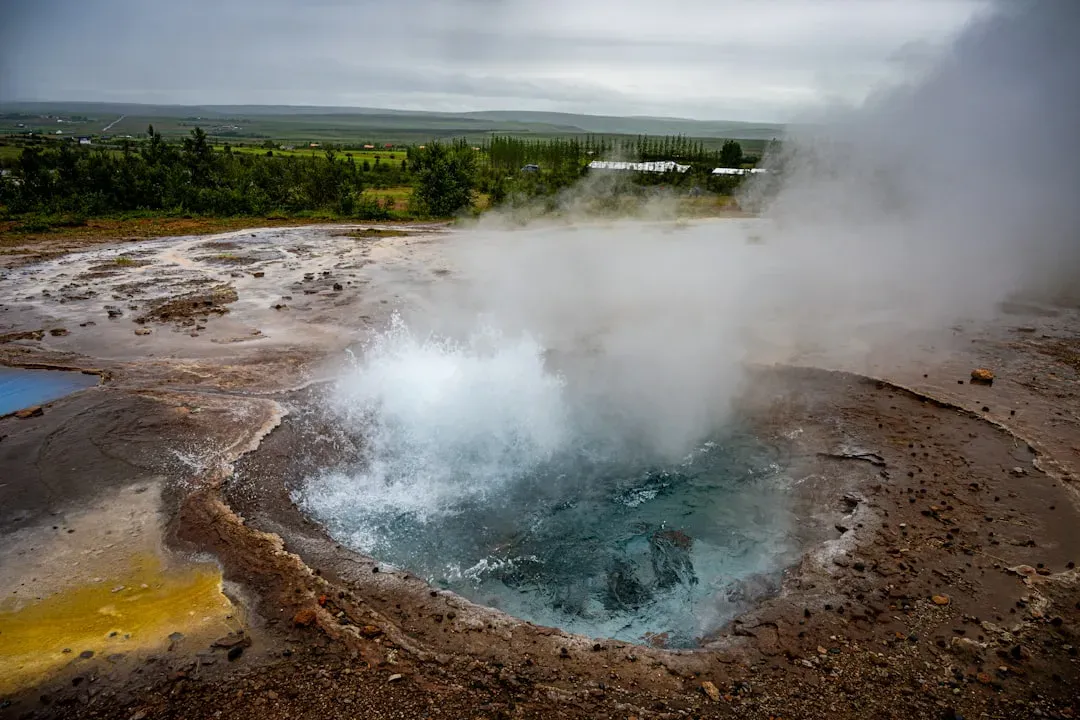
Imagine standing at the rim of a volcano, watching pools of bright-yellow sulfur and steaming, acidic water that would strip the skin from your hand in seconds. In places like Yellowstone’s hot springs or Italy’s volcanic fields, that deadly soup is home to heat-loving microbes called thermophiles and hyperthermophiles. Some of them are perfectly comfortable at temperatures close to or even above the boiling point of water, and a few tolerate acidity that would destroy most laboratory equipment over time.
These organisms have proteins and cell membranes built like reinforced armor; instead of unfolding and falling apart in the heat, their molecules lock tighter, like zippers that close more firmly as things get hotter. Enzymes from these microbes are now essential tools in biotechnology, especially in DNA amplification methods used in medical tests and forensic labs. To put it bluntly, without a thermophile discovered in a hot spring, modern genetic testing would be slower, more expensive, and far less practical than it is today. What looks like a hostile hellscape from far away is, for them, something close to paradise.
Crushed but Unbroken: Creatures of the Deep-Ocean Trenches
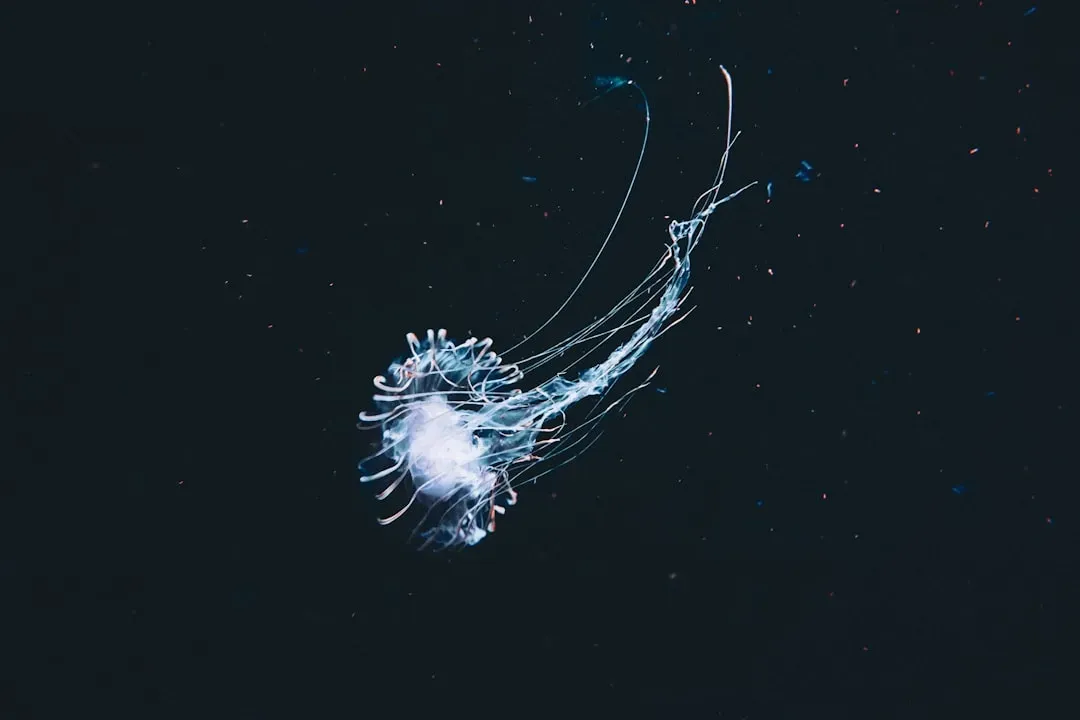
Far below the sunlit surface, in trenches deeper than Mount Everest is tall, life exists under pressures that would flatten a submarine not designed for it. This is the world of deep-sea extremophiles: strange fish with jelly-like bodies, ghostly shrimp, and swarms of microbes living on chemicals instead of sunlight. Down there, light from the surface never arrives, so many organisms rely on chemosynthesis, using hydrogen sulfide, methane, or other compounds from hydrothermal vents and cold seeps as their energy source.
To resist the crushing pressure, these organisms often avoid hard internal structures and instead rely on flexible, gel-like tissues and unique molecules that stabilize their proteins and cell membranes. Some deep-sea microbes can also break down oil and toxic chemicals, which has made them important in discussions about cleaning up spills and pollution. It is a bizarre twist: the creatures that live in the darkest, most remote places on Earth might help fix some of the mess we have created at the surface. The more we explore the deep, the clearer it becomes that we are still beginners when it comes to understanding our own planet.
Frozen but Alive: Survivors of the Eternal Winter
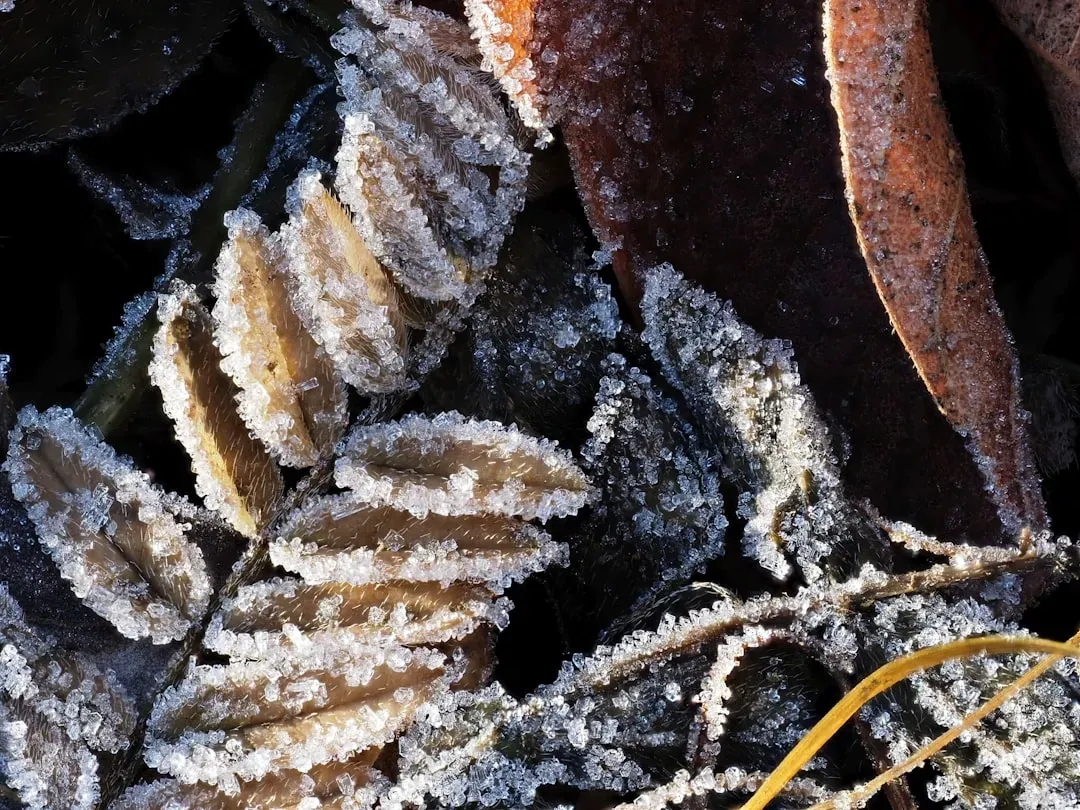
In the coldest corners of Earth, where temperatures stay far below freezing for most of the year, life has mastered the art of almost stopping time. Microbes, tiny animals, and even some plants can survive trapped in ice, sometimes for years and in a few documented cases for timescales that stretch into thousands of years. They do it by producing natural antifreeze molecules, like special sugars or proteins that stop ice crystals from shredding their cells from the inside out.
In polar regions and high mountains, you can find bacteria living between ice crystals, feeding very slowly on traces of nutrients carried by wind or water. Some tiny animals called rotifers and nematodes can dry out almost completely, switching into a dormant state where their metabolism becomes almost undetectable, only to “wake up” when liquid water returns. These survival strategies are now inspiring research into better ways to preserve human cells, tissues, and even organs for transplantation. When you see moss waking up on a rock after a decade under snow, it feels like watching a time traveler returning from a long, silent journey.
Radiation-Eaters and DNA Repair Champions
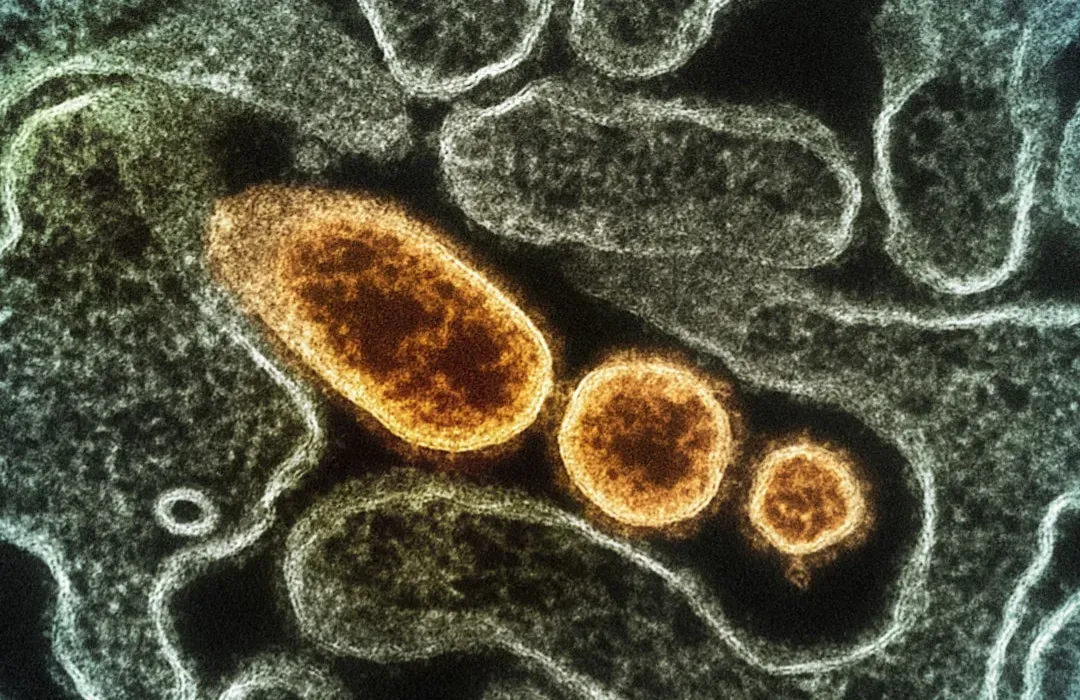
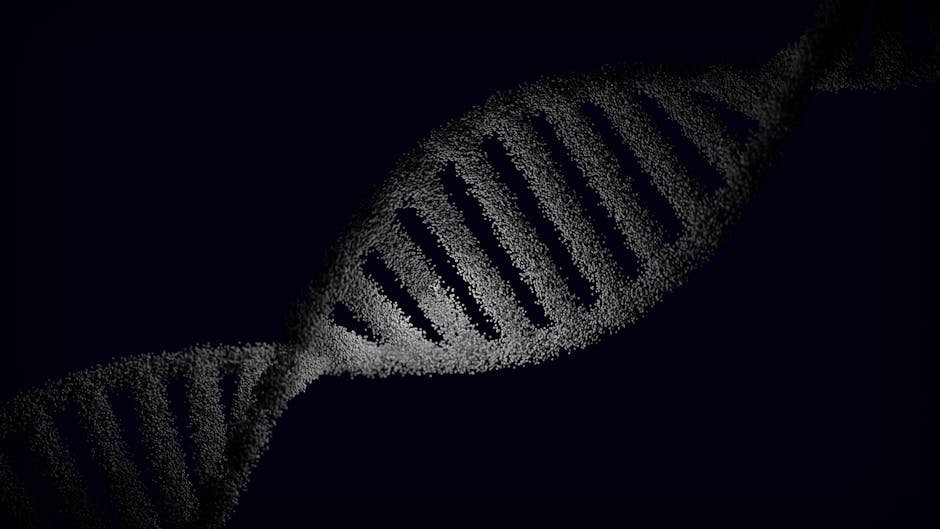
Radiation is one of those things that sounds abstract until you realize how easily it can rip molecules apart, especially DNA. For most living things, high doses of radiation mean lethal damage, cancer, or mutations that quickly spiral out of control. Yet some microbes can endure levels of radiation thousands of times higher than what would kill a human, and they do it so calmly it almost feels unfair.
These organisms survive by treating DNA damage like a routine household chore: they simply repair it faster than it accumulates. Their cells are packed with highly efficient repair systems and protective molecules that shield important components from breaking down. A few of these microbes have also evolved to live in radioactive waste sites and nuclear facility environments, where they feed on chemicals and metals that would be dangerous for us to handle unprotected. Scientists are studying them to design better radiation-resistant materials, improve sterilization methods, and even think creatively about how to clean up contaminated environments without relying only on heavy machinery and concrete walls.
Salt, Poison, and Metal: Thriving in Chemical Nightmares
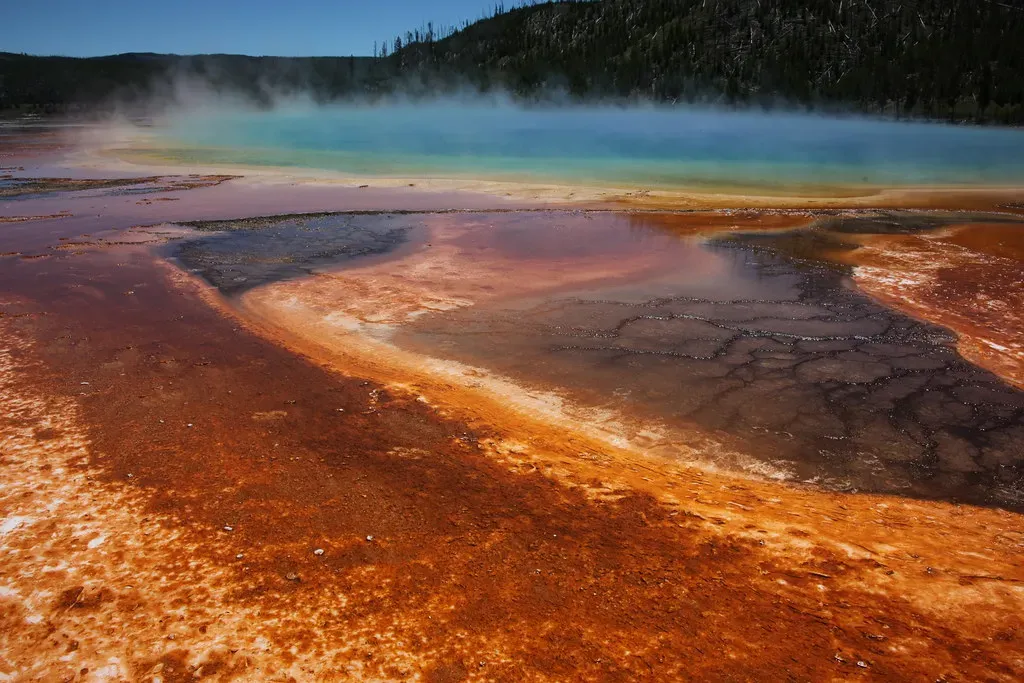
If you have ever spilled salt on a plant by mistake, you know how quickly too much salt can kill. Now picture ponds so salty that a person could float without effort, where most familiar life would shrivel and die in hours. In those waters, salt-loving microbes called halophiles are not just surviving; they flourish, turning lakes shades of pink or red as they multiply. Their proteins and cell structures remain stable even when surrounded by intense salt concentrations that would normally pull water out of cells and destroy them.
Alongside them in harsh environments are organisms that tolerate heavy metals, toxic chemicals, and even industrial pollutants. Some bacteria can transform harmful compounds into less dangerous forms, a trick that has attracted serious attention from environmental engineers looking to clean up contaminated soil and water. There are microbes that can “breathe” metals the way we breathe oxygen, using them in their metabolism and changing their chemical state. What looks like a chemical nightmare to us is, for these organisms, just another set of building blocks to live on.
Life Without Sunlight: Rock, Caves, and the Deep Subsurface
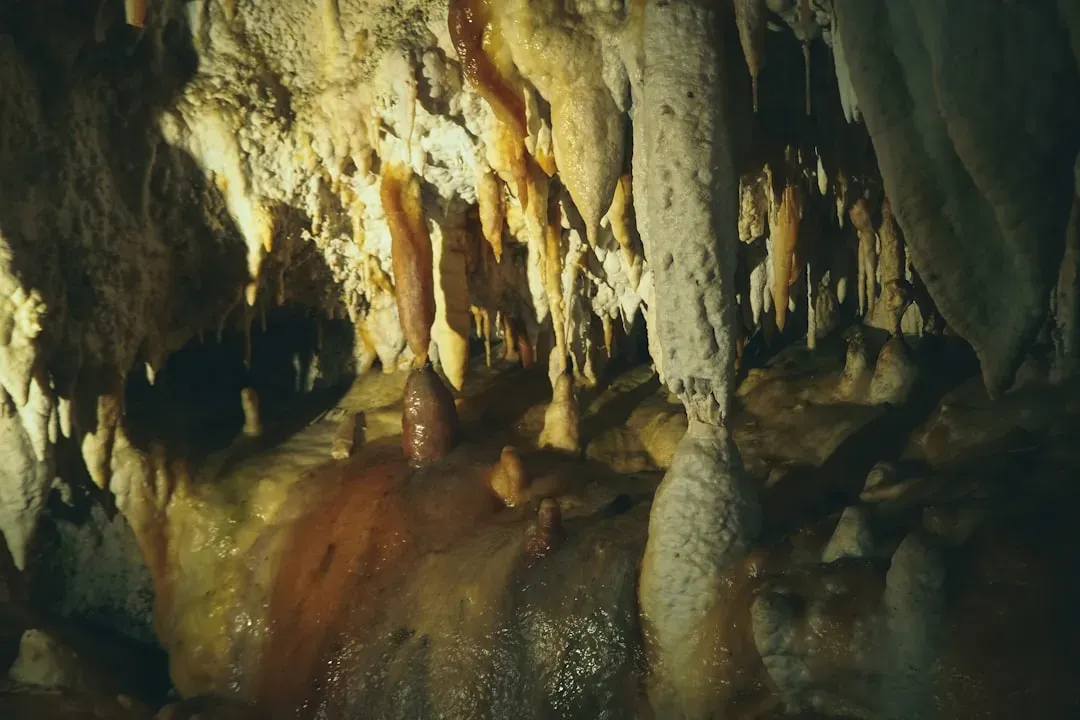
It is easy to assume life is always tied to sunlight, because everything we see on the surface, from forests to cities, ultimately depends on energy from the sun. But deep beneath our feet, kilometers down in rock and sediment, there are entirely different communities of life that have never seen daylight. These subsurface microbes get their energy from chemical reactions between rock, water, and dissolved gases, often using hydrogen, iron, sulfur, or methane as fuel instead of sugars made by plants.
Some of these organisms grow incredibly slowly, dividing only once in many years, but they persist in numbers so large that they probably make up a significant chunk of all the microbes on Earth. They are found in deep boreholes, mines, and oceanic crust, turning what we once thought of as “inert” rock into a hidden ecosystem. This kind of life is especially interesting for astrobiology, because planets and moons with underground oceans or warm interiors might host similar communities. It suggests that even if the surfaces of other worlds look dead, their depths might tell a completely different story.
Tardigrades and Other Tiny Tanks: Micro-Animals That Refuse to Die
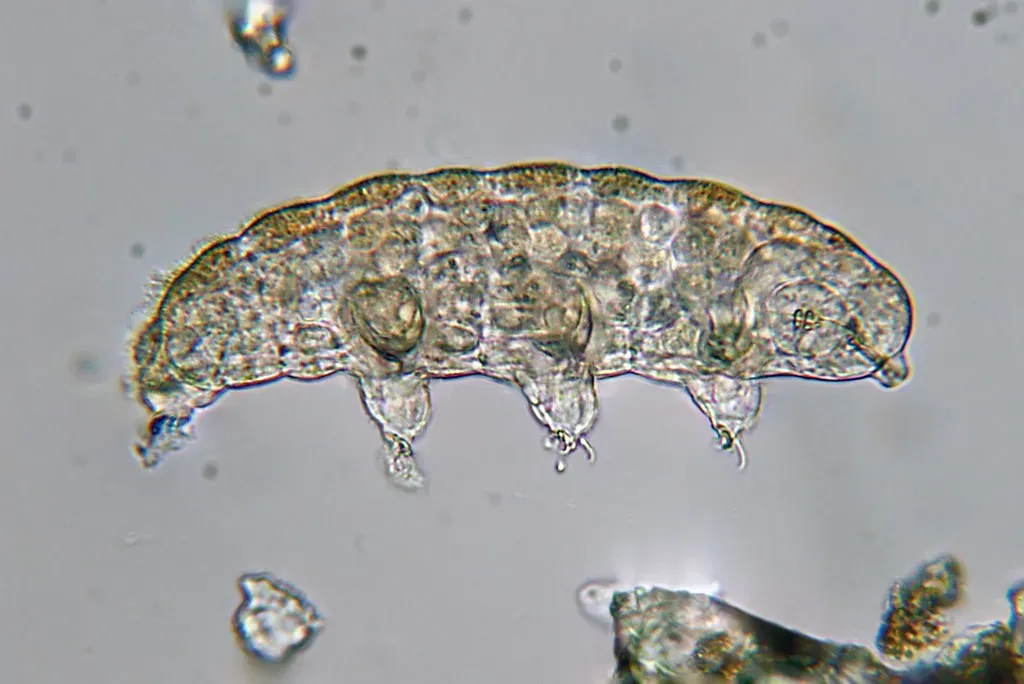
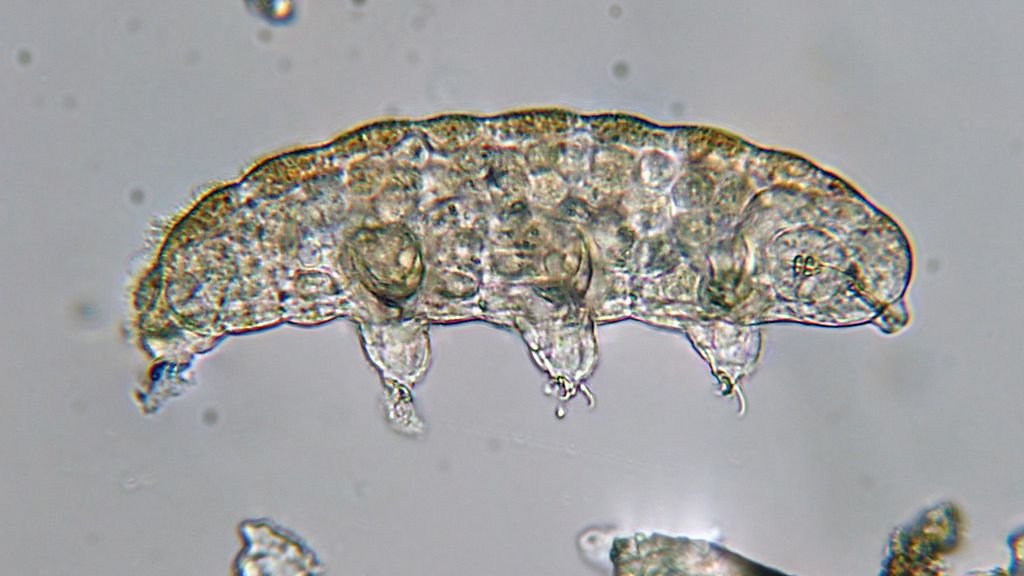
No list of extreme life is complete without mentioning the little celebrities of toughness: tardigrades, often called water bears. Under a microscope, they look like eight-legged, squishy tanks, and their abilities live up to the reputation. When conditions become too harsh – no water, intense heat or cold, vacuum, or radiation – they curl up into a dried-out form called a tun and enter a state of suspended animation. In this state, their metabolism drops to nearly undetectable levels, and they can stay that way for surprisingly long periods before reviving when water returns.
What makes tardigrades so fascinating is that they do not rely on a single trick but a whole toolkit: glass-like protective molecules inside their cells, robust DNA repair systems, and clever ways of stabilizing proteins. They have even survived exposure to outer space in carefully controlled experiments, enduring vacuum and radiation and then recovering when brought back to normal conditions. They are not truly indestructible, but they push the boundary so far that it changes how we think about what an animal can survive. Seeing a tardigrade “wake up” after being dried for years feels like watching nature quietly break a rule you did not realize was flexible.
Why Extreme Life Changes Our View of the Universe
When you put all these organisms side by side – the heat lovers, the deep dwellers, the frozen sleepers, the radiation tanks – a pattern emerges that is hard to ignore. Life is not a fragile accident that only works in a narrow “Goldilocks zone” of comfort. It is stubborn, adaptable, and endlessly inventive, finding ways to exist in conditions that would have once been dismissed as lifeless by default. What used to be a tight box labeled “habitable” has stretched into something much larger and more surprising.
For scientists searching for life beyond Earth, this has been a quiet revolution. Worlds once considered too cold, too hot, too salty, or too dark now look much more promising, from the icy oceans of Europa and Enceladus to the methane lakes of Titan and the ancient rocks of Mars. On a more personal level, these extreme organisms remind us that our own idea of what is “normal” is incredibly limited, based on a thin slice of the possibilities of biology. The next time someone says life is delicate, it is hard not to think of a microbe basking in boiling acid or a tiny water bear sleeping its way through the vacuum of space and wonder what else is out there, waiting in the extremes we have not yet bothered to check.