In the vast and mysterious depths of our oceans, sharks have stood the test of time as one of nature’s most awe-inspiring creations. These ancient creatures have roamed the seas for over 400 million years, even before the dinosaurs walked the Earth. Sharks have witnessed cataclysmic events and changes that have shaped the planet and its inhabitants. Let’s dive into the remarkable evolutionary journey of sharks and uncover the secrets behind their incredible survival.
Origins in the Ancient Oceans

Sharks made their grand entrance during the Devonian period, often referred to as the “Age of Fishes.” During this time, a diverse array of marine life flourished, providing a fertile ground for the emergence of the first sharks. Unlike modern sharks, these early ancestors had bony skeletons and lacked the distinctive features we recognize today. Over time, they adapted to develop cartilage-based skeletons, a trait that contributed to their lightweight structure and agility, crucial for survival in the dynamic marine environment.
Adaptations for Survival

Sharks possess an array of physical adaptations that have finely tuned their hunting prowess and survival capabilities. Their streamlined bodies, torpedo-like in shape, minimize water resistance, allowing them to achieve impressive speeds and swift movements. Additionally, their keen senses, such as acute smell and lateral line systems, enable them to detect even the faintest vibrations and scents in the water, making them formidable hunters.
Dentition: The Revolving Arsenal
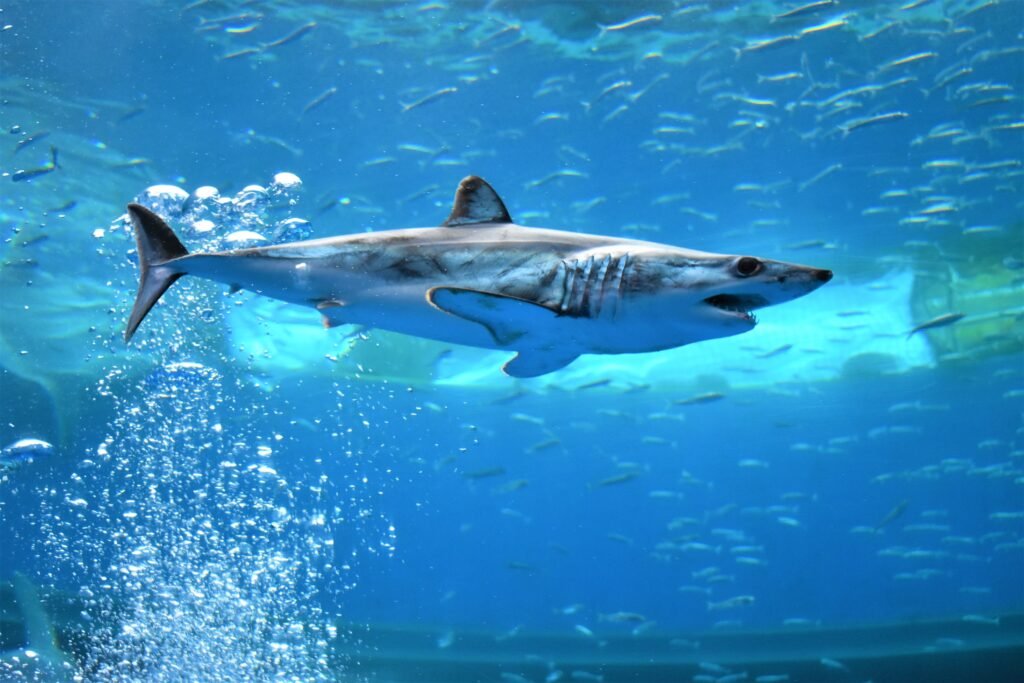
One of the most fascinating aspects of shark biology is their teeth. Sharks possess multiple rows of teeth that are continuously replaced throughout their lives. This unique evolutionary feature ensures that they are never left defenseless, even after losing teeth during feeding. Their teeth are highly specialized for different dietary needs, whether it involves slicing through prey or grinding shellfish, reflecting their diverse feeding habits.
Resilience Through Mass Extinctions

Sharks have endured through numerous mass extinctions that have wiped out many other species. Their resilience can be attributed to their ability to adapt to changing environments. Unlike many sea creatures that rely on specific habitats, sharks are found in diverse ecosystems ranging from tropical coral reefs to the frigid Arctic waters. This adaptability has allowed them to weather drastic climate changes and thrive in various conditions.
Diversity: A Family of Over 500 Species

The shark family is incredibly diverse, boasting over 500 species, each with unique characteristics and roles in the marine ecosystem. From the small and elusive lantern shark to the mighty great white, this diversity is a testament to their evolutionary success. Sharks occupy different niches in the food chain, ensuring balance and the proper functioning of marine biodiversity.
Mysterious Behavior and Sociological Skills

Sharks exhibit behaviors that continue to intrigue scientists and enthusiasts alike. Some species display complex social structures, such as schooling and cooperation during hunting. These behaviors indicate a level of intelligence that aids in their survival strategies. Studies have shown that sharks can communicate through body language and possess memories that influence their migratory and hunting patterns.
Reproduction: Ensuring the Next Generation
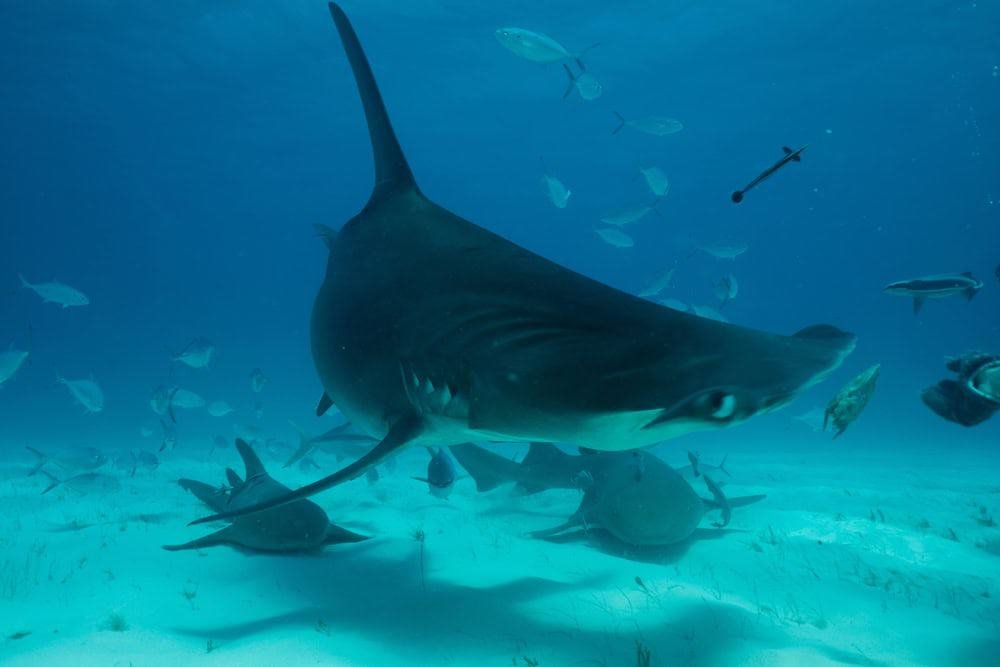
Sharks boast varied reproductive strategies, further ensuring their lineage’s survival. Some species lay eggs, while others give live birth. Notably, many sharks exhibit long gestation periods and give birth to well-developed young ones, reducing juvenile mortality. This investment in offspring increases the likelihood of their survival in a competitive environment.
Conservation Challenges and Human Impact

Despite their resilience, sharks face numerous threats from human activities. Overfishing, habitat destruction, and pollution pose significant challenges to their populations. The demand for shark fins, in particular, has led to the decline of many species. Conservation efforts are underway globally to protect these vital creatures and ensure their continued presence in our oceans.
The Ecological Role of Sharks
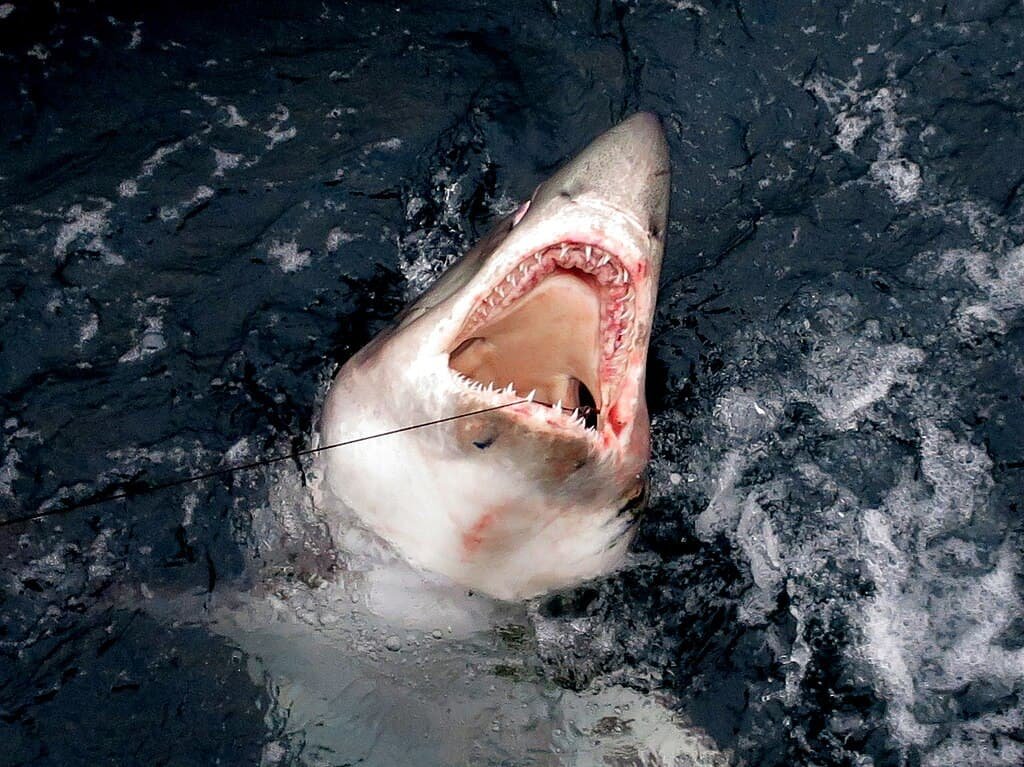
Sharks play a crucial role in maintaining the health of marine ecosystems. As apex predators, they regulate species populations, preventing any one group from dominating and disrupting the ecological balance. Their presence ensures the health of coral reefs, seagrass beds, and other habitats, highlighting the importance of their conservation for the well-being of the entire oceanic environment.
Concluding Thoughts: Guardians of the Deep
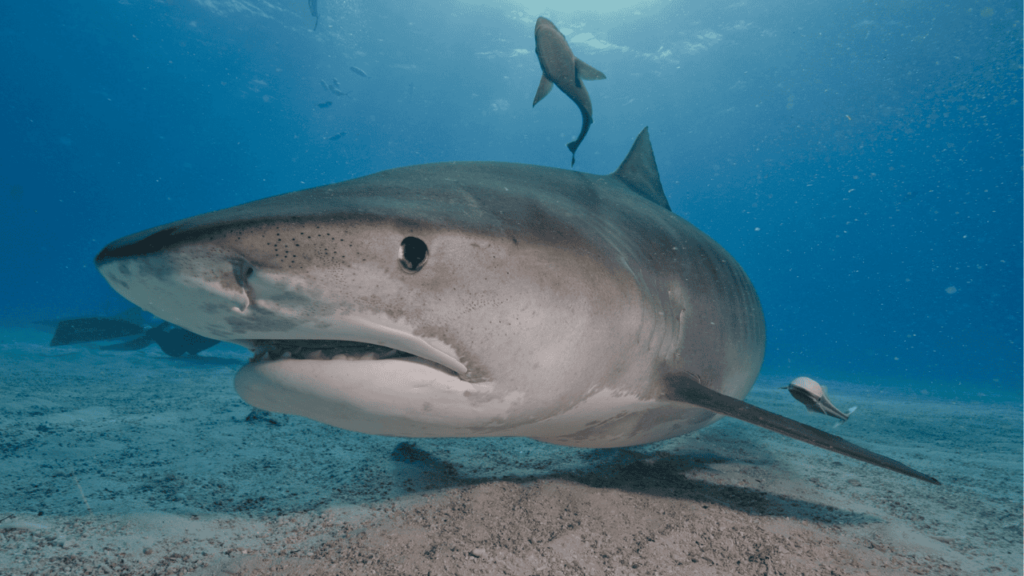
Sharks, as ultimate survivors, have navigated the intricate dance of evolution with unprecedented success. Their ability to adapt, evolve, and maintain balance within their ecosystems highlights their significance in the natural world. As guardians of the deep, sharks remind us of the delicate balance within our oceans, inspiring awe and emphasizing the urgency to protect these ancient mariners for future generations to come. Through concerted efforts, we can ensure that sharks continue to roam the Earth’s waters for millions more years.