Understanding the mysteries of animal intelligence opens windows into the plethora of ways animals perceive, interact with, and adapt to their environments. From the intricate dance of bees to the impressive problem-solving skills of primates, animals exhibit intelligence in fascinating and diverse forms. This article explores the evolutionary development of animal intelligence across different species, offering insights into how these creatures use their brains to thrive.
Understanding Animal Intelligence

Animal intelligence encompasses the diverse mental capabilities exhibited by various species. It includes the ability to adapt to the environment, solve problems, communicate, and form social bonds. What makes animal intelligence fascinating is its varying forms and applications across the animal kingdom, revealing the multifaceted nature of brain evolution.
The Role of Evolution in Shaping Intelligence
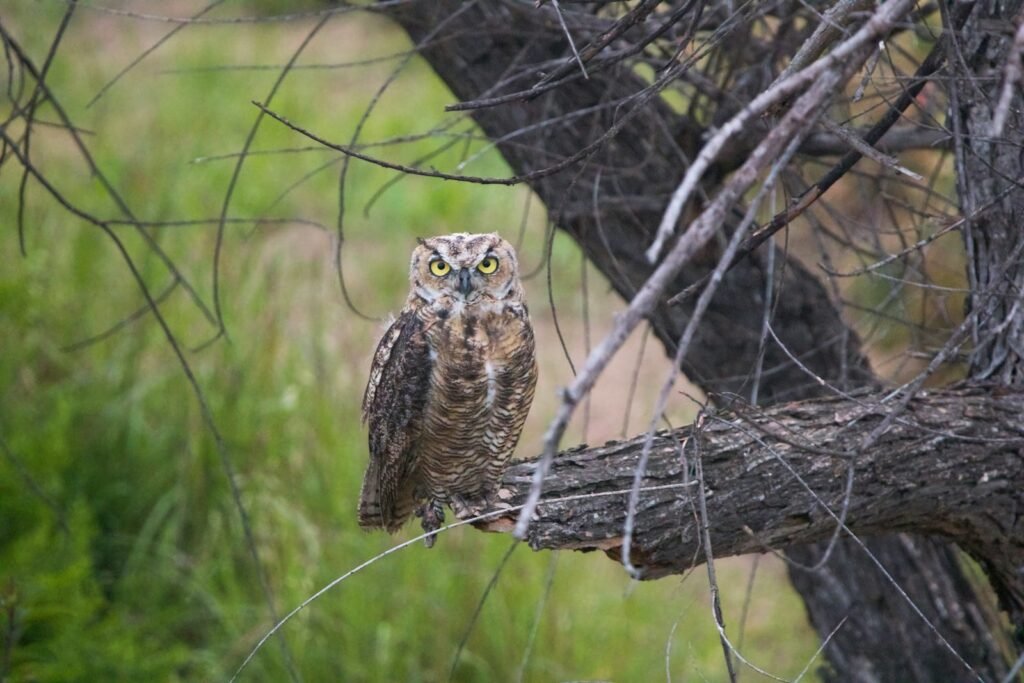
Throughout evolutionary history, the survival of species hinged on their ability to adapt and respond to environmental challenges. This necessity drove the development of complex neurological structures in some animals, resulting in sophisticated forms of intelligence tailored to their ecological niches.
Primates: The Masters of Problem Solving
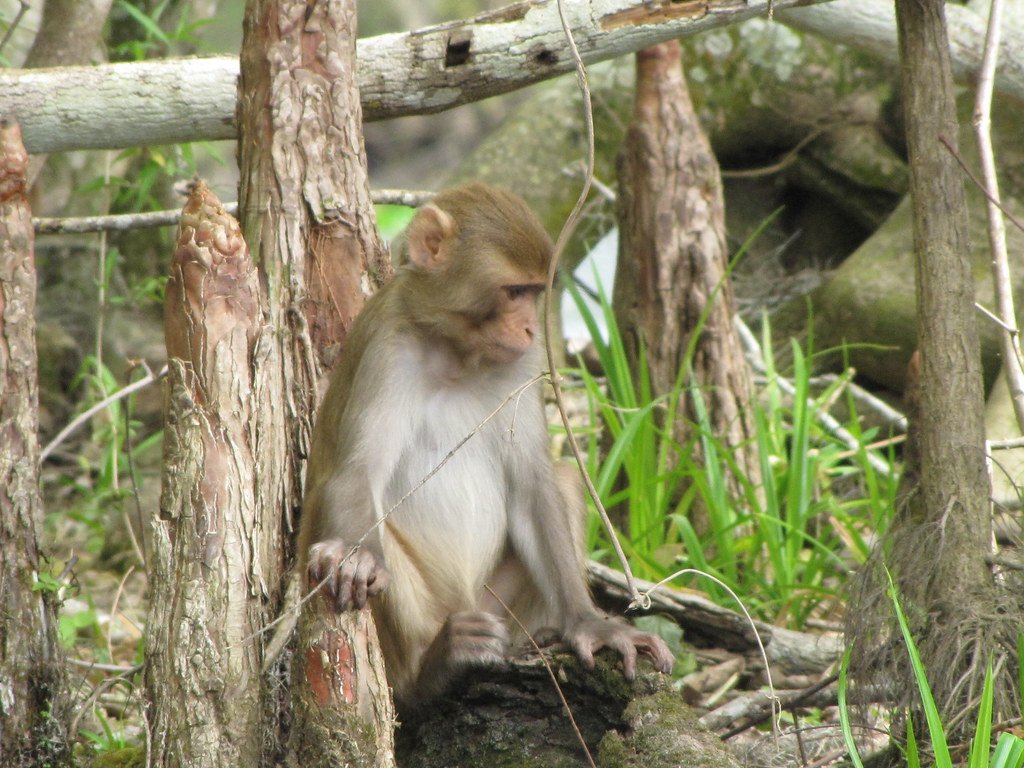
Primates are renowned for their advanced cognitive abilities. They display complex social structures, tool use, and problem-solving skills that rival some human endeavors. The intelligence of primates is attributed to their large brains and intricate neocortex, underlying their ability to navigate social hierarchies and environments.
Felines: The Stealthy Strategists

Cats, both wild and domestic, exhibit intelligence in their predatory tactics and social interactions. Their brains are highly developed, allowing them to process sensory information with precision. This acute perception aids in hunting and navigating complex environments.
Canine Cognition: Understanding Dogs’ Minds

Dogs have co-evolved with humans, resulting in remarkable communicative abilities and problem-solving skills. Canines are adept at reading human emotions and cues, showcasing a unique form of intelligence centered around strong social bonds and teamwork.
The Ingenious Birds

Birds such as ravens, crows, and parrots possess remarkable intelligence and problem-solving skills. Known for their ability to use tools, imitate sounds, and navigate complex environments, these avian species boast brain structures that support advanced cognitive functions.
Marine Mammals: The Social Savants

Marine mammals such as dolphins and whales demonstrate extraordinary intelligence through their complex social systems and communicative abilities. Their large brains enable emotional expression and sophisticated echolocation, which they use to hunt and navigate the vast ocean.
Elephants: Emotional and Social Giants

Elephants are known for their deep emotional connections and intelligence displayed in memory, empathy, and cooperation. Their brain size supports these capabilities, allowing them to form long-lasting social bonds and exhibit complex behaviors.
Insect Intelligence: Beyond the Hive Mind

Despite their small brain size, insects like bees and ants demonstrate impressive collective intelligence. Their ability to communicate, work collaboratively, and solve problems ensures the survival and success of their colonies.
Reptilian Reasoning: Intelligence in Cold Blood
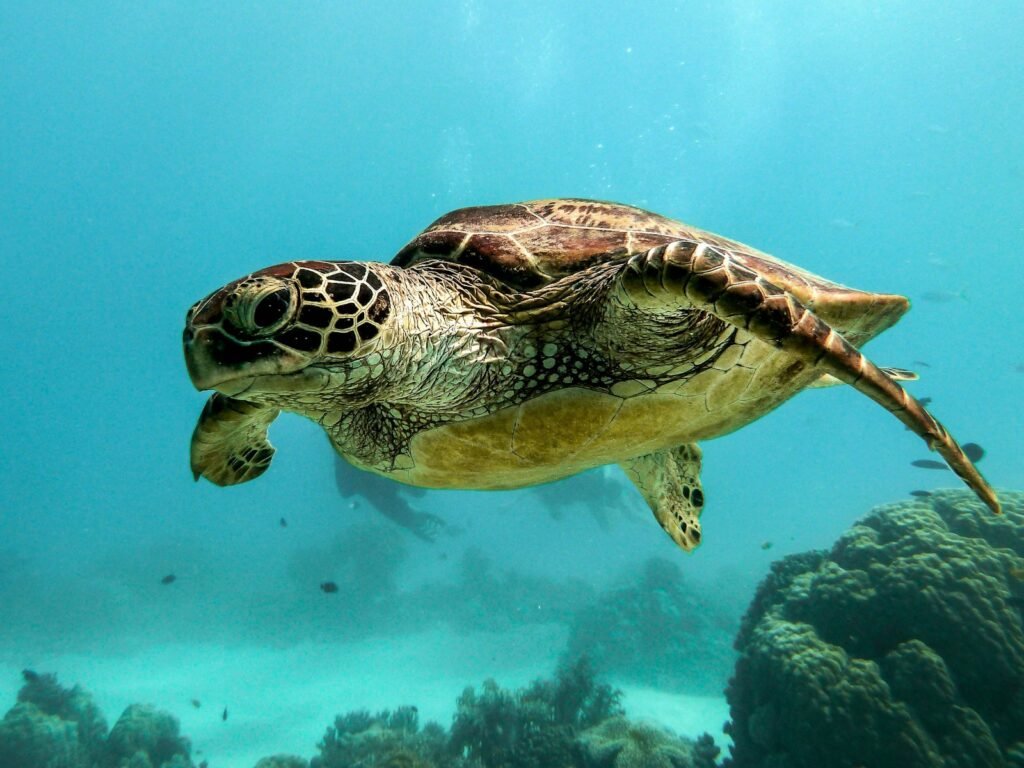
Reptiles such as lizards and turtles exhibit learning behaviors and problem-solving skills. Though often underestimated, these creatures possess brain structures that facilitate memory and learning, aiding their survival in diverse environments.
Octopuses: Masters of Camouflage and Curiosity

Octopuses stand out as intelligent invertebrates capable of complex problem-solving, playful behavior, and adaptability. Their unique nervous system, spread throughout their bodies, allows for independent arm movement and a broad range of sophisticated behaviors.
Fish: Navigating Complexity Underwater

Surprisingly, fish exhibit forms of intelligence manifested in memory, learning, and problem-solving, particularly in navigating complex environments and social interactions. This is evident in species like goldfish, known for their ability to recognize individuals.
The Influence of Environment on Intelligence

The environment plays a crucial role in shaping animal intelligence. Species adapt their cognitive abilities to suit their ecological needs, whether it’s the resource-rich coral reefs or the vast savannah plains, illustrating the dynamic interplay between brain evolution and habitat.
The Impact of Social Structures on Intelligence

Social animals, such as primates and dolphins, develop complex cognitive abilities to navigate their societies. The demands of social life, including communication, cooperation, and competition, drive the evolution of advanced intelligence in these species.
Human Interaction and Its Effect on Animal Cognition

Animals that live closely with humans, like domesticated dogs and cats, often display enhanced cognitive abilities. Cohabitation and domestication have forged strong bonds, leading to an increased aptitude for understanding human gestures and emotions.
Animal Communication: A Symphony of Signals

Communication is a hallmark of animal intelligence. From the intricate dances of honeybees to the complex vocalizations of whales, animals employ various methods to convey information, reflecting the sophisticated nature of their cognitive abilities.
Learning and Memory Across Species

Across the animal kingdom, species rely on learning and memory to adapt to their environments. Whether it’s a squirrel remembering the location of stored food or a bird learning migration routes, these cognitive skills are essential for survival.
Artificial Intelligence: A New Frontier in Understanding Cognition

The study of animal intelligence aligns with advancements in artificial intelligence, providing insights into natural cognition and influencing AI models. Observing animal behaviors can inspire new ways to develop machine learning algorithms, enhancing our understanding of intelligence.
Conclusion: The Dynamic Spectrum of Animal Intelligence

The exploration of animal intelligence reveals a spectrum as diverse as the animal kingdom itself. Each species possesses unique cognitive abilities shaped by evolutionary pressures, environmental demands, and social dynamics. As we uncover more about these capabilities, we gain a deeper appreciation for the intricate tapestry of life on Earth, reflecting the remarkable adaptability and resilience found throughout nature.