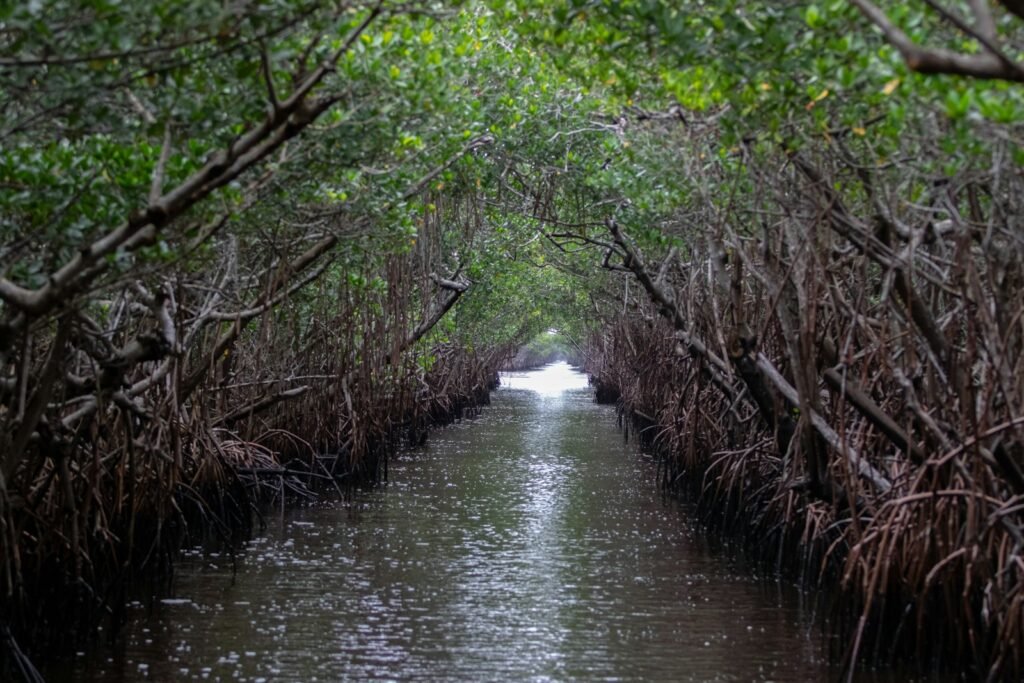

The Everglades, a vast expanse of wetlands in Florida, is one of the most unique and ecologically significant regions in the world. Home to a diverse range of wildlife and plant species, this natural wonder stands as a crucial environmental asset. However, it faces numerous threats that jeopardize its future. From habitat loss to water pollution, the Everglades are at a critical juncture. But the story doesn’t end there. Efforts are underway to save and restore this vital ecosystem. This article delves into the challenges facing the Everglades and the measures being taken to ensure its survival.
Understanding the Everglades: A Unique Ecosystem
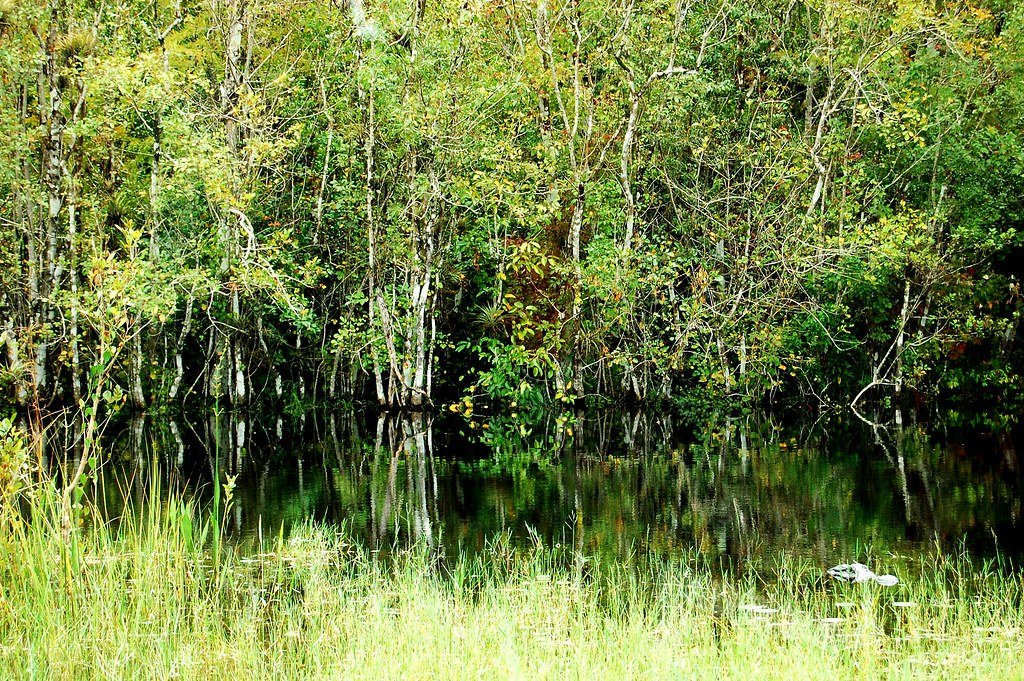
The Everglades are not simply swamps but rather a highly complex system of slow-moving freshwater marshes and wetlands. Stretching over 1.5 million acres, they provide a habitat for a myriad of species, from the American alligator to the endangered Florida panther. This diversity makes it a focal point for scientific study and ecological significance, with many species found nowhere else on Earth.
Current Threats to the Everglades

Human activities have drastically altered the natural landscape of the Everglades. Urban development, agricultural expansion, and alterations to the natural flow of water have all contributed to the decline of this once-thriving ecosystem. Pollution from agricultural runoff introduces harmful nutrients and chemicals, degrading the quality of water and threatening the survival of native plant and animal species. Additionally, invasive species such as the Burmese python disrupt the ecological balance, preying on native wildlife.
The Role of Water Management

Water management plays a critical role in the preservation of the Everglades. Restoration efforts often focus on restoring the natural flow of water across the landscape, which is essential for maintaining the delicate balance of this ecosystem. The Comprehensive Everglades Restoration Plan (CERP), authorized by Congress in 2000, aims to restore, protect, and preserve the Everglades’ hydrologic regime.
Restoration Projects and Initiatives
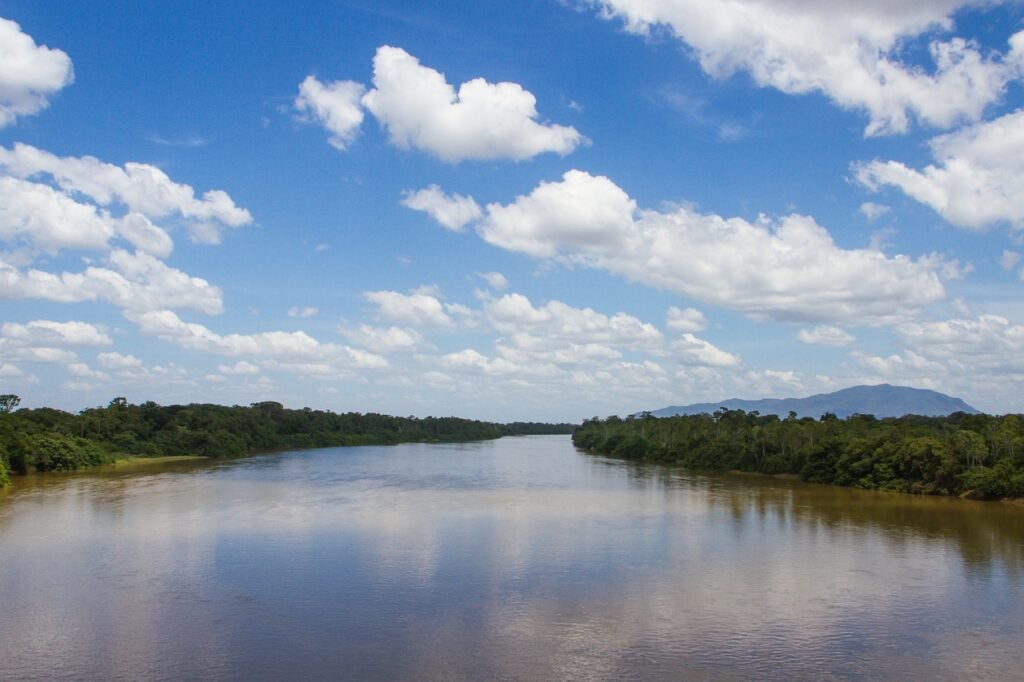
Several large-scale restoration projects are underway to heal the Everglades. Initiatives like the Kissimmee River Restoration Project work to restore the flow and integrity of this vital waterway. Other projects focus on removing man-made barriers, creating water storage solutions, and reestablishing natural habitats. These efforts are crucial in rebuilding what has been lost and ensuring a future for the Everglades.
The Importance of Biodiversity Conservation

Protecting biodiversity is central to the Everglades’ restoration. Conservation programs aim to protect endangered species and manage the populations of invasive species that threaten the ecosystem’s balance. Efforts are underway to promote the recovery of key species such as the snail kite and the manatee, whose presence is vital to the health of the wetlands.
The Impact of Climate Change

Climate change poses a significant long-term threat to the Everglades. Rising sea levels, altered rainfall patterns, and increased temperatures affect the region’s delicate water balance and habitat viability. Adapting to these changes is crucial, and initiatives are in place to address and mitigate the impacts of climate change on this vulnerable ecosystem.
Community Involvement and Awareness

Community involvement and public awareness are vital in the Everglades conservation efforts. Local communities, environmental groups, and government agencies collaborate to push for policies that protect the wetlands and engage in restoration activities. Educational programs aim to raise awareness and foster a sense of stewardship among residents and visitors alike.
The Role of Legislation and Policy

Strong legislative support is indispensable for the success of Everglades restoration. Laws like the Clean Water Act and various state-led initiatives form the backbone of regulatory efforts to protect this ecosystem. Ongoing policy development strives to integrate the latest scientific insights to improve conservation strategies effectively.
Funding and Economic Aspects

Restoration of the Everglades requires substantial financial investment. Both federal and state governments, alongside private organizations, play crucial roles in funding these efforts. The economic benefits of a healthy Everglades, including tourism, water supply, and flood protection, bolster the argument for sustained investment.
Technological Innovations in Preservation

Technology plays a crucial part in modern conservation strategies. Remote sensing, genetic research, and advanced modeling are among the tools utilized to monitor the health of the ecosystem and guide restoration efforts. These technologies help gather data that inform decision-making and enhance the effectiveness of conservation initiatives.
The Future of the Everglades

The journey to restore the Everglades is complex and ongoing. However, optimism persists as collaborative efforts between scientists, lawmakers, and the public take shape. Continued commitment to these initiatives is essential in ensuring that future generations can experience the wonders of this natural treasure.
Conclusion: A Call to Action
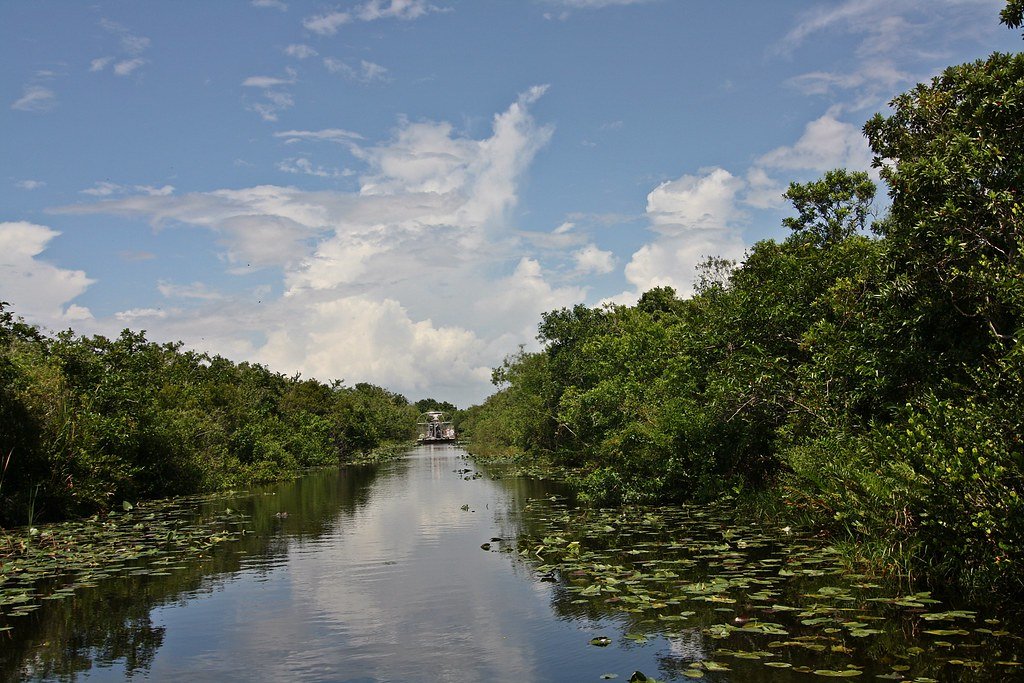
The Everglades are more than just a part of Florida’s landscape; they are a symbol of natural wonder and resilience. While the threats to this unique ecosystem are significant, so too are the efforts to save it. Through a combination of scientific research, community engagement, and legislative action, there is hope for the Everglades’ future. It requires dedication and collaboration to tackle the challenges that lie ahead. By working together, we can safeguard this irreplaceable ecosystem for generations to come, ensuring it remains the vibrant, diverse habitat it has always been.