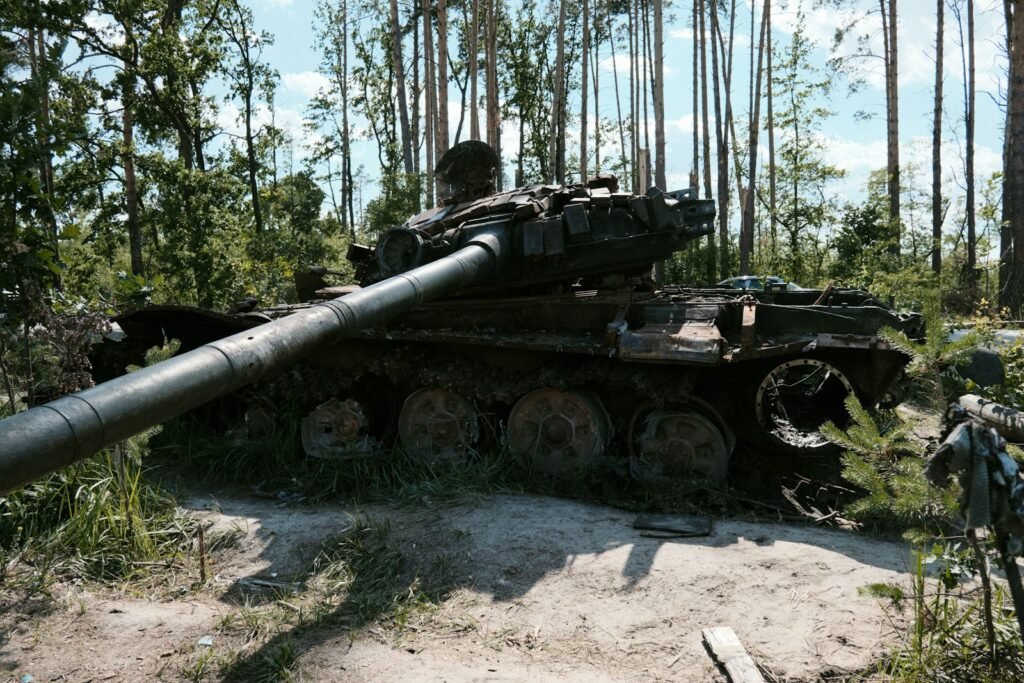

The war in Ukraine, a conflict that has gripped international headlines, is often viewed through the lens of humanitarian impact and geopolitical shifts. However, another significant dimension of this tragedy is its grave impact on the environment, particularly the extensive loss of forest land. This loss not only affects Ukraine’s ecological balance but also has far-reaching global environmental implications.
Ukraine’s Rich Forest Landscape

Ukraine is home to vast expanses of forests, which cover approximately 16% of its total land area. These forests are home to diverse ecosystems, providing habitat to numerous plant and animal species. They also play a crucial role in carbon sequestration, absorbing carbon dioxide and mitigating climate change. The regions most impacted include the Carpathian Mountains and the extensive woodlands in the country’s north and east.
The Impact of War on Forests
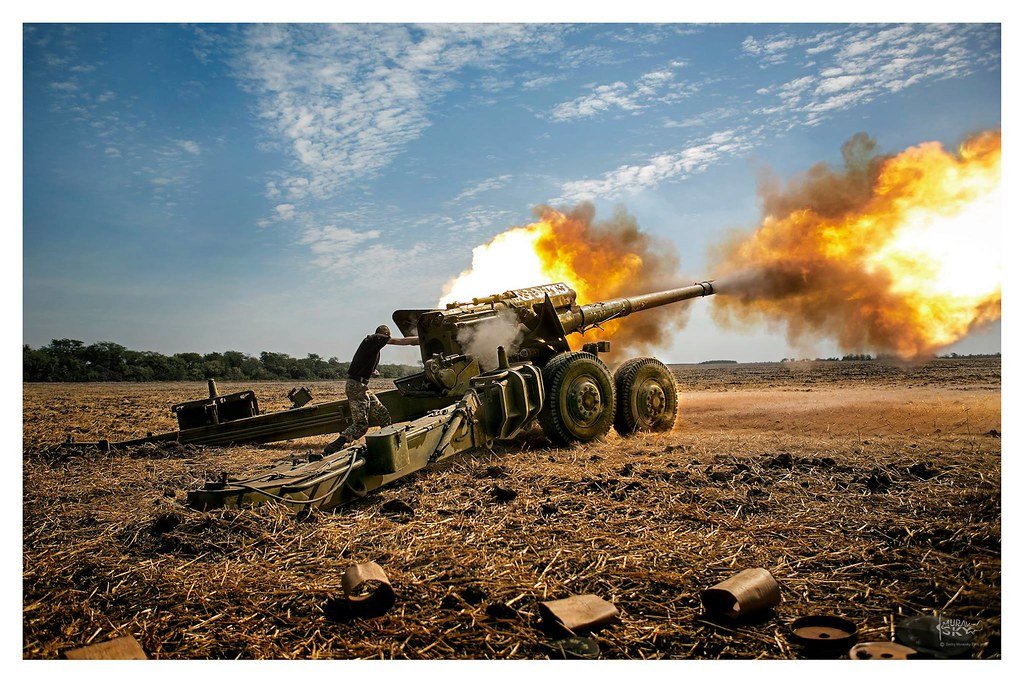
As the war drags on, these lush landscapes have increasingly become collateral damage. Military engagements, bombings, and missile strikes have directly resulted in forest fires, deforestation, and the disruption of natural life cycles. The destruction is not just limited to tree loss but extends to soil erosion and the destabilization of entire ecosystems.
The Role of Forest Fires
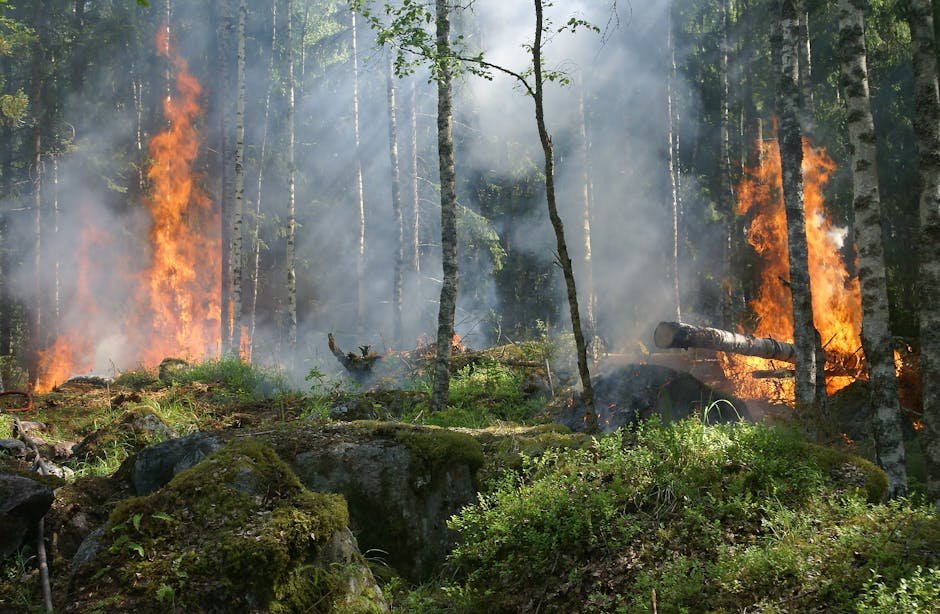
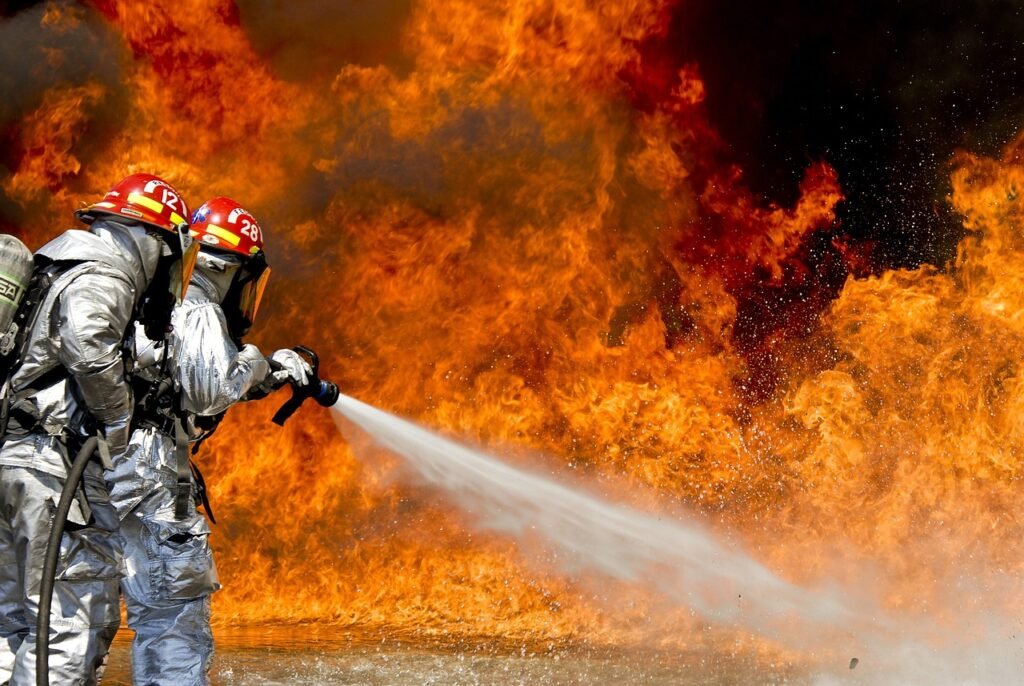
Forest fires, often triggered by the conflict, have been particularly devastating. The use of heavy artillery and explosives contributes to fires that spiral out of control, consuming vast swathes of forest. These fires release stored carbon back into the atmosphere, significantly contributing to greenhouse gas emissions and undermining global climate goals.
Impact on Biodiversity

The war’s environmental toll extends beyond trees to the wildlife that depends on these forests for survival. The noise and destruction have forced many species to flee their habitats, threatening their survival. This displacement disrupts natural migration patterns and breeding cycles, leading to a decline in population numbers for many species.
Soil Degradation

With the vegetation cover severely diminished, soil degradation is another pressing consequence. The absence of tree roots, which play a crucial role in binding the soil, leads to increased erosion. This not only strips the land of its fertility, affecting agriculture and food security, but also increases the risk of landslides and flooding.
Water Resources Under Threat

The destruction of forests impacts water bodies as well. Rivers and streams, which rely on forested areas for their health, face higher levels of pollution and sedimentation. This not only affects aquatic life but also compromises the quality of water available for human use, posing a significant public health risk.
Long-Term Environmental Consequences
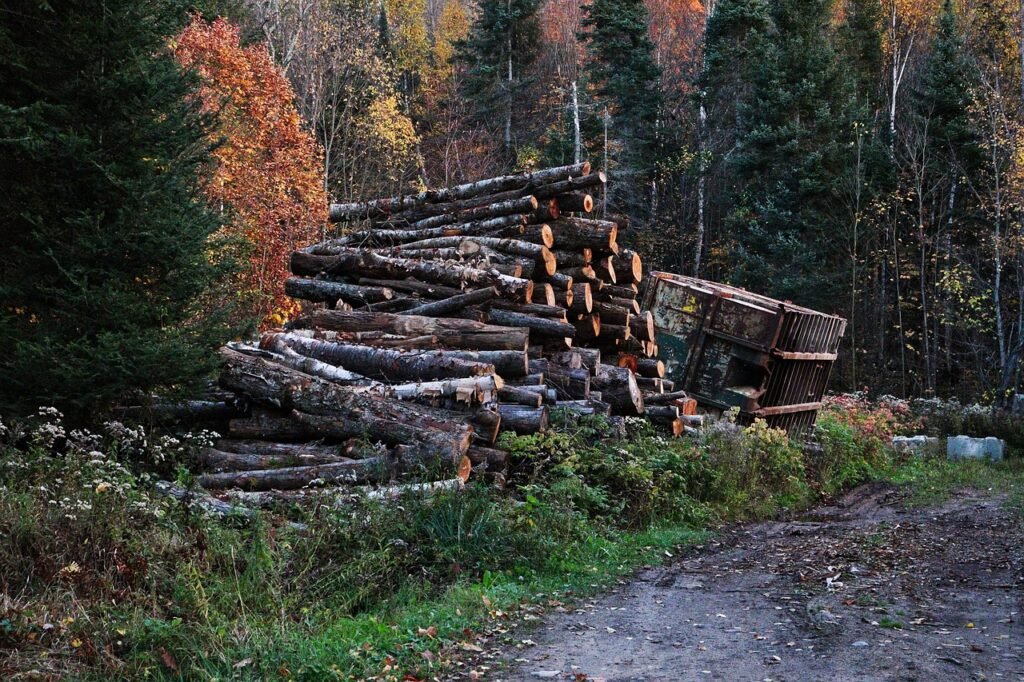
The environmental consequences of the war extend far into the future. Reforestation efforts, even if undertaken immediately after hostilities cease, will take decades to restore the forests to their former state. This loss of forest cover will have prolonged effects on climate regulation, biodiversity, and regional weather patterns.
International Environmental Concerns
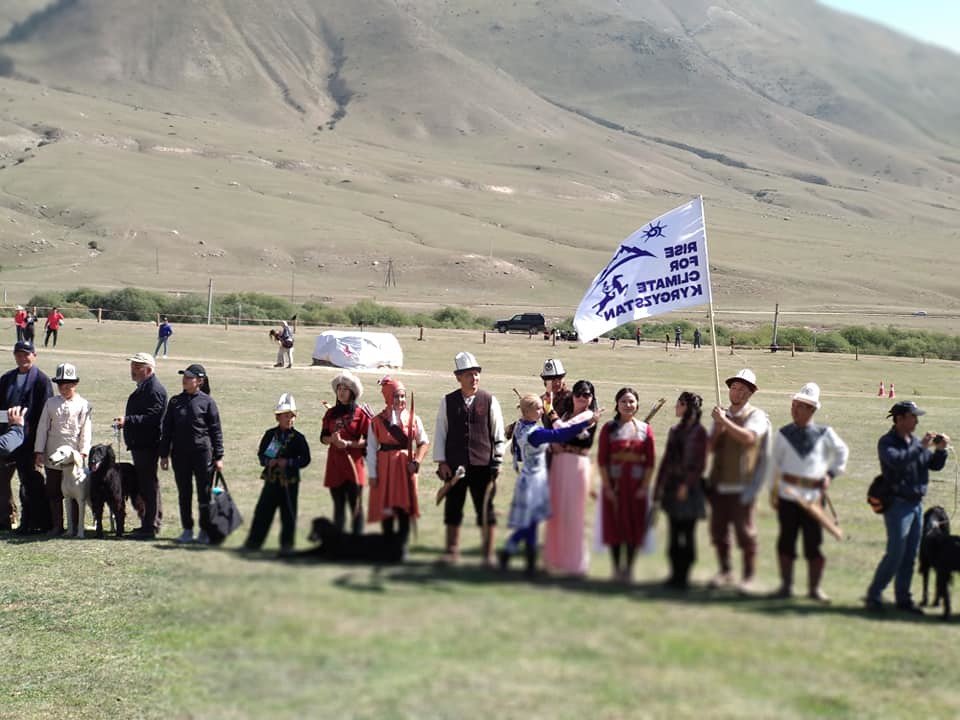
The war in Ukraine illustrates a broader issue of how conflict exacerbates environmental destruction. This devastation has global ramifications, as forest loss contributes to climate change, a problem that transcends borders and requires international cooperation to address effectively.
Efforts Toward Mitigation
Global environmental organizations and local NGOs have been advocating for the protection and restoration of Ukraine’s forests. Efforts include raising awareness, pushing for policy changes, and promoting sustainable land management practices. However, these initiatives face numerous challenges amid ongoing conflict.
Conclusion
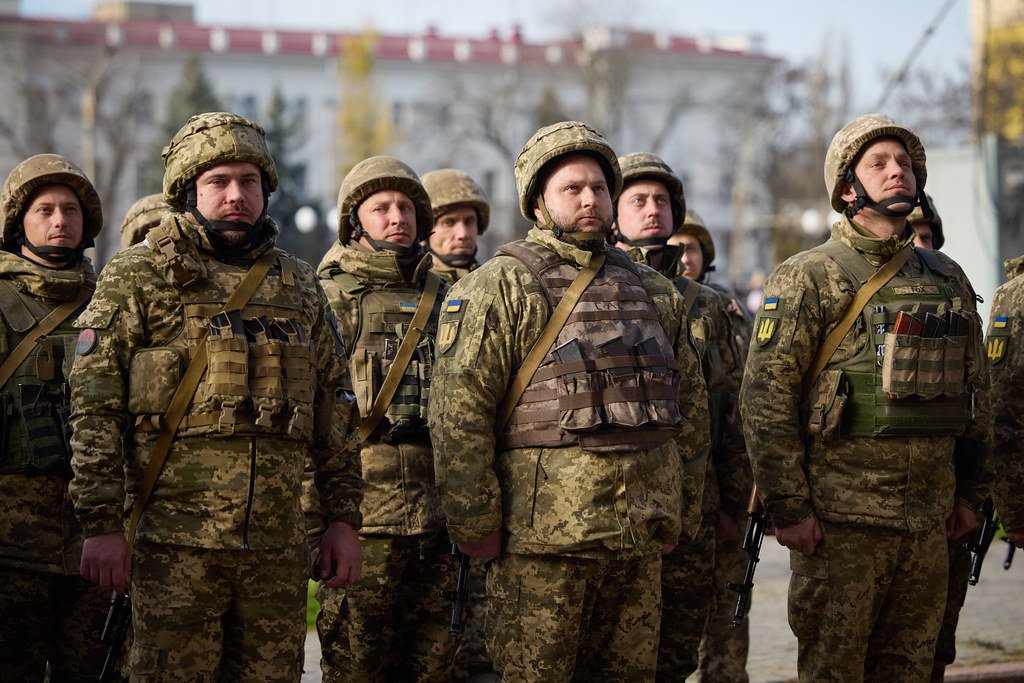
The environmental consequences of the war in Ukraine reflect a critical yet often overlooked aspect of armed conflict. The loss of millions of acres of forests has devastating implications for the country’s ecology and the global environment. As the international community continues to address the humanitarian aspects of the war, it is equally vital to focus on mitigating environmental damage and fostering restoration efforts. Addressing the ecological damage will not only aid in Ukraine’s recovery efforts but also contribute to global climate resilience, showcasing a commitment to protecting our planet for future generations.