
Have you ever found yourself pausing mid-action, questioning whether you really chose to reach for that cup of coffee this morning, or if your brain somehow decided for you before you even knew it? It’s one of those questions that sounds absurd at first glance yet becomes oddly unsettling the more you think about it. The debate over free will touches the very heart of what it means to be human, intertwining philosophy, neuroscience, and consciousness in ways that challenge our most basic assumptions about ourselves.
For thousands of years, humans believed they possessed something unique – a capacity to make genuine choices, independent of the mechanical forces that govern the rest of the universe. Yet recent findings from neuroscience labs around the world have stirred the pot in unsettling ways, suggesting that what we experience as conscious choice might be nothing more than a sophisticated illusion. The question isn’t just academic; it ripples through how we view morality, responsibility, justice, and even our own identity.
The Neuroscience That Shook Philosophy’s Foundations
In 1983, Benjamin Libet and his colleagues conducted a pioneering study that has become foundational in this field. The setup was elegantly simple. Participants watched a dot moving around a clock face and were asked to note the exact moment they decided to move their wrist. Meanwhile, electrodes monitored their brain activity, specifically looking for something called the readiness potential – a buildup of electrical activity that precedes movement.
What Libet discovered sent shockwaves through both neuroscience and philosophy. There was a 350-millisecond gap where the brain had already begun preparing the action, long before the conscious mind was aware of any decision, suggesting our conscious decision is less of a command and more of a late-stage notification that an action is imminent. Think about that for a second. Your brain was already gearing up for action before you thought you decided anything.
When Machines Started Predicting Your Choices
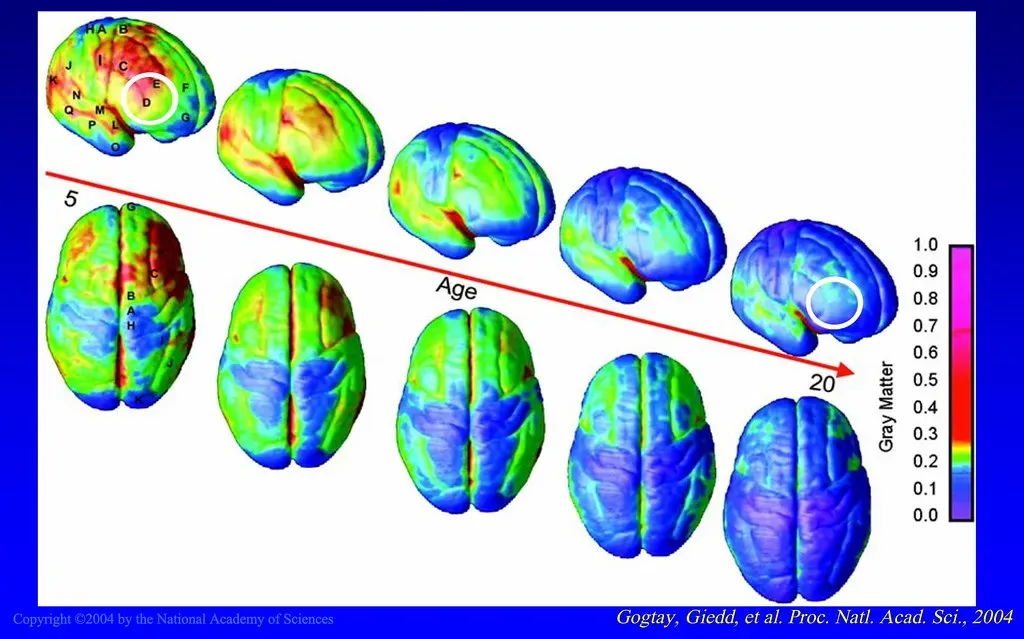
Libet’s work was just the beginning. In 2008, a group of researchers found that some information about an upcoming decision is present in the brain up to 10 seconds in advance, long before people reported making the decision of when or how to act. Using advanced fMRI scanners, scientists could literally see patterns lighting up in the prefrontal and parietal cortex that predicted which button a person would press.
Here’s the thing, though. Most empirical studies of free will have focused on arbitrary actions, and in such actions, researchers can indeed read out brain activity and trace information about movements and choices before we even realize we are about to make them, but if these actions don’t matter to us, is it all that notable that they are initiated unconsciously? Honestly, I think this is where the conversation gets interesting. We’re not talking about life-altering decisions here – just simple finger movements in a lab.
The Illusion Argument and Why It Feels So Real
Modern psychology and neuroscience increasingly suggest that much of what we call choice may be the result of unconscious processes that precede awareness. Some researchers have gone so far as to argue that the feeling of authorship over our actions is fundamentally illusory. You think you’re steering the ship, but maybe you’re just along for the ride.
A large body of psychological research shows that conscious decisions are strongly influenced by current body states such as hunger or tiredness, hormones, neurotransmitter levels, as well as past influences relating to family, culture, religion, educational, and childhood factors. This paints a picture where your “free” decision is really just the output of countless variables you never consciously controlled. It’s hard to say for sure, but the evidence does make you wonder whether the steering wheel was ever really in your hands.
Compatibilism: The Philosopher’s Compromise

Most people assume the free will debate is a simple binary – either we have it or we don’t. Yet within philosophy, the debate hinges not on whether determinism is true, but on whether determinism and free will are compatible, and most philosophers working today think they are. This position is called compatibilism, and it’s surprisingly popular among academics.
Compatibilism is the belief that free will and determinism are mutually compatible and that it is possible to believe in both without being logically inconsistent. Compatibilist philosophers argue that what matters is not whether actions have causes but whether those causes arise from the individual’s internal states – desires, beliefs, and reasoning – rather than external coercion, and from this view, a person acts freely when they act in accordance with their own motivations, even if those motivations have antecedent causes. In other words, you’re free if you’re doing what you want – even if what you want was shaped by things beyond your control.
The Consciousness Puzzle and Unconscious Influences
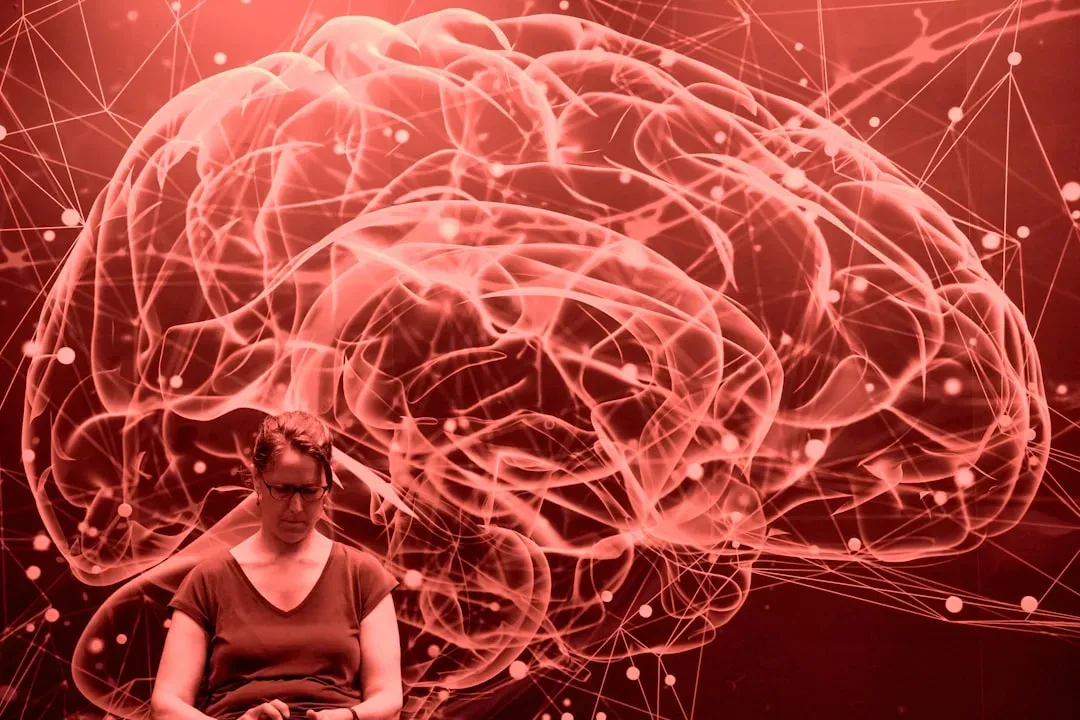
Let’s be real, the role of consciousness in all this is murky at best. A large body of literature claims that decisions might be influenced or biased, sometimes heavily, by various unconscious processes. We like to think of consciousness as the CEO making all the big calls, but it might be more accurate to think of it as the press secretary who shows up after decisions are made to explain them.
The regular cycle of breathing is part of the mechanism that leads to conscious decision-making and acts of free will, and we are more likely to initiate voluntary movements as we exhale. How wild is that? Your breathing rhythm, something you barely notice most of the time, is influencing when you decide to act. It suggests that what we experience as autonomous choice is deeply entangled with bodily processes happening beneath the surface.
Does Determinism Really Threaten Freedom?
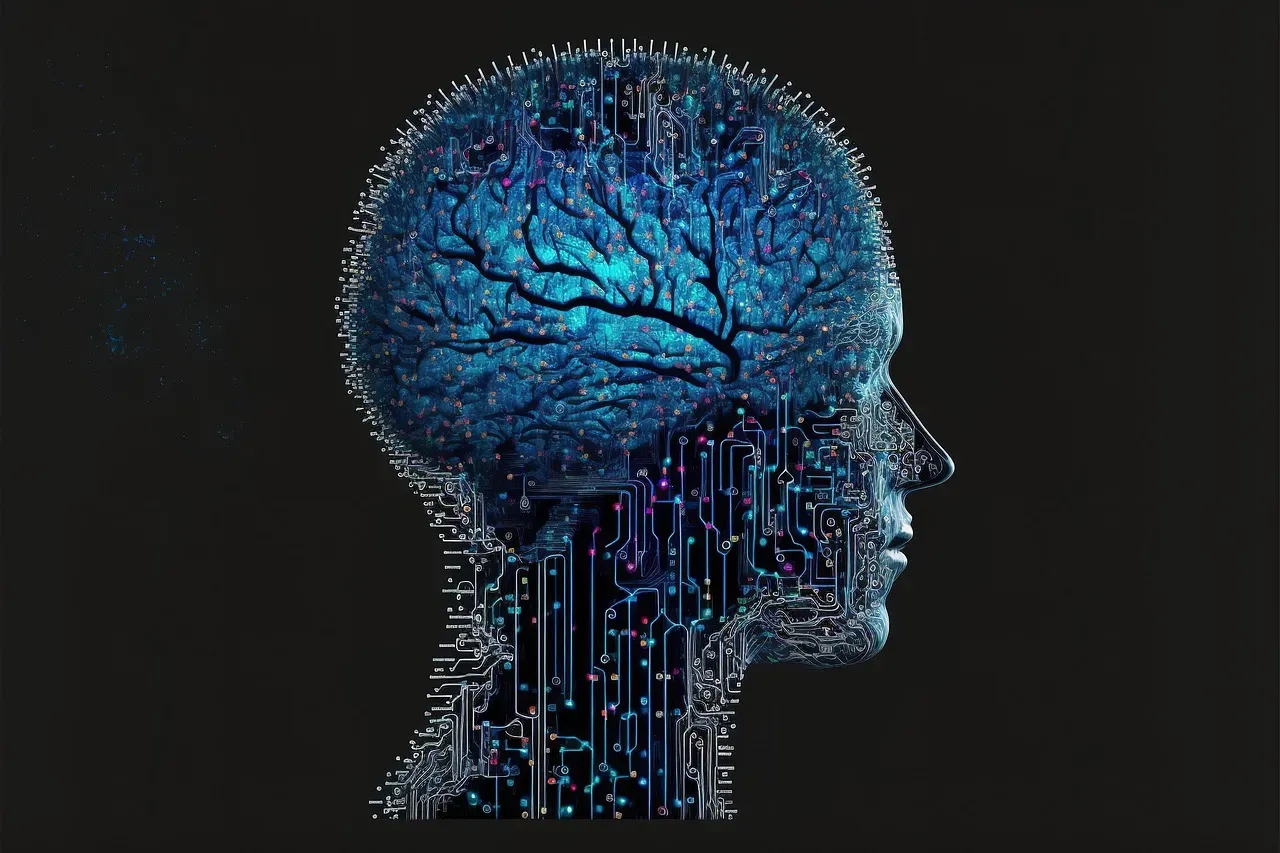
Free will hangs on two opposing forces: determinism, which states that everything is already determined by our inner constituents, the atoms and molecules that form our bodies, and quantum mechanics with its view that everything in the quantum world is inherently random and probabilistic. Neither seems to leave much room for genuine agency. Determinism makes us automatons; randomness makes us chaos generators.
Still, even if the brain operates according to deterministic principles, determinism does not necessarily negate meaningful freedom. Perhaps the issue isn’t whether your choices have causes, but whether those causes reflect who you are – your values, your reasoning, your character. The universe might be deterministic, but that doesn’t mean you’re not a meaningful part of that causal chain.
Reinterpreting the Evidence and Scientific Backlash
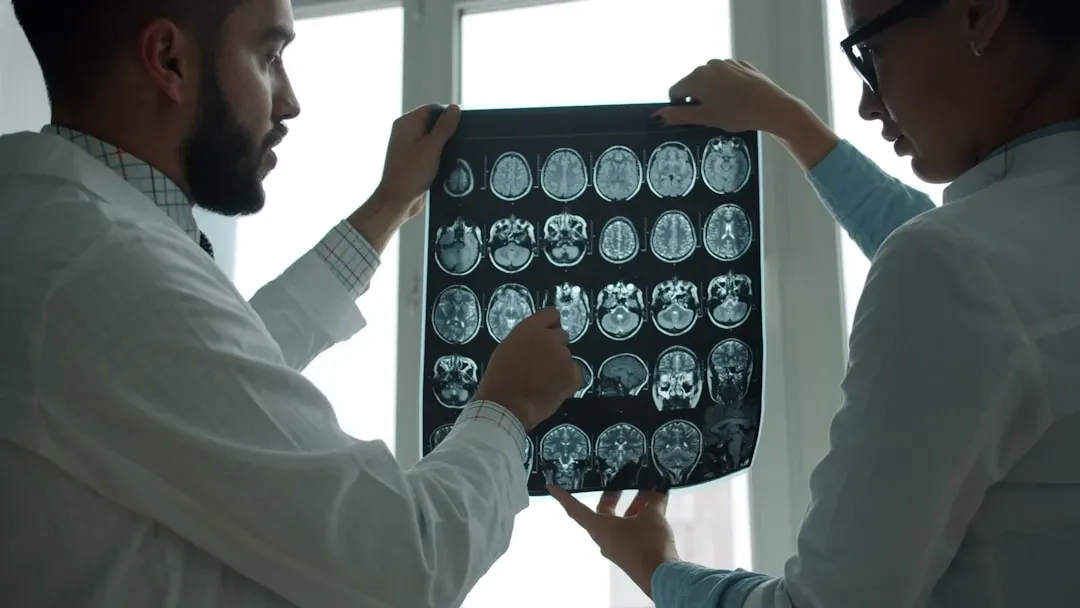
Interestingly, not everyone in the scientific community accepts the doom-and-gloom interpretation of these experiments. Recent work in neuroscience rebuts neuroscience-based arguments for the non-existence of free will, and various problems are identified with attempts to use experimental findings to support the claim that free will is an illusion. Some scientists argue that the readiness potential might not be what we thought it was at all.
A 2021 meta-analysis of Libet-style studies found that while a pattern exists in which the readiness potential precedes the conscious intention to act, the effect is uncertain and based on only a small number of studies, indicating that the evidence is weaker than often claimed. This is crucial. The headline-grabbing claims about free will being an illusion might be built on shakier ground than popular culture suggests. Science is messy, and conclusions that seem definitive often turn out to be more nuanced upon closer inspection.
The Practical Implications for Morality and Justice

If free will is an illusion, the implications cascade into every corner of society. The idea that free will might be an illusion challenges not only personal experience but also the foundations of ethics, law, and society, raising the question of whether people can still be held responsible for their actions if those actions are determined by prior causes. Our entire legal system rests on the assumption that people can choose to do otherwise.
Yet the legal system is largely based on a compatibilist framework, assessing responsibility based on an individual’s capacity for rational thought and self-control, not on their ability to defy the laws of physics, and the goals of the system – deterrence, safety, and rehabilitation – still function perfectly well in a world governed by cause and effect. Maybe what matters isn’t whether you could have done otherwise in some abstract metaphysical sense, but whether you had the rational capacity to understand your actions and their consequences.
Free Will as Dynamic Self-Guidance

Perhaps the truth lies between determinism and freedom – we may not be the ultimate originators of our actions, but we are participants in a continuous dialogue between biology, experience, and reason, and our choices emerge from a complex interplay of causes, yet within that web, we can still cultivate awareness, shape habits, and strive toward values. This perspective offers something more nuanced than the binary of “total freedom” versus “complete illusion.”
Human beings do have the power to make conscious choices, but that agency and accompanying sense of personal responsibility are not supernatural – they happen in the brain, regardless of whether scientists observe them as clearly as they do a readiness potential. Free will might not be the ghost in the machine we once imagined, but that doesn’t mean it’s meaningless. It’s just a different kind of freedom than we expected.
Conclusion: Living With the Mystery

The question of free will remains unresolved, straddling the borders of philosophy, psychology, and neuroscience, and scientific evidence increasingly shows that unconscious processes shape thoughts and actions long before awareness arises, yet this does not necessarily mean that freedom is an illusion in any practical sense, as consciousness still allows reflection, planning, and moral reasoning – abilities that distinguish human agency from mere mechanical causation.
So where does that leave us? You might think the answer would be clearer by now, given all the brain scans and philosophical arguments. Yet the more we learn, the more the question seems to deepen rather than resolve. Whether you experience free will as a genuine power or a convincing illusion, the search itself reveals something undeniably human – our relentless need to understand ourselves and claim ownership of the lives we live.
What do you think? Does knowing about brain activity before conscious awareness change how you feel about your choices? Let us know in the comments.