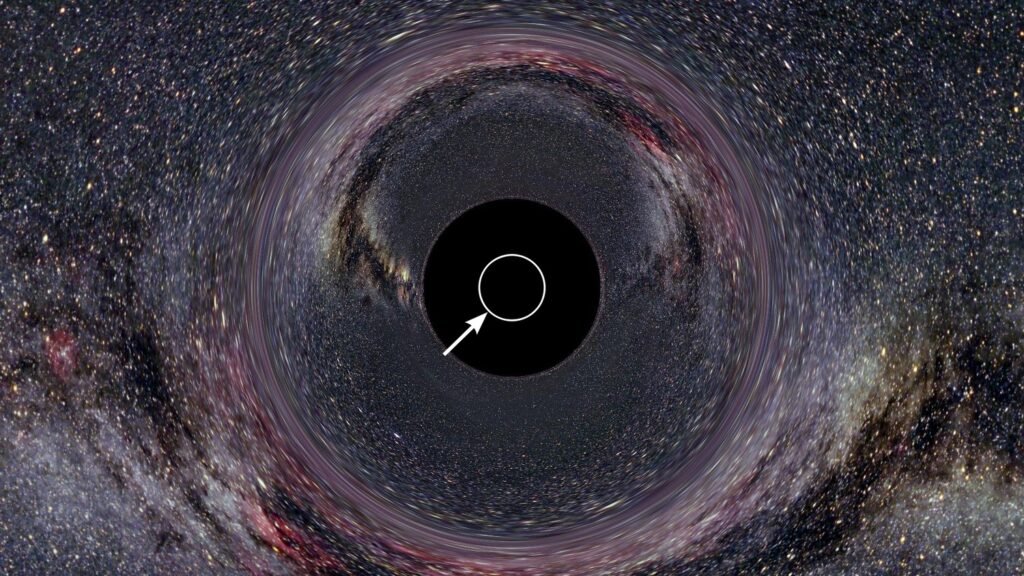
Have you ever woken up from a dream so vivid, so strange, that you wondered what on earth your brain was doing while you slept? Maybe you were flying through impossible landscapes, or confronting people from your past in scenarios that made zero sense. Dreams have puzzled humanity for centuries, inspiring myths, art, and endless speculation about their hidden meanings.
Today, neuroscience is peeling back the layers of this mystery, revealing that our nightly journeys are far more than random mental static. Our brain, disconnected from the environment, can generate by itself an entire world of conscious experiences while we sleep. Scientists are now using cutting-edge tools to understand what happens inside our heads during these peculiar mental adventures, and honestly, the findings are pretty fascinating.
When Your Brain Creates Its Own Reality

Rapid eye movement (REM) sleep is the stage of sleep where most dreams happen, though dreams can actually occur during other sleep stages too. Think of it as your brain’s prime time for storytelling. REM sleep is characterized by increased brain activity, limited muscle movement, darting eye movement, and fluctuating respiration and heart rate.
What’s remarkable is how active your brain becomes during this phase. Sleep studies show our brainwaves are almost as active during REM cycles as they are when we’re awake. Your mind is essentially running at full throttle, crafting elaborate narratives and scenarios.
Most dreams are made up of experiences, thoughts, emotion, places, and people we have already encountered in our lives. Your brain is like a director remixing old footage into something entirely new. Sometimes it makes sense, often it doesn’t, but it’s always uniquely yours.
Why Do We Even Dream at All?
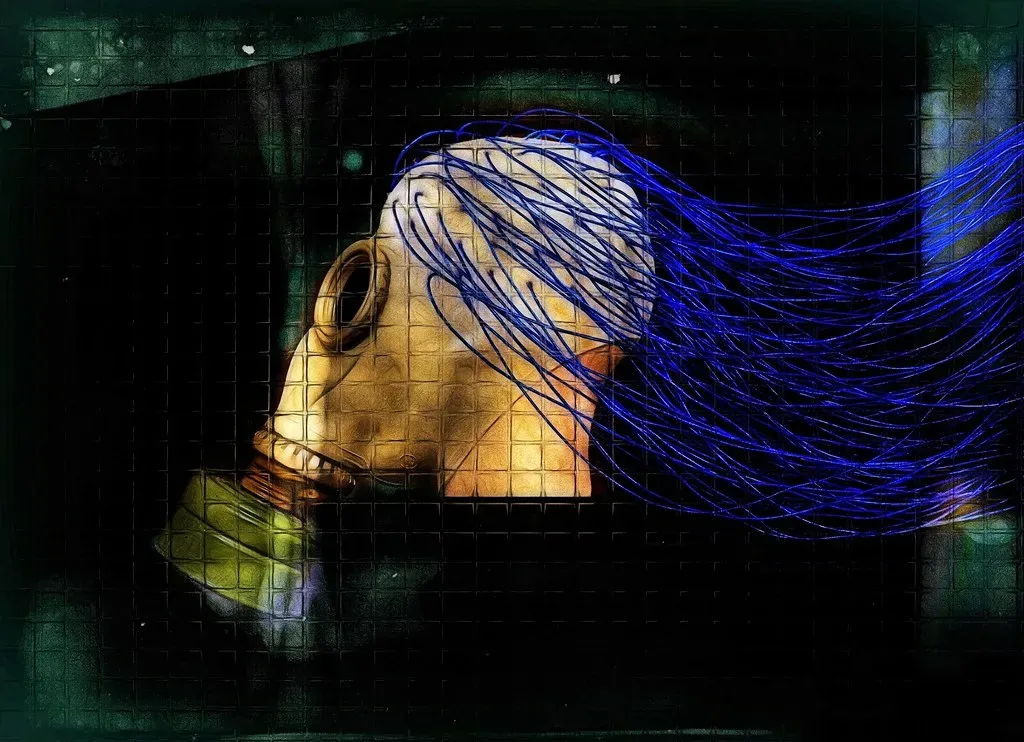
Here’s the thing: scientists still debate the exact purpose of dreaming, and there’s no single answer everyone agrees on. Experts in the fields of neuroscience and psychology continue to conduct experiments to discover what is happening in the brain during sleep, but even with ongoing research, it may be impossible to conclusively prove any theory for why we dream.
Some researchers believe dreams serve practical functions. The prevailing theory is that dreaming helps you consolidate and analyze memories (like skills and habits) and likely serves as a “rehearsal” for various situations and challenges that one faces during the daytime. It’s like your brain is running simulations while you’re offline.
REM sleep is the only time when our brain is completely devoid of the anxiety-triggering molecule noradrenaline. At the same time, key emotional and memory-related structures of the brain are reactivated during REM sleep as we dream. This unique chemical environment might help us process difficult emotions without the stress response that would normally accompany them during waking hours.
One particularly intriguing theory suggests dreams might actually protect our visual processing abilities. Dreams are a way for the visual cortex of the brain to “defend its turf” against being “taken over” to process inputs from other senses during the hours we spend in darkness.
The Strange Science of Memory and Dreams

Dreams aren’t just random noise. Roughly half of dreams were traced to a memory, and nearly fifty percent of reports with a memory source were connected to multiple past experiences. Your brain is actively working with your life experiences, weaving them into new patterns.
Even more fascinating, dreams seem to look forward as well as backward. Around one quarter of dreams were related to specific impending events, and more than a third of dreams with a future event source were additionally related to one or more specific memories of past experiences. It’s almost as if your sleeping mind is trying to prepare you for what’s coming.
While you’re asleep, your brain reorganizes and catalogs memories and learned information. This is like a librarian sorting and shelving books at the end of the day. It makes accessing and using things you learn and remember easier and more efficient. Sleep isn’t just downtime; it’s maintenance time for your mental library.
Communicating With Dreamers in Real Time

In a breakthrough that sounds like science fiction, researchers have actually managed to communicate with people while they’re dreaming. NSF-supported researchers achieve two-way communication with lucidly dreaming people, creating a new method for studying the human mind.
The response “two” came from the mind of a sleeping research subject as he snoozed in a neuroscience laboratory outside Chicago. “Eight minus six… two” is a dialogue between two people, one of whom was asleep and dreaming. Let that sink in for a moment. Someone solved a math problem while fully asleep.
This opens up incredible possibilities for research. With two-way communication during dreams, we could conduct some of the same experiments while people are sleeping. It could really expand our view of consciousness and what the mind is capable of. Imagine being able to ask dreamers what they’re experiencing as it happens, rather than relying on fuzzy memories after waking.
The Mystery of Lucid Dreams

Lucid dreaming refers to the phenomenon of becoming aware of the fact that one is dreaming during ongoing sleep. It’s like suddenly realizing you’re watching a movie from inside the movie itself. Roughly half of a pooled sample of 24,282 people claimed to have experienced lucid dreams at least once or more in their lifetime.
Recent research reveals lucid dreaming as something truly unique. After analyzing many previous studies on lucid dreaming, researchers have defined it as a state that differs significantly from both REM sleep and wakefulness. It’s a hybrid state of consciousness that doesn’t quite fit into our normal categories.
People who had a more open attitude along with a cognitive curiosity were more likely to have lucid dreams. Personality traits seem to play a role in who experiences these unusual dream states. Subjects using targeted techniques had an average of 2.11 lucid dreams per week, up from 0.74 lucid dreams. This is a dramatic increase, because even one lucid dream a week is considered quite a lot for most lucid dreamers.
When Dreams Turn Dark
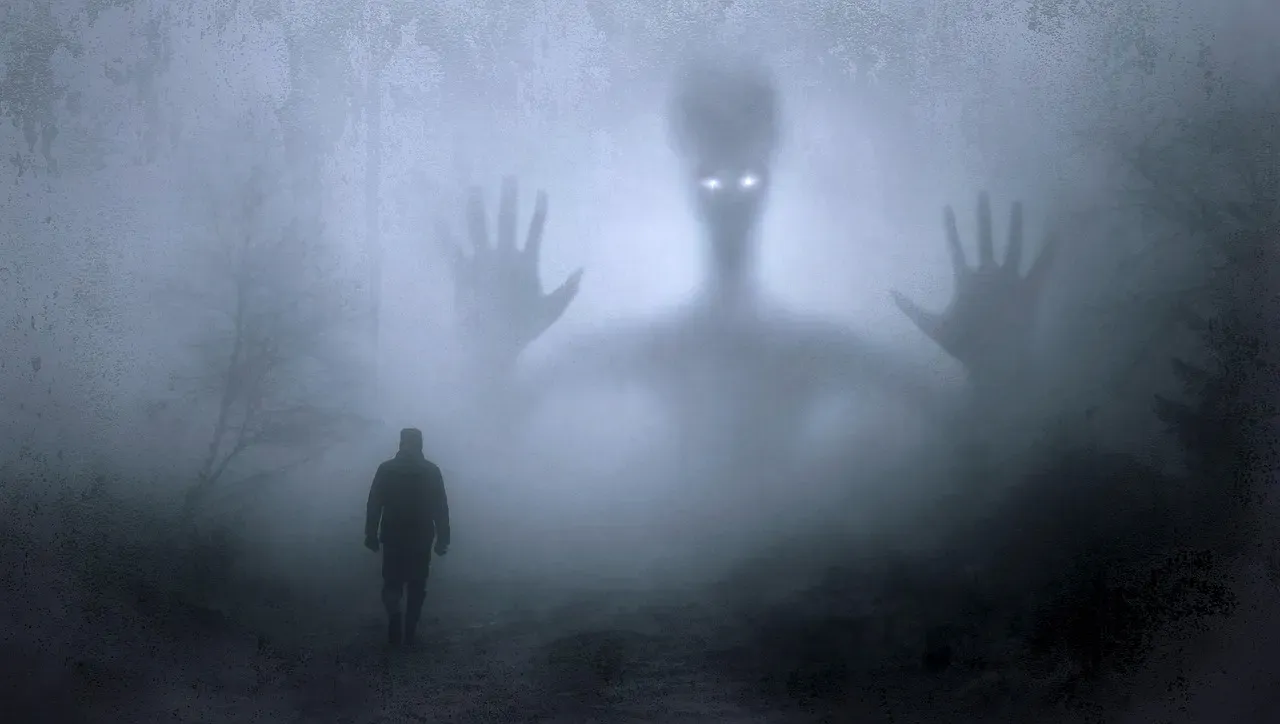
Nightmares are vividly realistic, disturbing dreams that rattle you awake from a deep sleep. They often set your heart pounding from fear. While everyone has occasional nightmares, some people experience them frequently enough to disrupt their lives.
Anxiety and depression can cause adult nightmares. Post-traumatic stress disorder (PTSD) also commonly causes people to experience chronic, recurrent nightmares. These aren’t just bad dreams; they’re symptoms that something deeper needs attention.
The good news is that treatment exists. Imagery rehearsal treatment is a promising cognitive behavioral therapy for recurrent nightmares and nightmares caused by PTSD. The technique helps chronic sufferers change their nightmares by rehearsing how they would like them to transpire. It’s essentially retraining your brain to script different endings.
One theory is that nightmare disorder may be influenced by increased hyperarousal that builds during the day and remains at night. Hyperarousal is a mood-altering symptom in which you’re consistently irritable, angry and paranoid. It’s a well-known symptom of PTSD and insomnia. Hyperarousal may make certain areas of your brain overactive while you sleep, causing nightmares.
The Future of Dream Research

An expanding collection of standardized datasets on human sleep combined with dream report data comprises 20 datasets, 505 participants, and 2643 awakenings. Scientists are building massive databases to better understand the patterns and mechanisms of dreaming across different populations.
Dreams incorporate recent experiences, and memory-related brain activity is reactivated during sleep, suggesting that dreaming, memory consolidation, and reactivation are tightly linked. Reprocessing of pre-sleep experiences during sleep may thus shape our brain activity, our dreams, and our memories. The connections are becoming clearer, though many questions remain.
The tools available to researchers keep improving. From high-density EEG recordings that can track brain activity with incredible precision to functional MRI studies that reveal which brain regions light up during different dream states, science is finally catching up to one of humanity’s oldest mysteries. Still, dreams remain stubbornly complex, refusing to yield all their secrets at once.
Dreams continue to fascinate because they represent something fundamental about being human. Every night, without any conscious effort, your brain constructs entire worlds, populates them with characters, and spins narratives that can be touching, terrifying, or just plain weird. Research shows that dreaming is not just a byproduct of sleep, but serves its own important functions in our well-being. Whether processing memories, rehearsing for future challenges, or simply maintaining brain function, our dreams are doing important work.
The enigma isn’t fully solved, and maybe it never will be completely. Dreams remain one of those beautiful mysteries where science, psychology, and personal experience intersect in ways we’re only beginning to understand. What do you think your dreams are trying to tell you?