
Picture a crow bending a piece of wire into a hook to fish food out of a container. Or an elephant gently touching the bones of a fallen companion with her trunk. Or a tiny cleaner wrasse fish catching a glimpse of itself in an underwater mirror and pausing, as if studying its own reflection. These are not fairy tales. These are documented, peer-reviewed observations that keep rattling the scientific world – and honestly, that keep rattling me personally every time I think about them.
You have probably grown up believing that the human mind is unique, that our thoughts exist in a category all their own. Science is now forcing that belief into a corner. With every new discovery about animal cognition, researchers inch closer to what might be one of the most profound questions of our time: what is actually going on inside the minds of other living creatures? The answers being uncovered are far more surprising than most people expect. Let’s dive in.
The Question That Has Haunted Science for Centuries
The question of animal consciousness, also known as the “distribution question,” is fundamentally about which animal species share with humans the enigmatic capability for conscious awareness. It sounds simple on the surface, but you could spend a lifetime trying to answer it and still feel uncertain. It is a puzzle that sits right at the uncomfortable intersection of philosophy, biology, and ethics.
The mind and behavior of non-human animals has captivated the human imagination for centuries, with writers like Descartes speculating about the presence or absence of the animal mind – speculations that ultimately led to multiple hypotheses about animal intelligence. Even today, with all our brain-scanning technology and behavioral experiments, you will find that scientists are deeply, genuinely divided on the issue. That divide is exactly what makes this so fascinating.
What Does ‘Consciousness’ Even Mean for an Animal?
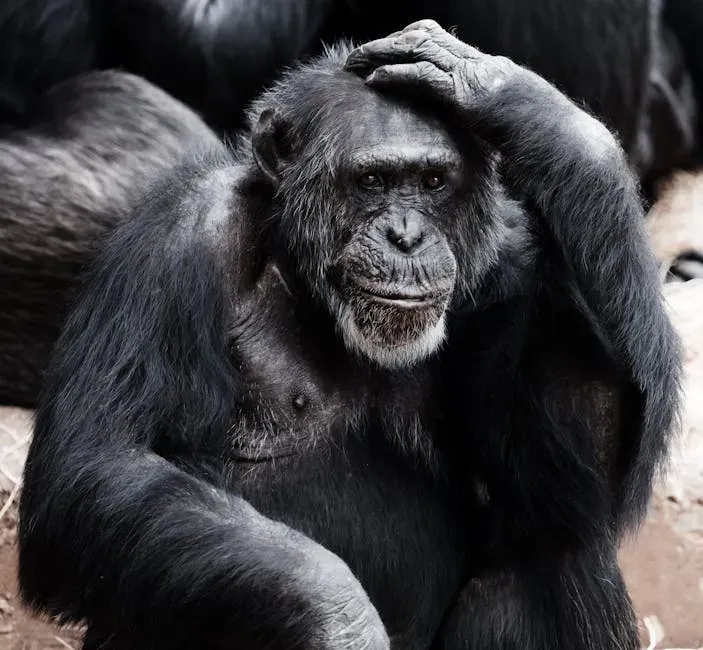
Animals not only behave according to reflexes, but they can “think” in some sense – they understand a great deal about their environment. Everything, however, depends on how one defines “thinking,” and in comparative psychology, scientists prefer to talk about “cognitive skills” that can actually be investigated. Think of it like this: when you ask whether a dog is “conscious,” you might be asking several completely different questions at once. Is it aware of its own body? Does it experience pain subjectively? Does it plan for the future?
Animal consciousness should not be thought of as a light switch – simply on or off. Researchers advocate for a very different approach. To understand it properly, scientists have characterized consciousness using ten different dimensions and then work out which behaviors indicate the presence of each of these dimensions. That is a much more nuanced way of thinking about it, and honestly, it is the approach that feels right to me. Consciousness, for any creature, is likely a spectrum rather than a simple binary.
The New York Declaration: A Landmark Moment for Animal Science
In April 2024, a group of 40 scientists at a conference in New York proposed the landmark New York Declaration on Animal Consciousness. Subsequently signed by over 500 scientists and philosophers, this declaration stated that consciousness is realistically possible in all vertebrates – including reptiles, amphibians, and fishes – as well as many invertebrates, including cephalopods, crustaceans, and insects. That is a staggering expansion of the circle of minds we consider worthy of attention.
This declaration asserts that mammals and birds experience a range of sensory stimuli, including pleasure, pain, and fear. A team of researchers also outlined a new approach for better understanding the depths of animal consciousness, a method that may yield new insights into the similarities and differences among living organisms. You might wonder why such a declaration matters at all – but it matters enormously, because science rarely takes such a collective, formal stance on anything this philosophically loaded.
The Mirror Test: Seeing Yourself in Another Species’ Eyes
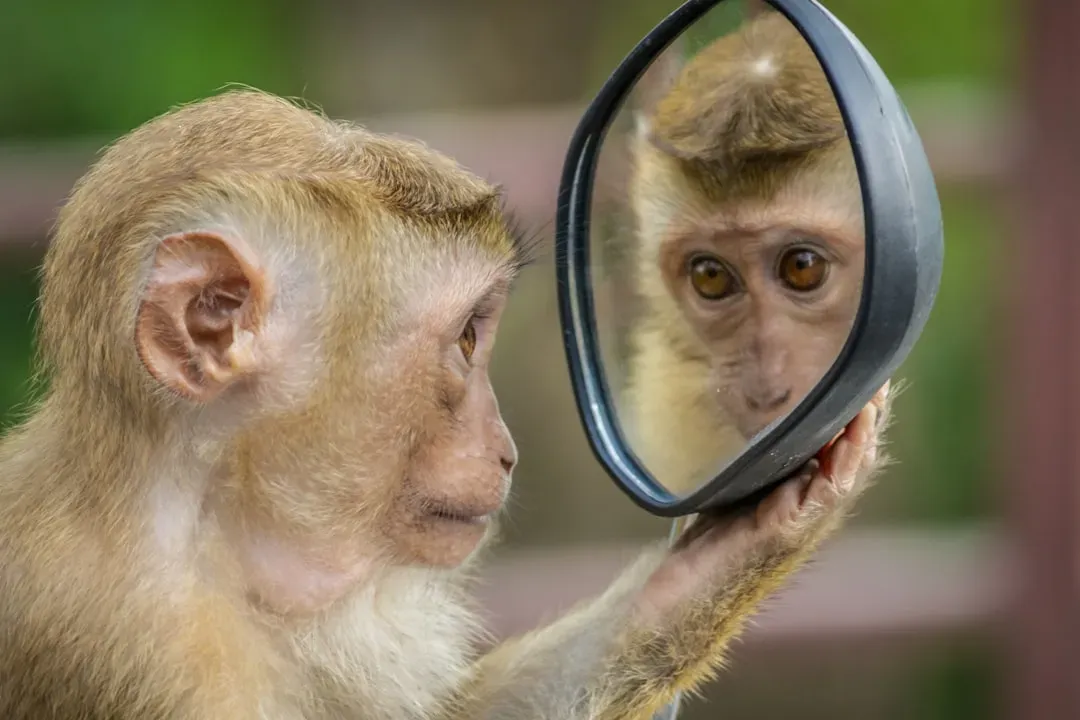
Scientists have long used a mirror test to evaluate whether an animal is capable of visual self-recognition and potentially self-awareness. Self-awareness involves having a working knowledge of your own mental states, like thoughts and emotions, along with an understanding of how you physically appear. It sounds almost childishly simple as a test, but the implications of passing it are profound. If you can recognize yourself in a mirror, something remarkable is happening in your mind.
Excluding humans, chimpanzees and orangutans have conclusively demonstrated mirror self-recognition based on consistent, reproducible experimental evidence. While only the three great apes are convincingly self-aware in this sense, numerous other animals show strongly suggestive signs of self-awareness, indicated by passing mirror tests in at least two separate studies without prior training. Recent detailed proof of mirror self-recognition in the cleaner wrasse, a small-brained fish, indicates that the origin and cognitive complexity of self-awareness must be reconsidered entirely – and that self-awareness may not require a large brain at all.
Elephants, Dolphins, and the Emotional Interior
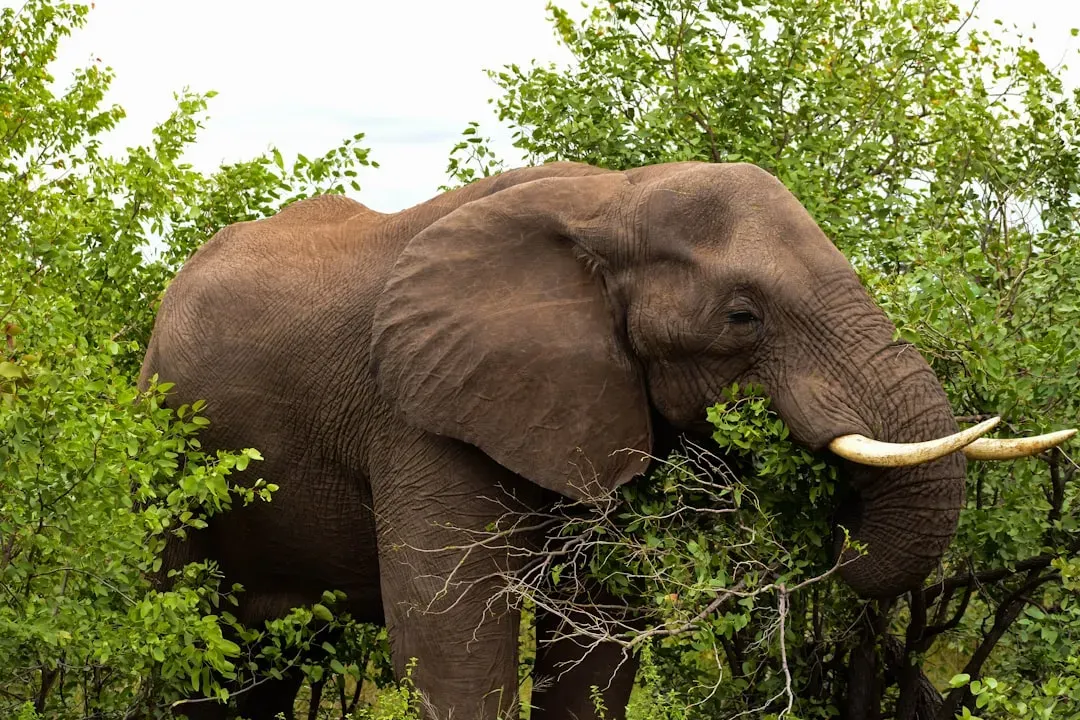
Most contemporary ethologists view the elephant as one of the world’s most intelligent animals. Elephants manifest a wide variety of behaviors associated with grief, learning, mimicry, playing, altruism, tool use, compassion, cooperation, self-awareness, memory, and communication. That list should genuinely stop you in your tracks. Grief. Compassion. These are not words people used to associate with animals, yet here we are.
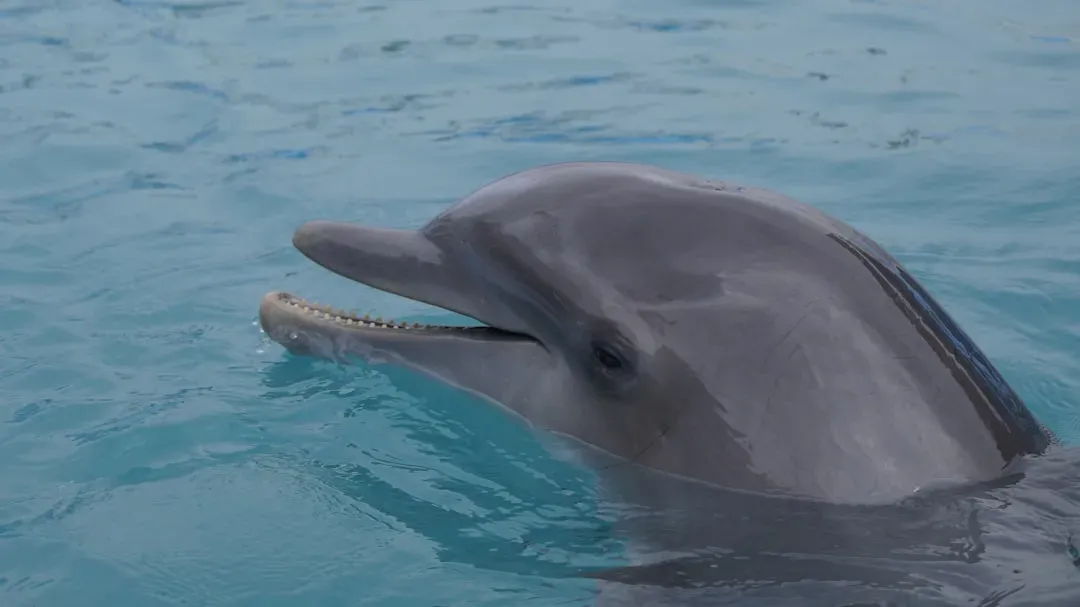
Evidence of elephant self-awareness was shown when the elephant Happy, at the Bronx Zoo, repeatedly touched a painted X on her head with her trunk – a mark that could only be seen in the mirror – while ignoring another mark made with colorless paint to ensure she was not merely reacting to a smell or feeling. Research has even found that dolphins exhibit self-awareness at an earlier age than humans and chimpanzees. These are not simple creatures merely reacting to the world. Something is going on inside them that deserves your serious consideration.
Thinking About Thinking: The World of Animal Metacognition
There is growing evidence that animals may share humans’ ability to reflect upon, monitor, and regulate their states of mind. This is called metacognition, thinking about one’s own thought processes, and it is considered one of the hallmarks of advanced intelligence. For a long time, scientists assumed this was a uniquely human trait. That assumption is crumbling.
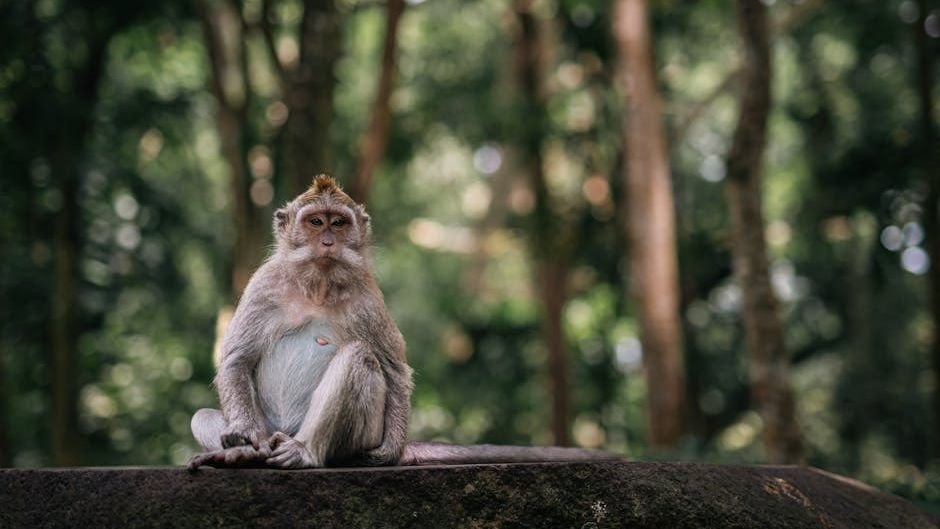
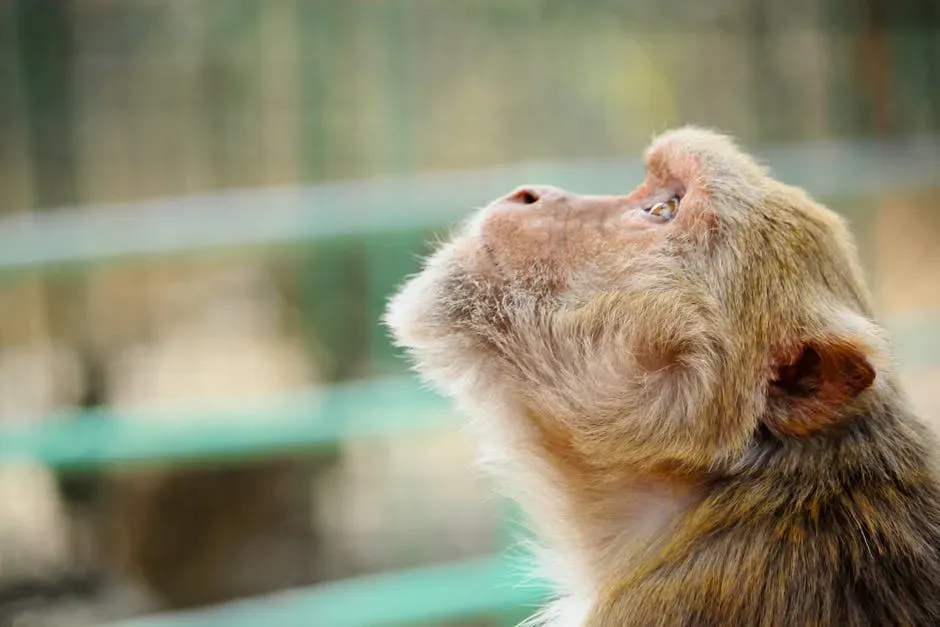
Researchers have studied a dolphin, pigeons, rats, monkeys, and apes using tests involving perception, memory, and food-concealment to find out whether non-human animals have knowledge of their own cognitive states. The results offer growing evidence that some animals do indeed have functional equivalents to human consciousness and cognitive self-awareness – among these species are dolphins and macaque monkeys. The fact that some animals flexibly use metacognition without any training means it is likely to reflect their genuine conscious awareness. Here’s the thing – that is not a subtle finding. That is a big deal.
The Unexpected Minds of Invertebrates: Octopuses, Bees, and Beyond
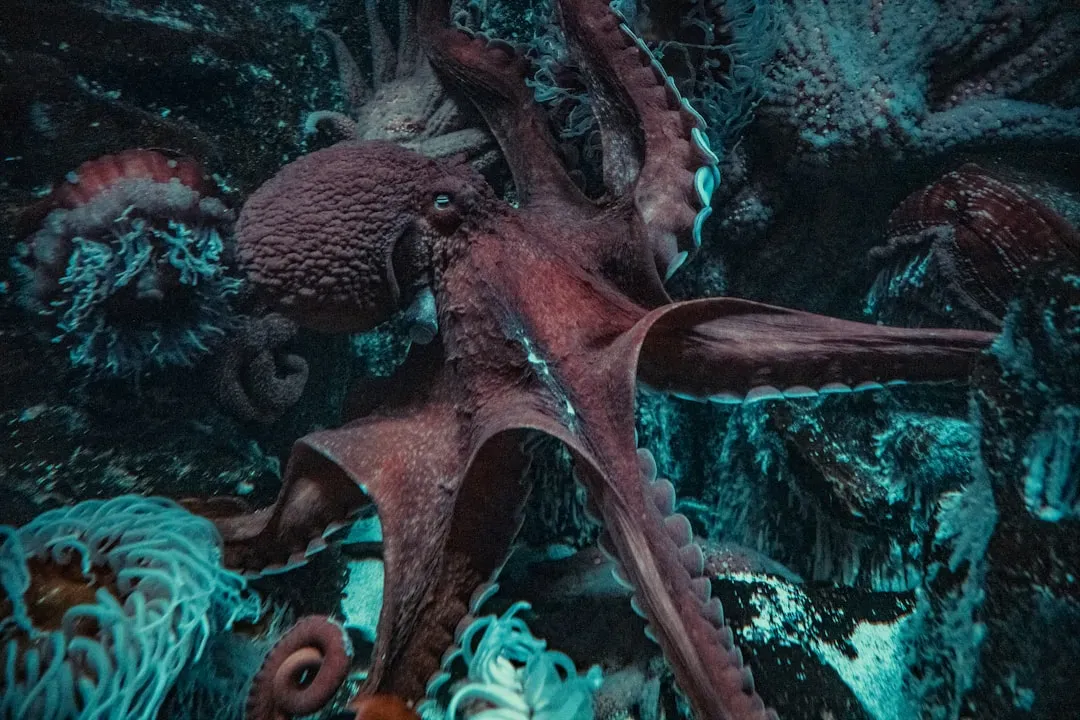
Bees have been observed playing by rolling wooden balls, apparently for fun. The cleaner wrasse fish appears to recognize its own visage in an underwater mirror. Octopuses seem to react to anesthetic drugs and will avoid settings where they likely experienced past pain. All three of these discoveries came in the last five years – indications that the more scientists test animals, the more they find that many species may have inner lives and be sentient.
Fish species form intricate social structures and display complex social behaviors. Bees are able to work through memories while sleeping. Octopuses have the capacity to figure out how to solve problems by using memory and prediction skills. I know it sounds crazy, but consider this: an octopus has no shared ancestry with a mammal worth mentioning, yet it independently evolved something that looks, behaviorally, remarkably like problem-solving intelligence. While we can never fully “prove” that any species has sentience, the evidence clearly points to the foundation for this capacity being present in cephalopod molluscs such as octopuses.
The Gap Between Human and Animal Cognition: What Truly Sets Us Apart?
While animals share many of the building blocks that comprise human thought, there is paradoxically a great cognitive gap between humans and animals. By looking at key differences in cognitive abilities, we can identify the elements of human cognition that are uniquely human – the challenge being to identify which systems animals and humans share, which are unique, and how these systems interact. Honestly, the more research you read, the more you realize the gap is narrower than you thought in some areas and stranger than you expected in others.
Animal and human cognition, though similar in many respects, differ in two profound dimensions. One is the ability to form nested scenarios – an inner theater of the mind that allows us to envision and mentally manipulate many possible situations and anticipate different outcomes. The second is our drive to exchange our thoughts with others. Together, the emergence of these two characteristics transformed the human mind and set us on a world-changing path. It is a compelling argument. Think of it as the difference between having a torch and having a searchlight – both illuminate, but in very different ways and for very different purposes.
The Ethical Weight of Animal Consciousness
Conscious beings might matter morally in a way that unconscious things do not. Expanding the sphere of consciousness means expanding our ethical horizons. Even if we cannot be sure something is conscious, we might err on the side of caution by assuming it is – what philosopher Jonathan Birch calls the precautionary principle for sentience. You feel the weight of that idea when you think about how billions of animals are treated industrially every single year around the globe.
Washington and California are among several states where lawmakers have already considered bans on octopus farming, a species for which scientists have found strong evidence of sentience. British law has been amended to consider octopuses sentient beings – along with crabs and lobsters. The New York Declaration emphasizes that absolute certainty about consciousness is not required to give moral consideration to animals. That is a quiet but powerful shift in how legal and scientific communities are beginning to think about non-human life. Whether the rest of the world catches up remains to be seen.
Conclusion: A Mystery That Changes Everything
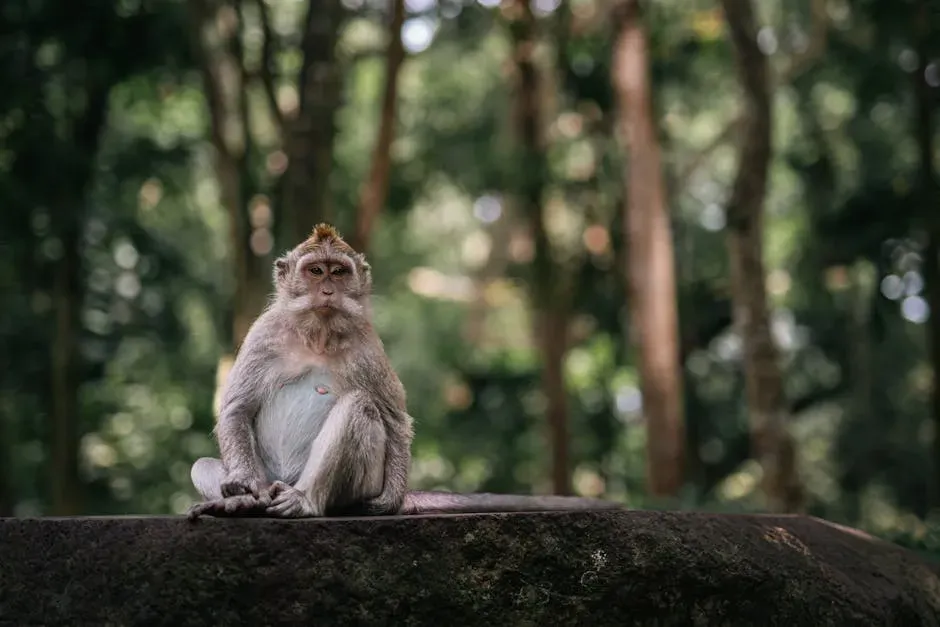
The more science uncovers about animal minds, the harder it becomes to maintain comfortable distance between “us” and “them.” You started this journey perhaps assuming animals react while humans reflect. The evidence suggests the boundary is far blurrier than that. From elephants grieving their dead to bees playing with wooden balls seemingly for the sheer joy of it, the animal kingdom appears filled with glimmers of inner life.
What we do with that knowledge – scientifically, ethically, legally – is perhaps the most important question of our generation. Researchers increasingly advocate a broader empirical perspective, convinced that to better understand animal minds, we should investigate non-human cognition for its own sake, not only in comparison to the human model. That shift in perspective alone could change everything. The question is no longer just whether animals think. It is what their thinking means for how we live alongside them. What do you think – does the idea of animal consciousness change the way you see the creatures around you? Share your thoughts in the comments.