You walk past trees every day, but it is easy to forget that some of them have been standing longer than your country, your language, and even many of your religions. Ancient trees are the quiet giants of Earth, watching centuries of human history go by while they keep doing what they have always done: drawing in sunlight, moving water, and quietly stabilizing the very systems that let you breathe. When you start to grasp how old some of these beings really are, the ground under your feet suddenly feels far more mysterious.
This article takes you into that hidden world. You will explore how scientists discover a tree’s age, meet record-breaking individuals, and see why these elders matter so much for climate, wildlife, and even your own sense of time and meaning. By the end, you may never look at a tree the same way again – and you might even feel a tug to go find one of these ancient witnesses and just sit with it for a while.
The Oldest Living Trees You Share the Planet With
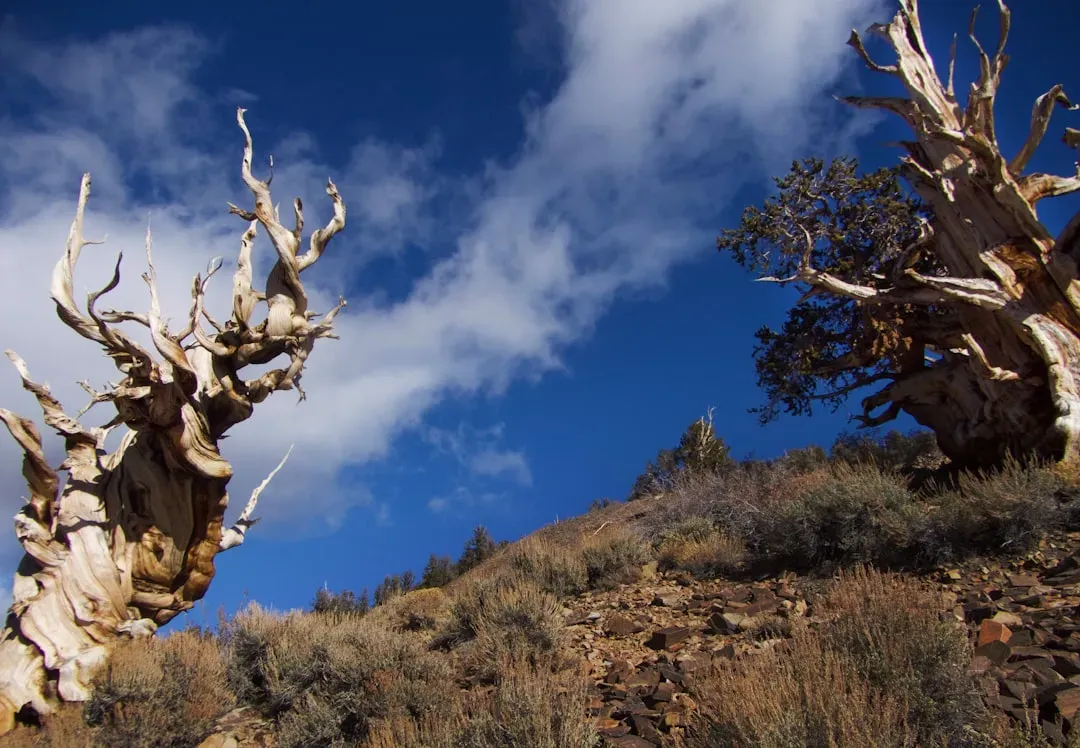
When you think of something old, you might picture castles or pyramids, but some trees easily outdate those by thousands of years. In the high mountains of the western United States, for example, certain bristlecone pines have lived for close to five millennia, meaning they were already ancient when the Roman Empire rose and fell. You live in a time when a single organism can bridge your modern world with eras you only know from archaeology and myth.
Elsewhere, in forests of Scandinavia, shrub-like spruces have root systems that are roughly about nine and a half thousand years old, continuously resprouting new trunks as the centuries pass. In the Mediterranean, olive trees that may have begun growing in classical times still produce fruit today, tying your present-day meals to long-gone farmers. These trees are not just curiosities; they are living documents of climate, disturbance, and survival that quietly hold records no human library can match.
How You Can Tell a Tree’s True Age
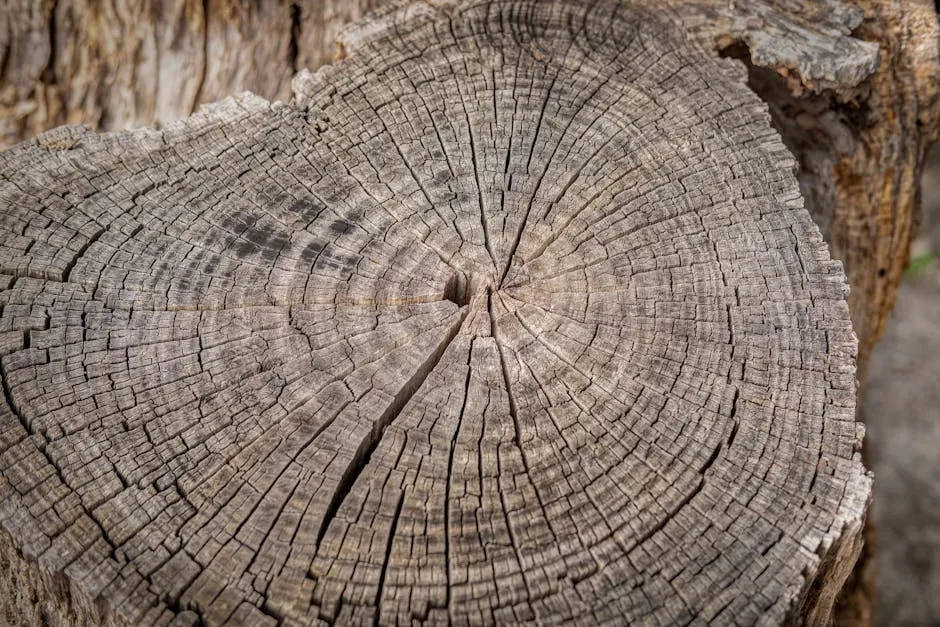
You have probably heard that you can count a tree’s rings to find out how old it is, and that simple idea is surprisingly powerful. Each year, a tree in a seasonal climate lays down a new ring that reflects how good or bad conditions were, from droughts and fires to years of abundant rain. By taking a small core sample from a living tree, scientists can count and compare those rings, letting them estimate its age without cutting it down, while you get an indirect timeline of local climate stretching centuries into the past.
For the oldest trees, researchers sometimes go even further, comparing ring patterns from living trees with wood preserved in old buildings, lake sediments, or ancient timbers buried in the ground. By matching overlapping patterns like a massive jigsaw puzzle, they can push the record back many thousands of years and build a continuous calendar of climate history. When trees grow in the tropics, where seasons are less distinct, you cannot always rely on clean annual rings, so scientists may instead use careful growth measurements, radioisotope dating, and long-term observation, showing you that even counting years in a tree’s life can be a scientific adventure.
Why Ancient Trees Are Climate Time Machines
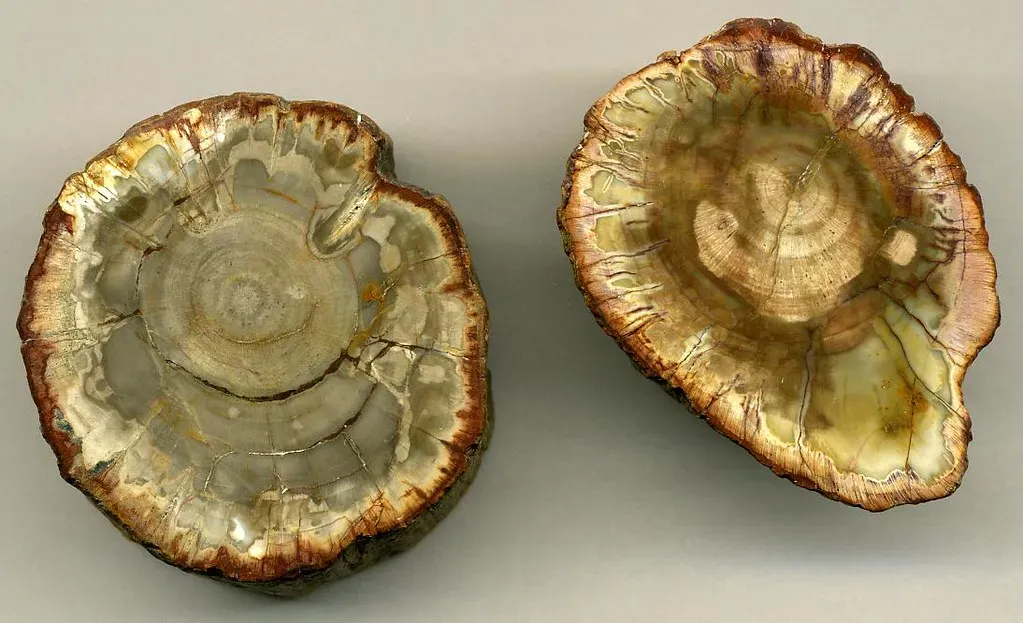
If you want to know what the climate was like centuries before thermometers, ancient trees are one of your best guides. The width, density, and chemistry of each ring can reveal whether a given year was cool, warm, wet, or dry, helping you reconstruct long-term patterns like recurring droughts or unusual cold snaps. When you line up data from trees across regions and continents, you start to see huge climate swings and slow trends that individual humans could never perceive in a single lifetime.
These records matter directly to you because they put current climate change in context. When you compare modern warming to past natural variations preserved in old wood, you see that today’s rapid temperature rise and shifting rainfall patterns stand out sharply. That contrast helps scientists test climate models, refine predictions, and understand how ecosystems may respond in the future. In a very real sense, each ancient tree you protect gives you a clearer window into where your planet has been, and where it might be heading.
Hidden Forest Architects: How Old Trees Shape Entire Ecosystems
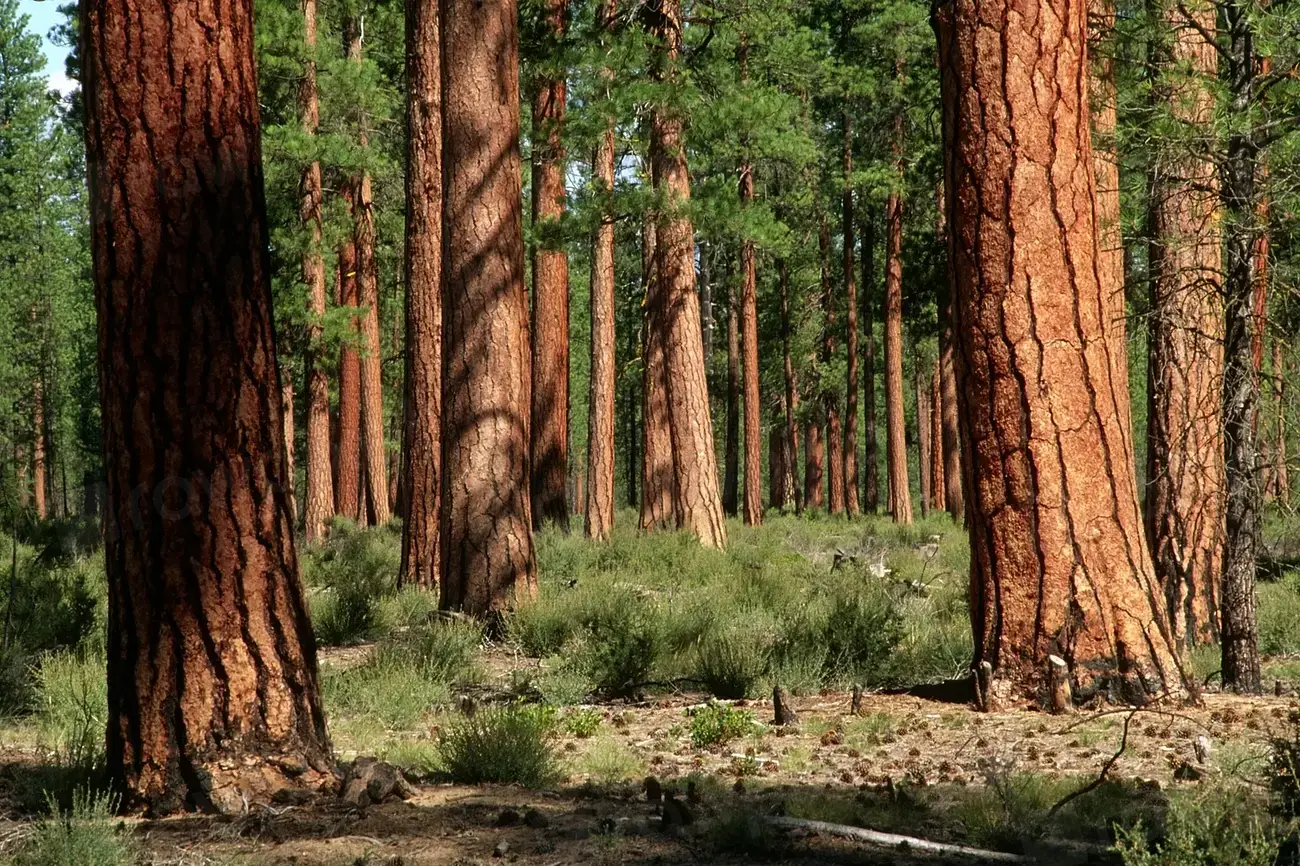
When you walk into an old-growth forest, you are stepping into a community that ancient trees quietly design and maintain. Their towering trunks create deep shade that keeps temperatures cooler and more stable, offering refuge during heat waves that are becoming more common in your lifetime. The complex structure of their branches and cavities gives homes to birds, bats, insects, mosses, and fungi that simply cannot thrive in young, uniform plantations.
On the forest floor, fallen giants slowly decompose over decades, releasing nutrients and water like a slow-drip sponge that feeds new generations of plants. Their roots knit the soil together, reducing erosion and landslides, while the thick mosses and leaf litter under them act like a vast living sponge that soaks up heavy rains. When you remove these elders, the entire web begins to unravel, and the forest becomes more vulnerable to storms, pests, and fire, which is why protecting a few large trees can sometimes be more effective than planting hundreds of small ones.
The Carbon Vaults Standing in Front of You
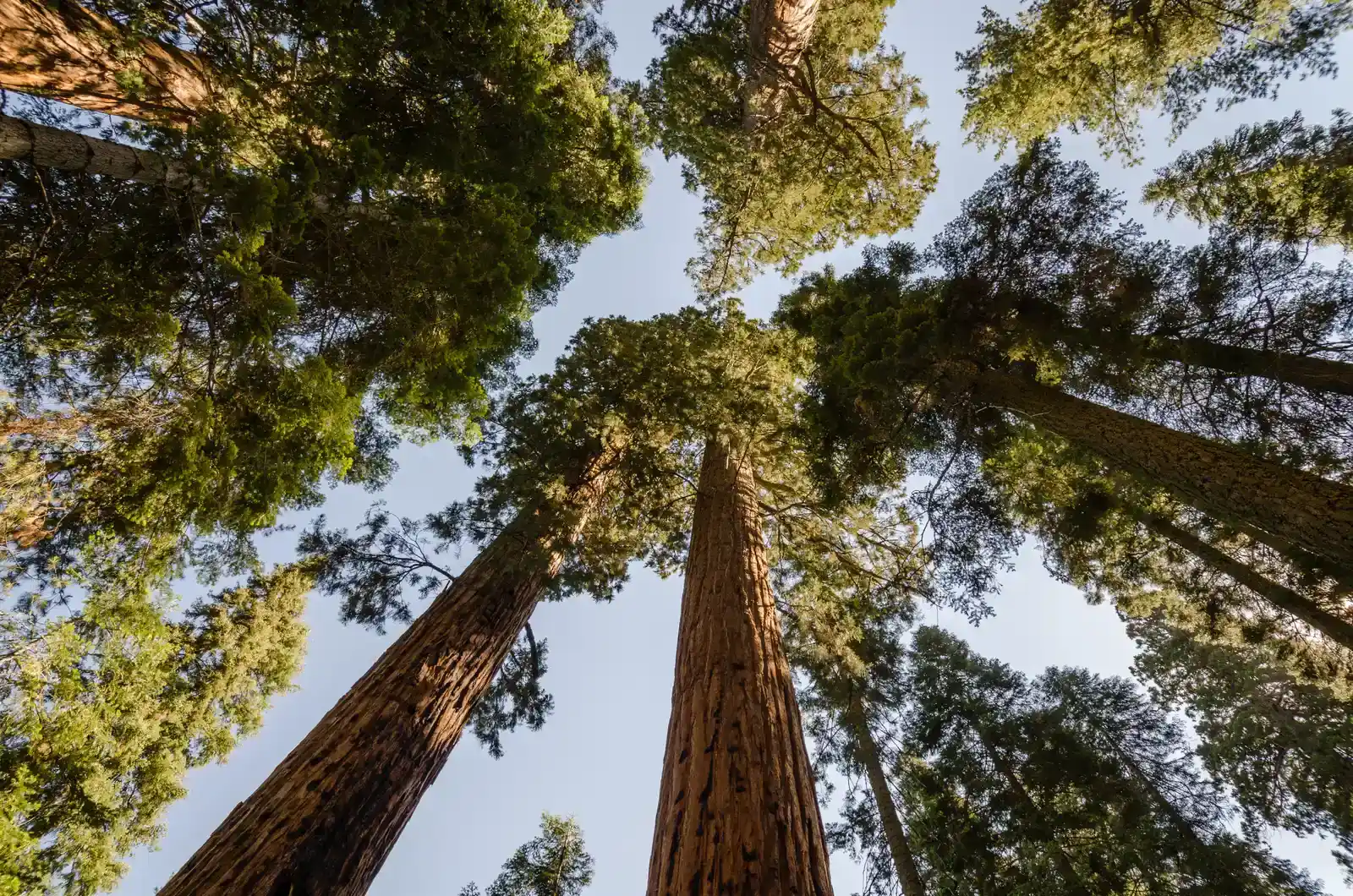
You hear a lot about carbon footprints and emissions, but ancient trees are among your most effective natural allies in slowing climate change. Over centuries, each large tree locks away immense amounts of carbon in its wood, branches, and roots, turning your atmosphere’s excess into living architecture. Older forests, especially those that have remained undisturbed for a long time, act like huge carbon vaults that continue to store more with every growing season, as long as you leave them standing.
When an ancient tree is cut or burned, much of that stored carbon returns to the air, undoing decades or even centuries of natural climate work in a short time. While planting new trees is important, it takes them many human generations to reach the storage power of one old giant. That is why scientists often emphasize that you cannot plant your way out of climate change if you keep losing the biggest, oldest individuals. From your perspective, protecting ancient trees is one of the simplest, most immediate climate actions you can support.
Cultural Memory: Why These Trees Matter to Your Stories
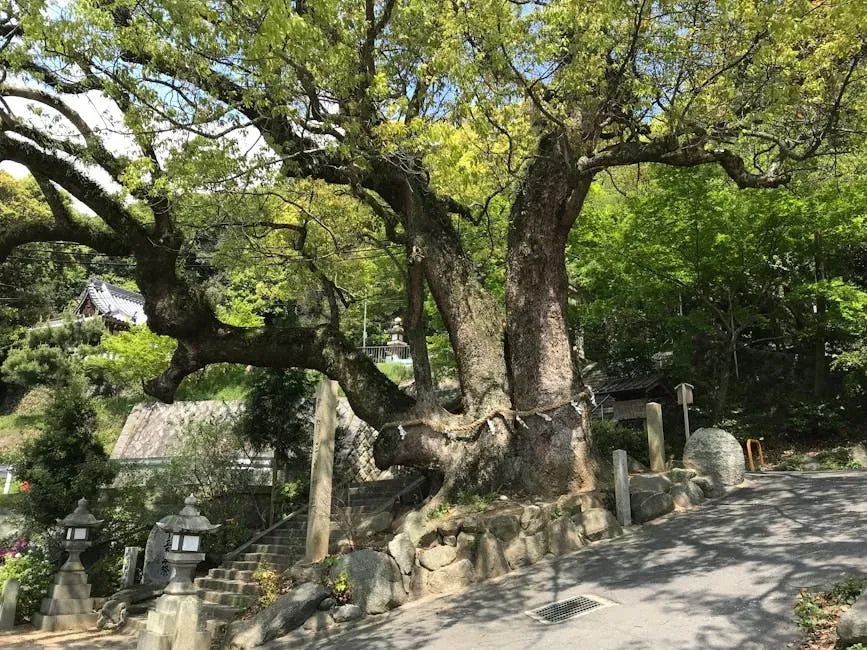
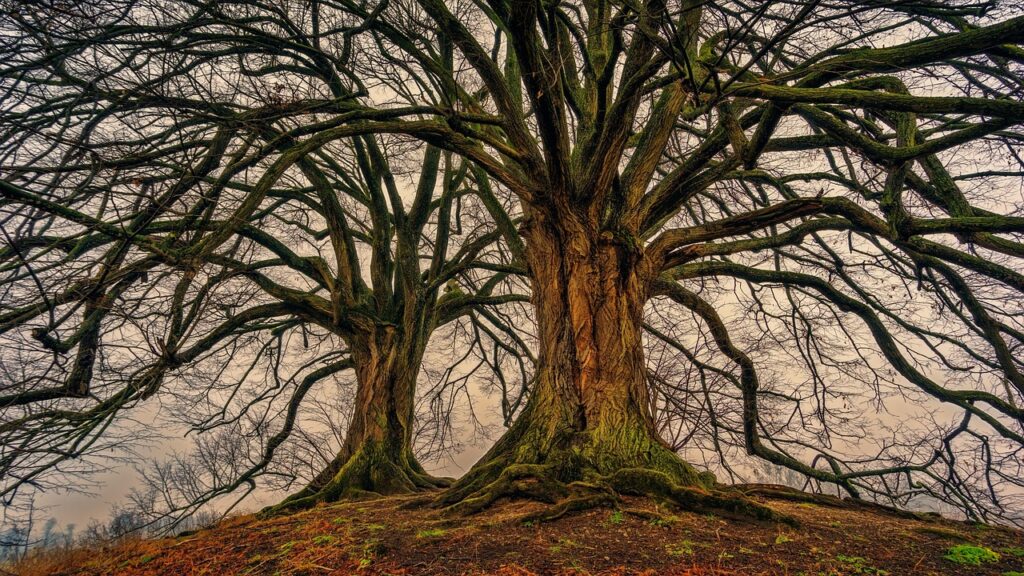
Across the world, old trees sit at the center of stories, rituals, and community life, even if you have never thought about it that way. In many cultures, particular oaks, figs, cedars, or baobabs are treated as sacred beings, places where people gather to settle disputes, celebrate milestones, or seek guidance. When you stand before such a tree, you are sharing space with generations who stood there before you, weaving their hopes and fears into the same living trunk.
Even if you do not belong to a traditional culture, you probably have known a memorable tree: the one you climbed as a child, the one you passed walking to school, or the lone tree that marks a favorite viewpoint. Old trees anchor your sense of place in a way that buildings rarely can because they grow with you and outlast you, adding layers of personal and collective memory. When those trees are felled, the loss often feels strangely personal, as though a quiet elder who always listened without judgment has vanished from your world.
Threats You Might Not See Until It Is Too Late
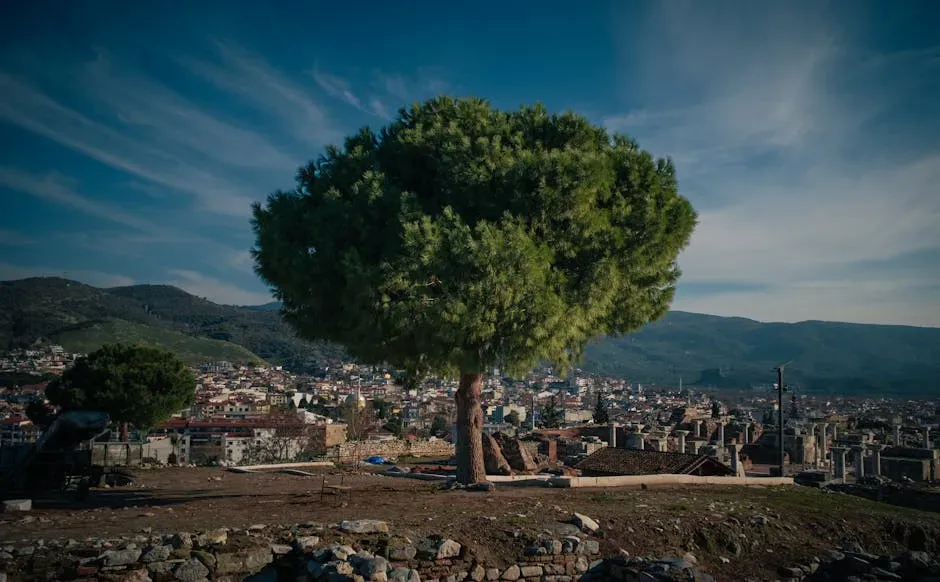
Despite their resilience, ancient trees are more vulnerable today than at almost any point in human history, and much of that risk comes from choices you participate in, directly or indirectly. Expanding agriculture, urban development, and logging nibble away at old-growth forests, sometimes leaving a few isolated giants that are more exposed to wind, heat, and disease. Climate change adds extra stress through more intense droughts, wildfires, storms, and shifting pest outbreaks that old trees did not evolve to handle at such speed.
Even well-meaning actions can harm them if you are not careful. Heavy foot traffic around their roots, soil compaction from vehicles, and careless construction nearby can slowly weaken a tree that survived centuries of natural challenges. In some places, trophy logging and illegal cutting still target the largest and straightest trunks, erasing irreplaceable individuals in a single season. Once an ancient tree is gone, you cannot simply replace it with a sapling and pretend nothing was lost, because you have lost hundreds or thousands of years of living history.
How You Can Help Protect These Quiet Giants
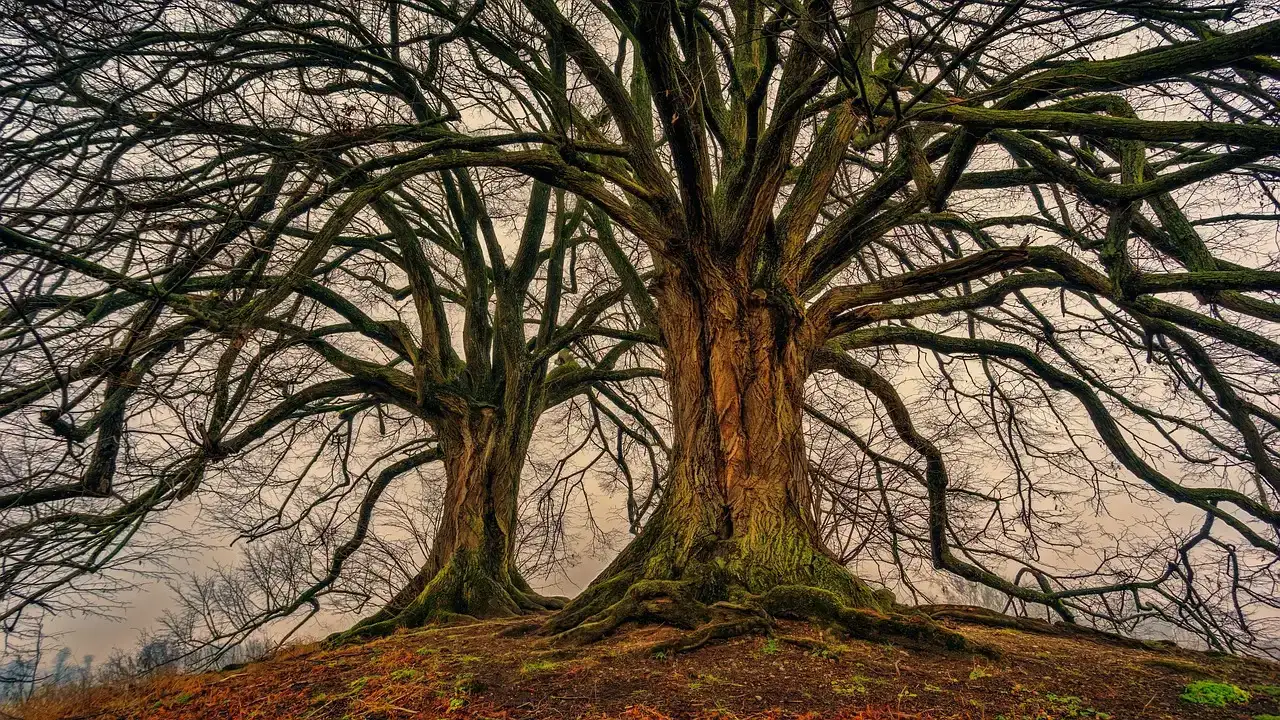
You might feel small in the face of thousand-year-old organisms and global deforestation, but you do have real ways to help. One of the simplest is to support protected areas and conservation projects that prioritize old-growth forests and ancient trees, whether through donations, citizen science, or lending your voice when those places are threatened. You can also pay attention to how the wood, paper, and agricultural products you buy are sourced, favoring certifications and producers that avoid clearing primary forests.
Closer to home, you can advocate for preserving old trees in your neighborhood, parks, and city planning decisions by speaking up at public meetings or supporting local tree ordinances. When you visit ancient trees, you can treat them with respect: staying on paths, avoiding climbing on fragile roots, and not carving into bark that has already survived far more than you ever will. By building your own quiet relationship with these giants, you help create a culture where felling a centuries-old tree for short-term convenience feels as unthinkable as bulldozing a cathedral.
Ancient trees remind you that the world is not only about your pace, your news cycle, or your lifespan. They show you that endurance, patience, and quiet presence can shape landscapes more deeply than any quick, flashy change. If you choose to listen, they offer a different sense of time, one in which your decisions about forests, climate, and land use echo far beyond your own years. The next time you pass a particularly large, gnarled tree, you might pause, look up into its canopy, and wonder what it has already seen – and what it will see long after you are gone. What kind of ancestor do you want to be for the forests that will remember you?