
If someone told you that beneath your feet lies a churning metallic ocean hotter than the surface of the Sun, you might think they were exaggerating. Yet that’s essentially what scientists now believe is hidden thousands of kilometers below us, locked away in darkness and extreme pressure we’ll probably never physically visit.
The strangest part is this: everything we do on the surface, from using a compass to watching the aurora, depends on what happens in this invisible realm. The Earth’s core is not a quiet, frozen ball of metal; it’s a restless, shifting world that shapes the planet’s magnetic shield, influences the length of our days, and may even leave fingerprints on climate and life over deep time.
The Deepest Place We’ll Never Reach
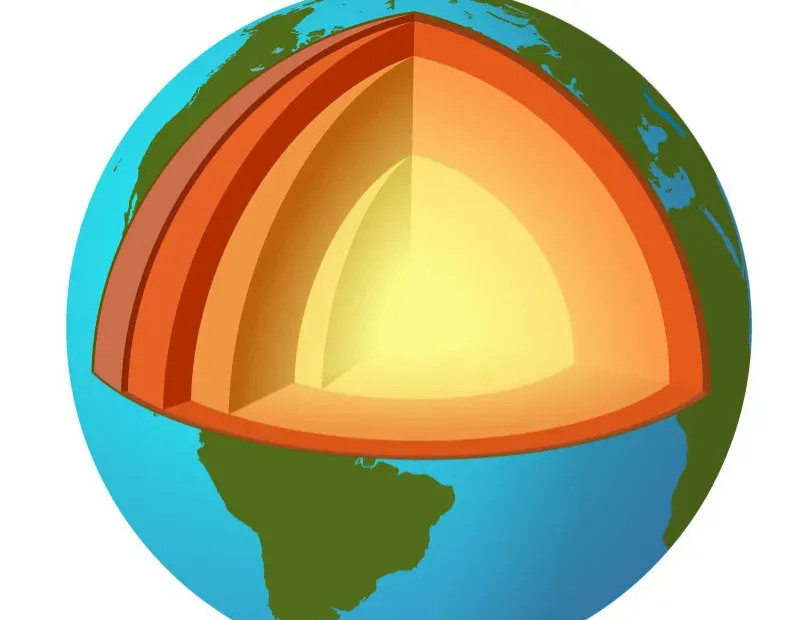
Here’s the shocking reality: humanity has never drilled even one percent of the way to Earth’s core. The deepest borehole ever, in Russia’s Kola Peninsula, reached about twelve kilometers down before extreme heat and technical limits forced the project to stop, and that’s basically just a pinprick in the crust. The core itself begins roughly halfway to the center of the planet, at about three thousand kilometers below the surface, and continues all the way to the very center.
Because we’ll almost certainly never send a probe there, everything we “know” about the core comes from indirect clues, like detectives solving a case with no crime-scene access. Seismologists use earthquakes the way doctors use ultrasounds, watching how shock waves pass through Earth’s interior to map what’s hidden. The way those waves speed up, slow down, or bend reveals different layers, including a liquid outer core and a solid inner core, even though no person, robot, or drill has ever been there.
Two Cores, Two Very Different Worlds
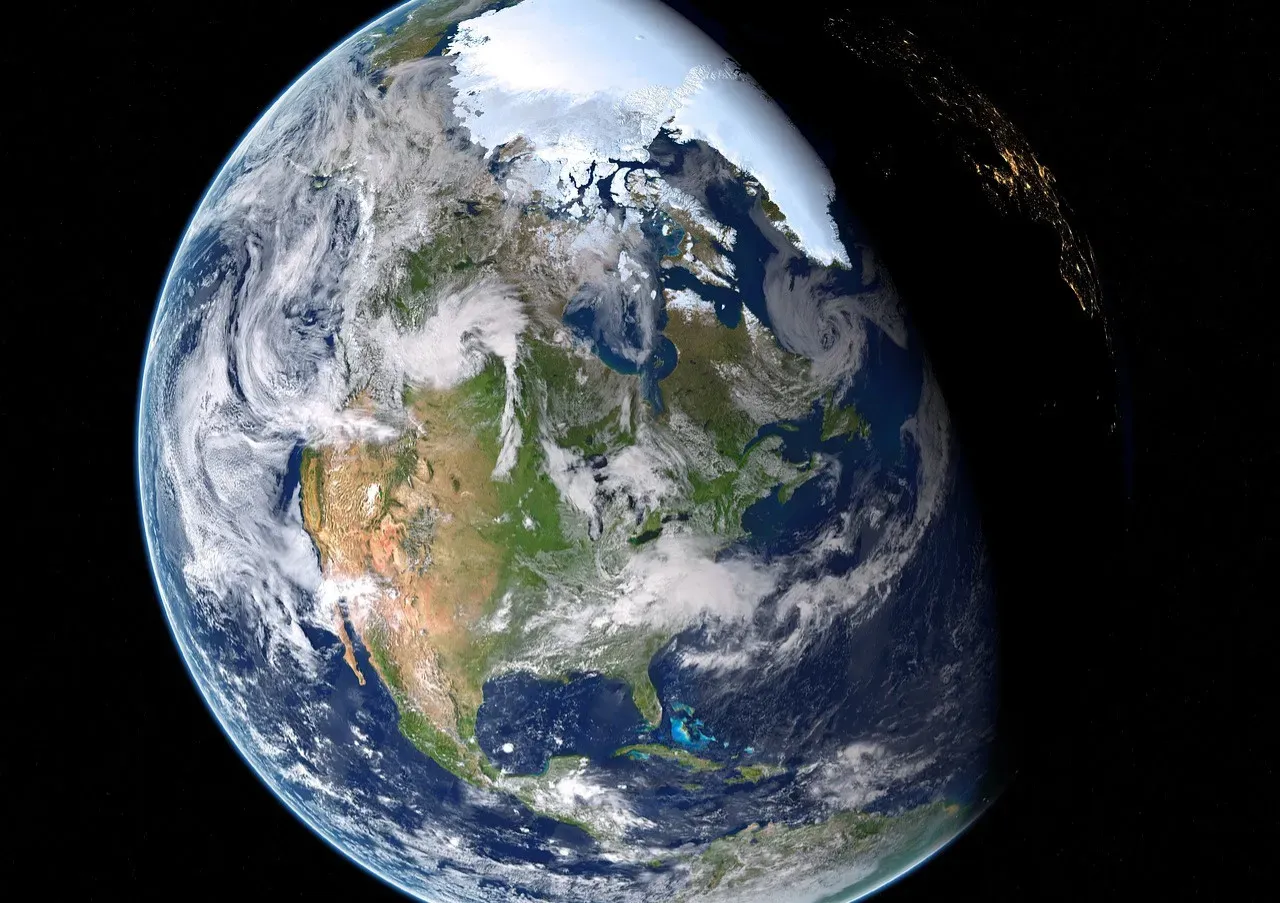
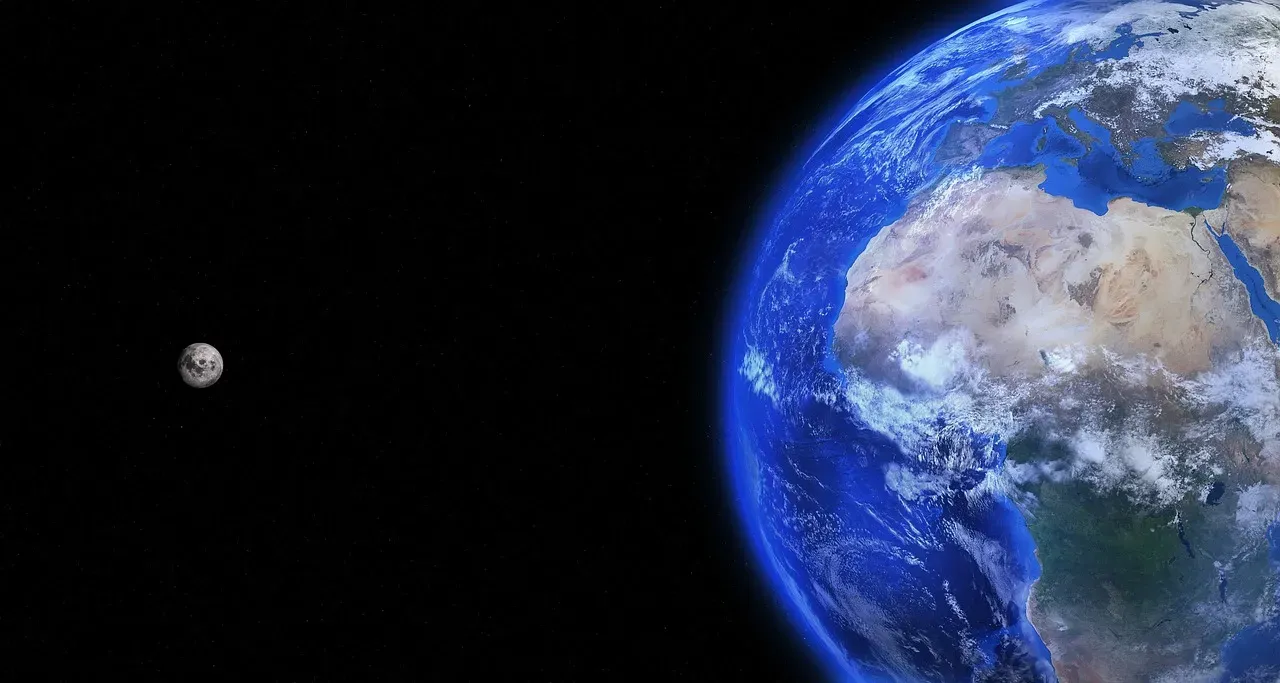
The core isn’t a single uniform lump; it’s split into two distinct regions with very different personalities. The outer core is a vast shell of liquid iron alloy, so hot and pressurized that metal behaves more like a thick, swirling fluid than anything we normally think of as solid. Deeper still, at the very center, lies the inner core, a solid metallic sphere roughly the size of the Moon, compressed into solidity by crushing pressure despite temperatures that rival or exceed the Sun’s surface.
This contrast between liquid and solid is not just a geeky detail from geophysics textbooks. The boundary between the outer and inner core is a crucial physical frontier, where heat moves, crystals might grow, and the ingredients for our magnetic field are stirred. You can imagine the outer core as a dark, roiling metallic ocean sloshing around a solid glowing seed; that seed is the inner core, and what happens at that interface may control how the entire system evolves over billions of years.
The Core Drives Our Planet’s Magnetic Shield
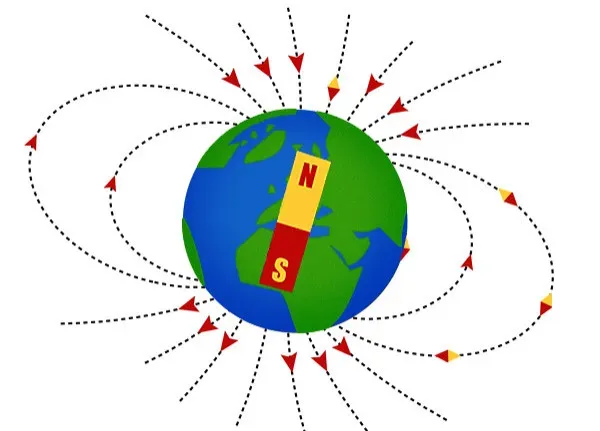
The Earth’s magnetic field, the invisible shield that helps protect life from harmful solar and cosmic radiation, is born in the liquid iron of the outer core. As that molten metal moves and convects, it acts like a natural dynamo, generating electric currents that produce a global magnetic field. Without that field, the upper atmosphere would be constantly stripped away by energetic particles from the Sun, and conditions on the surface could be far more hostile to life as we know it.
What’s wild is that an everyday object like a compass is basically a tiny needle responding to this deep metallic engine far below your feet. When you see pictures of the aurora shimmering around Earth’s magnetic poles, you’re looking at the sky’s way of tracing field lines that start in the restless flows of the outer core. The fact that something so delicate-looking in the night sky is rooted in such unimaginable heat and pressure is one of those contradictions that makes Earth feel almost unreal.
A Magnetic Field That Never Stops Changing
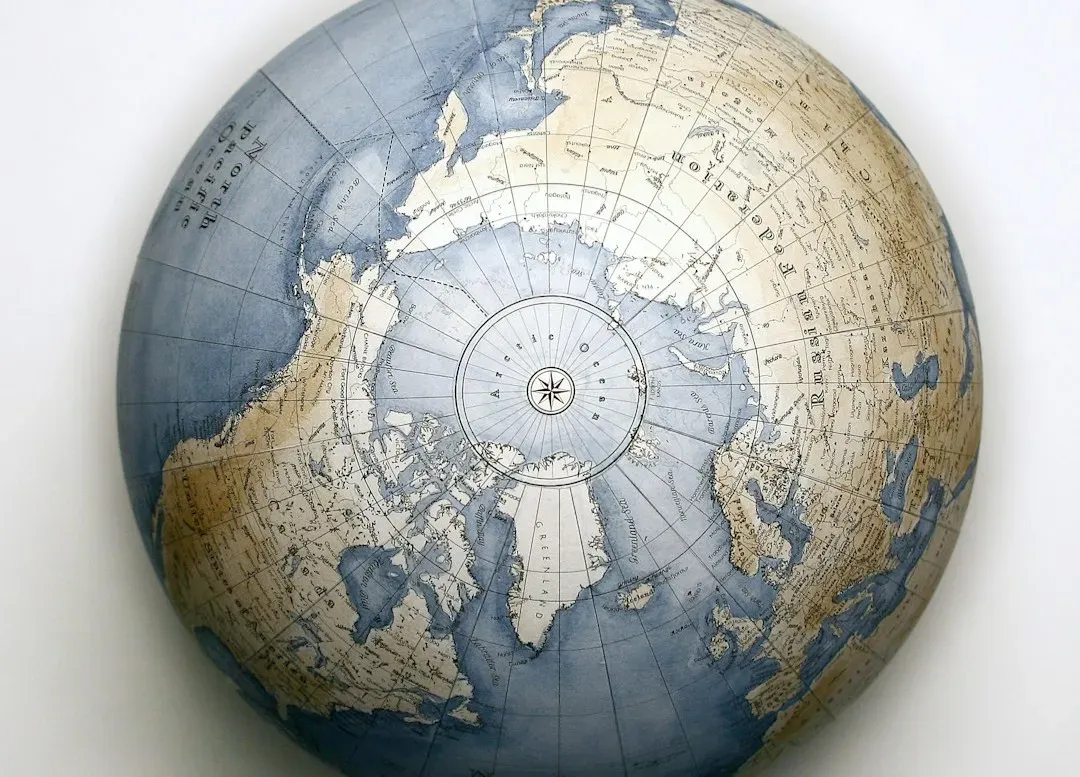
People often think of the North and South Poles as fixed and solid, but the magnetic poles wander constantly because the core itself is dynamic. Measurements over the last few centuries show the magnetic North Pole racing across the Arctic region, moving much faster in recent decades than in earlier times. This drift is a surface sign of changing flows in the core, like ripples on a pond hinting at the turbulence below.
On much longer timescales, the core’s churning has done something even more dramatic: it has flipped the planet’s magnetic field many times. Geological records locked in volcanic rocks show that North and South have swapped places over and over across millions of years. The last full reversal happened hundreds of thousands of years ago, and while scientists do not agree exactly when another one might occur, the fact that the field has weakened by a noticeable amount since the nineteenth century has raised plenty of questions about what the core is planning next.
The Inner Core Might Be Spinning at Its Own Pace
One of the most surprising recent ideas is that the solid inner core might rotate at a slightly different speed than the rest of the planet. Studies of how seismic waves pass through Earth over decades suggest that the inner core sometimes speeds up a little relative to the mantle and crust, and at other times may slow down or even lag behind. That means the metallic heart of the planet could be gradually twisting under our feet, almost like a slow-motion gear inside a machine.
Scientists are still actively debating how big these changes are, how regular they might be, and what drives them. Some models suggest that interactions between the inner core, the liquid outer core, and the magnetic field act like a tangled system of feedback loops, nudging the inner core faster or slower over time. It’s a humbling reminder that even the basic question of how fast the center of the Earth is spinning is not something we can answer with simple certainty yet.
A Hot Engine That Shapes Earth’s History
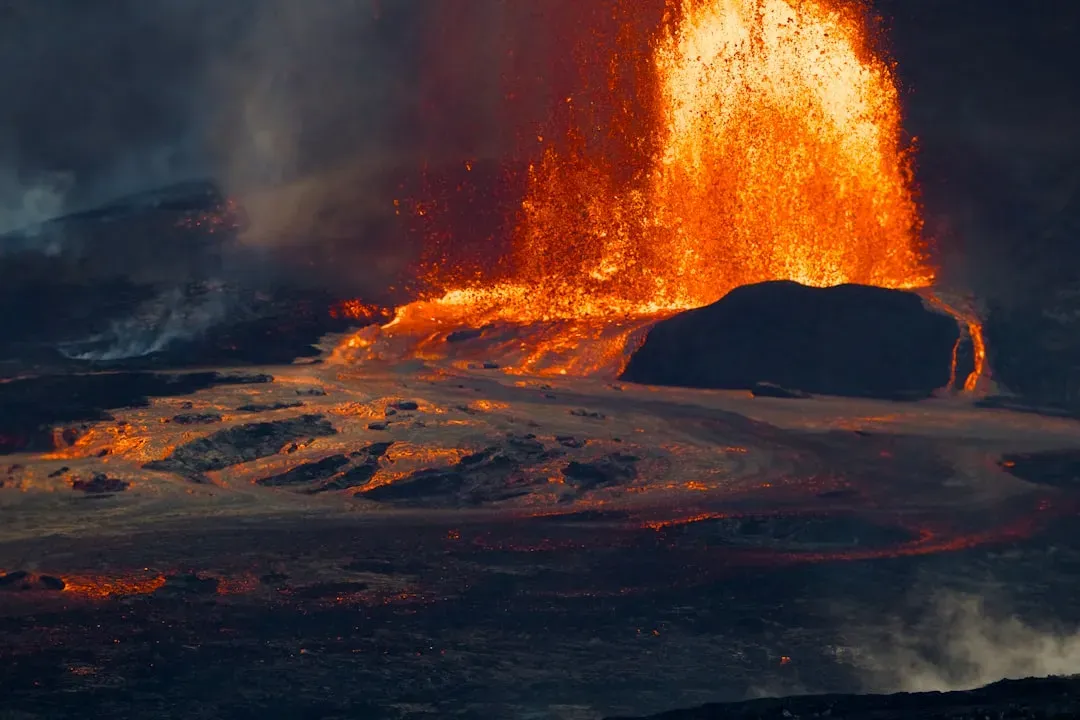
The core is not just an exotic curiosity; it is the main engine that keeps the planet geologically alive. Heat escaping from the core, along with heat from the mantle, helps drive plate tectonics, which builds mountains, splits continents, and powers volcanoes. Without that ongoing energy flow from deep inside, Earth might have cooled into something more like a quiet, stagnant world, with a dead interior and a much less interesting surface.
Over billions of years, the core has been slowly cooling, and as it does, the inner core is thought to be gradually growing as more of the molten iron solidifies. That growth releases additional energy and light elements into the outer core, stirring it and sustaining the dynamo that produces the magnetic field. In a way, the Earth is like a long-burning furnace that has been running since the planet formed, and its slow evolution may have influenced everything from continental drift to how long the magnetic shield can keep protecting the atmosphere.
The Next Discoveries Are Hidden in Tremors and Tiny Signals
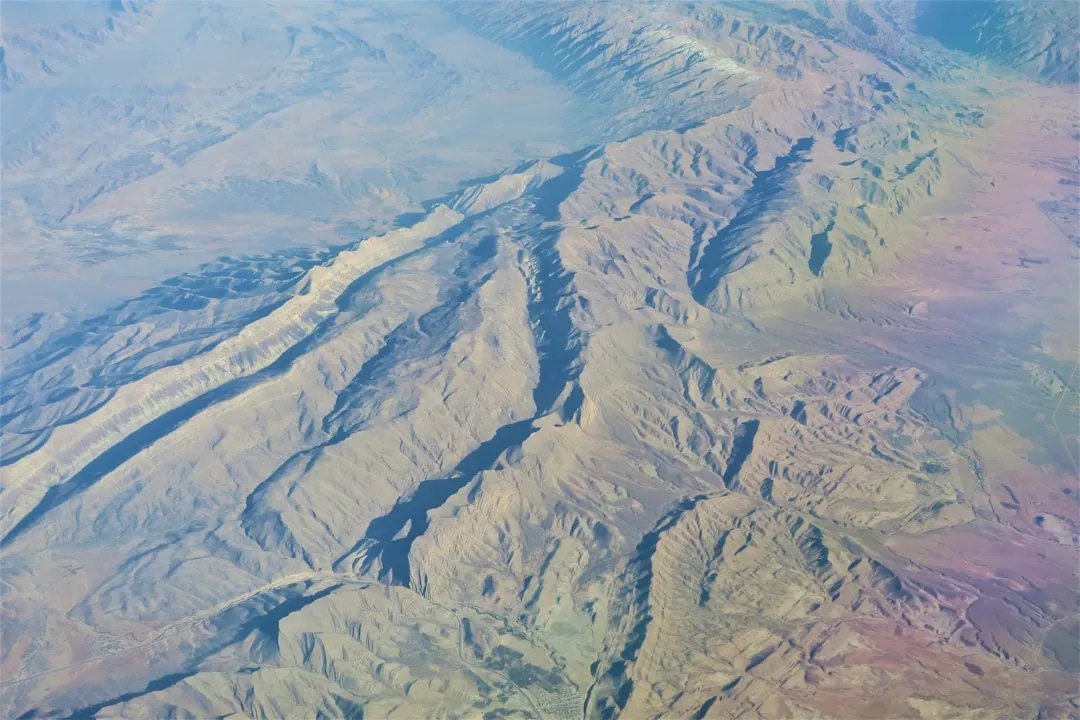
Because we can’t go to the core, the future of core science depends on getting more creative with the signals that do reach us. Researchers are developing better global networks of seismometers, more precise measurements of Earth’s gravity field, and improved satellite observations of the magnetic field. With each new dataset, they refine computer models that simulate the swirling outer core and the evolving inner core, sometimes revealing features no one expected, like unusual zones at the base of the mantle that might interact with core flows.
From my own point of view, there’s something strangely comforting about knowing we still don’t fully understand the ground beneath our feet. We’ve mapped distant galaxies, imaged black hole shadows, and landed robots on other planets, but the very heart of our own world remains partly mysterious, speaking to us only through earthquakes, magnetism, and subtle shifts in rotation. The next big breakthrough about the core might come from a faint tremor on the other side of the world or a tiny wiggle in a satellite’s orbit, quietly rewriting what we thought we knew about our planet’s hidden engine.