
If you could dive thousands of kilometers beneath your feet, past the crust, past the mantle, into the raging heart of our planet, you’d find the engine quietly protecting everything you love. That hidden engine is Earth’s core, and without it, our skies, our oceans, and even the stories of our past would look terrifyingly different. The fact that a ball of molten metal deep underground shapes the fate of every bird in flight and every signal from your phone sounds almost unbelievable, but it’s one of the most important truths about our world.
Most of us grow up hearing about gravity, air, water, and sunlight as the ingredients for life, but the planet’s magnetic field rarely makes the list. Yet this invisible shield, born from the turbulent metal in Earth’s core, quietly blocks deadly radiation, keeps our atmosphere from leaking into space, guides animals across continents, and even helps modern technology function. Once you see how much depends on it, the idea of a silent, ever-shifting guardian wrapped around the planet stops being an abstract science fact and starts feeling deeply personal.
The Hidden Furnace at the Center of the Earth
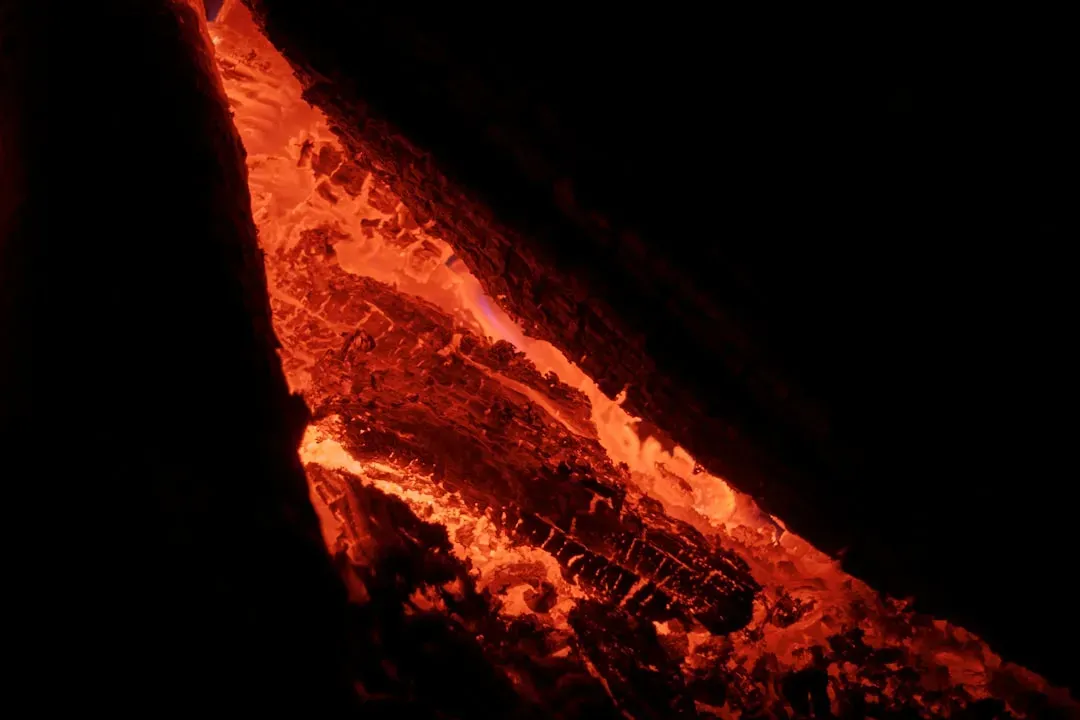
Deep below the ground, Earth’s core is like a gigantic, natural power plant running nonstop for billions of years. It’s split into two parts: a solid inner core made mostly of iron and nickel, and a surrounding outer core that’s molten, swirling metal. Temperatures there reach several thousand degrees Celsius, hotter than the surface of the Sun, and the pressure is so immense that atoms are squeezed together in ways we can barely recreate in laboratories.
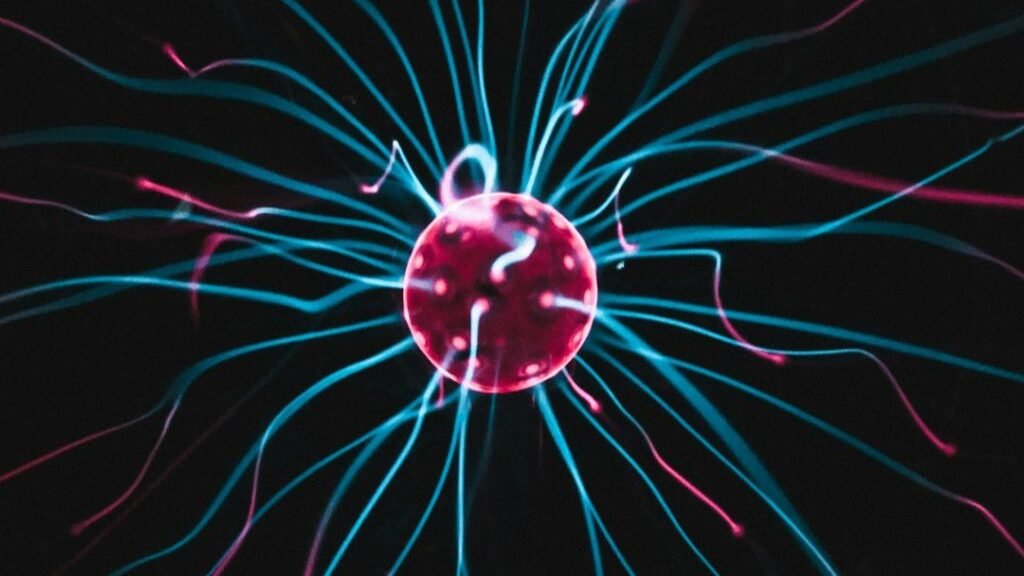
Heat escapes from the inner core to the outer core, driving churning movements a bit like boiling water in a pot, except the “water” is liquid metal. This motion, combined with Earth’s rotation, sets up powerful electrical currents. Those currents are what ultimately generate the magnetic field that stretches far into space. So the next time you look at a simple fridge magnet, remember that a much more dramatic version of that same phenomenon is raging under your feet every second of your life.
How a Planet Becomes a Giant Dynamo
Earth’s magnetic field is created by what scientists call a geodynamo, which is basically a self-sustaining magnetic engine powered by moving conductive fluid. In our case, that fluid is the liquid iron and nickel in the outer core, spinning and twisting under the influence of heat and the planet’s rotation. As this metal moves, it generates electrical currents, and those currents build magnetic fields, which in turn influence the motion of the fluid. It’s a feedback loop, a bit like a microphone squealing when it’s held too close to a speaker, except here the “squeal” is a stable, global magnetic field.
What’s wild is that this process doesn’t need an external power switch; as long as the core remains hot and fluid, the dynamo sustains itself. Computer simulations over the last few decades have helped researchers test whether this explanation really holds up, and the results match surprisingly well with what we observe from satellites and ground measurements. The picture that emerges is that Earth isn’t just a rock in space; it’s a vast, self-organizing machine that happens to double as our home.
The Magnetic Shield That Keeps Our Atmosphere in Place
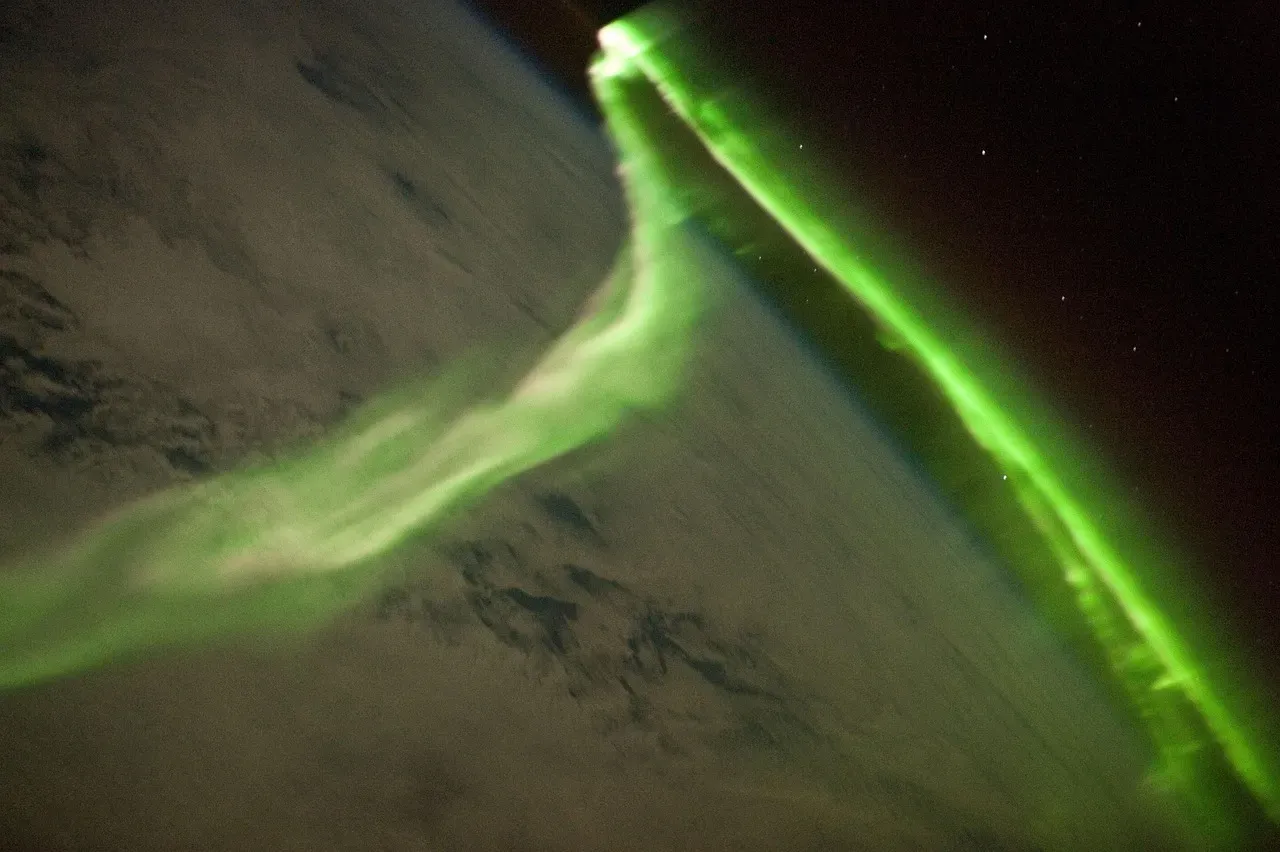
Far beyond the clouds you see from an airplane window, Earth is bathed in a constant stream of charged particles from the Sun, often called the solar wind. Without a protective magnetic field, these high-energy particles would slam directly into our upper atmosphere, stripping away lighter gases over time. Mars offers a sobering comparison: its global magnetic field faded long ago, and along with it went most of its thick atmosphere, leaving behind a cold, dry world that probably once had flowing water on the surface.
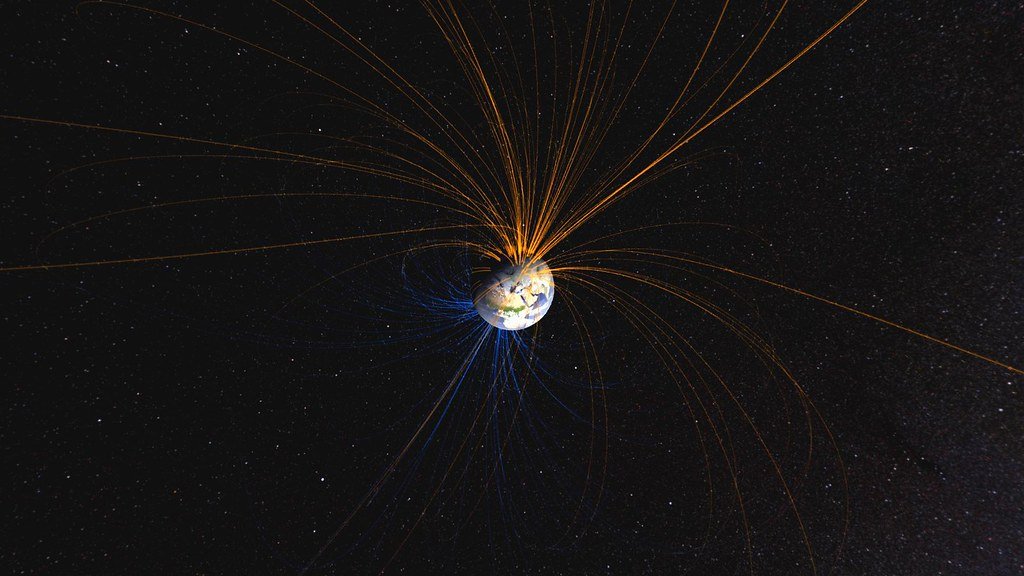
Earth’s magnetosphere, the bubble carved out in the solar wind by our magnetic field, deflects most of these particles, guiding them harmlessly around the planet. Some do get funneled toward the poles, where they collide with atoms high in the atmosphere and create the auroras that dance across polar skies. Those lights are beautiful, but they’re also a reminder of a constant invisible battle going on above our heads, one that we only survive because of the restless metal in our core.
Guarding Life from Invisible Cosmic Hazards
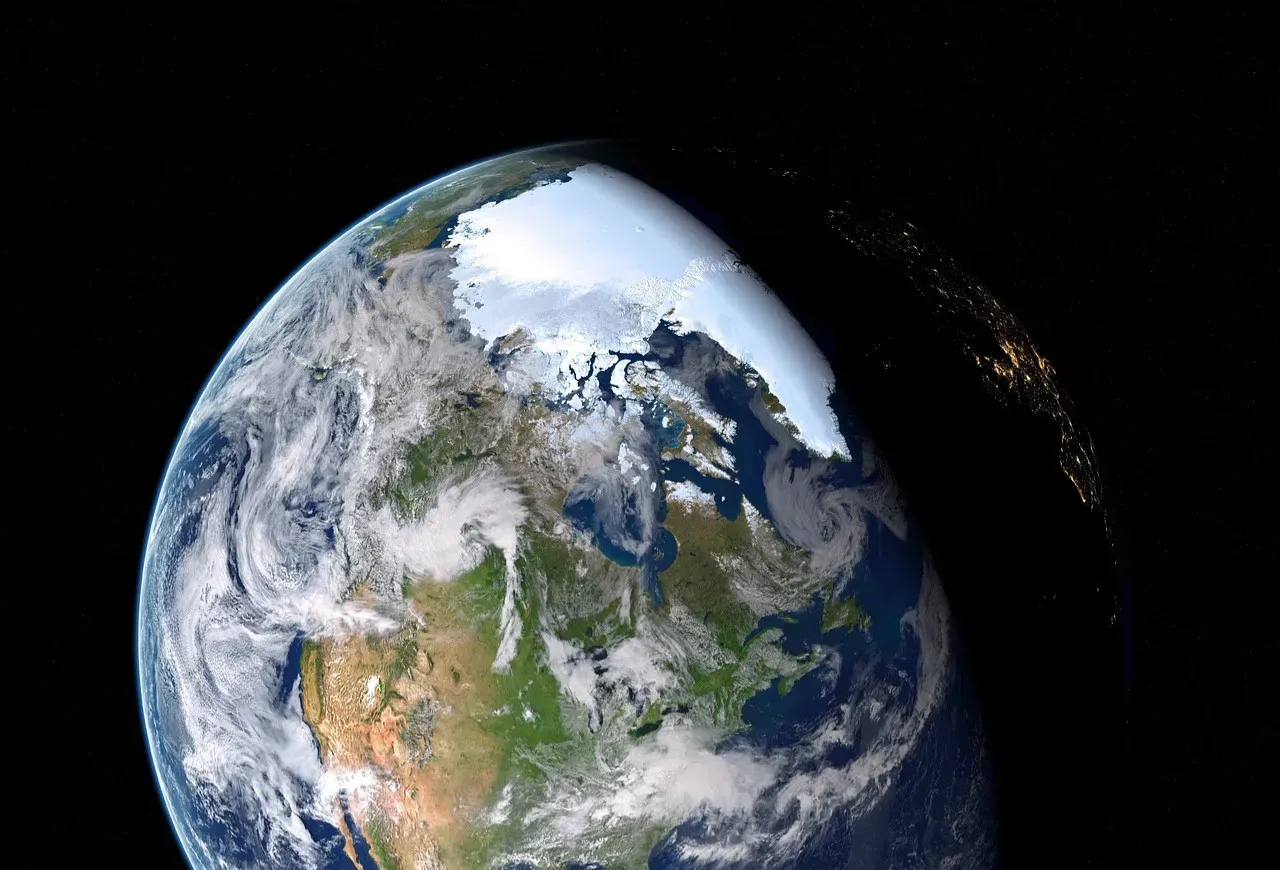
Beyond the Sun’s constant stream of particles, the universe itself sends a steady shower of high-energy radiation our way in the form of cosmic rays. These are particles accelerated by distant exploding stars and other extreme cosmic events, and they can be damaging to living cells and DNA. Earth’s atmosphere absorbs a lot of this radiation, but the magnetic field plays a crucial role in steering many of these charged particles away before they even reach the upper air.
When scientists model what Earth would be like without its magnetic field, the results are unsettling: higher radiation at the surface, more damage to biological molecules, and a much harsher environment for complex life to evolve. It doesn’t mean life would be impossible, but it would be vastly more difficult for delicate, long-lived organisms like us to thrive. In a very real sense, the magnetic field has acted as a quiet bodyguard across hundreds of millions of years, giving evolution the breathing room to produce forests, coral reefs, and eventually curious humans who wonder where it all came from.
From Migrating Birds to Human Compasses

Long before any human scientist figured out that Earth has a magnetic field, life had already learned how to use it. Many animals, including migratory birds, sea turtles, certain fish, and even some insects, can sense the planet’s magnetic field and use it as a built-in navigation system. Researchers have found tiny magnetic crystals in some animal tissues and evidence of light-sensitive molecules in their eyes that change with magnetic fields, like a subtle compass woven into their biology.
Humans eventually stumbled onto the same invisible order when we discovered that a freely moving magnetized needle always points roughly north-south. That simple trick made navigation on seas and land dramatically more reliable, reshaping trade, exploration, and the entire course of history. When you zoom out, it’s striking: the same deep-Earth engine that keeps radiation at bay also gave us the steady reference line that helped us map oceans, discover new continents, and connect civilizations.
A Magnetic Field in Constant Motion and Reversal
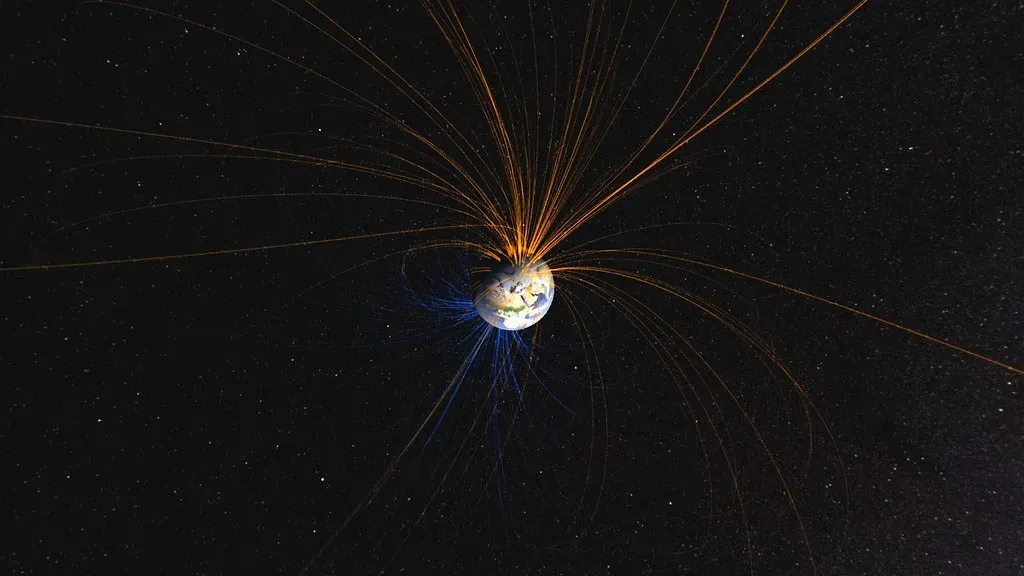
It’s tempting to imagine Earth’s magnetic field as fixed and stable, but in reality it’s restless and always changing. The magnetic north pole wanders over time, sometimes slowly, sometimes surprisingly fast, because the flows of molten metal in the outer core are never exactly the same. Over decades, this drift can be large enough that navigation maps and GPS systems need updates just to keep up with where “north” truly is in a magnetic sense.
On much longer timescales, the field even flips entirely, with north and south magnetic poles swapping places. Geological records locked into ancient lava flows show that these reversals have happened many times, sometimes separated by hundreds of thousands or millions of years. During a reversal, the field can become weaker and more tangled, raising questions about increased radiation at the surface and how it might affect life and technology. Yet life has persisted through countless reversals, suggesting that while the process may be disruptive, it’s part of Earth’s natural heartbeat rather than an automatic catastrophe.
Technology, Satellites, and the Coming Challenges
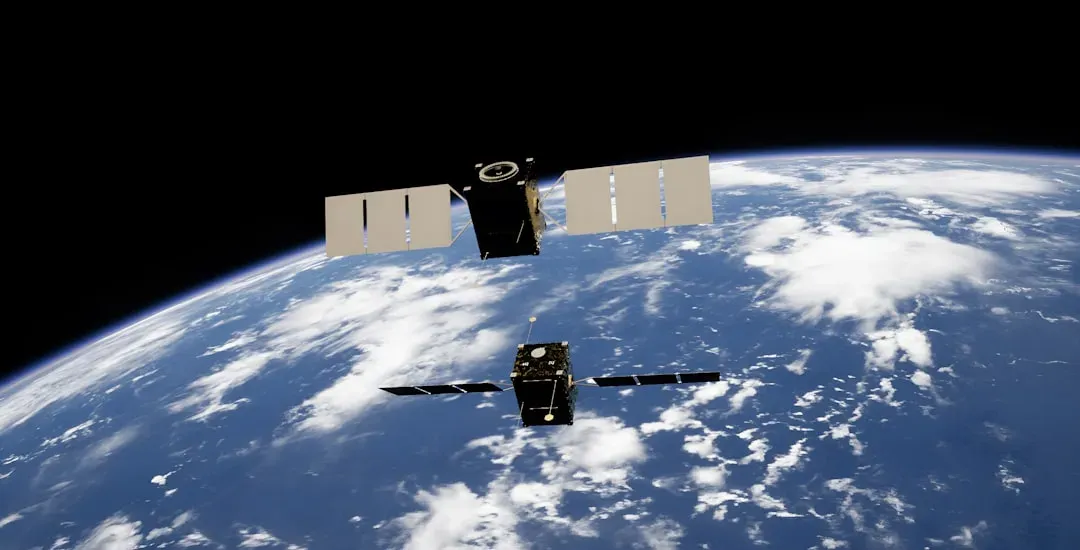
Modern life relies on technologies that are surprisingly vulnerable to the whims of Earth’s magnetic environment. Satellites for communications, weather, and navigation operate in regions where the magnetic field deflects energetic particles, and changes in that field can alter how many particles hit their sensitive electronics. Strong solar storms, interacting with the magnetosphere, can drive electrical currents in power grids and pipelines on the ground, sometimes causing blackouts or equipment damage in regions at higher latitudes.
Because of this, space agencies and research groups closely monitor the strength and structure of the magnetic field using networks of satellites and ground observatories. In recent decades, measurements have shown that certain regions, like the South Atlantic Anomaly, have unusually weak fields where satellites are at greater risk from radiation. Understanding how the core is evolving and how the field may change over the coming centuries is no longer just an academic question; it’s part of planning for resilient infrastructure in a world that depends heavily on orbiting hardware and reliable electricity.
Why the Earth’s Core Makes Our Planet Uniquely Alive

When astronomers scan the skies for other worlds, they’re not just looking for the right distance from a star or the right temperature range. Increasingly, they’re asking deeper questions: does this planet have a molten core, does it rotate fast enough, does it have the ingredients for a stable magnetic field that could shelter an atmosphere and surface water? Comparing Earth to places like Mars and Mercury drives home just how special it is to have a robust geodynamo humming away below the surface.
For me, thinking about Earth’s core is a bit like realizing that your house rests on an intricate foundation you never see but absolutely depend on. We worry about weather, climate, politics, and technology, but all of those unfold inside a protective bubble maintained by a far older and more fundamental system. The Earth’s core isn’t just a distant curiosity; it’s the reason we have blue skies, long migrations, global communications, and the breathing space for complex life to flourish. Next time a compass needle steadies in your hand or an aurora shimmers in a photo, it’s worth pausing to remember the roaring metal heart that makes all of this possible.