
On a quiet morning in Christchurch, the ground can seem solid and trustworthy, a gentle stage for life’s routines. But beneath the city’s leafy avenues and English-style gardens, something ancient and restless stirs—a world of shifting plates and hidden scars. The earthquakes that have rocked Christchurch aren’t just blips in the news; they are reminders that the earth itself can rewrite the story of a city in seconds. With every tremor, Christchurch’s foundation tells a tale of power, resilience, and transformation. Let’s journey beneath the surface to unravel the tectonic history that has shaped—sometimes shattered—this iconic Garden City.
The Birth of a Land: New Zealand’s Tectonic Origins
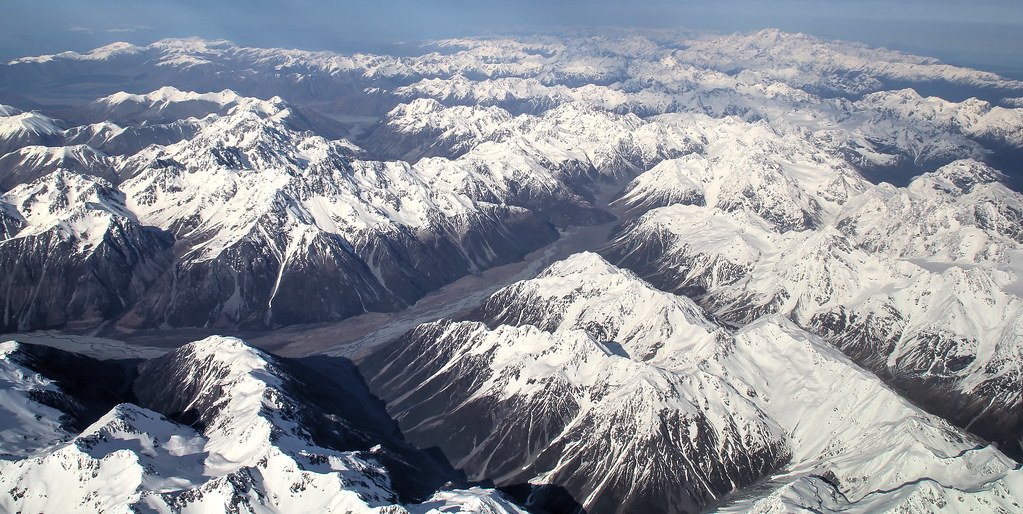
Long before Christchurch’s first streets were mapped, New Zealand was born from a collision of giants. The Australian and Pacific tectonic plates have been wrestling for millions of years, forging mountains, valleys, and fault lines. This ongoing tectonic dance pushed up the Southern Alps and carved out the Canterbury Plains, where Christchurch now rests. In this geological theatre, land is always on the move—sometimes so slowly it’s invisible, sometimes violently, with devastating earthquakes. This restless energy set the stage for all that followed.
Canterbury Plains: A Landscape Shaped by Movement
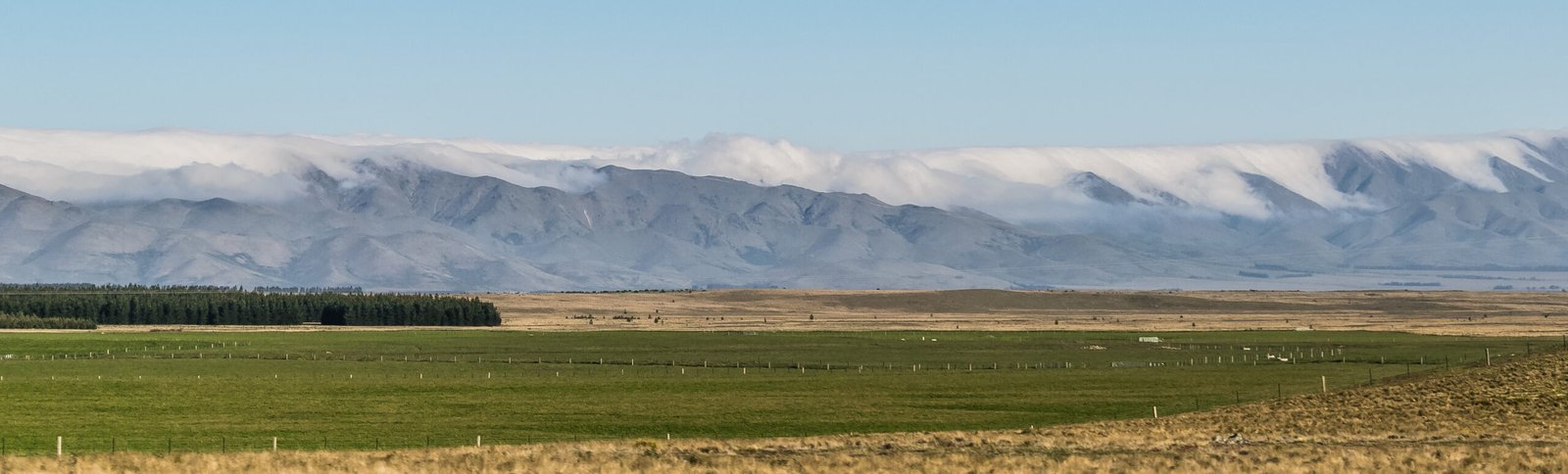
The wide, flat expanse of the Canterbury Plains seems peaceful, but it’s a patchwork quilt sewn by ancient rivers and repeated seismic shifts. Glaciers once scraped across this land, dropping stones and soil, while earthquakes quietly rearranged the underground. The rivers braided and re-braided as the earth heaved, leaving behind fertile soils that would later nourish Christchurch’s famous gardens. Yet every layer of silt and gravel tells a story of upheaval, a reminder that the landscape is never truly settled.
Understanding Fault Lines: The Hidden Threat

Beneath Christchurch, fault lines act like barely healed scars. These fractures in the earth’s crust are where stress builds until it snaps—unleashing an earthquake. The Port Hills Fault, Greendale Fault, and other lesser-known lines trace their way under and around the city. Unlike the famous Alpine Fault farther west, these hidden faults went unnoticed for generations, quietly storing energy. When that energy is released, the results can be shocking.
The 2010 Darfield Earthquake: An Unexpected Wake-Up Call
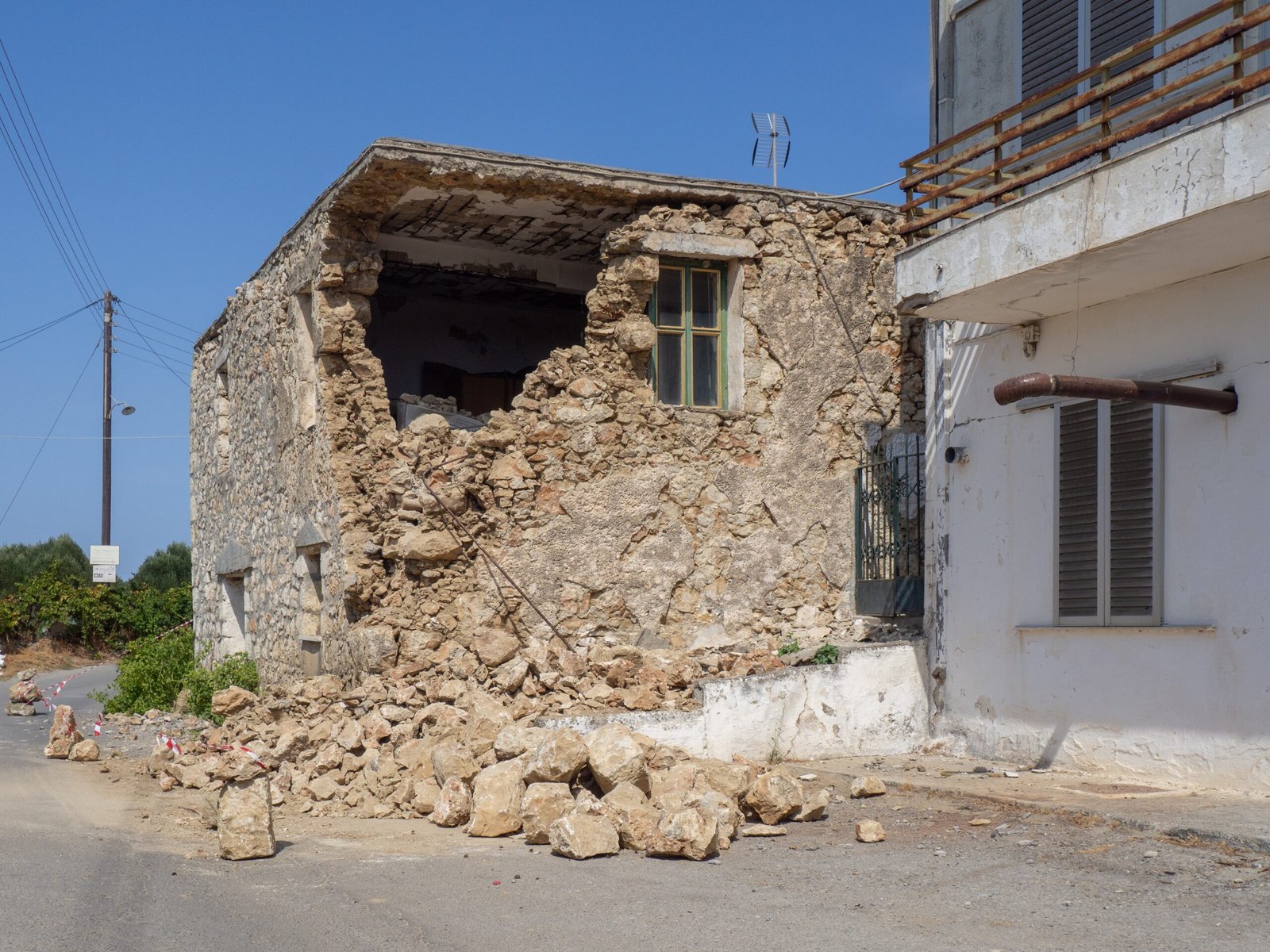
On September 4, 2010, the Canterbury region was jolted awake by a magnitude 7.1 earthquake near Darfield, just outside Christchurch. For many, it was the first time they’d felt the ground move with such force. Buildings cracked, roads buckled, and power flickered out. Miraculously, no lives were lost, but Christchurch’s calm was shattered. The quake exposed the Greendale Fault, a previously unknown break in the earth, showing just how much we still have to learn from the ground beneath our feet.
The 2011 Christchurch Earthquake: A City Transformed

Less than six months after Darfield, disaster struck again. On February 22, 2011, a 6.3-magnitude earthquake struck directly under Christchurch during the busy lunch hour. Though smaller in magnitude, its shallow depth and proximity made it far more destructive. Buildings collapsed, iconic landmarks crumbled, and 185 lives were lost. The city’s heart was wounded, and the world watched as Christchurch grieved and rallied. The earthquake’s legacy is visible everywhere, from empty lots where buildings once stood to the haunting ruins of the ChristChurch Cathedral.
Understanding Liquefaction: When Solid Ground Turns to Soup
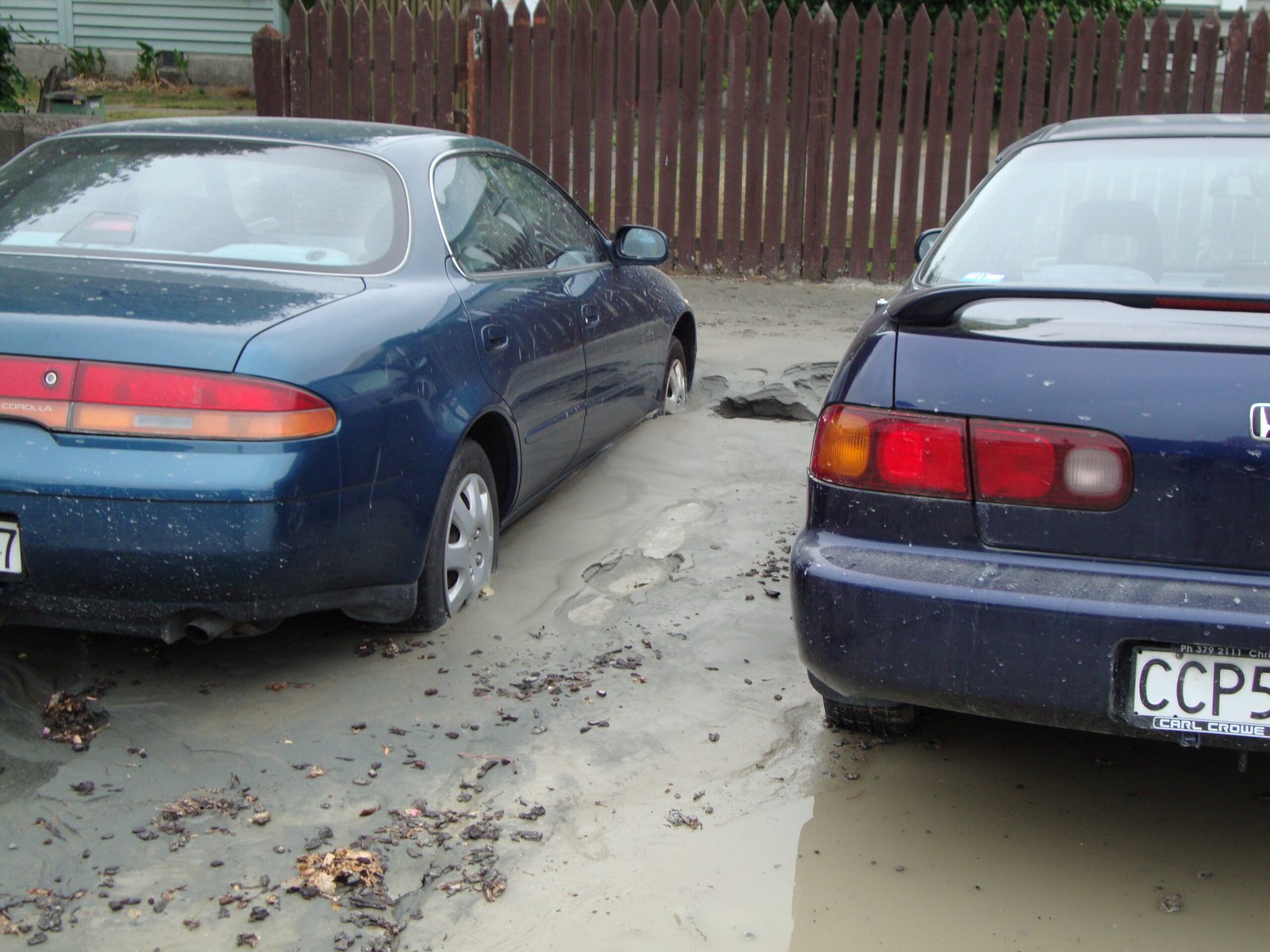
Many in Christchurch learned a new word in 2011: liquefaction. This phenomenon occurs when shaking turns water-saturated soils into a liquid-like slurry. Streets flooded with silt, gardens vanished under mud, and entire neighborhoods became unrecognizable. The sight of sand volcanoes erupting in backyards was surreal. Liquefaction didn’t just damage buildings; it changed the very ground people stood on, a vivid reminder of nature’s unpredictable force.
The Psychological Aftershocks: Living with Uncertainty

Earthquakes don’t just break buildings—they break routines, assumptions, and sometimes spirits. After 2011, Christchurch residents faced thousands of aftershocks, each one a fresh reminder of vulnerability. Anxiety became as common as aftershocks, with people sleeping in clothes, keeping shoes by the bed, and jumping at every unexpected rumble. The psychological toll was immense, yet so too was the community’s resilience, as neighbors checked on each other and strangers became friends.
Rebuilding with Resilience: Engineering for the Future

Once the dust settled, Christchurch began the monumental task of rebuilding. Engineers and architects faced a daunting challenge: how to create a city that could withstand future quakes. New building codes demanded stronger foundations, flexible materials, and innovative designs. Old brick facades gave way to modern structures with shock absorbers and deep piles. The city became a laboratory for earthquake resilience, inspiring other seismic regions worldwide.
Cultural Landmarks Lost and Found
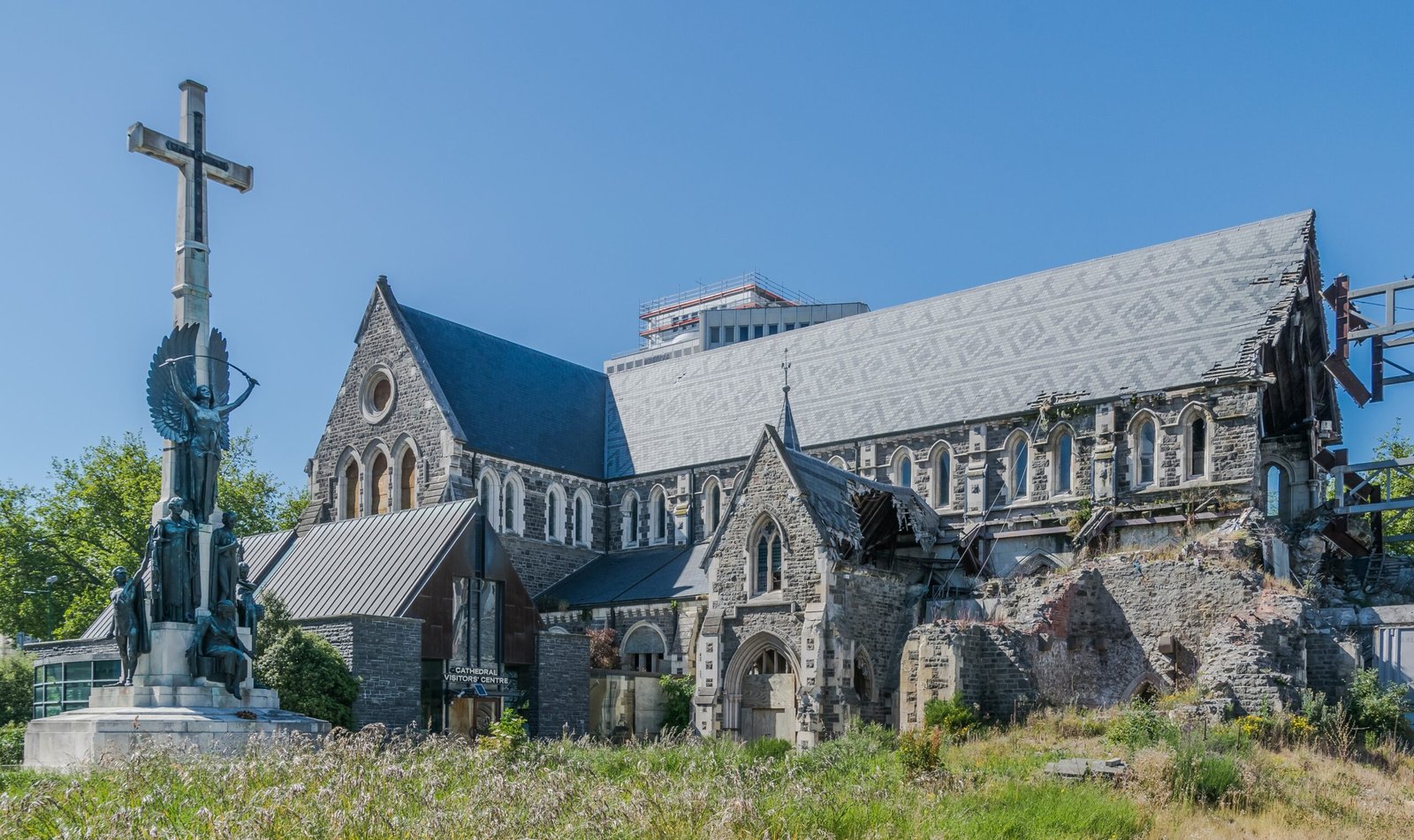
Earthquakes are ruthless curators, often erasing beloved landmarks in seconds. The ChristChurch Cathedral’s shattered spire became a symbol of loss and hope. The Arts Centre, historic homesteads, and old theaters suffered, too. Yet from the rubble, new spaces emerged—pop-up art installations, creative public spaces, and a “cardboard cathedral” that captivated the world. The city’s culture didn’t just survive; it evolved, finding beauty in imperfection and renewal.
The Science of Seismology in Christchurch

The earthquakes turned Christchurch into a living laboratory for seismologists. Scientists installed dense networks of sensors, mapping every tremor and aftershock. The data collected has deepened our understanding of how earthquakes work, how soil behaves, and what makes cities vulnerable. Seismologists pored over core samples, modeled ground shaking, and worked with urban planners to make the city safer. The lessons learned here echo far beyond New Zealand’s shores.
Community Spirit: How People Came Together

In the darkest moments, the people of Christchurch found light in each other. Spontaneous volunteer groups like the Student Volunteer Army formed, shoveling silt and delivering meals. Neighbors checked on the elderly and shared generators, water, and hugs. This grassroots solidarity became a defining feature of the recovery, teaching the world that resilience is about connection as much as concrete.
The Ongoing Threat: Are More Quakes Coming?

Despite all that’s been learned and rebuilt, the earth beneath Christchurch is not done moving. Scientists warn that aftershocks can last for years, and new faults may yet reveal themselves. The Alpine Fault, running along the spine of the South Island, is overdue for a major rupture. This uncertainty shapes how Christchurchians live, always aware that another shake could come at any time. Preparedness drills and emergency kits are part of everyday life.
Nature’s Power and Beauty: Contrasts in the Garden City

It’s easy to forget the destructive power beneath Christchurch when you walk through Hagley Park or admire the Avon River. The city’s gardens and green spaces stand in stark contrast to the chaos of quakes. Yet both are products of the same restless earth. The fertile soil, the meandering river—all owe their existence to the forces that sometimes upend lives. This juxtaposition gives Christchurch a unique beauty, one born of both fragility and strength.
Lessons for the World: Christchurch as a Model

Cities across the globe have watched Christchurch and learned. The city’s experience has influenced building codes, disaster response strategies, and urban design from Japan to California. Christchurch’s story is a cautionary tale, but also a blueprint for resilience. It reminds us that the past is never truly buried, and that communities everywhere must prepare for the unexpected.
Tectonic Plates: The Inescapable Grind

The slow-motion collision of the Australian and Pacific plates continues, imperceptibly shifting the landscape every year. This relentless movement is a reminder that human timelines are dwarfed by geologic ones. Roads, buildings, even whole neighborhoods are temporary guests on land that has seen—and will see—many more cycles of destruction and renewal.
Indigenous Knowledge and Earthquake Lore

Long before European settlers arrived, Māori had their own stories about earthquakes and the restless earth. Legends spoke of Rūaumoko, the god of earthquakes and volcanoes, whose movements shaped the land. These ancient understandings, passed down through generations, echo today’s scientific insights: the land is alive, and respect for its power is essential for survival.
Wildlife and Ecosystems: Adapting to Change

Earthquakes don’t just affect people; they reshape habitats. River courses can shift, wetlands emerge or vanish, and native plants and animals must adapt or move. In Christchurch, some species have thrived in the new wetlands left by liquefaction, while others have struggled with habitat loss. Nature’s ability to adapt is remarkable, but rapid change can threaten delicate ecological balances.
Personal Stories: Memories Etched in Stone

Ask anyone from Christchurch, and they’ll have a story: the moment the floor bucked, the eerie silence after the shaking, the relief of finding loved ones safe. These memories are etched as deeply as any fault line. Personal tales of loss, hope, and courage give the city’s tectonic history a human face, making the science real and immediate.
Preparing for Tomorrow: Education and Awareness
One of the greatest legacies of Christchurch’s earthquakes is a heightened awareness. Schools teach earthquake drills, families have “go bags,” and public spaces display emergency instructions. This culture of preparedness aims to turn fear into action, helping the city face its tectonic future with eyes wide open.
Looking Beneath the Surface: Embracing a Restless Land
Living in Christchurch means accepting that the ground is never truly still. The city’s beauty and vulnerability are two sides of the same coin. By understanding the forces beneath their feet, Christchurchians—and the world—can honor the past, prepare for the future, and find meaning in the earth’s ceaseless movement. What stories might your own land be waiting to tell?