At first glance, it sounds like horoscope fluff: Aries should avoid stubborn dogs, Virgos need orderly pets, Scorpios must steer clear of drama-prone breeds. Yet behind the memes and matchmaking charts, scientists are quietly probing a far more grounded question: do personality patterns in humans and dogs interact in ways that can make some pairings harmonize and others combust? As research into dog behavior, human temperament, and even birth season effects deepens, a curious overlap with age‑old astrological archetypes is starting to emerge. Ethologists, psychologists, and data scientists are not validating zodiac signs in the traditional sense, but they are uncovering consistent “fit” and “friction” zones between certain human traits and specific dog breeds. That has real stakes: mismatched pairs are more likely to end up in shelters, stressed, or even dangerous. The mystery now is not whether clashes occur, but how far science can go in mapping them – and whether a little myth, carefully handled, might actually help.
The Hidden Clues: When Personality Collides at the End of the Leash
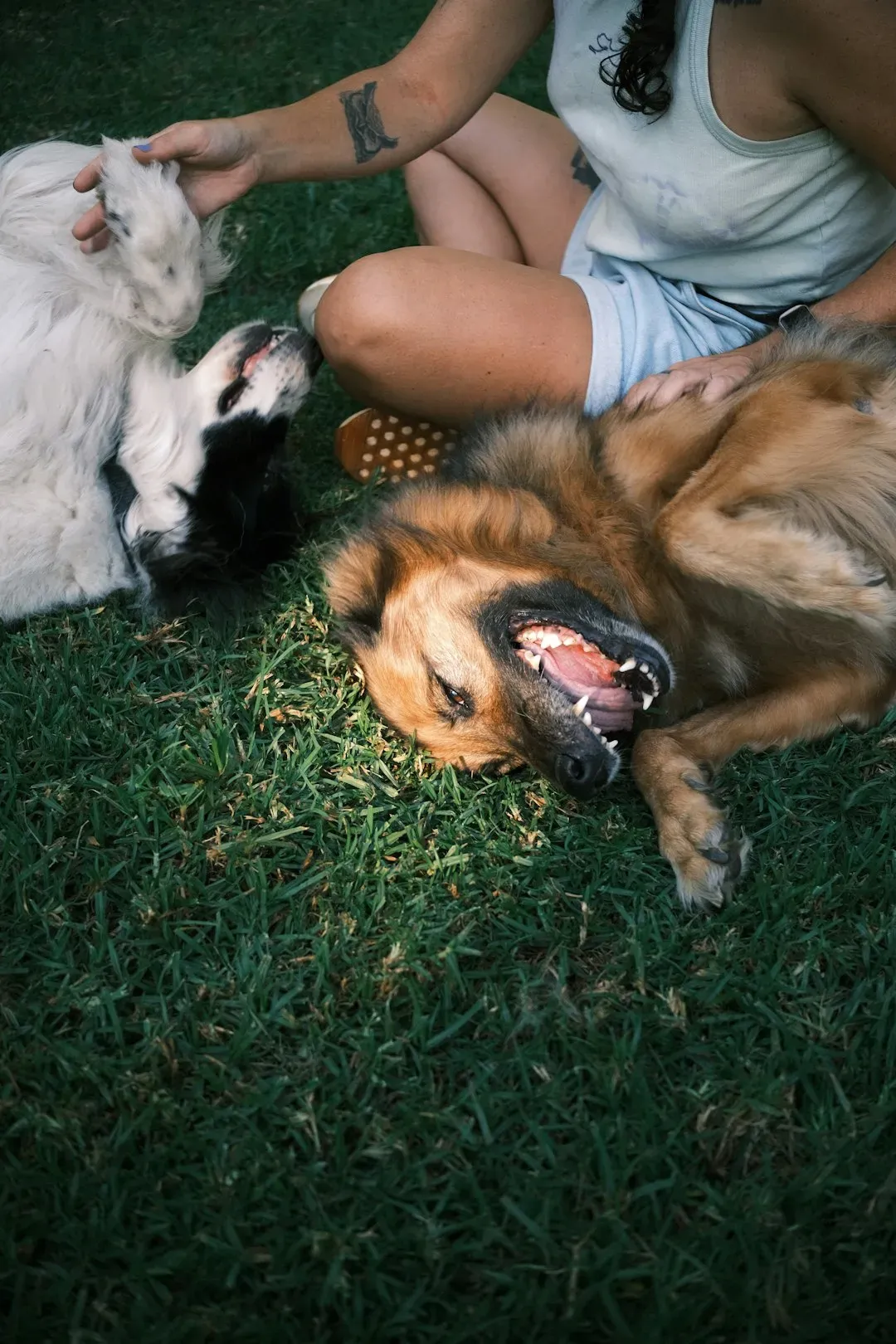
Walk into any dog park and you can spot it within minutes: the owner whose nervous terrier is dragging them in circles, or the calm older woman whose boisterous adolescent husky looks like a ticking time bomb. What feels like chaos is often a mismatch between two stable personality profiles, one human, one canine. Large studies of dog behavior have repeatedly shown that many breeds share consistent tendencies – herding dogs skew vigilant and active, guardian breeds lean protective and suspicious, toy breeds cluster around human-focused attachment and vocality. On the human side, psychologists use frameworks like the Big Five traits to describe people as more extroverted, more anxious, more conscientious, or more open to new experiences. When you overlay these patterns, some combinations are primed for friction long before the first walk.
Here is where zodiac language quietly sneaks back in. Fire-sign archetypes, for example, echo traits like impulsiveness, intensity, and low tolerance for restriction, which roughly parallel certain Big Five configurations. Pair that with a breed known for stubborn independence or extremely high drive, and you have two strong-willed systems constantly pushing against each other. People often frame this in star‑sign terms – “Leos clash with aloof cats” or “Capricorns need disciplined breeds” – but underneath, the real story is trait‑trait interaction. It is not that a birth chart controls the dog; it is that the person’s temperament, life stage, and expectations may fit poorly with the behavioral repertoire the dog was bred for. Seen through that lens, clashes are less fate and more physics.
From Ancient Archetypes to Modern Behavior Science
Astrology is, of course, not a scientific tool for selecting a dog, but the language of zodiac signs has always been a shorthand for personality archetypes. Long before psychometrics, cultures used constellations to narrate why some people seemed fiery, cautious, dreamy, or relentless. Modern psychology has stripped away the stars and left us with trait models supported by data from thousands of participants and careful longitudinal studies. Meanwhile, dog science has performed its own revolution, moving from anecdotes and breed stereotypes to standardized behavior tests, genetic studies, and tracking of outcomes in homes and shelters.
What is fascinating in 2025 is how these two lines of thinking are starting to intersect, even if informally. Animal behavior researchers talk in terms of stimulus sensitivity, frustration tolerance, and reward orientation, while dog owners swap memes about which sign should never own a husky. Underneath the jokes, there is a serious point: humans intuitively grasp that certain enduring personality patterns will mesh better with some canine temperaments than others. Where ancient astrologers once matched people to the skies, behaviorists now match them to breeds or individual dogs, using empirically measured traits instead of planetary movements. The zodiac becomes, at best, a narrative gateway to a more rigorous conversation about who we are and what kind of animal partner we can safely handle.
Earth, Fire, Air, Water: How Zodiac Archetypes Map Onto Real Dog–Human Friction
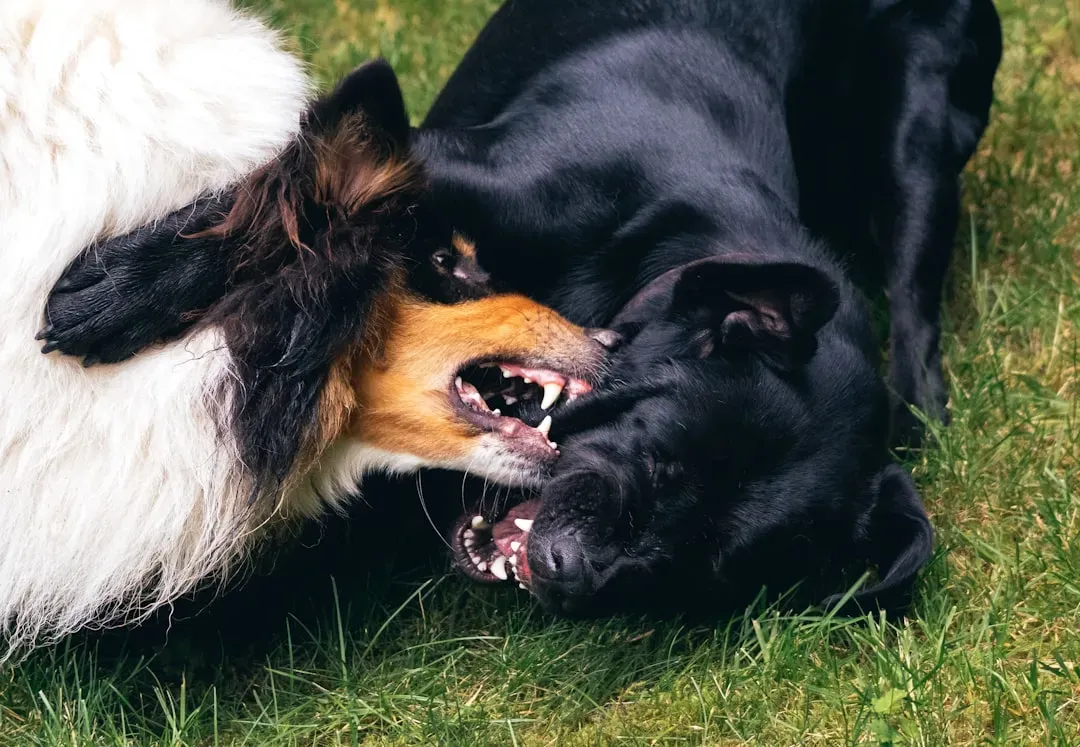
If you strip astrology down to its four basic elements – earth, fire, air, water – you get broad emotional styles that are surprisingly useful metaphors in dog science. Fire archetypes are restless, reward-seeking, and often drawn to intensity, which overlaps with humans who score high in extraversion and sensation seeking. When such a person takes on a breed bred for equally intense behaviors – like relentless herding, protection, or sled pulling – the house can quickly feel like two engines revving in opposite directions. Without structure, one turns chaotic, the other frustrated, and both end up stressed. This is the sort of pairing that, in zodiac memes, gets framed as two incompatible “signs” sparking constant conflict.
Earth archetypes, by contrast, evoke stability, routine, and practicality, akin to people who favor conscientiousness and low novelty seeking. They often do beautifully with dogs that thrive on predictable schedules and modest stimulation, such as many companion or older rescue dogs. Put the same grounded person with an ultra‑needy, hyper‑vocal breed demanding constant novelty and affection, and resentment can quietly build. Air‑style curiosity maps well to flexible, trainable breeds that love varied games, while water‑style emotional intensity can combine either powerfully or disastrously with highly sensitive, anxiety‑prone dogs. None of this proves that elements or signs are real forces; it simply shows that the elemental metaphors happen to mirror the pattern logic scientists see in temperament research.
Why It Matters: Behavior Breakdowns, Shelter Surrenders, and Safety Risks
This convergence of mythic archetypes and measurable traits stops being cute when you look at shelter intake statistics and bite reports. Behavior problems are consistently cited as one of the leading reasons people relinquish dogs, often describing them as too anxious, too aggressive, or simply too much work for their current lifestyle. Behind those labels are usually unaddressed mismatches: a highly active herding dog in a sedentary apartment home, or a shy, noise‑sensitive dog living with a high‑conflict family. When the human is also predisposed to anxiety, impulsivity, or low tolerance for frustration, clashes can escalate fast. The dog is not “bad,” and neither is the person; the pairing itself is misaligned.
Compared with that, a zodiac‑based warning like “this sign clashes with independent breeds” is crude but directionally interesting. It encourages people to think about temperament fit before they adopt, even if they phrase it in mystical language. Scientifically, what matters more is making people aware of:
- How their own traits (patience, activity level, tolerance for chaos) shape daily interactions.
- What specific behavioral tendencies a breed or individual dog is likely to show.
- How early, evidence‑based training can buffer rough edges on both sides.
When we ignore those factors, we pay a cost in increased stress, injuries, and dogs cycling through homes and shelters. In that sense, understanding clashes is not a gimmick – it is a welfare issue for both species.
Reading the Stars or Reading the Data? How Science Tests Compatibility
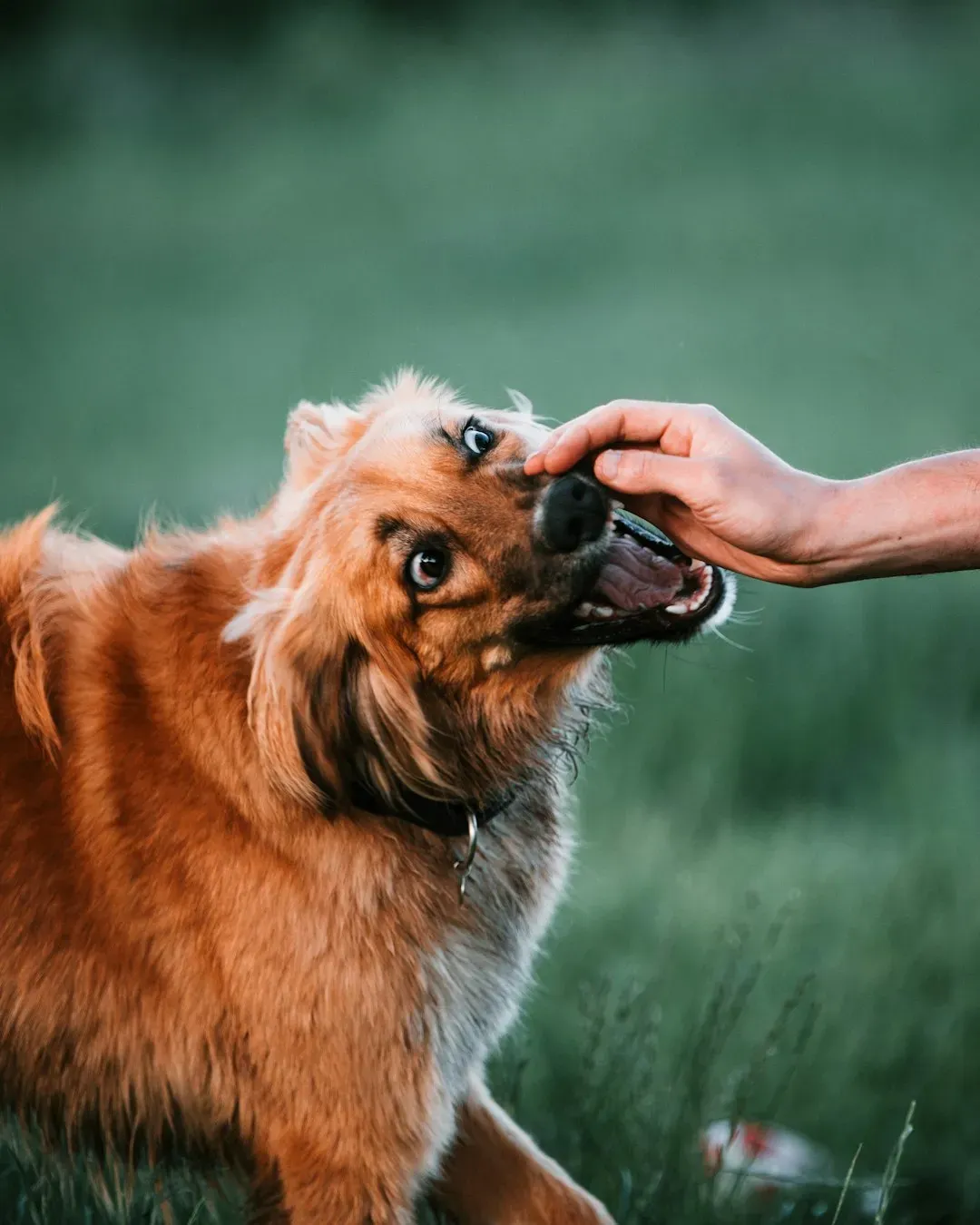
Researchers who actually measure dog–human compatibility do not ask for birth charts; they hand out questionnaires and run behavioral tests. Prospective owners fill out scales on their expectations, experience, and personality traits, while dogs are evaluated for boldness, sociability, fearfulness, and trainability. Some studies follow these pairs over months or years, tracking whether the relationship stays stable, becomes high‑conflict, or ends in relinquishment. Patterns emerge: people high in patience and consistency tend to do better with challenging or reactive dogs, while people craving emotional comfort over novelty often thrive with calmer, older animals. These findings are far from perfect, but they at least point to testable mechanisms instead of celestial narratives.
At the same time, scientists are not blind to the cultural power of astrology language. When someone says their “Scorpio side” cannot handle clingy breeds, they are articulating a boundary in familiar terms. Translating that into trait language – “low tolerance for constant proximity and vocalization” – lets behaviorists give more precise guidance. Data‑driven adoption tools are starting to incorporate both owner self‑perceptions and actual temperament metrics, nudging people toward better fits. The tension, and the opportunity, lies in respecting the stories people tell about themselves while gently steering the conversation toward quantifiable traits. In that way, the zodiac becomes less a destiny chart and more a conversational bridge to behavioral science.
Breed Stereotypes, Real Genetics, and the Risk of Over-Believing the Horoscope
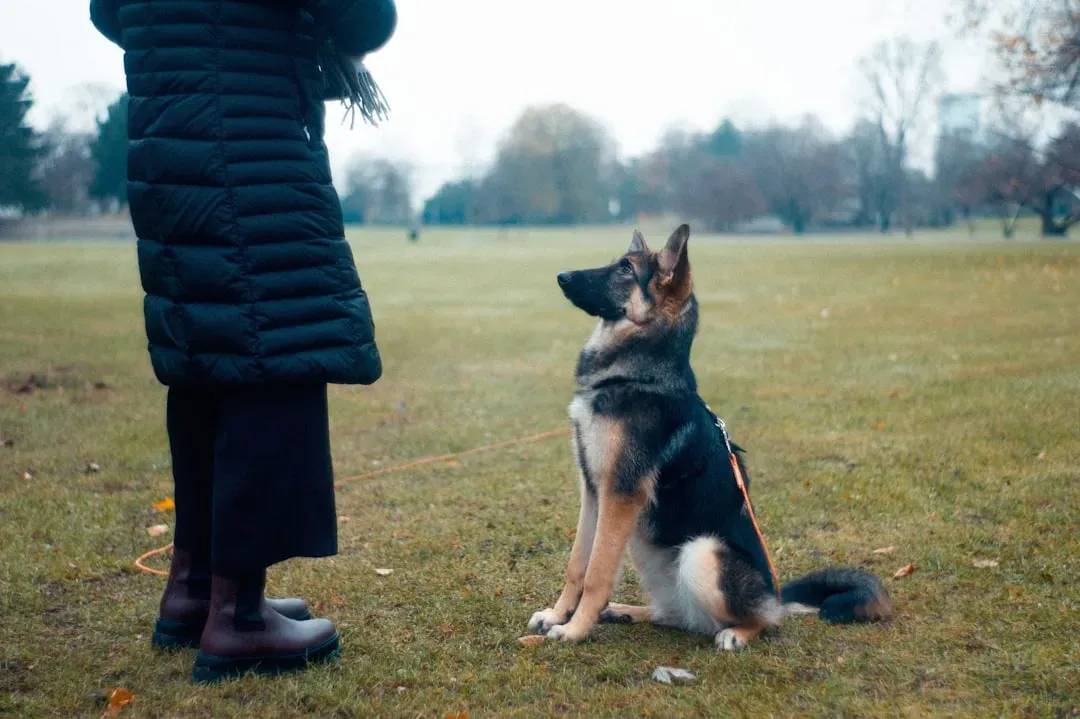
One of the biggest scientific concerns in this entire conversation is oversimplification. Just as not everyone born under the same sign behaves alike, not every dog of a given breed acts according to the stereotype. Genetic studies over the past few years have found that while breed explains some variation in behavior, individual differences within a breed are often vast. Environment, early socialization, training techniques, and plain chance all shape the adult dog. Hanging too much on either a birth sign or a breed label risks blinding people to the actual animal in front of them.
The danger grows when these oversimplifications are used to justify neglect or harsh handling. Someone might excuse their dog’s chronic reactivity as “just a fiery breed” or dismiss their own outbursts as “typical Aries energy,” instead of seeking help. Science pushes in the opposite direction, emphasizing that behavior is a moving target, shaped by reinforcement and context. Responsible trainers now talk less about “bad dogs” and more about unmet needs and conflicting communication styles. The healthiest approach treats zodiac narratives as colorful metaphors layered on top of careful observation, training, and a willingness to change. What matters in practice is not the label but the daily, repeatable behaviors both species show each other.
The Future Landscape: Algorithms, Genomics, and Personality-Matched Companions
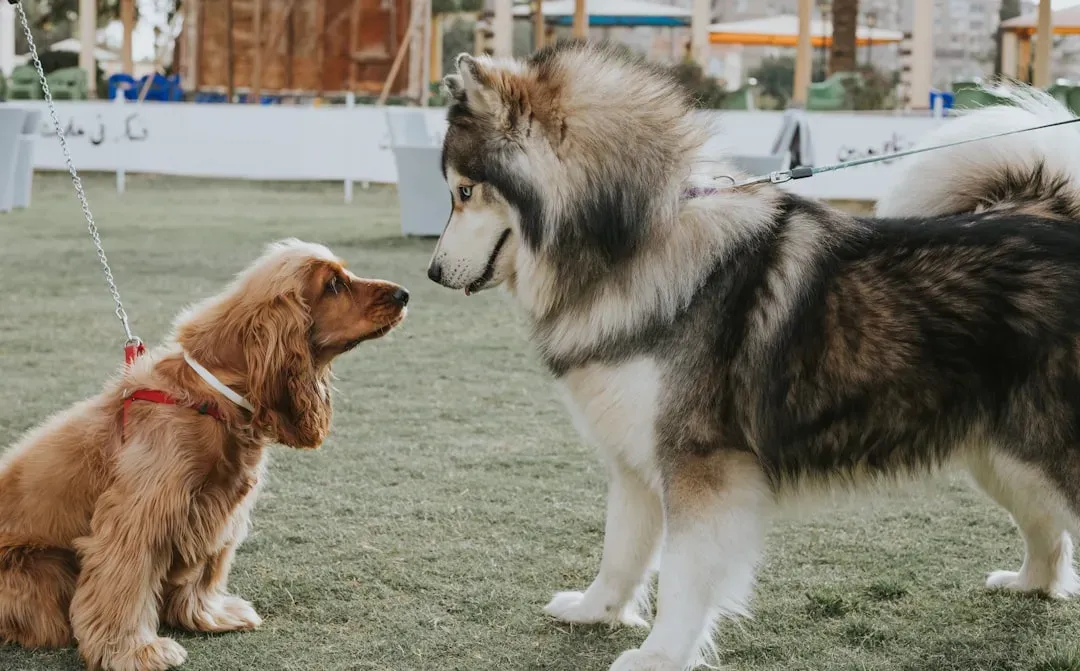
Looking ahead, the science of matching humans with dogs is quietly moving into the era of predictive modeling. Shelters and rescues are beginning to experiment with algorithms that combine behavior assessments, lifestyle questionnaires, and sometimes even neighborhood data to suggest suitable dogs for potential adopters. On the research side, genomic tools are making it possible to link specific genetic variants to tendencies like fearfulness, sociability, or energy level, although this work is still in its early stages. Imagine, in a decade or two, adoption platforms that factor in your actual temperament profile instead of your star sign, recommending dogs whose needs align with your routines, space, and stress tolerance. It is a kind of scientifically grounded matchmaking that astrology has long promised symbolically.
This does not mean the romance disappears. People will likely still joke that a “Capricorn app” helped them find a down‑to‑earth mixed breed, even if the real engine was a Bayesian model trained on thousands of successful adoptions. The future challenge is ensuring that such tools do not become new forms of rigid sorting that exclude dogs with quirks or people who fall outside neat personality bins. Accessibility, transparency, and flexibility will matter as much as predictive power. If done well, however, these systems could cut down on disastrous mismatch rates, reduce shelter crowding, and help more families keep their dogs for life. In that world, zodiac talk might survive as an entertaining overlay on something far more grounded: evidence‑based compatibility science.
How You Can Use the Science (Even If You Secretly Check Your Horoscope)
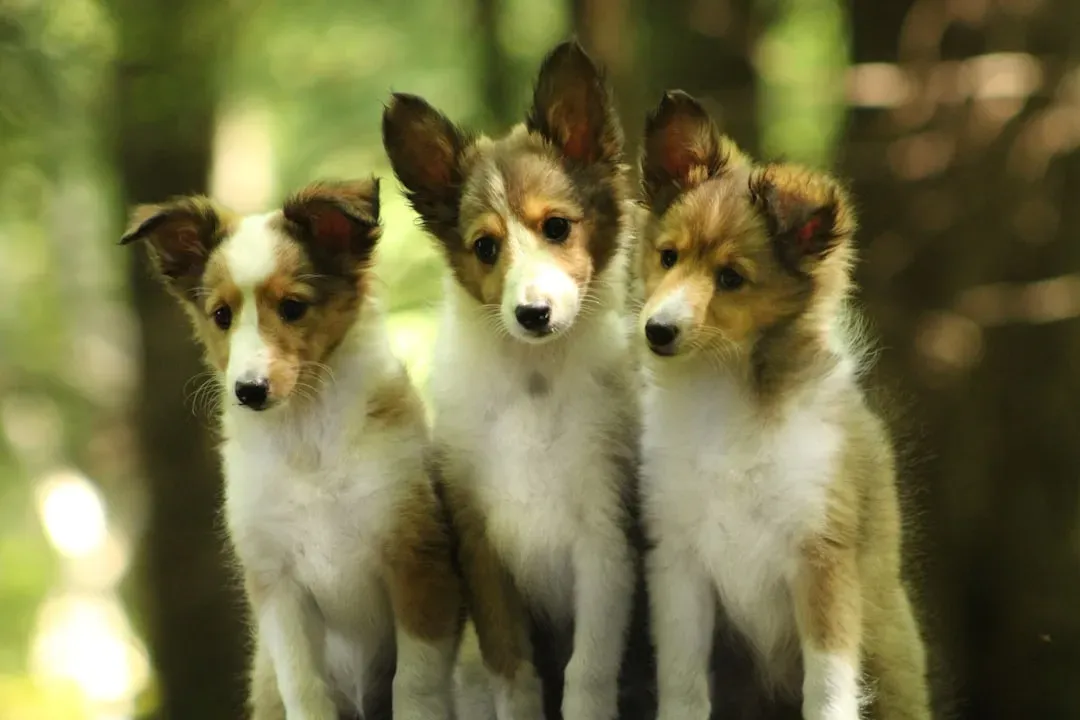
For anyone thinking about bringing a dog into their life, the takeaway is less about memorizing zodiac do‑not‑pair lists and more about radical honesty. Instead of asking which sign clashes with which breed, start by mapping your daily reality: how much time you truly have, how you handle stress, how you react to noise, mess, or unpredictability. Then look at breeds and individual dogs through the lens of needs and tendencies, not aesthetics or passing trends. Talk to behavior‑savvy shelter staff or trainers who can translate your self‑portrait into practical recommendations. If it amuses you to frame it as “a water‑sign soul seeking a calm, earth‑energy dog,” that narrative can coexist with serious, grounded decision‑making.
Supporting science‑based approaches to matching also means boosting organizations that invest in behavior assessments and post‑adoption support rather than quick placements. Sharing accurate information about breed tendencies, promoting positive reinforcement training, and normalizing the idea that some pairings simply are not a fit can reduce stigma and improve outcomes. You can participate by volunteering with local rescues, funding behavioral consults for challenging dogs, or even just steering friends away from impulse buys based on social media trends. In the end, the goal is simple: fewer broken bonds, fewer preventable tragedies, and more households where both species feel understood. Whether you call that alignment, good data, or a lucky star is up to you.
Suhail Ahmed is a passionate digital professional and nature enthusiast with over 8 years of experience in content strategy, SEO, web development, and digital operations. Alongside his freelance journey, Suhail actively contributes to nature and wildlife platforms like Discover Wildlife, where he channels his curiosity for the planet into engaging, educational storytelling.
With a strong background in managing digital ecosystems — from ecommerce stores and WordPress websites to social media and automation — Suhail merges technical precision with creative insight. His content reflects a rare balance: SEO-friendly yet deeply human, data-informed yet emotionally resonant.
Driven by a love for discovery and storytelling, Suhail believes in using digital platforms to amplify causes that matter — especially those protecting Earth’s biodiversity and inspiring sustainable living. Whether he’s managing online projects or crafting wildlife content, his goal remains the same: to inform, inspire, and leave a positive digital footprint.