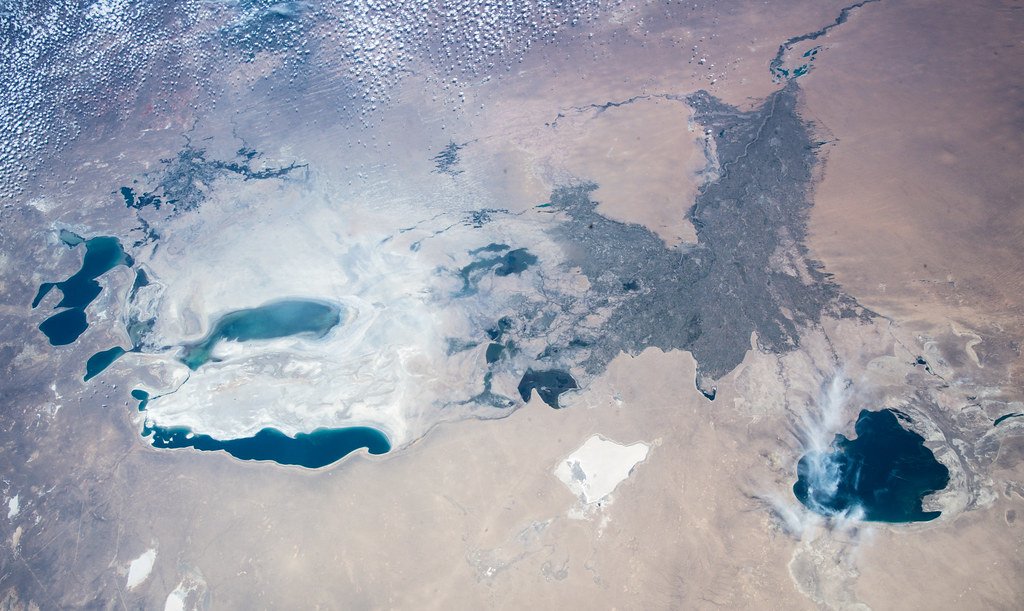

Once a shimmering expanse of water teeming with life, the Aral Sea has now become a haunting symbol of environmental neglect. Imagine standing on what used to be a bustling port, now stranded miles from the water’s edge. The story of the Aral Sea is not just about the loss of a natural wonder; it’s a cautionary tale of human ambition clashing with nature’s delicate balance. How did this vast body of water, once the fourth largest lake in the world, transform into a barren wasteland? As you delve into this tale of ecological disaster, prepare to explore the complexities of human impact and the urgent lessons we must learn.
The Majestic Past of the Aral Sea
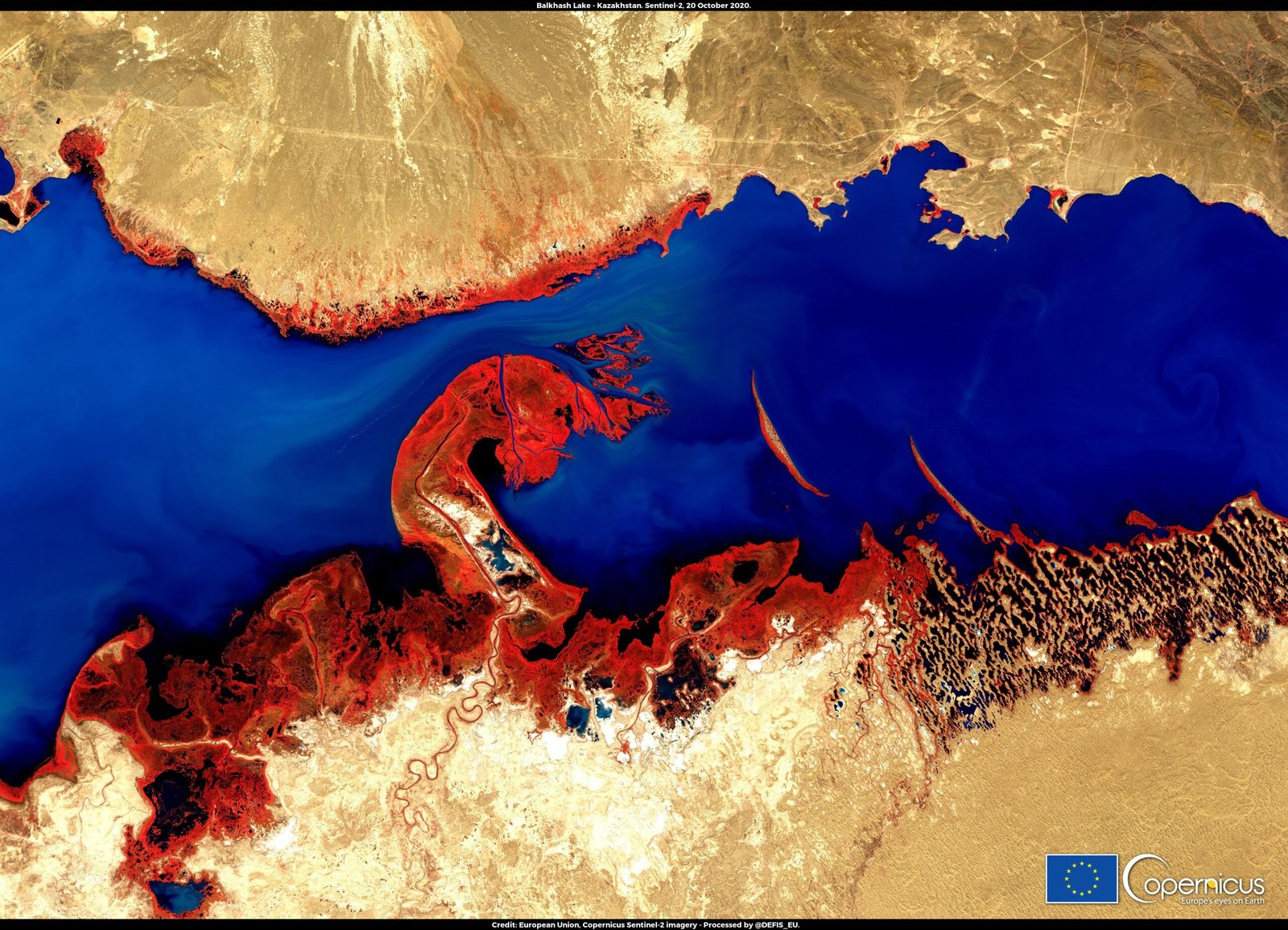
In the mid-20th century, the Aral Sea was a thriving ecosystem. It sprawled across the borders of Kazakhstan and Uzbekistan, covering an area larger than Ireland. This inland sea was a haven for biodiversity, home to over 20 species of fish, and its shores supported vibrant fishing communities. The surrounding region was lush with vegetation, providing sustenance and shelter to various wildlife. People living in the area enjoyed a prosperous life, relying on the sea for their livelihood. The Aral Sea was an essential part of Central Asia’s identity, both culturally and economically.
The Beginning of the End: Soviet Ambitions
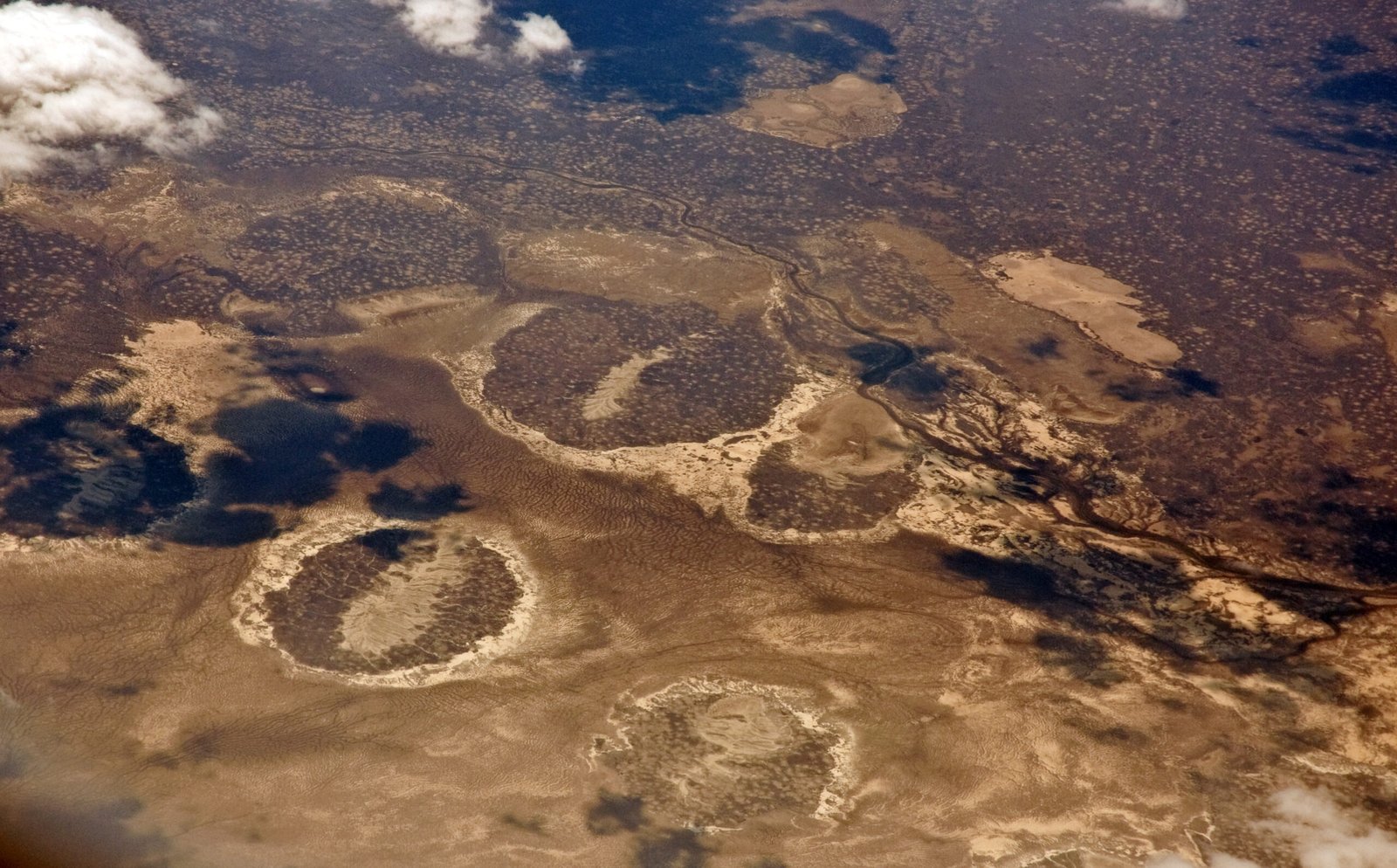
The decline of the Aral Sea began with the Soviet Union’s ambitious agricultural projects. In the 1960s, the Soviet government embarked on a plan to transform the arid lands of Central Asia into vast cotton fields. To achieve this, they diverted the Amu Darya and Syr Darya rivers, which fed the Aral Sea. While the cotton industry flourished, the sea began to shrink. The decision to prioritize short-term economic gains over environmental sustainability set in motion a chain of events that would devastate the region. This shortsightedness highlights the dangers of human intervention without considering long-term consequences.
Unfolding Ecological Catastrophe
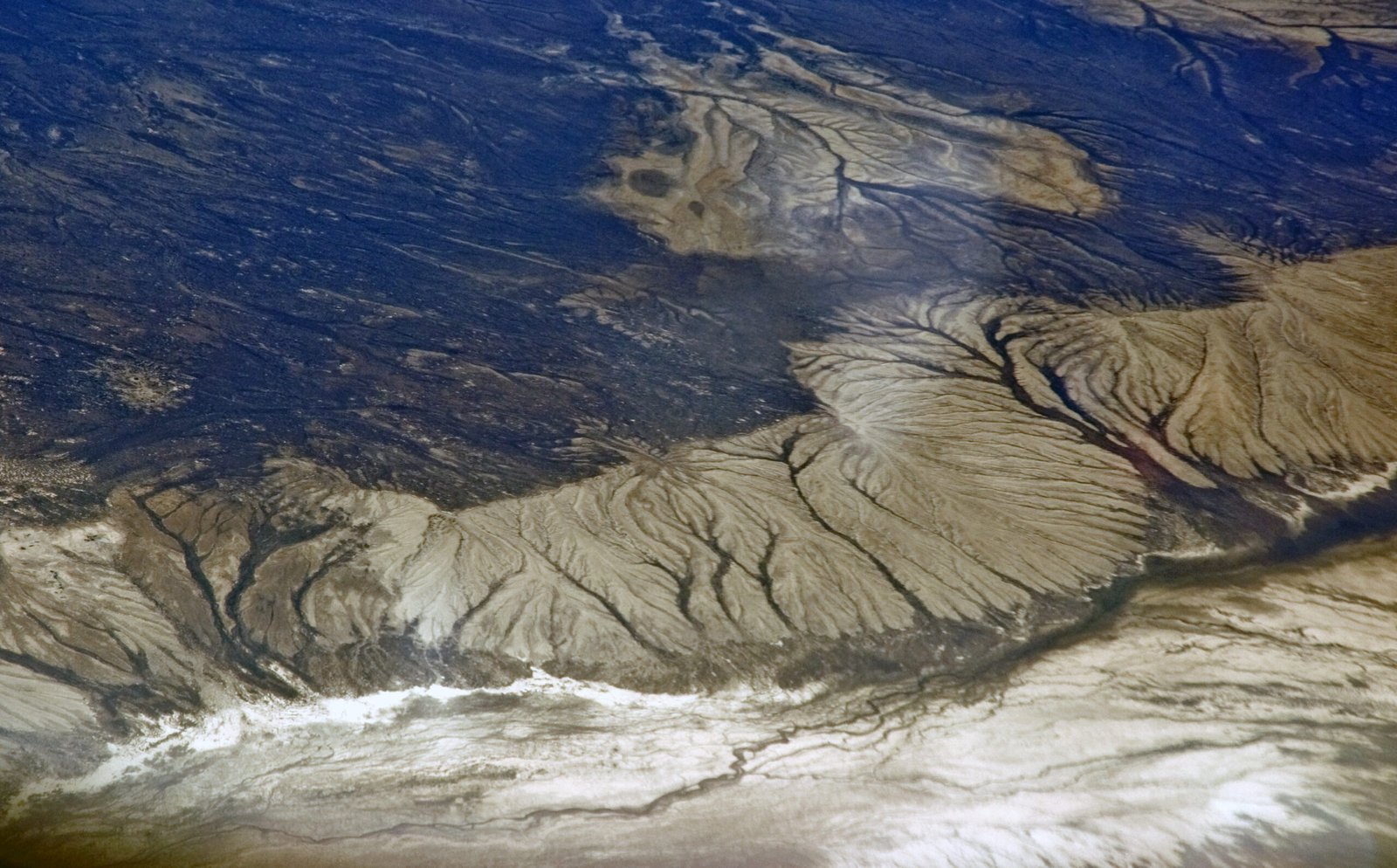
As the water levels dropped, the Aral Sea’s ecosystem collapsed. The salinity of the water increased dramatically, making it inhospitable for most aquatic life. Fish populations dwindled, and once-thriving fishing industries vanished. The receding waters exposed toxic sediments, leading to dust storms that carried pollutants across the region. These storms have had severe health impacts on local populations, contributing to respiratory illnesses and other health problems. The loss of the Aral Sea’s moderating influence on the climate has also led to harsher winters and hotter summers, further straining the environment.
The Human Toll: Communities in Crisis
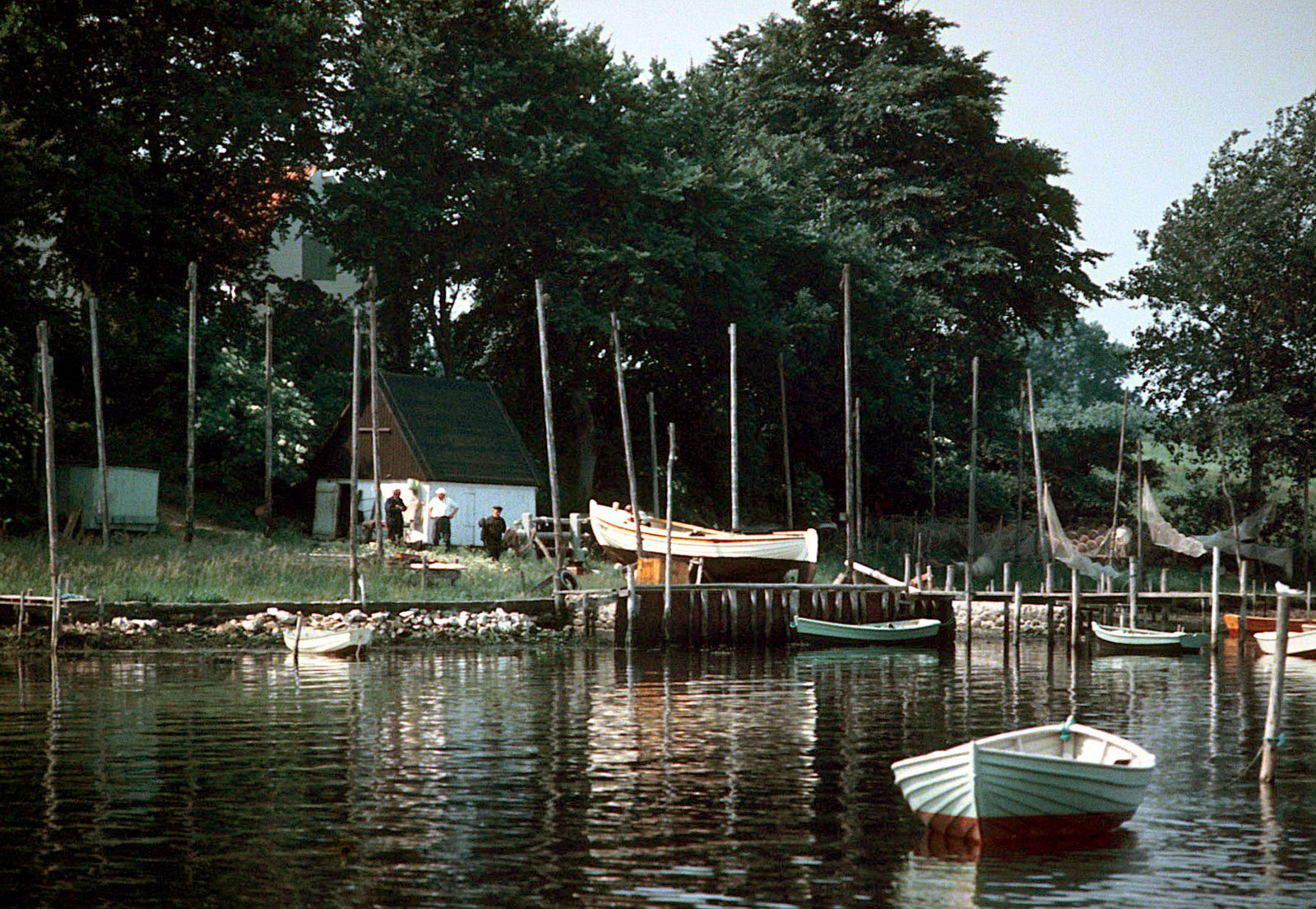
The disappearance of the Aral Sea has had profound effects on the people who once depended on it. Fishing villages have been abandoned, and unemployment rates have soared. The local economy, once buoyed by the sea’s bounty, has been crippled. Many residents have been forced to migrate in search of better opportunities, leaving behind their homes and communities. Those who remain face a harsh reality, with limited access to clean water and healthcare. The social fabric of the region has been irrevocably altered, with generations growing up in the shadow of this environmental disaster.
Attempts at Restoration

Despite the dire situation, efforts have been made to restore the Aral Sea. International organizations and local governments have initiated projects to revive parts of the northern Aral Sea. One such effort is the construction of the Kok-Aral Dam, which has helped to stabilize water levels in the northern section. These initiatives have shown some success, with fish populations beginning to recover and the local climate improving slightly. However, the southern part of the sea remains largely beyond rescue, highlighting the scale of the challenge and the need for continued commitment.
Lessons in Environmental Stewardship

The tragedy of the Aral Sea serves as a stark reminder of the importance of sustainable development. It underscores the need for careful consideration of environmental impacts when planning large-scale projects. The story of the Aral Sea is a call to action for policymakers, urging them to balance economic growth with ecological preservation. The lessons learned here are applicable not just to Central Asia but to the global community, as we face increasing environmental challenges. The Aral Sea’s decline is a poignant example of what can happen when nature is taken for granted.
The Role of Climate Change

While human intervention was the primary driver of the Aral Sea’s decline, climate change has exacerbated the situation. Rising temperatures and changing precipitation patterns have further reduced water availability in the region. This has made restoration efforts even more challenging, as the natural replenishment of the sea is hindered by climate-related factors. The Aral Sea’s plight illustrates the interconnectedness of human actions and climate change, emphasizing the need for a holistic approach to environmental issues. Addressing climate change is crucial to preventing similar disasters in other parts of the world.
Scientific Insights and Innovations
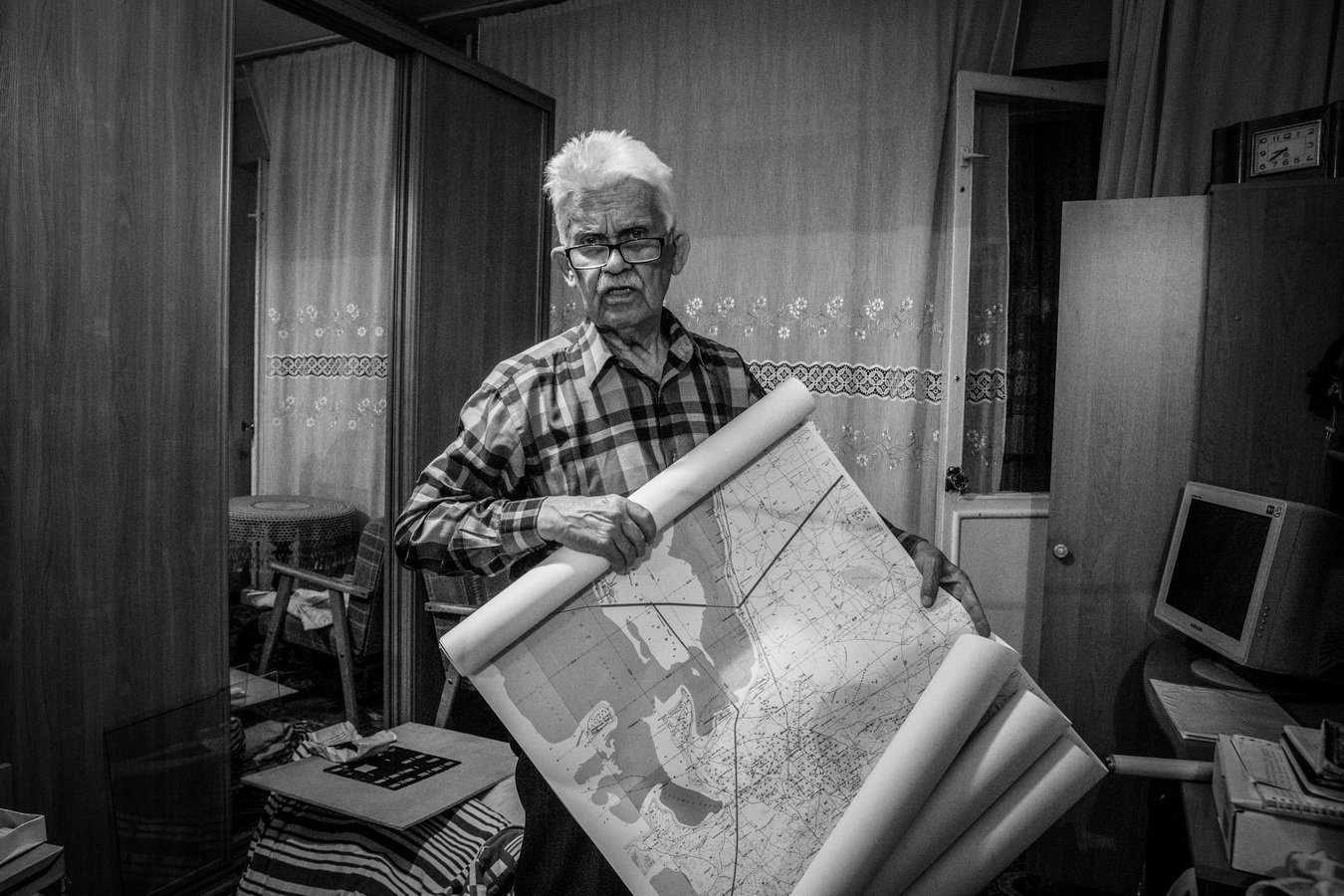
Scientists have been studying the Aral Sea’s transformation to gain insights into desertification and ecosystem collapse. This research has led to innovations in water management and conservation strategies. By understanding the Aral Sea’s decline, scientists hope to develop techniques that can be applied to other at-risk ecosystems. These efforts are not just about preserving the environment but also about ensuring the well-being of communities that rely on natural resources. The scientific community’s work on the Aral Sea is a testament to the power of knowledge in addressing environmental challenges.
The Global Significance of the Aral Sea’s Story
The Aral Sea’s story is a microcosm of global environmental challenges. It highlights the consequences of unsustainable practices and the urgent need for international cooperation in addressing ecological crises. The lessons from the Aral Sea are relevant to regions facing similar issues, such as the drying of lakes and rivers worldwide. By learning from this tragedy, we can work towards a more sustainable future, where economic development does not come at the cost of environmental degradation. The Aral Sea’s fate is a warning and an opportunity for positive change.
A Call for Action and Reflection
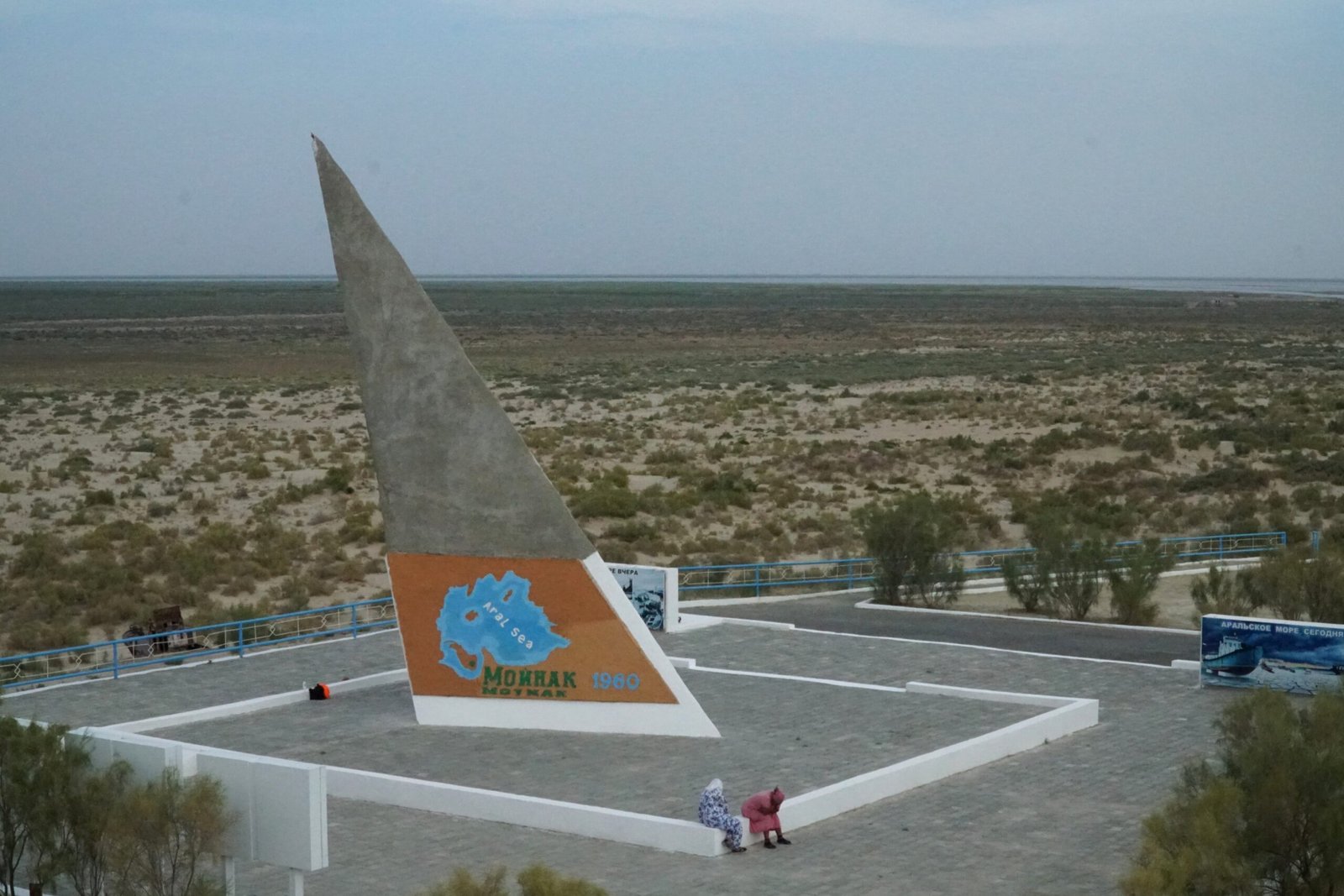
The disappearance of the Aral Sea is a powerful reminder of the impact humans can have on the environment. As we reflect on this tragedy, we must ask ourselves what steps we can take to prevent similar disasters. How can we balance human needs with the health of our planet? The story of the Aral Sea is not just a tale of loss but also of resilience and hope. By learning from past mistakes and embracing sustainable practices, we can work towards a future where nature and humanity coexist harmoniously.