
In a world where the mysteries of the past continue to unravel, the discovery of a dinosaur that died midway through shedding its skin presents a tantalizing glimpse into the lives of these ancient giants. Dinosaurs roamed the Earth millions of years ago, capturing our imaginations with their sheer size and diversity. But, until recently, one aspect of their biology remained a mystery: did they shed their skin like modern-day reptiles? This question has fascinated scientists and laypeople alike, and new evidence suggests the answer may be yes. The following exploration delves into the recent findings that offer a unique perspective on dinosaur biology, shedding light on their daily lives in ways never before considered.
The Fascinating Process of Shedding Skin
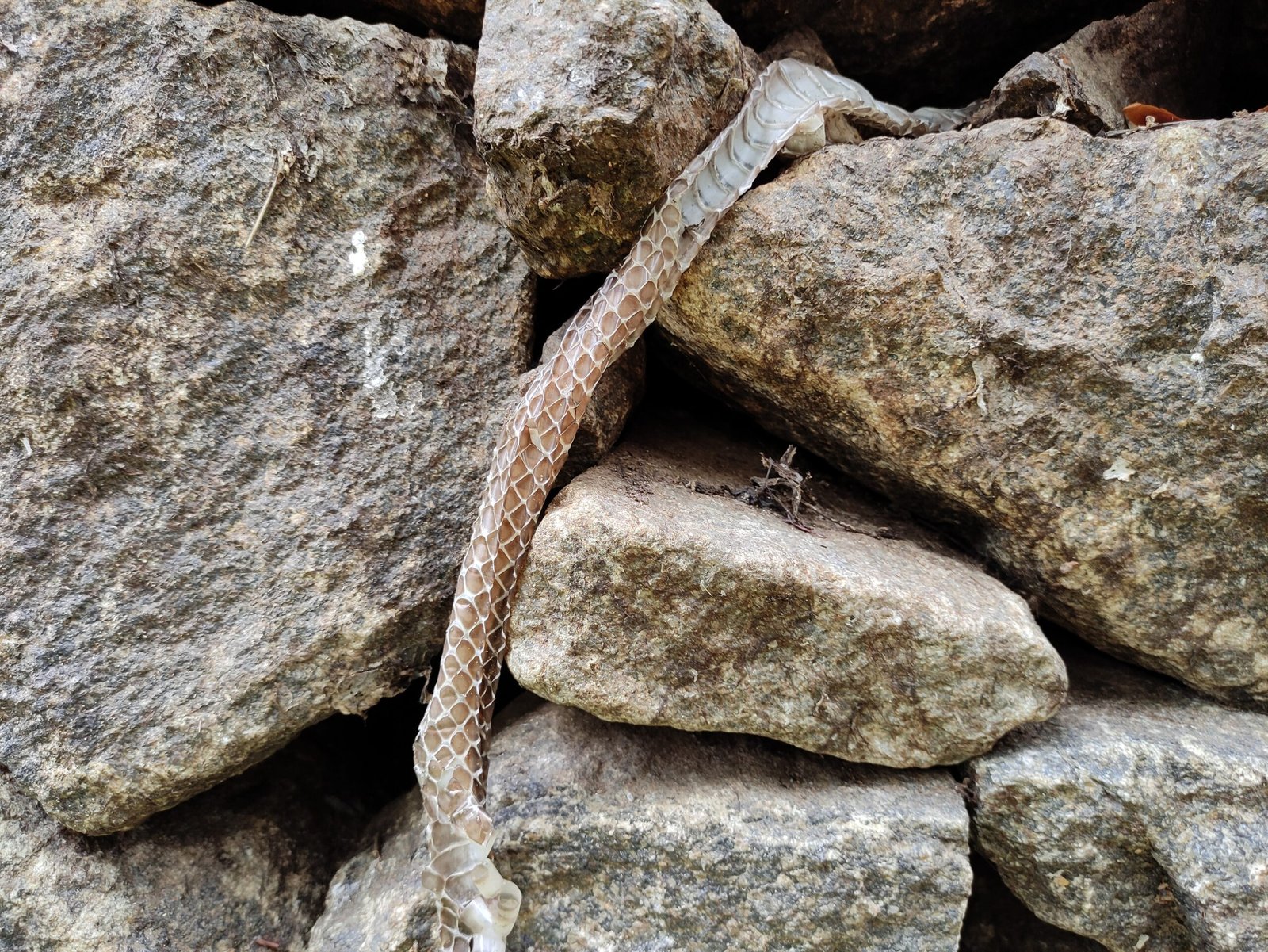
Shedding skin, or molting, is a process familiar to many of today’s reptiles, such as snakes and lizards. This natural occurrence allows these creatures to grow, heal, and rid themselves of parasites. In a sense, shedding is like hitting the reset button, providing a fresh start with new, healthy skin. Imagine wearing a coat that grows tighter as you grow; eventually, you must shed it to continue thriving. It’s a crucial aspect of survival, and the discovery that dinosaurs may have shared this trait with their modern descendants is groundbreaking.
Unveiling the Fossil Evidence
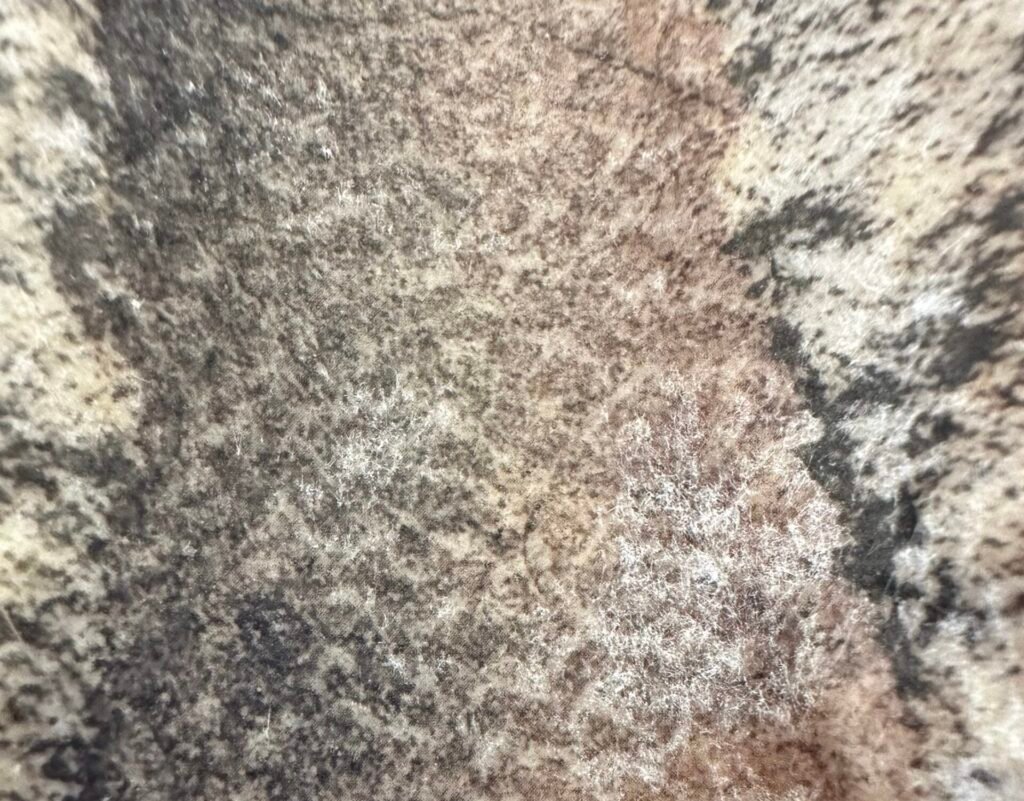
The fossil record is like a time capsule, preserving moments from eons past. Recently, researchers stumbled upon a fossil that appeared to capture a dinosaur in the midst of shedding its skin. This remarkable find occurred in a region rich with dinosaur remains, sparking excitement and curiosity among paleontologists. The fossil displayed distinct patterns that resembled those found in modern reptiles, providing a rare snapshot of a process that had long eluded scientists. This evidence not only supports the idea of molting in dinosaurs but also opens new avenues for understanding their physiology and behavior.
Linking Dinosaurs to Modern Reptiles
The connection between dinosaurs and today’s reptiles has long been a subject of scientific inquiry. While we often think of dinosaurs as unique and isolated creatures, findings like these highlight the continuum of life on Earth. By examining the similarities in skin shedding, scientists can draw parallels between ancient reptiles and their modern counterparts. This link enriches our understanding of evolution, illustrating how some traits have persisted through millions of years. It’s a reminder of the interconnectedness of life, bridging the gap between the ancient and the present.
Understanding the Purpose of Molting
Molting serves several purposes beyond growth. For reptiles, shedding is vital for hygiene, as old skin can harbor parasites and infections. It’s also a way to heal wounds, as the process can help remove damaged skin. In the context of dinosaurs, molting might have played a similar role. By shedding old skin, these ancient creatures could maintain their health and vitality. Understanding this aspect of dinosaur biology adds depth to our knowledge of their daily lives and challenges the conventional view of these majestic beings.
The Impact on Dinosaur Behavior
If dinosaurs did indeed molt, it could have influenced their behavior in significant ways. Molting can be a vulnerable time for reptiles, as they shed their protective outer layer. This vulnerability might have affected how dinosaurs interacted with their environment and each other. Imagine a dinosaur shedding its skin, perhaps seeking shelter or safety among its peers. The implications of molting extend beyond biology, offering insights into the social dynamics and survival strategies of these ancient reptiles.
What This Means for Paleontology
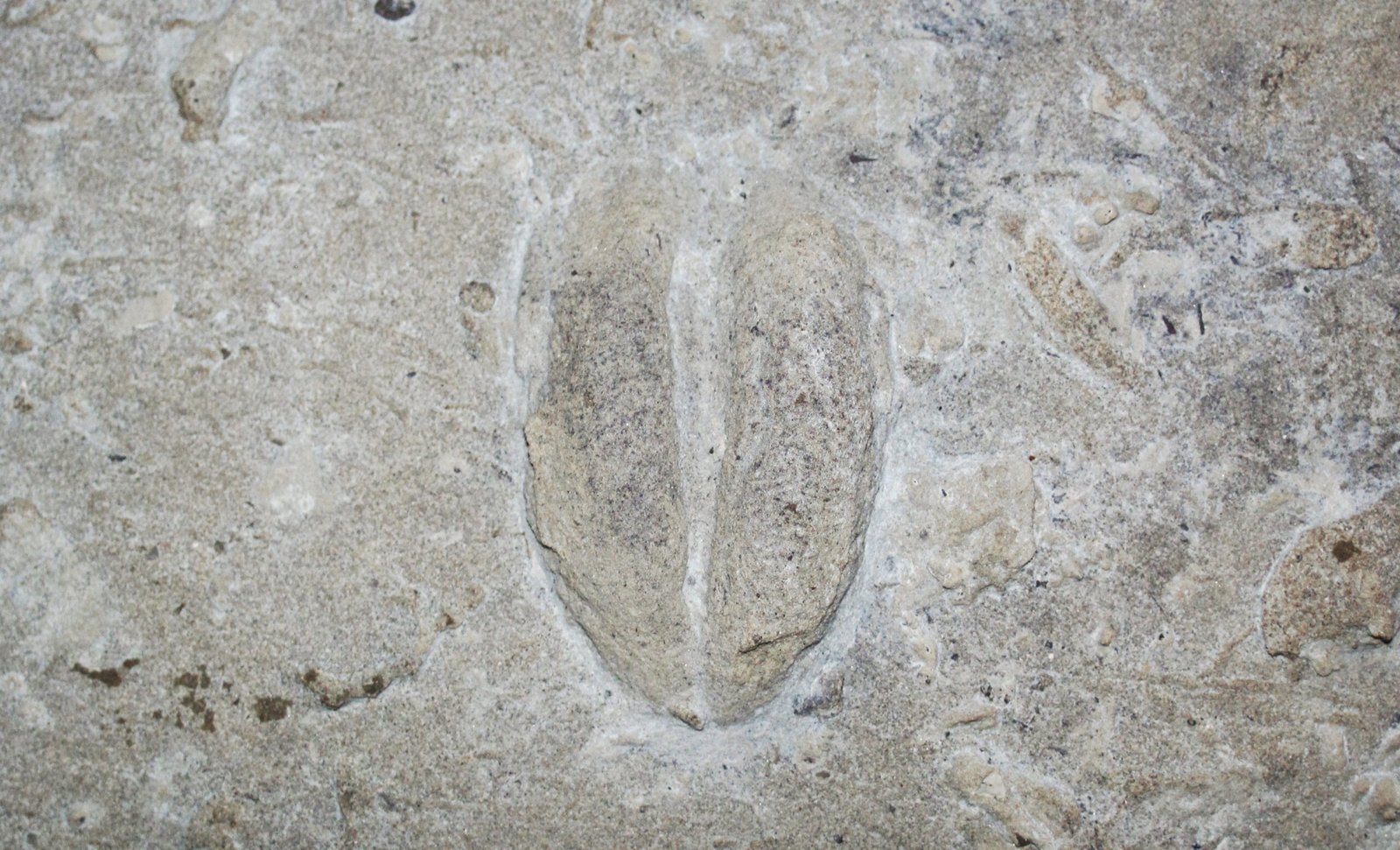
The discovery of molting in dinosaurs is more than just an intriguing find; it’s a paradigm shift in paleontology. It challenges existing theories and encourages scientists to reexamine other fossils for similar evidence. This new perspective could lead to further breakthroughs, enhancing our understanding of dinosaur biology and evolution. It’s a testament to the ever-evolving nature of science, where each discovery builds upon the last, painting a more detailed picture of the past.
Exploring the Role of Environment
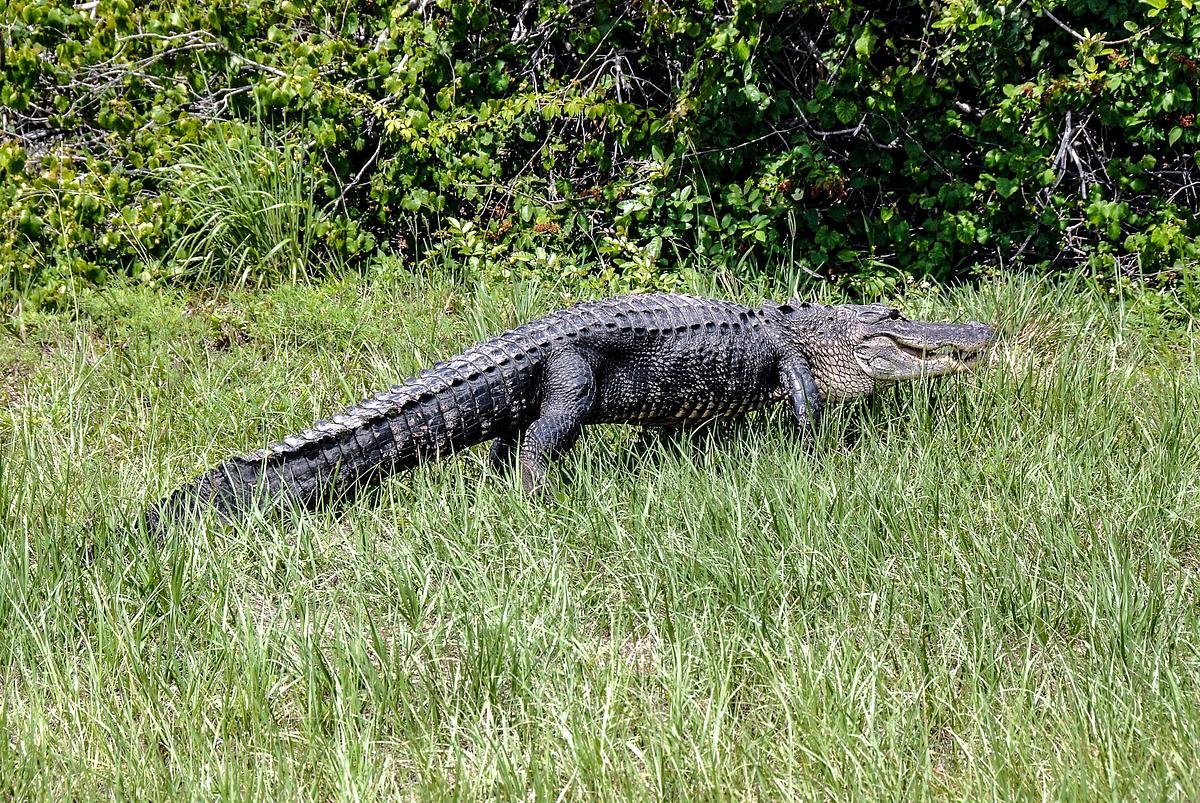
The environment plays a crucial role in the process of molting. Factors such as climate, habitat, and available resources can influence how and when reptiles shed their skin. For dinosaurs, these environmental aspects might have affected their molting patterns, offering clues to their preferred habitats and lifestyles. Examining the fossilized remains in the context of their environment can reveal more about the conditions in which these creatures thrived, providing a holistic view of their existence.
The Mystery of Dinosaur Skin
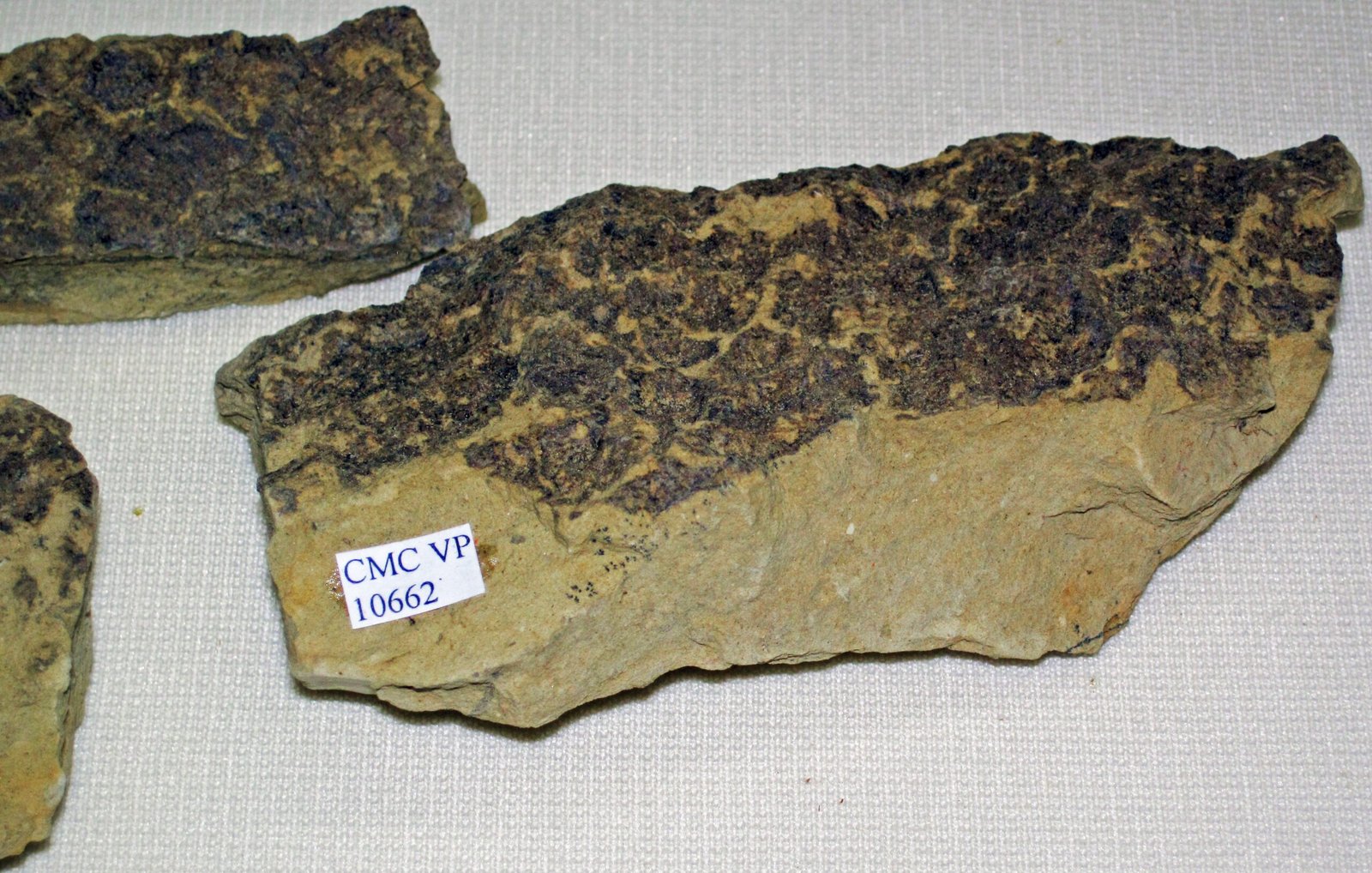
While the discovery of molting offers new insights, it also raises questions about the nature of dinosaur skin itself. Was it similar to that of modern reptiles, or did it possess unique characteristics? The answers to these questions could redefine our understanding of dinosaur physiology. By studying the fossilized skin patterns, scientists can explore the complexities of dinosaur skin, unraveling the mysteries that have shrouded these ancient giants for centuries.
Challenges in Interpreting Fossil Evidence
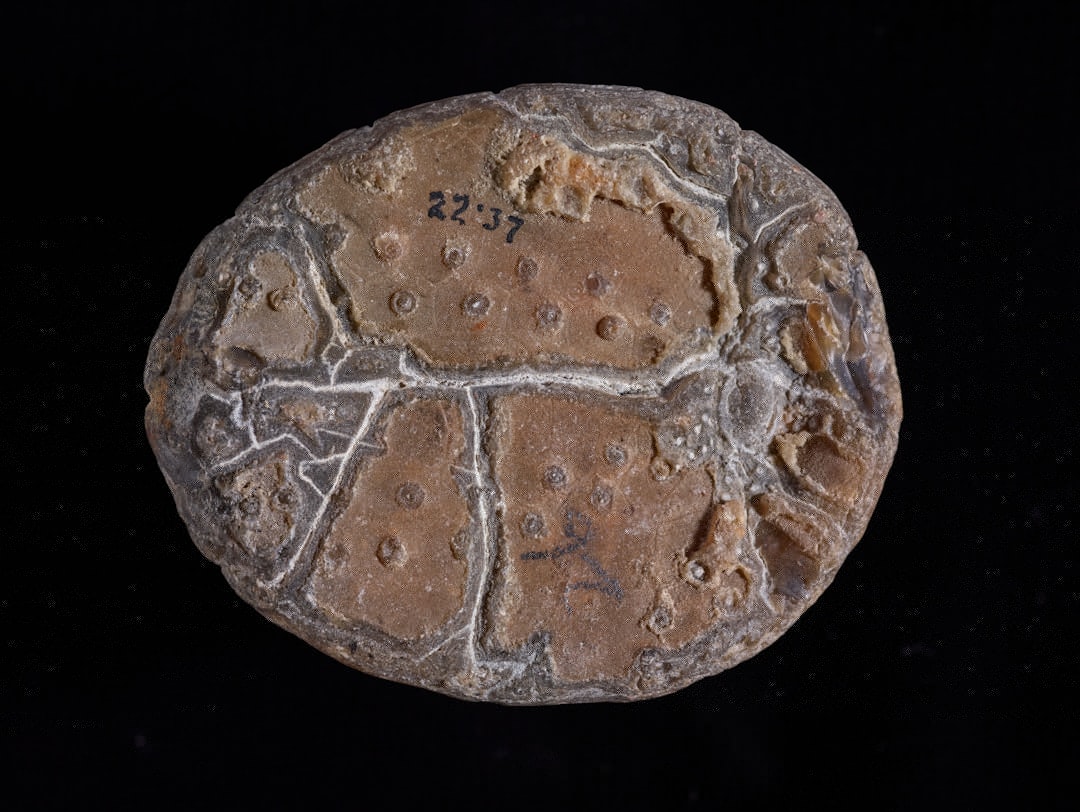
Interpreting fossil evidence is no small feat, as it requires a keen eye and an understanding of both modern and ancient biology. The discovery of a dinosaur shedding its skin is a rare and delicate find, necessitating careful analysis to ensure accuracy. Scientists must consider various factors, such as the preservation quality and potential distortions, to draw valid conclusions. The challenges are numerous, but the rewards are immense, as each piece of evidence adds to the intricate puzzle of our planet’s history.
The Future of Dinosaur Research
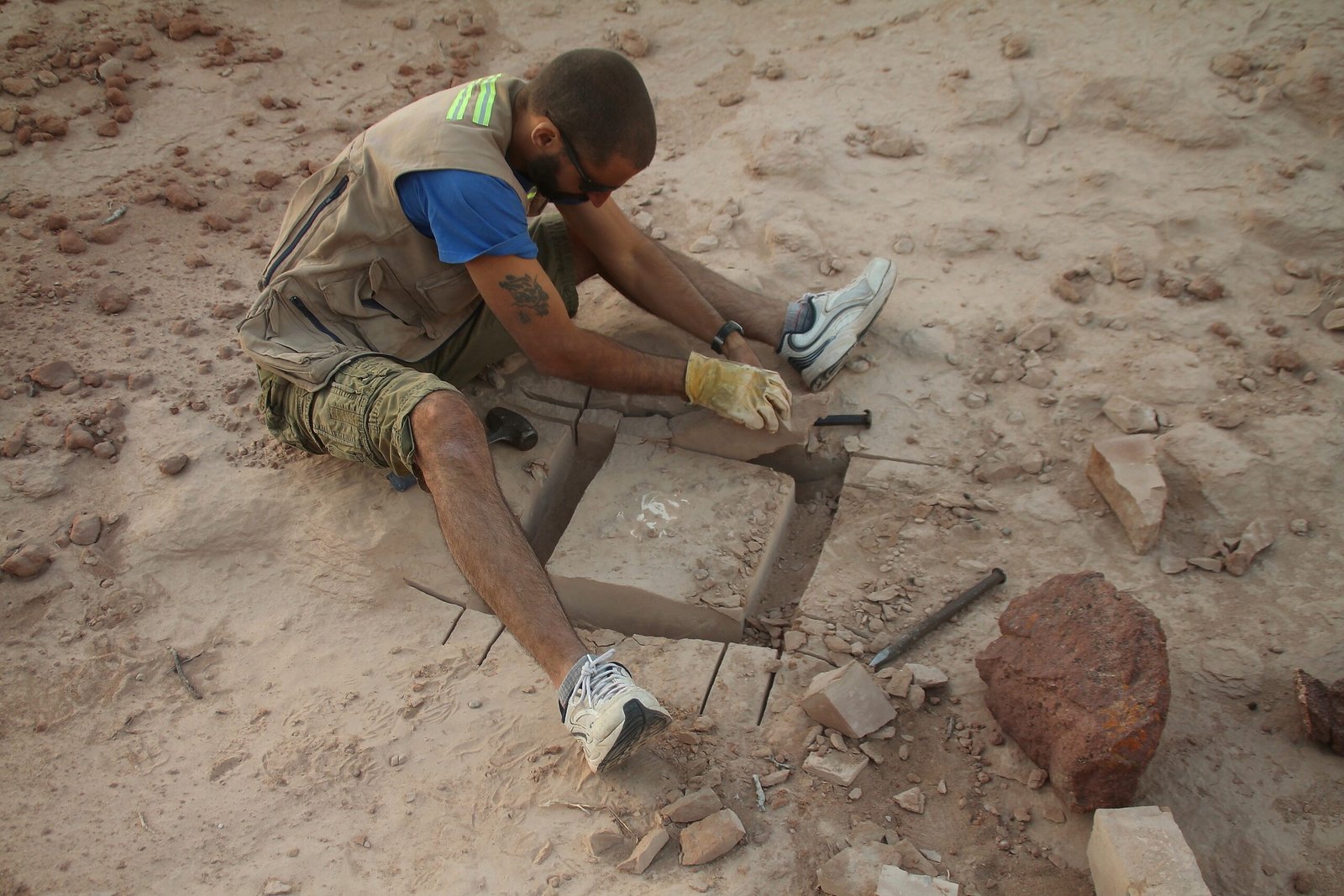
The revelation of molting in dinosaurs opens the door to new avenues of research and exploration. As technology advances, scientists have more tools at their disposal to study these ancient creatures in detail. The future of dinosaur research is bright, with endless possibilities for discovery and understanding. By continuing to study these fascinating beings, we gain valuable insights into our planet’s past, inspiring awe and curiosity for generations to come.