
In the eastern Sahara, a pale gold shimmer hides a mystery written in molten sand. Scattered across the Great Sand Sea are chunks of natural glass born in heat so fierce it erased its own footprints. For more than a century, scientists have hunted the culprit – volcanoes, lightning, or something far more dramatic from the sky. The story has widened from treasure-hunters and pharaohs to high-resolution satellites and clean-room microscopes. What they are finding is not just a strange material, but a time capsule from a cosmic jolt that still speaks to our future.
The Hidden Clues
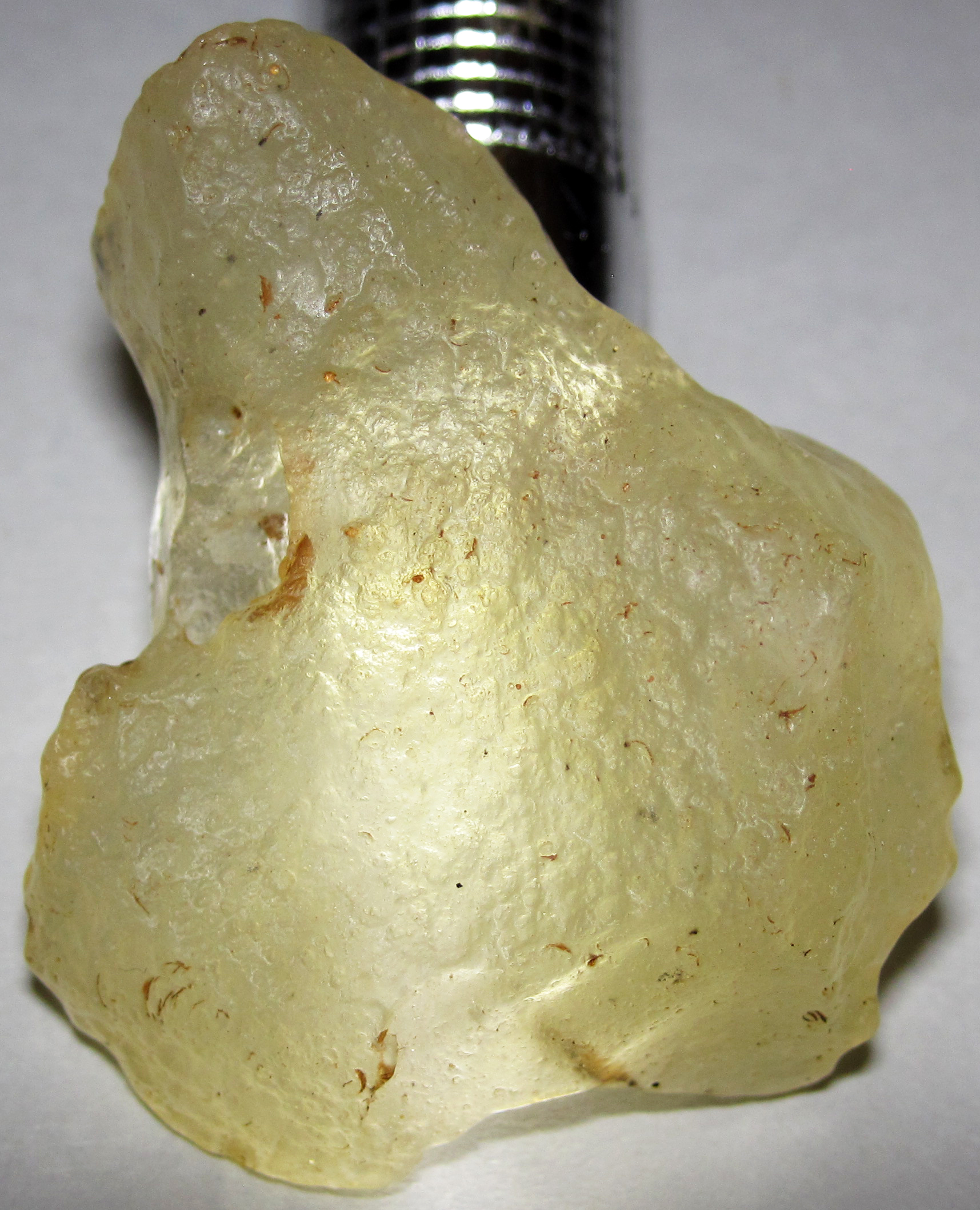
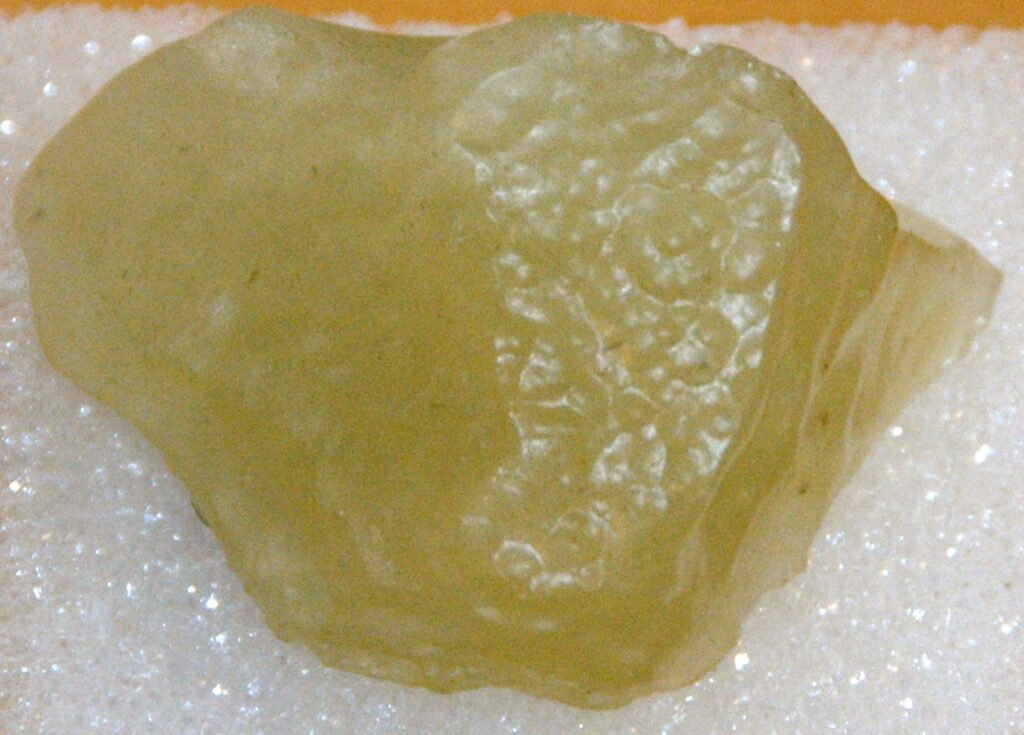
Stand in the wind-swept hollows of the Libyan Desert and the ground sometimes flashes lemon-yellow, like sunlight trapped in stone. Those glassy fragments, some as clear as bottled honey, tell of temperatures far beyond any campfire, and textures that freeze chaos mid-splash. Under a microscope, you see bubbles stretched like pulled taffy and swirls that look almost painterly, yet formed in an instant. The glass is remarkably pure silica, cleaner than most beach sand, which signals extreme heat and rapid cooling. That purity, paired with peculiar inclusions, is what first made geologists suspicious of an ordinary origin.
What makes the scene almost theatrical is what’s missing: the obvious crater that should mark an impact. The glass blankets approximately 6,500 square kilometers, but the smoking gun is buried, eroded, or never quite formed as expected. As a reporter, I love that tension – the landscape offers breadcrumbs, not answers. The hidden clues push researchers to use every tool on the shelf, from geochemistry to satellite shadow-hunting. It turns out this desert reads like a detective novel where even the punctuation has been scorched.
From Ancient Tools to Modern Science
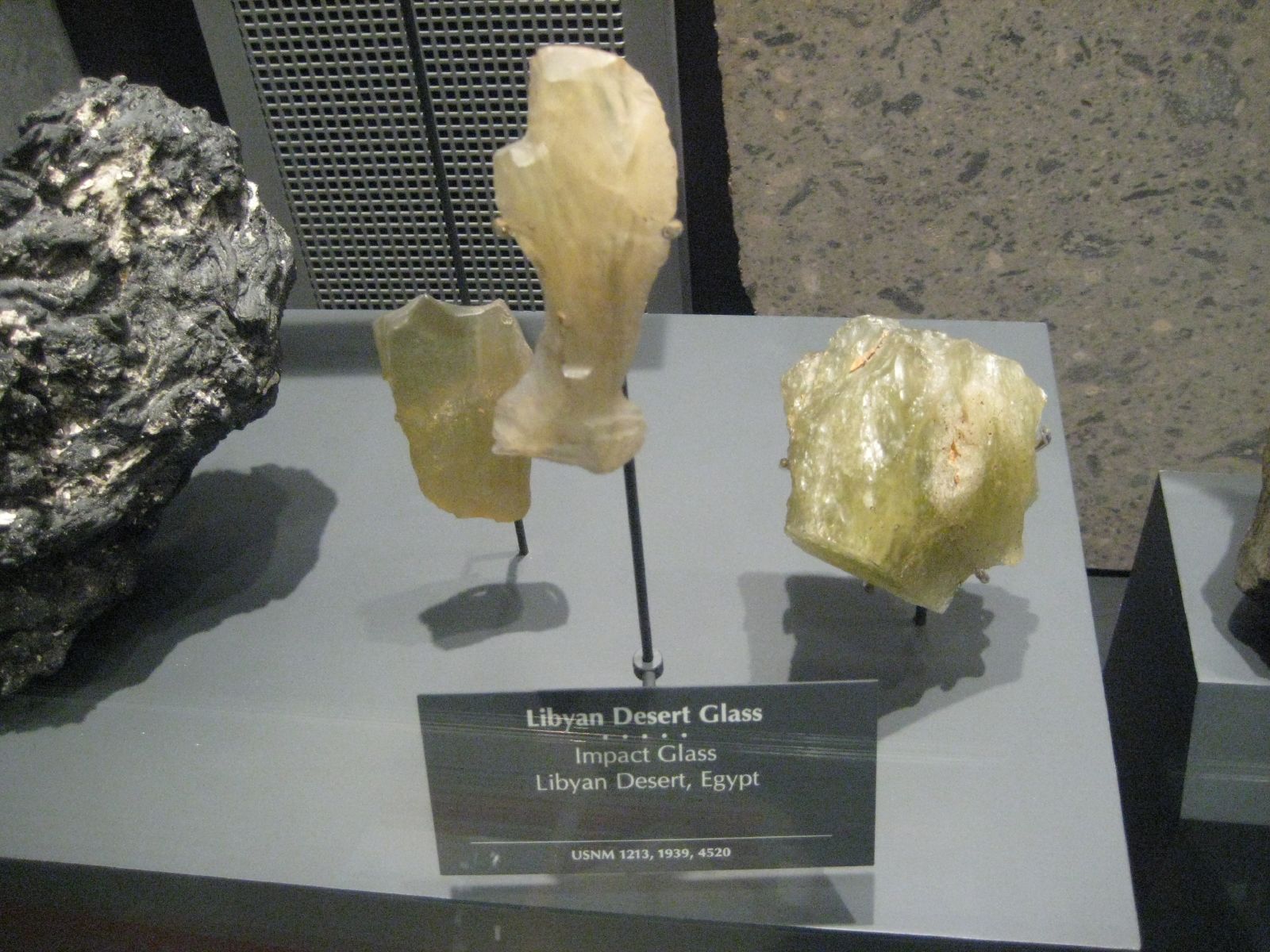
Long before labs weighed isotopes, people picked up this glass for knives, beads, and talismans that caught the sun. The most famous piece sits in the story of a young pharaoh, where a scarab carved from this desert glass once gleamed on a ceremonial pectoral. That detail alone ties the material to human imagination, showing how curiosity outran explanation by millennia. Later, prospectors and explorers filled journals with sketches of oddly clean, yellow-green stones half-buried in dunes. Those notes set the stage for a modern chase that blends field grit with lab precision.
Today’s teams map the glass scatter with satellite imagery, then test chips in clean labs to parse elements and isotopes. They track how zircon grains inside the glass partly transform under shocking heat, and how melt veins stitch through the rock like lightning frozen mid-strike. When I first held a museum sample – gloved, under a bright lamp – it looked ordinary until the angle changed and a smoky ribbon swirled to life. That ribbon, a clue of violent flow, says more than a caption ever could. Step by step, the evidence tilts toward a sky-born furnace.
The Heat That Melts a Desert
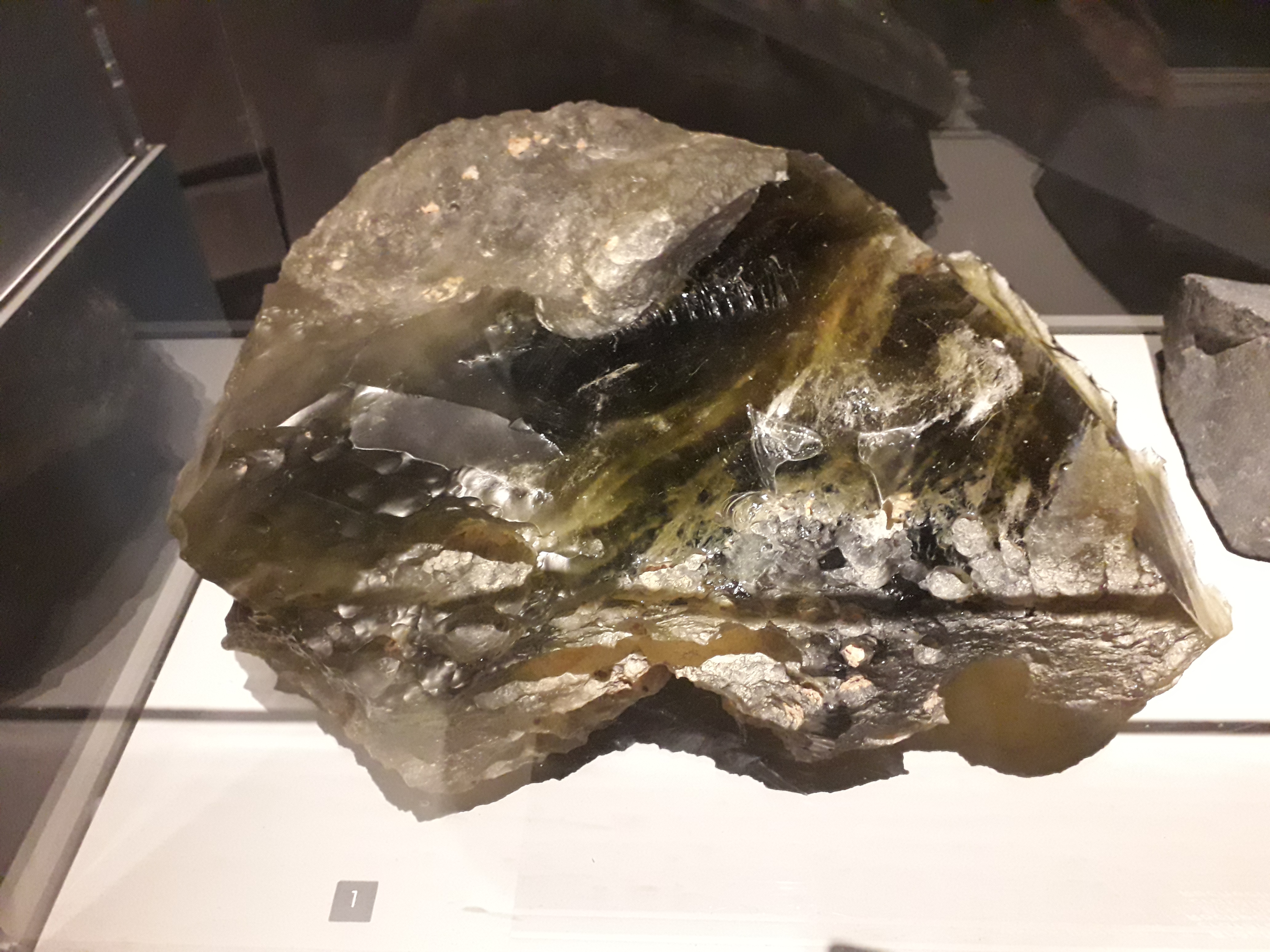
Melting quartz-rich sand takes heat that rivals a foundry, and the Libyan Desert Glass shows signs of temperatures soaring past the threshold where sand turns to lechatelierite, a telltale high-temperature silica. Such heat can come from a hypervelocity impact, where a meteor slams in and flash-melts the surface. Another scenario is a low-altitude airburst, where an incoming body disintegrates and releases a blast that scours the ground with a superheated shock front. Either way, the furnace flicked on for moments and then vanished, leaving only glass as its footprint. The lack of abundant rock fragments fused in suggests the melt zone was shallow and fast.
Geochemists point to trace elements that whisper of an extraterrestrial dusting mixed with terrestrial sand. The glass often carries tiny mineral survivors that only endure if cooled quickly, like chocolate snapping when pulled from a freezer. That fast quench locks in bubbles, flow textures, and the striking clarity many collectors prize. It also accounts for the glass’s low water content, a classic signature of rapid melt-and-chill events. The recipe reads simple – sand plus unimaginable heat, timed with a blink – but the kitchen was the sky.
The Crater That Isn’t There
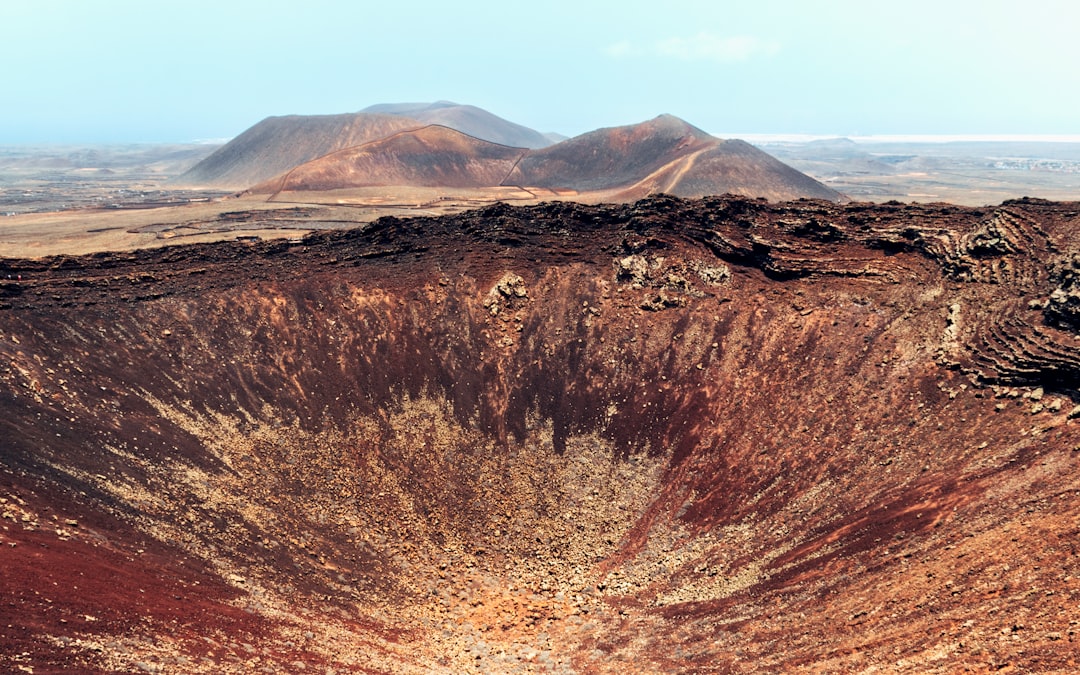
If a meteor did it, where is the hole? Dune migration swallows evidence, and the Sahara’s geological eraser has been at work for millions of years. Several circular features have been proposed and later dismissed, their edges too soft or their chemistry off the mark. An airburst would complicate the search because it can deliver furnace-level heat without carving a neat bowl in the ground. That would scatter melt over a wide footprint while leaving only subtle scars beneath shifting sands.
To chase a ghost crater, teams combine thermal infrared images, radar that peeks under sand, and gravity surveys that sense buried structures. Machine learning now flags suspicious rings and density anomalies that human eyes miss in the noise. Field checks then test rocks for shock features that only impacts produce, like transformed zircon or shatter cones. As of 2024, the consensus leans toward a sky-triggered event approximately 26.9 million years ago, whether a true impact or an extreme airburst. The case for a crater remains open, but the glass keeps the prosecution strong.
What the Glass Remembers
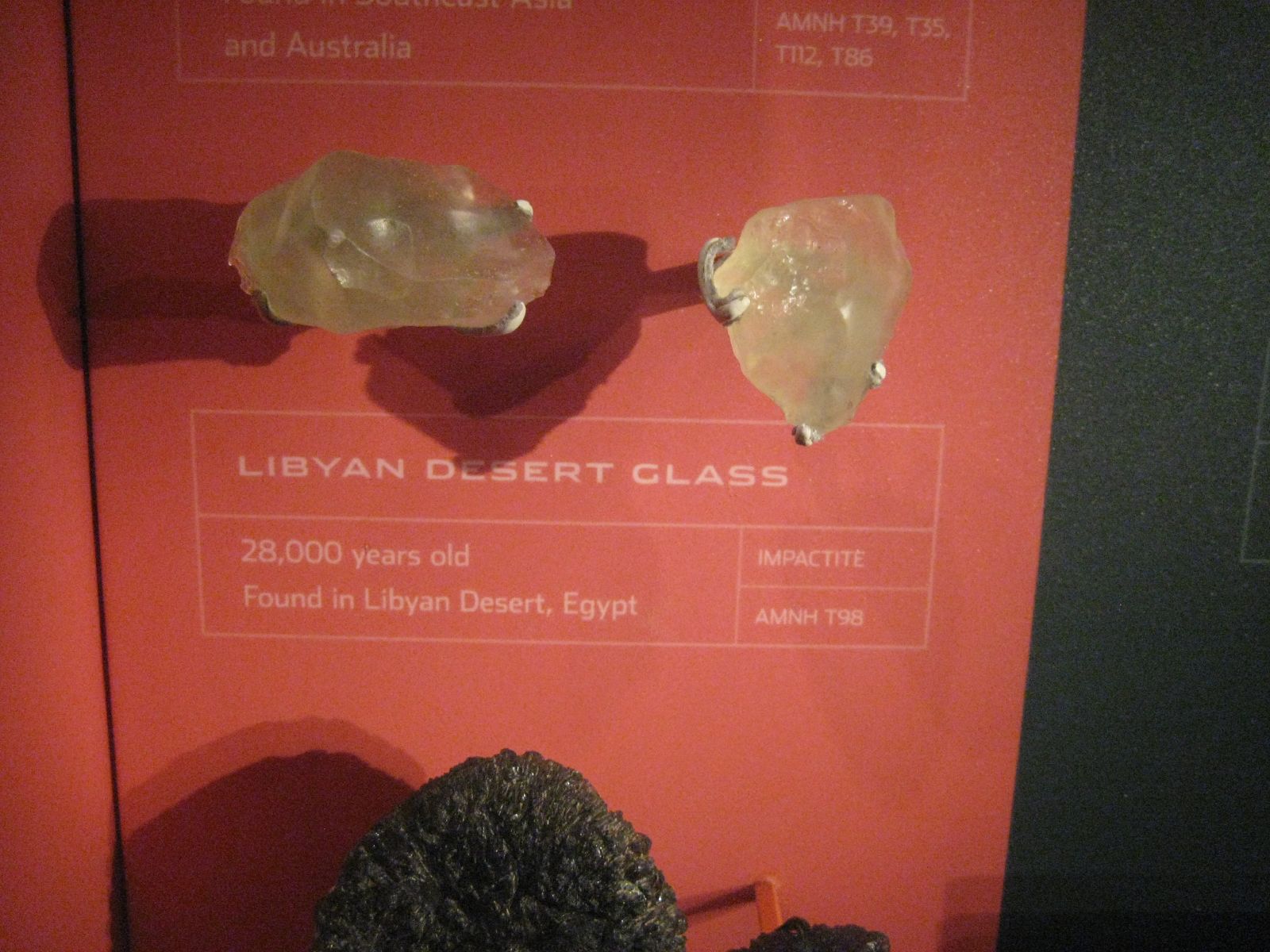
Libyan Desert Glass is nearly pure silica, but its inclusions are a diary of extremes. You find wisps of lechatelierite, tiny flow bands, and reworked grains that show sand was melted in situ. Zircon crystals partially morph into high-temperature forms and then freeze mid-transformation, a stop-motion record of seconds. Some samples reveal trace platinum-group elements that hint at meteoritic seasoning in the melt. Ar–Ar dating and related clocks pin formation to the late Oligocene or early Miocene, pointing to a single or clustered event rather than slow, repeating fires.
The glass’s color shifts – from pale straw to olive – depending on iron content and oxidation during cooling. Its bubbles capture pockets of ancient atmosphere and volatile behavior, small time capsules that lab instruments can read like barcodes. Flow lines trace wind-sheared melt sheets, as if molten dunes slumped and glazed themselves. These details scale up to a simple truth: when the sky turns violent, geology writes fast. The desert remembers with clarity, even when the page edges have blown away.
Why It Matters
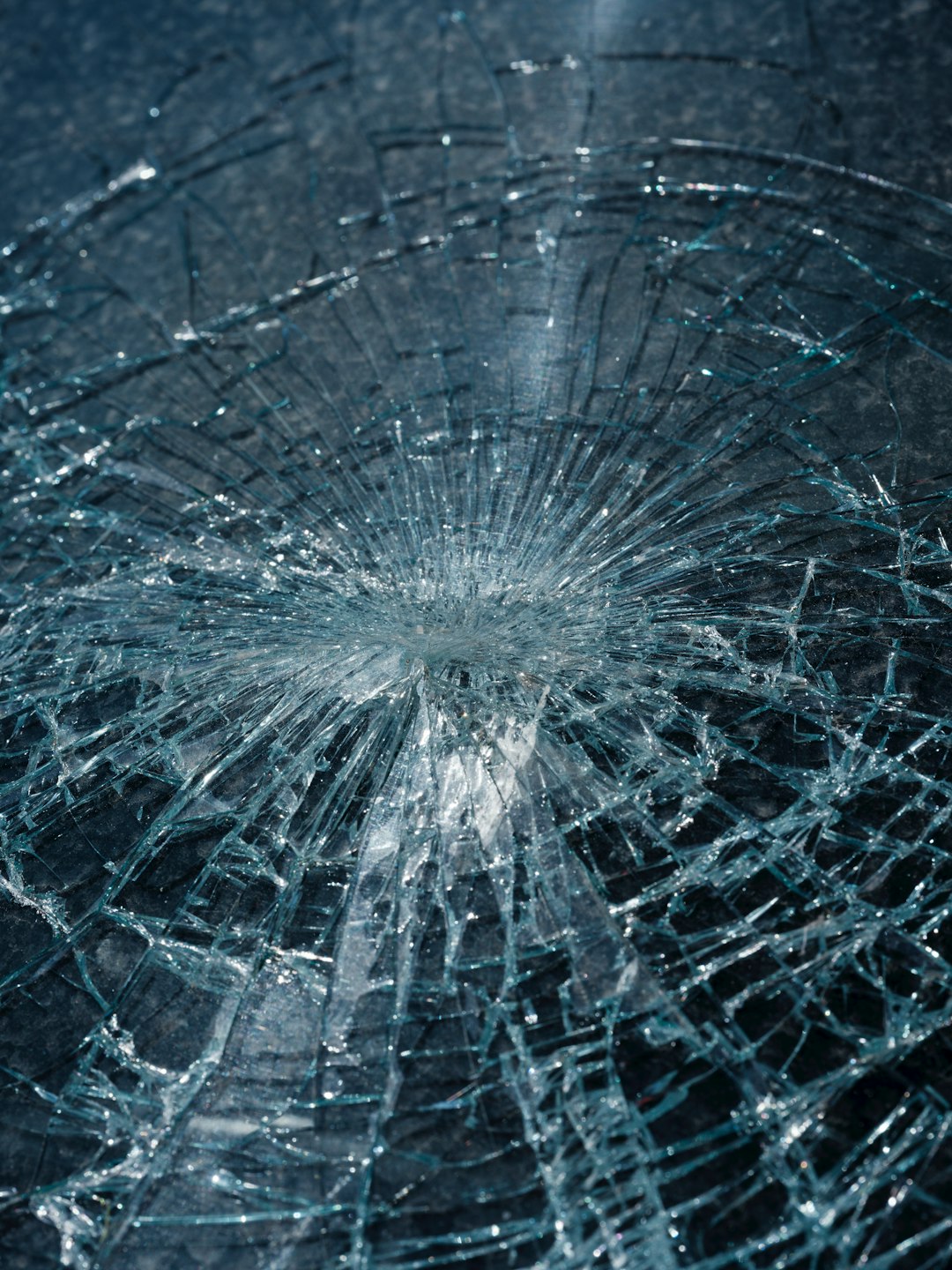
Understanding how this glass formed sharpens our sense of impact risk on a planet filled with cities and cables. Traditional hazard models leaned on crater counts and historic eyewitness accounts, which underplay the threat from airbursts that do not leave obvious holes. Libyan Desert Glass offers a ground-level archive of such events and the heat they unleash on landscapes. It also calibrates how far and how hot melt can spread, data that feeds into emergency planning and planetary-defense simulations. In other words, these golden shards are not curios – they are field notes from an ancient disaster drill.
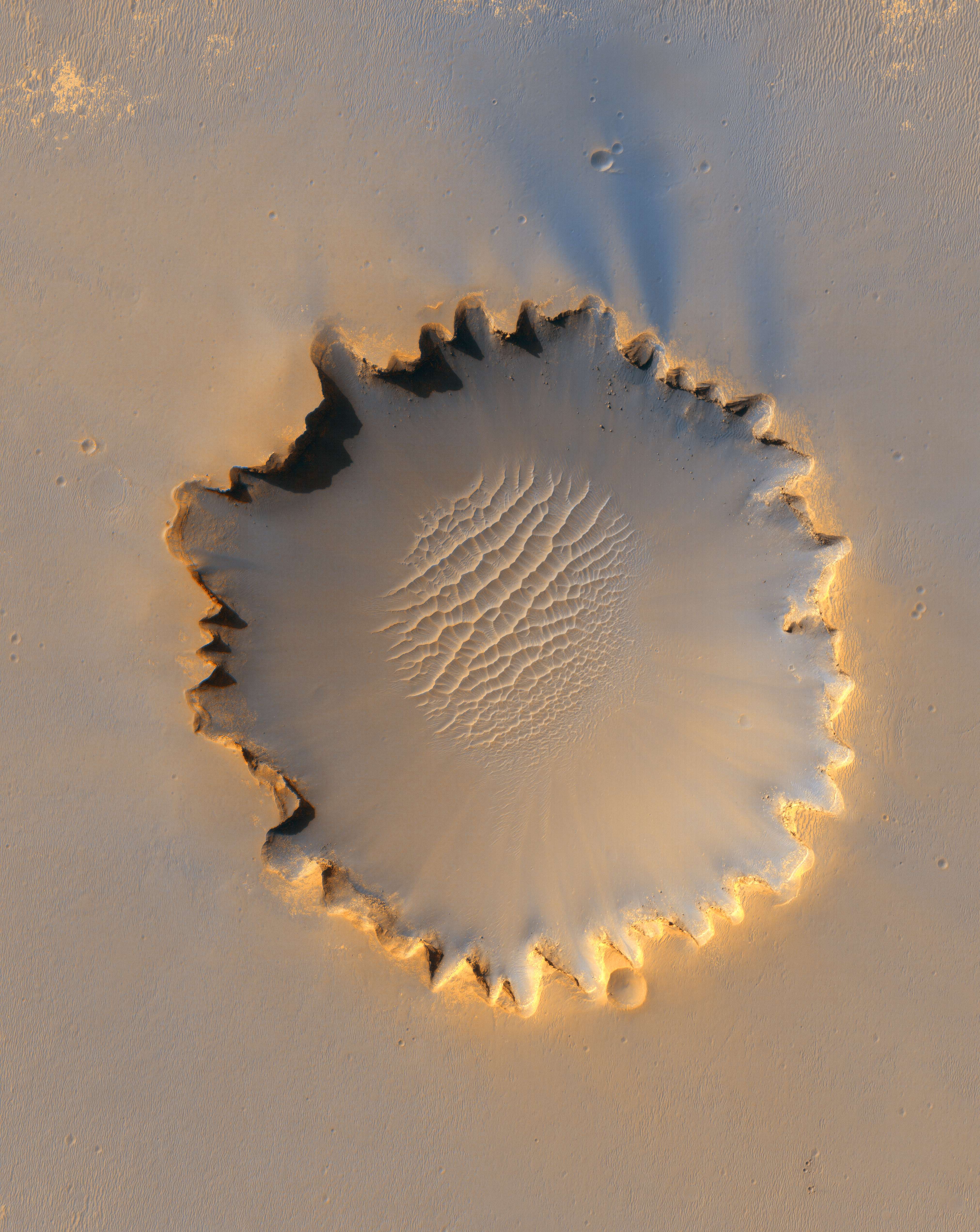
The comparisons are instructive: volcanic obsidian forms with slower cooling and different chemistry, while lightning-made fulgurites are tubular and localized, not blanket-wide. By contrast, this desert glass combines scale, purity, and shock textures that point up, not down or sideways. That makes it a reference case for recognizing similar deposits on other worlds, including Mars, where impact glass may preserve biosignatures. The more precisely we read this archive, the better we can rank today’s sky hazards. That is science with a very practical heartbeat.
The Future Landscape
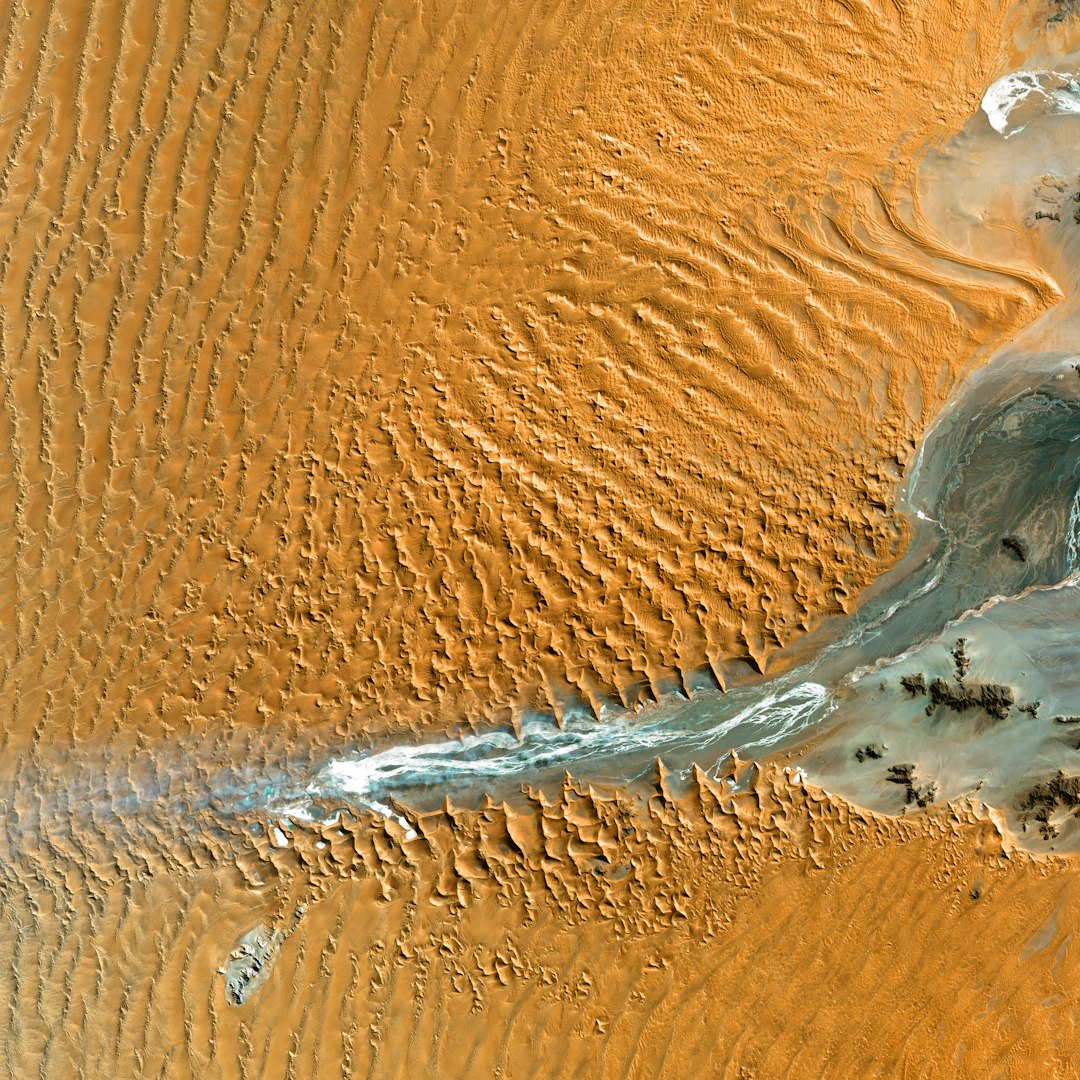
Next-generation satellites will map thermal inertia and subtle color signatures to outline glass fields hidden under thin sand veneers. On the ground, autonomous rovers and drones can sample transects without disturbing fragile sites, while ground-penetrating radar searches for buried structures. In the lab, nano-scale probes will watch minerals transform in controlled blasts to match real-world textures, turning guesswork into testable thresholds. Dating techniques will tighten clocks on both the glass and surrounding dunes to sequence the event with finer resolution. Together, these steps could finally reconcile crater-free heat with a sky-born mechanism.
Globally, the implications ripple out: if large airbursts can glaze deserts, they might also scorch soils, strip vegetation, and seed oceans with unusual dust loads. That affects climate models and risk maps in ways classic crater catalogs miss. Insurance models, city planners, and space agencies are quietly paying attention because the tail risks are large even if the odds are modest. In a world wired to the edge, knowing what a short, intense blast can do is not academic. The Sahara’s glass may become a template for reading other silent scars.
From Fieldwork to Human Stories
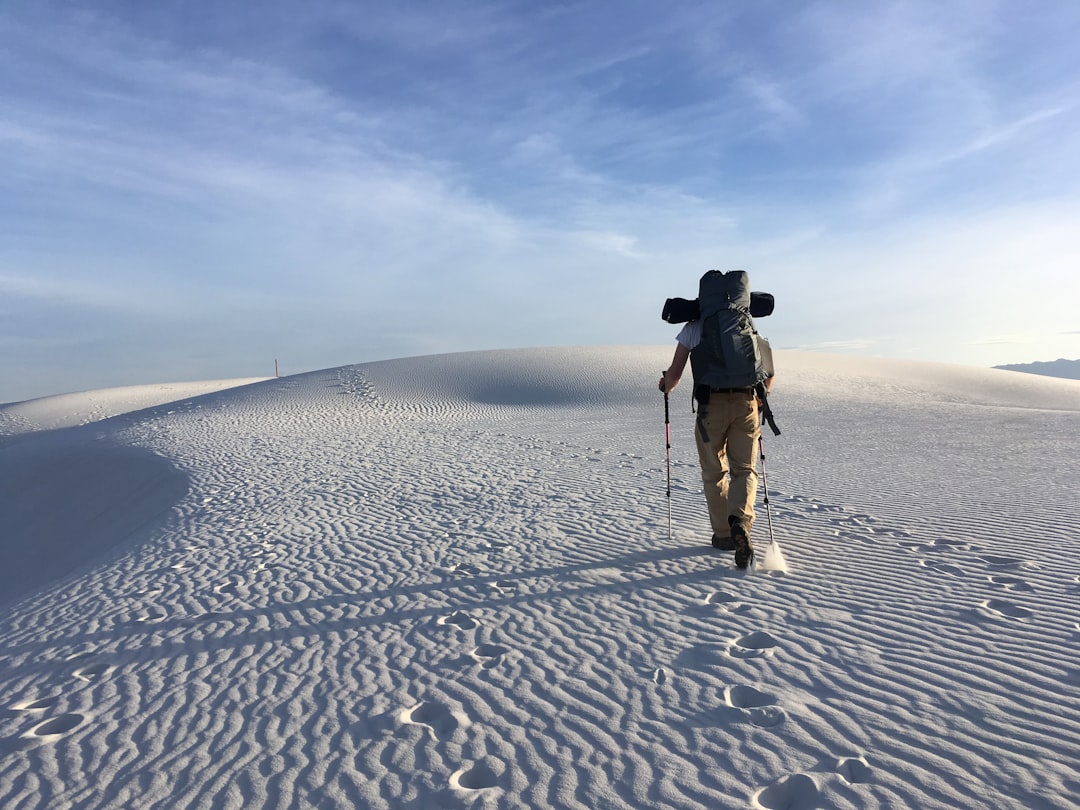
Every dataset starts with a bootprint, and collecting in the Great Sand Sea is equal parts grind and wonder. Teams plan around searing heat, shifting dunes, and the ethics of removing anything at all from a fragile landscape. I remember a field geologist describing the relief of finding a scatter exactly where satellite models predicted, a small victory for pixels and patience. Back in town, fragments move from dusty backpacks to airtight vials, trading wind for whisper-quiet instruments. That path gives the glass a voice without stripping the desert of its stories.
Local knowledge matters, too, because navigation and safety hinge on people who know the dunes like neighbors. Responsible research now leans into collaboration and minimal impact, swapping trophy hunting for targeted sampling. Museums and regional collections provide access that limits fresh disturbance, letting the same pieces teach again and again. That shift reflects a broader change in how we treat rare geologic archives – as shared heritage rather than private loot. The science is better for it, and so is the desert.
Conclusion
If this story moved you, start small and concrete: visit a museum with impact geology displays, read the placards, and bring a kid who asks hard questions. Support organizations that protect desert ecosystems and advocate for ethical research, because the best science leaves light footprints. Keep an eye on trusted space-agency updates about near-Earth objects and encourage local schools to follow those briefings. If you collect, do it legally and thoughtfully, and never buy pieces without provenance that could fuel looting. Curiosity is powerful; let it build stewardship, not scarcity.
You can also champion planetary-defense efforts in the simplest way – by insisting your community values science literacy and emergency planning. Share articles that explain airbursts and impact glass clearly, not sensationally, so people grasp both the rarity and the stakes. Volunteer with meteor-watch networks, submit fireball reports, and treat the night sky as a shared observatory. A desert once turned to glass in a blink; our job is to learn before the next blink catches us unprepared. Did you expect the quietest place on Earth to hold a warning this bright?
Suhail Ahmed is a passionate digital professional and nature enthusiast with over 8 years of experience in content strategy, SEO, web development, and digital operations. Alongside his freelance journey, Suhail actively contributes to nature and wildlife platforms like Discover Wildlife, where he channels his curiosity for the planet into engaging, educational storytelling.
With a strong background in managing digital ecosystems — from ecommerce stores and WordPress websites to social media and automation — Suhail merges technical precision with creative insight. His content reflects a rare balance: SEO-friendly yet deeply human, data-informed yet emotionally resonant.
Driven by a love for discovery and storytelling, Suhail believes in using digital platforms to amplify causes that matter — especially those protecting Earth’s biodiversity and inspiring sustainable living. Whether he’s managing online projects or crafting wildlife content, his goal remains the same: to inform, inspire, and leave a positive digital footprint.