
There’s a place on Earth so dry, so surreal, that standing in its heart feels like stepping onto another planet. The Atacama Desert stretches across northern Chile, a land where rain is a rumor and silence is so deep it almost rings in your ears. But this isn’t just a barren wasteland. It’s a living paradox—one of the oldest, driest deserts on Earth, yet bursting with stories of survival, cosmic wonders, and mysteries that baffle scientists and explorers alike. You might think you know what a desert is, but the Atacama will challenge everything you thought you understood. Let’s journey into this disappearing desert, where the ordinary rules of nature seem to fade like footprints in the sand.
The Driest Place on Earth
The Atacama Desert is famously known as the driest non-polar desert in the world. In some areas, scientists have recorded no significant rainfall for hundreds, even thousands, of years. The average annual rainfall in the core of the Atacama is less than one millimeter, an amount so small it’s almost unimaginable. NASA has compared the Atacama’s dryness to that of Mars itself, making it a favorite for testing space equipment. Ironically, when rain does fall—sometimes just once in a decade—the desert can suddenly spring to life, shocking everyone with a brief, spectacular bloom of flowers. This extreme dryness is not just a record-breaking fact; it shapes every aspect of life, geology, and even the very air that hangs over the desert.
Where the Sky Never Sleeps
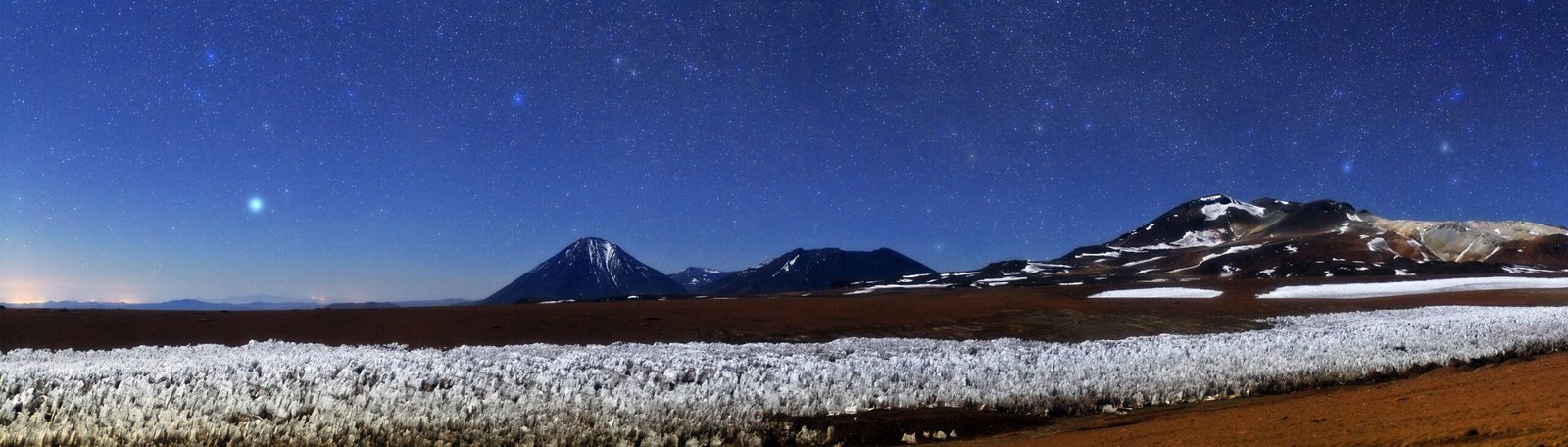
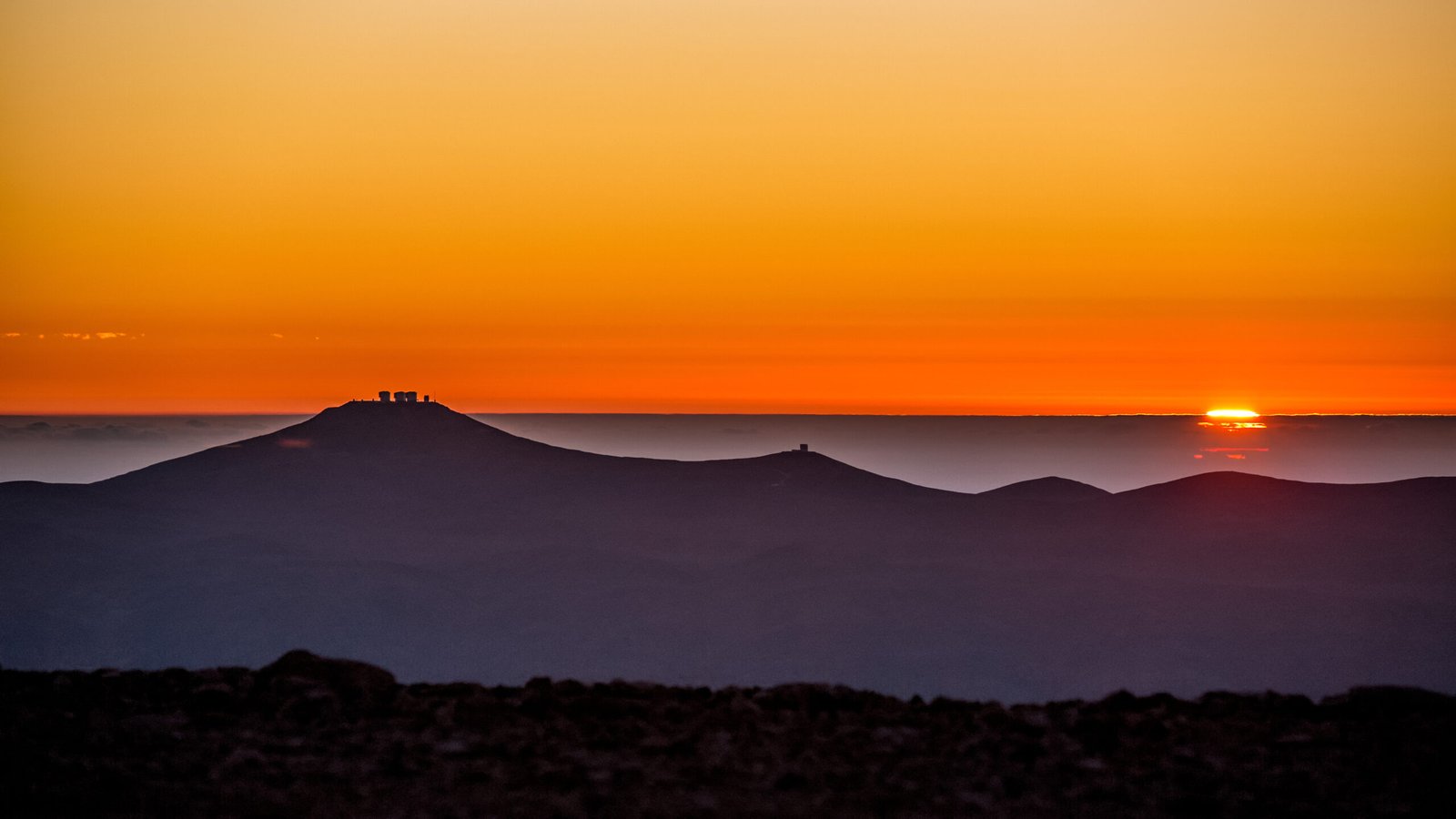
The Atacama’s bone-dry air and high elevation make it home to some of the clearest, most stable skies on the planet. Astronomers from around the globe flock here, setting up cutting-edge observatories like ALMA and the Paranal Observatory. On a moonless night, the Milky Way glows so vividly it looks close enough to touch. Stargazing here is a jaw-dropping experience—astronomers have likened the view to “seeing the universe naked.” The night sky is so free of light pollution and atmospheric moisture that it almost feels like you’ve left Earth behind, gazing into infinity.
Alien Landscapes and Martian Simulations
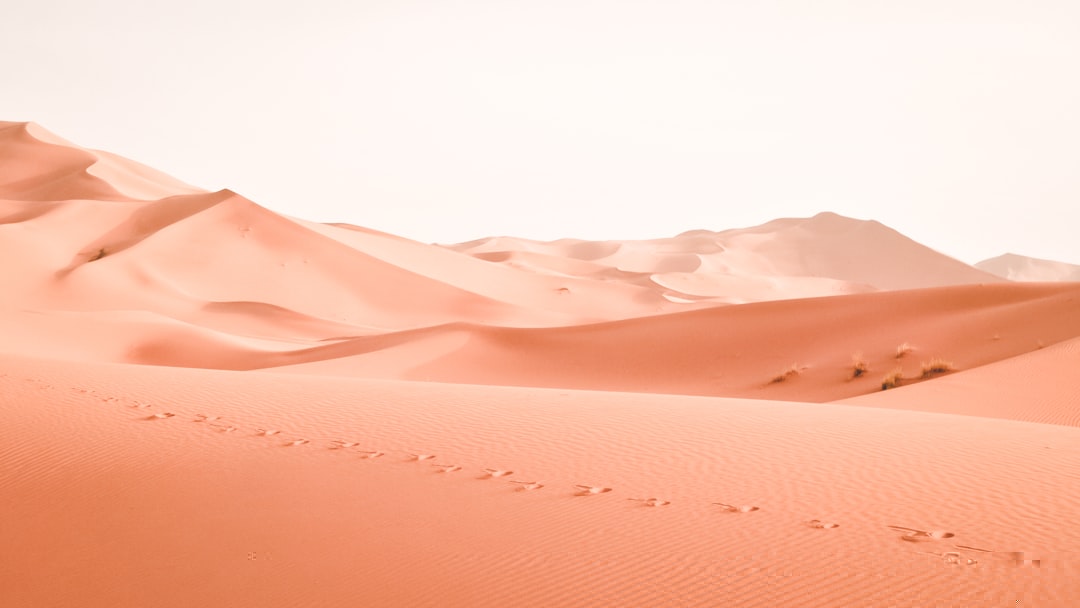
Walking across the Atacama can feel like wandering through a science fiction movie. Its salt flats, jagged rocks, and endless dunes have an otherworldly appearance that draws filmmakers and scientists alike. NASA and the European Space Agency often use the Atacama as a stand-in for Mars, testing rovers and instruments meant for extraterrestrial missions. The soil here is so sterile and salty that it challenges even the hardiest bacteria, making it the closest thing to Martian terrain on Earth. Standing amid the cracked ground and ghostly valleys, it’s easy to imagine you’ve landed on another world.
Life Against All Odds
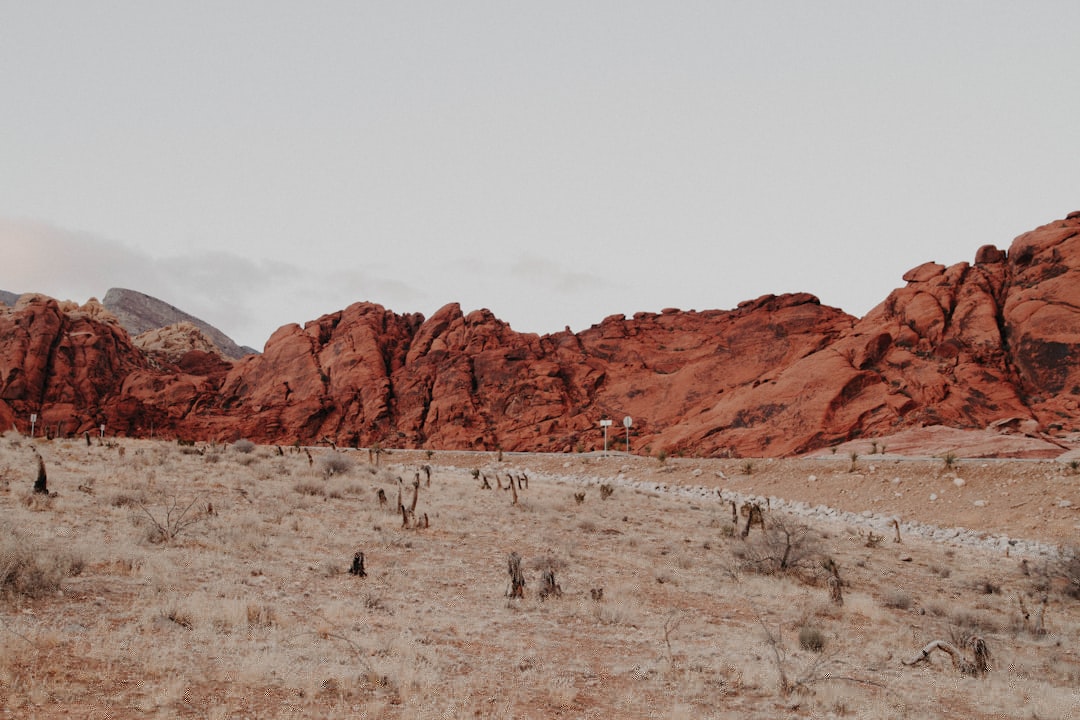
You might think nothing could survive in the Atacama’s harsh environment, but life has a stubborn way of finding a foothold. Tiny microbes live deep underground, clinging to grains of salt and feeding off trace amounts of moisture trapped in rocks. Some plants, like the resilient llareta, can live for thousands of years, growing slowly as they hug the ground to conserve water. Even animals like foxes, lizards, and birds have adapted clever ways to survive, relying on fog, dew, and rare rainfalls. The Atacama is a masterclass in resilience, proving that where there’s even a whisper of water, life can endure.
The Desert That Blooms
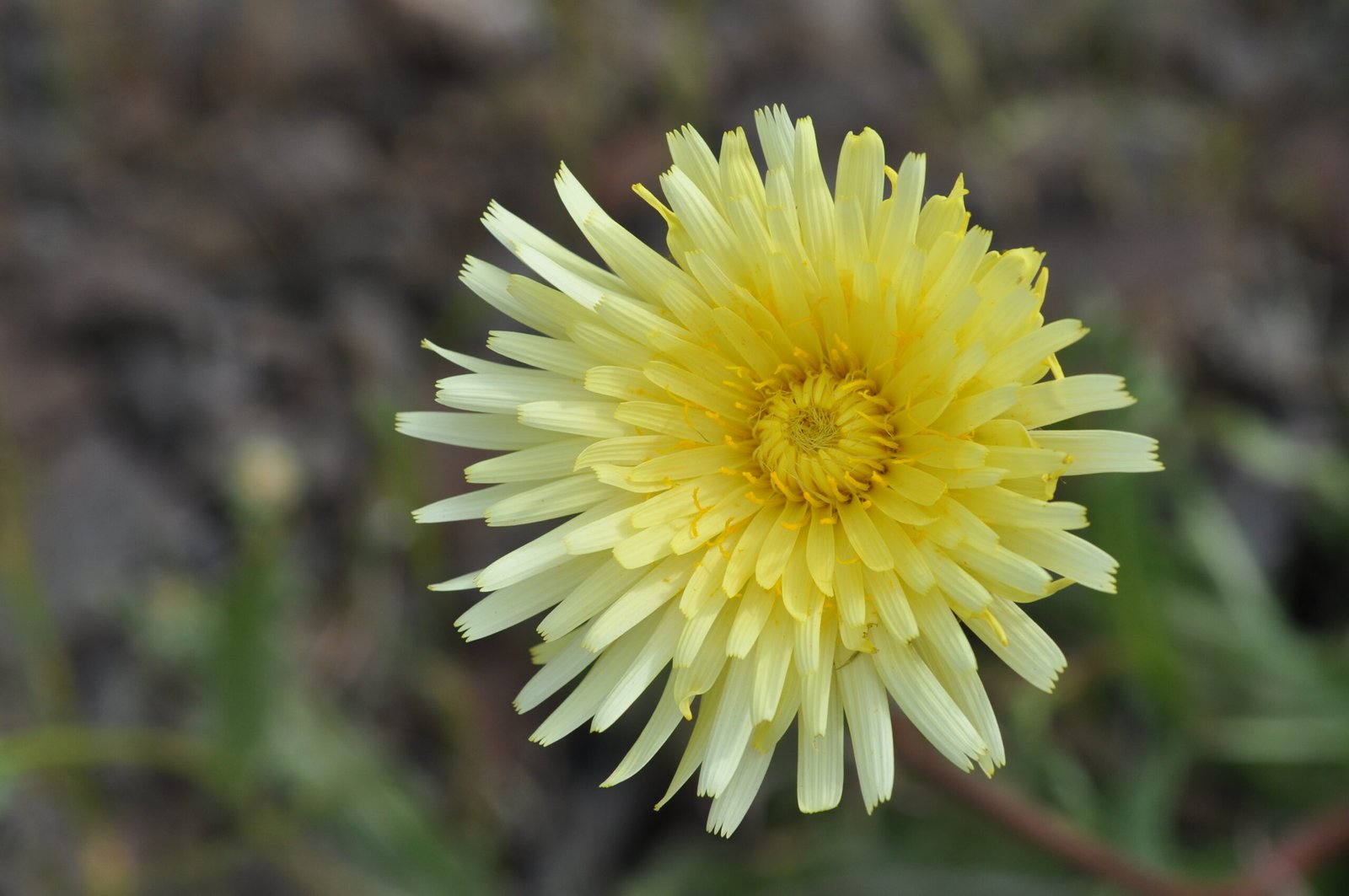
For most of the year, the Atacama seems colorless and lifeless. But every once in a while, when a rare rainstorm sweeps through, something miraculous happens. Seeds that have lain dormant for years suddenly awaken, carpeting the desert in vibrant purples, yellows, and pinks. This phenomenon, known as the “desierto florido,” is so breathtaking and unexpected that it draws visitors from around the world. The transformation is temporary—sometimes lasting only a few weeks—but it’s a powerful reminder of the hidden potential that lies beneath the desert’s surface.
An Ancient Land, Older Than Imagination
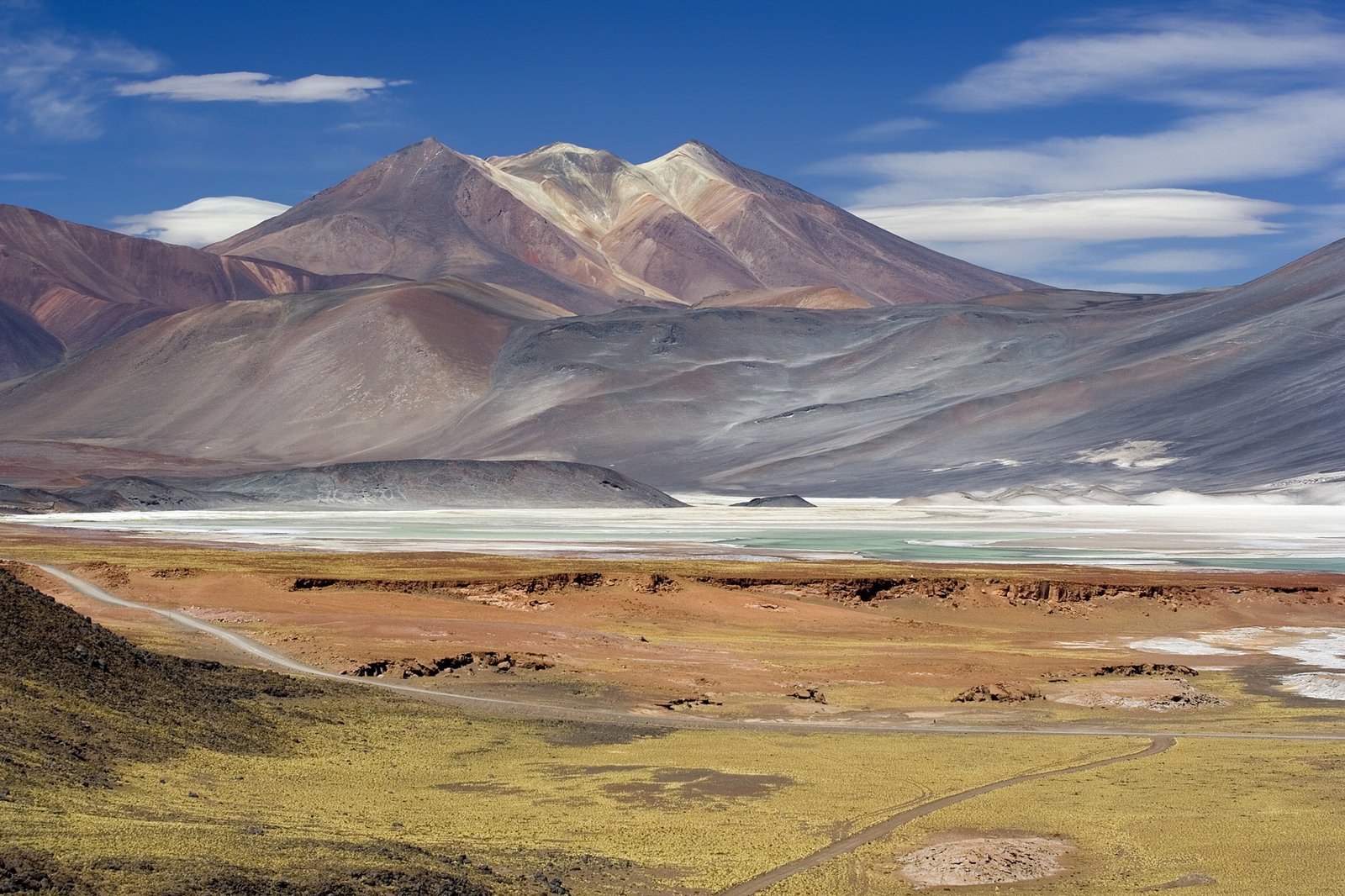
The Atacama Desert is no newcomer to the world’s stage. Geological evidence suggests parts of the desert have been arid for at least three million years, making it one of the oldest deserts on Earth. This ancient timeline means the Atacama has witnessed the rise and fall of civilizations, the shifting of continents, and even the evolution of life itself. Its sands hold secrets stretching back to the dawn of time, preserving ancient fossils, meteorites, and artifacts that tell stories of an Earth very different from today.
Salt Flats and Mirror Worlds
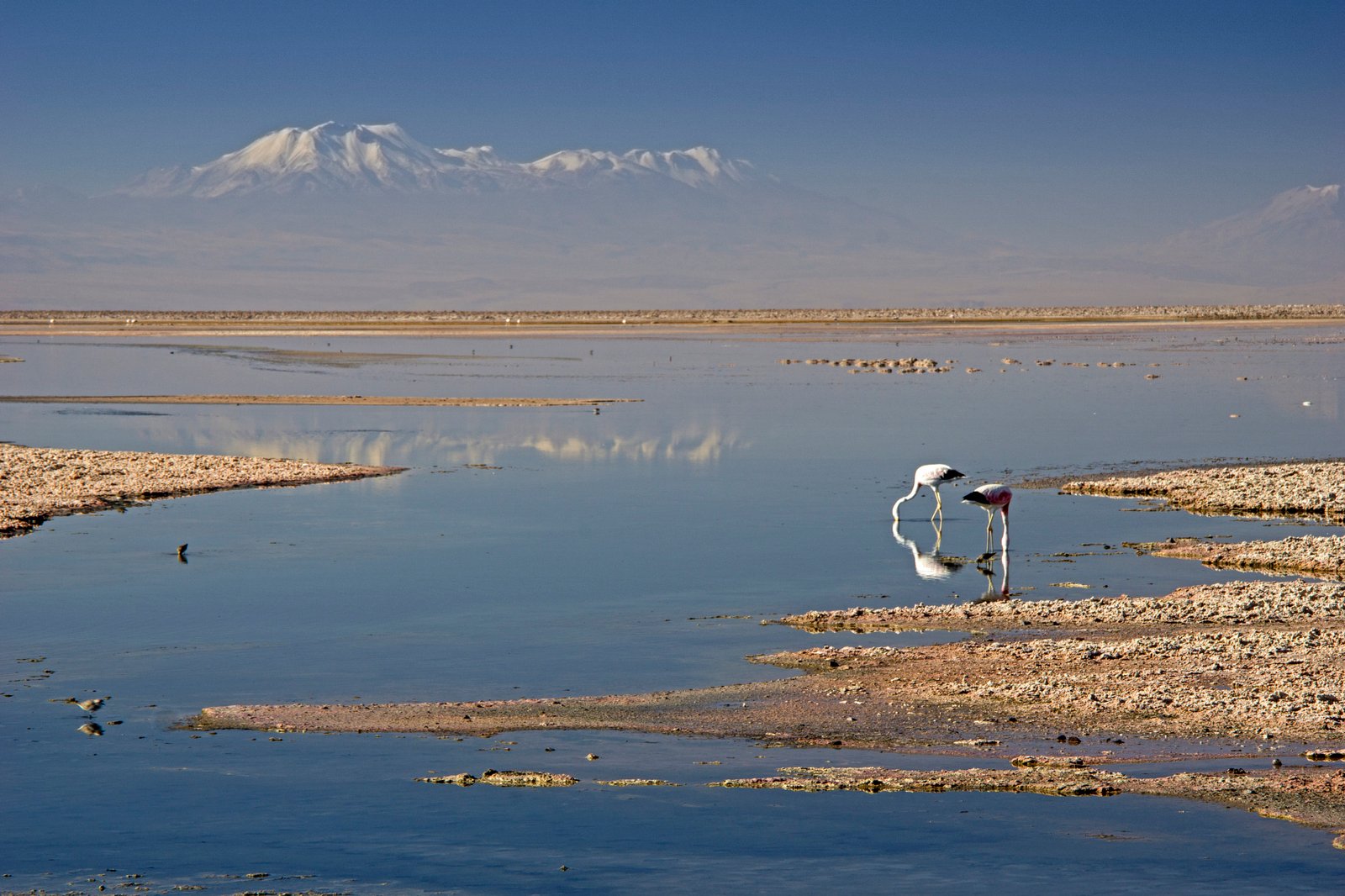
One of the Atacama’s most mesmerizing features is its sprawling salt flats, like the Salar de Atacama. These blinding white expanses are all that’s left from ancient lakes that dried up long ago, leaving behind crusty layers of salt and minerals. After a rare rain, these flats can transform into stunning mirrors, perfectly reflecting the sky and mountains above. It’s a sight so surreal that it feels like stepping into a dream or a parallel dimension, where reality and reflection blur together.
Rare Rains and the Power of El Niño
Though the Atacama is renowned for its dryness, it isn’t immune to dramatic changes. The weather phenomenon known as El Niño occasionally brings powerful Pacific storms, dumping rain across the desert. These rare events can unleash flash floods, reshape the landscape, and trigger the spectacular desert bloom. But they also bring challenges—fragile plants and animals, adapted to drought, can struggle with sudden surges of water. The Atacama’s delicate balance depends on the whims of weather patterns that reach far beyond its borders.
Home to Ancient Cultures
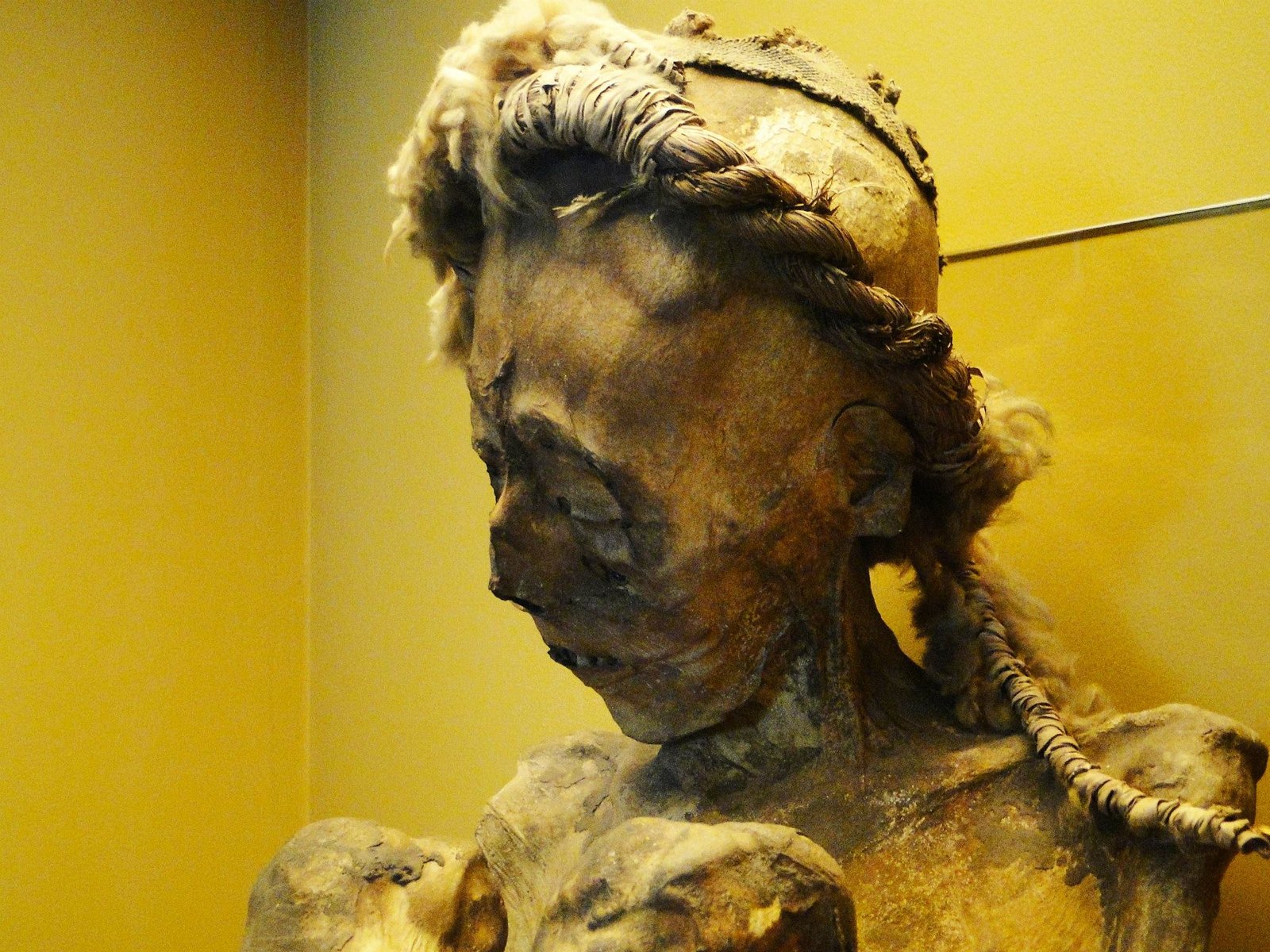
Long before modern scientists arrived, indigenous peoples thrived in the Atacama, carving out lives in what seems like the unlikeliest of places. The Atacameño and Chinchorro cultures learned to harvest water from underground springs, build ingenious irrigation systems, and even mummify their dead—thousands of years before the Egyptians. Their petroglyphs, ruins, and preserved mummies still dot the landscape, silent witnesses to a human story that stretches back millennia. The desert’s harshness bred ingenuity, resourcefulness, and a deep respect for the land.
Mining the Desert’s Riches
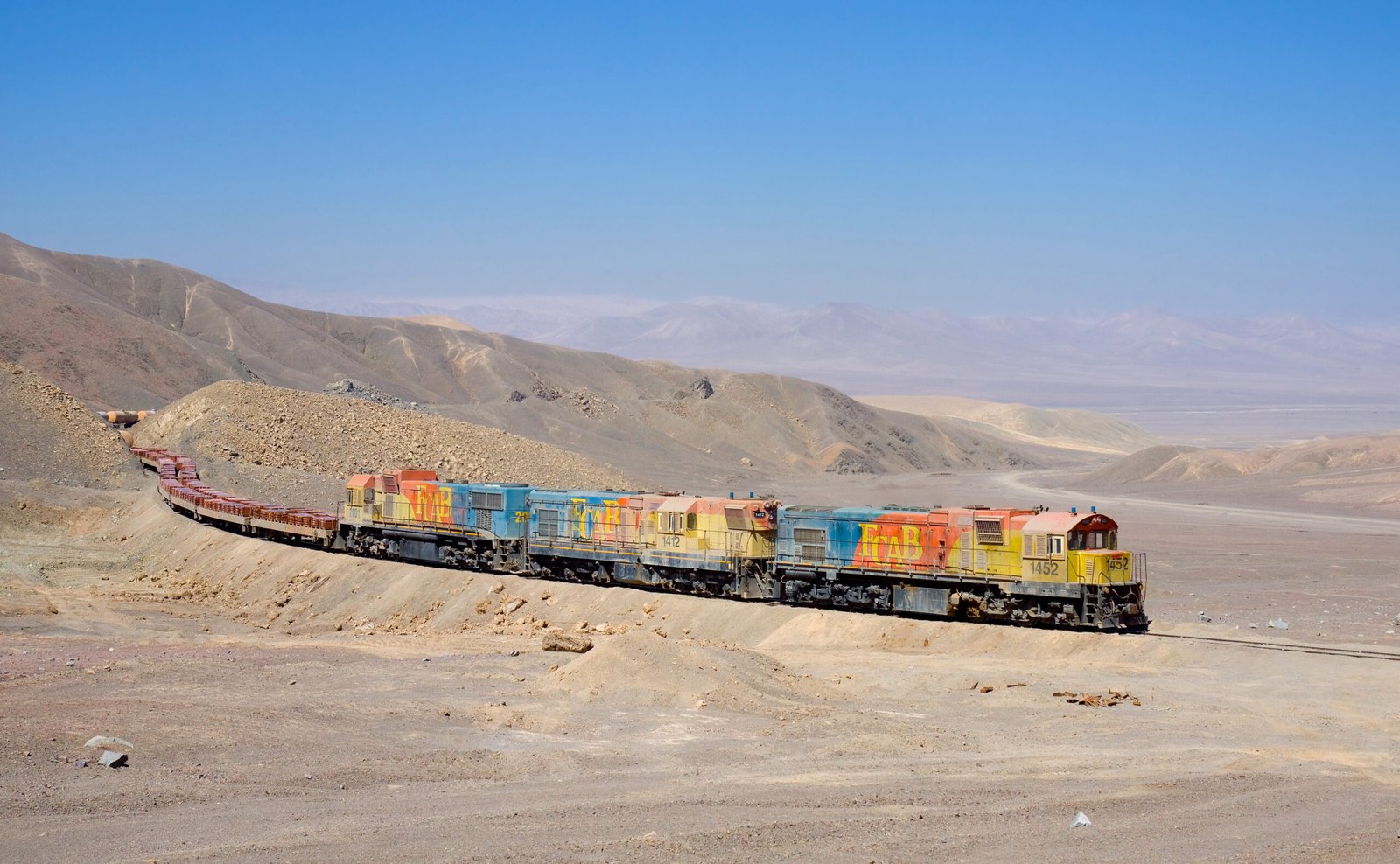
Beneath the Atacama’s surface lies a treasure trove of minerals. The desert is one of the world’s leading sources of copper, lithium, and nitrates. Mining towns like Chuquicamata and Calama have sprung up in this unlikely setting, fueling global industries from electronics to fertilizer. But mining comes at a cost—scarce water supplies, environmental degradation, and the displacement of local communities. The Atacama’s riches are both a blessing and a challenge, shaping the region’s fortunes for generations.
The Ghost Towns of Nitrate Fever
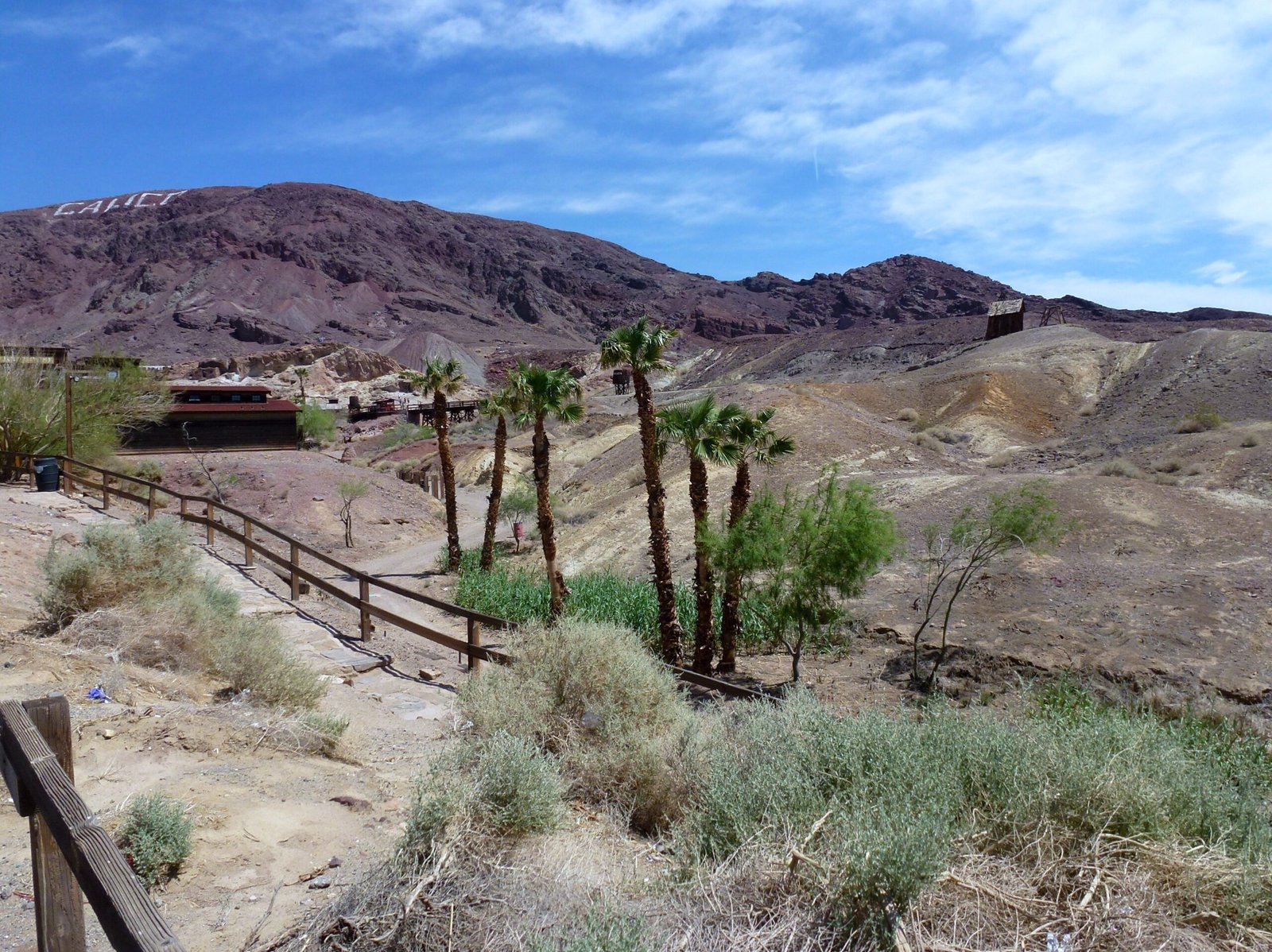
In the late 19th and early 20th centuries, the Atacama saw a rush for saltpeter, a valuable ingredient in fertilizers and explosives. Whole towns sprang up almost overnight, filled with hopeful workers and booming businesses. But when synthetic alternatives replaced natural nitrates, these towns quickly emptied, leaving behind eerie ruins and abandoned railways. Walking through these ghost towns today, you can almost hear the echoes of a vanished era—a reminder of how fortunes in the desert can appear and disappear just as quickly.
The Mystery of the Disappearing Desert

Despite its reputation for seeming eternal, parts of the Atacama are vanishing. Shifting sands, mining activity, and changing climate patterns are slowly altering the landscape. Some scientists worry that the delicate balance that keeps the Atacama dry could be disrupted by global warming or human intervention. If rainfall patterns change, the desert’s unique ecosystems might struggle to survive. The idea that such an ancient, unyielding place could vanish is both haunting and a wake-up call for humanity.
Ghostly Valleys and Moonlike Canyons
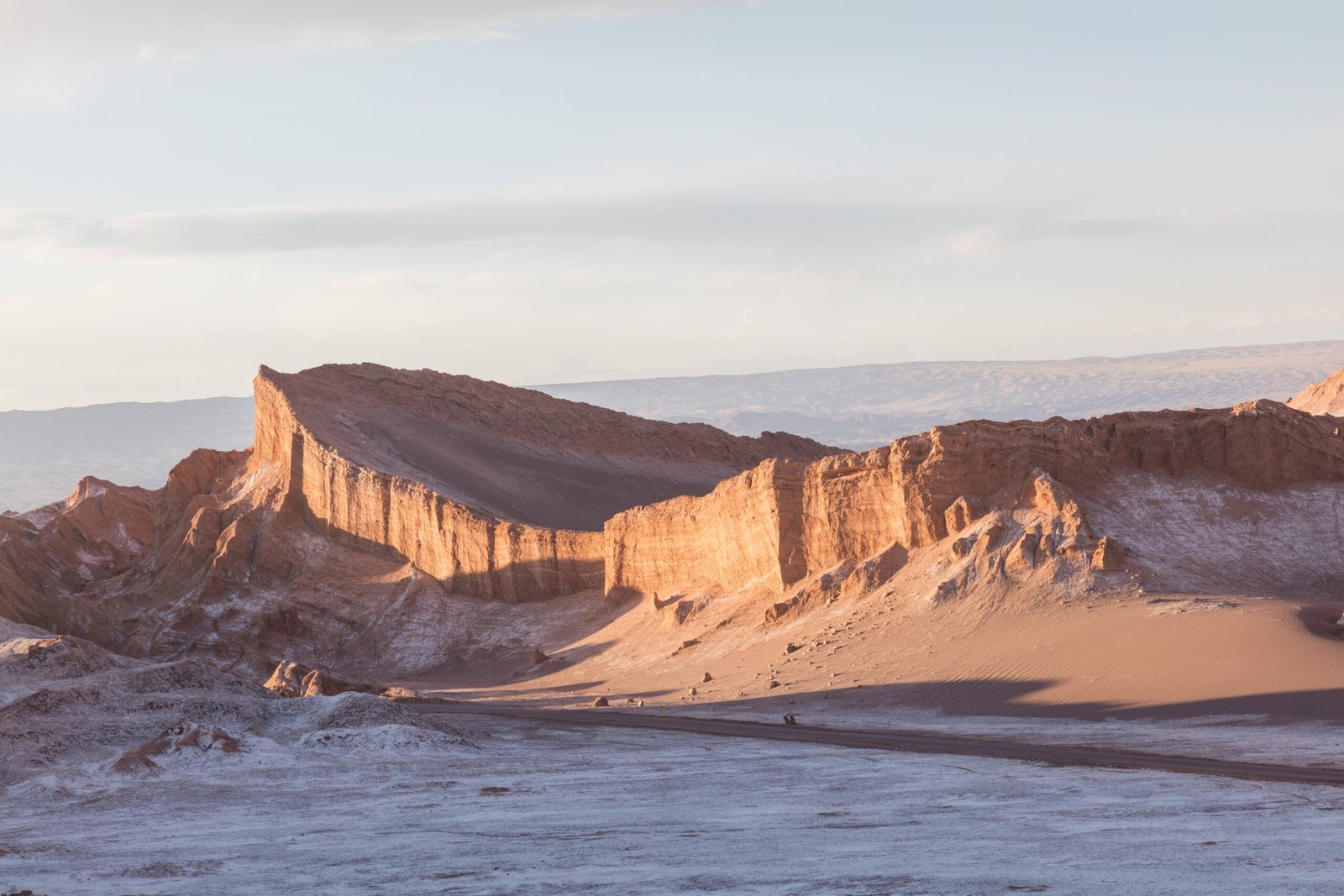
The Valle de la Luna, or “Valley of the Moon,” is one of the Atacama’s most famous sights. Its twisted rock formations, salt caves, and wind-carved dunes look more lunar than earthly. Every evening, as the sun sets and shadows lengthen, the landscape glows in shades of gold, pink, and lavender. The silence is so profound it almost feels sacred, broken only by the whisper of the wind. It’s a place where nature’s artistry is on full display, sculpted by millennia of wind and time.
The Fog That Sustains Life
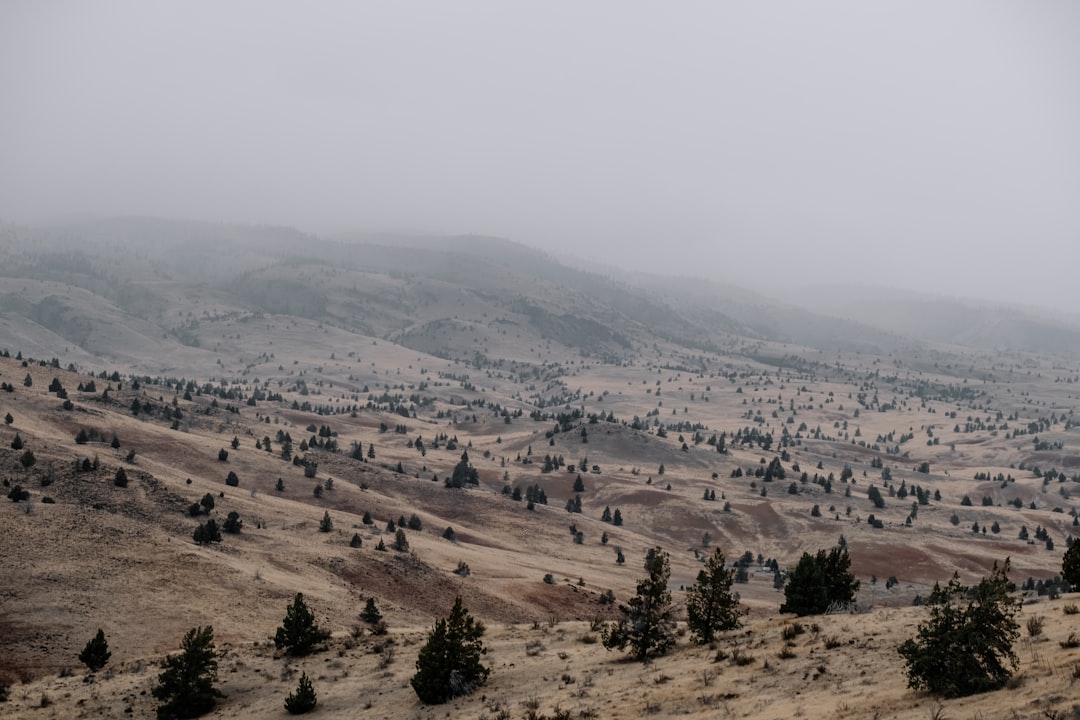
With so little rainfall, you’d expect the Atacama to be completely lifeless. But a strange meteorological phenomenon called the “camanchaca” fog brings moisture from the Pacific Ocean inland. This fog drifts over the desert in the cool early mornings, condensing on rocks and plants. Some ingenious species have evolved to capture this fog, using specialized leaves or even “fog nets” set up by people to harvest water. It’s an ingenious adaptation, showing how life can turn even the faintest hint of water into a lifeline.
Fossils and Meteorites: Time Capsules in the Sand
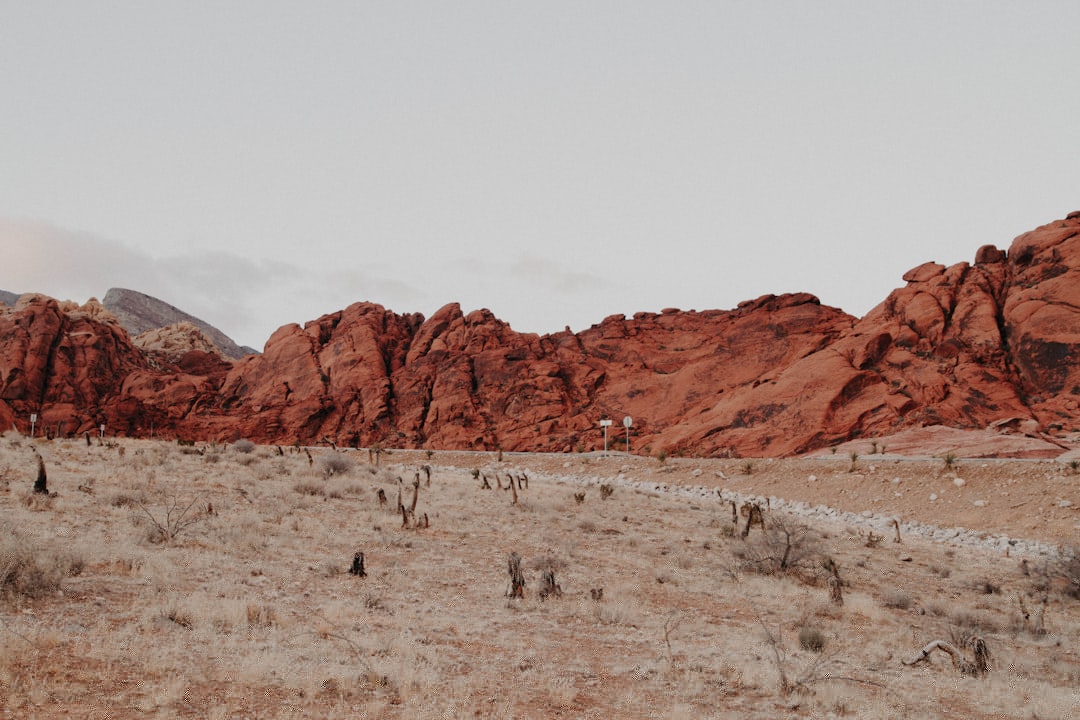
The Atacama’s dryness isn’t just tough on living things—it’s also perfect for preserving the past. Fossils of ancient whales, giant sloths, and prehistoric plants have been found here, perfectly preserved by the arid climate. The desert is also a hotspot for meteorites, which fall and remain almost untouched for thousands of years. To walk through the Atacama is to step across layers of deep time, where every stone might hold a piece of Earth’s or even the universe’s history.
The Atacama’s Role in Climate Change Research
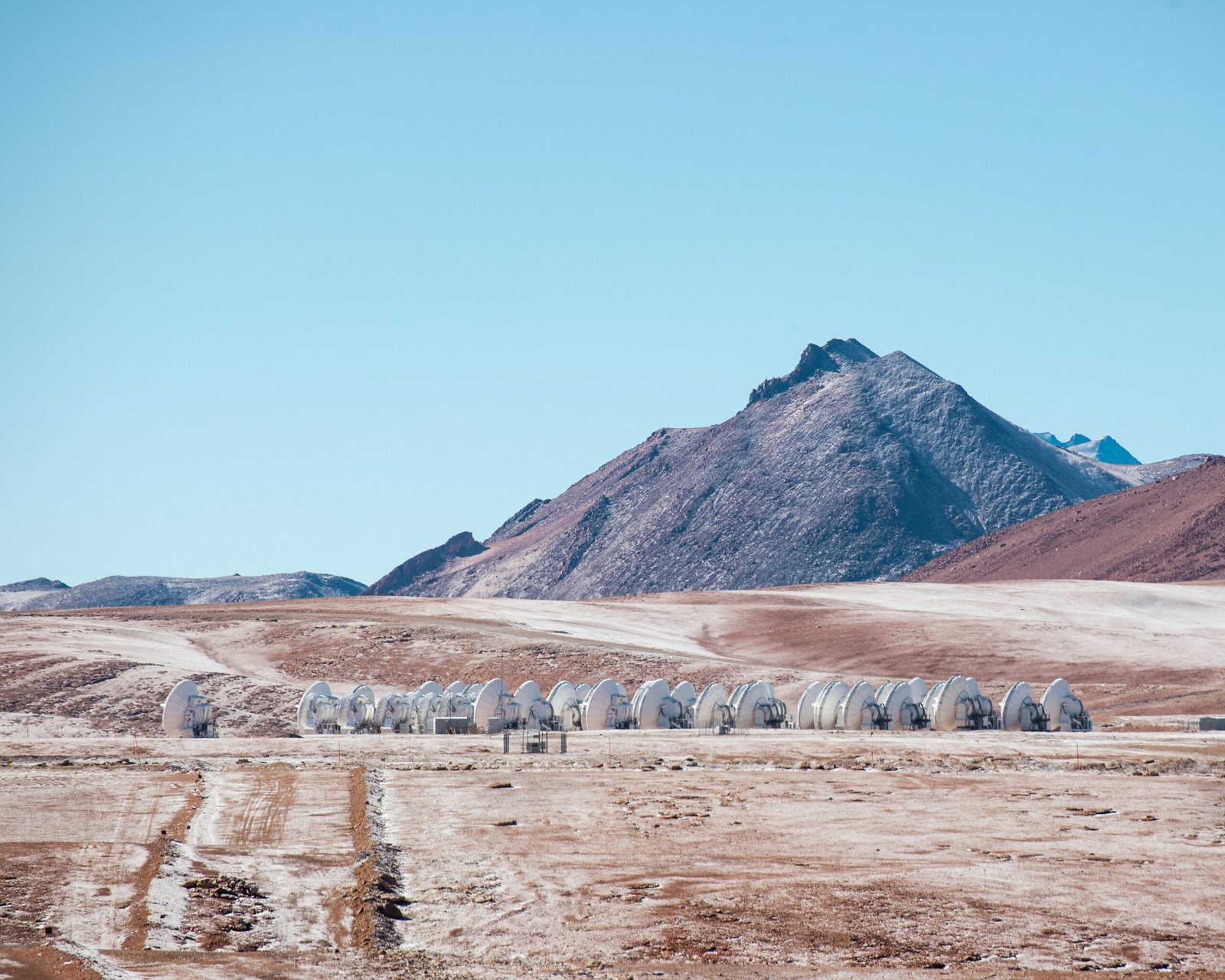
Because the Atacama is so extreme, scientists use it as a natural laboratory to study climate change and its effects. Its sensitive ecosystems react quickly to even small shifts in temperature and moisture, offering clues about how deserts worldwide might respond to our warming planet. Researchers monitor everything from soil microbes to plant blooming patterns, hoping to unlock secrets that could help predict future changes elsewhere. The Atacama is, in many ways, a canary in the coal mine for a changing world.
Salt, Stars, and Tourism
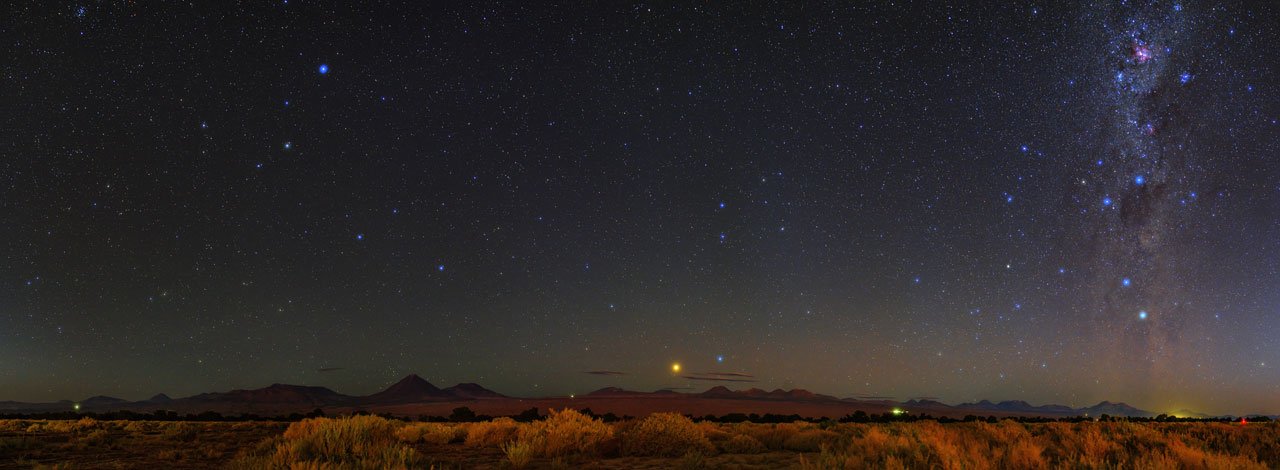
In recent years, the Atacama has become a magnet for adventurers, astronomers, and photographers. Travelers come to float in salty lagoons, hike wind-blasted trails, and gaze at the night sky through some of the world’s most powerful telescopes. Local communities have embraced “astro-tourism,” offering stargazing tours and eco-friendly adventures. Tourism brings new opportunities but also new pressures, as the region struggles to balance economic growth with the need to protect its fragile environment.
Chasing Mirages and Optical Illusions
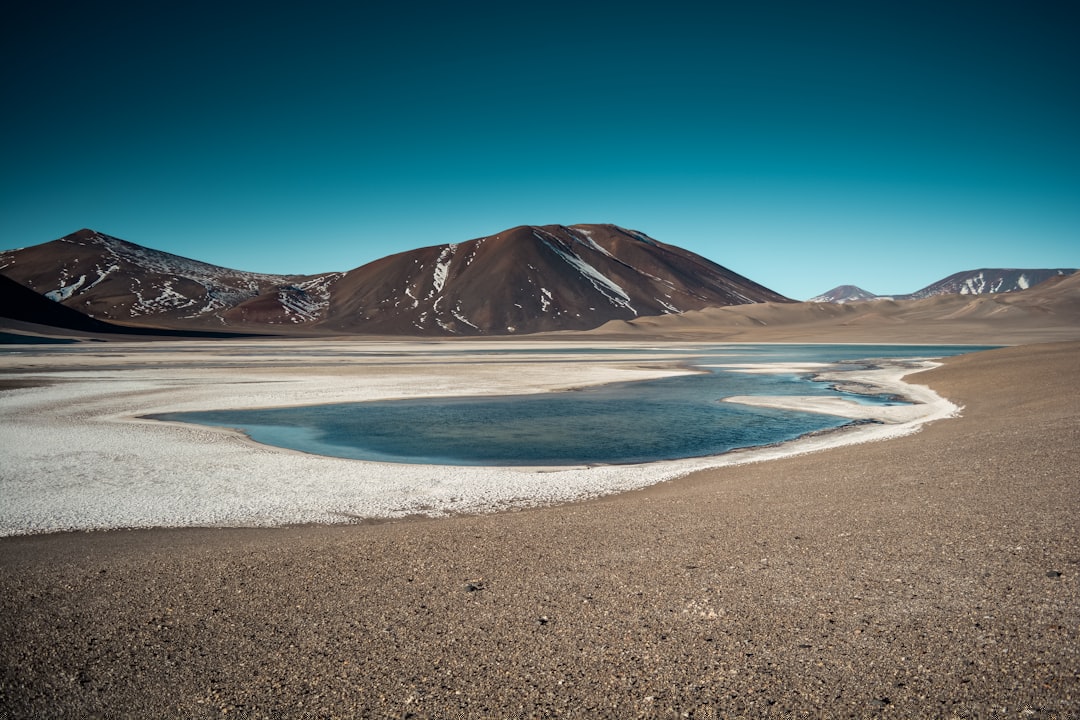
Heat, salt, and light combine in the Atacama to create strange visual effects. Mirages shimmer on the horizon, making distant mountains appear to float or flip upside down. The flatness of the salt flats and the clarity of the air can play tricks on your eyes, turning the landscape into a shifting, dreamlike canvas. It’s easy to see why early explorers described the Atacama as haunted or enchanted—a place where reality itself seems to blur and bend.
The Challenge of Water
Water is the ultimate treasure in the Atacama, and its scarcity shapes every aspect of life. Wells must be dug deep, and even then, the water can be salty or contaminated by mining runoff. Locals have become experts in conservation, using drip irrigation, fog nets, and careful planning to make every drop count. But as mining and tourism grow, the demand for water increases, raising tough questions about sustainability and the future of the desert’s communities.
Legends, Myths, and Spiritual Power
For the people who have lived here for thousands of years, the Atacama is more than just a desert—it’s a place of spiritual significance, woven with legends and myths. Stories tell of spirits who watch over the land, mountains that are alive, and lakes that hide magical creatures. Even today, traditional ceremonies honor the desert’s power and mystery. The Atacama’s harshness isn’t just a challenge—it’s also a source of inspiration, awe, and deep connection.
Enduring Mysteries and the Future Ahead
Despite all we know, the Atacama still holds mysteries. Why do some parts remain sterile for centuries, while others burst to life after a single rain? What secrets lie hidden beneath its ancient sands? As scientists, locals, and travelers continue to explore this disappearing desert, one thing is clear: the Atacama is a place like no other, a mirror reflecting both the fragility and resilience of our planet.