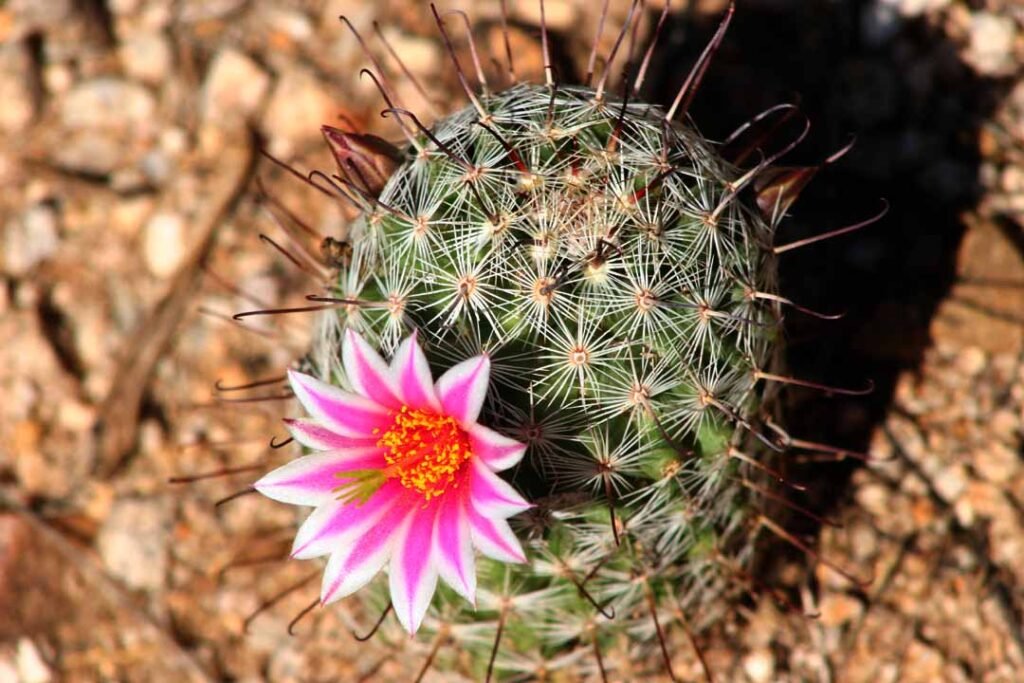

Have you ever imagined a place so dry and barren that it seems impossible for anything to grow, suddenly erupting into a breathtaking sea of color almost overnight? Deserts, often seen as lifeless wastelands, can transform into vibrant wildflower wonderlands after a rare rain. It’s a spectacle so striking, so full of life and hope, that it almost feels like witnessing a miracle. Scientists call this phenomenon a “super bloom,” and it’s not just beautiful—it’s a story of resilience, survival, and the hidden magic beneath our feet. Let’s wander into the heart of the desert and uncover how just a few drops of water can awaken a world waiting beneath the dust.
The Hidden Seeds Beneath the Sand
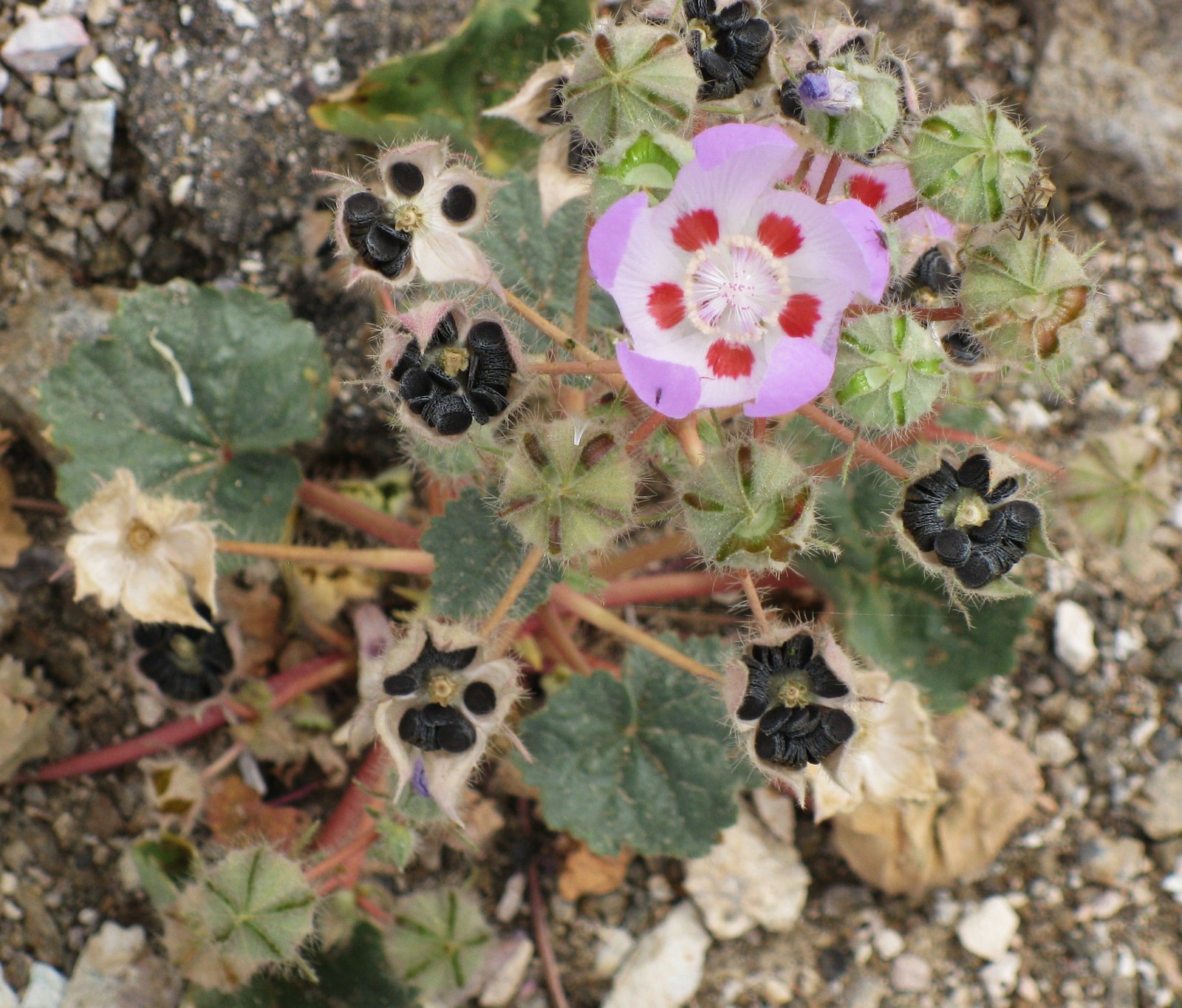
Beneath the desert’s cracked, sunbaked surface lies an invisible treasure: thousands, sometimes millions, of seeds patiently waiting for their moment. These seeds are not just scattered by chance; many desert plants have evolved to produce seeds that can survive for years, even decades, in a state of dormancy. Protected by tough outer coats, they lie in wait through endless cycles of heat and drought. Imagine a vast underground library, each seed a book waiting to be opened by the right key: rain. Some seeds even need specific triggers, like a certain amount of moisture or a drop in temperature, before they dare to sprout. This hidden reservoir of life is what makes the desert capable of such sudden, dramatic change.
Rain: The Spark of Transformation
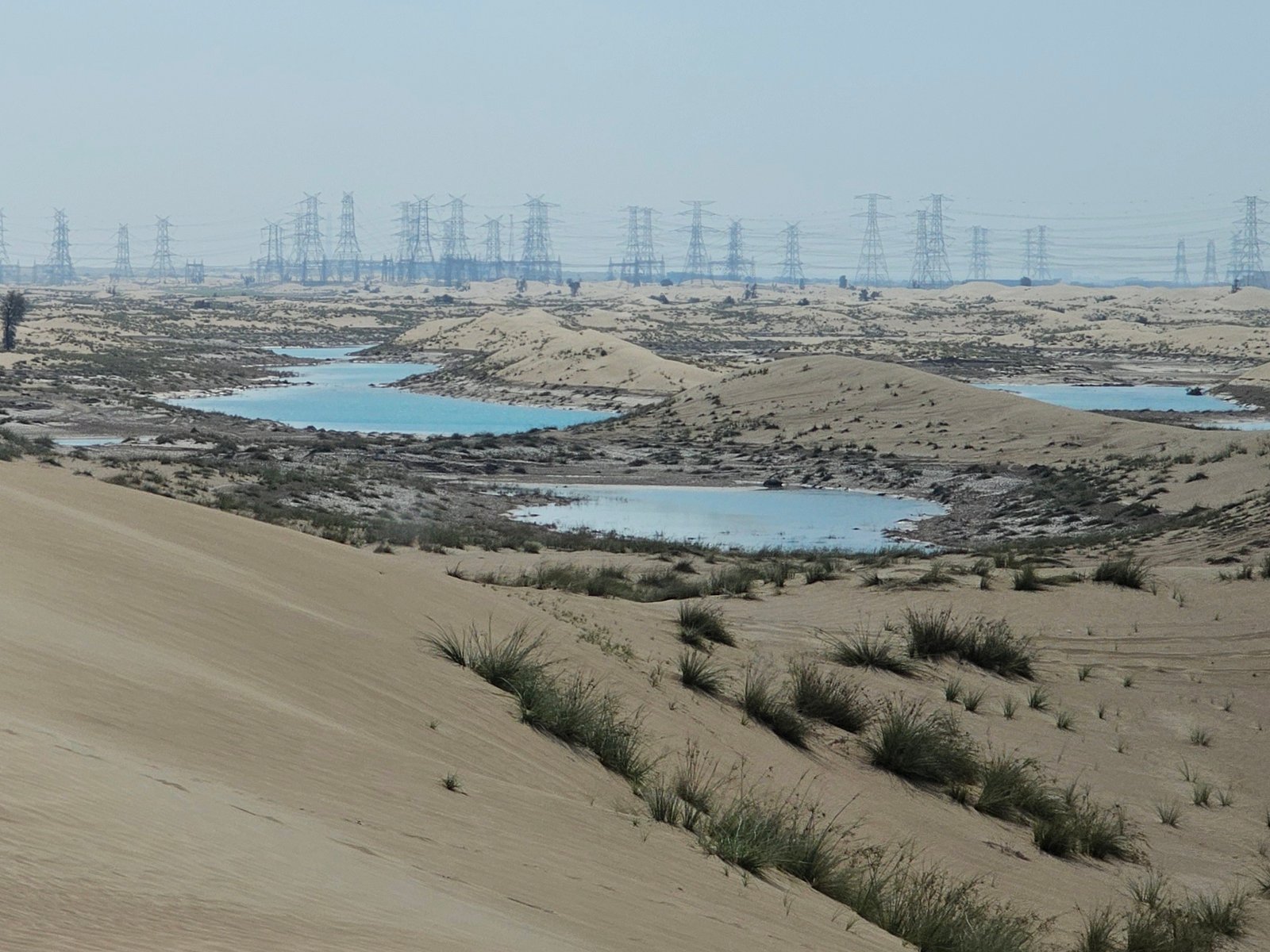
Rainfall in the desert is rare and unpredictable, but when it comes, it’s a game-changer. A single significant rainstorm can soak the ground just enough to reach those dormant seeds. The transformation is swift and almost magical—within days, green shoots begin to poke through the sand. Unlike gardens that need steady watering, desert wildflowers are designed to seize the moment. They spring up fast, racing against the clock before the relentless sun returns. This rapid response is a testament to nature’s ingenuity, proving that even in the harshest environments, life finds a way if given the slightest chance.
The Science of Super Blooms
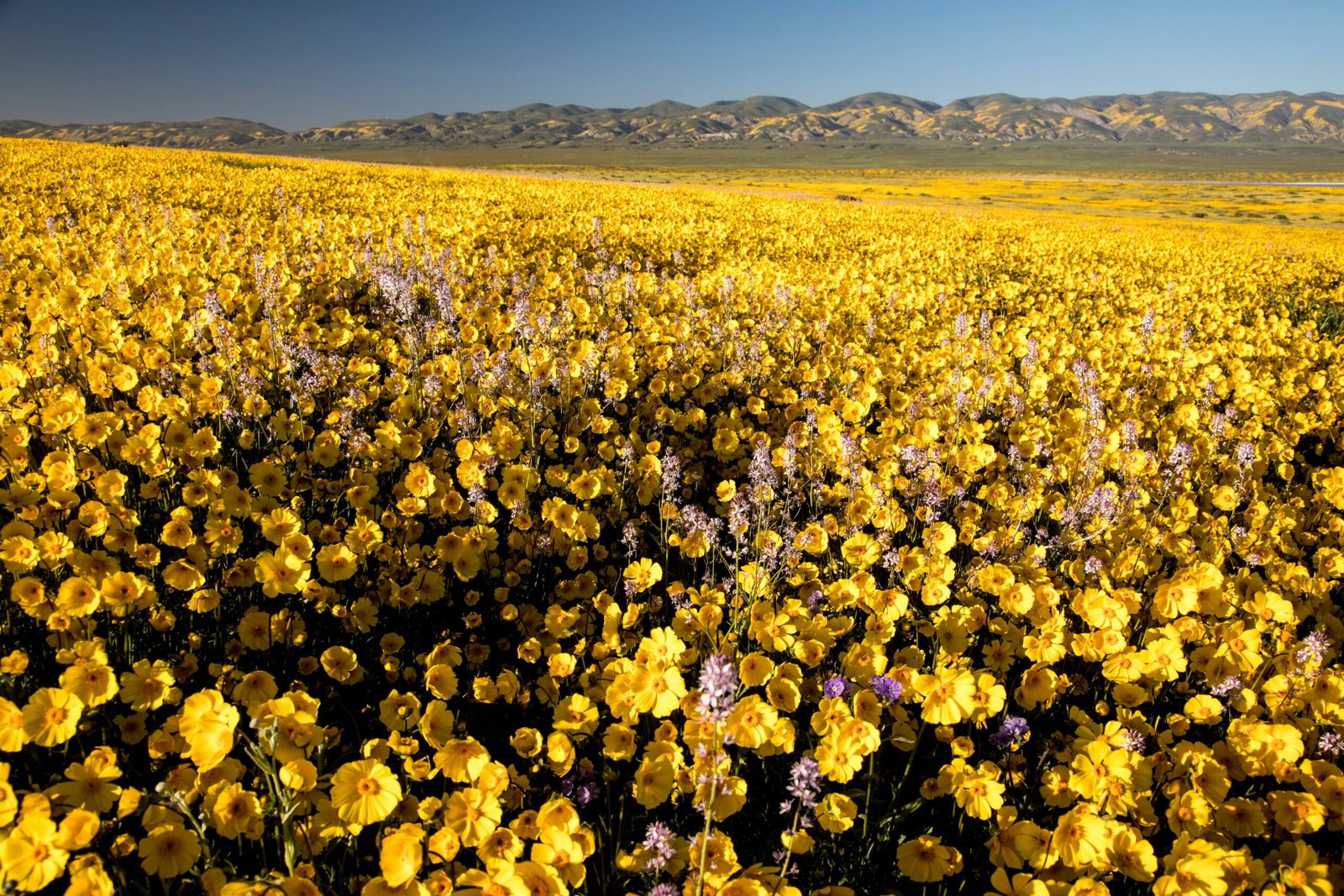
Super blooms are more than just a pretty sight; they are a fascinating scientific event. These extraordinary bursts of wildflowers usually happen when a combination of factors align: a wetter-than-normal rainy season, cooler temperatures, and the absence of seed-eating animals during the critical germination period. Scientists study these events to learn how ecosystems respond to climate extremes and adapt over time. Super blooms are not just about flowers—they provide vital clues about the resilience of life and the interconnectedness of weather, soil, and biology in these extreme landscapes.
Wildflower Diversity: A Hidden Tapestry
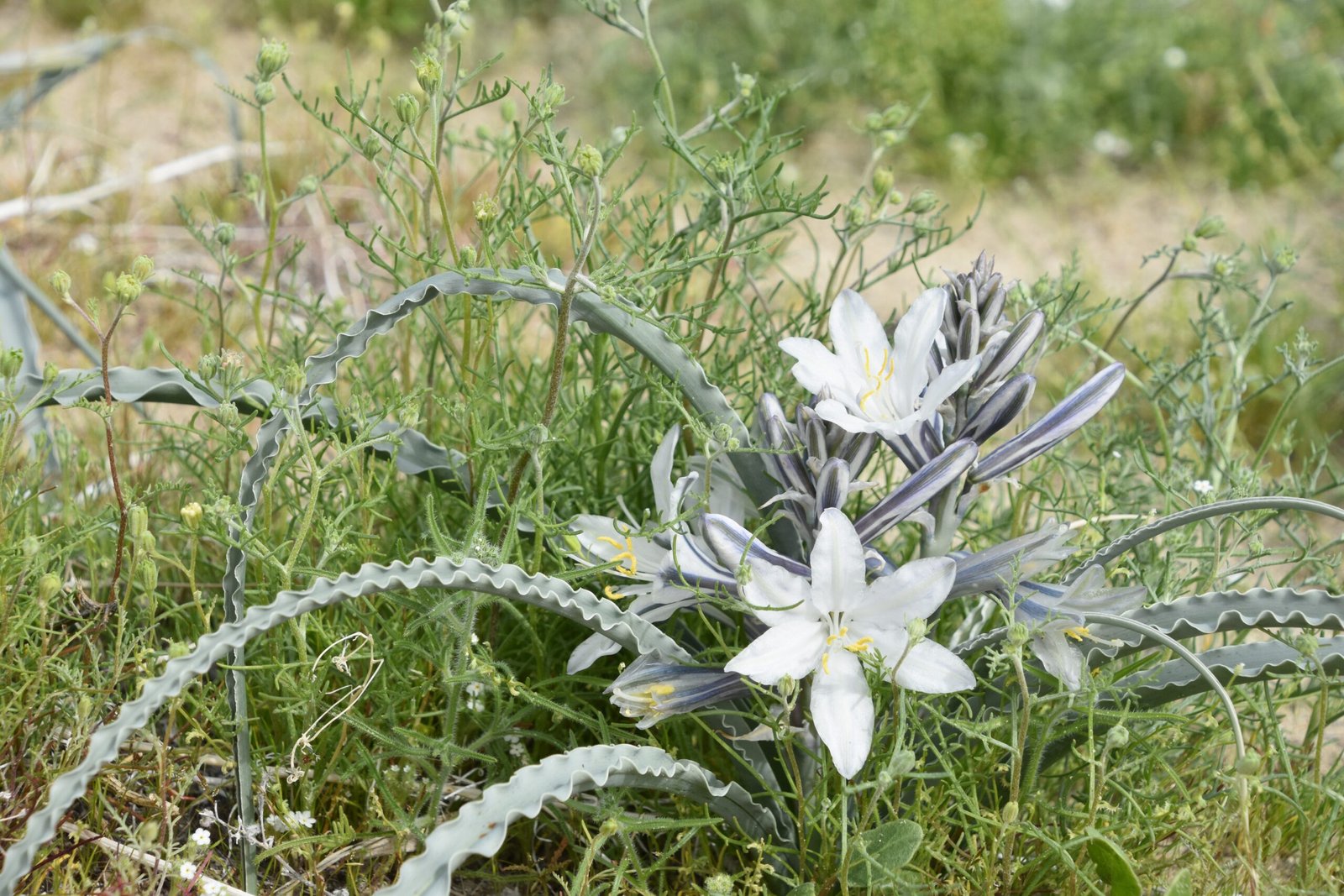
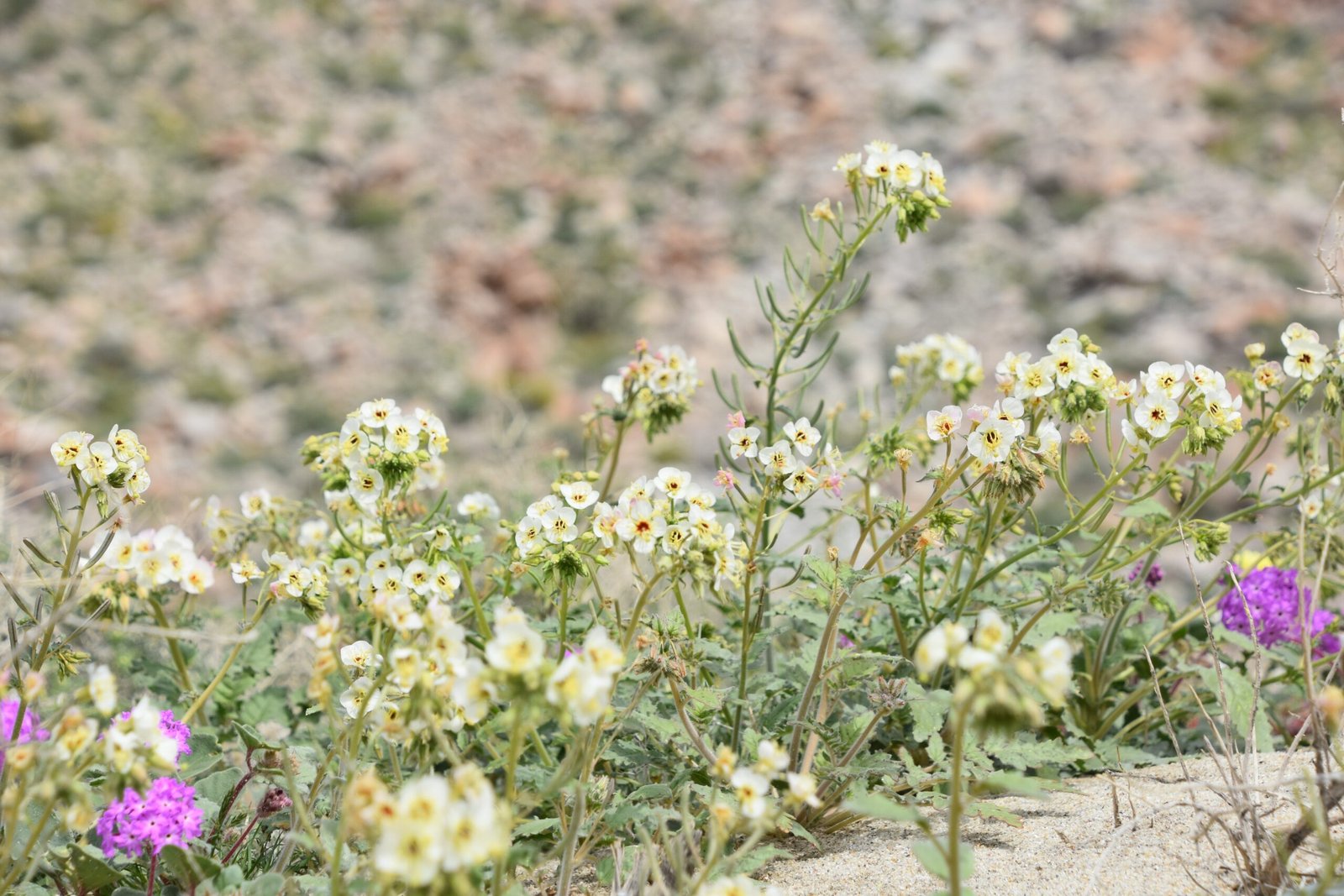
When the desert blooms, it’s not just a single species that appears. It’s a rich tapestry of colors, shapes, and scents. Poppies, lupines, evening primroses, and desert lilies all race to bloom at once, each adapted to slightly different conditions. Some flowers open only at night to attract moths, while others burst open in the morning sun for bees and butterflies. The diversity is astonishing, especially considering the harshness of the environment. This sudden abundance supports a flurry of pollinators and creates a brief but bustling ecosystem, buzzing with life where, just days before, there was silence.
Adaptations for Survival
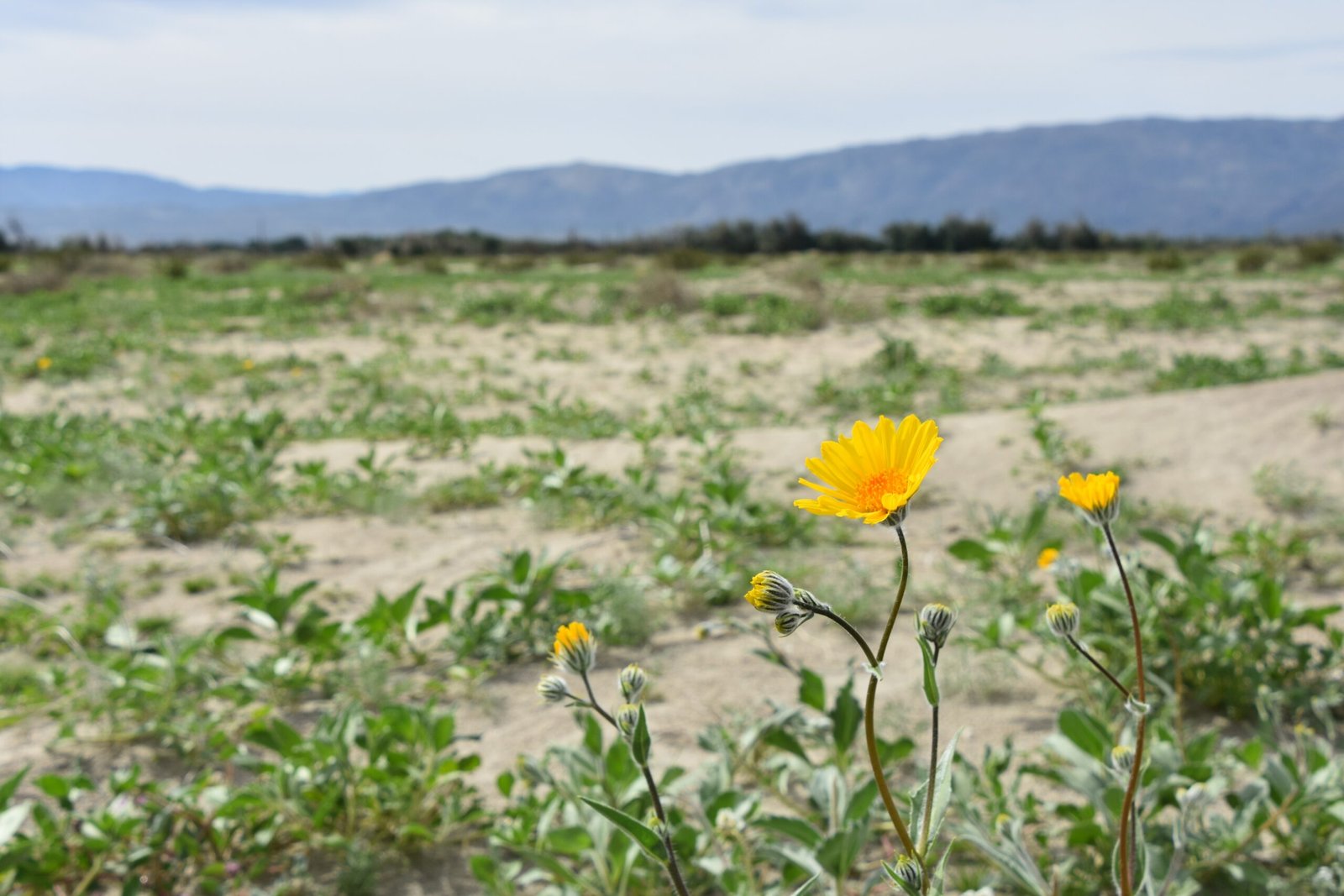
Desert wildflowers have developed remarkable strategies to survive. Some seeds have tough shells that require a heavy downpour to crack open, ensuring they don’t waste their one chance on a drizzle. Others can sense chemical signals in the soil, responding only when conditions are ideal. Many plants grow and flower incredibly fast, completing their entire life cycle in just a few weeks. Even their leaves and stems are adapted—often small, waxy, or hairy—to conserve moisture and reflect the scorching sun. These clever adaptations mean that when rain does arrive, the desert is ready to explode into life.
The Role of Temperature and Timing
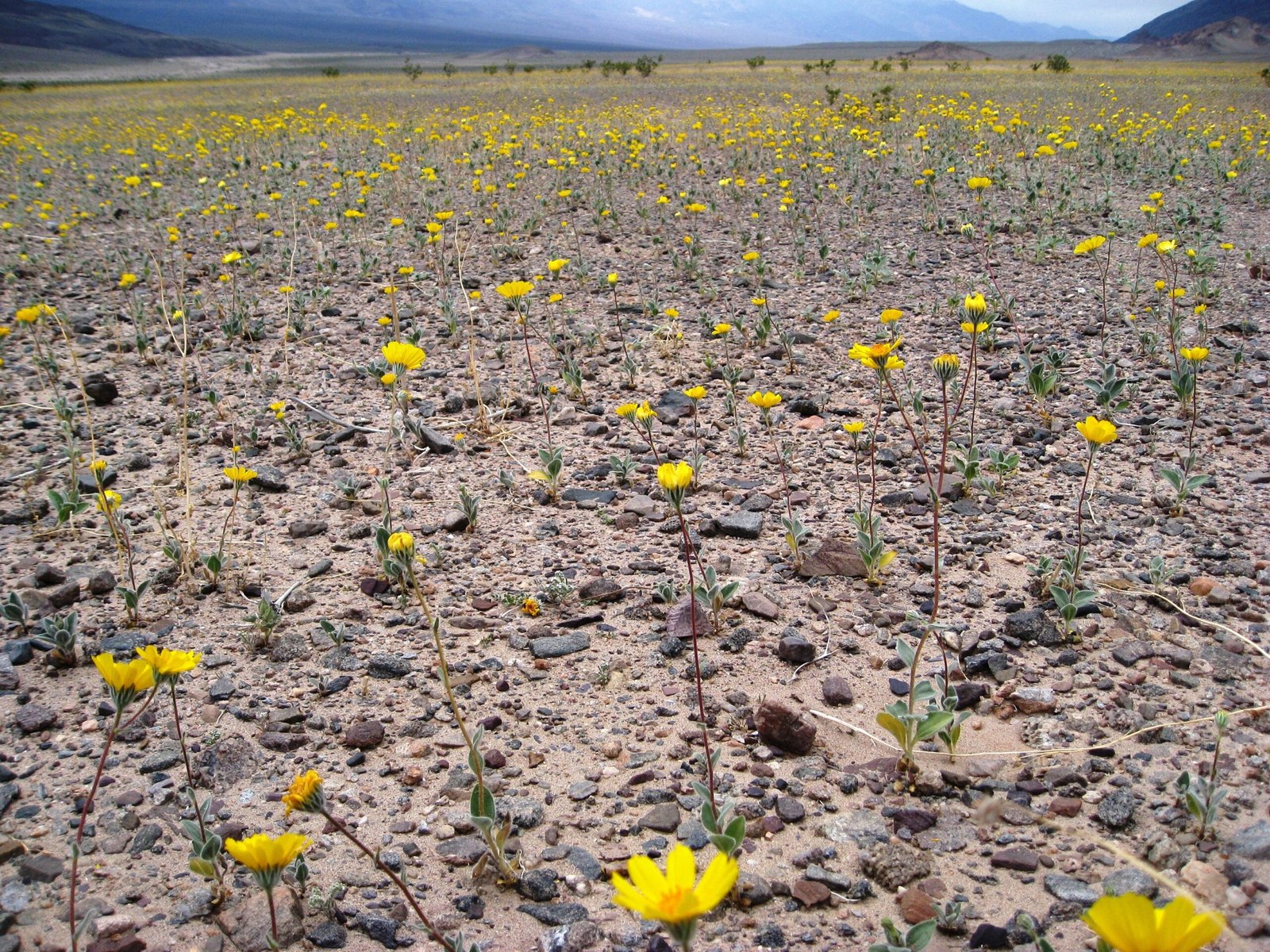
Rain alone isn’t enough to trigger a desert bloom; the timing and temperature are crucial too. If it rains too early or too late in the season, seeds might not germinate, or seedlings could be killed by heat or frost. Cool, moist conditions after rain help young plants survive long enough to flower and set seed. This delicate balance means that super blooms are rare and unpredictable, making them all the more special. Timing is everything, and the entire ecosystem holds its breath, waiting for that perfect window when life can flourish.
Animal Visitors and Pollinators
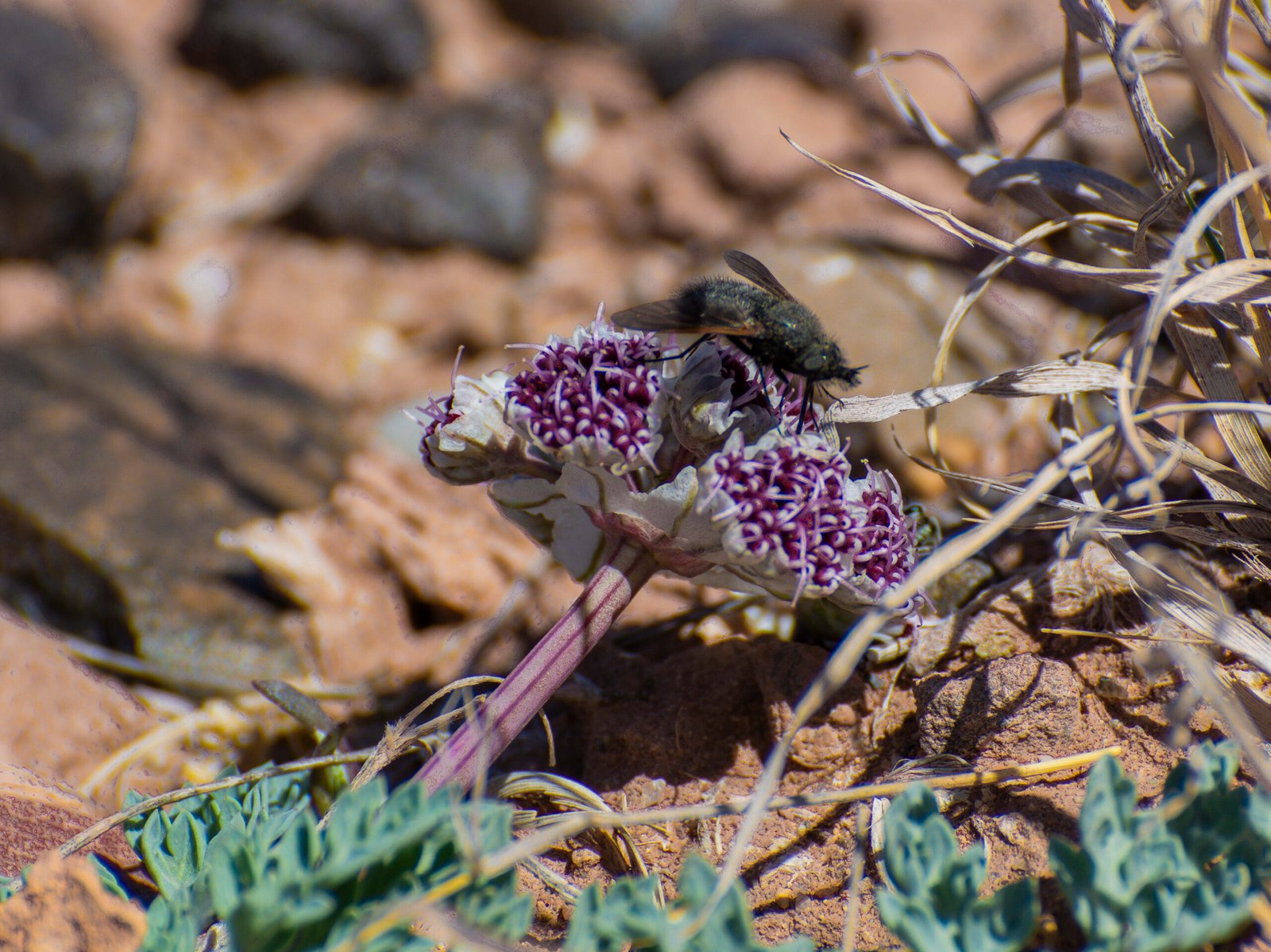
When wildflowers blanket the desert, they attract a rush of animal visitors. Bees buzz from flower to flower, butterflies dance in the breeze, and hummingbirds dart among the blooms. Even rodents and lizards benefit, feeding on seeds and new shoots. Pollinators are especially vital—they help ensure that the brief window of flowering results in seeds for the next generation. Some animals, like the sphinx moth, time their life cycles to coincide with these blooms, emerging just as the flowers do. The desert, usually so quiet, becomes a stage for a wild festival of life.
Ephemeral Beauty: The Fleeting Nature of Blooms
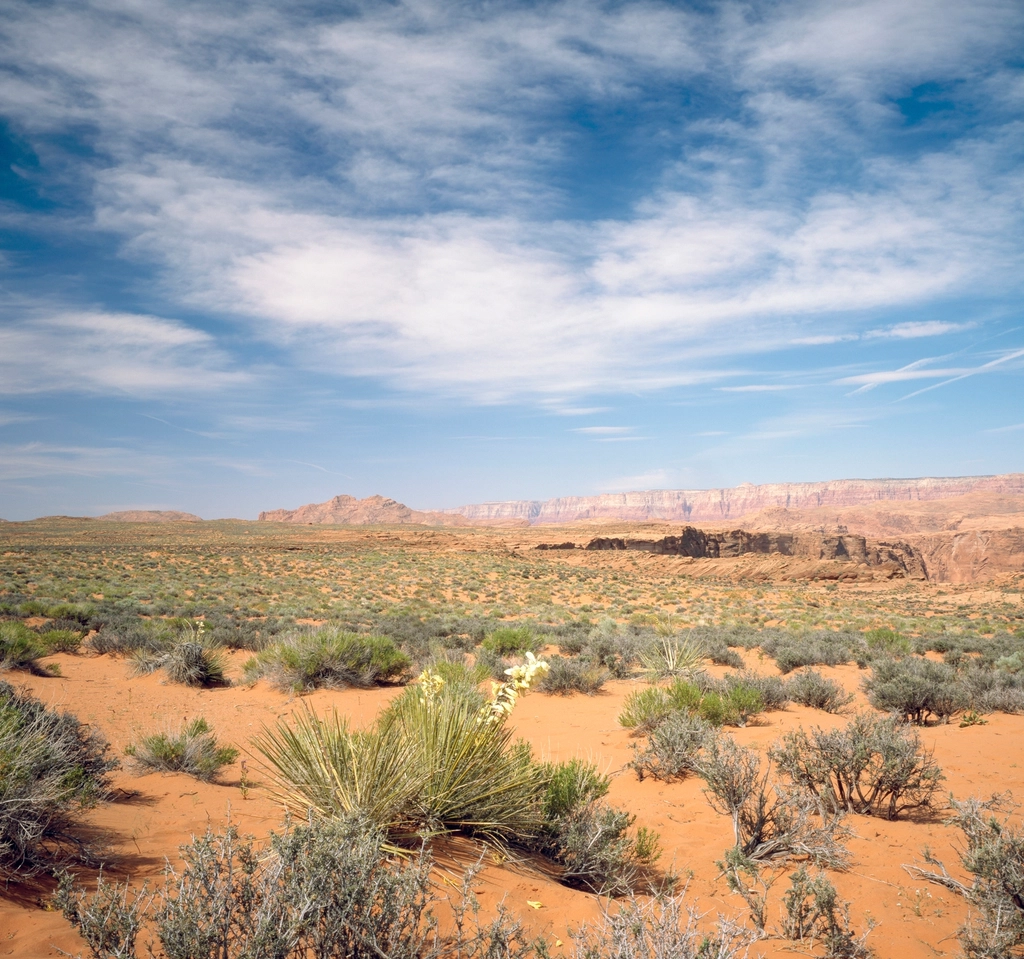
Desert wildflower displays are breathtaking but heartbreakingly brief. In just a few weeks, the riot of color fades. The sun grows hotter, the soil dries, and the flowers wither, leaving behind only seeds and memories. This fleeting beauty is part of what makes desert blooms so magical. They remind us that nature’s greatest spectacles are often temporary, precious, and worth cherishing. People travel hundreds of miles for a chance to witness a super bloom, knowing that the same spot may look lifeless again by summer.
Human Impact and Conservation
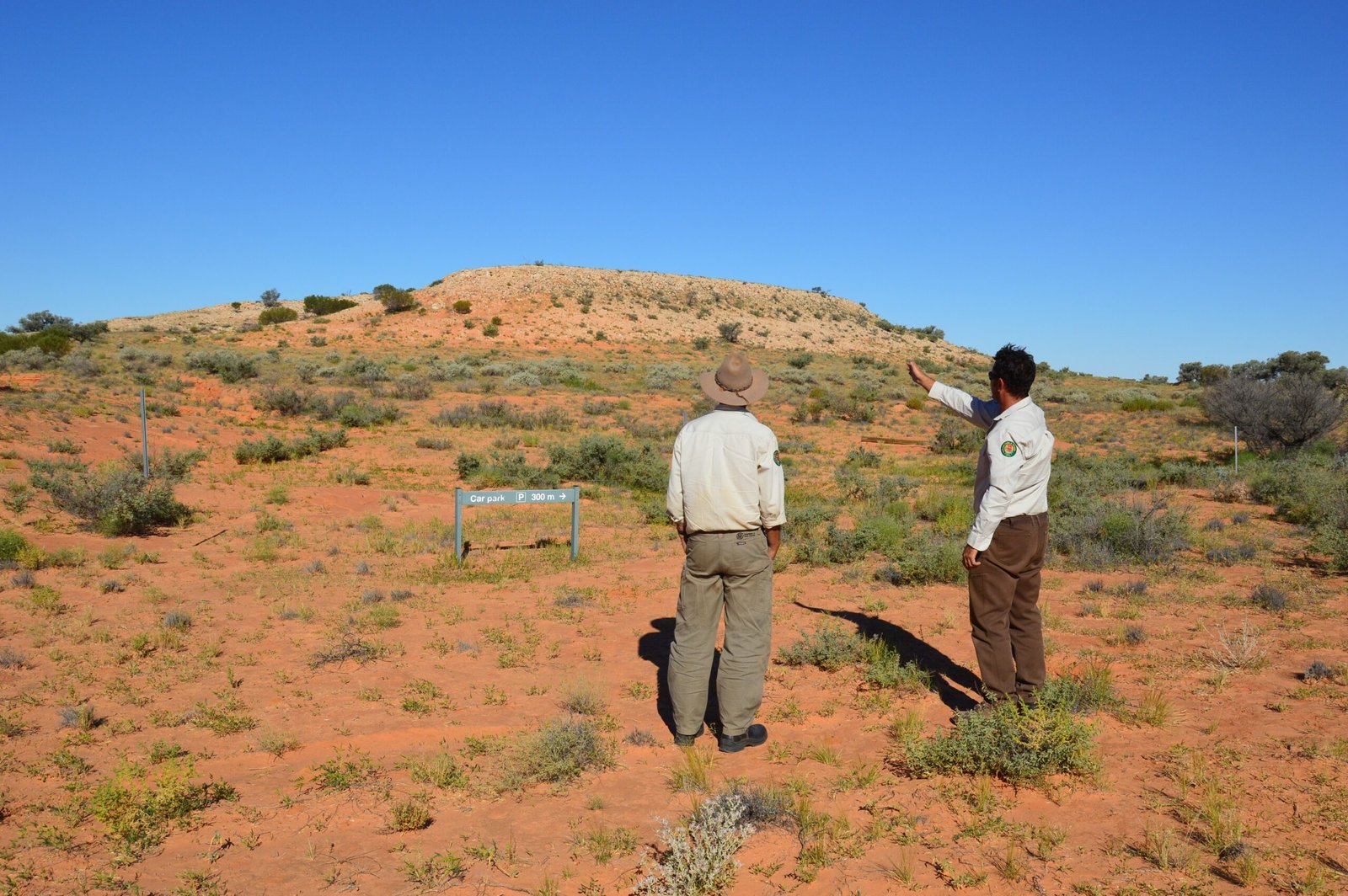
The popularity of desert blooms has a downside: crowds of visitors can trample fragile plants, compact the soil, and disrupt pollinators. Conservationists urge people to stay on trails and avoid picking flowers, reminding us that each bloom is part of a delicate cycle. There are ongoing efforts to protect key wildflower habitats from development, off-road vehicles, and invasive species. Education and responsible tourism are crucial to ensuring that these stunning events remain possible for future generations. The desert’s beauty is a gift, but one that needs our respect and care.
Global Examples: Blooming Deserts Around the World
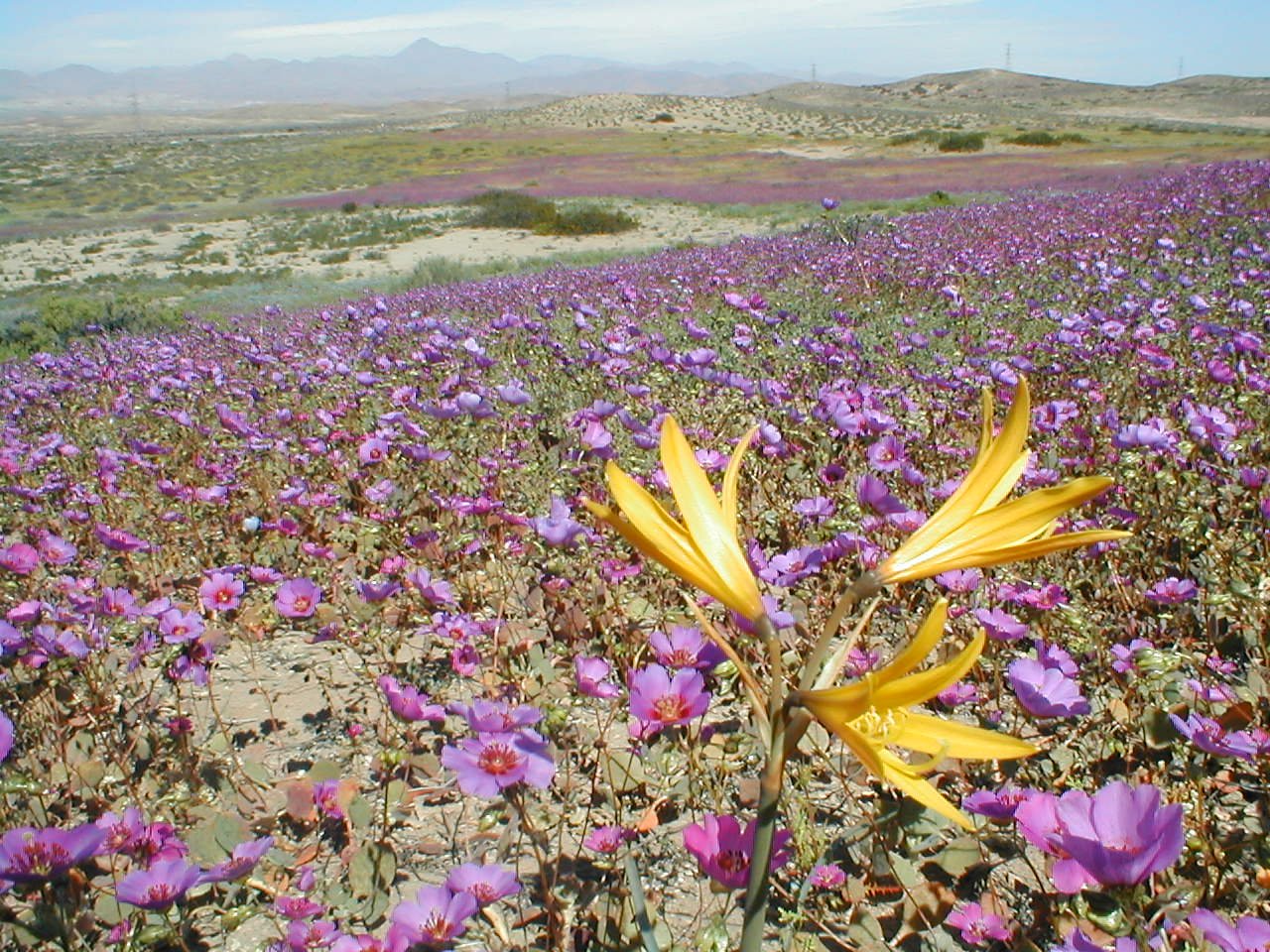
This miraculous transformation isn’t limited to one place. From California’s Anza-Borrego Desert to Chile’s Atacama and Australia’s Outback, deserts across the globe experience blooms after rain. Each region has its own unique cast of wildflowers and timing. For instance, the Atacama Desert—normally the driest place on Earth—can erupt with purple and pink flowers after rare El Niño rains. In South Africa, the Namaqualand blooms with daisies and succulents. These events are celebrated by locals and draw visitors from around the world, uniting people with a shared sense of wonder.
Soil Secrets: Microbes and Fungi at Work
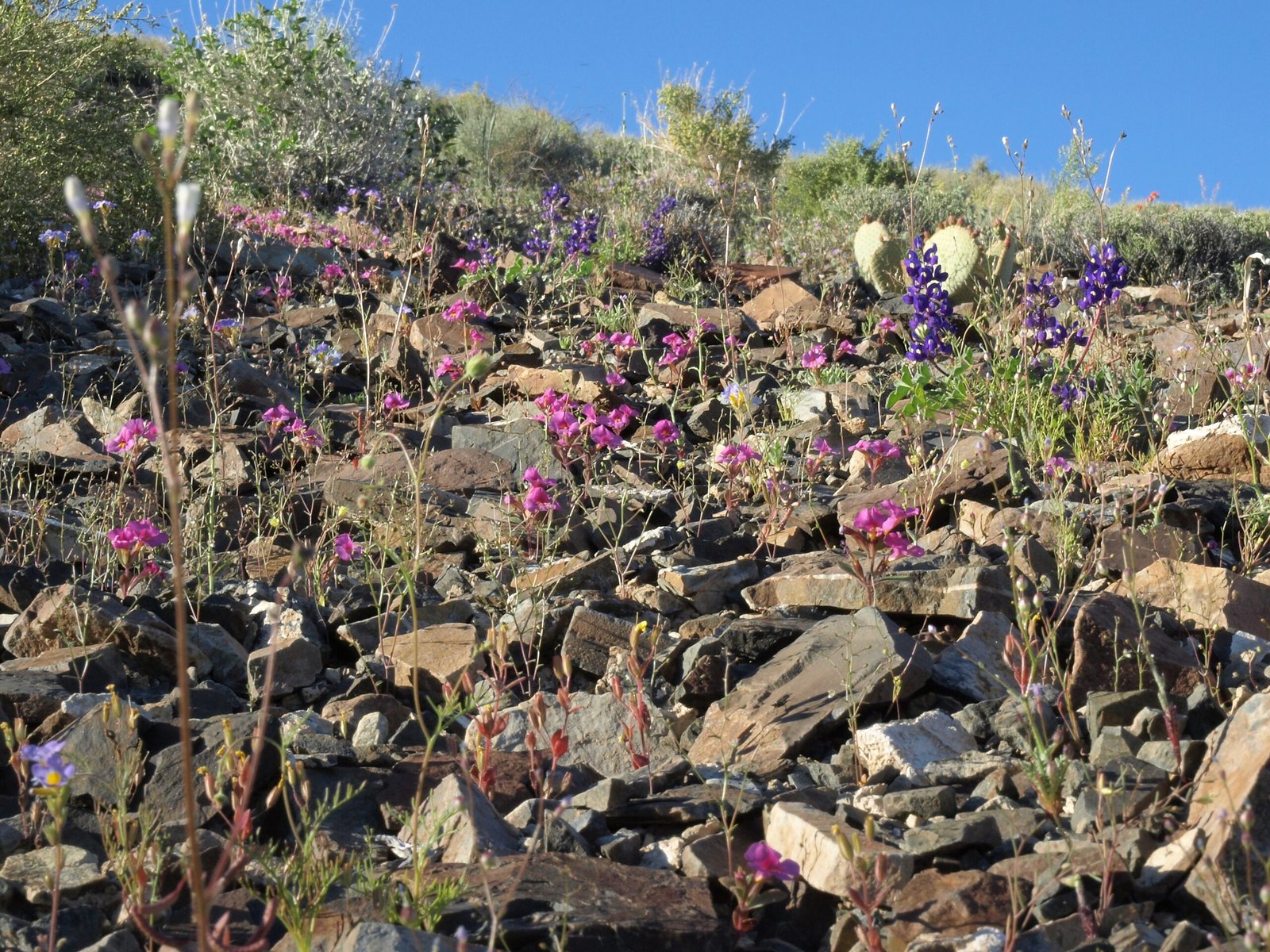
The desert’s hidden life isn’t just seeds. Beneath the surface, a network of microbes and fungi helps kickstart the blooming process. These tiny organisms break down organic matter, releasing nutrients that plants need to grow. When it rains, they become active, working in tandem with wildflowers to create a burst of productivity. Some fungi even form partnerships with plant roots, helping them absorb water and minerals. This belowground teamwork is invisible to the naked eye, but it’s crucial to the whole blooming spectacle.
Weather Patterns and Climate Change
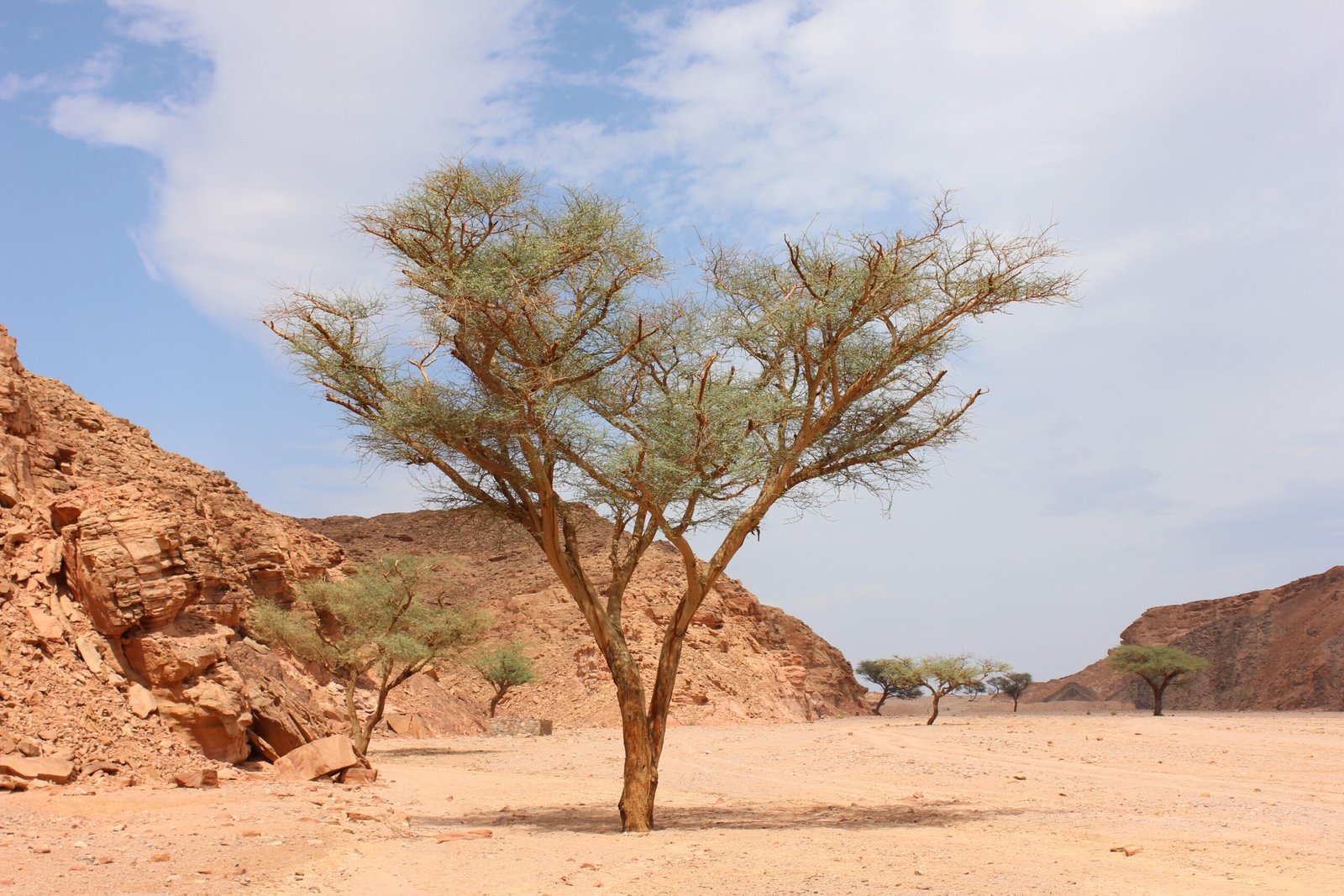
Weather patterns like El Niño and La Niña play a big role in timing and intensity of desert blooms. These global climate phenomena can bring extra rain or drought, dramatically changing the landscape from year to year. Scientists are keeping a close eye on how climate change might affect these patterns. Some worry that warmer temperatures and less predictable rainfall could make blooms rarer or change which plants appear. Understanding these shifts is important for protecting both the wildflowers and the animals that depend on them.
Desert Blooms in Art and Culture
The sight of a blooming desert has inspired countless artists, poets, and storytellers. Paintings, photographs, and songs capture the fleeting magic of these events, turning them into symbols of hope and renewal. Indigenous peoples in many desert regions have traditional stories that explain or celebrate the blooming of wildflowers. Modern festivals and wildflower tourism have become part of local culture in places like California and South Africa. The phenomenon is more than a natural event—it’s a source of inspiration and pride for many communities.
Citizen Science: Ordinary People, Extraordinary Discoveries
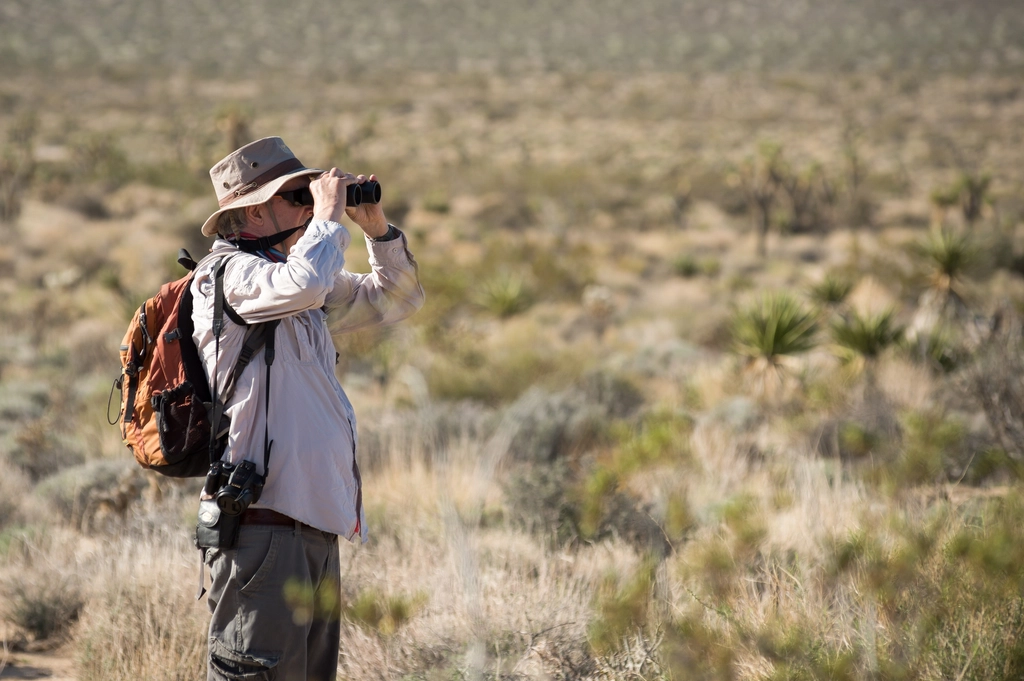
You don’t need a lab coat to study desert blooms. Every year, ordinary people—hikers, photographers, and wildflower enthusiasts—document when and where blooms occur. This “citizen science” helps researchers track changes in bloom timing, species diversity, and the impacts of climate change. With smartphones and online platforms, anyone can contribute valuable data. By sharing photos, notes, and observations, people become part of a global network working to understand and protect these spectacular events. The desert bloom is a reminder that science is for everyone, and sometimes the best discoveries happen outside.
Economic and Ecological Benefits of Super Blooms
Super blooms aren’t just beautiful—they bring real benefits to people and nature. They draw tens of thousands of tourists, boosting local economies in small desert towns. Wildflowers also help stabilize soil, prevent erosion, and provide food for insects, birds, and mammals. The seeds produced during a super bloom can sustain animal populations for years. In a world facing environmental challenges, these brief explosions of life are a powerful reminder of nature’s value—not just for the eye, but for the planet’s health and our own well-being.
The Emotional Impact: Awe, Joy, and Connection
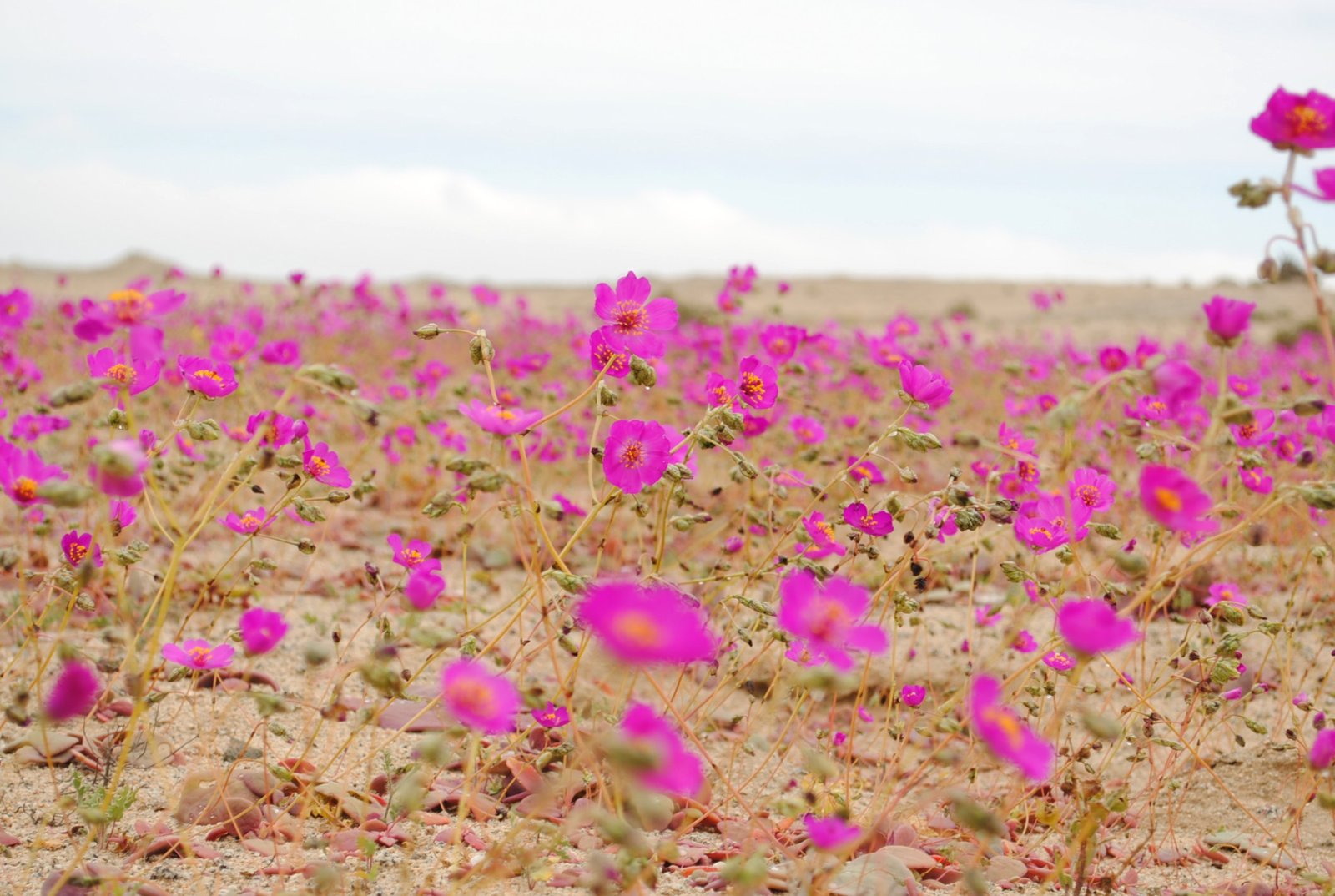
Standing in a blooming desert, it’s hard not to feel awestruck. The contrast between lifeless dust and sudden color stirs something deep inside us. It’s a reminder that hope can appear in the most unlikely places, and that resilience is woven into the fabric of life. Many people describe visiting a super bloom as a spiritual experience, a moment of pure joy and wonder. These events connect us to the rhythms of nature and to each other, reminding us that beauty can flourish—even in the harshest conditions.
Lessons from the Desert: Resilience and Renewal
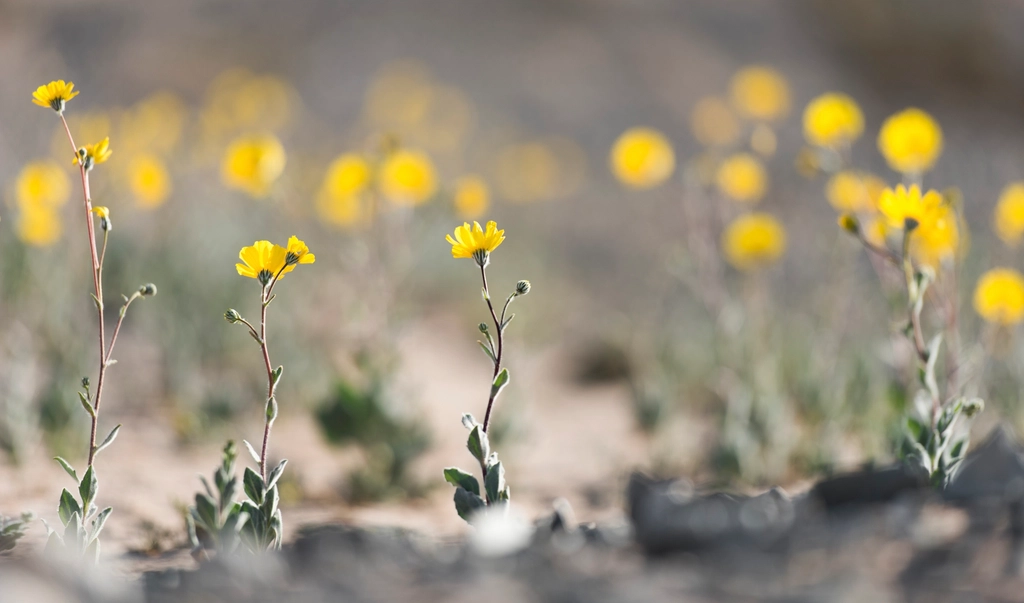
Desert blooms teach us about patience, adaptation, and the power of small changes. Seeds wait for the right moment, plants adapt in ingenious ways, and entire ecosystems are poised to respond to opportunity. In a world that often feels uncertain, these wildflower havens offer a lesson in resilience and renewal. They show us that even the most barren places are filled with hidden potential, waiting for a chance to shine. Next time you see a patch of empty ground, remember: it might be a sleeping garden, just waiting for rain.